1. ArchDaily
  2. Architecture

Architecture: The Latest Architecture and News

AI-Powered Robotics Support Rebuilding Homes in Los Angeles Fire Zones

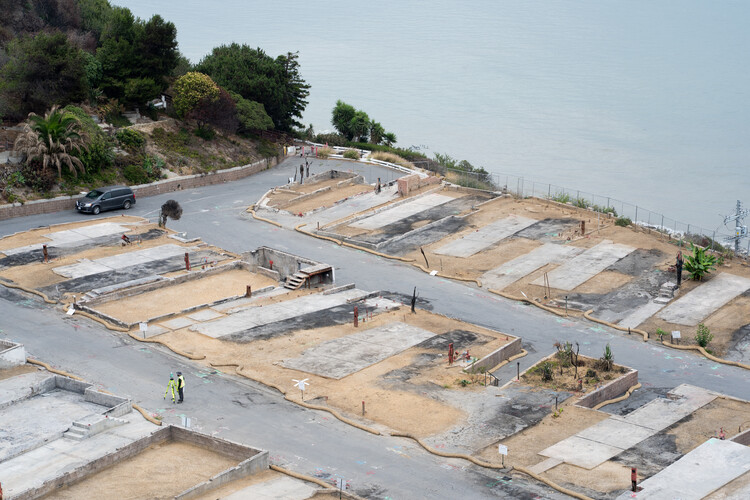
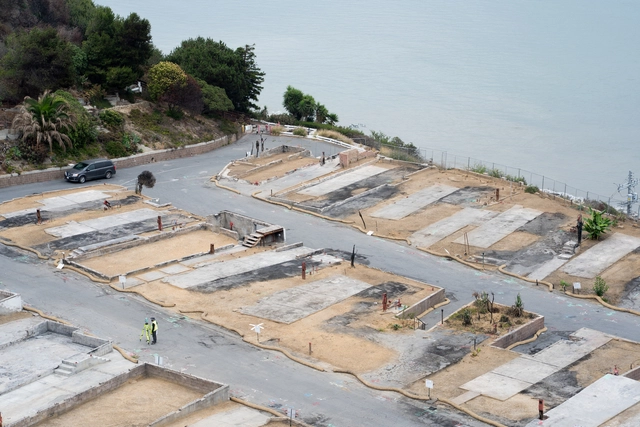
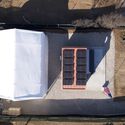
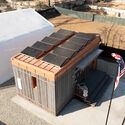
ABB Robotics and US-based construction technology company Cosmic Buildings have deployed a mobile robotic microfactory in Pacific Palisades, California, to support the rebuilding of homes destroyed by the 2025 Southern Californian wildfires. Designed as a temporary, on-site manufacturing facility, the system aims to reduce construction time, costs, and material waste while producing housing that meets high standards of safety and sustainability. By combining AI-powered automation with modular construction techniques, the collaboration demonstrates how robotic manufacturing can be adapted to remote and disaster-affected locations. The companies suggest that such approaches could become a key tool in delivering resilient, affordable housing on a large scale.
AI-Powered Robotics Support Rebuilding Homes in Los Angeles Fire Zones - Imagem 1 de 4AI-Powered Robotics Support Rebuilding Homes in Los Angeles Fire Zones - Imagem 2 de 4AI-Powered Robotics Support Rebuilding Homes in Los Angeles Fire Zones - Imagem 3 de 4AI-Powered Robotics Support Rebuilding Homes in Los Angeles Fire Zones - Imagem 4 de 4AI-Powered Robotics Support Rebuilding Homes in Los Angeles Fire Zones - More Images+ 11

Citizen-Led Campaign Proposes New Use for Kenzo Tange's Kagawa Gymnasium, Facing Demolition

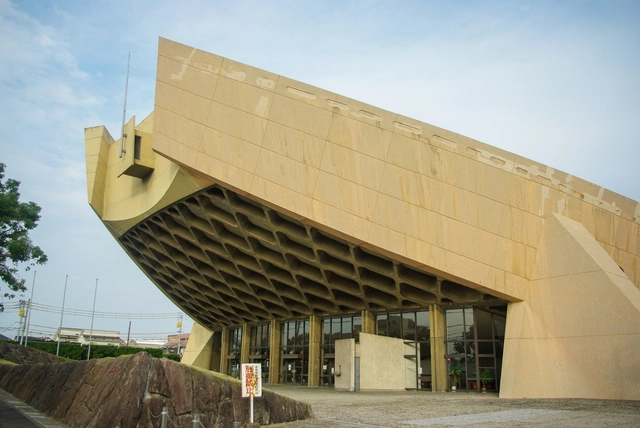
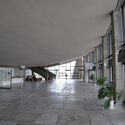
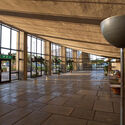
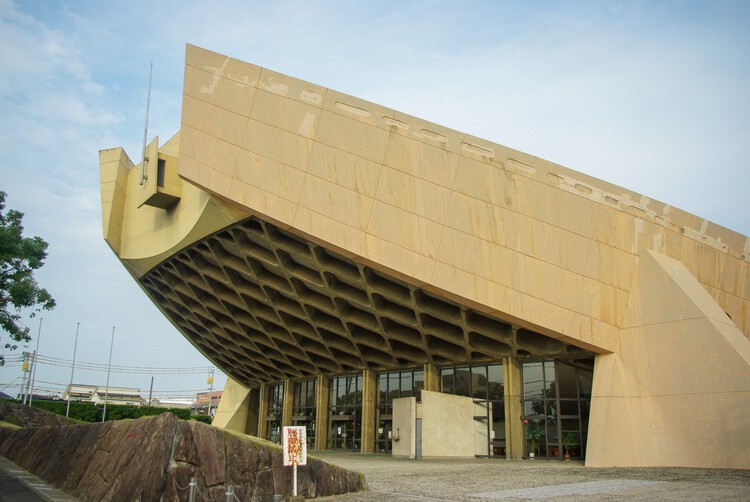
In February 2023, the governor of Kagawa Prefecture, Japan, announced the planned demolition of the Kagawa Prefectural Gymnasium, designed by Pritzker Prize-winning architect Kenzo Tange. Discussion surrounding its fate dates back to its permanent closure in 2014, after a roof leak caused structural problems in the ceiling boards. Since then, several organizations have worked to save the building, including a petition by the World Monuments Fund and an effort by a promotional council to nominate it as a UNESCO World Cultural Heritage site in 2021. Despite these initiatives, on August 7, 2025, the Kagawa Prefectural Government officially announced a public competitive bidding process to select a contractor for the demolition, something the Former Kagawa Prefectural Gymnasium Regeneration Committee is determined to prevent.

Citizen-Led Campaign Proposes New Use for Kenzo Tange's Kagawa Gymnasium, Facing Demolition - Image 1 of 4Citizen-Led Campaign Proposes New Use for Kenzo Tange's Kagawa Gymnasium, Facing Demolition - Image 2 of 4Citizen-Led Campaign Proposes New Use for Kenzo Tange's Kagawa Gymnasium, Facing Demolition - Image 3 of 4Citizen-Led Campaign Proposes New Use for Kenzo Tange's Kagawa Gymnasium, Facing Demolition - Image 4 of 4Citizen-Led Campaign Proposes New Use for Kenzo Tange's Kagawa Gymnasium, Facing Demolition - More Images+ 1

From Vietnam to Poland: 6 Unbuilt Residences Immersed in Nature

Subscriber Access | 

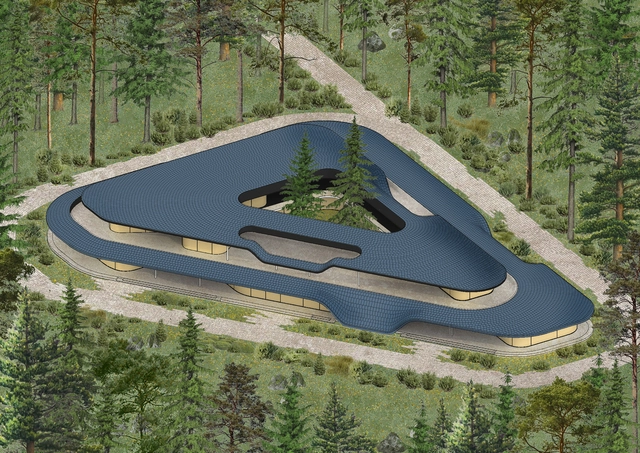
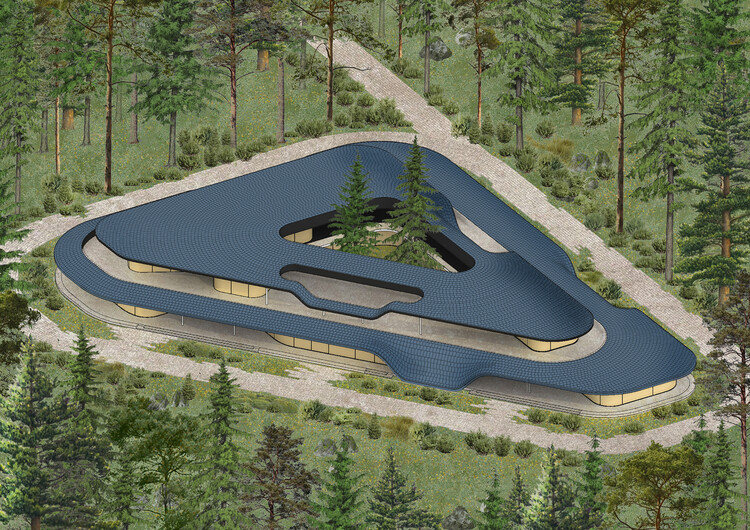
Across diverse climates and landscapes, architects are reimagining the home as a place deeply rooted in its surroundings, where architecture and environment work together to nurture well-being. This curated selection of unbuilt residences, submitted by the ArchDaily community, are conceived as sanctuaries, offering respite from the pace of urban life and drawing on the restorative qualities of greenery, water, and open air. Nature is utilized as an active presence, shaping courtyards, guiding circulation, and influencing the choice of materials and colors.

From Vietnam to Poland: 6 Unbuilt Residences Immersed in Nature - Image 14 of 4From Vietnam to Poland: 6 Unbuilt Residences Immersed in Nature - Image 23 of 4From Vietnam to Poland: 6 Unbuilt Residences Immersed in Nature - Image 26 of 4From Vietnam to Poland: 6 Unbuilt Residences Immersed in Nature - Image 5 of 4From Vietnam to Poland: 6 Unbuilt Residences Immersed in Nature - More Images+ 30

Seven International Design Teams Shortlisted for Museum of Jesus’ Baptism in Jordan

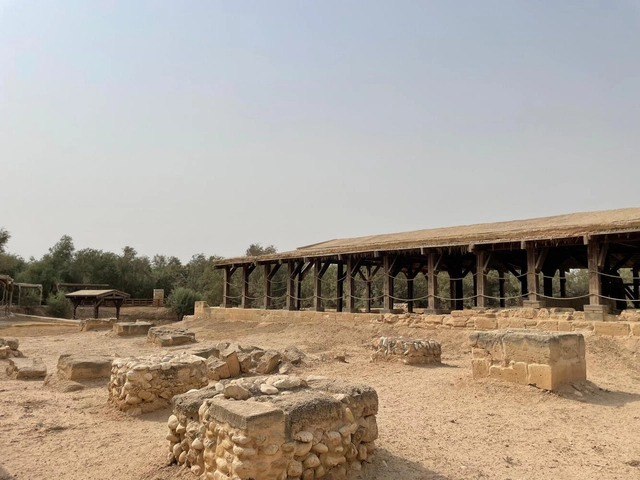
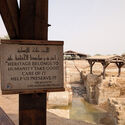
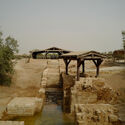
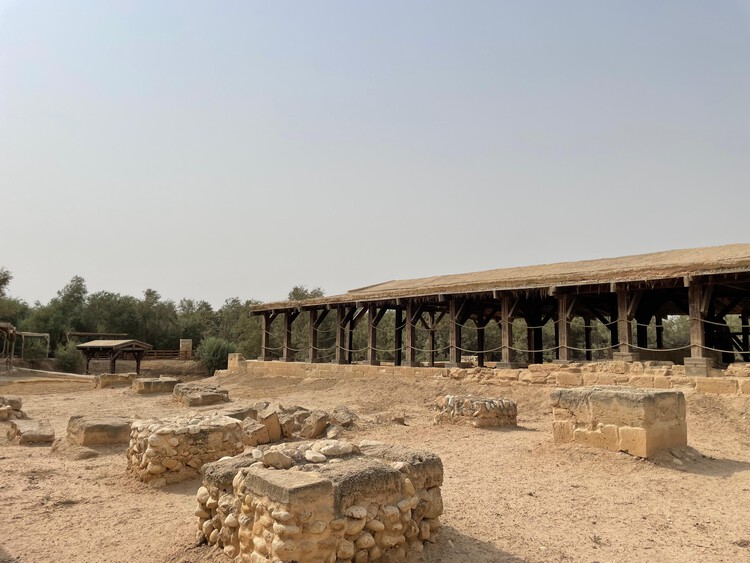
Seven international design teams have been shortlisted for the "Museum of Jesus' Baptism" at Bethany, Jordan, a cultural and spiritual landmark scheduled to open in 2030 to mark the bimillennial of Christ's baptism. Endorsed by His Majesty King Abdullah II bin Al-Hussein and led by the Foundation for the Development of the Lands Adjacent to the Baptism Site, the project is managed by London-based Malcolm Reading Consultants (MRC). The museum will be situated adjacent to the UNESCO World Heritage Site of "Bethany Beyond the Jordan" on the east bank of the Jordan River, a place of Christian pilgrimage for centuries.

Seven International Design Teams Shortlisted for Museum of Jesus’ Baptism in Jordan - Image 1 of 4Seven International Design Teams Shortlisted for Museum of Jesus’ Baptism in Jordan - Image 2 of 4Seven International Design Teams Shortlisted for Museum of Jesus’ Baptism in Jordan - Image 3 of 4Seven International Design Teams Shortlisted for Museum of Jesus’ Baptism in Jordan - Image 4 of 4Seven International Design Teams Shortlisted for Museum of Jesus’ Baptism in Jordan - More Images+ 9

Carlo Ratti Associati Presents New Cultural Center and Open-Air Stage in Addis Ababa, Ethiopia

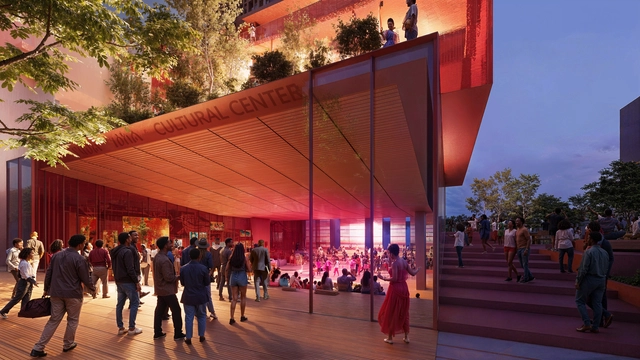
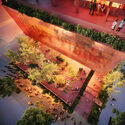
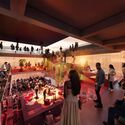
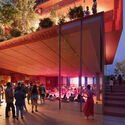
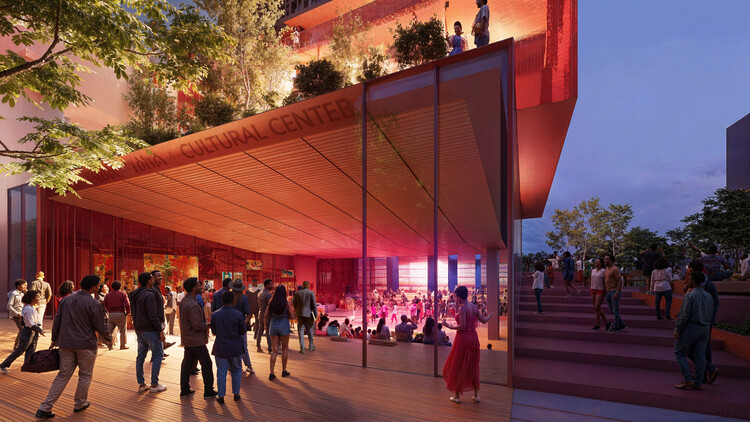
CRA-Carlo Ratti Associati has unveiled images of its design for a new cultural center in Addis Ababa, the capital of Ethiopia. The project is located in Kazanchis, a cultural, musical, and historic neighborhood currently undergoing transformation as part of a government-led urban renewal program focused on corridor development. This neighborhood was home to the traditional compound of the Fendika Cultural Center, a hub for Ethiopia's traditional and experimental arts, which was demolished on October 23, 2024, after the site was designated for redevelopment as part of the systematic clearing of the area. In recognition of Fendika's cultural significance, the Addis Ababa Municipality offered the institution the opportunity to remain on-site and rebuild in a way that aligned with the city's plans for the neighborhood. CRA's project responds to this context with an open stage and a four-story civic space.

Carlo Ratti Associati Presents New Cultural Center and Open-Air Stage in Addis Ababa, Ethiopia - Image 1 of 4Carlo Ratti Associati Presents New Cultural Center and Open-Air Stage in Addis Ababa, Ethiopia - Image 2 of 4Carlo Ratti Associati Presents New Cultural Center and Open-Air Stage in Addis Ababa, Ethiopia - Image 3 of 4Carlo Ratti Associati Presents New Cultural Center and Open-Air Stage in Addis Ababa, Ethiopia - Featured ImageCarlo Ratti Associati Presents New Cultural Center and Open-Air Stage in Addis Ababa, Ethiopia - More Images

BIG’s Mesquit Street Mixed-Use Complex is Approved by Los Angeles City Council

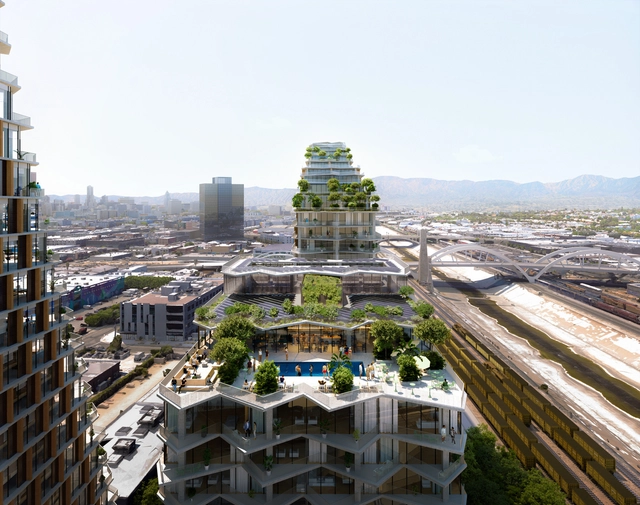
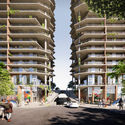
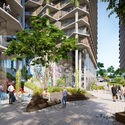
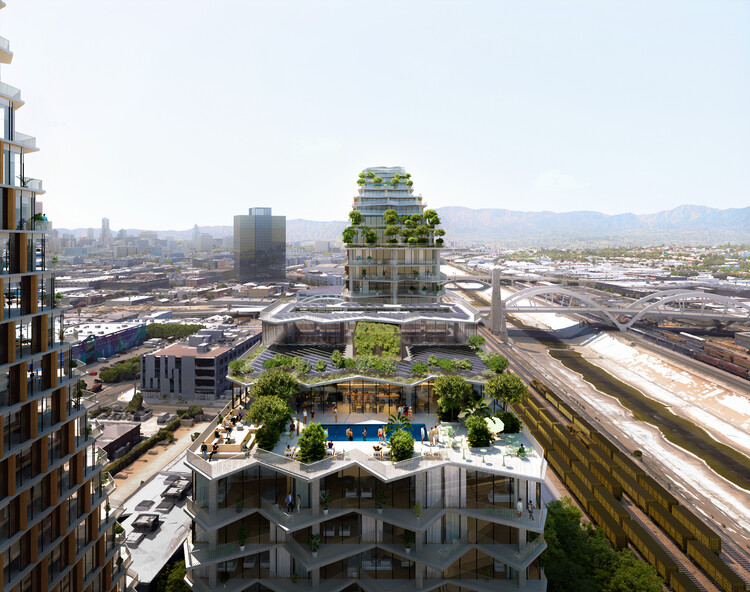
In December 2016, BIG unveiled the first images of a concrete superstructure for Los Angeles' Arts District. The project, a mixed-use complex called 670 Mesquit, was originally projected to cover 2.6 million square feet (242,000 square meters) and include office space, residential units, and two hotels, marking BIG's first project in Los Angeles. In July 2025, nearly nine years after the original proposal, the Los Angeles City Council approved the project to be eventually built in multiple phases.

BIG’s Mesquit Street Mixed-Use Complex is Approved by Los Angeles City Council - Imagen 1 de 4BIG’s Mesquit Street Mixed-Use Complex is Approved by Los Angeles City Council - Imagen 2 de 4BIG’s Mesquit Street Mixed-Use Complex is Approved by Los Angeles City Council - Imagen 3 de 4BIG’s Mesquit Street Mixed-Use Complex is Approved by Los Angeles City Council - Imagen 4 de 4BIG’s Mesquit Street Mixed-Use Complex is Approved by Los Angeles City Council - More Images+ 12

International Youth Day: Three Educational Initiatives for Community-Led Urban Change

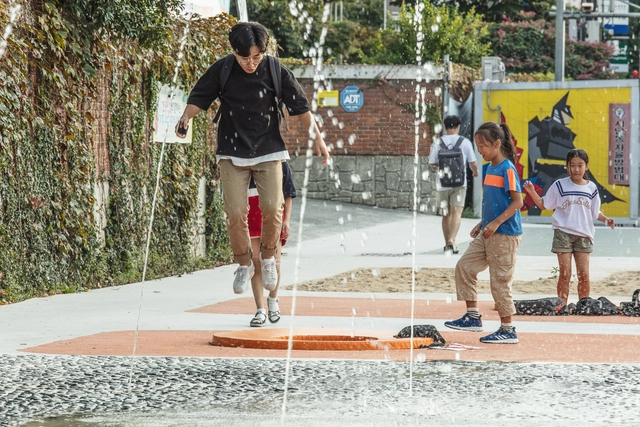
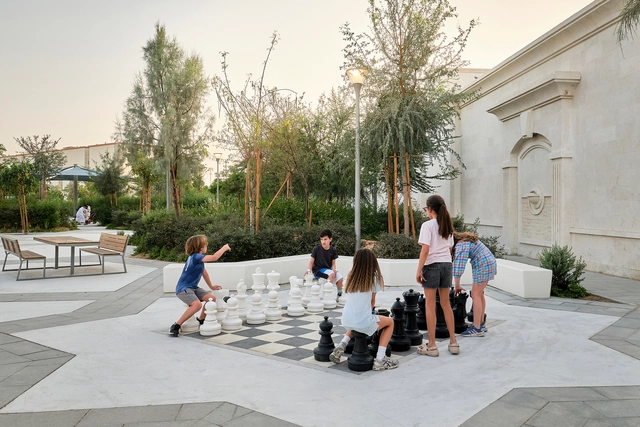
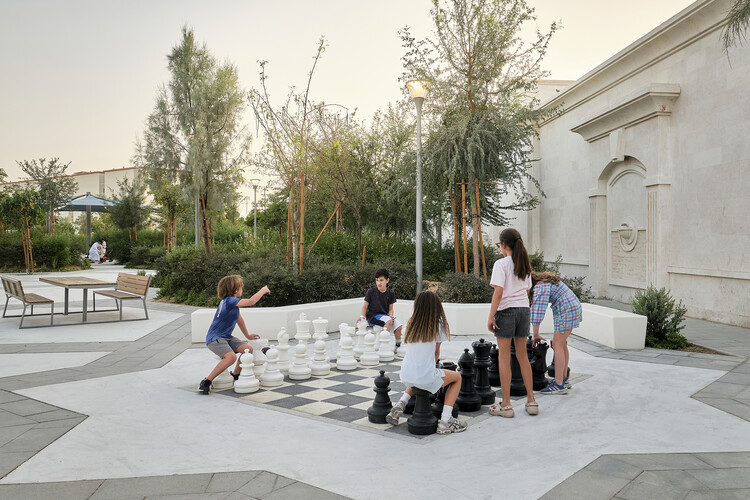
August 12, designated by the United Nations as International Youth Day since 1998, was conceived as an occasion to bring youth issues to the forefront of the international agenda and to celebrate the contributions of young people to today's global society. Each year, the observance focuses on a specific theme. In 2025, it is "Local Youth Actions for the SDGs and Beyond," emphasizing the role of youth in transforming global ambitions into community-driven realities. The aim is to highlight how young people help implement the Sustainable Development Goals (SDGs) within local contexts and bridge the gap between policy and practice. In this spirit, we present three educational programs, in Romania, the United Kingdom, and the United States, that empower youth to deepen their understanding of the built environment and envision a more sustainable, people-friendly urban future.

International Youth Day: Three Educational Initiatives for Community-Led Urban Change - Imagen 1 de 4International Youth Day: Three Educational Initiatives for Community-Led Urban Change - Imagen 2 de 4International Youth Day: Three Educational Initiatives for Community-Led Urban Change - Imagen 3 de 4International Youth Day: Three Educational Initiatives for Community-Led Urban Change - Imagen 4 de 4International Youth Day: Three Educational Initiatives for Community-Led Urban Change - More Images+ 1

Clorindo Testa's Artistic and Architectural Experimentation: Colors and Asymmetrical Plays in Spaces of Worship

Subscriber Access | 

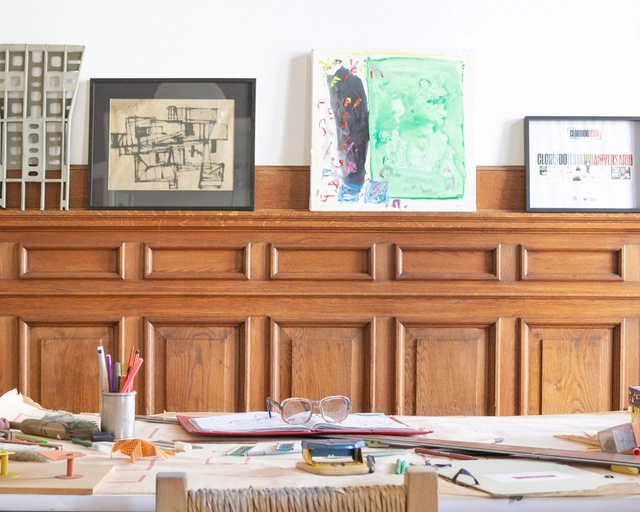
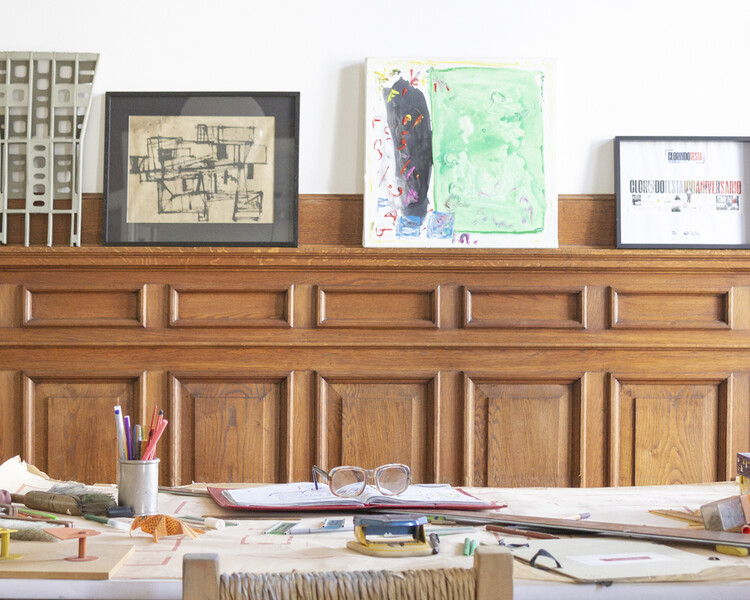
Amid questions, reflections, and debates, the work of Clorindo Testa embodies an innate connection between artistic and architectural experimentation, reflected in many of his built projects, sketches, models, and plans. From the Mariano Moreno National Library to the former Bank of London building in Buenos Aires, his production is of such scope, diversity, and complexity that it constitutes a major source of study, one that also includes unbuilt projects that deserve visibility and recognition on a global scale. In his final years of professional activity, two unbuilt projects of religious architecture highlight Testa’s work not only as an architect but also as a visual artist.
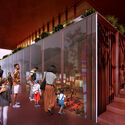
The use of primary colors, pure forms, and concrete represent some of the most distinctive characteristics of Clorindo Testa’s architecture, which is inseparable from his visual art. Reflecting on themes such as living in large cities or the conditions of life in urban spaces, the powerful expressiveness and plasticity of his works, together with the character of the line, his typical color palette, and the frequent presence of the human figure, reveal the importance and meaning he attributed to scales, uses, and perceptions as an architect who never settled for the first idea.

Clorindo Testa's  Artistic and Architectural Experimentation: Colors and Asymmetrical Plays in Spaces of Worship - Imagem 1 de 4Clorindo Testa's  Artistic and Architectural Experimentation: Colors and Asymmetrical Plays in Spaces of Worship - Imagem 2 de 4Clorindo Testa's  Artistic and Architectural Experimentation: Colors and Asymmetrical Plays in Spaces of Worship - Imagem 3 de 4Clorindo Testa's  Artistic and Architectural Experimentation: Colors and Asymmetrical Plays in Spaces of Worship - Imagem 4 de 4Clorindo Testa's  Artistic and Architectural Experimentation: Colors and Asymmetrical Plays in Spaces of Worship - More Images+ 34

Mauro Marinelli Wins 2025 Wheelwright Prize for Research on Mountain Architecture Across the Alps, Andes, and Himalayas

Harvard University Graduate School of Design (GSD) has announced Maura Marinelli, co-founder of franzosomarinelli, as the winner of the 2025 Wheelwright Prize. The annual $100,000 grant supports emerging architects in pursuing investigative research that addresses contemporary architectural challenges with a global perspective. Marinelli's winning proposal, "Topographies of Resistance: Architecture and the Survival of Cultures," explores how architecture can sustain and revitalize rural, mountainous regions that confront climate change, infrastructure limitations, and cultural erosion. His research aims to develop design strategies that promote autonomy, sustainability, and local identity by comparing contexts in the Alps, Andes, and Himalayas. Through fieldwork and analysis, the project seeks to propose architectural approaches that empower communities and challenge urban-centric perspectives.
Colombia Pavilion at Expo Osaka 2025 Presents a Dynamic "Ice Cube" Playing With Form and Light

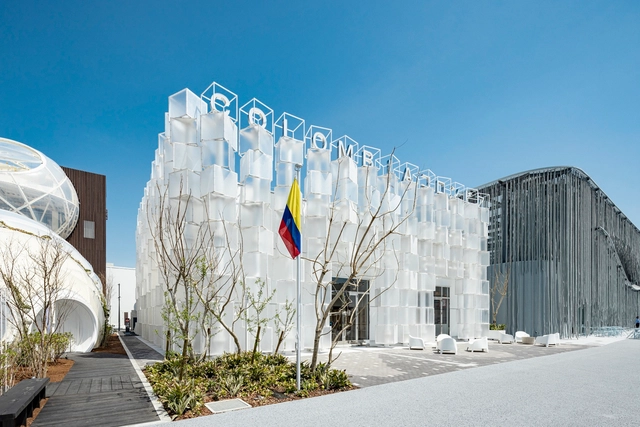
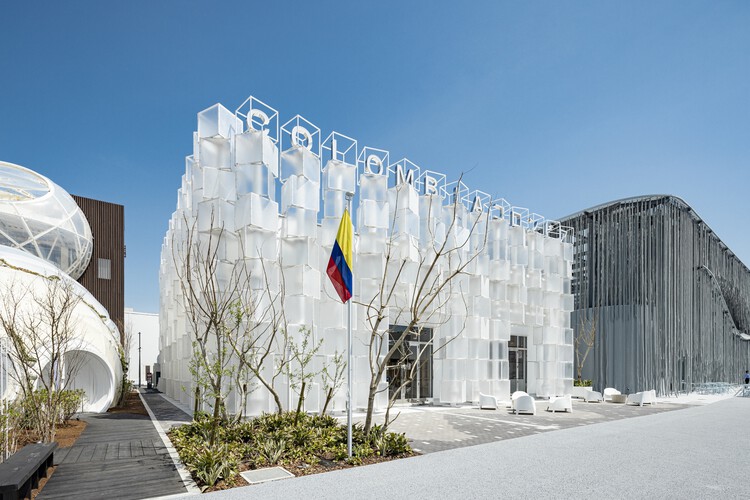
The Colombia Pavilion at the Expo Osaka 2025 adopts the theme "ICE CUBE," inspired by the scene in Gabriel García Márquez's One Hundred Years of Solitude where a young boy encounters ice for the first time. Translating this literary reference into built form, the pavilion presents a facade of translucent cubes set at varying angles, creating a sense of movement and articulation. Designed by MORF Inc., with Karim Chahal as Project Director and Ko Oono as Principal Architect, the exterior is composed of semi-transparent polycarbonate panels integrated with color-controlled lighting, allowing the facade to transform in appearance throughout the day and night.

Colombia Pavilion at Expo Osaka 2025 Presents a Dynamic "Ice Cube" Playing With Form and Light - Imagen 1 de 4Colombia Pavilion at Expo Osaka 2025 Presents a Dynamic "Ice Cube" Playing With Form and Light - Imagen 2 de 4Colombia Pavilion at Expo Osaka 2025 Presents a Dynamic "Ice Cube" Playing With Form and Light - Imagen 3 de 4Colombia Pavilion at Expo Osaka 2025 Presents a Dynamic "Ice Cube" Playing With Form and Light - Imagen 4 de 4Colombia Pavilion at Expo Osaka 2025 Presents a Dynamic Ice Cube Playing With Form and Light - More Images+ 9

In alliance with Architonic
Check the latest In ArchitectureCheck the latest In ArchitectureCheck the latest In Architecture

Check the latest In Architecture