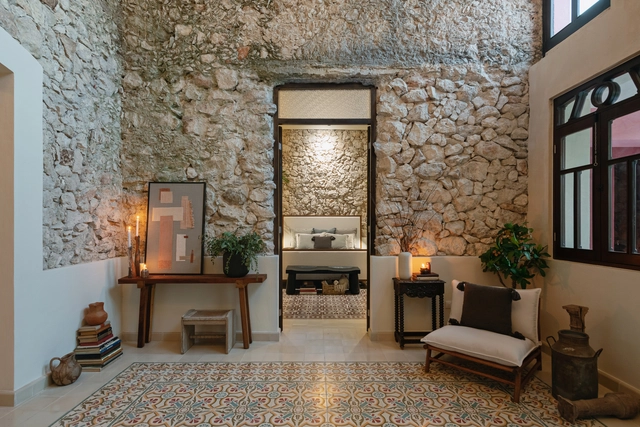
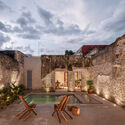
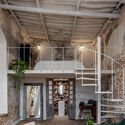
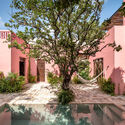
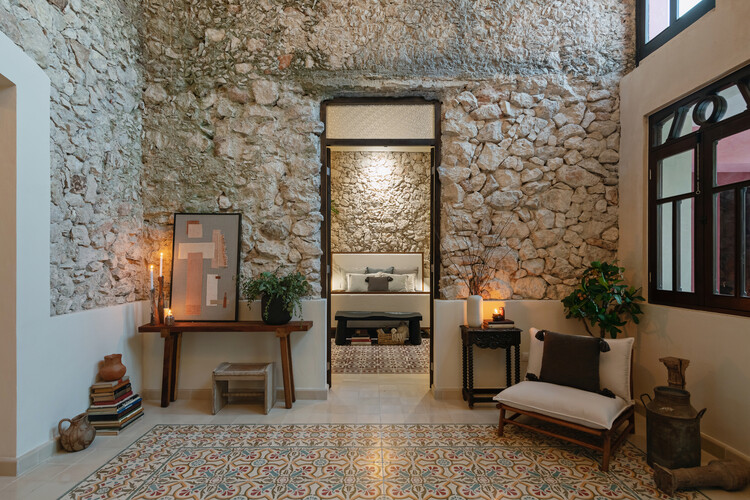
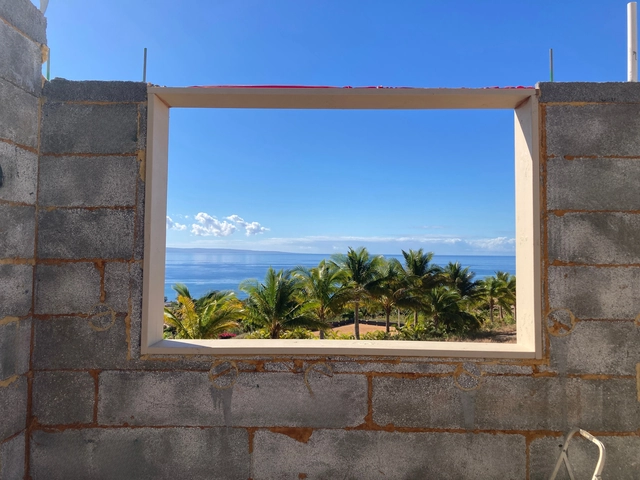
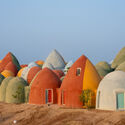
In the pursuit of connecting with the architectural traditions of cities and integrating their natural environments into design projects, the contemporary reinterpretation of colonial homes in Mexico faces the challenge of enhancing the contrast between the old and the new. Through the conservation of historical elements, the reuse of materials, and the fusion with contemporary design, the architecture of Mérida recognizes in its original colonial configuration new opportunities to create spaces in line with today’s demands. From achieving a direct connection with nature to naturally lighting and ventilating interior spaces, numerous ancient constructions, whether in ruins or not, choose to highlight their architecture by giving them a new life.
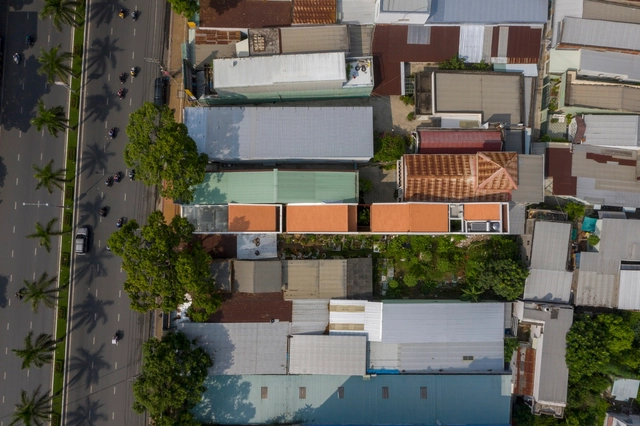
Behind facades lie vibrant lives, where the exterior melds with the interior, transforming neglected urban spaces into captivating residences. In cities around the world, architects, engineers and designers face the challenge of integrating new buildings into existing urban landscapes with limited space. Many architects are now embracing this concept, expanding their designs beyond conventional boundaries and transforming small city lots into layered and interconnected living spaces.
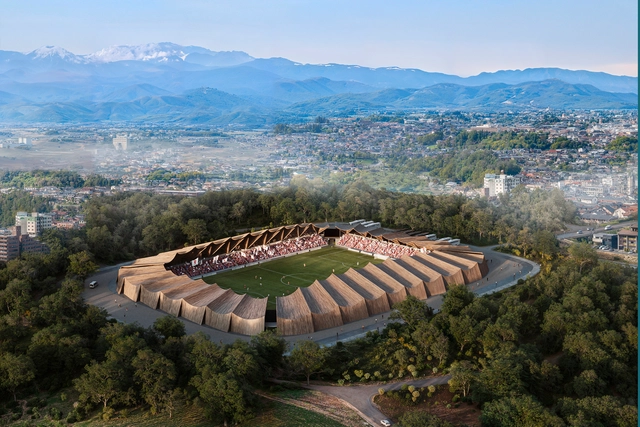
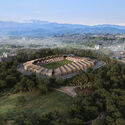
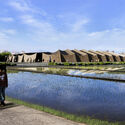
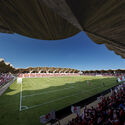
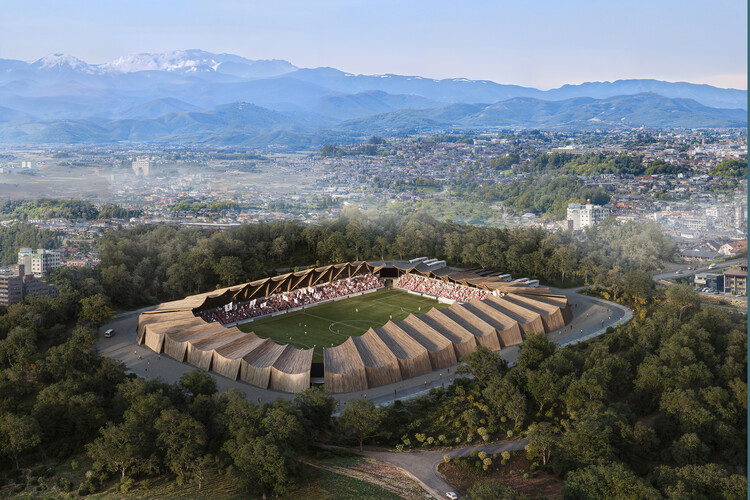
VUILD has presented the design for a wooden soccer stadium planned for Fukushima, Japan, as the future home of Fukushima United FC. Commissioned by SportX, the proposal combines community participation, an innovative timber structure, and sustainable strategies, positioning the stadium as both a functional sports venue and a potential symbol of renewal. Inspired by the Japanese tradition of Shikinen Sengu, the periodic rebuilding of shrines, the concept introduces three cycles: resources, community, and craftsmanship.
As cities and communities adapt to new cultural, environmental, and social realities, architecture is taking on an expanded role in shaping spaces of resilience, gathering, and imagination. This edition of Architecture Now highlights six recent projects that span continents and typologies, from the redevelopment of post-industrial landscapes to sacred architecture, cultural pavilions, and civic hubs. Whether through mass timber innovation in Vancouver and Jülich, adaptive reuse in Ostrava, a children's pavilion in London, a spiritual centre in India, or a parametric church in Kyiv, each project demonstrates how design can bridge heritage and innovation while fostering connection, care, and community.
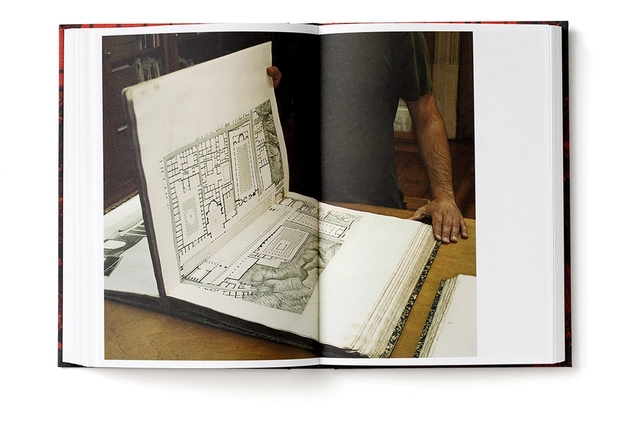
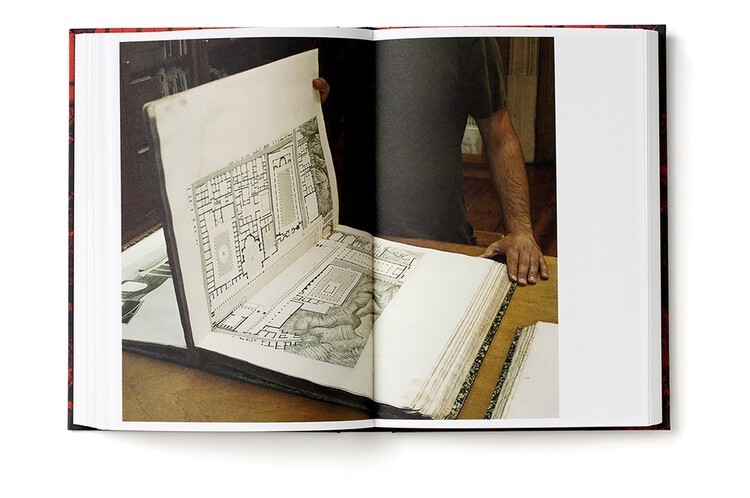
Architecture has always been more than bricks and mortar. It is equally constructed through words, ideas, and narratives. From ancient treatises to radical manifestos, from technical manuals to poetic essays, the written word has served as a spatial, pedagogical, and political tool within the field. Writing shapes how architecture is conceptualized, communicated, and critiqued — often long before, or even in the absence of, physical construction.
Historically, figures such as Vitruvius, Alberti, and Palladio employed writing to codify principles, project ideals, and legitimize architecture as a discipline. In the modern era, Le Corbusier, Adolf Loos, and Lina Bo Bardi wrote prolifically to expand the scope of architecture beyond form and function, often using publications as tools for persuasion and experimentation. The postwar period gave rise to new editorial strategies, as evident in the manifestos of Archizoom and Superstudio, and the polemical publications of Delirious New York and Oppositions, where writing served as both critique and project.
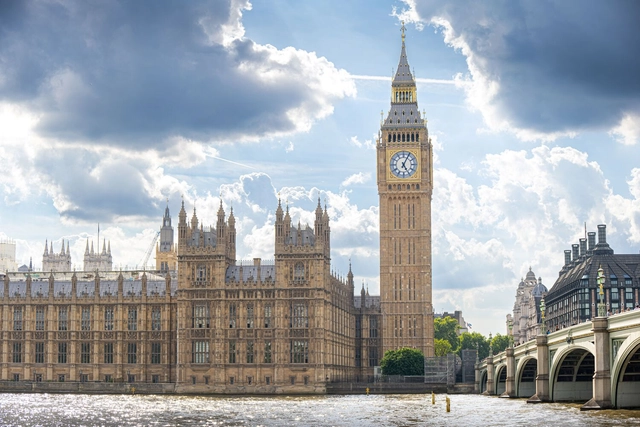
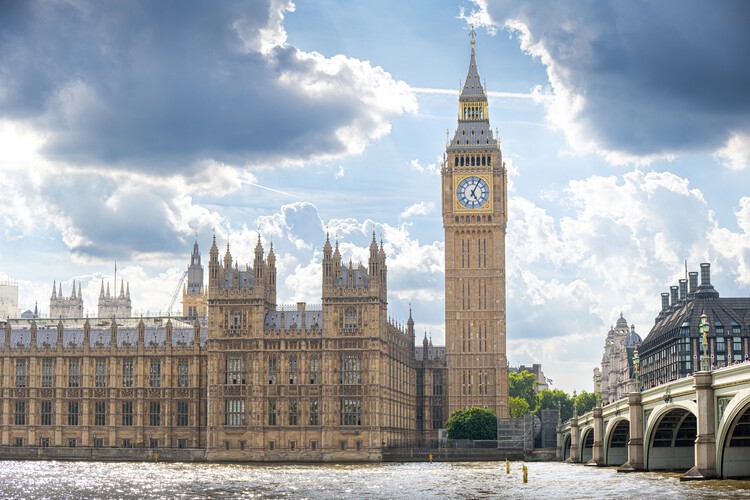
The Royal Institute of British Architects (RIBA) has revealed the six shortlisted projects for the 2025 RIBA Stirling Prize. Since its establishment in 1996, the prize has recognized works that respond to contemporary challenges while shaping more inclusive futures. This year's shortlist spans a diverse range of scales and programs, including the restoration of one of the nation's most iconic landmarks, a pioneering medical research facility, a contemporary almshouse designed to reduce isolation among older residents, a university's "factory for fashion," a fully accessible home, and a creative house extension. The winner of the award will be announced live at the Stirling Prize ceremony on 16 October in the Roundhouse, London.
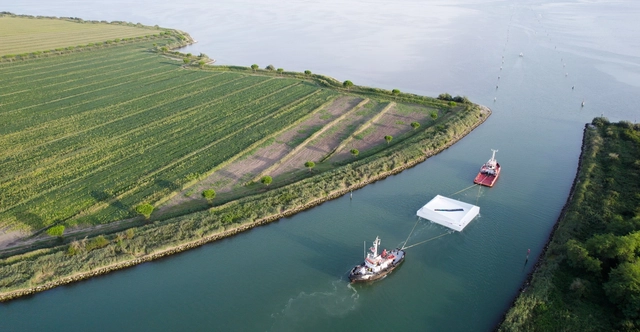
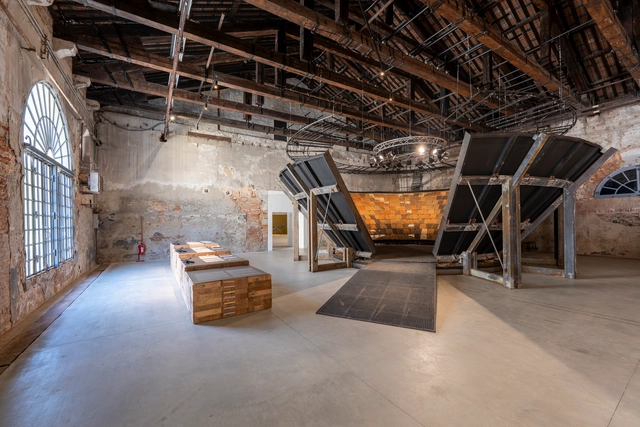
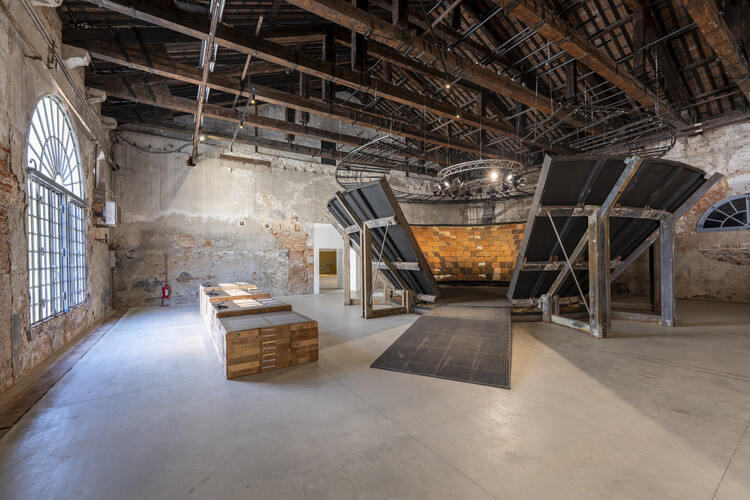
The Philippines' Pavilion at the 19th International Architecture Exhibition – La Biennale di Venezia presents Soil-beings (Lamánlupa), an exhibition curated by artistic director Renan Laru-an. Through interdisciplinary collaborations, the Pavilion brings together architects, technical experts, indigenous leaders, artists, policymakers, and local communities to explore the cultural, ecological, and technological dimensions of soil. Its objective is to challenge conventional architectural paradigms by shifting the focus from structure to soil, not as a passive material, but as a living force with agency, history, and power.
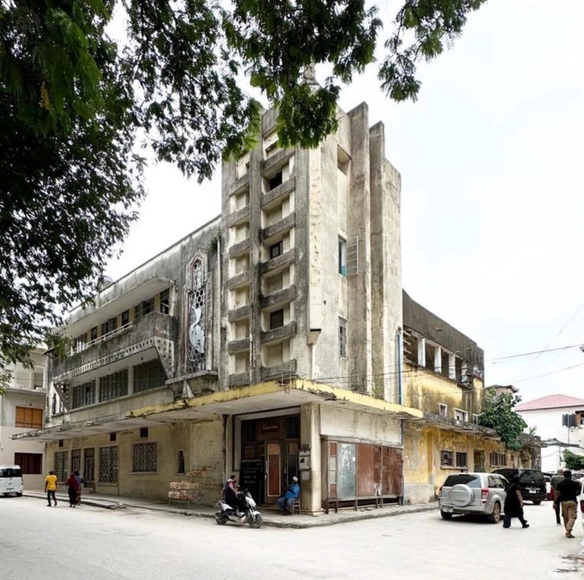
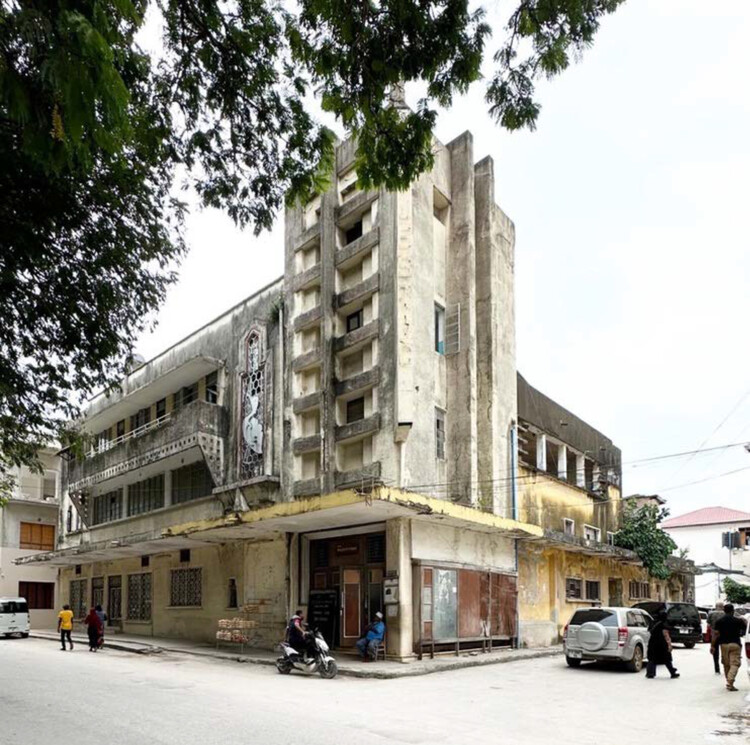
In historic Stone Town, the main city in Zanzibar, Tanzania, the story of one cinema building and its imminent restoration is reflective of the city's history and the narrative of cinemas generally. The early twentieth century saw the advent of cinema construction, peaking in mid-century, before declining against competition with multiplexes and home television. While many were demolished or irreparably altered, many also lay abandoned, like time capsules for a bygone era. They are a snapshot of the architecture styles and methods of their time, acting as a reminder of their role in their communities. Restoring and adapting a cinema like the Majestic is a recognition of its heritage and community value.
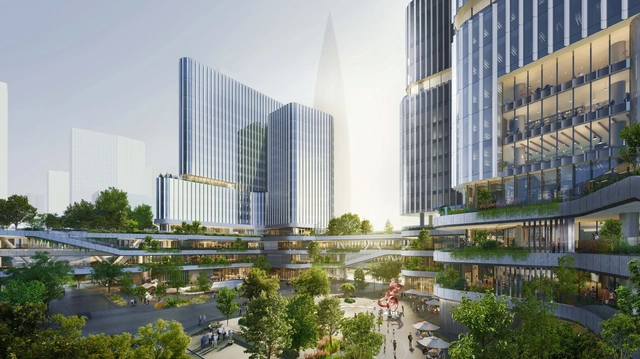
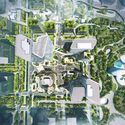
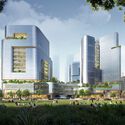
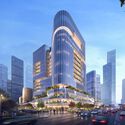
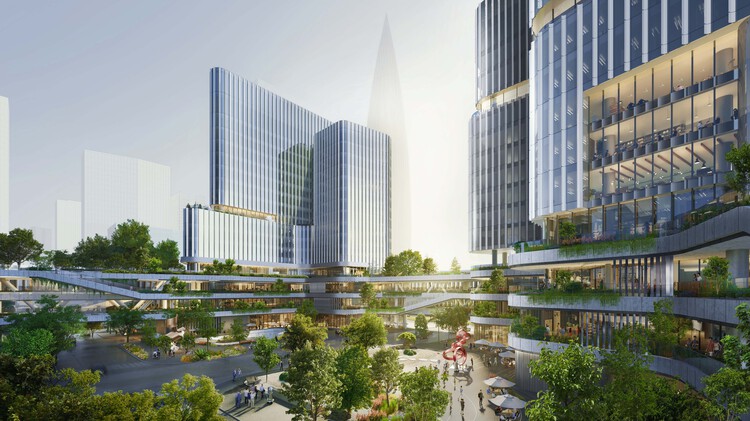
Houhai Hybrid Campus design. Render. Image Courtesy of Büro Ole Scheeren
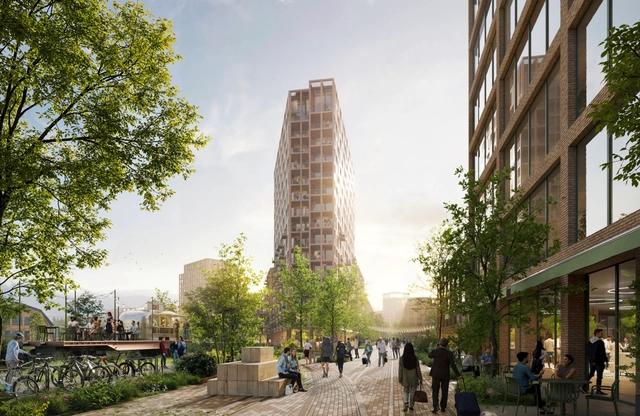
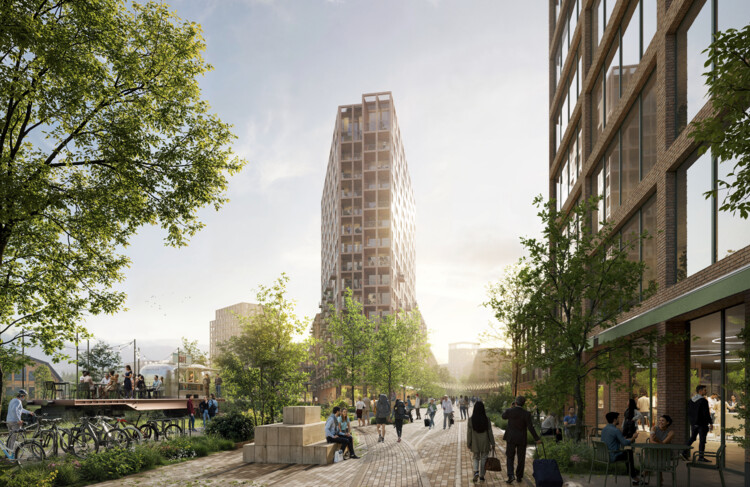
The international firm Büro Ole Scheeren has unveiled images of the Houhai Hybrid Campus, a new urban complex in Shenzhen's Houhai district. The development is situated in a strategic area within the original Shenzhen Special Economic Zone (SEZ), bridging the city's commercial center and its bayfront. The release of the Hybrid Campus images coincided with the 45th anniversary of Shenzhen's designation as a Special Economic Zone, a milestone marking the city's transformation from a fishing village into a global innovation hub. Currently under construction, the Hybrid Campus integrates work, living, culture, commerce, leisure, recreation, and nature into a unified urban complex, scheduled to open in late 2026.
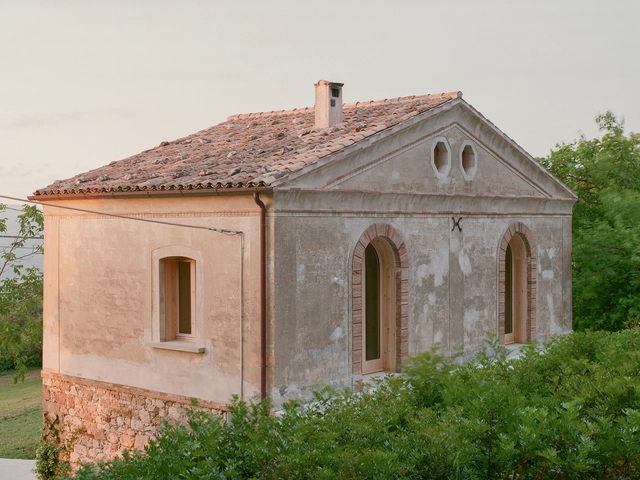
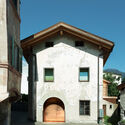
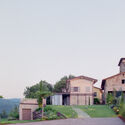
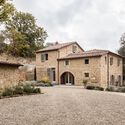
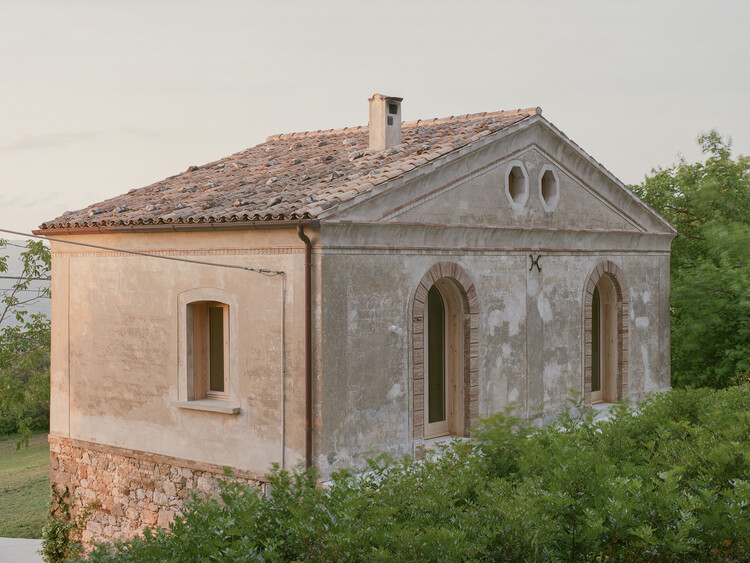
Italy's rich history, evident in its monuments and cities, has created a unique context for architectural renovation. Italian architects often embrace this heritage by engaging in a dialogue between old and new, rather than aiming for a complete transformation. This approach intentionally avoids an imitative style, instead using contemporary materials like steel, glass, and new wood to frame and highlight the existing historic stone and brickwork. This juxtaposition turns the original materials from simple structural elements into featured decorative and narrative ones. The result is a layered experience where the history of the space remains visible, ensuring it is preserved rather than erased by the renovation.
Surfing is, without a doubt, one of the most visually striking and fascinating sports. A fluid choreography that combines strength and delicacy, like a dance on the waves, gathers enthusiasts across the world's oceans. Yet, behind this image of freedom and connection with nature, the sport also carries contradictions. It is a symbol of outdoor life and respect for the ocean, but on the other hand, it is marked by territorial disputes over waves and by an environmental footprint that rarely receives the same attention given to its aesthetics. In times of climate crisis, this paradox becomes even more evident. Surfing depends directly on the health of marine ecosystems, the very ones most affected by pollution and global warming. This tension has been pushing a new generation of shapers, architects, and material designers to seek alternatives, from plant-based and recycled foams to the reuse of industrial waste, in order to reconnect the sport with its ecological dimension.
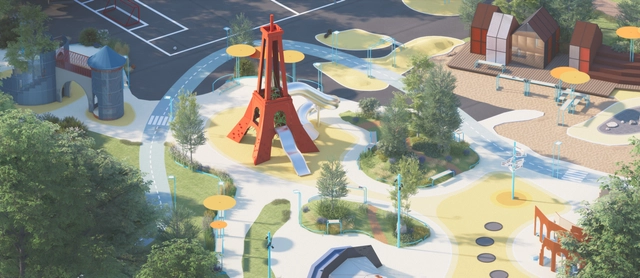
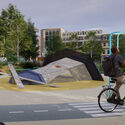
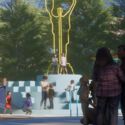
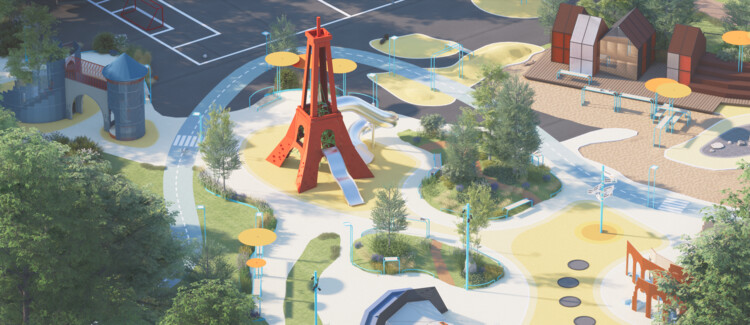
21st Europe, a Copenhagen-based think tank founded by former SPACE10 creative director Kaave Pour, has introduced its second major blueprint, Continent of Play. Developed in collaboration with design and architecture studioSpacon, the proposal reimagines playgrounds as vital civic infrastructure, positioning them alongside museums, transport hubs, and energy grids as defining spaces for Europe's future.
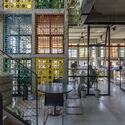
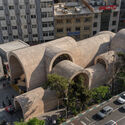
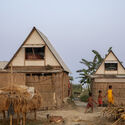
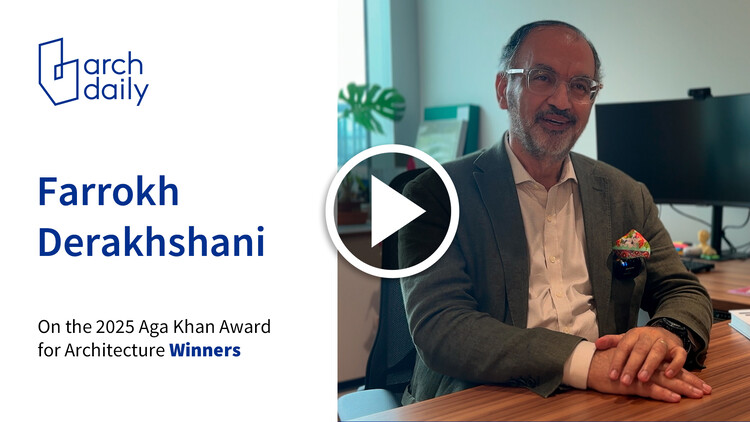
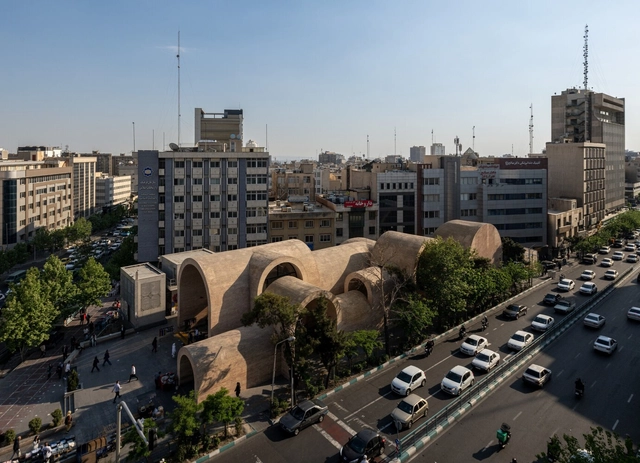
Today, September 2, the seven winners of the 16th Cycle (2023–2025) of the Aga Khan Award for Architecture were announced, following on-site reviews of the 19 shortlisted projects revealed in June. Established in 1977, the Award seeks to identify and encourage building concepts that respond to the physical, social, and economic needs of communities with a significant Muslim presence, while also addressing their cultural aspirations. To understand the vision behind this cycle's winners, ArchDaily's Editor-in-Chief, Christele Harrouk, spoke with Farrokh Derakhshani, who has been with the award for over four decades. He described the initiative as "a curated message to the world," a message that evolves with the times.
Amid the traffic-clogged arteries of Los Angeles, where cars have long ruled the streets, the future of urban mobility is being questioned. The reorientation focuses not on simply removing cars or introducing new technology, but on envisioning the city as an integrated system in which people, places, and vehicles coexist in balance. Automobiles are no longer the unquestioned centerpiece of urban life; instead, they are treated as one component of a broader, multimodal transportation network. Design now seeks to prioritize human needs and experiences over vehicular dominance.
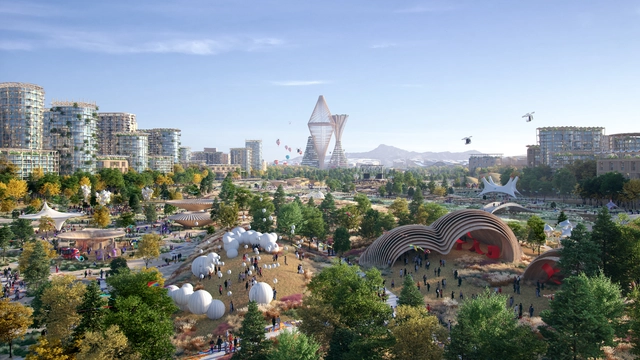
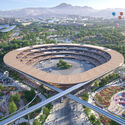
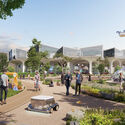
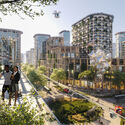
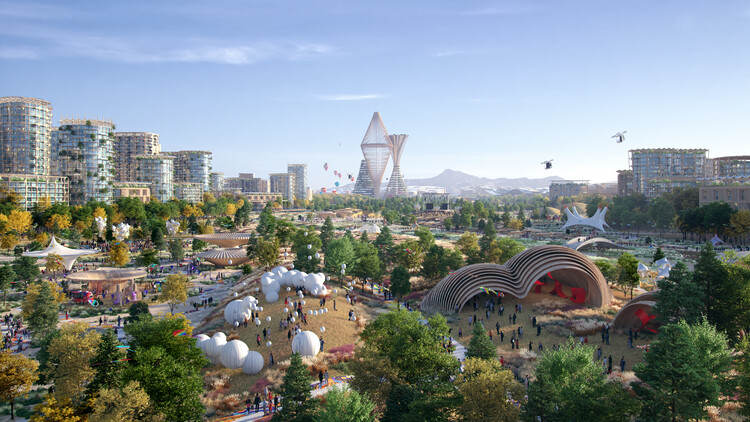
Telosa is a conceptual proposal designed by Bjarke Ingels GroupBIG in collaboration with entrepreneur Marc Lore, first announced in 2021. Planned to accommodate five million residents by 2050, the project sets out to establish a framework for sustainable and equitable urban living. Its initial phase, projected for 2030, is expected to house 50,000 people. Positioned as a purpose-built city, Telosa presents a long-term vision that combines ecological resilience, technological systems, and an alternative governance model as a possible prototype for future urban development.