NASA/METI/AIST/Japan Space Systems, and U.S./Japan ASTER Science Team. Image via Wikipedia under Public Domain
When the Ostrogoths besieged Rome in 537 AD, their first military act was to cut the aqueducts. Eleven gravity-fed channels supplied the city with up to a million cubic meters of water per day, more than enough to sustain a population of over a million, fill the public baths, and scour the sewers. Without the aqueducts, Rome became a fortified enclosure around a contaminated river, proving that water was essential to the city's existence.
In Hong Kong, where interiors and small buildings are routinely caught between two extremes—high-gloss "luxury" finishes on one end, and budget-cautious industrial roughness on the other—a third attitude has emerged through the calibration of both: a uniquely precise, relevant, and materially honest execution that is not dependent on price point. This is calibrated rawness. Calibrated rawness describes an architecture that retains the directness of matter and materiality—concrete, metal, blockwork, exposed structure, visible services—while subjecting it to rigorous control.
Since its inauguration this spring, Expo 2025 Osaka has captured global attention from multiple perspectives, demonstrating how architecture can function as a laboratory for exploring solutions to pressing challenges. After 55 years, Osaka is once again hosting the World Expo, with each installation organized around the sub-themes Saving Lives, Empowering Lives, and Connecting Lives. These pavilions take forms that express the identity and values of their region through distinctive architectural languages, forming the central axis of their design. Building on this foundation, some installations serve as laboratories for the future society, utilizing technology to enhance experiences both inside and outside the spaces, transforming the visit through light, sound, visuals, and movement as part of the technological innovation showcased at the event.
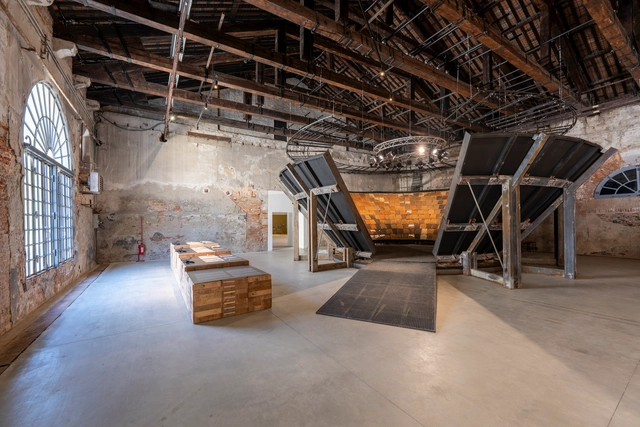
The Philippines' Pavilion at the 19th International Architecture Exhibition – La Biennale di Venezia presents Soil-beings (Lamánlupa), an exhibition curated by artistic director Renan Laru-an. Through interdisciplinary collaborations, the Pavilion brings together architects, technical experts, indigenous leaders, artists, policymakers, and local communities to explore the cultural, ecological, and technological dimensions of soil. Its objective is to challenge conventional architectural paradigms by shifting the focus from structure to soil, not as a passive material, but as a living force with agency, history, and power.
As Expo 2025 Osaka passes the midpoint of its six-month duration on July 13, the international exposition continues to serve as a global platform for architectural experimentation, cultural exchange, and technological innovation. Officially opened on April 13 on the reclaimed island of Yumeshima, the event is organized under the theme "Designing Future Society for Our Lives," and has already welcomed more than 13 million visitors as of late July. Conceived as a space for collaboration across disciplines and borders, the Expo brings together more than 150 national, thematic, and corporate pavilions.
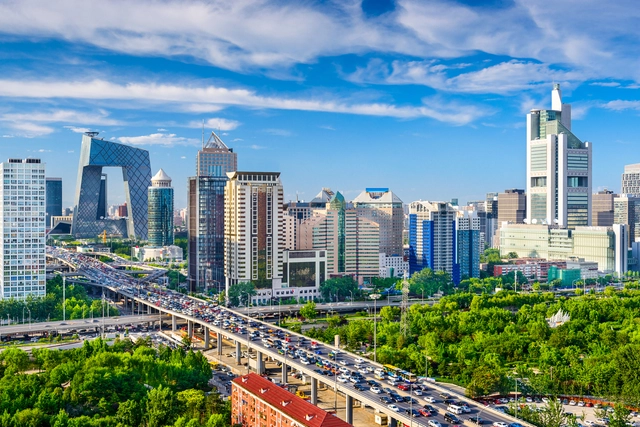
Every year, World Population Day is observed on July 11th, aiming to increase people's awareness of various population issues, such as the importance of urbanization, genderequality, poverty, health, and human rights. In 2025, under the theme "Empowering Youth to Build the Families They Want," the United Nations draws attention to the largest generation of young people in history, many of whom are coming of age in rapidly urbanizing contexts. Urban centers remain key to understanding these demographic patterns, as cities continue to attract populations seeking opportunity, stability, and access to essential services. Today, more than half of the global population resides in urban areas, a share projected to increase to 66% by 2050.
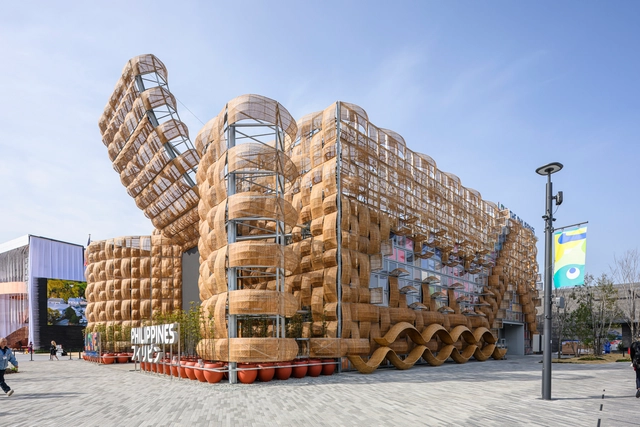
Expo Osaka 2025 officially opened its doors on April 13 in Osaka, Japan. The Philippines' exhibition for this edition opened with a pavilion designed by the Filipino-led architectural firm Carlo Calma Consultancy Inc., in partnership with Japanese executive architect Cat Inc., who also handled project management. Titled "Woven," the pavilion reflects the country's connections to nature, its cultural heritage, and its community values. With the theme "Nature, Culture & Community: Woven Together for a Better Future," the pavilion aims to highlight the Philippines' creativity, diversity, and aspirations for sustainable development while inviting visitors to engage with its cultural and environmental priorities.
BDO Unibank Inc. Campus - The sheltered ground plane incorporates lush planting and an array of artworks. Image Courtesy of Foster + Partners
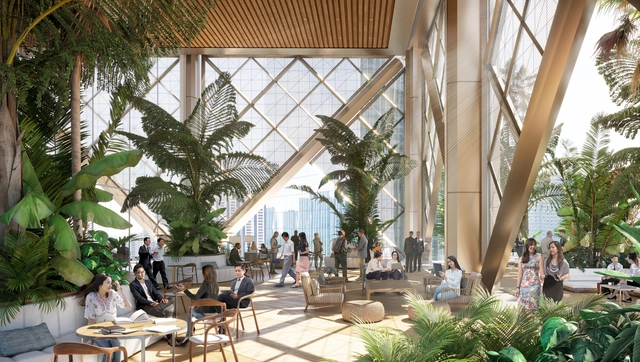
Foster + Partners has announced the breaking ground of BDO Unibank's new headquarters in Makati, Manila. The design aims to offer a climate-responsive approach inspired by vernacular architecture. The campus integrates five separate plots into a cohesive whole, featuring two high-rise towers flanking a sheltered public space incorporating lush landscaping and artwork.
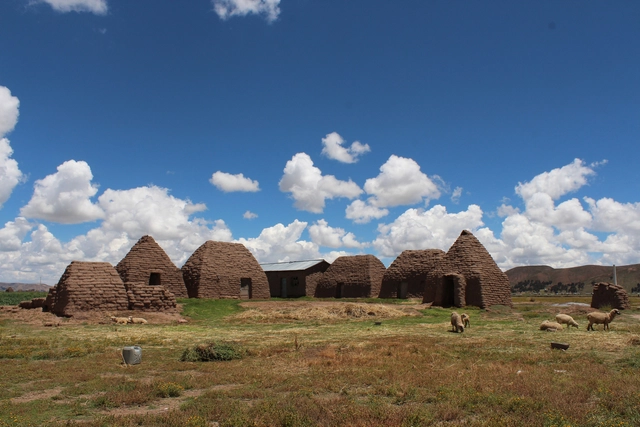
According to the United Nations, indigenous people are "place-based" ethnic cultures that have not migrated from their initial homeland. In today's world, with human-caused climate change driving extreme weather events and a growing demand for authenticity and cultural diversity, architects are increasingly turning to indigenous knowledge systems not only as sources of inspiration but as viable solutions to adapt and respond to local and global challenges. As traditional custodians of the land, Indigenous communities possess a profound understanding of their ecosystems, locally available materials, cultural norms, and social constraints. This knowledge holds insights valuable for shaping contemporary architecture, helping it adapt to both the people and their environments.