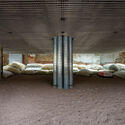
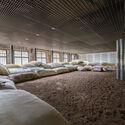
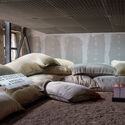
Kabage Karanja, co-founder and director of Cave_bureau based in Nairobi, Kenya, and Kathyrn Yusoff, professor of Inhuman Geography at the University of London, are the curators of the British Pavilion at the 19th Venice Architecture Biennale. Together, they form the UK-Kenya curatorial team behind GBR – Geology of Britannic Repair, an exhibition that rethinks the Pavilion as both a symbolic and material site. Their approach reflects on Britain's architectural legacy and its entanglement with histories of colonialism, geological extraction, and the urgency of the climate crisis. In recognition of their exploration of the relationship between Great Britain and Kenya, focusing on themes of reparation and renewal, the Pavilion curators and commissioner were awarded a Special Mention for National Participation by the Biennale jury. While on site in Venice, ArchDaily's editors had a chance to discuss with the curators about the ideas that shaped the British Pavilion.
News
“A Site of Destruction, a Site of Opportunity”: In Conversation With Kabage Karanja and Kathryn Yusoff, Curators of the British Pavilion


Oshinowo Studio Reveals Design for New Commonwealth War Graves Memorial Honoring Sierra Leone’s WWI Carrier Corps

Lagos-based architects Oshinowo Studio have revealed a new memorial design commissioned by the Commonwealth War Graves Commission (CWGC) to honor the fallen of the Sierra Leone Carrier Corps during World War I. The design is an intervention into the existing Freetown Memorial, built in 1930 and designed by Sir Edwin Lutyens.
The existing podium, located outside the Secretariat Building in Freetown, commemorates soldiers of the First World War and later incorporated servicemen from the Second World War by removing a small mention of the men of the Carrier Corps, a removal this project seeks to address. Studio founder Tosin Oshinowo is the first woman and the first West African architect to design a memorial for the CWGC.
Architecture as a Tool for Social Innovation: Human-Centered Design to Combat Loneliness
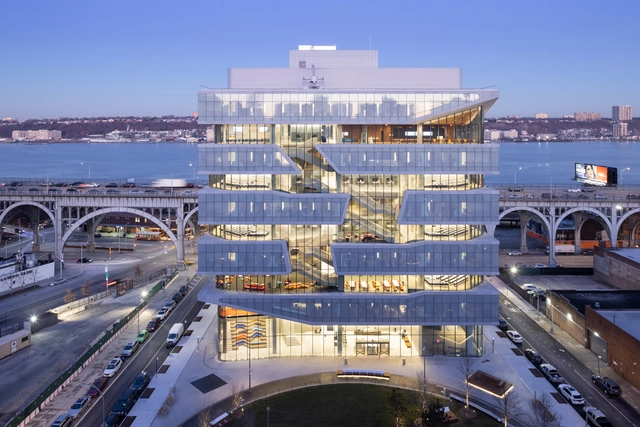
Architecture holds power beyond the creation of buildings - it is a practice that shapes how people live, interact, and thrive within their communities. Architecture can also be a tool for social innovation. Through an understanding of human-centered processes, participatory design, and social sciences, practitioners can address societal challenges such as loneliness, inequality, and public health to equip spaces as vehicles for social equity and engagement. Architecture's role in shaping the future of communities is a direct response to human needs and activated social change.


Leading with Daylight: A Glimpse Inside the House by the Garden of Venus
An ancestral house in the rural village of Willendorf in der Wachau stands watch over a grove of fruit trees. The trees have stood for generations and, to this day, provide the fruit which is the basis of the family business. Bound on one side by the river Danube and the other by valley's edge, both house and grove have witnessed the passage of countless seasons together. With each progression between darkness and light, from winter to summer, comes the inevitability of change.
Canada Pavilion Presents Picoplanktonics, a Living Experiment in Regenerative Architecture at the 2025 Venice Biennale
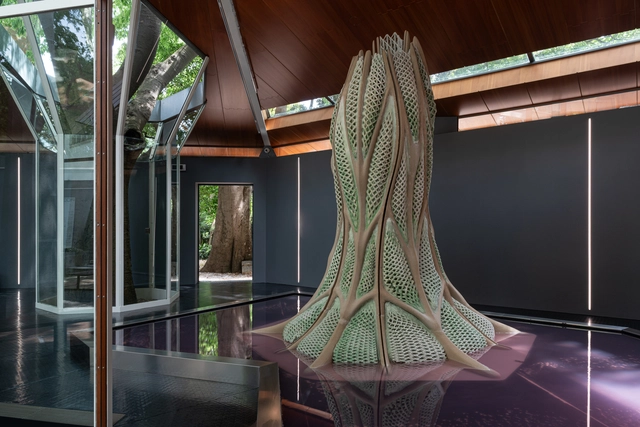
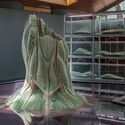
The Canada Council for the Arts presents Picoplanktonics at the Canada Pavilion as part of the 19th International Architecture Exhibition – La Biennale di Venezia, which will run until November 23, 2025. Developed by the Living Room Collective, the installation engages with ongoing global ecological challenges through a speculative, research-driven approach to design, featuring 3D-printed architectural structures embedded with living cyanobacteria capable of carbon sequestration. Developed through a four-year collaboration led by Andrea Shin Ling and a group of interdisciplinary contributors, the project investigates the potential of co-constructing built environments with living systems.


Third Nature Presents a Regenerative Masterplan for Greater Copenhagen
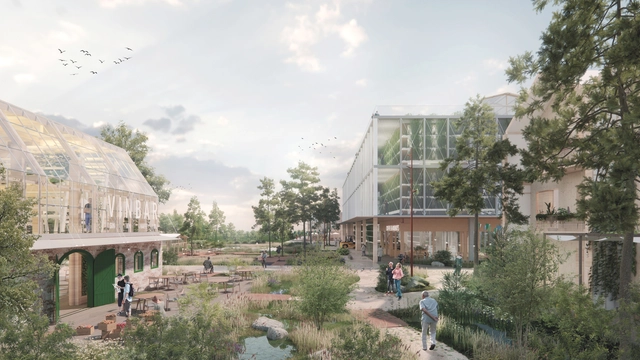
Danish architecture firm Third Nature, together with Sophie Sahlqvist Landskab, Arkaia, ILC, and Artelia, recently shared images of Øhjem, their proposed strategic vision for the re-naturalization of Denmark's Greater Copenhagen region toward 2050. The regenerative plan is part of the Water's Ways program under the Agenda Earth initiative, an interdisciplinary project run by the Danish Association of Architects in collaboration with the Dreyers Foundation and the Danish Bar Association. Led by urbanist Boris Brorman Jensen, the program calls for long-term solutions to restore 15% of Danish agricultural land while also protecting 600,000 homes from water-related threats. Third Nature's Øhjem masterplan reimagines the 25 km Ramsø Dale as a step toward implementing the land management objectives outlined in the Danish Green Tripartite Agreement (Grøn Trepart), signed in June 2024.

Architecture Details 101 in Venice: Carlo Scarpa and David Chipperfield in Dialogue Across Time
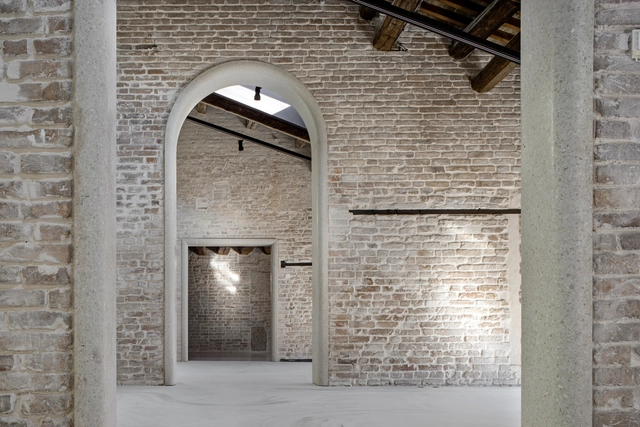
In Venice, surrounded by an overwhelming abundance of architectural beauty—the grandeur of landmarks like the Basilica di San Marco, St. Mark's Square, and the Rialto Bridge, to name just a few—it is easy to become swept up in the iconic imagery and spatial majesty of the city. One could lose sight of the quieter, yet equally masterful, moments found in the execution of details across its built fabric. Beyond the grandeur, the city offers a richness in its winding alleyways, narrow canals, and vibrant street life—each contributing to the cultural tapestry that makes Venice so unique. Amidst these celebrated elements, however, lie subtle but remarkable architectural details that often go unnoticed. These deserve closer observation and reflection, as they offer their own kind of mastery—one grounded in material precision, craft, and the lived rhythms of the city.
Just steps away from the iconic Piazza San Marco, a quiet architectural dialogue unfolds between two celebrated figures. Within a one-minute walk, two projects—each meticulously crafted—sit in close proximity: the Olivetti Showroom by Carlo Scarpa, a long-revered pilgrimage site for architects and designers, and the recently reopened Procuratie Vecchie, restored by David Chipperfield Architects. A closer look at the architectural details embedded within each work reveals a compelling exchange across time—one that unfolds through material language, spatial precision, and an unwavering commitment to craft.



Designing for Temperature Gradients: 6 Central American Projects that Use Transitional Spaces to Mitigate Heat
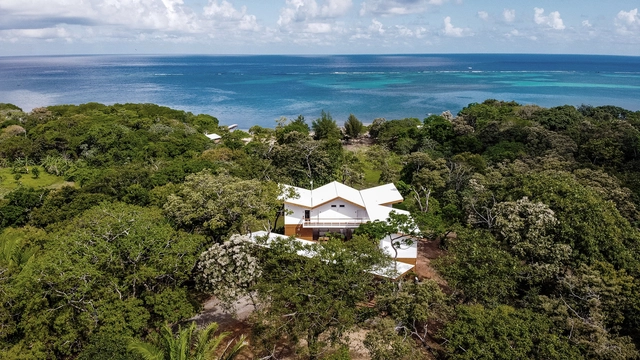
Understanding the temperature gradient in a building is essential in cold or temperate climates, where airtight enclosures and continuous insulation are used to prevent heat loss. However, this approach is not suitable for tropical areas like Central America, where the climate is marked by a consistent alternation between wet and dry seasons rather than four distinct ones. Factors such as proximity to the sea, elevation, and local topography influence microclimates across short distances, but high humidity remains a common challenge. Sealed, airtight walls with no ventilation can quickly become breeding grounds for mold, making the thermal strategies of temperate climates problematic. In response, local designers have developed alternative approaches that embrace, rather than resist, the outdoor environment, allowing airflow and evaporation to manage interior comfort.



How Neuroarchitecture Can Influence the Perception of Safety in Urban Spaces and Buildings
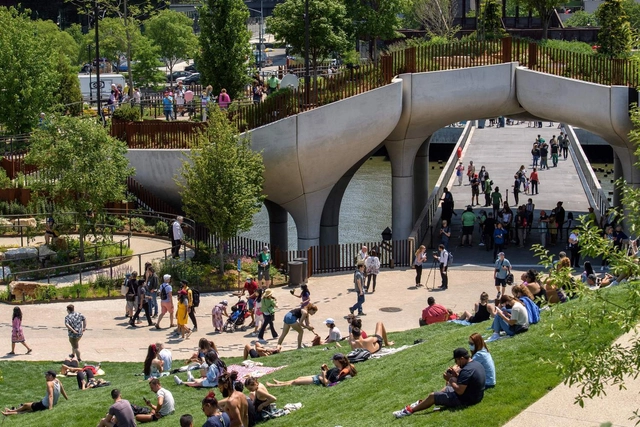
The intersection between architecture and neuroscience—known as neuroarchitecture—is emerging as an innovative field, highlighting the significant influence of design, whether in urban spaces or buildings, on human perception, including the sense of safety. This area of study gains relevance in a context where urban architecture is not merely a matter of aesthetics or function, but also a crucial element in creating environments that promote well-being and safety.


Between Housing Demand and Environmental Goals: Alejandro Aravena on Incremental Solutions and Net-Zero Concrete
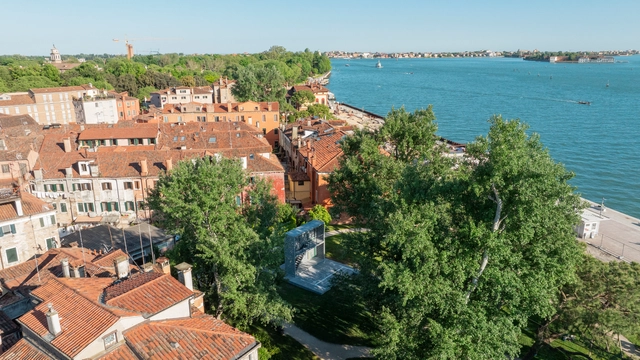
During the Time Space Existence exhibition, organized by the European Cultural Centre in Venice, Pritzker Prize-winning architect Alejandro Aravena and his firm ELEMENTAL unveiled a full-scale prototype for a new approach in incremental housing solutions. Titled the USB Core, standing for Basic Services Unit housing prototype, this proposal aims to demonstrate how efficient construction can provide all the essential housing components in a minimal space. The prototype is also the result of a collaboration between the architecture office and concrete manufacturer and researcher Holcim, and is built out of a newly developed type of net-zero concrete mix. It also incorporates fully recycled aggregates, in alignment with circular economy principles. The collaboration aims to demonstrate a more environmentally conscious yet cost-effective way of providing essential services to at-risk communities without harming the planet.
While on site in Venice, ArchDaily's managing editor Maria-Cristina Florian had the chance to sit down with Alejandro Aravena and discuss the implications of this collaboration, the urgent need for housing, and the role of the architect as the coordinator of a process involving many actors.

Slovenian Pavilion Highlights the Relationship Between Architect, Craftsman, and Architecture at the Venice Architecture Biennale 2025
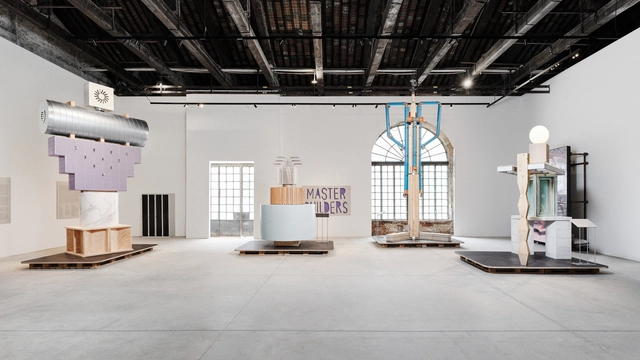
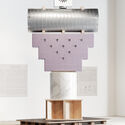
The Slovenian Pavilion at the 19th International Architecture Exhibition – La Biennale di Venezia presents Master Builders, a project curated by Ana Kosi and Ognen Arsov and organized by the Museum of Architecture and Design (MAO). The project addresses the evolution of construction technology, encompassing robotics, prefabrication, artificial intelligence, 3D printing, and other emerging tools, while drawing attention to a notable paradox within this technological shift, and also emphasizing that the quality of the built environment continues to rely heavily on the tacit knowledge of skilled craftsmen. By constructing a series of totems, the project examines the collaborative dynamics between architect and craftsman, revealing how this relationship shapes the material realization of architecture.
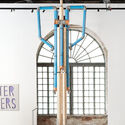


“Recycle!” Exhibition at the Danish Architecture Center Explores Creative Approaches to Material Reuse
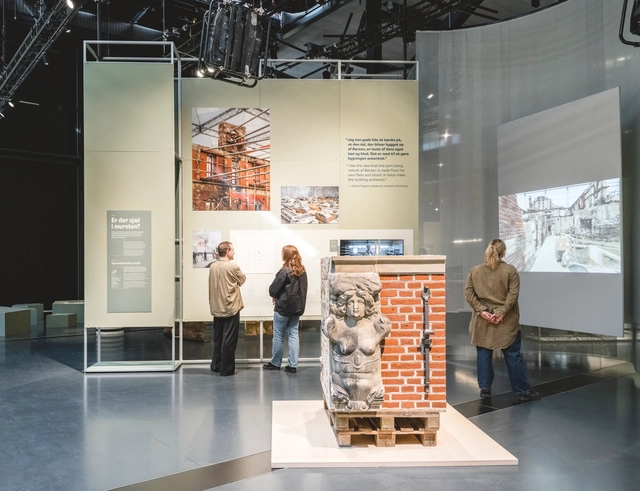
A new architecture and design exhibition opened on April 11, 2025, at the Danish Architecture Center in Copenhagen. Titled Recycle!, it explores recycling and reuse as a new way of creating, living, and building within the urgent context of the current climate crisis. The exhibition goes beyond presenting recycling and reuse as necessities; instead, it frames them as positive cultural shifts taking root in the construction industry and society at large. One of the exhibition's goals is to highlight the importance of resource awareness by posing the question: How can we increase the conservation, reuse, and transformation of what we already have?


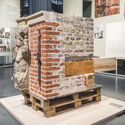

Geology of Britannic Repair: UK Pavilion Explores Reparation and Renewal at Venice Architecture Biennale 2025
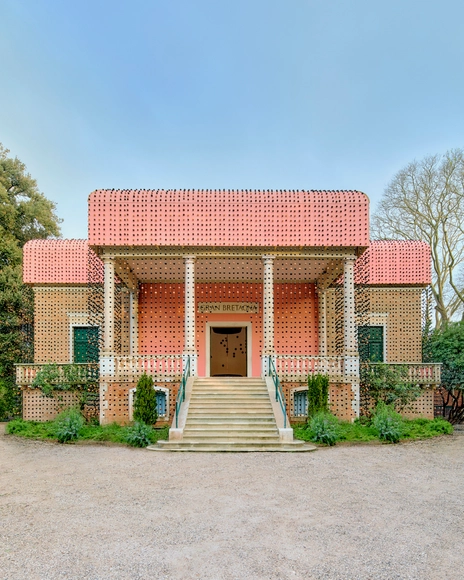
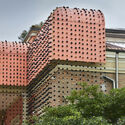
The British Pavilion, commissioned by The British Council, features the exhibition title GBR – Geology of Britannic Repair to represent the United Kingdom at the 19th International Architecture Exhibition – La Biennale di Venezia 2025. The exhibition is a collaboration between a multi-disciplinary team of curators, Kabage Karanja and Stella Mutegi of Nairobi-based architecture studio Cave_bureau, UK-based curator and writer Owen Hopkins, and academic Professor Kathryn Yusoff. The Pavilion curators and commissioner have been awarded a Special Mention for National Participation by the jury in recognition of their exploration of the relationship between Great Britain and Kenya, focusing on themes of reparation and renewal.


Architecture Now: From India’s New Administrative Capital to Singapore’s Expanding Airport, Discover Projects by Foster + Partners, SOM, Heatherwick Studio, and More
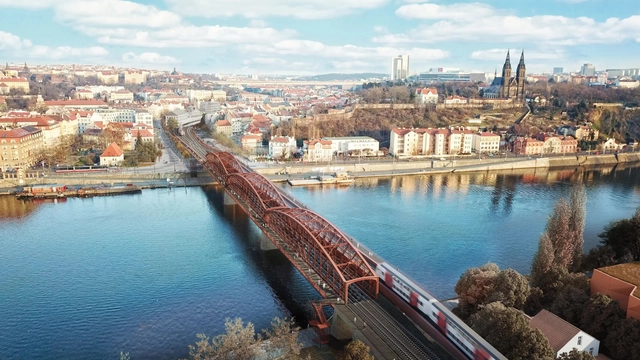
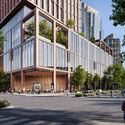
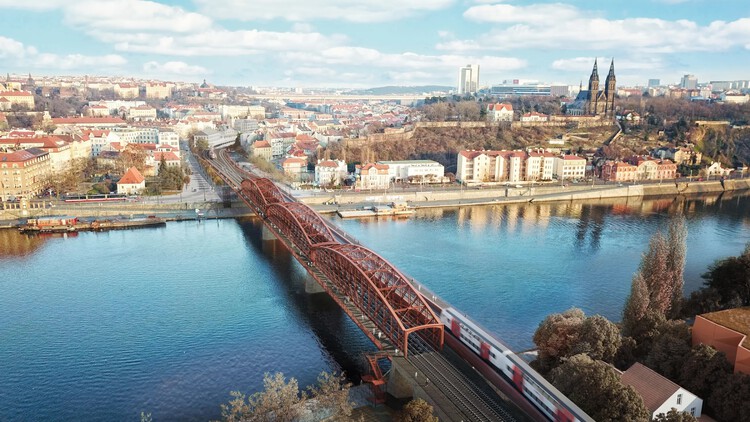
From new city-scale developments to adaptive reuse proposals, this edition of Architecture Now highlights a range of recently announced projects around the world. Foster + Partners leads the restart of Amaravati, a planned capital city in India; Safdie Architects proposes a new tower in Portland's historic Old Port; and SOM breaks ground on a cultural and academic pavilion at Temple University. Other updates include a preservation plan for a historic bridge in Prague, a coastal hospitality development in Abu Dhabi, and a large-scale housing project in Brooklyn designed by TenBerke. Together, these projects reflect evolving priorities in housing, sustainability, heritage, and public space across diverse global contexts.

Windows as Thresholds That Merge Interior and Exterior Spaces
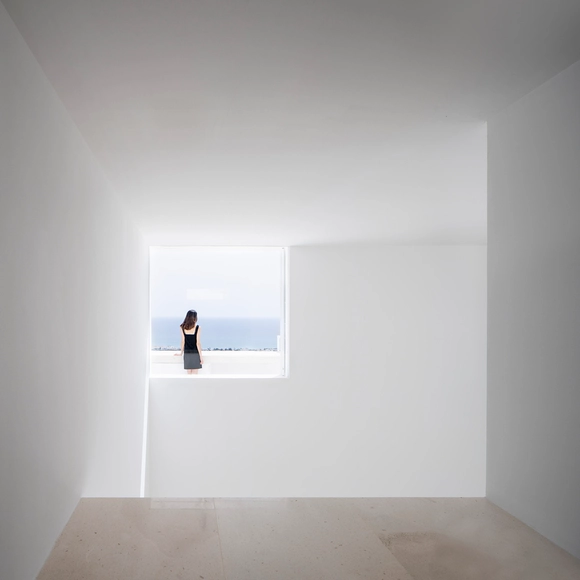
In The Poetics of Space, French philosopher Gaston Bachelard proposes reading architecture as a lived experience, in which each environment carries emotional and symbolic meaning. Reflecting on the house, he places particular importance on thresholds (windows, doors, stairs, attics, basements) as zones of transition and rupture between the intimate and the open, the known and the unknown. For him, the window is not merely a functional opening, but a point of dreaming and contemplation: it is through the window that the inhabitant projects themselves into the world. This perspective inspires a sensitive approach to architectural work, in which boundaries are not limited to separation, but articulate imagination, memory, and desire.
Rest as an Experience in a Space Rich with Symbolism: Insights from the Argentinian Pavilion at the 2025 Venice Biennale
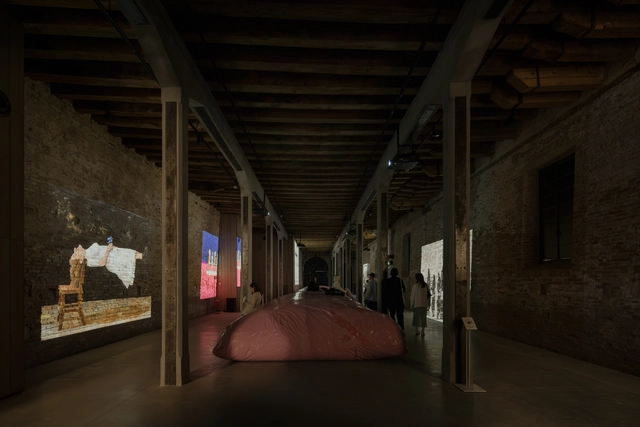
The proposal by Argentinian architects Marco Zampieron and Juan Manuel Pachué for the Argentinian Pavilion at the 19th Venice Architecture Biennale 2025 is clear from the outset: upon entering Siestario, visitors are immersed in a space of dim lighting and evocative sound, and immediately encounter—at the center of the room, stretched across its width, and acting as the undeniable protagonist—a large, inflated pink bag that instinctively invites repose. This is a silobag, an object commonly used in the Argentinian countryside to store grain and a potent symbol of the country’s export-driven economy. In this setting, the silobag becomes more than a spatial intervention; it also introduces a temporal dimension: an invitation to pause and reflect amid the relentless rhythm of the Biennale.

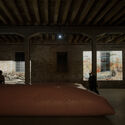
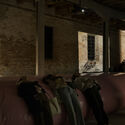


24th International Exhibition of Triennale Milano Announces Bee Award Winners
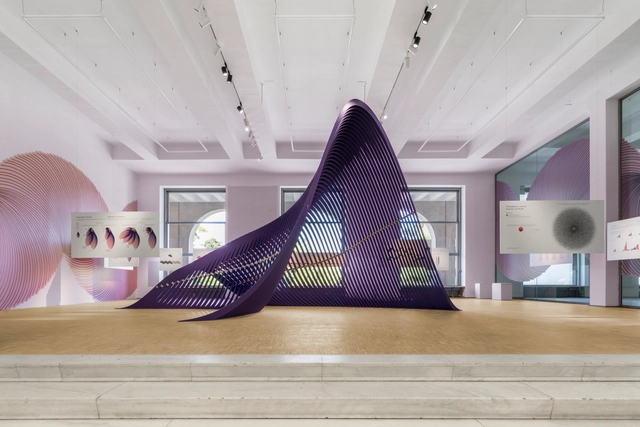
The 24th International Exhibition of Triennale Milano opened to the public on May 13, 2025, at the historic Palazzo dell'Arte. Running until November 9, this edition explores the theme of "Inequalities", continuing Triennale Milano's tradition of addressing urgent global issues through the lenses of art, architecture, and design. The exhibition is formed by two main sections: one that presents a curated selection of exhibitions and installations by individual artists and teams, and another that features international participations, including national pavilions and their contributions. At the opening ceremony on May 12th, the Bee Awards were presented to recognize selected contributions across the exhibition. From both the exhibitions and the international participations, the jury awarded one winner and one honorable mention each.

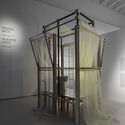


MAD Architects’ Fenix Museum of Migration Opens in Rotterdam’s City Harbor
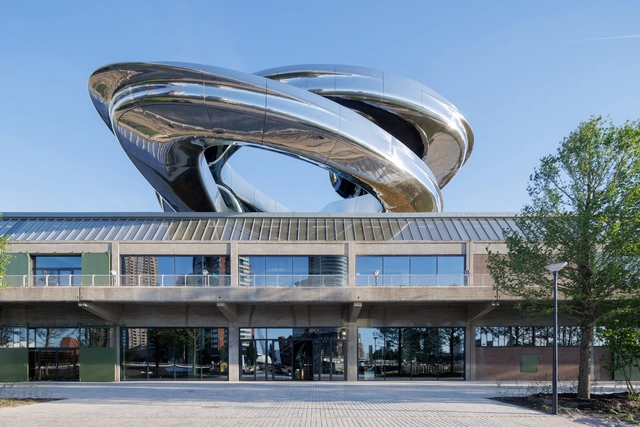
Fenix is a new museum in Rotterdam's City Harbour, dedicated to the collection of historic and contemporary objects that explore migration through art. It is located on the Katendrecht peninsula on the south bank of the River Maas, in a 100-year-old former warehouse recently renovated by MAD Architects and Bureau Polderman. This marks MAD Architects' first commission for a public cultural building in Europe. Recently completed, the building is set to open this Friday, May 16, showcasing three exhibitions: All Directions, featuring over 150 artworks and objects from the Fenix collections; The Family of Migrants, a photographic exhibition by Edward Steichen; and The Suitcase Labyrinth, an interactive installation made up of 2,000 donated suitcases.


Denmark Presents 'Build of Site' by Søren Pihlmann at the 2025 Venice Architecture Biennale
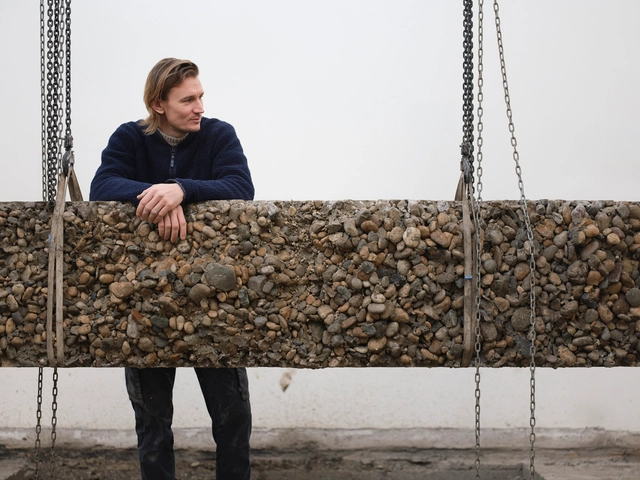
Denmark's contribution to the 19th International Architecture Exhibition – La Biennale di Venezia examines how rethinking and reusing existing buildings and materials can address critical architectural challenges. The exhibition was commissioned by the Danish Architecture Center and curated by architect Søren Pihlmann. Aligning with the Biennale's overarching theme, "Intelligens. Natural. Artificial. Collective.," the Danish pavilion features the exhibition Build of Site, which explores sustainable architectural practices through the lens of reuse and resourcefulness. Build of Site proposes a mindset that prioritizes resource awareness and the potential of existing structures, principles communicated during the opening in a film produced in collaboration with Louisiana Channel.


Pavilions in Urban Spaces: On the Experimentation, Recycling, and Reuse of Materials
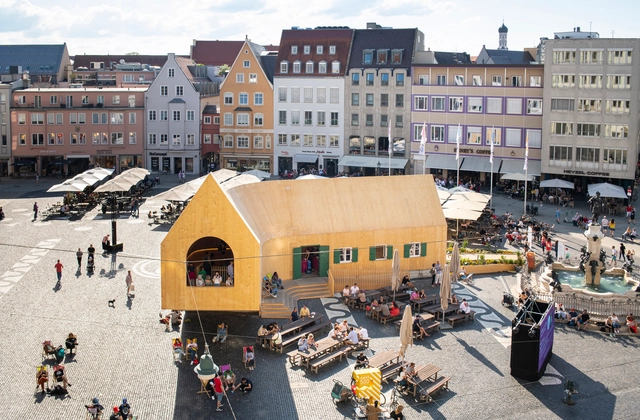
How do pavilions emerge in architecture? What role do they play in urban spaces? Beyond the multiple interpretations that exist around the world, the pavilion, as an architectural principle and typology, tends toward extroversion, often associated with a centrifugal nature and visual openness toward the horizon, which is linked to its origins as a tent offering shelter from the elements. Pavilions are usually identified as isolated and independent structures that can promote lateral openings in the urban space, panoramic or introspective views, technological reflections, and material experiments that are recognizable from the outside or once inside.


Between Algorithms and Ancestral Knowledge: Expanding the Concept of Architectural Intelligence
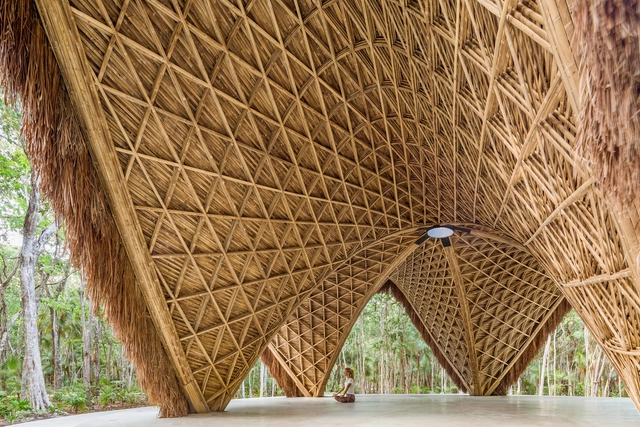
Artificial intelligence (AI) is no longer a futuristic idea in architecture — it is a concrete reality that is reshaping how we design. In seconds, computational systems can process and evaluate a wide range of variables — formal, programmatic, contextual, and regulatory — guiding architects toward highly optimized solutions. But as we embrace this algorithmic revolution, a critical question arises: can architectural intelligence be reduced to data-driven logic? In response, alternative approaches are gaining momentum — ones that value ways of building grounded in sensory experience, adaptation to place, and the intergenerational transmission of knowledge. In the exchange between artificial and ancestral forms of intelligence, a deeper understanding begins to take shape. Intelligence does not reside in the tools themselves, but in the intention and sensitivity with which we use them to navigate complex realities.


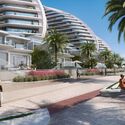
Zaha Hadid Architects Unveils Design of Oystra Mixed-Use Development in the United Arab Emirates
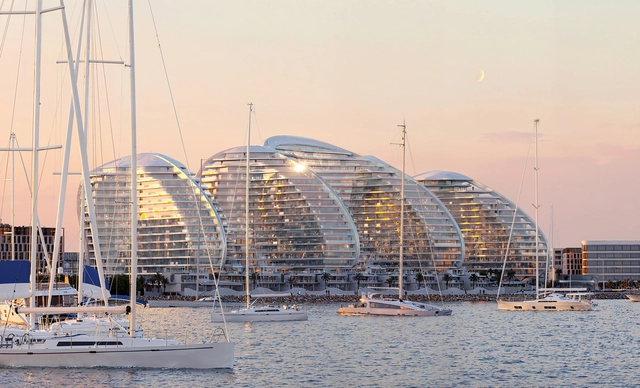
Oystra, designed by Zaha Hadid Architects, is a 128,000-square-metre seafront development located on Al Marjan Island in Ras Al Khaimah, United Arab Emirates, that comprises 950 residential units, a comprehensive range of shopping, dining, and leisure amenities. Ras Al Khaimah, one of the UAE's fastest-growing emirates, is projected to see a 55% increase in its population by 2030, driving the need for an additional 45,000 homes. The emirate's tourism sector is also experiencing significant growth, with the number of visitors expected to rise to 3.5 million annually by 2030, up from 100,000 in 2013.


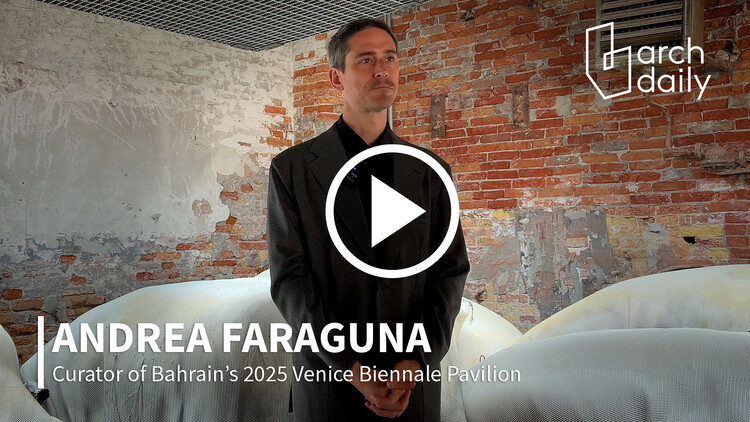
"It's the Moment to Open Up the Practice": In Conversation with Andrea Faraguna, Curator of the Bahrain Pavilion
Architect Andrea Faraguna is the curator of the Kingdom of Bahrain's national pavilion at the 19th Venice Architecture Biennale. The exhibition, titled Heatwave, is a site-specific installation that explores passive cooling strategies for public spaces, inspired by Bahrain's traditional architecture and reimagined through contemporary approaches. Its technical response to the global challenge of rising urban temperatures was recognized by the Biennale's international jury, which awarded it this year's Golden Lion for Best National Participation. While on site in Venice, ArchDaily's editors had a chance to discuss with curator Andrea Faraguna about the context that gave rise to the pavilion, the mechanisms put in place, and his perspective on events such as the Venice Architecture Biennale.