September marks a shift in seasonality worldwide, bringing with it a renewed focus on cultural and architectural events that encourage reflection on contemporary global challenges. This week's major news highlighted international exhibitions and design initiatives addressing questions of resilience, urban transformation, and collective futures, alongside new projects dedicated to preserving both cultural and natural heritage. Across continents, biennales, urban developments, and restoration efforts are shaping a broader conversation on how architecture and design can foster adaptation, memory, and coexistence in rapidly changing environments.
As cities and landscapes evolve, architecture is increasingly asked to support well-being,performance, and collective experience. From stadiums that honor deep cultural memory to intimate wellness spaces that foster restoration and connection, sports and wellness typologies are expanding beyond mere functionality. They create environments where movement and health intersect with design quality, sustainability, and social meaning. Today, these spaces range from elite training grounds and recreational clubs to contemplative retreats and inclusive public amenities, shaping how communities gather, heal, and celebrate shared identity.
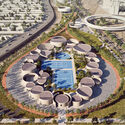
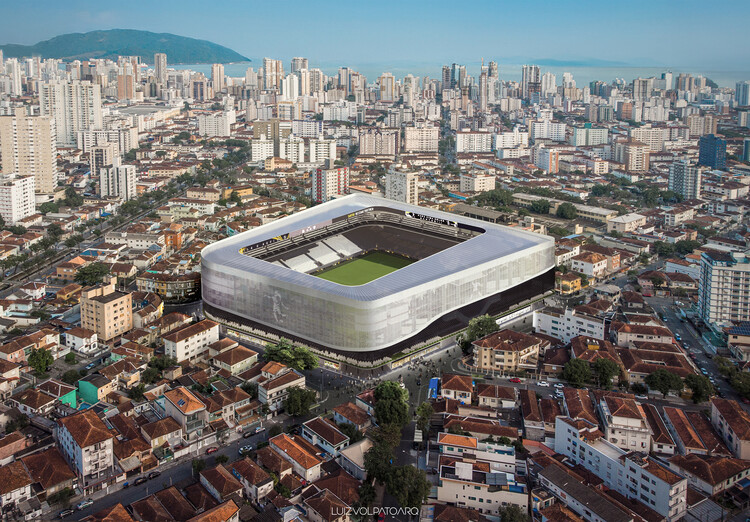
This selection of unbuilt proposals submitted by the ArchDaily community illustrates that diversity. In São Paulo, Luiz Volpato Arquitetura reinvents the historic Santos Futebol Clube stadium with a geometry that preserves fans' memory while introducing new commercial and social uses. In Hanoi, Van Aelst I Nguyen and Partners bring filtered light and fresh air to a dense urban sports complex. In Dubai, RSP proposes Haven, a residential development anchored in holistic wellness and nature-driven experiences, while India's Tropic Responses imagines Aira Club as a climate-conscious leisure hub. High in the Himalayas, Gadasu + Partners carve a meditative spa into mountain stone, and in Isfahan, Arsh4d Studio rethinks segregated women's parks to create inclusive, future-oriented civic space.
In contemporary architecture, hotel design is no longer defined solely by luxury and accommodation. Instead, it is becoming a platform to explore questions of identity, ecology, and cultural meaning. Beyond providing rooms and amenities, hotels today aim to create immersive experiences that connect travelers to local traditions, landscapes, and communities. In this curated selection of unbuilt hospitality projects, submitted by the ArchDaily community, speculative and competition-winning proposals offer a glimpse into the future of hospitality, where sustainability and storytelling are as central as comfort and style.
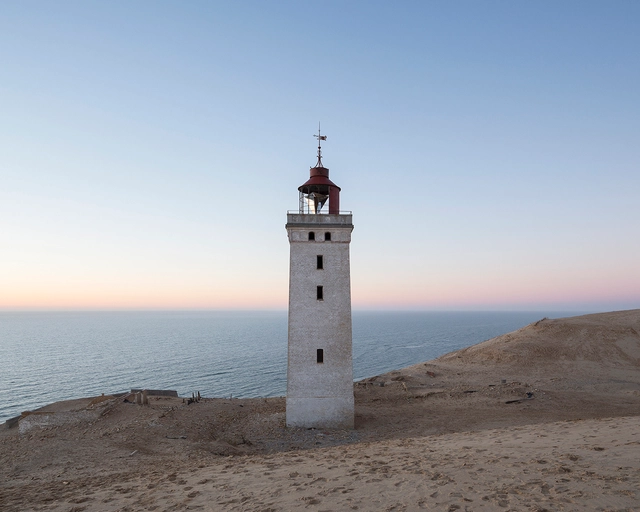
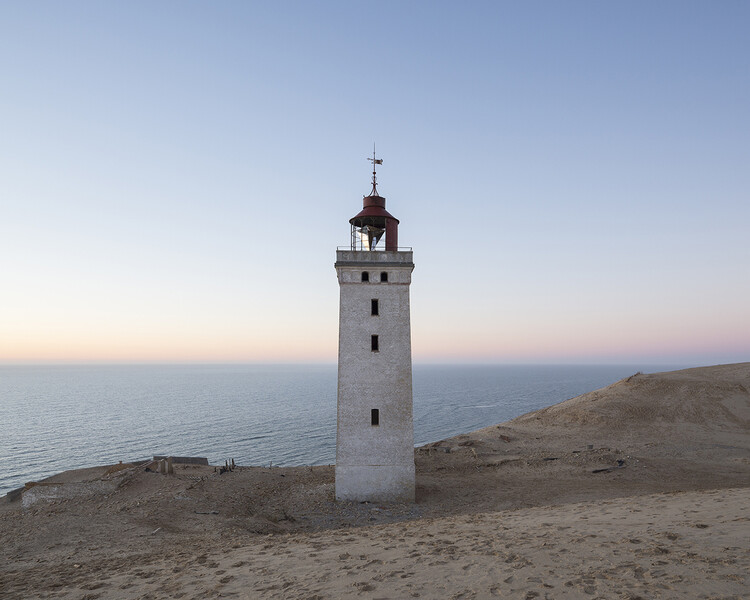
Lighthouses have stood along the margins of continents and islands for centuries as points of light in vast maritime territories. Rising in solitude from rocky cliffs, reefs, and headlands, these towers were tools for navigation and instruments of spatial clarity, shaping coastlines and marking the boundary between land and sea. Built to guide, warn, and locate, they constituted a global network of visibility long before the advent of digital mapping. Yet as maritime technologies evolved, many of these structures lost their original purpose. The typology, once essential, now stands at the edge of obsolescence. What remains is not merely an architectural relic, but a powerful spatial form — resilient, symbolic, and increasingly open to reinterpretation.
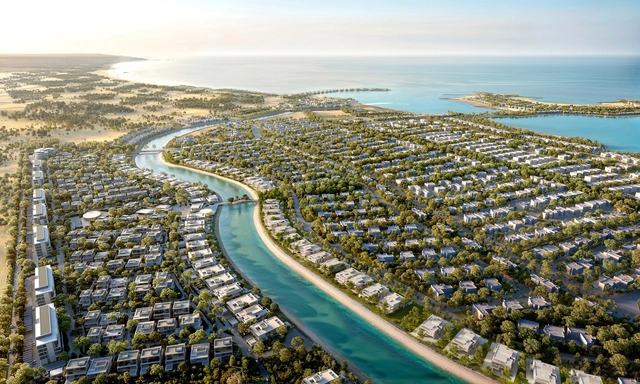
A series of recently announced projects across Europe, Asia, the Middle East, and North America reflects an ongoing shift in architectural thinking toward approaches that integrate buildings with their landscapes, programs with public life, and design with long-term environmental goals. In Nantes, France, a healthcare campus redefines medical education through climate-conscious planning, while in San Antonio, Texas, a new arboretum transforms a former golf course into a research-driven public landscape. Residential towers are rising beside Bangkok's Lumphini Park, a new coastal community is underway in the UAE, and an expansion to the Nelson-Atkins Museum in Kansas City reconsiders how cultural institutions connect with their surroundings. Together, these announcements point to a growing interest in projects that embed architecture within broader ecological and civic systems, proposing new models of spatial integration, accessibility, and resilience.
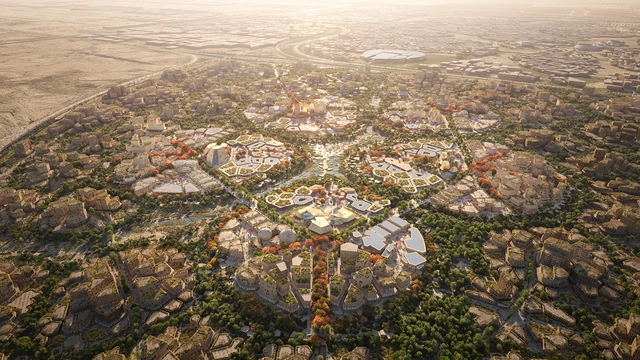
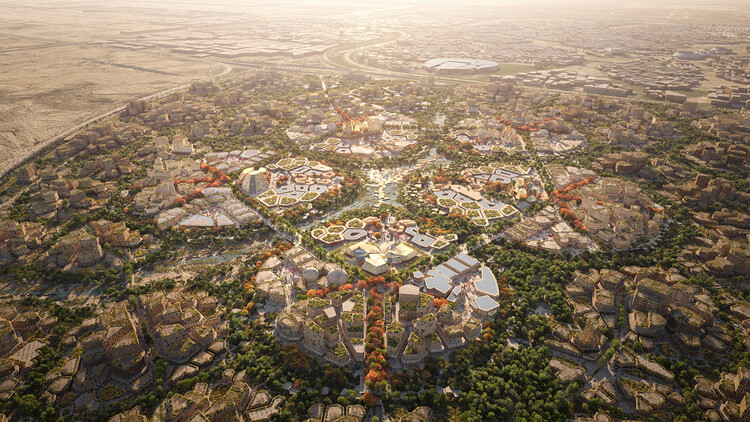
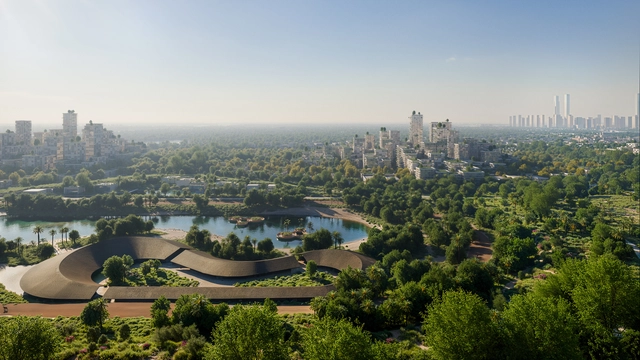
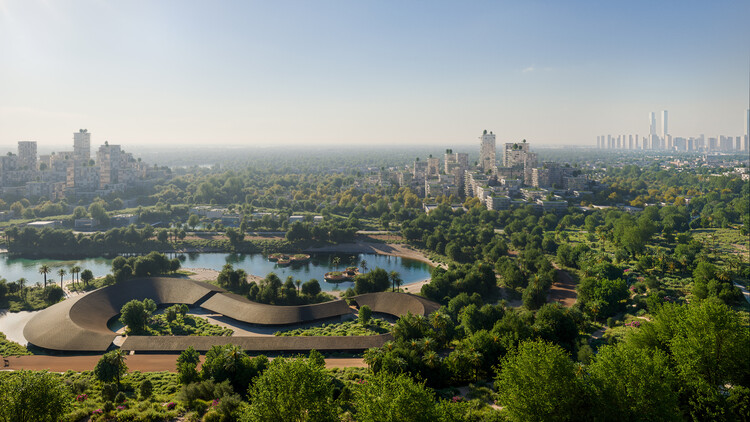
BIG–Bjarke Ingels Group was commissioned by A.R.M. Holding to design the transformation of Dubai's Jebel Ali Racecourse into a new urban district measuring 5 square kilometers. The design aligns with the Dubai 2040 Urban Master Plan, which focuses on enhancing pedestrian mobility as a pillar for promoting sustainable urban development. The master plan is anchored by a central park, reconnecting the racecourse site to the city.
Hotels are increasingly being designed as more than just places for accommodation. As expectations around travel shift, architects are approaching hospitality projects as opportunities to explore ideas of context, experience, and identity. Whether integrated into remote landscapes or inserted into dense urban environments, these proposals examine how architecture can shape the guest experience through spatial organization, material selection, and connection to place. The hotel becomes a framework not only for rest, but for interaction with the surroundings, with others, and with the design itself.
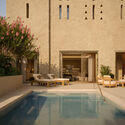
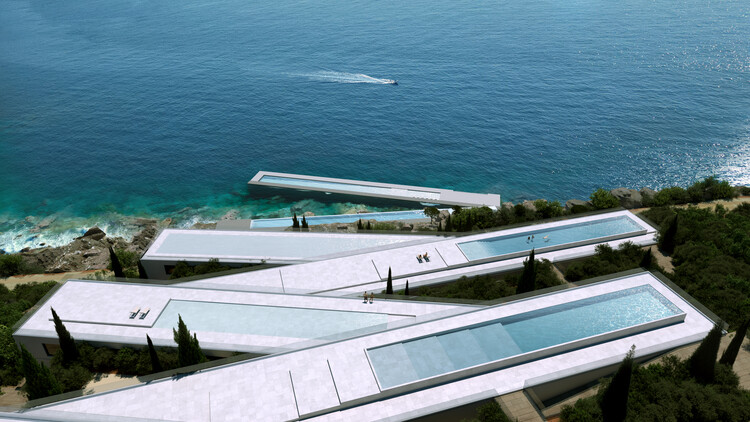
Each month, ArchDaily's editors curate a selection of unbuilt projects around a shared typology or theme. Submitted by firms of all scales from around the world, these proposals represent the diversity of approaches within our global architecture community. This month's selection focuses on hotels, ranging from the sculptural Pistachio Villas in Ubud to the modular Dubai Edition Hotel and the vineyard-rooted Terra Dionysia in Santorini. Together, they reflect a wide spectrum of architectural thinking around hospitality, from landscape integration and cultural references to questions of density and public space. Submissions are open to everyone.
As cities grow and available land becomes more limited, high-rise architecture plays an important role in addressing urban density while shaping new ways of living and working. Tall buildings are evolving beyond their traditional functions to integrate environmental strategies, enhance public engagement, and contribute to the urban fabric. Architects are exploring new materials, energy-efficient technologies, and spatial configurations that make towers more adaptable to their surroundings. Some projects incorporate green spaces and shared amenities to create a stronger connection between the built environment and its users, while others introduce innovative construction techniques to improve sustainability and efficiency.
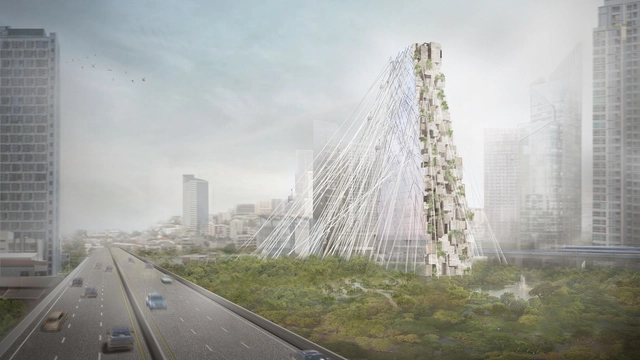
Among this selection of projects submitted by the ArchDaily community, The Residences at 1428 Brickell by Arquitectonica in Miami, United States introduces a solar-powered facade that contributes to the building's energy needs. In Dubai, UAE, AVA by SOMA creates a transition from the city into a more enclosed, water-defined environment with a focus on luxury living. In Bangkok, Thailand, HAS Design and Research proposes the Bangkok Civic Center Tower as a new type of public space, combining green landscapes with mirrored surfaces to connect the city with nature. These projects reflect different approaches to vertical architecture and highlight how designers are responding to the challenges and opportunities of dense urban environments.
Caleb Whiting dogbear869, CC0, via Wikimedia Commons
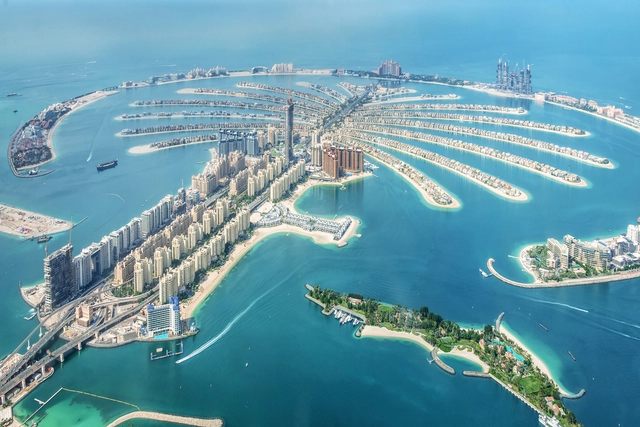
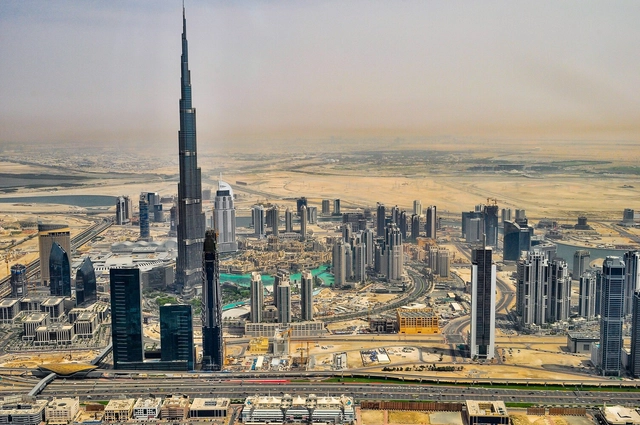
Dubai has evolved from a humble trading port into a global metropolis renowned for its futuristic skyline and pioneering architectural feats. In the early 20th century, its landscape was shaped by traditional Arab homes featuring internal courtyards and wind towers, designed to endure the harsh arid climate. The discovery of oil in the 1960s marked a turning point, triggering rapid urbanization. Throughout the 1970s and 1980s, a surge in construction, fueled by oil revenues, led to the rise of concrete tower blocks and low-rise apartment complexes, accommodating an influx of expatriates drawn to UAE's booming economy. By the 21st century, the UAE witnessed unparalleled architectural advancements. Landmark projects like the Burj Khalifa—the world's tallest building—and the Palm Jumeirah—an artificial archipelago—transformed the country's skyline, solidifying the UAE's reputation as a global hub of architectural ambition and innovation.
This rapid growth has also brought diverse challenges across the UAE, particularly in housing and the difficulty of ensuring dignified living conditions for the working class. Dubai serves as a striking example of how urban expansion has transformed the country, but different geographies and regions within the UAE have distinct needs, shaped by their local environments and communities. The House of the Future competition—organized by Buildner in partnership with the Sheikh Zayed Housing Programme—calls on visionaries to rethink residential architecture across the UAE. With submissions open until April 30, the competition offers a platform for bold ideas that could shape the homes of tomorrow, addressing the varied demands of different locations.
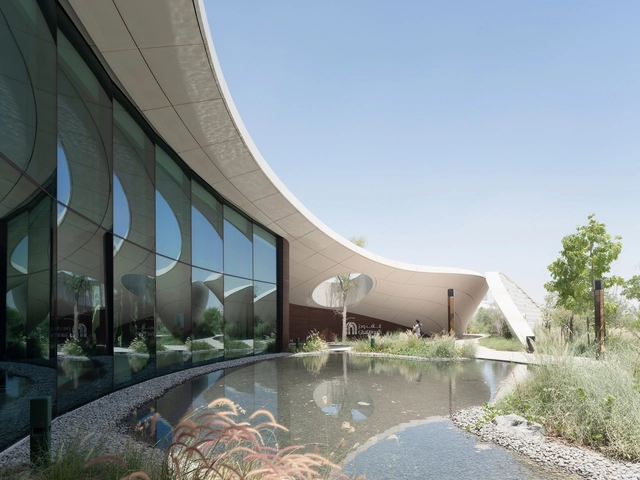
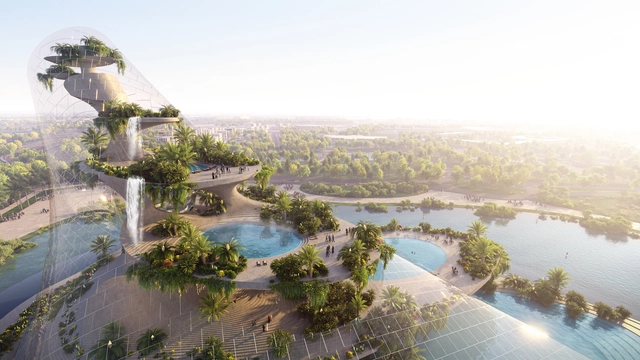
Diller Scofidio + Renfro has unveiled the design for Therme Dubai – Islands in the Sky, a new urban wellbeing destination set to be developed in Zabeel Park, United Arab Emirates. The project, created in collaboration with Therme Group and Dubai Municipality, has been approved as part of Dubai's Quality of Life Strategy 2033, which aims to enhance the city's landscape through innovative and sustainable infrastructure.
In recent years, the Gulf region has emerged as a global center for cultural and architectural development, commissioning internationally acclaimed architects to design its most high-profile museums and institutions. These projects, ranging from Louvre Abu Dhabi by Jean Nouvel to Museum of Islamic Art in Doha by I. M. Pei, are often designed by foreign architects, yet they aim to embed themselves within their context through strategies that reference the region's landscape, climate, and architectural traditions. This raises a fundamental question: What defines local architecture in the 21st century?