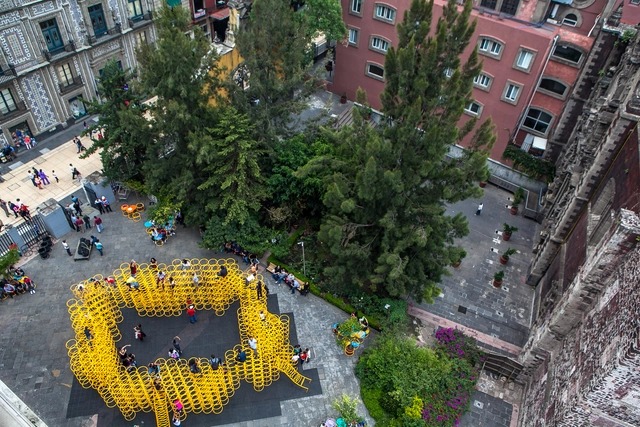
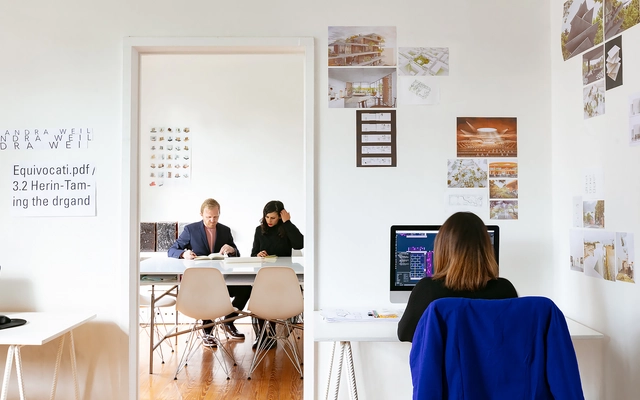
Mexico's National Social Distancing Campaign began on March 23, 2020, but a couple of weeks prior—even as the Federal Government recommended continuing activities as normal—social media was already filled with people opting to mirror the European model and self-isolate. Right away, some architecture firms decided to close their physical offices and transition to remote work, while others took a few more weeks to make the shift. However, this period of social and physical (spatial) distancing is experienced differently in every household. Over the months that this pandemic has unfolded, it has exposed not only inequalities regarding basic needs in dense urban areas, but also the fragility of the social order itself. Whether on a macro or micro scale, all of these experiences occur within and are influenced by the built environment, making architecture both an arbiter and an active participant in this equation.
Slate 1 CAU+Plural, composed entirely of women architects and urban planners, received 11,568 votes in the election for CAU/SP, held on October 15. The election, which recorded the highest turnout of architects and urban planners in the history of the Council of Architecture and Urbanism of São Paulo, marked the first time a single slate garnered nearly 40% of the valid votes.
In an unprecedented achievement, the slate secured the majority of seats in the Council, winning 49 plenary seats. Out of 77 total seats, 52 will be occupied exclusively by women. Thanks to this strategy, the next term will see a 77% female composition—with 54 titular members and 66 alternates, respectively. This effectively reverses the previous composition, where 76% of the state council was represented by men.
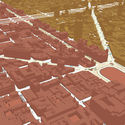
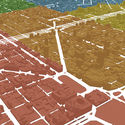
Through an open data system, the “Buenos Aires Data” program has made public the data from the survey of the entire urban fabric of the Autonomous City of Buenos Aires. Developed as part of the Open Government strategy, the project allows users to download and visualize maps of each of the city's neighborhoods along with their corresponding high-rise buildings.
Last week we announced the 15 finalist projects for the Building of the Year 2020 award (Obra del Año), which since 2008 has celebrated the best built architecture in Latin America and Spain, calling on our expert jury—that is, you, the readers—to choose your favorite completed buildings.
Today, the day has come to announce the winners of ODA2020.
Minhocão. Photograph: Gonzalo Ibáñez / CC BY (https://creativecommons.org/licenses/by/2.0) via Wikimedia Commons
Inaugurated in 1971, the João Goulart elevated highway, popularly known as the Minhocão, has been a subject of criticism, study, and a landmark in the city of São Paulo. In 2014, its future was determined when the Strategic Master Plan introduced a specific law for its progressive decommissioning for cars, scheduled for completion by 2029. However, its ultimate fate remains uncertain: what will become of it when this happens? Will it be transformed into a park or demolished?
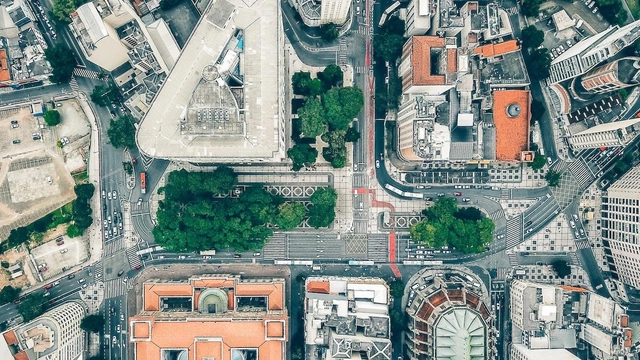
Aerial view of part of downtown São Paulo. Photo by Sergio Souza, via Unsplash
The City of São Paulo has just released 3D cartography for the entire city on the GeoSampa Portal. The new tool allows users to visualize buildings, trees, infrastructure, and other geometries in 3D directly on the map. The data is also available for download.
Videos
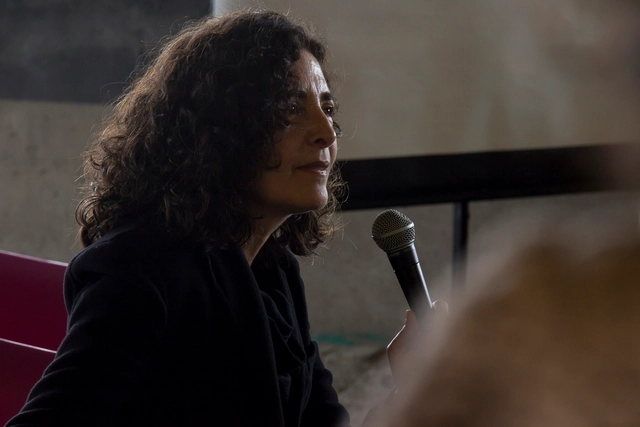
Cecilia Puga exponiendo en la XX Bienal de Arquitectura de Chile en 2017. Image Cortesía de XX Bienal de Arquitectura de Chile
Chilean architect Cecilia Puga will take over as director of the Chilean Museum of Pre-Columbian Art, one of the most visited in Santiago. The news was announced by her predecessor, anthropologist Carlos Aldunate del Solar, in a recent interview with Chilean magazine Sábado, where he announced his resignation after four decades at the helm of the institution. "Obviously, a younger person with more energy should take over," Aldunate commented in the interview.
In the field of architecture, the technological, social, and cultural changes driven by 21st-century globalization processes have enabled the development of transnational teams and diverse firms designing projects with innovative perspectives and visions unmoored from a single geographical location. Hyper-communication, exchange, and advanced digital resources are design tools that have allowed architects to operate with a more global vision of the practice, transcending national borders and enabling them to approach architectural challenges in a more open and pluralistic way.
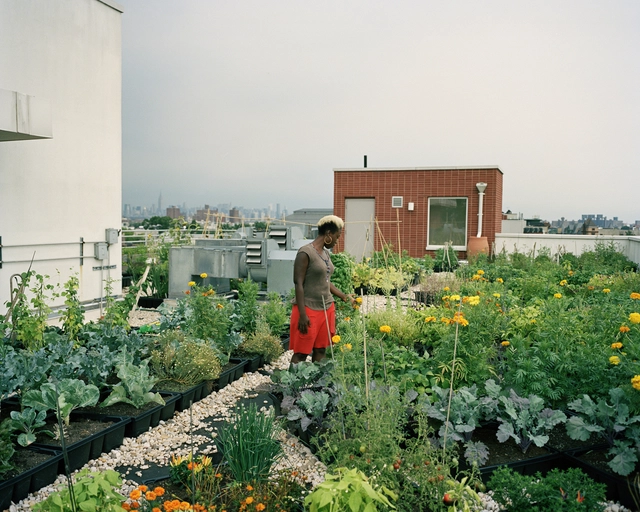
According to the UN, the share of the world's population living in urban areas, currently about 55%, will rise to 70% by 2050. Managing this rapid urban growth is a daunting task for governments; among the most common challenges is providing housing, basic services, and food to city dwellers. Food security in major urban centers depends on several factors, including food availability, access, and quality.
We have often heard about BIM (Building Information Modeling) and the wide range of opportunities it brings to the AEC (Architecture, Engineering, and Construction) industry. But how are these BIM models structured? This article explains the components of these models and their characteristics based on a BIM Standard, while addressing the importance of BIM Catalogs and BIM Libraries.
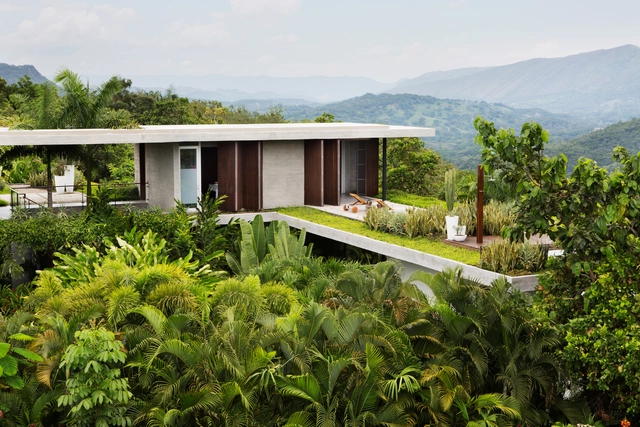
Colombia boasts an immense variety of thermal zones that create breathtaking landscapes and dreamlike natural environments. Its flora and fauna vary distinctly depending on region, altitude, and humidity. For architectural practices designing Colombian homes, the natural context is a constant source of inspiration, ranging from incorporating vegetation as interior architectural elements to framing nearby landscapes. When designing spatial perception—whether from within or without—nature is an undeniable component of these projects.
Amairis Community Sewing Workshop / ruta 4 taller. Image
Medellín-based firm Taller Síntesis shares the following article emphasizing the importance of recognizing the rural built environment—which accounts for most of the country's territory but not most of its architectural practice—in order to raise awareness of how architecture is directed and recognized in Colombia. Read on below.
Huoshenshan Hospital, built in one week to treat 1,000 patients in the city of Wuhan Xiao Yijiu/Xinhua/Handout
Today, the Brazilian Hospital Services Company (Ebserh) published a call for applications to create a reserve pool of up to 6,000 professionals to work temporarily in the fight against COVID-19 across the Ebserh Network. In addition to healthcare professionals, the call is also open to architects and engineers for 40-hour work weeks and a salary of R$ 10,350.45.
At ArchDaily, engaging with architects through conversations that reveal their working methods, histories, and reflections—both personal and collective, within their teams and the broader professional community—has always been a core priority. This dialogue not only brings knowledge to the professionals building our world, but also provides future generations with tools and experiences as they enter the workforce, always maintaining a critical eye on architectural practice.
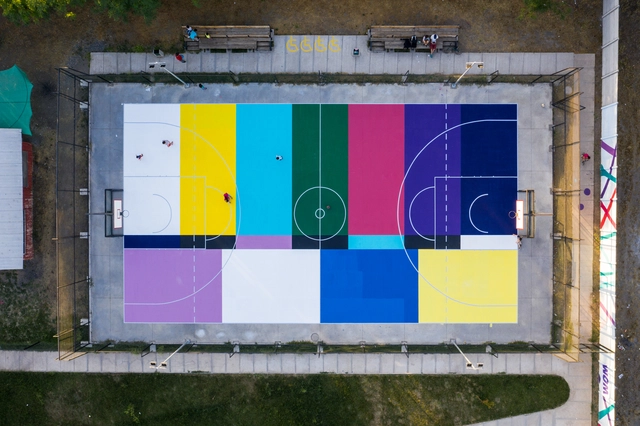
“Apaga la tele” por la artista Coni Lars. Ubicada en la comuna de Requinoa. Image Cortesía de Metro21
"Art at the service and disposal of the people"—this is the primary goal of Metro21, a Chilean urban art gallery dedicated to exhibiting works and managing projects for artists working in public space.
"De cancha en cancha" (From Court to Court) is their initiative to reclaim shared spaces that have fallen into disuse and disrepair across many of the country's localities—a common outcome of a lack of long-term upkeep.
Historically, natural elements were often the only raw materials indigenous populations used to build their temporary shelters or permanent dwellings. Today, environmental awareness and an interest in ecological construction methods have given rise to more sustainable practices that adapt these procedures to contemporary requirements. In this way, by incorporating biodegradable and low-environmental-impact materials into their projects and blending them with modern resources to enhance their physical properties, architects have successfully revived the ancestral techniques of their regions, forging a path toward green building.
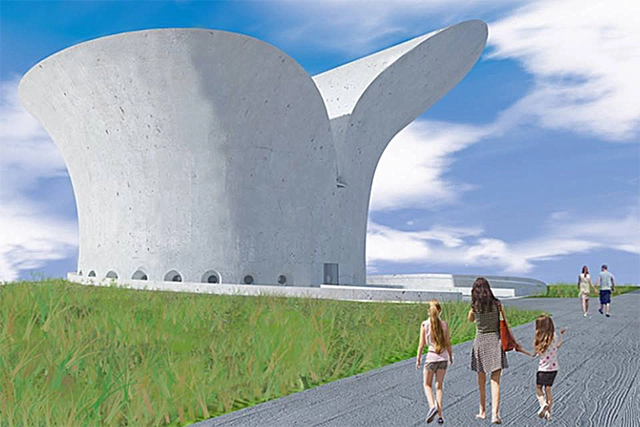
The Court of Justice of the Federal District and Territories (TJDFT) has denied an injunction request to suspend the Bible Museum project. The petition, filed by the Brazilian Association of Atheists and Agnostics (ATEA) against the Government of the Federal District (GDF), was dismissed by Judge Paulo Afonso Cavichioli Carmona of the 7th Court of Public Treasury of Brasília.
1:1 Proyectos sobre los territorios del Perú is a book by Peter Seinfeld and Felipe Ferrer that summarizes their students' work over more than seven years.
https://www.archdaily.com/1123873/student-projects-at-a-1-1-scale-to-learn-about-the-different-territories-of-peruArchDaily Team
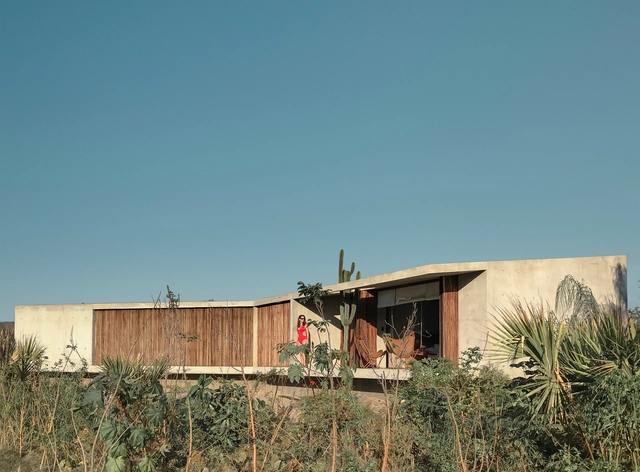
One of the most critical factors in architectural design is local climate. While extreme conditions can pose challenges—requiring insulating materials to adapt to changing weather—Mexico's favorable climates work to the designer's advantage, enabling the creation of microclimates and spaces that blur the transition between indoors and outdoors.
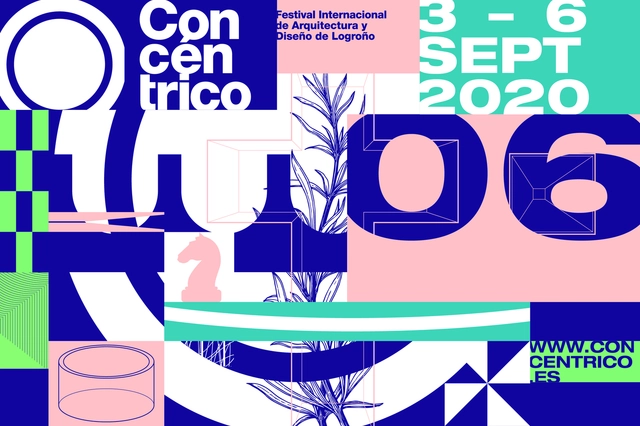
The renowned International Architecture and Design Festival of Logroño, Concéntrico, will hold its sixth edition—rescheduled due to the COVID-19 pandemic—from September 3 to 6, 2020. The festival invites reflection on 'the urban' and the contemporary city.
In a conversation for the third edition of Revista CLEA—an annual publication of the Latin American Coordinator of Architecture Students (CLEA)—Ecuadorian architect María Augusta Hermida explores the capacity to decolonize spaces and cities today.
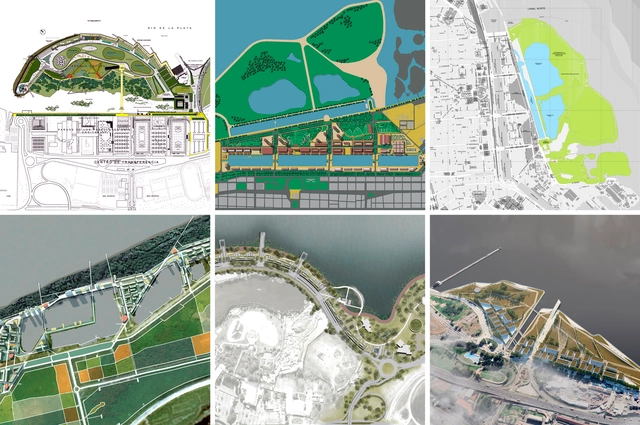
The recent controversy surrounding a bill that would permit the privatization and subsequent development of reclaimed waterfront land along the Río de la Plata in Buenos Aires, Argentina, has prompted renewed engagement with metropolitan infrastructure and regional planning issues. It has also sparked reflection on the role of society in urban planning, reopening debates over the transformation of the city's waterfront.




.jpg?1601405409&format=webp&width=640&height=580)
.jpg?1603390879)












.jpg?1600032057 "Cabo House / Dellekamp Arquitectos. Image © Sandra Péreznieto")


.jpg?1591226080&format=webp&width=640&height=580)