Architect, urbanist, and Content Editor at ArchDaily, covering news and developments in architecture and the built environment. Editorial work focuses on the Gulf region and the Middle East, exploring contemporary regional architectural languages and their relationship to local contexts.
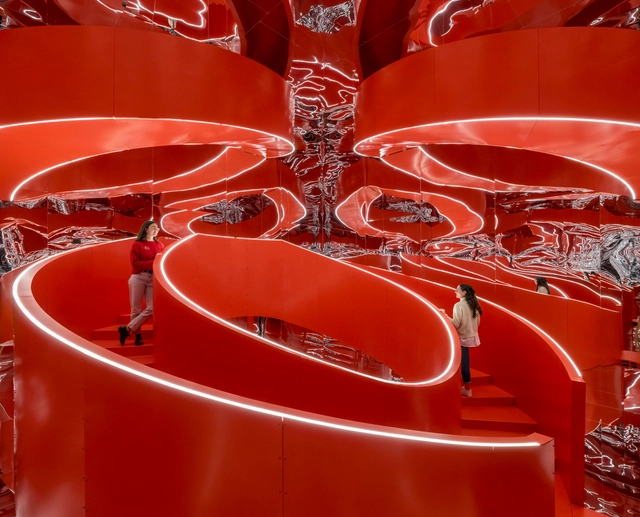
3XN/GXN has just opened its exhibition “Aware: Architecture and Senses,” hosted at the Danish Architecture Center until September 15th, 2024. The display invites visitors to explore, comprehend, and interrogate their relationships with architecture. In collaboration with the Danish Architecture Center, 3XN/GXN delves into the conversation between individuals and spaces, showcasing six life-sized installations.
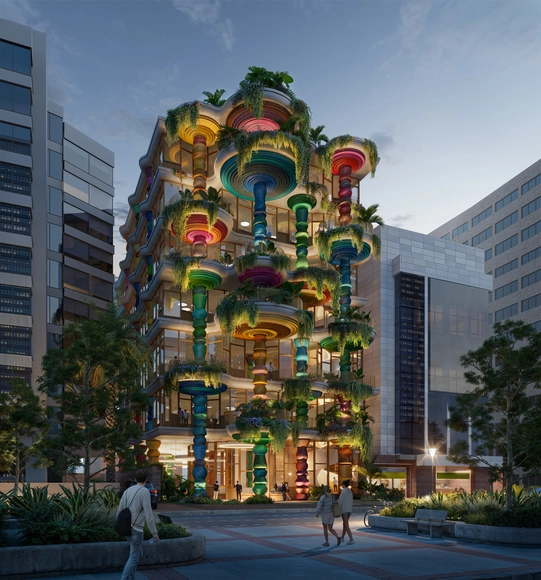
Heatherwick Studio has just been selected to design a new educational facility for a university in Bogotá, Colombia. Marking Heatherwick’s Studio’s debut in South America, the construction is set to begin in 2025. Located on the existing campus in central Bogotá, the new design school and makers’ space for Universidad EAN will become a home for the university’s school of sustainable design. The seven-story structure features a striking façade adorned with colorful artistic columns and open terraces.
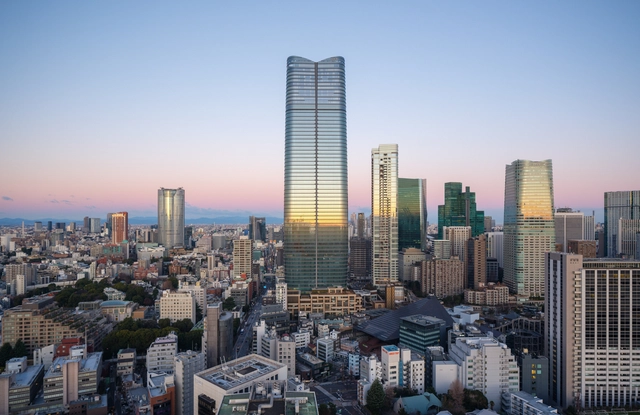
Pelli Clarke & Partners has just completed the Mori JP Tower, now standing as Japan’s tallest building. Situated in the recently revitalized Azabudai Hills district, the tower emerges at the center of this development. Establishing a new focal point for Tokyo’s skyline, the building soars 330 meters at the heart of this dynamic new mixed-use district in the city center.
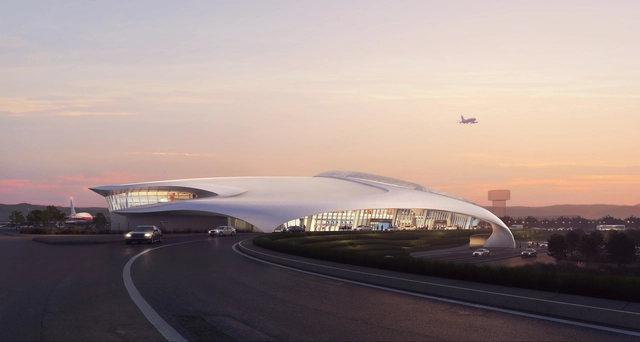
MAD Architects has just unveiled the design for LishuiAirport in China. Dubbed the "forest city,” Lishui is known for its green landscapes and valleys in the Southwest Zhejiang Province. Situated amidst hilly terrain, approximately 15 kilometers southwest of the city, the airport is envisioned as a domestic, regional transportation hub seeking to harmonize with the natural surroundings.
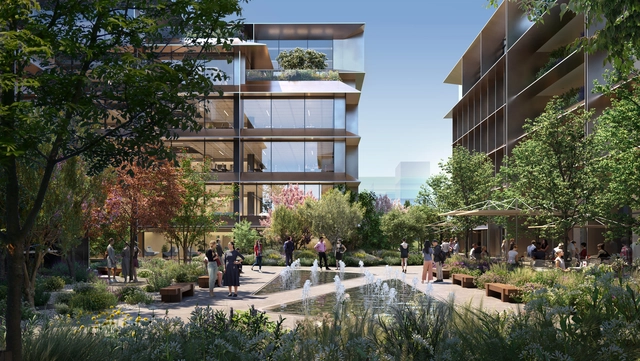
Construction is currently in progress on “The Grid,” a new office complex by Foster + Partners. Located in Marousi, an established business hub that boasts connectivity to central Athens, the project spans an entire city block. The project features modern, adaptable workspaces, along with landscaped green areas that integrate with a public park. The scheme hopes to revitalize Marousi and attract new business to the existing area.
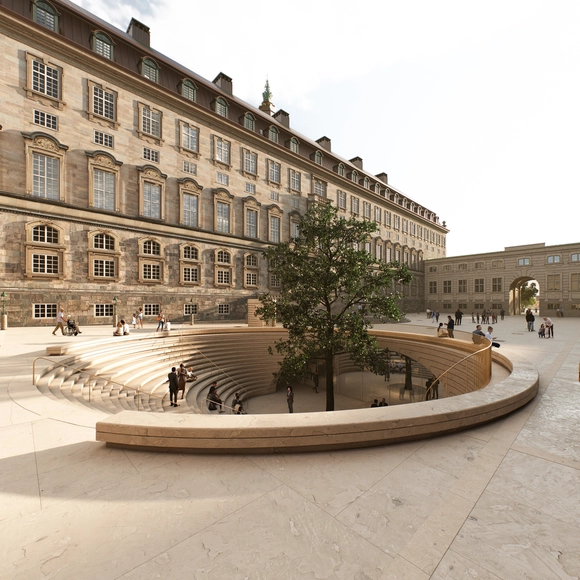
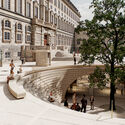
Cobe Architects has just unveiled its winning design for the future Danish Parliament in Copenhagen. Aiming to revitalize Denmark’s historic administrative center, the studio envisioned an inviting, accessible space, “where everyone can experience democracy up close.” The design features an underground visitor center, leading to facilities within the Parliament Courtyard, and an interconnected pathway uniting historic buildings formerly used by the Danish National Archive.
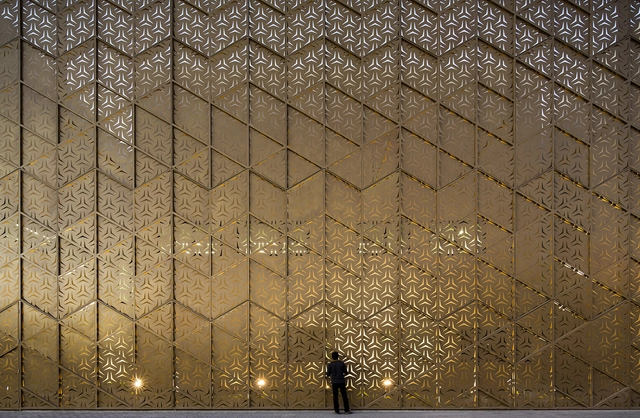
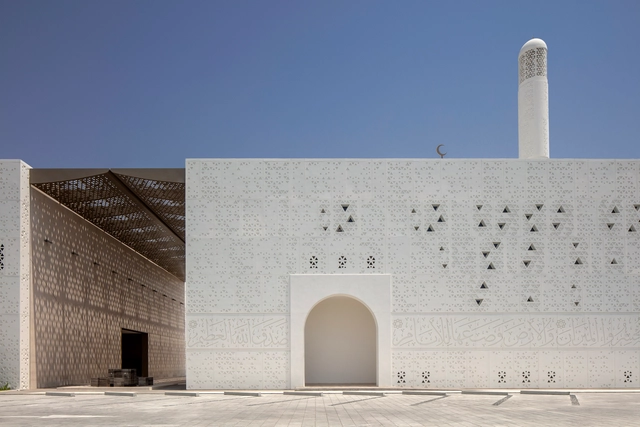
For centuries, arid environments have solved the problem of light, privacy, and heat through a statement architectural feature of Islamic and Arab architecture, the mashrabiya. Crafted from geometric patterns traditionally made from short lengths of turned wood, the mashrabiya features lattice-like patterns that form large areas. Traditionally, it was used to catch wind and offer passive cooling in the dry Middle Eastern desert heat. Frequently used on the side street of a built structure, water jars, and basins were placed inside it to activate evaporative cooling. The cool air from the street would pass through the wooden screen, providing air movement for the occupants.
Similar to the Indian jali, the vernacular language also offers a playful experience with daylight while still maintaining a certain degree of privacy. Traced back to Ottoman origins, the perforated screens protected occupants’ from the sun while simultaneously letting daylight through in calculated doses. Although the mashrabiya was a statement in arab and Islamic architecture languages, it wasn’t until 1987 that the archetypal element began appearing with a revised contemporary application.
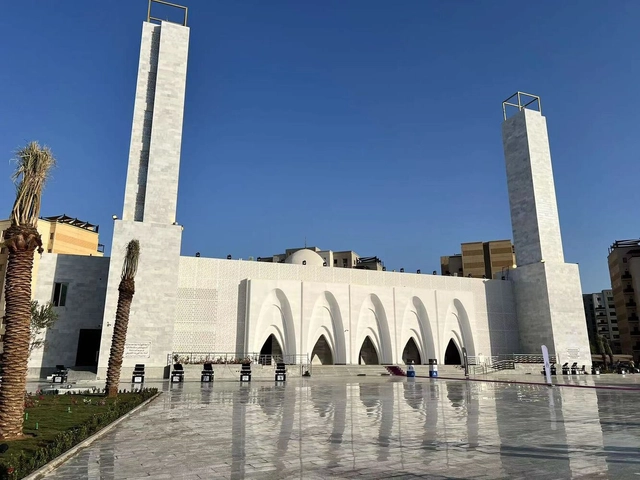
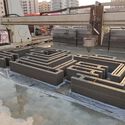
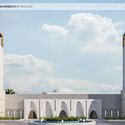
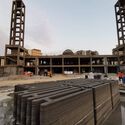
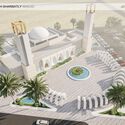
The Kingdom of Saudi Arabia is now home to the world’s first 3D-printedmosque, spanning an area of 5,600 sqm. Located within the Al-Jawhara suburb of Jeddah, the mosque stands as a tribute to the late equestrian Abdulaziz Abdullah Sharbatly. The project by Forsan Real Estate utilizes cutting-edge 3D printing technology from Guanli.
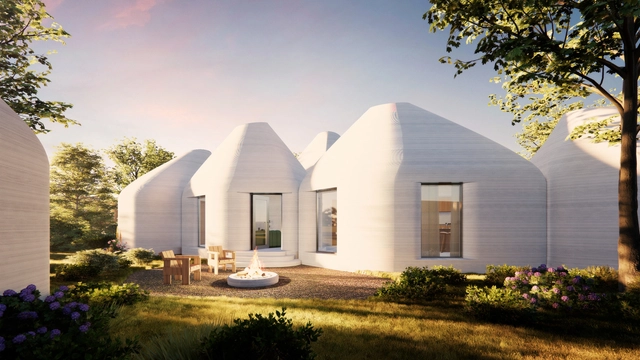
Pioneering advanced construction and large-scale 3D Printing, ICON was selected as ArchDaily’s Best New Practices of 2021 due to its boundary-breaking technology that is advancing capability in the built environment. The Texas-based startup has just unveiled various toolkits and products to modernize construction processes further. Dubbed “Domus Ex Machina,” the event showcased a range of innovations, such as an AI Architect created for home design and construction, a digital library containing over 60 pre-designed home plans, a new eco-friendly building material, and a robotic printed facilitating multi-story construction. Together, these developments aim to offer a quicker, more environmentally friendly way to build high-quality, affordable housing globally.
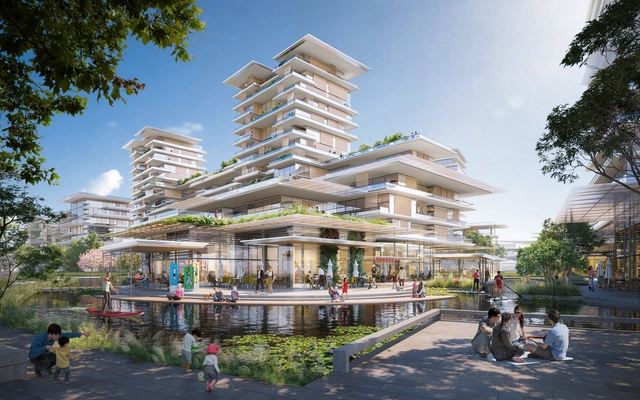
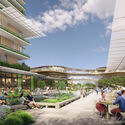
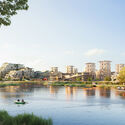
Foster + Partners has just unveiled the designs for the Xicen Science & Technology Center at the heart of the Yangtze River Delta Region in Shanghai,China. The project is strategically located along the Shanghai – Huzhou development axis, ensuring connectivity to the city center through high-speed rail links. Drawing inspiration from the timeless allure of the surrounding water towns, the center blends new and existing waterways to create a community featuring residential, commercial, and recreational spaces.
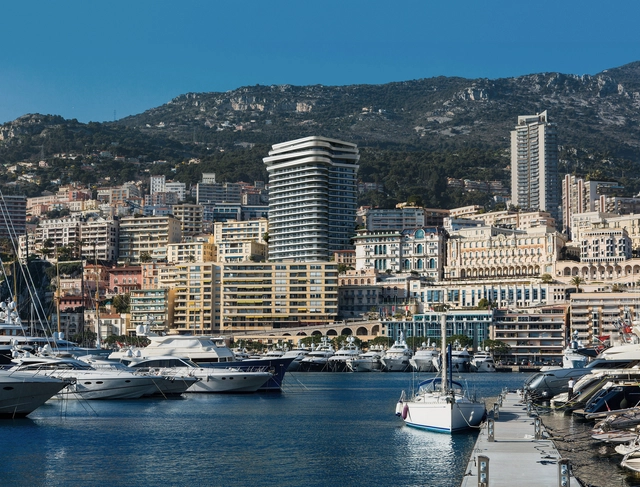
Zaha Hadid Architects (ZHA) has just begun renovating the iconic Schuylkill Tower in Monaco. Originally built in 1963, the tower currently stands tall as Monaco’s first-ever high-rise. ZHA conducted a feasibility study evaluating its development prospects and the scope of necessary renovations. This led to ZHA’s collaboration with local firm Square Architecte to revitalize and expand the iconic structure, set to be completed in May 2027.
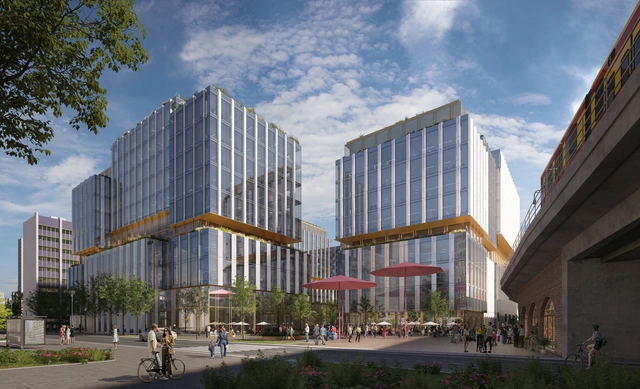
LXK Office and Residential Campus. Image Courtesy of MVRDV
MVRDV has just begun construction on the LXK Office and Residential Campus in Berlin. Situated in Friedrichshain, near Berlin Ostbahnhof, the development spans approximately 61,200 sqm and boasts city center views from its green rooftops and terraces. Designed as two buildings, a horizontal band encircles the middle of either structure, serving as a distinctive landmark in Berlin.
This curated collection unfolds the narratives of some of the most compelling architectural projects by women from the Global South. From the unique streets of Dubai to the rural landscapes of Niger, each project serves as a testament to the power of architecture to transcend gender boundaries and create meaningful designs that connect people and their surroundings.
BIG and HNTB have just won the competition to design an Athletics ballpark in Las Vegas. Situated along the iconic Las Vegas Strip, the ballpark for the Athletics Major League Baseball team promises to uphold the values of the “Entertainment Capital of the World.” Nestled between Tropicana Avenue and Reno Avenue on Las Vegas Boulevard, the ballpark boasts 33,000 seats in an open-air stadium sprawling across nine acres.
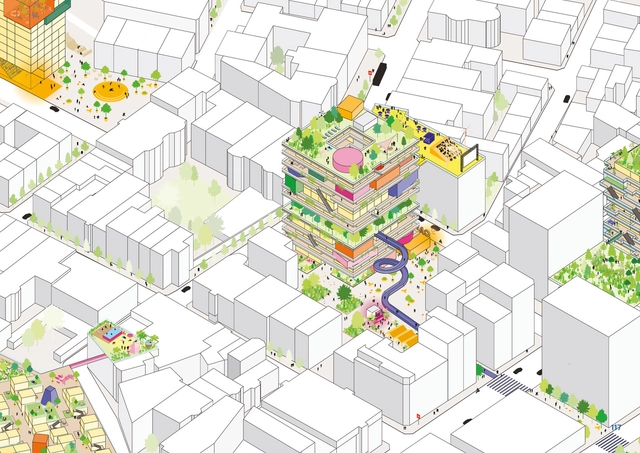
MVRDV has just released a new design study exploring how co-living can help shape the future of housing. Created in collaboration with developer HUB and sustainable investor Bridges Fund Management, the study introduces a comprehensive study exploring diverse typologies, aiming to revolutionize communal living and vibrant neighborhoods. It addresses modern housing needs, including flexibility, sustainability, and community, while tackling climate crisis and affordability issues. The endeavor offers tailored solutions for various co-living projects, catering to many demographics and lifestyles.
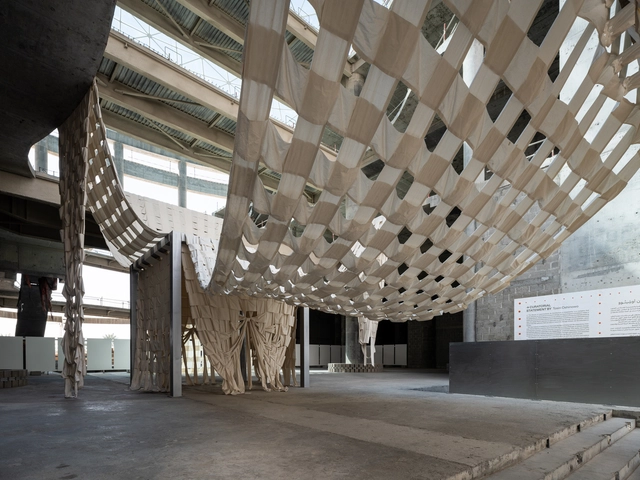
Running from November 11, 2023 until March 10, 2024, The Sharjah Architecture Triennial celebrates innovations in the built environment, particularly in the global south. The main goal of the display is to draw attention to sustainable, accessible, and equitable futures while highlighting the value of alternative responses to resource constraints. As the event draws to a close, ArchDaily explores 10 architectural installations that respond to the overarching theme through various mediums.
Curated by Tosin Oshinowo under the theme “The beauty of Impermanence: An Architecture of Adaptability,” the triennial has contributions from 29 architects and studios across 25 countries. From 51-1 Arquitectos transforming an unapproachable place into a dynamic play space featuring popular board games from various regions to Al Borde redefining a space with a custom-designed shading structure made with natural materials, the Sharjah Architecture Triennial presents a diverse array of architectural interventions. WaiWai's showcase spotlights three instances of modern architecture in Tashkent, Uzbekistan, highlighting their significant evolution. DAAR's "Concrete Tent" combines elements of a mobile tent and concrete house, exploring the concept of "permanent temporariness.” These installations offer innovative perspectives on adaptability, sustainability, and cultural significance within the architectural landscape.
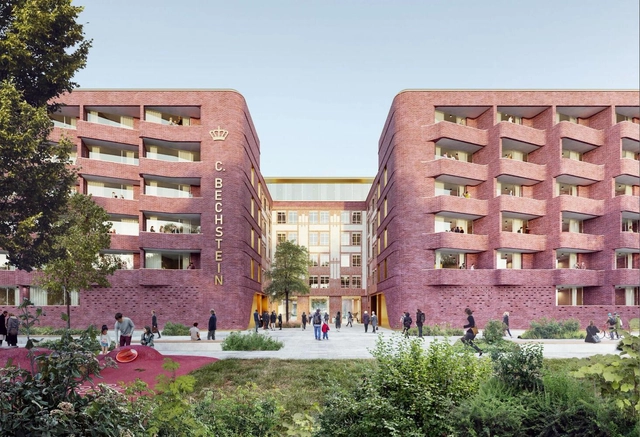
GRAFT Architects has just won the competition to design the new Carl Bechstein Music Campus. Located centrally in Berlin, the Carl Bechstein Foundation’s main goal with the campus is to create a cultural hub entirely devoted to piano music. Serving as a focal point for the Bechstein Brand, established in 1853 and known for its variety of Bechstein pianos, this campus will serve as a focal point and a new headquarters for the foundation.