1. ArchDaily
  2. Pavilion

Pavilion: The Latest Architecture and News

Bauhaus Earth Transforms Disused Car Park into Bamboo Community Pavilion in Bali, Indonesia

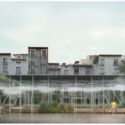
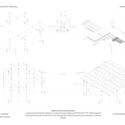
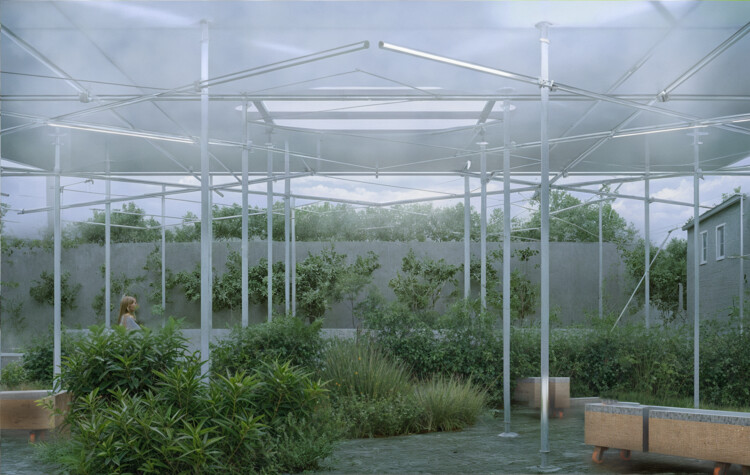
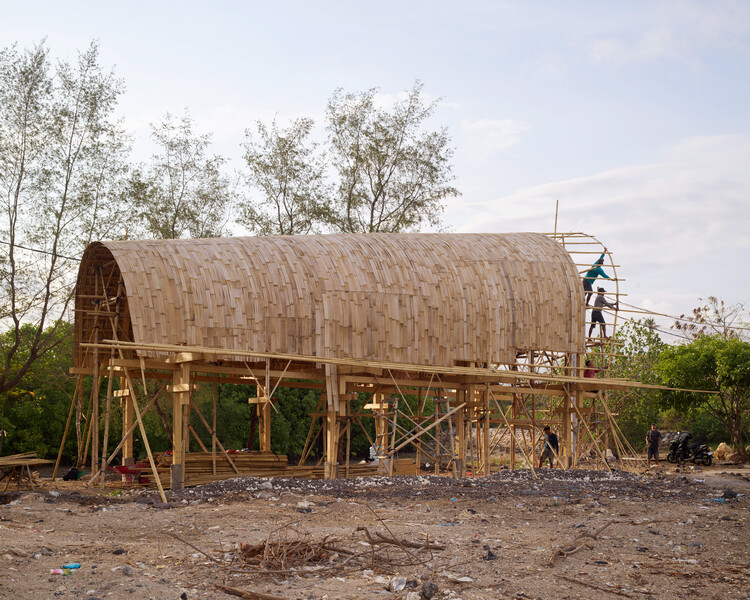
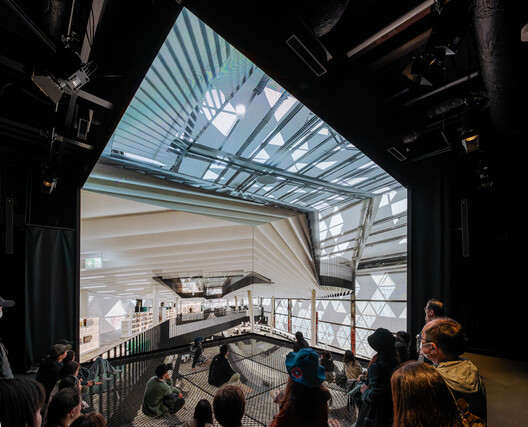
Bauhaus Earth is a Berlin-based non-profit organization working toward a systemic transformation of the built environment. Its mission includes transitioning to bio- and geo-based materials, reusing existing buildings, and restoring ecosystems. Together with the Bamboo Village Trust, a philanthropic financial vehicle, and Kota Kita, a participatory urban design organization, Bauhaus Earth has developed BaleBio, a bamboo pavilion designed by Cave Urban and rising above Mertasari Beach in Denpasar, Bali. The pavilion transforms a disused car park into an open community meeting space, offering a counterpoint to the city's tourism-driven coastal development. Designed as a regenerative building, BaleBio stores carbon instead of emitting it, challenging the extractive construction model that is replacing traditional wood and bamboo craftsmanship with concrete structures across the island.

Bauhaus Earth Transforms Disused Car Park into Bamboo Community Pavilion in Bali, Indonesia - Imagem 1 de 4Bauhaus Earth Transforms Disused Car Park into Bamboo Community Pavilion in Bali, Indonesia - Imagem 2 de 4Bauhaus Earth Transforms Disused Car Park into Bamboo Community Pavilion in Bali, Indonesia - Imagem 3 de 4Bauhaus Earth Transforms Disused Car Park into Bamboo Community Pavilion in Bali, Indonesia - Imagem 4 de 4Bauhaus Earth Transforms Disused Car Park into Bamboo Community Pavilion in Bali, Indonesia - More Images+ 16

CRA–Carlo Ratti Associati Designs Self-Sufficient Bivouac Pavilion for the 2026 Milano Cortina Winter Olympics

CRA–Carlo Ratti Associati, in collaboration with Salone del Mobile.Milano, recently unveiled the design of a digitally fabricated bivouac set to debut as an urban pavilion during the 2026 Winter Olympics in Milan. The digitally fabricated wooden structure is designed to be self-sufficient, incorporating systems for energy production and storage, as well as water harvesting through air condensation. After its debut at Milano Cortina 2026, the structure is planned to be airlifted by helicopter to its permanent high-altitude location in the Italian Alps, where it will serve as a refuge for mountaineers.

CRA–Carlo Ratti Associati Designs Self-Sufficient Bivouac Pavilion for the 2026 Milano Cortina Winter Olympics - Image 1 of 4CRA–Carlo Ratti Associati Designs Self-Sufficient Bivouac Pavilion for the 2026 Milano Cortina Winter Olympics - Image 2 of 4CRA–Carlo Ratti Associati Designs Self-Sufficient Bivouac Pavilion for the 2026 Milano Cortina Winter Olympics - Image 3 of 4CRA–Carlo Ratti Associati Designs Self-Sufficient Bivouac Pavilion for the 2026 Milano Cortina Winter Olympics - Featured ImageCRA–Carlo Ratti Associati Designs Self-Sufficient Bivouac Pavilion for the 2026 Milano Cortina Winter Olympics - More Images+ 1

The Singapore Pavilion at the Venice Architecture Biennale Reimagines the City-State as a Dining Table

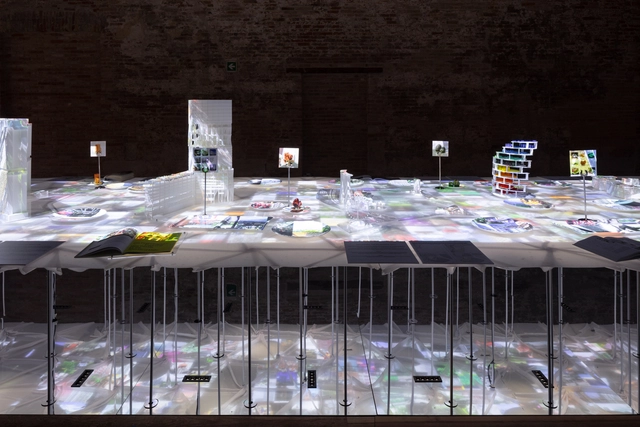
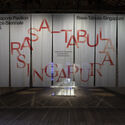
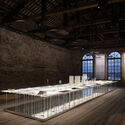
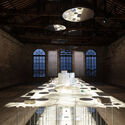
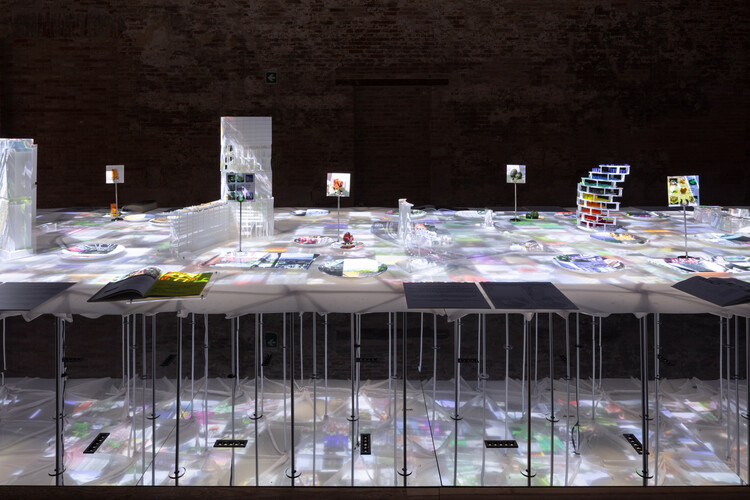
2025 marks the 60th anniversary of Singapore's independence, commemorating its separation from Malaysia on August 9, 1965. The occasion is celebrated in the country's national pavilion at the 19th Venice Architecture Biennale with a multisensory installation that honors Singapore's diversity and reimagines city-making through food, culture, and collective design. Titled RASA–TABULA–SINGAPURA, the installation invites visitors to take a seat at the Table of Superdiversity: an enticing reimagining of city-making and nation-building through the universal act of dining. According to the curatorial team from the Singapore University of Technology and Design (SUTD), the purpose of the installation is to showcase how the convergence of multicultural differences, collective histories, design, and new technology creates opportunities for more inclusive and adaptive urban futures.

The Singapore Pavilion at the Venice Architecture Biennale Reimagines the City-State as a Dining Table - Image 1 of 4The Singapore Pavilion at the Venice Architecture Biennale Reimagines the City-State as a Dining Table - Image 2 of 4The Singapore Pavilion at the Venice Architecture Biennale Reimagines the City-State as a Dining Table - Image 3 of 4The Singapore Pavilion at the Venice Architecture Biennale Reimagines the City-State as a Dining Table - Image 4 of 4The Singapore Pavilion at the Venice Architecture Biennale Reimagines the City-State as a Dining Table - More Images+ 20

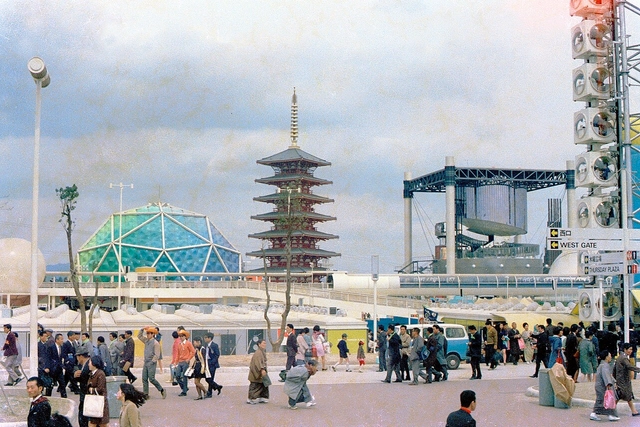
Expo Osaka 2025 Concludes After Six Months of Discussions on Saving, Empowering, and Connecting Lives

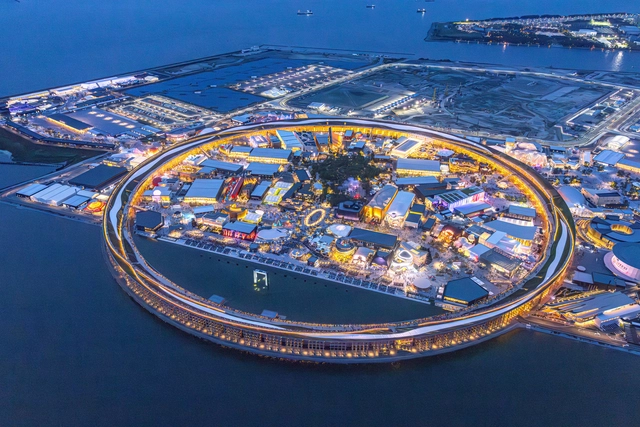
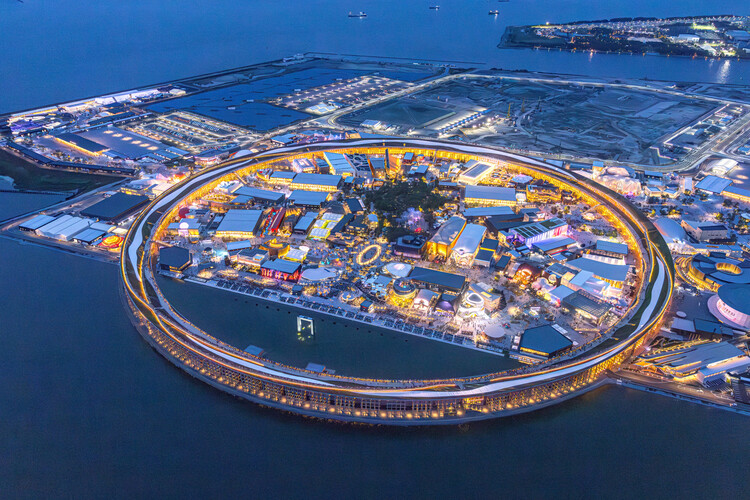
Monday, October 13th, marked the conclusion of Expo Osaka 2025. The exhibition gathered representatives from 165 countries and international organizations and welcomed around 28 million visitors to Yumeshima, a reclaimed site in Osaka Bay. The site was reimagined through a masterplan and bounded by a Guinness World Record-breaking wooden circular structure, both designed by Sou Fujimoto Architects. Over 184 days, participants were able to visit the self-built, modular, and shared pavilions, national exhibitions, and public activities organized under the overarching theme "Designing Future Society for Our Lives." During its six-month run, the Expo set out to explore three pivotal subthemes, Saving Lives, Empowering Lives, and Connecting Lives, as an invitation to bring together new perspectives for our built and social ecosystem.

Expo Osaka 2025 Concludes After Six Months of Discussions on Saving, Empowering, and Connecting Lives - Imagen 1 de 4Expo Osaka 2025 Concludes After Six Months of Discussions on Saving, Empowering, and Connecting Lives - Imagen 2 de 4Expo Osaka 2025 Concludes After Six Months of Discussions on Saving, Empowering, and Connecting Lives - Imagen 3 de 4Expo Osaka 2025 Concludes After Six Months of Discussions on Saving, Empowering, and Connecting Lives - Imagen 4 de 4Expo Osaka 2025 Concludes After Six Months of Discussions on Saving, Empowering, and Connecting Lives - More Images+ 5

Lina Ghotmeh’s Bahrain Pavilion Wins Gold Award for Best Architecture and Landscape at Expo 2025 Osaka

The Kingdom of Bahrain's Pavilion at Expo 2025 Osaka, designed by Lina Ghotmeh – Architecture, titled "Connecting Seas," has been awarded the Gold Award for Best Architecture and Landscape in the self-built pavilions under 1,500 square meters category. Presented by the Bureau International des Expositions (BIE), the award recognizes architectural excellence in spatial design, creativity, and sustainability. The announcement was made at an official award ceremony in Osaka, Japan, attended by commissioners general and representatives from participating nations. Commissioned by the Bahrain Authority for Culture and Antiquities (BACA), this marks the country's fourth participation in a World Expo and reflects an ongoing commitment to expressing national identity through architecture and cultural dialogue.
Lina Ghotmeh’s Bahrain Pavilion Wins Gold Award for Best Architecture and Landscape at Expo 2025 Osaka - Image 1 of 4Lina Ghotmeh’s Bahrain Pavilion Wins Gold Award for Best Architecture and Landscape at Expo 2025 Osaka - Image 2 of 4Lina Ghotmeh’s Bahrain Pavilion Wins Gold Award for Best Architecture and Landscape at Expo 2025 Osaka - Image 3 of 4Lina Ghotmeh’s Bahrain Pavilion Wins Gold Award for Best Architecture and Landscape at Expo 2025 Osaka - Image 4 of 4Lina Ghotmeh’s Bahrain Pavilion Wins Gold Award for Best Architecture and Landscape at Expo 2025 Osaka - More Images+ 4

12 Pavilions at EXPO 2025 Osaka Highlight Immersive Spatial Experiences

 | Sponsored Content

Since its inauguration this spring, Expo 2025 Osaka has captured global attention from multiple perspectives, demonstrating how architecture can function as a laboratory for exploring solutions to pressing challenges. After 55 years, Osaka is once again hosting the World Expo, with each installation organized around the sub-themes Saving Lives, Empowering Lives, and Connecting Lives. These pavilions take forms that express the identity and values of their region through distinctive architectural languages, forming the central axis of their design. Building on this foundation, some installations serve as laboratories for the future society, utilizing technology to enhance experiences both inside and outside the spaces, transforming the visit through light, sound, visuals, and movement as part of the technological innovation showcased at the event.

12 Pavilions at EXPO 2025 Osaka Highlight Immersive Spatial Experiences - 1 的图像 412 Pavilions at EXPO 2025 Osaka Highlight Immersive Spatial Experiences - 2 的图像 412 Pavilions at EXPO 2025 Osaka Highlight Immersive Spatial Experiences - 3 的图像 412 Pavilions at EXPO 2025 Osaka Highlight Immersive Spatial Experiences - 4 的图像 412 Pavilions at EXPO 2025 Osaka Highlight Immersive Spatial Experiences - More Images+ 27

The Korean Pavilion at the 2025 Venice Biennale Marks 30 Years with “Little Toad, Little Toad: Unbuilding Pavilion”

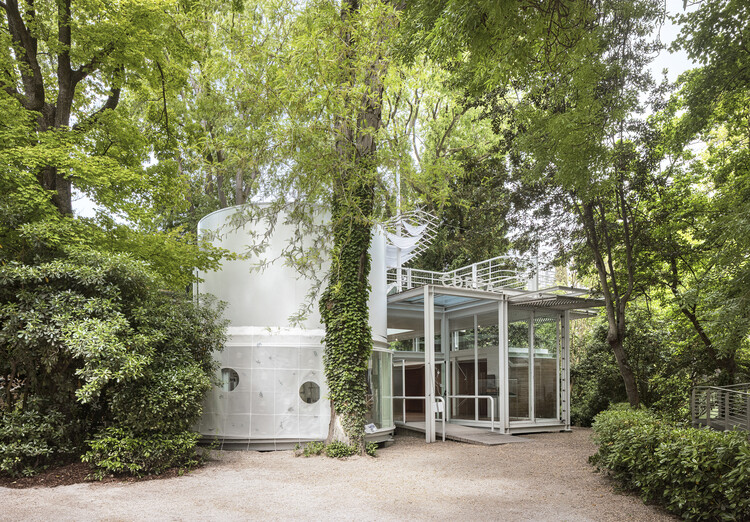
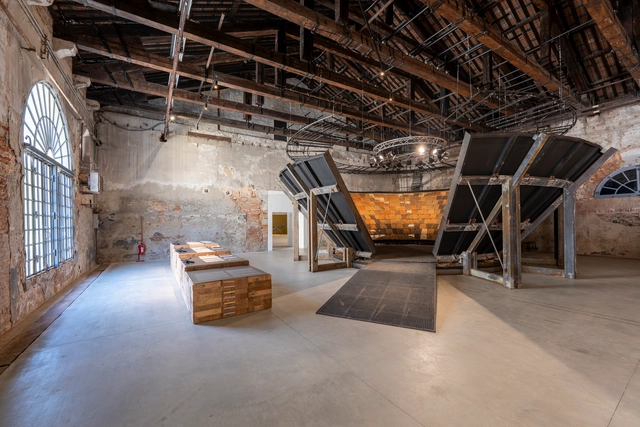
The Korean Pavilion at the 19th International Architecture Exhibition - La Biennale di Venezia marks its 30th anniversary with "Little Toad, Little Toad: Unbuilding Pavilion," an exhibition commissioned by Arts Council Korea (ARKO) and curated by Curating Architecture Collective (CAC), composed of Chung Dahyoung, Kim Heejung, and Jung Sungkyu. Bringing together architects and artists Kim Hyunjong, Heechan Park, Young Yena, and Lee Dammy, the exhibition critically revisits the pavilion as both a physical structure and a symbolic space, tracing its trajectory since its completion in 1995 while speculating on its possible futures.

The Korean Pavilion at the 2025 Venice Biennale Marks 30 Years with “Little Toad, Little Toad: Unbuilding Pavilion” - Image 1 of 4The Korean Pavilion at the 2025 Venice Biennale Marks 30 Years with “Little Toad, Little Toad: Unbuilding Pavilion” - Image 2 of 4The Korean Pavilion at the 2025 Venice Biennale Marks 30 Years with “Little Toad, Little Toad: Unbuilding Pavilion” - Image 3 of 4The Korean Pavilion at the 2025 Venice Biennale Marks 30 Years with “Little Toad, Little Toad: Unbuilding Pavilion” - Image 4 of 4The Korean Pavilion at the 2025 Venice Biennale Marks 30 Years with “Little Toad, Little Toad: Unbuilding Pavilion” - More Images+ 27

The Philippine Pavilion at the 2025 Venice Biennale Reimagines the Relationship Between Architecture and Soil

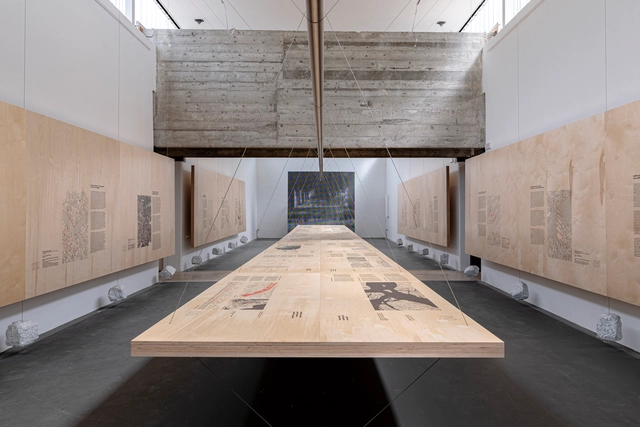
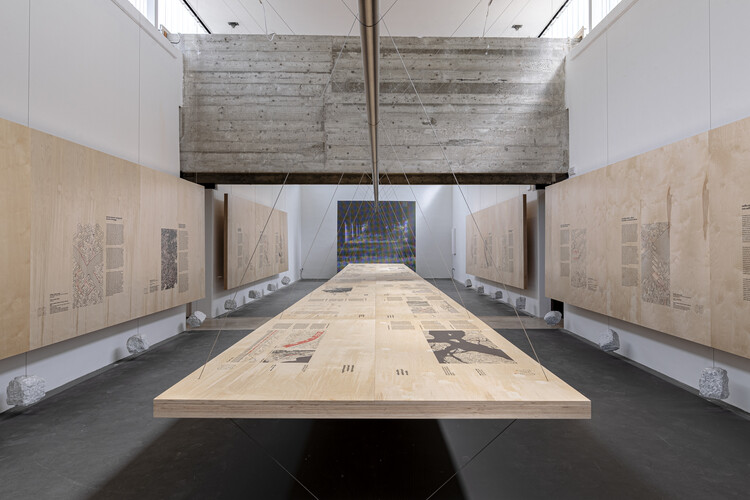
The Philippines' Pavilion at the 19th International Architecture Exhibition – La Biennale di Venezia presents Soil-beings (Lamánlupa), an exhibition curated by artistic director Renan Laru-an. Through interdisciplinary collaborations, the Pavilion brings together architects, technical experts, indigenous leaders, artists, policymakers, and local communities to explore the cultural, ecological, and technological dimensions of soil. Its objective is to challenge conventional architectural paradigms by shifting the focus from structure to soil, not as a passive material, but as a living force with agency, history, and power.

The Philippine Pavilion at the 2025 Venice Biennale Reimagines the Relationship Between Architecture and Soil - Imagen 1 de 4The Philippine Pavilion at the 2025 Venice Biennale Reimagines the Relationship Between Architecture and Soil - Imagen 2 de 4The Philippine Pavilion at the 2025 Venice Biennale Reimagines the Relationship Between Architecture and Soil - Imagen 3 de 4The Philippine Pavilion at the 2025 Venice Biennale Reimagines the Relationship Between Architecture and Soil - Imagen 4 de 4The Philippine Pavilion at the 2025 Venice Biennale Reimagines the Relationship Between Architecture and Soil - More Images+ 28

North Macedonia Pavilion at the Venice Architecture Biennale Revisits the Brutalist Architecture of Skopje

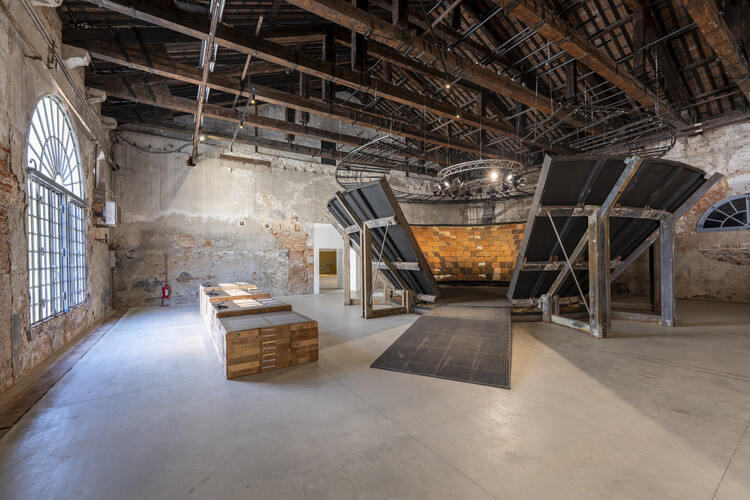
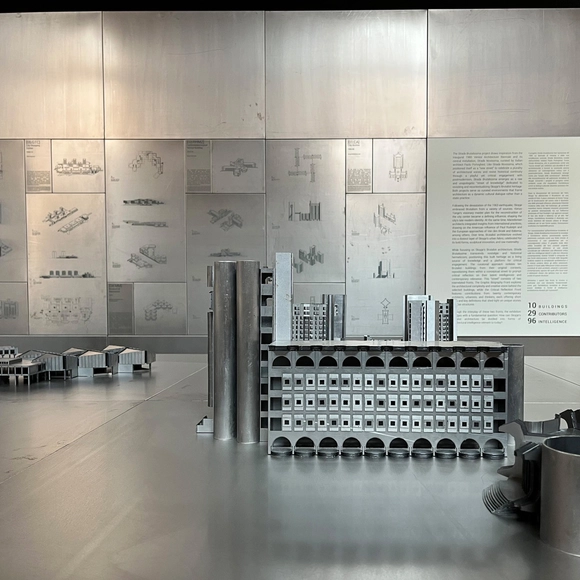
The Republic of North Macedonia Pavilion at the 19th Venice Architecture Biennale is dedicated to the Brutalist architecture of its capital city, Skopje. This architectural movement has given the city a distinctive identity following the earthquake that struck in 1963. According to pavilion curator, architect Blagoja Bajkovski, in the aftermath of the disaster, Skopje embraced Brutalism from a variety of sources. One of the most prominent of these was Kenzo Tange's reconstruction plan, developed after an international competition organized by the United Nations in 1965. The exhibition, titled Strada Brutalissima, recounts this identity, the events that shaped it, and the buildings that continue to represent it through a series of architectural models. Inspired by the 1980 Venice Architecture Biennale's Strada Novissima, the project reinterprets the concept of a curated "street," this time centered on Skopje's Brutalist heritage.

North Macedonia Pavilion at the Venice Architecture Biennale Revisits the Brutalist Architecture of Skopje - Image 1 of 4North Macedonia Pavilion at the Venice Architecture Biennale Revisits the Brutalist Architecture of Skopje - Image 2 of 4North Macedonia Pavilion at the Venice Architecture Biennale Revisits the Brutalist Architecture of Skopje - Image 3 of 4North Macedonia Pavilion at the Venice Architecture Biennale Revisits the Brutalist Architecture of Skopje - Image 4 of 4North Macedonia Pavilion at the Venice Architecture Biennale Revisits the Brutalist Architecture of Skopje - More Images+ 20

Kosovo Pavilion at the Venice Architecture Biennale Explores Shifting Agricultural Landscapes Through Soil and Scent

The Republic of Kosovo brings this year to the 19th Venice Architecture Biennale an exhibition titled Lulebora nuk çel më. Emerging Assemblages. The exhibit was commissioned by the National Gallery of Kosovo and curated by the architect, interdisciplinary designer, and researcher Erzë Dinarama. Reflecting on the country's shifting agricultural landscapes in the context of ecological uprooting and embodied knowledge systems under climate pressure, the installation offers a sensorial exploration of Kosovan fieldwork. Combining a range of local soil materials with a hanging olfactory calendar, the Pavilion invites visitors to imagine through touch and smell.

Kosovo Pavilion at the Venice Architecture Biennale Explores Shifting Agricultural Landscapes Through Soil and Scent - Featured ImageKosovo Pavilion at the Venice Architecture Biennale Explores Shifting Agricultural Landscapes Through Soil and Scent - Imagem 1 de 4Kosovo Pavilion at the Venice Architecture Biennale Explores Shifting Agricultural Landscapes Through Soil and Scent - Imagem 2 de 4Kosovo Pavilion at the Venice Architecture Biennale Explores Shifting Agricultural Landscapes Through Soil and Scent - Imagem 3 de 4Kosovo Pavilion at the Venice Architecture Biennale Explores Shifting Agricultural Landscapes Through Soil and Scent - More Images+ 14

Colombia Pavilion at Expo Osaka 2025 Presents a Dynamic "Ice Cube" Playing With Form and Light

The Colombia Pavilion at the Expo Osaka 2025 adopts the theme "ICE CUBE," inspired by the scene in Gabriel García Márquez's One Hundred Years of Solitude where a young boy encounters ice for the first time. Translating this literary reference into built form, the pavilion presents a facade of translucent cubes set at varying angles, creating a sense of movement and articulation. Designed by MORF Inc., with Karim Chahal as Project Director and Ko Oono as Principal Architect, the exterior is composed of semi-transparent polycarbonate panels integrated with color-controlled lighting, allowing the facade to transform in appearance throughout the day and night.

Colombia Pavilion at Expo Osaka 2025 Presents a Dynamic "Ice Cube" Playing With Form and Light - Imagen 1 de 4Colombia Pavilion at Expo Osaka 2025 Presents a Dynamic "Ice Cube" Playing With Form and Light - Imagen 2 de 4Colombia Pavilion at Expo Osaka 2025 Presents a Dynamic "Ice Cube" Playing With Form and Light - Imagen 3 de 4Colombia Pavilion at Expo Osaka 2025 Presents a Dynamic "Ice Cube" Playing With Form and Light - Imagen 4 de 4Colombia Pavilion at Expo Osaka 2025 Presents a Dynamic Ice Cube Playing With Form and Light - More Images+ 9

Moroccan Pavilion at the Venice Architecture Biennale Showcases Earth as a Sustainable Building Material

The Kingdom of Morocco's exhibition at the 19th International Architecture Exhibition – La Biennale di Venezia highlights Moroccan earth architecture and traditional construction techniques. The exhibition, titled Materiae Palimpsest, was curated by architects Khalil Morad El Ghilali and El Mehdi Belyasmine. In an exploration that blends ancient techniques with digital technologies, the exhibit features textile works by architect and artist Soumyia Jalal, along with holograms of artisans and tactile installations. The narrative presents earth as a renewable resource and sustainable material, and earth construction as a key to both preserving architectural heritage and addressing contemporary ecological and social challenges. Materiae Palimpsest offers an invitation to rethink architecture's current relationship with building materials, opening the way to locally rooted construction methods.

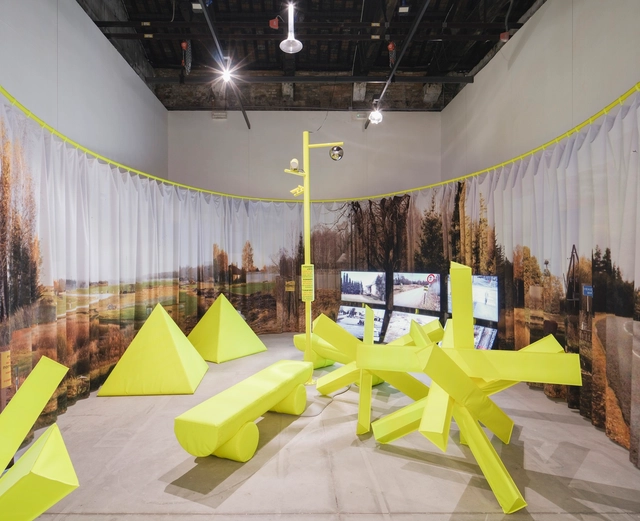
Moroccan Pavilion at the Venice Architecture Biennale Showcases Earth as a Sustainable Building Material - 1 的图像 4Moroccan Pavilion at the Venice Architecture Biennale Showcases Earth as a Sustainable Building Material - 2 的图像 4Moroccan Pavilion at the Venice Architecture Biennale Showcases Earth as a Sustainable Building Material - 3 的图像 4Moroccan Pavilion at the Venice Architecture Biennale Showcases Earth as a Sustainable Building Material - 4 的图像 4Moroccan Pavilion at the Venice Architecture Biennale Showcases Earth as a Sustainable Building Material - More Images+ 17