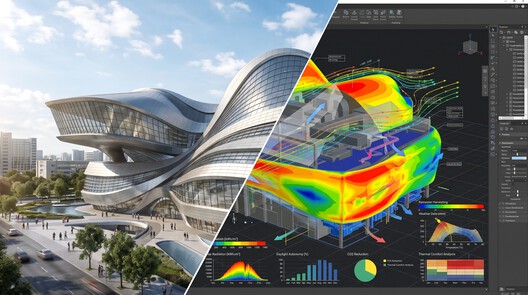
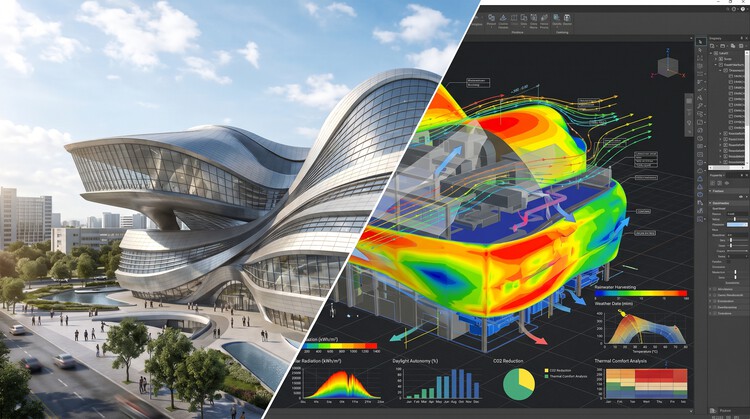
Architecture reaches people through whatever medium carries it, and each new medium changes our picture of what a good building looks like. For example, when 3D modeling software arrived, the novelty of complex shapes drove the starchitecture era of the 2010s, and projects built on those experiments earned awards such as the Pritzker Prize. Today the medium is the social media feed. A building exists first as a model and then as a render, long before it exists as a place. Meanwhile, research in neuroarchitecture is building a different picture based on how people actually experience buildings. So how could those two seemingly unrelated topics close a loop that may lead to the profession's next creative frontier?
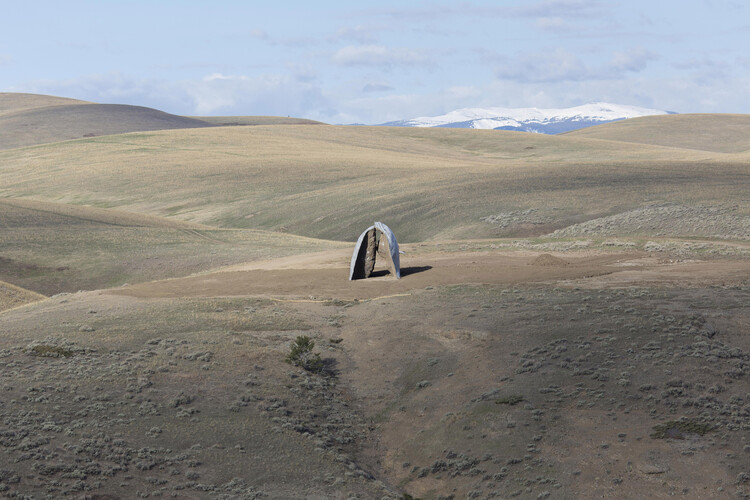
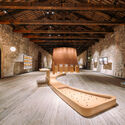
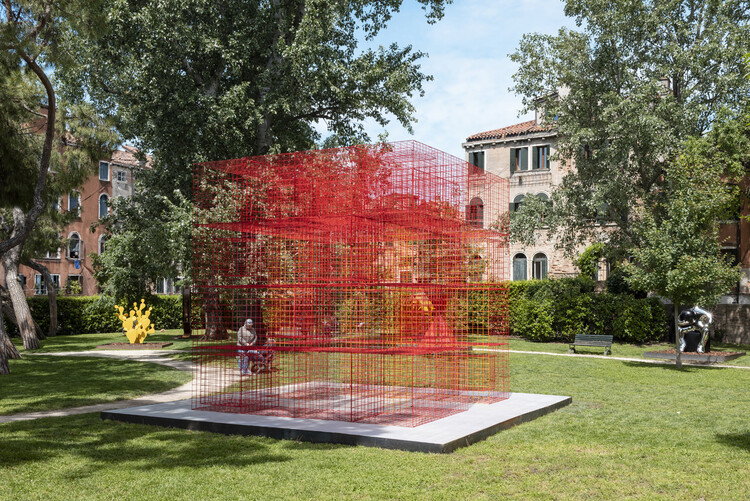
Structures of Landscape / ENSAMBLE STUDIO. Image Courtesy of ENSAMBLE STUDIO
The United States' contribution to the 20th International Architecture Exhibition of La Biennale di Venezia will explore the relationship between the country's architecture, landscapes, and the people who shape it. Titled Earth Craft, the exhibition will be commissioned, organized, and curated by a team from the University of Miami School of Architecture (U-SoA). The lead curator, Professor Germane Barnes, conceived the exhibition as a representation of the United States "through its makers and not through its icons," recognizing that celebrated buildings were raised by anonymous builders who dug, shaped, and fired architectural legacy. Vyta Pivo, assistant professor, curator, and historian of Earth Craft, adds a contemporary approach by translating inherited knowledge of soil, water, and heat into computational design, conceiving craftwork and robotic fabrication as complementary. The exhibition will occupy the United States Pavilion at the Giardini della Biennale between May 8 and November 21, 2027, tracing earthen materials from the ground to finished buildings.
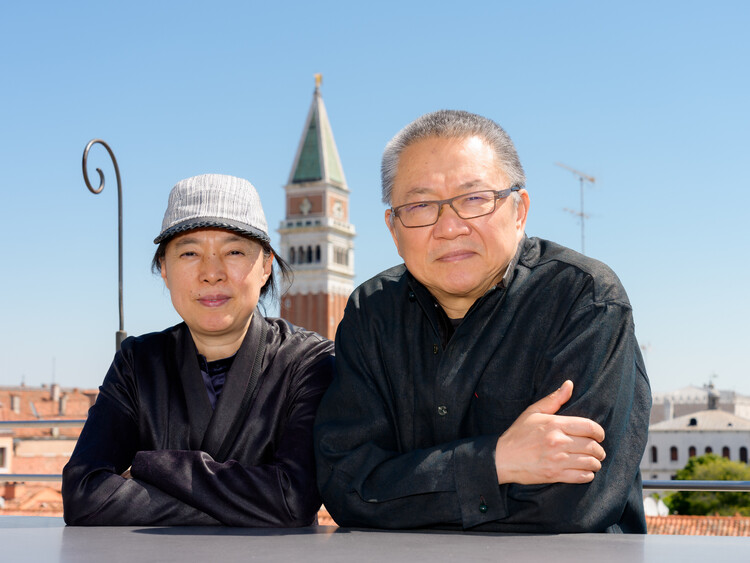
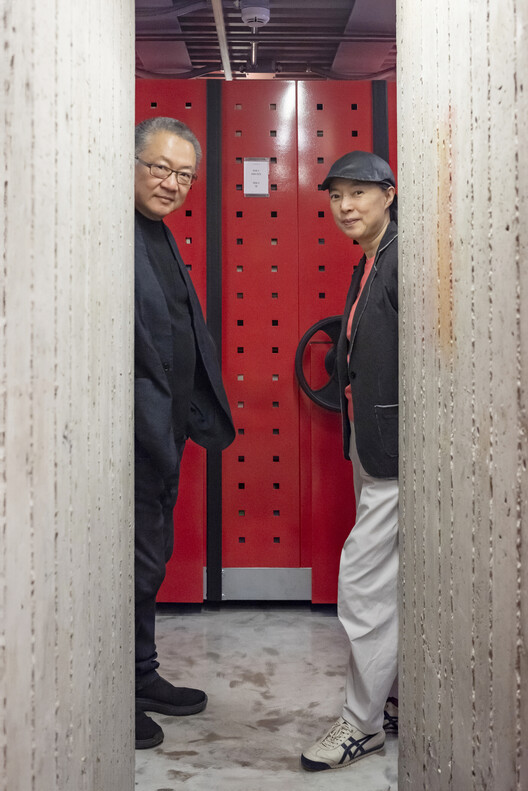
"Architecture must return to its essence." With this statement, Wang Shu and Lu Wenyu establish the central premise of their curatorial vision for the 20th International Architecture Exhibition of La Biennale di Venezia, taking place from May 8 to November 21, 2027, across the Giardini, the Arsenale, and throughout Venice. Titled "Do Architecture – For the Possibility of Coexistence Facing a Real Reality", the exhibition calls for a return to the physical act of making architecture, at a time when, according to the curators, the discipline has become increasingly disconnected from lived reality through excessive abstraction, commercialization, and digitalization.
Rather than focusing on what architecture might become, the curators propose a renewed engagement with the present, questioning what it means to practice architecture today through materials, construction, local knowledge, and direct experience. This approach builds on ideas that have long informed the work of Amateur Architecture Studio, founded by Wang Shu and Lu Wenyu in 1997, particularly their exploration of traditional building techniques, material reuse, and the relationship between architecture and place.The exhibition also places the question of coexistence at its center, exploring how architecture can bring together seemingly opposing conditions, from technology and craftsmanship to urban and rural ways of building, while remaining grounded in the specific realities of each place.
The Korean contribution at the 2027 International Architecture Exhibition – La Biennale di Venezia will focus on the country's condition of hyper-shrinkage, the accelerated stage of population contraction and societal aging, within the context of global demographic change. Commissioned by the Arts Council Korea (ARKO) and led by curator Janghwan Lee, the exhibition will feature contributions by architects Bae Yoonkyung, Kyo Suk Lee and Jaehyub Ko. The curatorial project is named "Catabolism," after the metabolic process through which complex molecules break down into simpler units and release energy. Moving away from an expansion-focused view of cities and architecture, the team uses the concept as a lens to understand urban shrinkage as a reconfiguration of existing relationships and the emergence of new uses and ways of living.
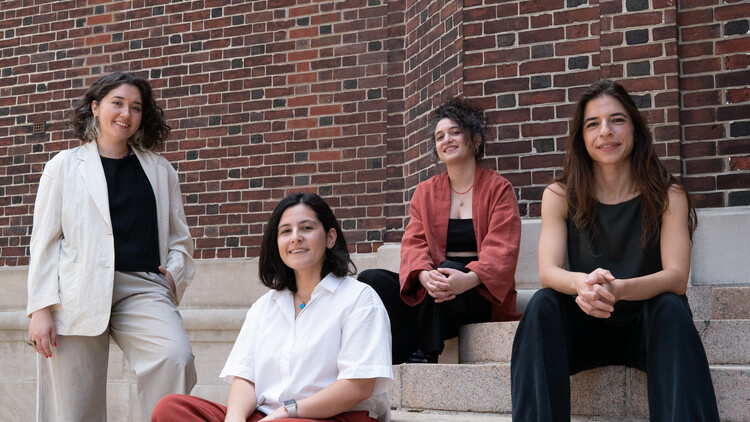
The TürkiyePavilion has announced "Spolia Futures" as its official exhibition for the 20th International Architecture Exhibition of La Biennale di Venezia, which will take place from May 8 to November 21, 2027. Commissioned by the Istanbul Foundation for Culture and Arts (İKSV), the exhibition will be curated by ba-be commons, a research collective composed of Başak Eren, Asya Ece Uzmay, Beril Sarısakal Erkent, and Ece Yetim. The proposal was selected through an open call and two-stage evaluation process to represent Türkiye at the 2027 edition of the Venice Architecture Biennale. The proposal examines spolia, traditionally understood as the reuse of architectural elements, as an evolving architectural method rather than solely a historical practice.
The European Cultural Centre Italy has announced the finalists of the ECC Awards, presented as part of Personal Structures – Confluences, the eighth edition of its international contemporary exhibition, running in parallel with the VeniceArt Biennale. Running in Venice from 9 May to 22 November 2026 across Palazzo Bembo, Palazzo Mora and the Marinaressa Gardens, the exhibition provides the backdrop for the awards, which celebrate artistic practices engaging with the show's theme, Confluences, through research, interdisciplinarity and dialogue with place. The winners will be announced on 22 November 2026, during the exhibition's closing event.
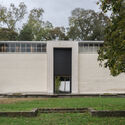
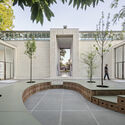
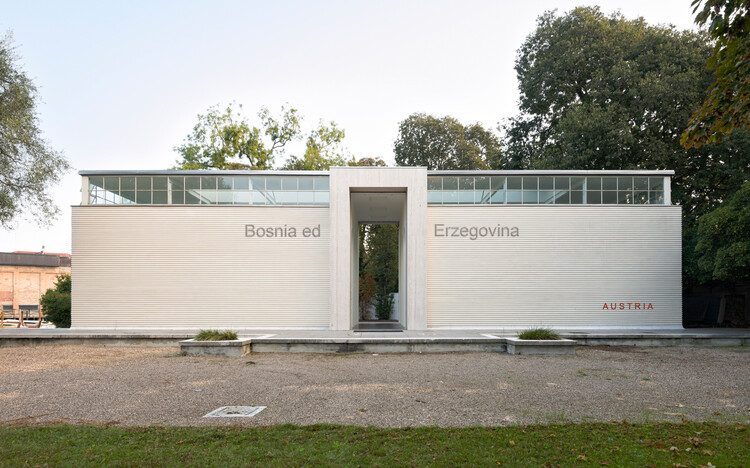
Austria has announced Koncesija / Konzession / Concession(e) as its contribution to the 20th International Architecture Exhibition – La Biennale di Venezia. Curated by architects Adna Babahmetović and Ajna Babahmetović together with curator Sebastian Höglinger, the project proposes temporarily granting the Austrian Pavilion to Bosnia and Herzegovina through a cooperative concession. Selected through Austria's open competition process, the pavilion examines questions of national representation, diplomacy, and architectural exchange by responding to the absence of a Bosnian national pavilion in the Giardini, where the Biennale's historic national pavilions are located.
The Icelandic Pavilion at the 20th International Architecture Exhibition – La Biennale di Venezia will present SOAK: Rituals of Collective Belonging, an exhibition examining Iceland's bathing culture through the lens of architecture, public space, and social interaction. Commissioned by Halla Helgadóttir, Iceland Design and Architecture, the project is curated by Marcos Zotes, partner at Basalt Architects, and developed through a multidisciplinary collaboration between Basalt Architects, design studio Gagarin, and artist Rán Flygenring. SOAK marks the second Icelandic participation in the Architecture Biennale selected through an open call process, following Lavaforming by s.ap architects, which represented Iceland at the 2025 edition.
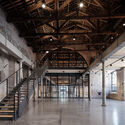
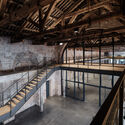
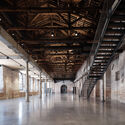
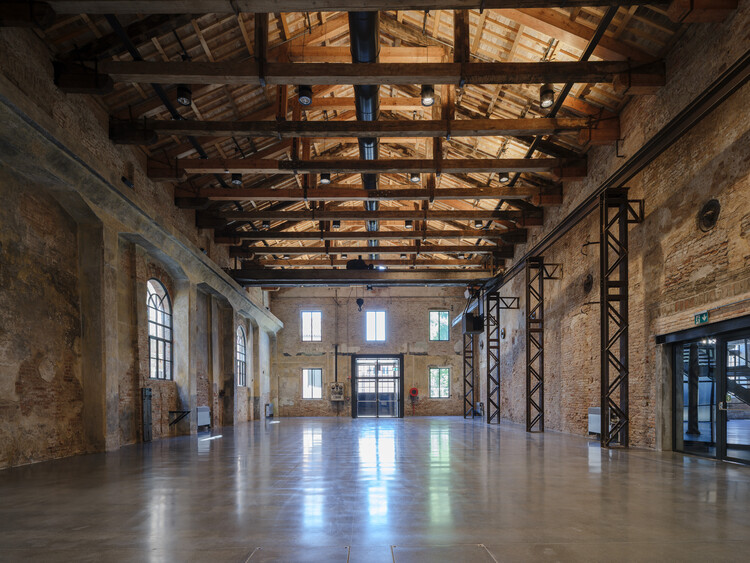
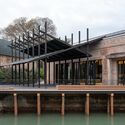
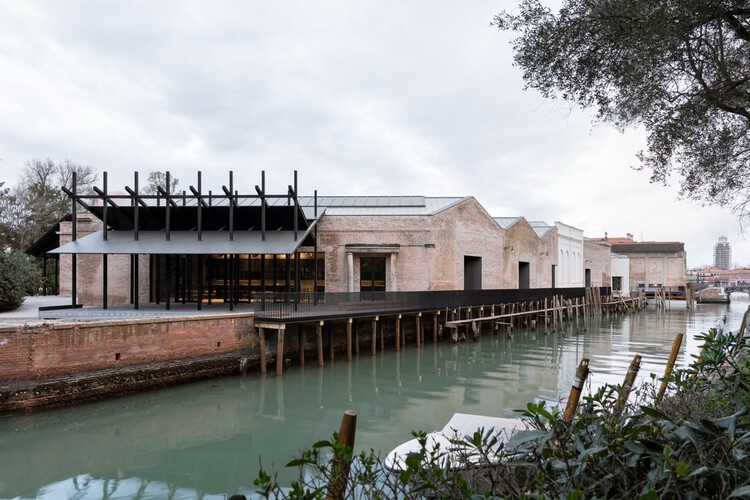
La Biennale di Veneziahas inaugurated the new home of its Historical Archive – International Centre for Research on Contemporary Arts at the Arsenale, relocating the institution's archival collections and research activities to a restored complex within one of its principal exhibition sites. The opening introduces a new permanent headquarters for the archive, bringing together facilities for conservation, research, public consultation, and cultural programming within the historic Arsenale. To mark the occasion, La Biennale organized a three-day program of performances, lectures, conversations, and public visits, highlighting the archive's role within the institution's broader ecosystem of exhibitions, festivals, and educational initiatives.
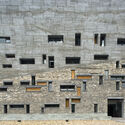
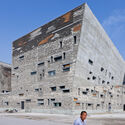
The curatorial direction reflects many of the ideas developed through the work of Amateur Architecture Studio, founded by Wang Shu and Lu Wenyu in 1997. Their projects have consistently explored the reuse of salvaged materials, regional construction techniques, and the continuity between historic and contemporary forms of building. Across both urban and rural contexts, the studio's work often emphasizes craft traditions, collective memory, and the spatial qualities embedded within everyday environments.
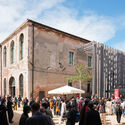
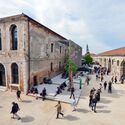
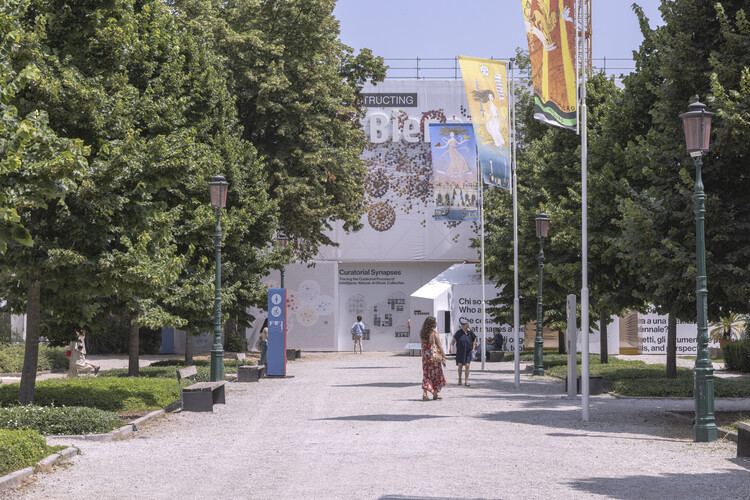
La Biennale di Venezia has unveiled the renovated Central Pavilion at the Giardini, completing a comprehensive intervention delivered between December 2024 and March 2026 as part of a broader national program to enhance cultural infrastructure. Funded by the Italian Ministry of Culture under the National Recovery and Resilience Plan (PNRR) and its complementary investment program (PNC), the project contributes to the development of a permanent hub for cultural production and exchange in Venice. The works form part of a wider initiative involving multiple sites associated with the Biennale, including the Giardini, the Arsenale, and other locations across the city, developed in coordination with local authorities and heritage institutions.
The European Cultural Centre (ECC) has announced the winners of the ECCAwards 2025, selected from participants of the seventh edition of Time Space Existence and unveiled during the exhibition's Closing Day on 23 November 2025 in Venice. Bringing together 207 practices from more than 52 countries, this year's edition highlighted a broad spectrum of architectural and design approaches responding to the themes of Repair, Regenerate, and Reuse. The awards recognise four projects that stood out for their originality, execution, narrative clarity, and forward-looking engagement with questions of sustainability, community, and the future of the built environment.