1. ArchDaily
  2. Cities

Cities: The Latest Architecture and News

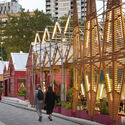
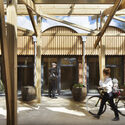
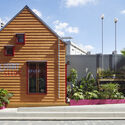
The Market Plaza as Civic Core: 5 Projects that Explore Contemporary Approaches to Market Design in Mexico

Subscriber Access | 

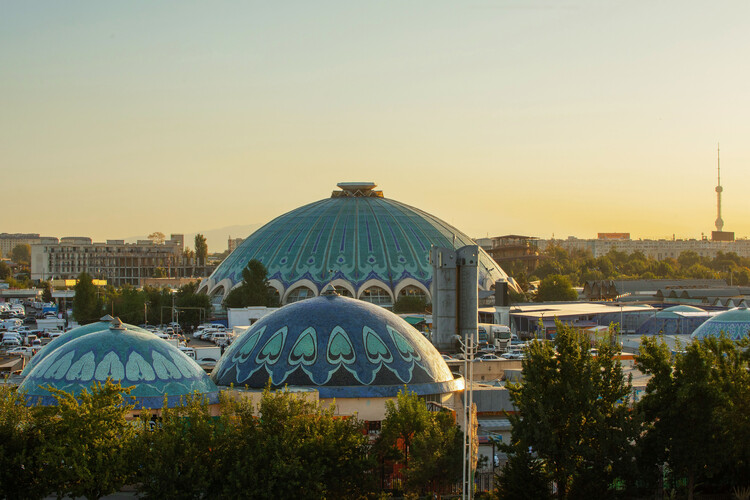
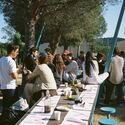
Contemporary Mexican market architecture frequently draws inspiration from its pre-Hispanic precedents. The Tlatelolco Market in ancient Tenochtitlan, for example, featured a large, stone-paved open square with designated "streets", which were divided into sections for specific goods, serving as a significant gathering point for social and economic exchange. Similarly, the tradition of the Tianguis, an ephemeral market typology within the broader Mesoamerican tradition, also arranged stalls in aisles within a public plaza, reflecting organizational principles seen in Tlatelolco. These historical models established a base for the tradition of marketplaces in Mexico and the countries in Central America, where they merge public space and structured layouts for commerce. Today, even though many of Mexico's commercial spaces, notably Mexico City's Central de Abasto and other markets such as the Jamaica, Merced, and San Juan Markets, have taken on a stationary approach to serving their communities, tianguis maintain their foothold in Mexican society.


The Market Plaza as Civic Core: 5 Projects that Explore Contemporary Approaches to Market Design in Mexico - Imagen 1 de 4The Market Plaza as Civic Core: 5 Projects that Explore Contemporary Approaches to Market Design in Mexico - Imagen 2 de 4The Market Plaza as Civic Core: 5 Projects that Explore Contemporary Approaches to Market Design in Mexico - Imagen 3 de 4The Market Plaza as Civic Core: 5 Projects that Explore Contemporary Approaches to Market Design in Mexico - Imagen 4 de 4The Market Plaza as Civic Core: 5 Projects that Explore Contemporary Approaches to Market Design in Mexico - More Images+ 7

DAM Explores the Challenge of New Urban Neighborhoods in Germany with “Building Cities Today?”

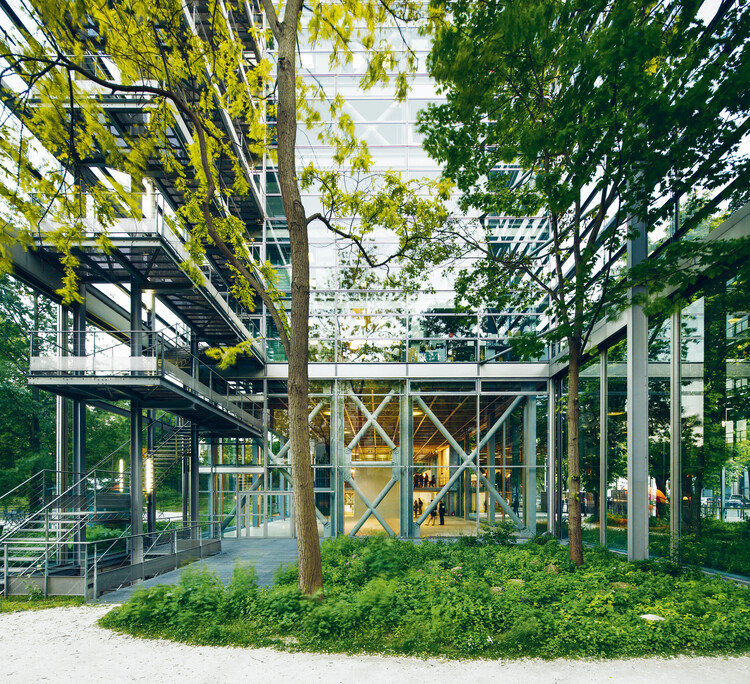
The Deutsches Architekturmuseum (DAM) in Frankfurt has opened a new exhibition titled Building Cities Today?, examining the complexities of developing new urban neighborhoods in Germany. Running from June 28 to November 2, 2025, the exhibition brings together nine projects that reflect diverse approaches to new urban planning, with a focus on sustainability, social integration, and long-term adaptability. Referencing the legacy of the "Neues Frankfurt" housing program of the 1920s, the exhibition opens with the Römerstadt estate, one of Germany's early experiments in functional and standardized housing. From there, it transitions to eight urban developments from the 1990s to the 2020s, presenting case studies that include HafenCity in Hamburg, Bahnstadt in Heidelberg, Neckarbogen in Heilbronn, City of Wood in Bad Aibling, and Messestadt Riem in Munich.

DAM Explores the Challenge of New Urban Neighborhoods in Germany with “Building Cities Today?” - Imagen 1 de 4DAM Explores the Challenge of New Urban Neighborhoods in Germany with “Building Cities Today?” - Imagen 2 de 4DAM Explores the Challenge of New Urban Neighborhoods in Germany with “Building Cities Today?” - Imagen 3 de 4DAM Explores the Challenge of New Urban Neighborhoods in Germany with “Building Cities Today?” - Imagen 4 de 4DAM Explores the Challenge of New Urban Neighborhoods in Germany with “Building Cities Today?” - More Images+ 23

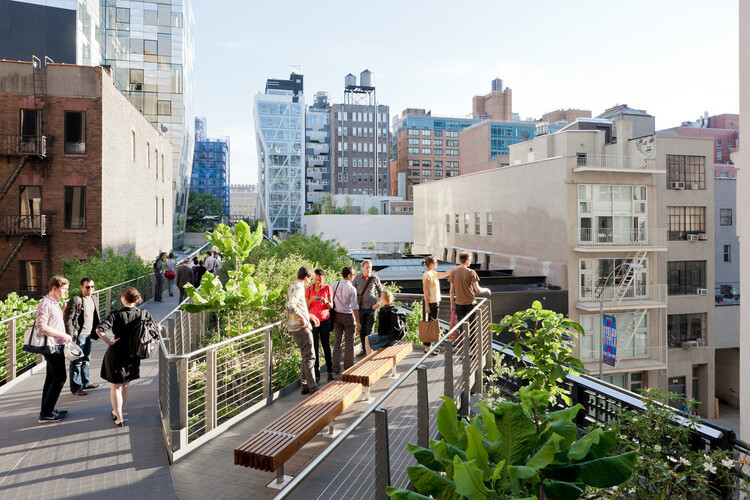
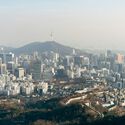
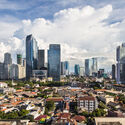
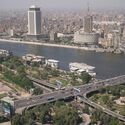
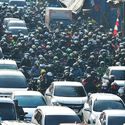
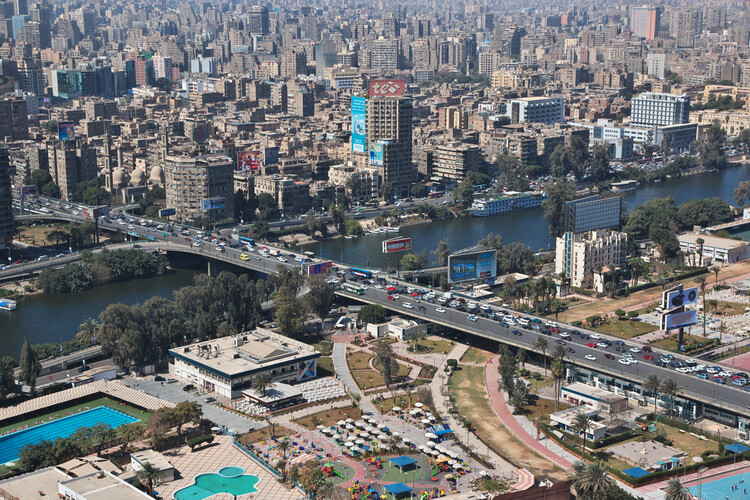
The World's Largest Cities in 2025 by Population

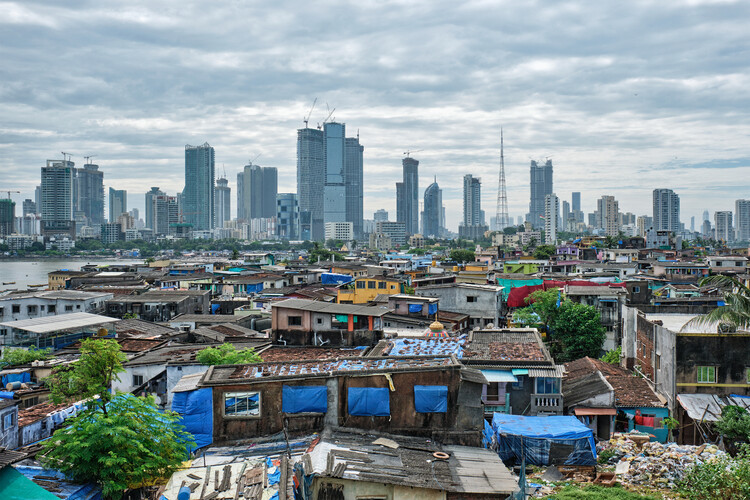
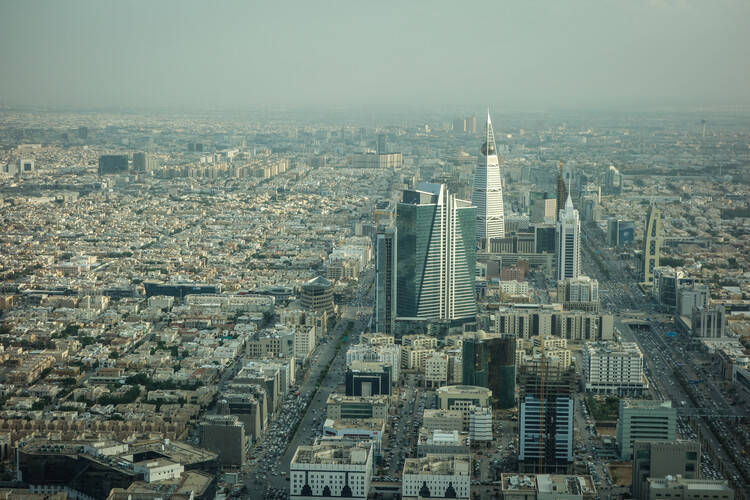
Every year, World Population Day is observed on July 11th, aiming to increase people's awareness of various population issues, such as the importance of urbanization, gender equality, poverty, health, and human rights. In 2025, under the theme "Empowering Youth to Build the Families They Want," the United Nations draws attention to the largest generation of young people in history, many of whom are coming of age in rapidly urbanizing contexts. Urban centers remain key to understanding these demographic patterns, as cities continue to attract populations seeking opportunity, stability, and access to essential services. Today, more than half of the global population resides in urban areas, a share projected to increase to 66% by 2050.

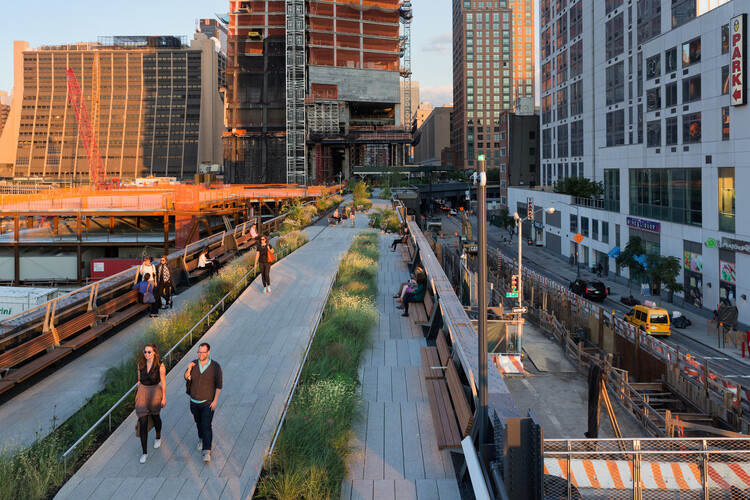
The World's Largest Cities in 2025 by Population - Image 1 of 4The World's Largest Cities in 2025 by Population - Image 2 of 4The World's Largest Cities in 2025 by Population - Image 3 of 4The World's Largest Cities in 2025 by Population - Image 4 of 4The World's Largest Cities in 2025 by Population - More Images+ 16

The Nubian Vault: Reviving Ancient Techniques for Modern Solutions

The colorful houses of Aswan in the south of modern-day Egypt attract tourists who venture that far up the River Nile. Accessed by small river boats, islands like Suheil West are the homes of Nubian communities, some of whom had had to relocate after the building of the Aswan High Dam in the 1960s. Behind the picturesque views of plastered walls covered in murals and motifs, perched on rocky hills overlooking the Nile, is a construction technique used locally for centuries. It uses locally sourced materials, conserves nature, and regulates internal temperatures against the heat in the day and the cold at night.

The Nubian Vault: Reviving Ancient Techniques for Modern Solutions - 1 的图像 4The Nubian Vault: Reviving Ancient Techniques for Modern Solutions - 2 的图像 4The Nubian Vault: Reviving Ancient Techniques for Modern Solutions - 3 的图像 4The Nubian Vault: Reviving Ancient Techniques for Modern Solutions - 4 的图像 4The Nubian Vault: Reviving Ancient Techniques for Modern Solutions - More Images+ 8

From Martian Hydrospheres to Forest-Like Cities: 6 Radical Urban Visions Unveiled at the Venice 2025 Architecture Biennale

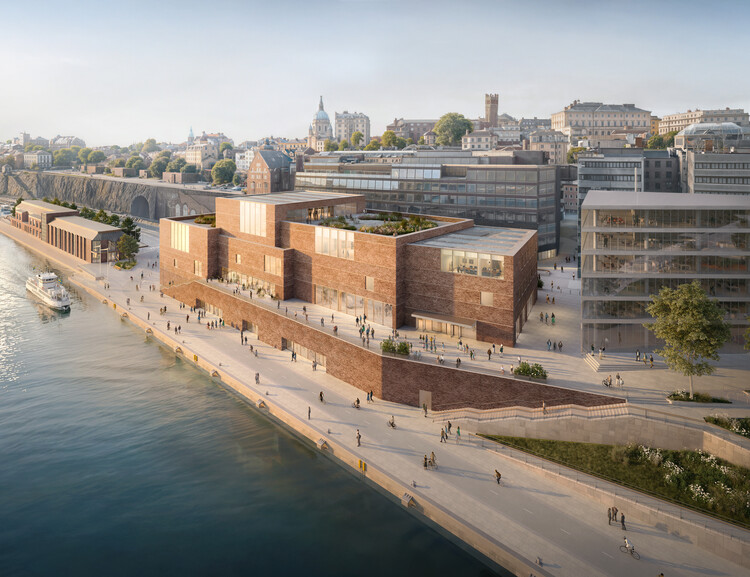
Cities today are being reimagined as living, evolving organisms, combining digital intelligence, ecological systems, and new materials to shape radical futures. At Carlo Ratti's "Intelligens. Natural. Artificial. Collective." biennial, over 750 participants challenge established boundaries between architecture, landscape, and technology. Several conceptual projects showcased in the main exhibition challenge conventional boundaries between architecture, landscape, and technology. From bio-adaptive urban systems and Martian water-based settlements to immersive symphonies of satellite data, these works collectively envision new models for cohabitation, resilience, and planetary awareness.

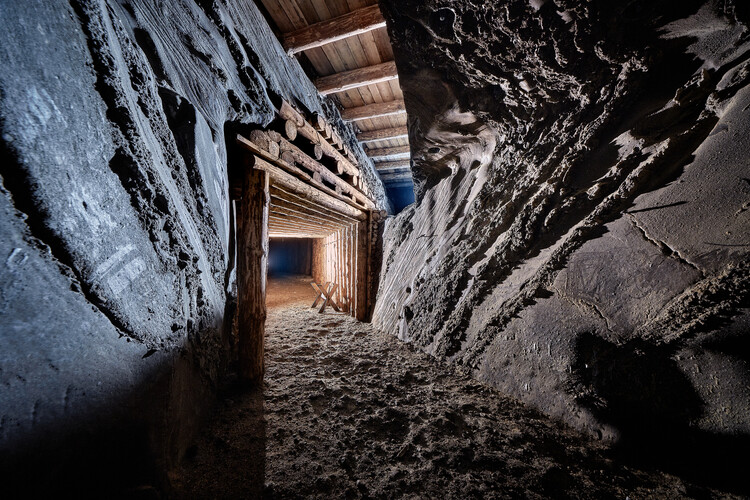
This month's Unbuilt selection presents six speculative projects, presented as part of the 2025 Venice Architecture Biennale exhibition, as provocations for rethinking the future of cities and human settlement. While some proposals transform architecture into self-sustaining, living infrastructures, others explore how data and sensory interfaces can redefine our relationship with natural and urban environments. Together, they offer a cross-section of how architects and designers are using unbuilt work to imagine new possibilities for life on Earth and beyond.

From Martian Hydrospheres to Forest-Like Cities: 6 Radical Urban Visions Unveiled at the Venice 2025 Architecture Biennale - Image 1 of 4From Martian Hydrospheres to Forest-Like Cities: 6 Radical Urban Visions Unveiled at the Venice 2025 Architecture Biennale - Image 2 of 4From Martian Hydrospheres to Forest-Like Cities: 6 Radical Urban Visions Unveiled at the Venice 2025 Architecture Biennale - Image 3 of 4From Martian Hydrospheres to Forest-Like Cities: 6 Radical Urban Visions Unveiled at the Venice 2025 Architecture Biennale - Featured ImageFrom Martian Hydrospheres to Forest-Like Cities: 6 Radical Urban Visions Unveiled at the Venice 2025 Architecture Biennale - More Images+ 21