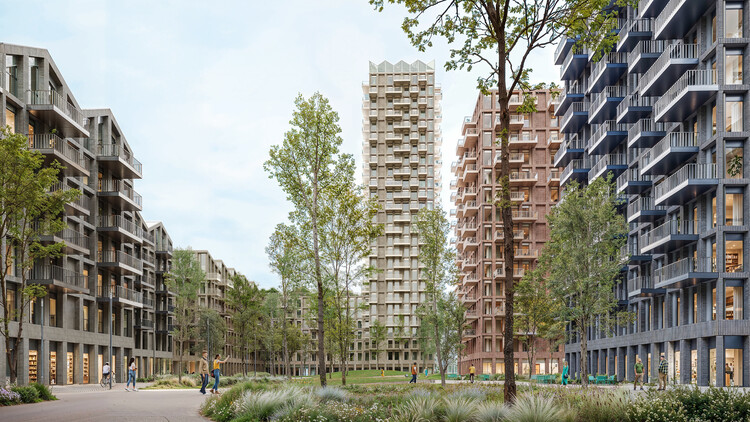
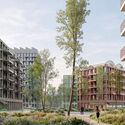
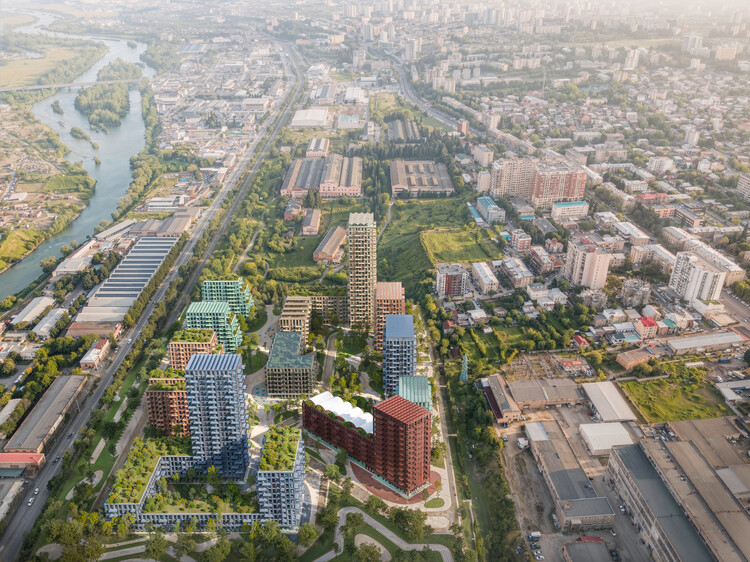
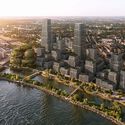
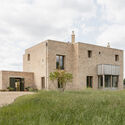
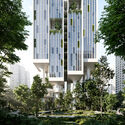
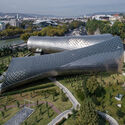
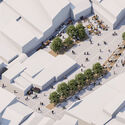
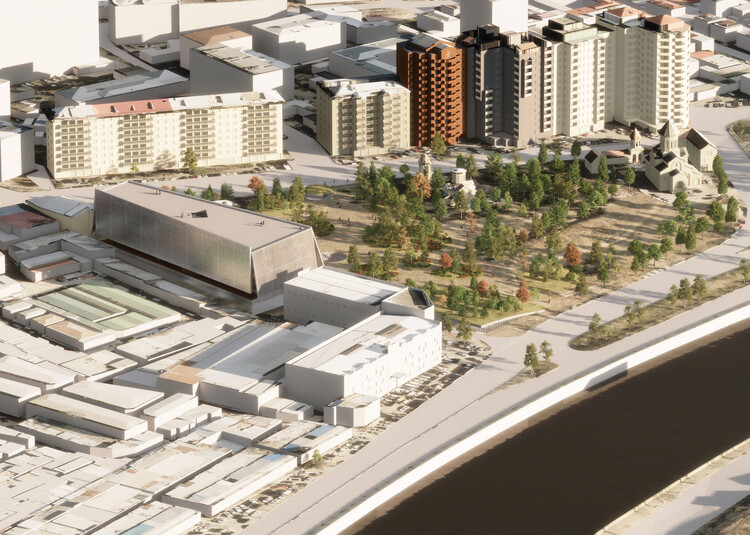
Loco Park masterplan project in Tbilisi, Georgia, 2026. Image Courtesy of Stefano Boeri Architetti
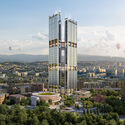
This week's architecture news covers a range of projects addressing the changing needs of cities, from the adaptation of existing sites to the development of new cultural and public spaces. As Antalya prepares to host COP31, projects in Rotterdam and Pittsburgh focus on the renovation of established cultural institutions, while developments in Copenhagen, Chicago, and Tbilisi explore new approaches to recreation, public access, and urban regeneration. Elsewhere, Foster + Partners has revealed plans for a mixed-use development in Yerevan, VG13 Architects has won the competition for a new stadium and sports district in Zagreb, and Aria Property Group has unveiled a residential and public precinct in Brisbane ahead of the 2032 Olympic and Paralympic Games.
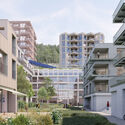
Loco Park masterplan project in Tbilisi, Georgia, 2026. Image Courtesy of Stefano Boeri Architetti
The LOCO Alliance architectural competition in Tbilisi, Georgia, was organized to transform a 73,600 m² brownfield site, the former Soviet-era Tbilisi Electric Locomotive Manufacturing Plant in the "Temka" residential area, into a new green neighborhood and cultural destination called Loco Park. On October 18, 2026, LOCO Alliance officially announced Stefano Boeri Architetti's design as the selected project for the site's transformation, with the official masterplan images unveiled on October 23. The selected masterplan is designed to integrate the industrial heritage of the factory with contemporary architecture, dense green public spaces and community recreation hubs. The site is already hosting large-scale cultural events, organized in parallel with the formal masterplan competition.
This week in architecture, discussions around the lifespan of buildings, the evolution of cultural institutions, and climate-responsive design highlighted how contemporary practice increasingly extends beyond the moment of construction. From debates over demolition and adaptive reuse to new museums that integrate landscape and environmental performance, the week's developments reflect shifting priorities around permanence, transformation, and public value. Alongside these projects, major institutional announcements, from the RIBA Stirling Prize shortlist to the election of a new UIA leadership, offer insight into the architectural agendas shaping the profession across different scales and geographies.
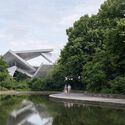
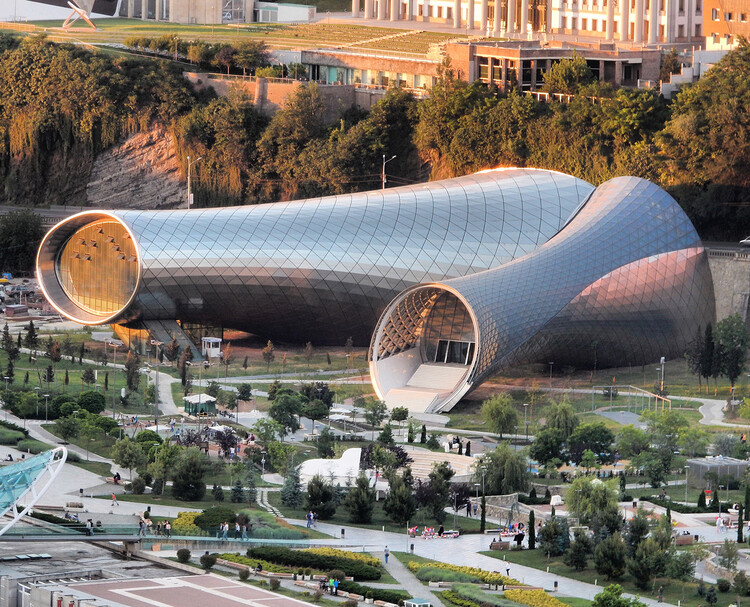
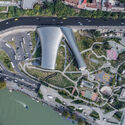
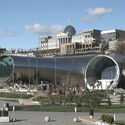
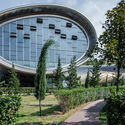
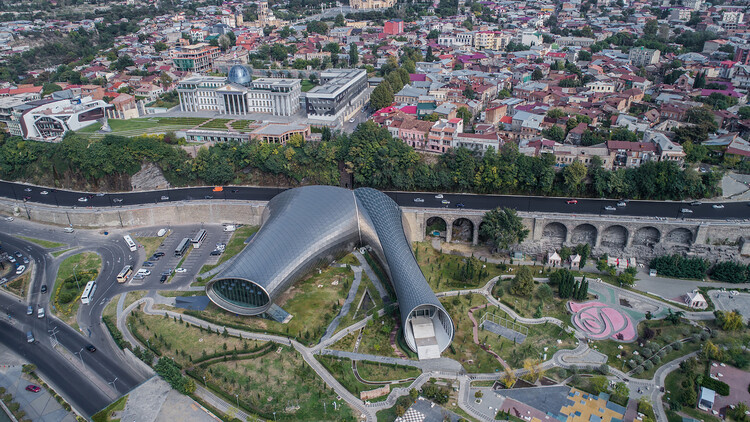
On July 13, 2026, Tbilisi City Hall issued a permit to dismantle Rike Park's tube-shaped Music Theater & Exhibition Hall. The complex, designed by the Italian firm Studio Fuksas, was never officially opened since its completion in 2012, around the same time as the firm's Tbilisi Public Service Hall. The design has been a source of controversy between authorities and citizens since its commission in 2011, when it was built during the government of the United National Movement (UNM), and was suspended after the change of government in 2012. The two structures, often referred to as the "Rike Tubes," were originally intended to house a music theater and exhibition space but remain to this day without any official use.
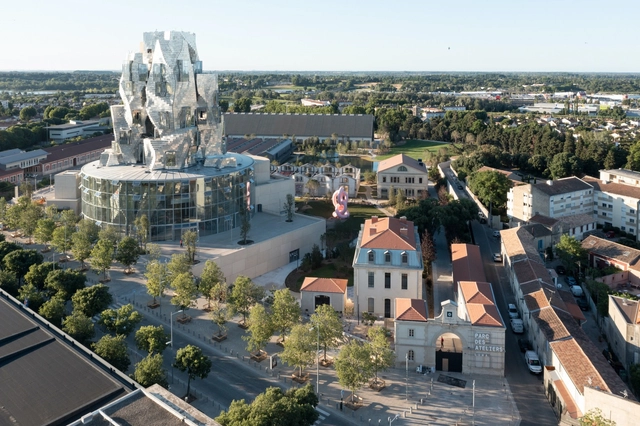
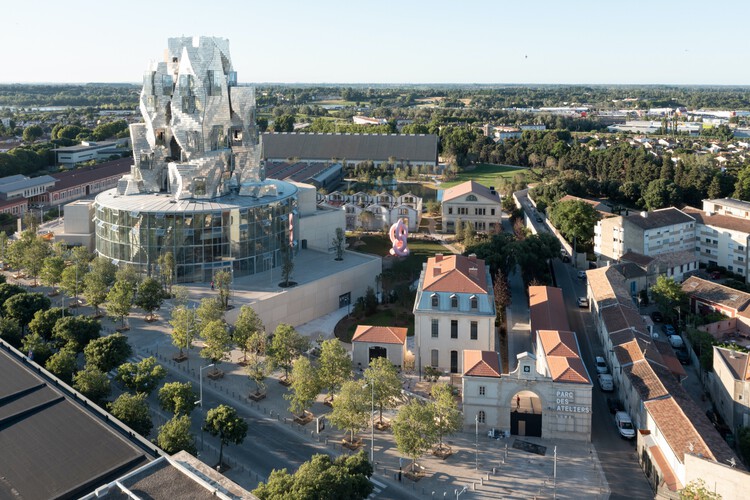
LUMA Arles / Gehry Partners. Photography by Iwan Baan. Image Courtesy of Gehry Partners
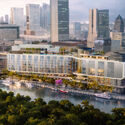
This week's news reflects architecture's simultaneous engagement with cultural reflection, professional legacy, and the material realities of building cities. The passing of Frank Gehry prompted a broader reassessment of late 20th- and early 21st-century architectural practice, while Shigeru Ban's selection as the recipient of the 2026 AIA Gold Medal brought renewed attention to socially driven design and the profession's public responsibilities. These milestones unfolded alongside wider conversations sparked by Human Rights Day, examining architecture's role in equity, housing access, and safety worldwide, and forward-looking discussions setting the architectural agenda for 2026 through major international events and cultural programs. At the scale of the built environment, these themes are echoed in three projects shaping future urban conditions: Powerhouse Company's transformation of a former limestone quarry into a mixed-use neighbourhood in Bærum, near Oslo; the groundbreaking of Riverside Wharf, a hospitality-led development contributing to the regeneration of Miami's River District; and Foster + Partners' approved retrofit of 1 St James's Square in London, focused on structural retention and long-term urban resilience.
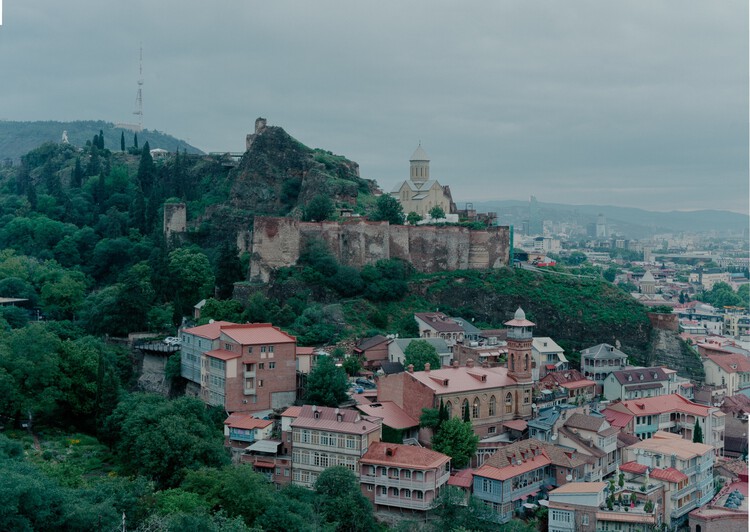
Narikala Fortress (Earliest parts dates back from 4th century), Tbilisi, Georgia. Image Courtesy of National Archives of Georgia
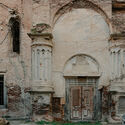
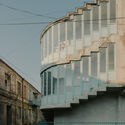
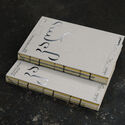
Ubani — Tbilisi Cityscape Research Center has released "Kala," the first publication in its new Guide to Tbilisi Districts series, offering an in-depth look at one of the Georgian capital's oldest urban areas. As a non-profit organization dedicated to researching and promoting Tbilisi's architectural heritage and landscape, Ubani develops public programs, exhibitions, workshops, and events aimed at making the city's built environment more widely understood. This inaugural guidebook continues that broader mission, situating Kala within the long-term evolution of Tbilisi's urban fabric.
Public spaces remain some of the most dynamic sites for unbuilt architectural experimentation, revealing how cities and architects can imagine accessibility, gathering, and civic identity. In this curated Unbuilt edition, submitted by the ArchDaily community, the selected proposals examine parks, pedestrian corridors, cultural landscapes, and open-access urban environments that invite people to meet, move, rest, and participate in collective life. Rather than treating public space as leftover terrain, these projects position it as essential infrastructure—shaping urban health, memory, and social interaction.