Tbilisi: The Latest Architecture and News
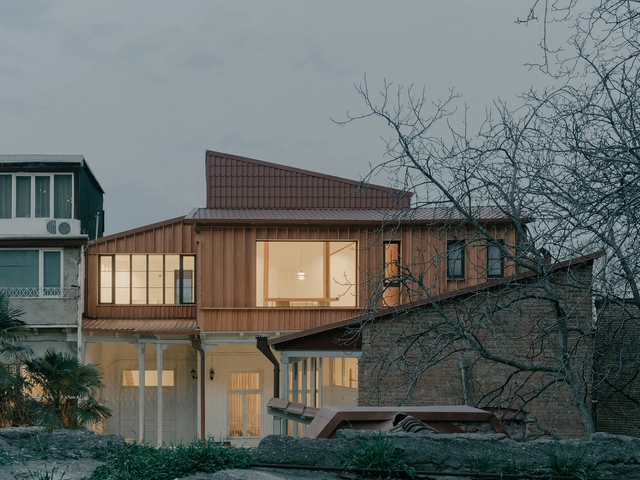
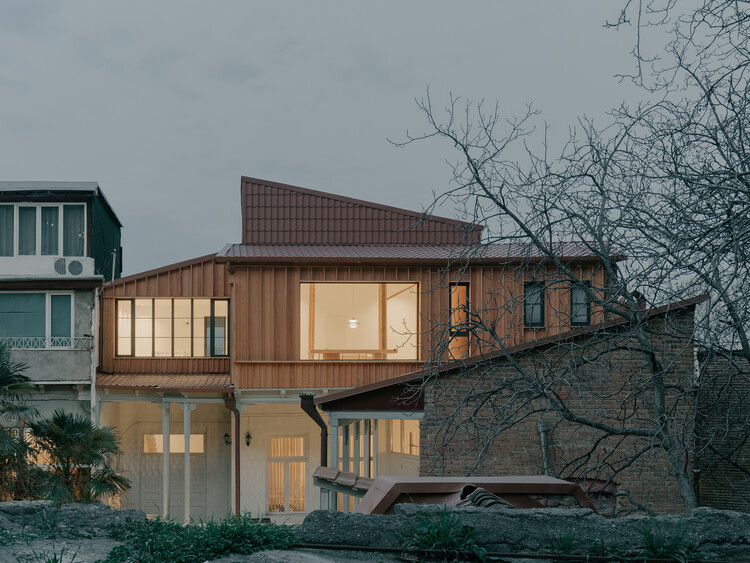
Birdsnest House / TIMM


https://www.archdaily.com/1030733/birdsnest-house-timmins-plus-whyte-architectsHadir Al Koshta
Zaha Hadid Architects Unveils Cityzen Tower in Tbilisi, Georgia
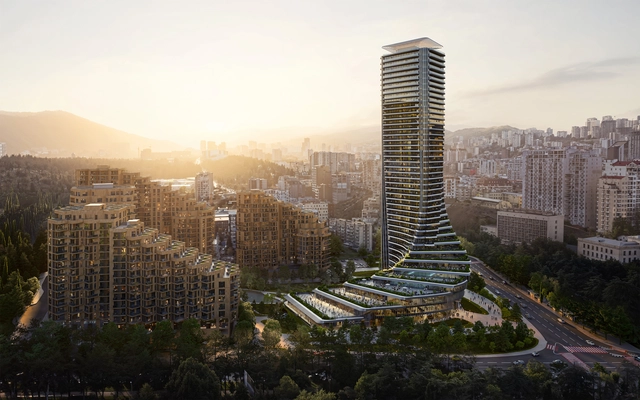
Zaha Hadid Architects has just revealed the design for Cityzen Tower, a 42-story high-rise set to become a landmark in Tbilisi, Georgia. Positioned in the Saburtalo district, the tower is part of the Cityzen development, a new civic hub integrating residential, commercial, and public spaces. Designed as a vertical extension of Tbilisi's new Central Park, the tower will bring together urban living and nature through cascading terraces and green spaces.


https://www.archdaily.com/1027997/zaha-hadid-architects-unveils-cityzen-tower-in-tbilisi-georgiaNour Fakharany
The European Prize for Urban Public Space 2024 Reveals 10 Finalists
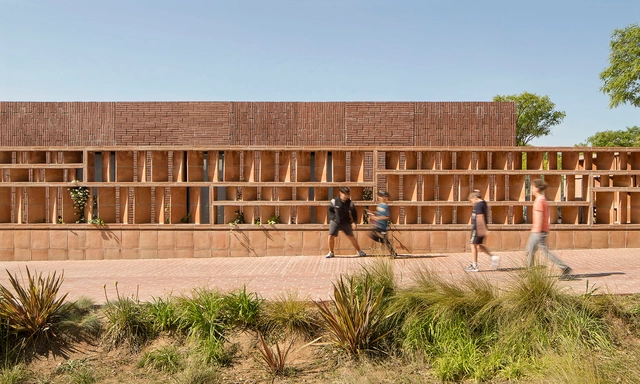
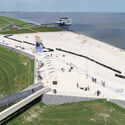
The Centre de Cultura Contemporània de Barcelona (CCCB) has announced the finalists for the European Prize for Urban Public Space 2024. Selected from a total of 297 projects corresponding to 35 European countries, the 2024 edition nominates 5 finalists in the General category, promoting quality public spaces throughout the European territory, and 5 in the Seafronts category, addressing coastal cities' climate vulnerabilities. The European Prize for Urban Public Space is an honorary biennial competition aiming to highlight best practices and innovations in the creation, transformation, and recovery of public spaces in European cities.
As the first edition to include a dedicated category for Seafronts, this year’s awards recognize the importance and particular challenges faced by coastal cities. This is aligned with the Cultural Regatta, a schedule of activities running parallel to the America's Cup sailing competition in Barcelona. For this edition, the International Jury was presided over by the urbanist architect, landscape, and industrial designer Beth Galí, and made up of Sonia Curnier, Fabrizio Gallanti, Žaklina Gligorijević, Beate Hølmebakk, Manon Mollard, Francesco Musco, and Lluís Ortega. The winners of the 12th European Prize for Urban Public Space will be announced during a ceremony at CCCB on October 29, 2024.


https://www.archdaily.com/1018909/the-european-prize-for-urban-public-space-2024-reveals-10-finalistsMaria-Cristina Florian
Terracotta Pavilion House / Laboratory of Architecture #3


-
Architects: Laboratory of Architecture #3
- Area: 350 m²
- Year: 2023
https://www.archdaily.com/1010969/terracotta-pavilion-house-laboratory-of-architecture-number-3Andreas Luco
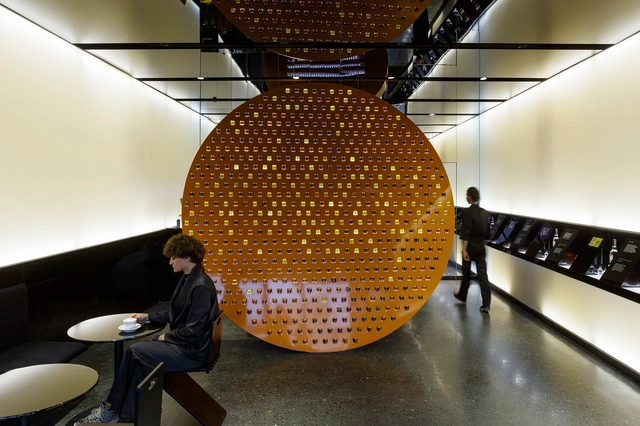
Zzip Honey Shop / Laboratory of Architecture #3


-
Architects: Laboratory of Architecture #3
- Area: 60 m²
- Year: 2021
https://www.archdaily.com/1007789/zzip-honey-shop-laboratory-of-architecture-number-3Andreas Luco
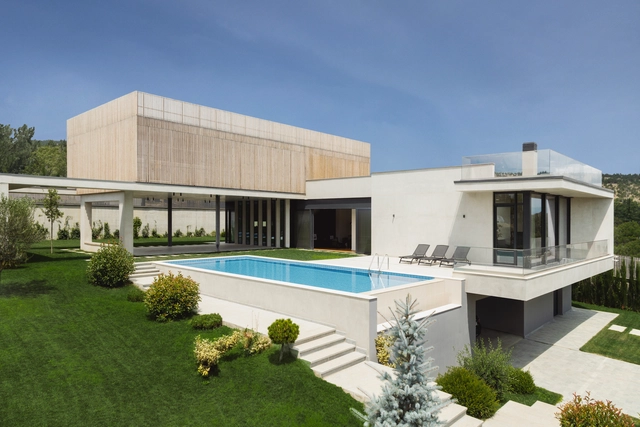
House Around the Tree / TIMM


https://www.archdaily.com/1006373/house-around-the-tree-timmAndreas Luco
Glarros Oldtown Hotel / Laboratory of Architecture #3


-
Architects: Laboratory of Architecture #3
- Area: 4500 m²
- Year: 2023
https://www.archdaily.com/1006368/glarros-oldtown-hotel-laboratory-of-architecture-number-3Paula Pintos
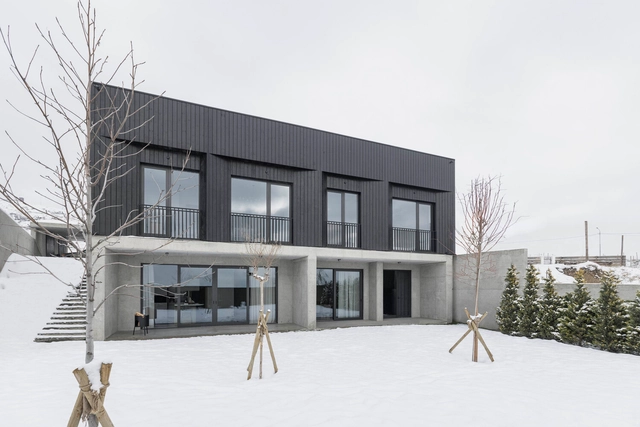
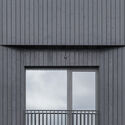
Elia House / Idaaf Architects




-
Architects: Idaaf Architects
- Area: 340 m²
- Year: 2021
-
Professionals: Giorgi Tabagari, Lasha Joglidze
https://www.archdaily.com/996431/elia-house-idaaf-architectsValeria Silva
Exploring the Relationship Between Time and Energy: The Georgian Pavilion at the 2023 Venice Biennale is Curated by the Tbilisi Architecture Biennial
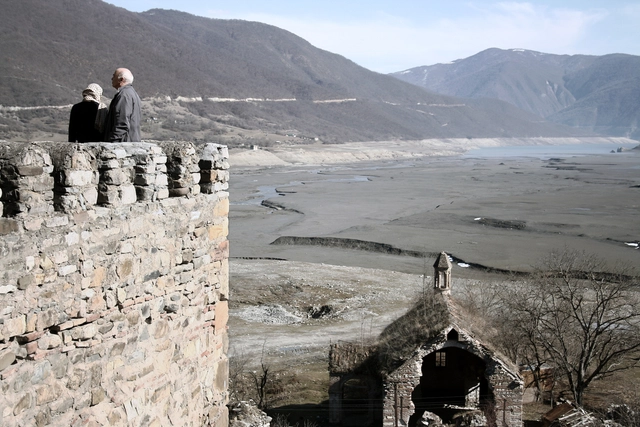
Titled "January, February, March", the Georgian Pavilion at the 2023 Venice Architecture Biennale is curated by the Tbilisi Architecture Biennial. Exploring the relationship between the flow of time and energy, the Georgian intervention "will represent dead and living nature through the story of an artificially altered settlement in the Dusheti region of Georgia". Running from May 20th to November 26th, 2023 in the Giardini, at the Arsenale, and at various sites around Venice, the 18th International Architecture Exhibition investigates "the Laboratory of the Future".


https://www.archdaily.com/995507/exploring-the-relationship-between-time-and-energy-the-georgian-pavilion-at-the-2023-venice-biennale-is-curated-by-the-tbilisi-architecture-biennialChristele Harrouk
OPEN CALL! Tbilisi Architecture Biennial 2022

Open Call: Tbilisi Architecture Biennial 2022
“What's Next?“
https://www.archdaily.com/983768/open-call-tbilisi-architecture-biennial-2022Rene Submissions
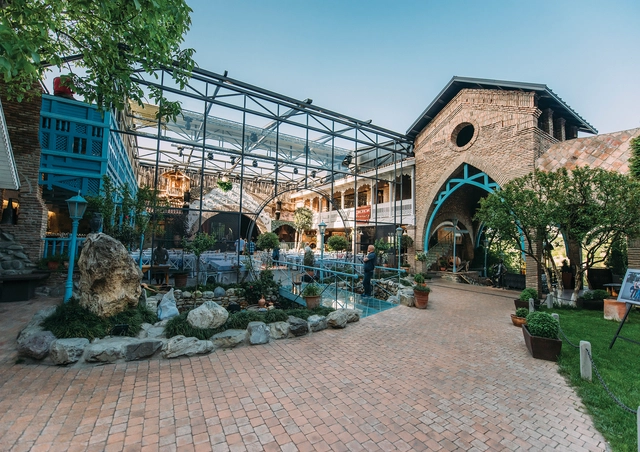
Tsiskvili Restaurant Complex / Studio 9


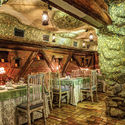

https://www.archdaily.com/956767/tsiskvili-restaurant-complex-studio-9Valeria Silva
Skatepark & Parkourground Mziuri / David Giorgadze Architects + Maxime Machaidze (LTFR)
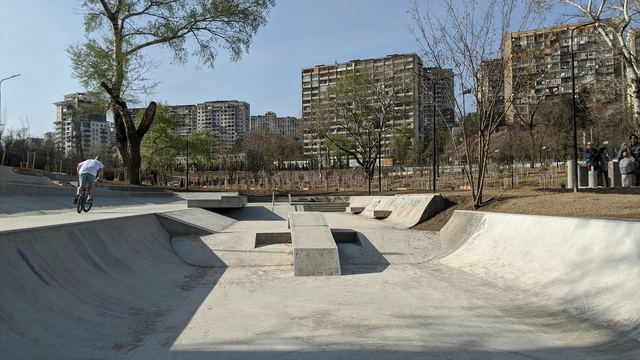



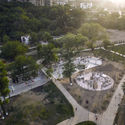

https://www.archdaily.com/956861/skatepark-and-parkourground-mziuri-david-giorgadze-architects-plus-maxime-machaidze-ltfrValeria Silva
Tbilisi Architecture Biennial: What Do We Have In Common Opens to the Public

The second edition of the Tbilisi Architecture Biennial (TAB), conceived under the name "what do we have in common" opens on Saturday, October 17, and will run through November 8th, 2020.
https://www.archdaily.com/949740/tbilisi-architecture-biennial-what-do-we-have-in-common-opens-to-the-publicDiego Hernández
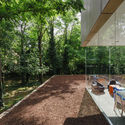
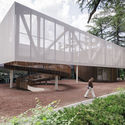
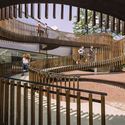
Mediathek / Laboratory of Architecture #3
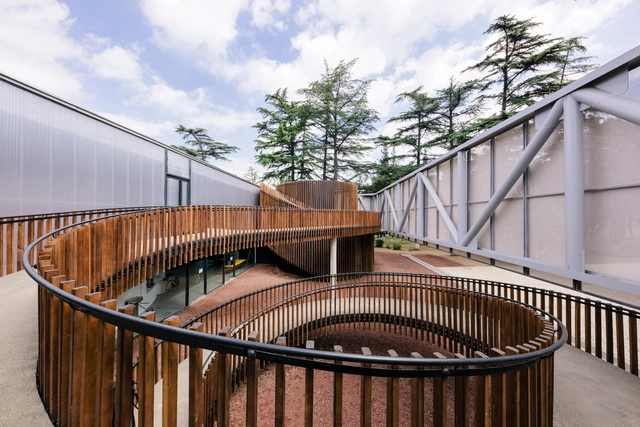


-
Architects: Laboratory of Architecture #3
- Area: 1200 m²
- Year: 2017
-
Manufacturers: Serge Ferrari, Tepe
-
Professionals: Experto
https://www.archdaily.com/875068/mediathek-laboratory-of-architecture-number-3Rayen Sagredo
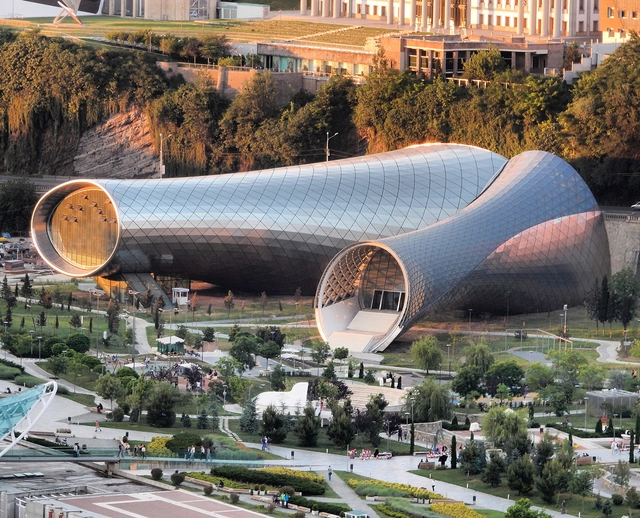
Rhike Park, Music Theatre and Exhibition Hall / Studio Fuksas
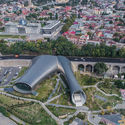
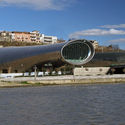
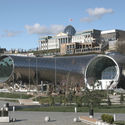
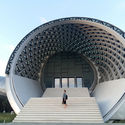

-
Architects: Studio Fuksas
- Area: 2900 m²
-
Professionals: Studio Sarti
https://www.archdaily.com/942607/not-ready-rhike-park-music-theatre-and-exhibition-hall-studio-fuksas罗靖琳
Vineria Wine Cellar / NS Studio
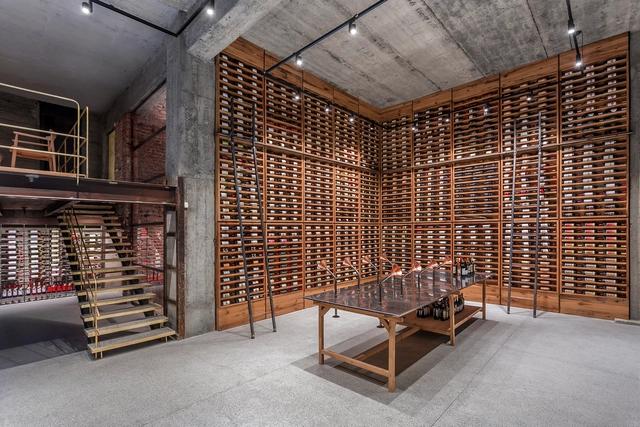


https://www.archdaily.com/939746/vineria-wine-cellar-ns-studioValeria Silva
“We Want to Build Our Own Utopia”: In Conversation with Dimitri Shapakidze of Laboratory of Architecture #3
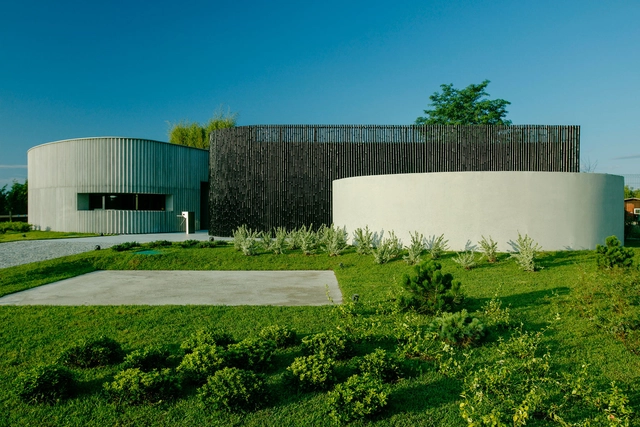
Founded in 2006, by three partners – Dimitri Shapakidze, Irakli Abashidze, and Otar Nemsadze in Tbilisi, Georgia, Laboratory of Architecture #3 is known for such enigmatic projects as the Grove Design Hotel (2017), Mediatheque (2017), both in Tbilisi, and Visitor Center for Architectural Miniatures Park (2016) in Shekvetili, Georgia. Nemsadze left the partnership in 2011, to pursue his studies in the Netherlands to advance his independent career. In 2018, he co-founded Tbilisi Architecture Biannual and is currently undertaking his PhD at Tbilisi State University. The practice attracted attention from the very beginning. The partners’ first project was a private villa for a local entrepreneur and their hotel on Leselidze Street in Tbilisi was a result of a competition that they won in their inaugural year. After just six years since its inception, Laboratory of Architecture #3 was named the 2012 Best Architect of the year in Georgia. The current two partners, Shapakidze (b. 1983, Tbilisi) and Abashidze (b. 1984, Tbilisi) know each other since their childhood. They were neighbors and then studied at the Georgian Technical University in Tbilisi one year apart. They both worked for local architects while studying at the university and started their office right after graduation. The following interview with Dimitri Shapakidze took place over lunch at the Grove Design Hotel.




https://www.archdaily.com/939935/we-want-to-build-our-own-utopia-in-conversation-with-dimitri-shapakidze-of-laboratory-of-architecture-number-3Vladimir Belogolovsky
Are Architects and Developers Finally Addressing the Same Global Concerns?
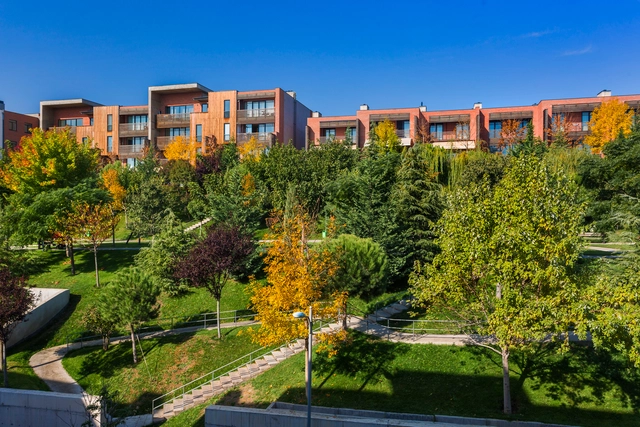
Architects and developers have always been on opposite ends of the construction world. While the first wanted to create dreamy spaces, the latter just wanted to cater to the basic needs. In these past few years, the world has witnessed significant changes, with the aggravation of climate-related issues, the evolution of technological solutions, and the newly acquired awareness and growth of the population.
While everything is transforming, building trends also evolved, mainly due to an alteration in people’s perceptions and priorities. However, one question remains unanswered: Could all these changes mean that the never-ending conflict between architects and developers reached some sort of common grounds? And could they finally be seeking one same goal, of a sustainable, resilient and inclusive future?





https://www.archdaily.com/930068/are-architects-and-developers-finally-addressing-the-same-global-concernsChristele Harrouk