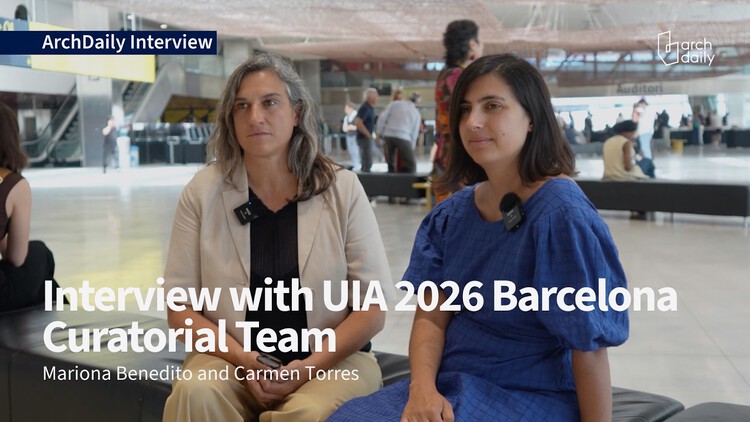
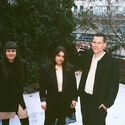
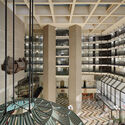
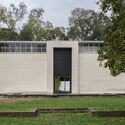
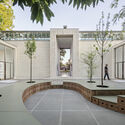
As Barcelona hosts the UIA World Congress of Architects for the second time in its history, thirty years after the 1996 edition, the city becomes a site for reflecting not only on architecture but also on the changing conditions under which it operates. Titled Becoming. Architectures for a Planet in Transition, and developed by the six-member curatorial team of Pau Bajet, Maria Giramé, Mariona Benedito, Tomeu Ramis, Pau Sarquella, and Carmen Torres, the 2026 Congress expands the discussion beyond the city toward planetary questions, addressing architecture through ecological, social, political, and material systems rather than as an isolated discipline. During the opening day of the Congress, ArchDaily spoke with Mariona Benedito and Carmen Torres, two members of the curatorial team, about how this edition revisits Barcelona's architectural legacy, why uncertainty has become central to architectural thinking, and what they hope participants will take away from the event.
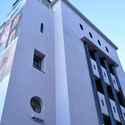
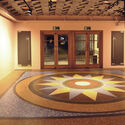
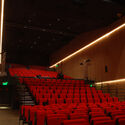
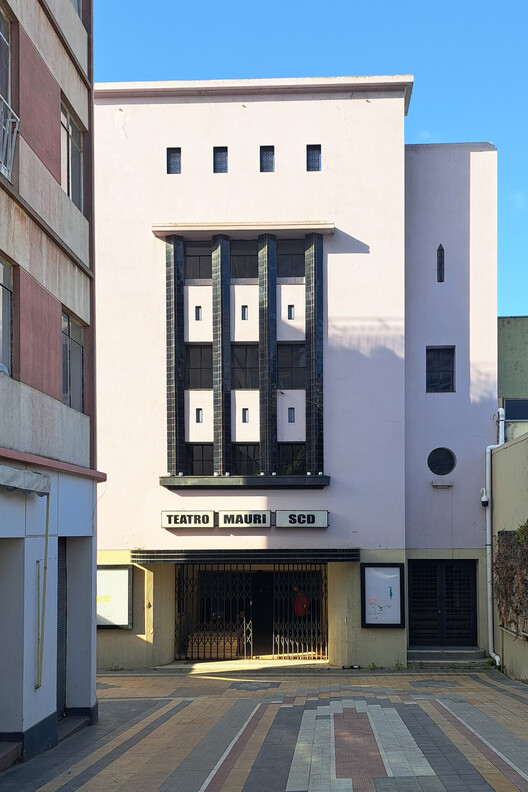
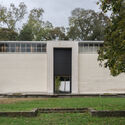
In June 2026, the refurbished Teatro Mauri reopened its doors on Cerro Bellavista in Valparaíso, formerly Chile's main port. The building forms part of Latin America's modernist legacy and stands adjacent to La Sebastiana, one of the renowned residences of the poet Pablo Neruda. It was designed by architect Alfredo Vargas Stoller, author of other icons of modern architecture in Valparaíso, such as the Edificio Cooperativa Vitalicia and the Conjunto de Viviendas Vargas in Viña del Mar. Teatro Mauri opened in 1951 as a venue for performances and cinema. Following a fire in the early 1990s, it fell into disrepair, serving only sporadically as a venue for local parties and events. In 2015, it was purchased by the Sociedad Chilena de Autores e Intérpretes (SCD), which commissioned its restoration from architects Laura Garrido and Gregorio Garretón.
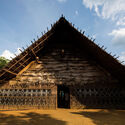
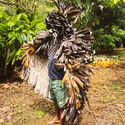
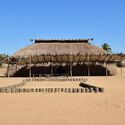
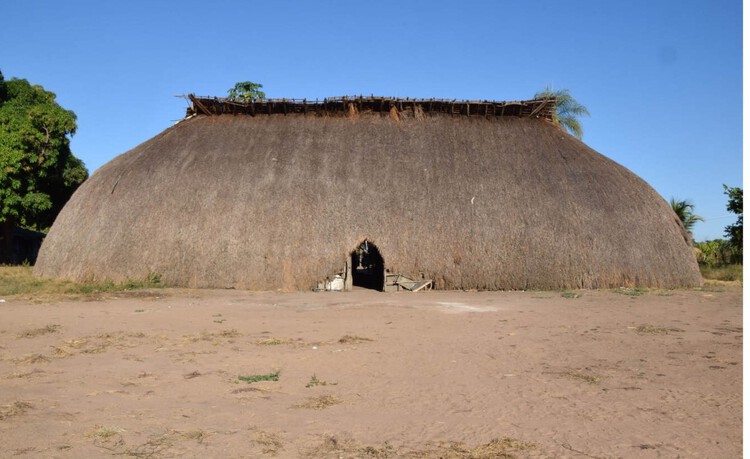
Anyone expecting the following words to discuss materiality, sustainable construction techniques, woodworking methods, or ways of weaving thatch will be mistaken. This article seeks precisely to shift the focus beyond the aspects that so often define discussions about Indigenous cultures when the subject is "architecture."
In a universe where the very term "architecture" is foreign, approaching Indigenous constructions—or whatever word might best describe them—through an exclusively material or technological lens is itself an attempt to fit their ways of producing space into Western categories. In doing so, a complex cosmology is reduced to a set of measurable attributes, as if it could be transformed into a checklist applicable to any form of architecture, erasing precisely what makes it distinct: the relationships between territory, body, and memory.
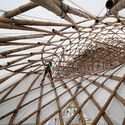
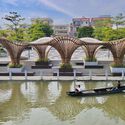
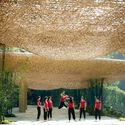
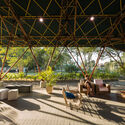
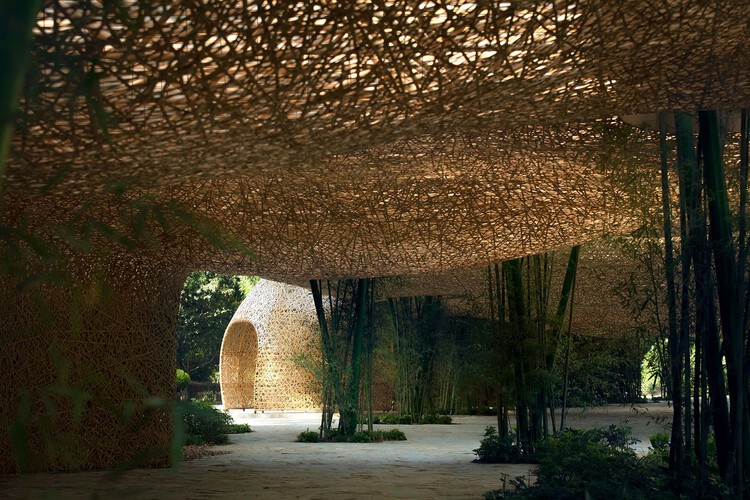
Bamboo is often praised before it is understood. It grows quickly, carries a long history of building cultures, and appears to offer architecture an immediate ecological language. In photographs, it can seem almost self-explanatory: light, natural, renewable, and already aligned with a more sustainable future. Yet this apparent clarity is also what makes bamboo difficult to discuss with precision. Once it becomes a symbol of environmental responsibility, the material itself can disappear behind the image it produces.
This is the risk of bamboo's contemporary revival. It can be imagined too easily as a green substitute for industrial materials, a regional atmosphere, or a softer alternative to the harder languages of steel and concrete. In each case, bamboo is admired before its conditions are understood. The more important question is not whether bamboo is sustainable in a general sense, but what kind of architectural culture it requires: what forms of knowledge, maintenance, regulation, labor, and time are needed for its sustainability to become real.
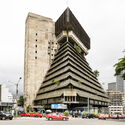
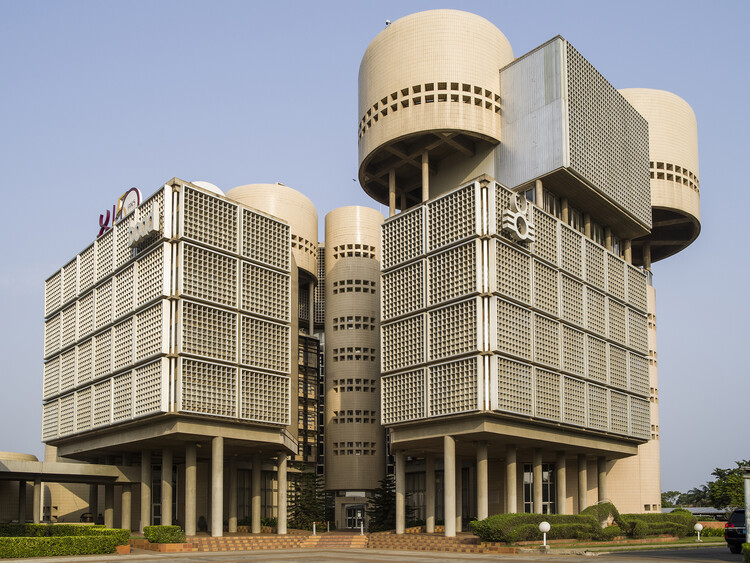
The Museum of Modern Art in New York inaugurated the exhibition Architects of Liberation: Modernism in Western Africa on July 5, 2026, on view through January 2, 2027. The exhibition examines African modern architecture from the late 1950s through the early 1980s in the context of political independence in the region. Works span seven countries: Benin, Cameroon, Côte d'Ivoire, Ghana, Nigeria, Senegal, and Togo. The display is organised around anchor projects selected as "entry points" into categories such as cityscapes, education, and housing. It is curated by Martino Stierli, The Philip Johnson Chief Curator of Architecture and Design, and Ikem Stanley Okoye, guest curator and associate professor at the University of Delaware, with Mallory Cohen, curatorial associate in the Department of Architecture and Design.
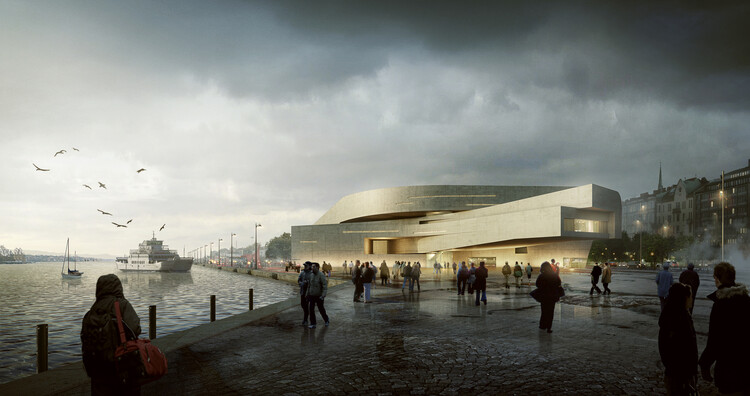
The concept of the museum has historically prompted reflections on identity, representation, and institutional frameworks. At present, museums are conceived as increasingly complex spaces, combining exhibition areas with other cultural and educational functions, prompting civic engagement, artistic experimentation, and archival responsibility. Throughout this year, numerous museum projects have been announced and advanced across multiple regions, with completion timelines largely extending from 2026 to 2030. Added to this variety is the wide range of concepts developed within the realm of ideas, proposals, and speculations. It is within this realm that this selection of projects submitted by ArchDaily readers finds its place: projects whose designs can expand the boundaries of our imagination.
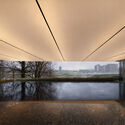
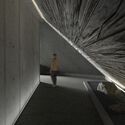
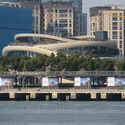
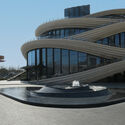
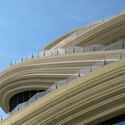
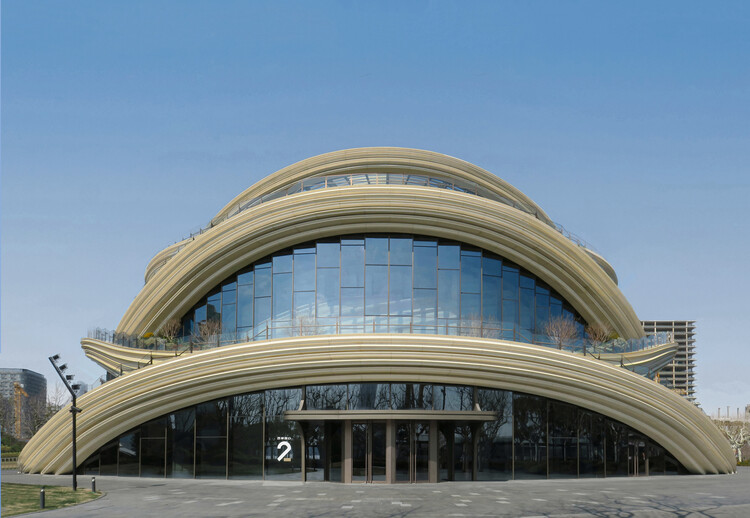
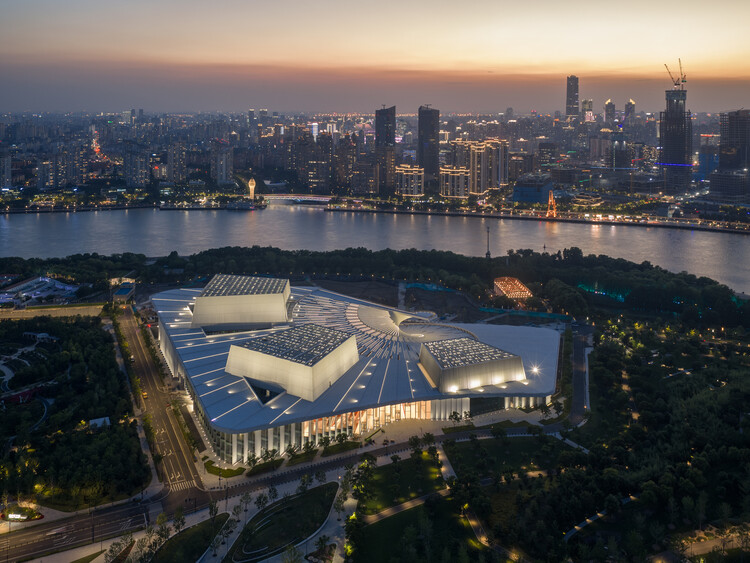
Photographer Paul Clemence has documented West Bund Orbit, Heatherwick Studio's public exhibition hall on Shanghai's West Bund waterfront, in a photo series exploring the project's evolving architectural identity. Located in Xuhui District along the Huangpu River, the building was conceived as a cultural destination within the area's emerging Financial Hub while extending the network of public spaces that define the redeveloped riverfront. Rather than focusing solely on the building as an object, Clemence's photographs examine the relationship between architecture, circulation, and landscape, revealing how the project's interconnected pathways and layered form engage both the waterfront and the surrounding city.
This week belonged to the arts, with cultural architecture dominating headlines across the globe. Landmark buildings for major institutions advanced through important construction and design milestones, from the Shanghai Opera House to Abu Dhabi's new performing arts center, while two new museum commissions were announced following international competitions. Architecture also took centre stage as a subject of exhibition itself, with the Sharjah Architecture Triennial revealing its participant list and Austria unveiling its proposal for the 2027 Venice Architecture Biennale. Beyond these developments, this week's news compilation includes three upcoming urban design projects: in Seoul, South Korea, a new riverside neighbourhood in the Apgujeong district weaves residential towers around parkland connecting the city to the Han River; in Cardiff, Wales, a pedestrian and cycle bridge over the River Taff links waterfront neighbourhoods to new housing along the water's edge; and in Bengaluru, South India, the Museum of Art and Photography is expanding its public campus, adding new civic and cultural facilities alongside a major new sculpture park set within a UNESCO Biosphere Reserve in Tamil Nadu.
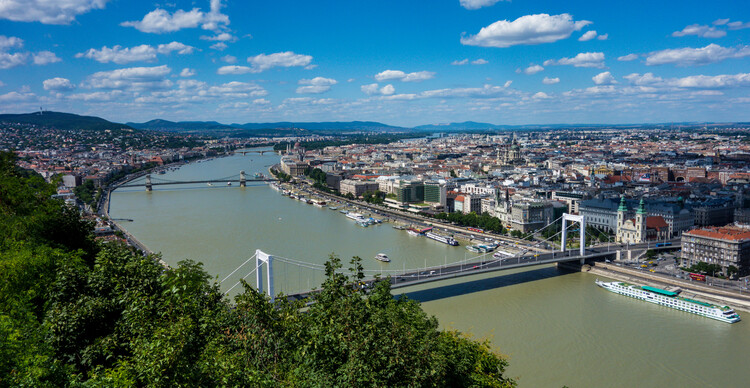
When Buda and Pest joined in 1873, the two parts formed a capital whose identity has since been tied to this balance between geography and urban order. From the riverbanks and thermal baths to imperial monuments and infrastructural works, Budapest's architecture carries the traces of these overlapping histories.
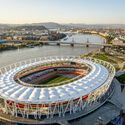
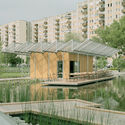
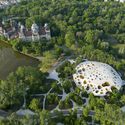
That layered condition continues to shape Hungary's capital today. Alongside its historic fabric, Budapest has seen a steady accumulation of contemporary projects, from cultural institutions in City Park to new educational buildings, sports facilities, adaptive reuse works, and large-scale developments along the Danube. Often working through inherited structures rather than apart from them, these projects add new layers to a city shaped as much by continuity as by change.
In the twenty-first century agenda, adaptive reuse is understood as a creative and meaningful approach to the development of the built environment. In the face of an era marked by adaptation and transformation, the shaping of human experiences aligns with the principle of "reuse, reduce, recycle." From the authenticity of place to the inherent value of materials, working in dialogue with the past makes it possible to envision new futures that engage with the uses, traditions, and beliefs of earlier eras. By considering each building as a collection of tangible and intangible elements that shape its identity, adaptive reuse interventions require a deep understanding not only of construction methods, structural systems, and spatial rhythms, but also of the cultures that built, inhabited, and will one day occupy these places.
National Museum of Ecuador (MUNA). Image Courtesy of Studio Campo Baeza
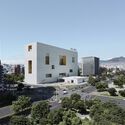
Studio Campo Baeza, based in Madrid, together with Quito-based Maoda, has won the international competition to design the new National Museum of Ecuador (MUNA) in Quito. Their proposal, titled Echoes of the Sun, was selected by a national and international jury from 17 finalist entries in the second phase of the competition. The public competition initially attracted 148 teams from around the world, with 20 shortlisted to develop design proposals before the winning scheme was announced during a public ceremony in Quito on July 6, 2026.
Architecture often draws on the history of a place, translating local narratives into contemporary forms, materials, and spatial experiences. Located in the spa town of Bad Orb near Frankfurt, ALEA RESORT HIDEAWAY follows this approach, taking inspiration from the site's history of salt extraction.
Designed by PLAJER + FRANZ studio, the 5,200 m² hospitality project references the geometry of salt crystals through its architectural language while using lighting solutions from OLEV to shape the atmosphere of its interior spaces. In this interview, architect Alexander Plajer discusses the project's relationship to its context, the design process, and the role of lighting.
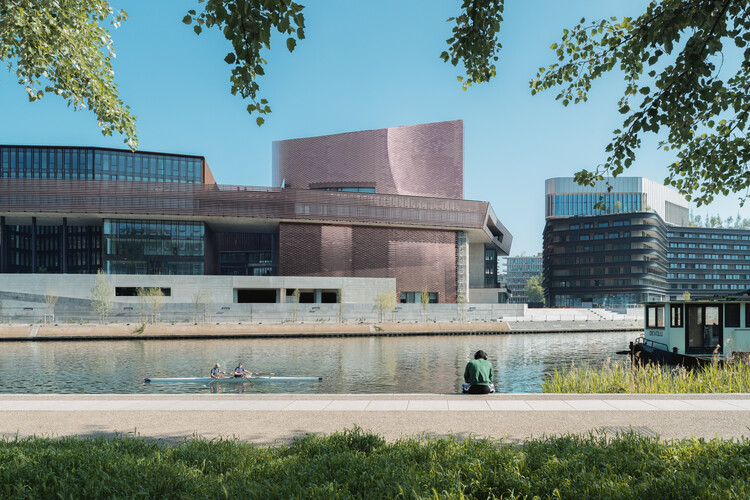
A new space dedicated to contemporary art on the Île Seguin, in the Greater Paris area, is opening in October 2026. The new cultural institution, named "Large," will be housed in a building designed by Catalan architects and Pritzker Prize recipients RCR Arquitectes, the studio's first project in Paris. It is situated on La Pointe des Arts, a large-scale redevelopment of the Île Seguin's former industrial area into a mixed-use complex spanning more than 53,000 m² and focused on arts and culture. The project's architectural massing follows the stratification concept set out in the masterplan by Ateliers Jean Nouvel. The institution will open with the exhibition "Imaginary Engine: From Masterpieces of the Collection Renault to Artists of Today," bringing together 55 artists from 23 countries to explore the relationship between humanity and machines, in tribute to the site's industrial history and Renault's decades-long collaboration with artists.
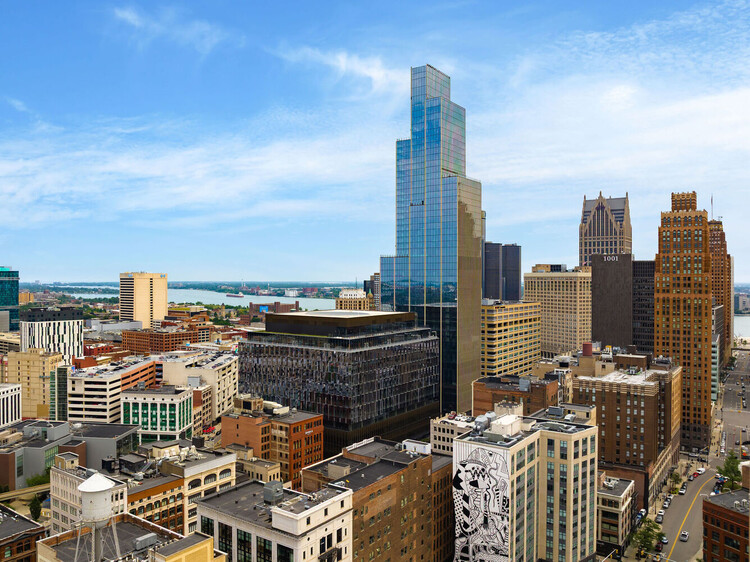
Hudson's Detroit mixed-used development. Aerial view.. Image Courtesy of Bedrock
Urban planning is often confused with adjacent disciplines: urban design, environmental policy, civic strategy, local politics, and data analytics. Truthfully, the overlap makes the field difficult to define clearly. In practice, it is often easier to recognize bad planning than to articulate what good planning is. When planning works well, it disappears. It removes friction from daily life so completely that people rarely think to credit a planner at all. At its core, urban planning is the relationship people have with their environments, and when that relationship is functioning, the mechanics of housing, transportation, affordability, access, and inclusion should feel ordinary and expected.
This has not always been the case, and in many places, it still is not. Urban planning has historically served as an instrument of division, used to segregate, exclude, and erase communities under the language of progress and order. Zoning maps, infrastructure investment, and land-use decisions are expressions of who holds power and which interests that power chooses to protect. That history is embedded in the boundaries that organize cities around the world. It is embedded socially, too, in the assumption that participation in planning requires expertise or formal training that most residents lack.
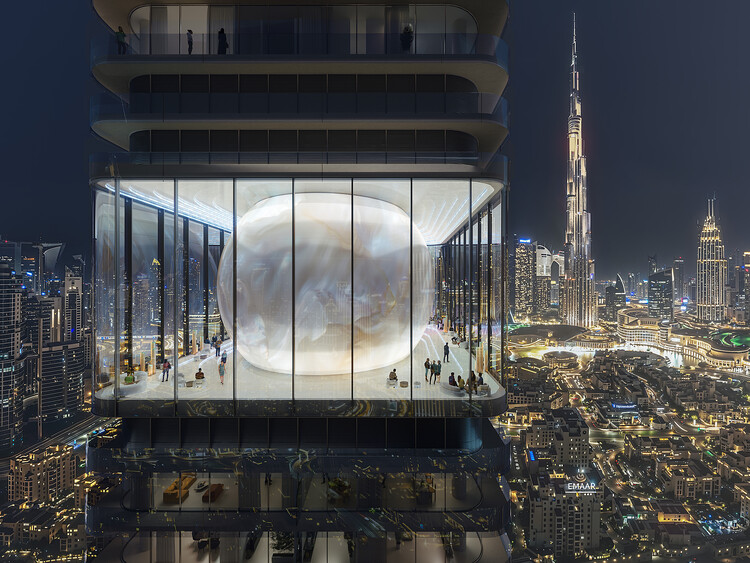
MVRDV has been selected to design Inaura, a mixed-use hotel and residential tower in DowntownDubai, developed by Arada. The project will rise to 210 meters on a site located between Downtown Dubai and Business Bay, with views toward the Burj Khalifa and the Dubai Fountain. Following the competition, MVRDV will continue its involvement as design guardian, while Dubai-based Dewan Architects + Engineers will act as lead consultant. The interiors will be developed based on a concept by MVRDV, aligned with the developer's focus on fitness, wellness, and lifestyle-related programs.
Following two exciting weeks of nominations, ArchDaily's readers have evaluated 455 projects and selected 15 finalists for the Building of the Year Award China. Architects and enthusiasts participated in the nomination process, choosing projects that exemplify what it means to push architecture forward. These finalists are the buildings that have inspired ArchDaily readers the most, which also reveal the growing trend of Chinese architecture.
Among the 15 finalists of the 2026 China Building of the Year Award, we can see a gradual shift in focus from large-scale public buildings to rural revitalization, community public spaces, exploration of new typology of school and small-scale interior spaces. People are paying more attention to their personal needs and living experiences as well as the surrounding spaces. We can also observe how different firms are responding to the needs of cities and users during the period of transformation in the real estate.
Before we get to shortlisted nominees, we want to highlight the values of this awards process — as the world's largest platform for architecture we are acutely aware of our responsibility to the profession, and to the advancement of architecture as a discipline. Since our mission is directly related to the architecture of the future—inspiring and educating the people who will design the urban fabric of the future—the trust placed in us by our readers to reflect architectural trends from regions around the whole world creates challenges that we are eager to rise to. The democratically-voted, user-centered Building of the Year Awards is one of the key pillars of our response to these challenges, aiming to tear down established hierarchies and geographical barriers. Here are the 15 finalists of the 2026 China Building of the Year Award, and the voting period will run from April 8th to April 15th, 11:59 PM (Beijing Time), 2026. The final winners will be announced on April 16th, 2026. Click here to see the details and how to vote.
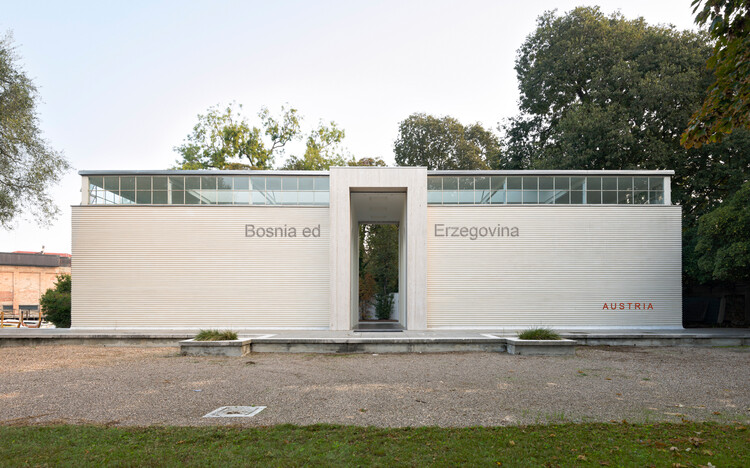
Austria has announced Koncesija / Konzession / Concession(e) as its contribution to the 20th International Architecture Exhibition – La Biennale di Venezia. Curated by architects Adna Babahmetović and Ajna Babahmetović together with curator Sebastian Höglinger, the project proposes temporarily granting the Austrian Pavilion to Bosnia and Herzegovina through a cooperative concession. Selected through Austria's open competition process, the pavilion examines questions of national representation, diplomacy, and architectural exchange by responding to the absence of a Bosnian national pavilion in the Giardini, where the Biennale's historic national pavilions are located.