
Across recent years, architectural discourse has been shaped by the emergence of new voices, rediscovered territories, and a growing commitment to shared forms of knowledge. These concerns remain fully present in 2025 as ongoing debates that continue to gain density and nuance. Questions of who produces architecture, from which contexts, and under what conditions remain central, increasingly informed by practices that operate collectively, across disciplines, and beyond singular authorship.
This continuity is reflected in how architecture is understood less as a finished object and more as an ongoing process embedded in social, cultural, and environmental systems. Discussions around agency, participation, and knowledge production persist, alongside sustained attention to rural, peripheral, and historically marginalized contexts. Rather than privileging a single scale or geography, architecture is approached as a practice that moves between territories, acknowledging the unequal conditions that shape how spaces are designed, built, maintained, and inhabited.



Throughout the year, these discussions unfolded across a wide range of approaches. Articles explored architecture as a form of collective intelligence and cultural production, intersecting with art, performance, exhibitions, archives, and curatorial practices. Others examined how buildings and cities respond to climatic conditions, material constraints, and construction cultures, often drawing from vernacular knowledge, adaptive reuse, and experimental strategies of building and adaptation. At the same time, critical perspectives on heritage, modernism, and memory positioned architecture as a field deeply entangled with histories of extraction, colonialism, and institutional power.
Related Article
ArchDaily's Best Architectural Projects of 2025Taken together, the articles selected here reflect an architectural field attentive to complexity rather than consensus, and to processes rather than prescriptions. They move across territories and disciplines, between material practices and conceptual frameworks, and between care, critique, and experimentation. As part of ArchDaily's ongoing editorial commitment to fostering global dialogue and sharing knowledge across contexts, the following selection brings together the 35 best articles of 2025, written by our editorial team around the world.
Towards an Architecture of Many Intelligences: How Collective Knowledge Shapes the Built Environment
From Design Fiction to Design Futures: The Changing Role of Architecture in Cultural Production
The City as a Laboratory of Processes: A Decade of Urban Experimentation with Concéntrico
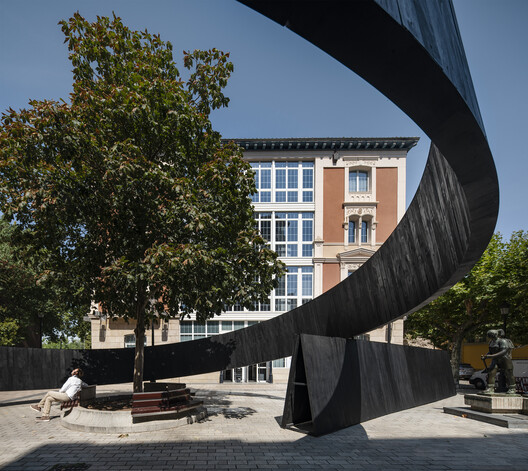
Lisbon Architecture Triennale 2025 Examines the Technosphere and Human Impact on Earth
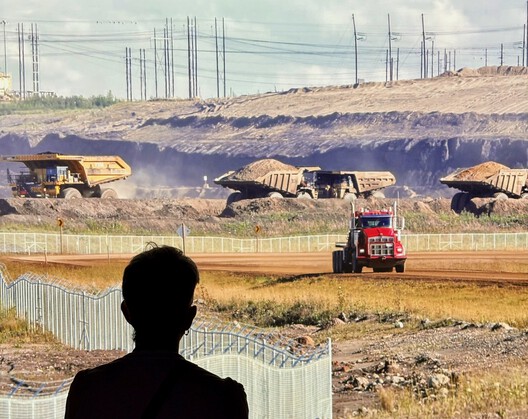
The Intelligens Biennale Gathers the Data, but Fails to Synthesize It
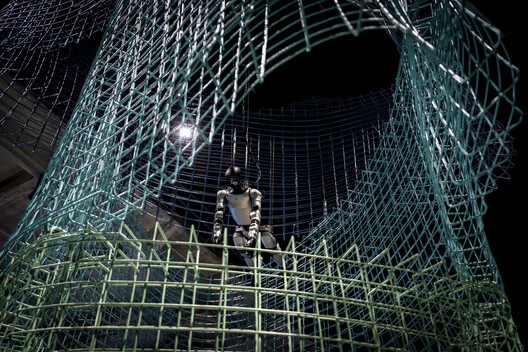
Choreographing Space: Architecture and Dance as Interdisciplinary Practices
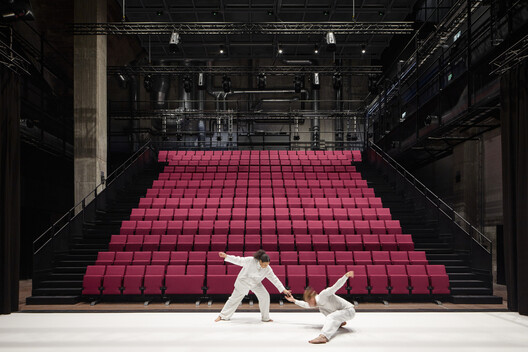
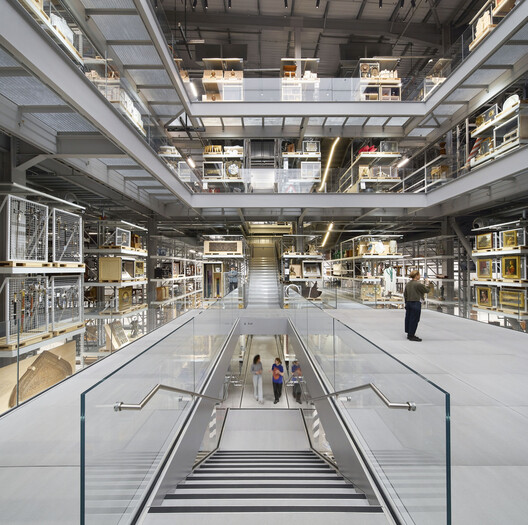
Behind the Scenes, On Display: Self-Curated Journeys Through the Museum Archive
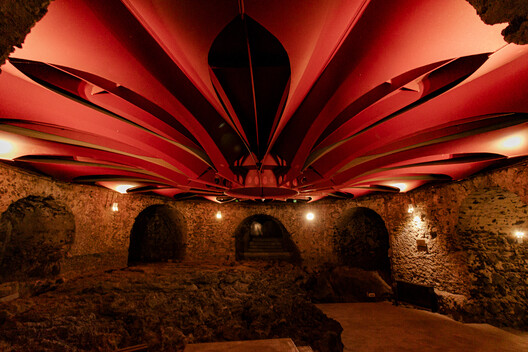
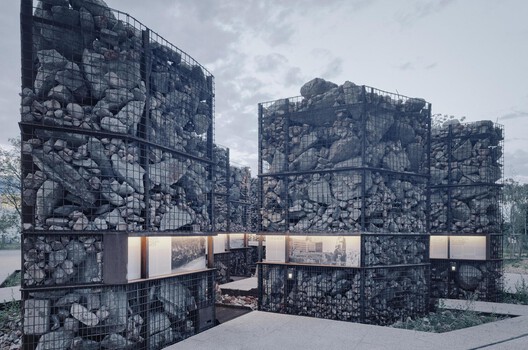
An Epic of Fire and Stone: The Story Behind the Intervention at the Benedictine Monastery of Catania, Sicily
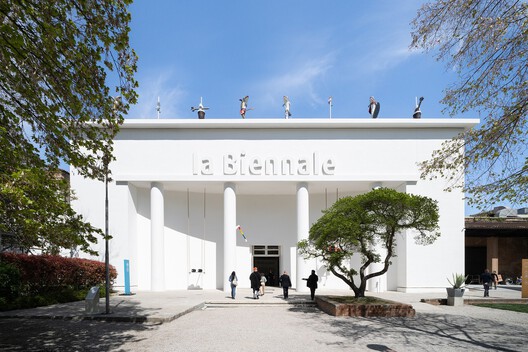
Nothing Is Lost, Everything Transforms: The Reusable Future of the Biennials' Structures
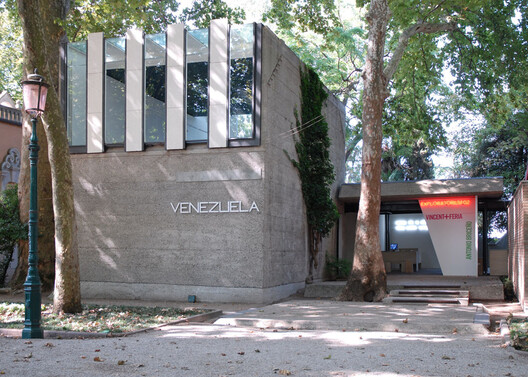
From Little Venice to Venice: The Narrative of Carlo Scarpa's Venezuela Pavilion
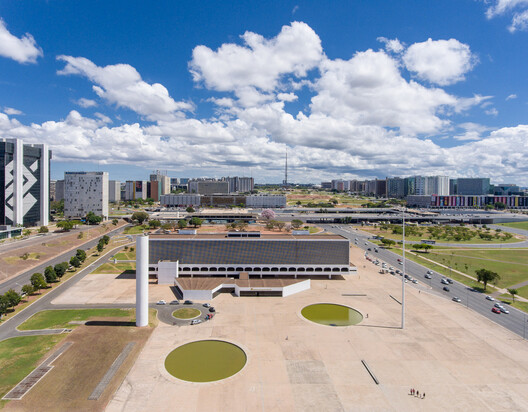
Architecture and Coloniality: Brazilian Modernism in Critical Perspective
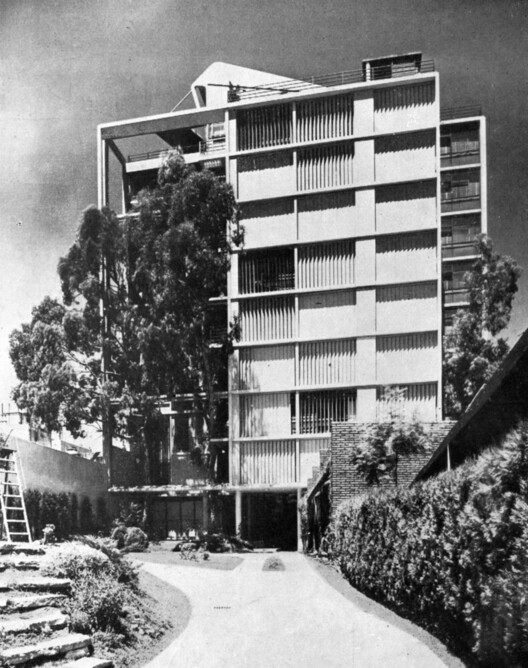
Adapting Modernism in Argentina: The Case of Grupo Austral and Los Eucaliptos Building
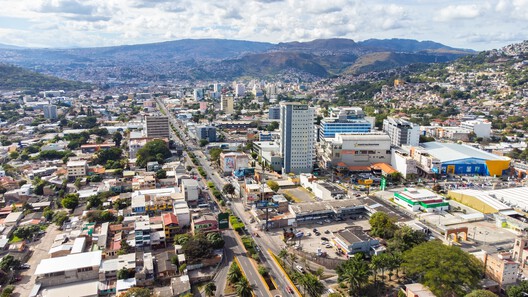
Tegucigalpa's Modernist Revolution: Metroplan and the Shift in the Urban Identity of 1970s Honduras
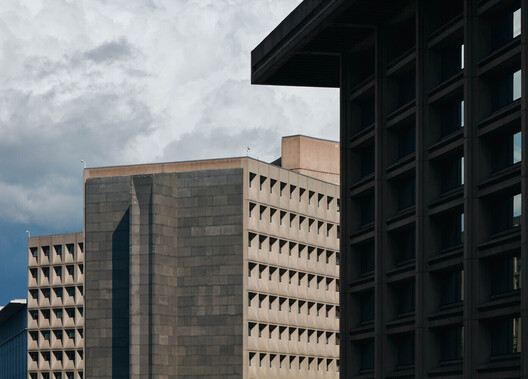
Brutalism and Bureaucracy: An Architectural Language of Authority in the Postwar United States
Architectural Rebuilding as Cultural Memory: The Paradox of Ever-Fresh Heritage
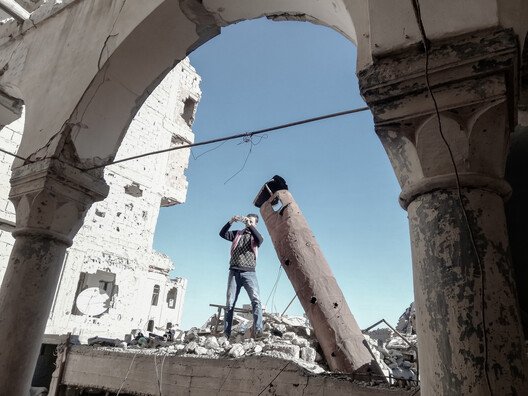
Heritage in Syria: Independent Groups Documenting the Country's Historic Architecture
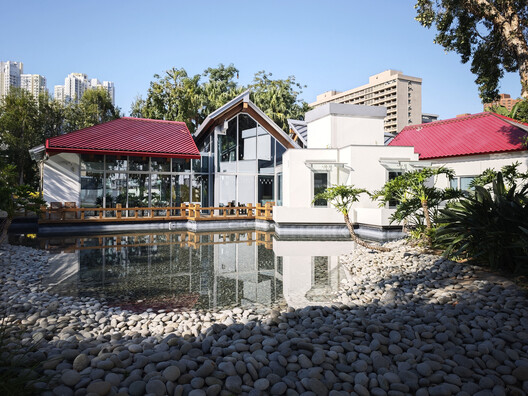
Quiet Hope: Frank Gehry's Maggie's Centre Hong Kong
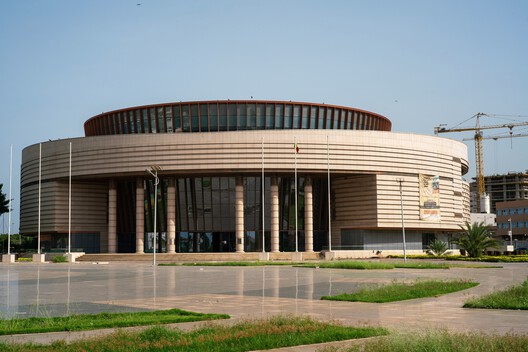
Reclaiming the Narrative: A New Generation of Museums in West Africa
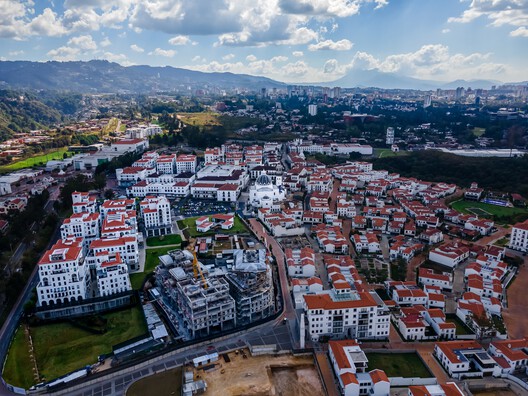
The Cayala Paradox: How Are Private Districts Shaping Public Space Design in Guatemala?
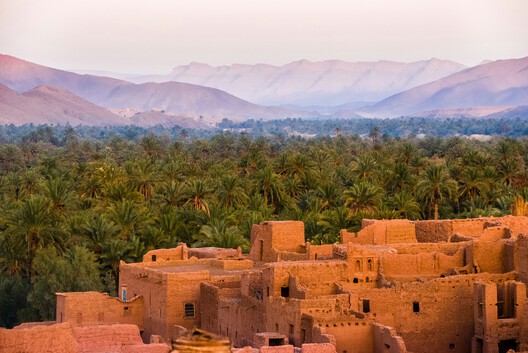
Rooted in Tradition, Nature, and Community: Wellness and Healing Spaces from the North to the South Africa
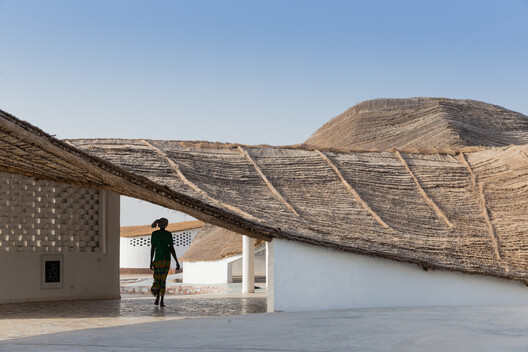
Rhythms of the Soil: Architecture as Agroecology
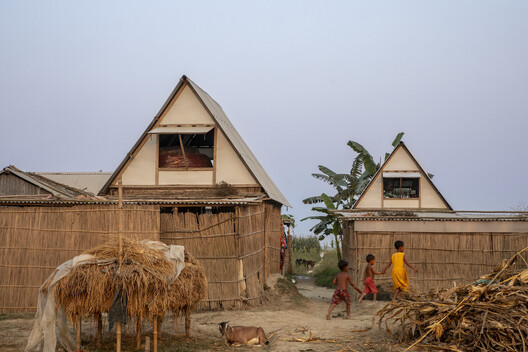
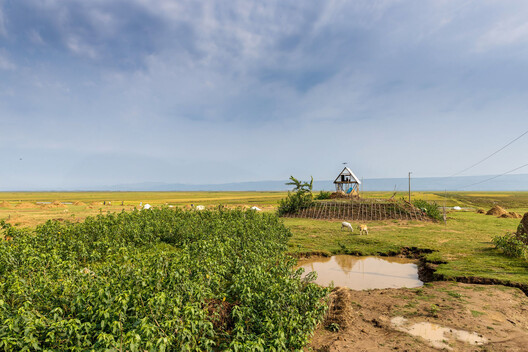
Khudi Bari: Architecture for Climate Displacement
From Scaffolds to Structures: India's Unfinished Journey with Bamboo
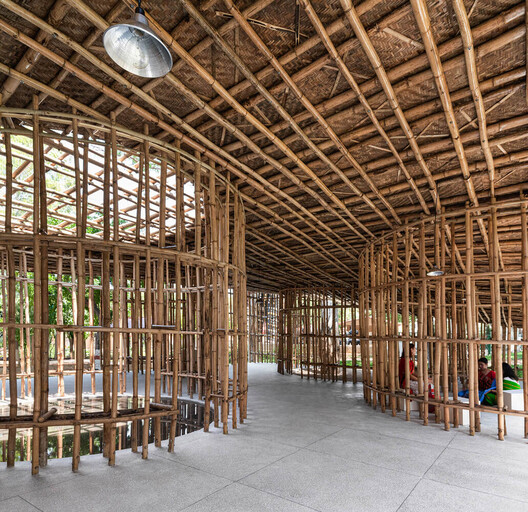
Designing with Humidity: How Architecture Adapts to the World's Dampest Climates
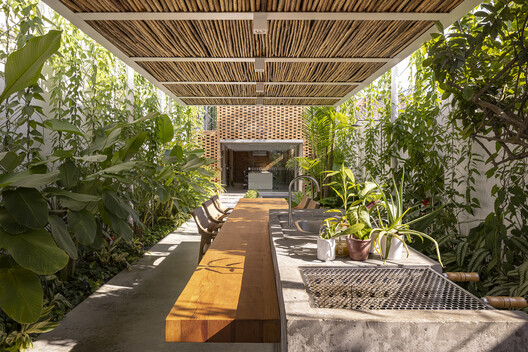
Heat-Resilient Design: How City Leaders Use Building Materials to Fight Urban Heat
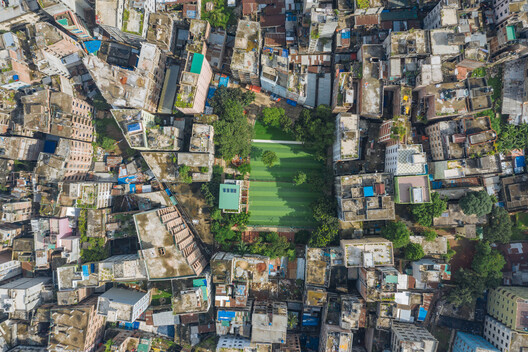
Architecture on Water: Adaptive and Ecological Approaches from Venice 2025
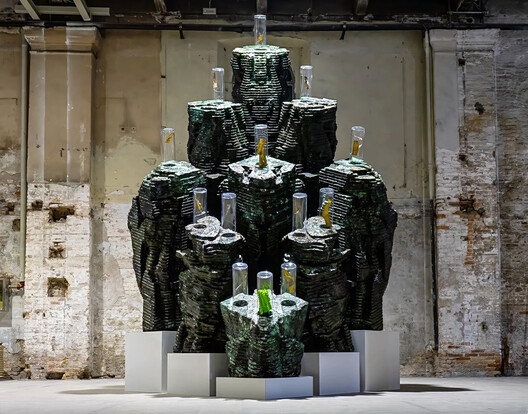
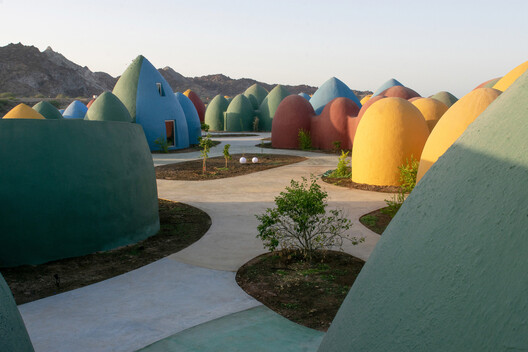
Beyond Disaster Relief: The Evolution of Super Adobe into Permanent Structures in Hormuz, Iran
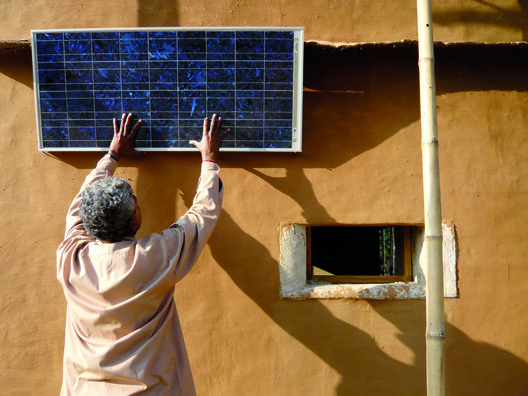
Thinking Globally, Building Locally: Glocalization and the Ethical Use of Materials
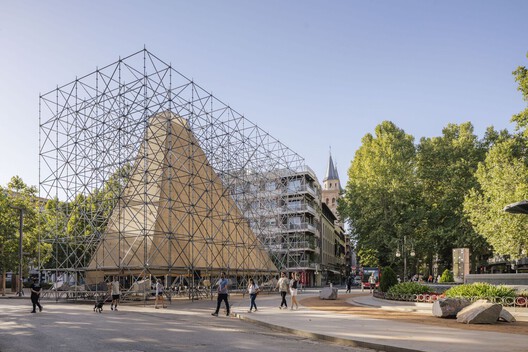
Built to Not Last: How Reversible Architecture Is Redefining the Way We Build
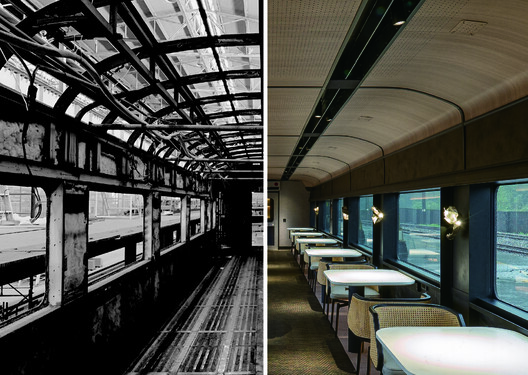
How Can Transport Infrastructures Take on a New Lease of Life?
Beyond Manufactured Landscapes: Quarries as Sites for Interdisciplinary Collaboration
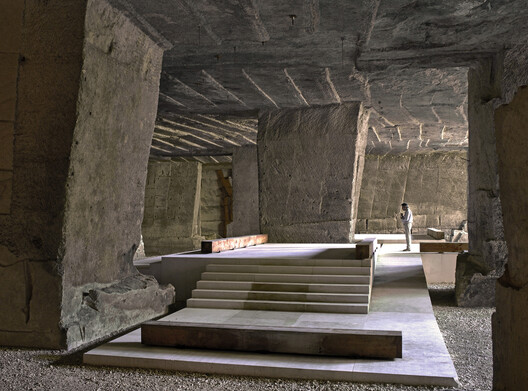
From Legal Constraint to Local Craft: Four Adaptive Projects by Messina Rivas in Cunha
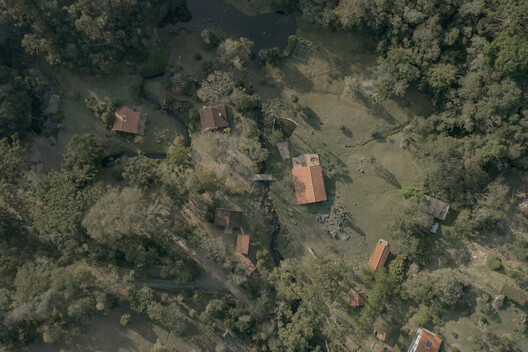
Barriers to BIM: Why India's Construction Culture Slows Technology Adoption
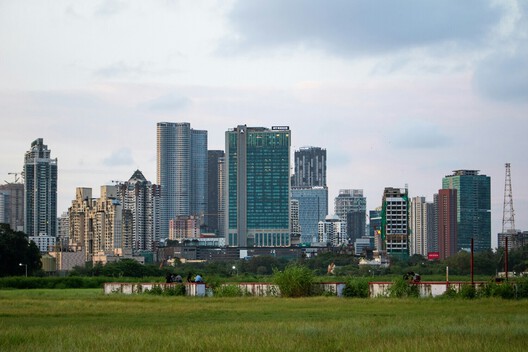
From Extraction to Regeneration: Architecture's Role in Rural Developments in Latin America
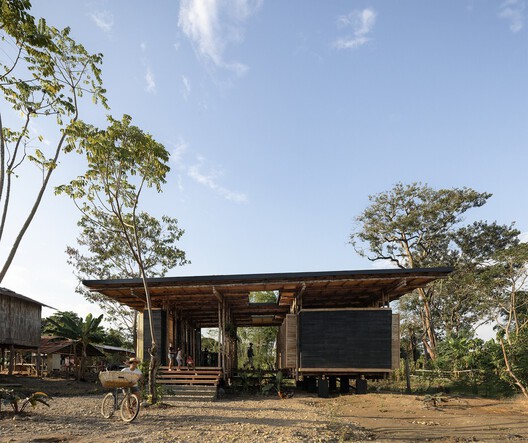
Mapping as Design: A Resource-Based Approach to Rural Design in the United States
This article is part of the ArchDaily Topic: Year in Review, proudly presented by GIRA.
GIRA sets the standard where architectural design meets intelligence. From the defining moments of 2025 to the innovations shaping 2026, we create smart solutions that elevate living and working environments with timeless aesthetics. Join us in shaping the future of architecture and interior design — where vision becomes reality.
Every month we explore a topic in-depth through articles, interviews, news, and architecture projects. We invite you to learn more about our ArchDaily Topics. And, as always, at ArchDaily we welcome the contributions of our readers; if you want to submit an article or project, contact us.