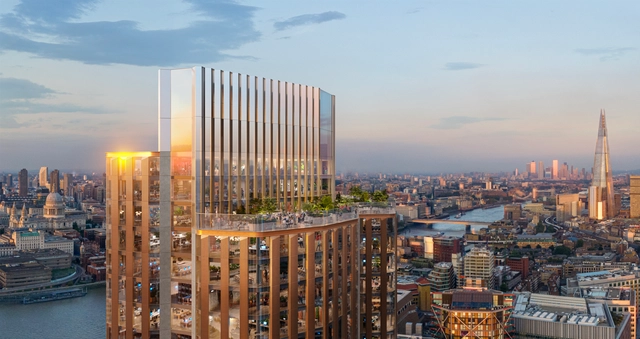
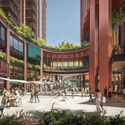
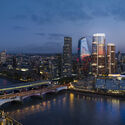
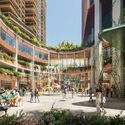
Courtesy of Foster + Partners | 18 Blackfriars Road
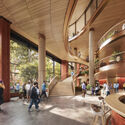
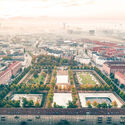
Foster + Partners’ development in Bankside, London, has just been granted planning approval. Designed in collaboration with Lipton Rogers and real estate developer Hines, the Southwark Council has just agreed to proceed with the development. Titled “18 Blackfriars Road”, the project aims to revitalize a neglected two-acre brownfield site that has sat vacant for two decades.
In the Brazilian architectural scene, Felipe Savassi stands out for being a unique mix of designer and communicator. He shares his passion for architecture and his entrepreneurial vision with his thousands of students and followers on social media, with content that seeks to promote an approach centered on the promotion of industrialized and modular construction. With a degree in Architecture and Urbanism from the Isabela Hendrix Institute in Belo Horizonte, his professional activity is supported by four essential pillars: design and execution of architectural projects, education, mentoring and consulting, and a strong commitment to communication and content dissemination.
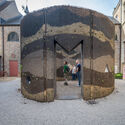
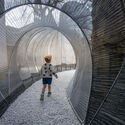
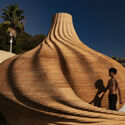
The fourth edition of the Bruges Triennial: Spaces of Possibility, curated by Shendy Gardin and Sevie Tsampalla, will be held from Saturday 13 April to Sunday 1 September 2024. This event promises to transform the streets and historic center of Bruges, Belgium, into a showcase of contemporary art and architectural interventions. With a focus on exploring the latent potential of this UNESCO World Heritage Site, the festival raises questions about how concepts like change and sustainability can interact with preservation.
The 12 selected artists and architects have been prompted to challenge the existing spaces within Bruges. Among the invited names are Boonserm Premthada’s Bangkok Project Studio, Mona Hatoum, Studio Ossidiana, and Sumayya Vally, founder of Counterspace and curator of the first Islamic Arts Biennale, among others. Until September 1st, they are presenting temporary interventions and large-scale installations that seek to reveal the hidden potential of the city, echoing the festival's theme. Against the backdrop of Bruges' rich history, this edition of the Bruges Triennial underscores the importance of adaptable urban spaces in today's ever-evolving world.
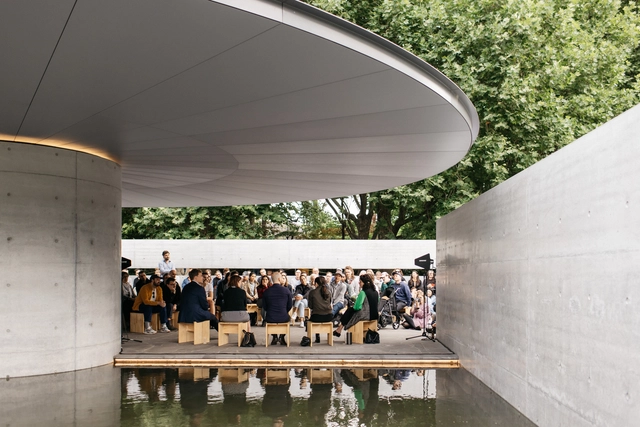
In Melbourne, Australia, the tenth edition of the MPavilion, designed by Pritzker Prize-winner Tadao Ando, has been extended until March 2025. Marking the architect’s sole-built project in Australia, the extension presents an opportunity for Melburnians and visitors to enjoy the space and its diverse offerings. The pavilion welcomes guests daily, serving as a serene oasis, a communal gathering space, and a landmark architectural destination throughout the year.
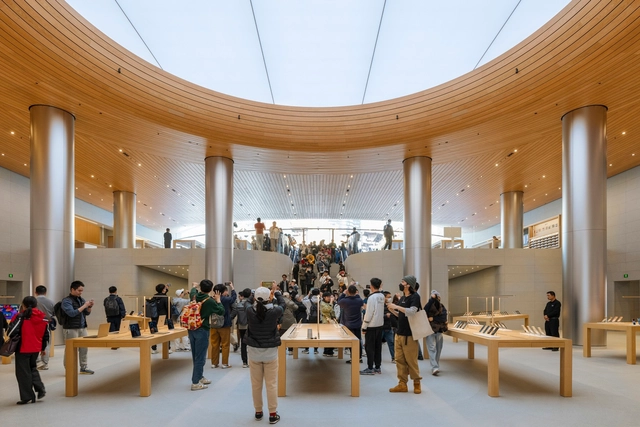
To differentiate themselves in competitive markets, the world's favorite retailers are tapping into retail design to cultivate communities of brand enthusiasts. Since traditional marketing methods no longer engage customers, physical spaces offer an avenue for more immersive and personalized experiences that match their values and lifestyles. Evolving customer preferences have led to the creation of authentic retail experiences that serve now as areas of recreation and entertainment. Designing outlets that encourage engagement, exploration, and a sense of belonging enables brands to foster loyal followings.
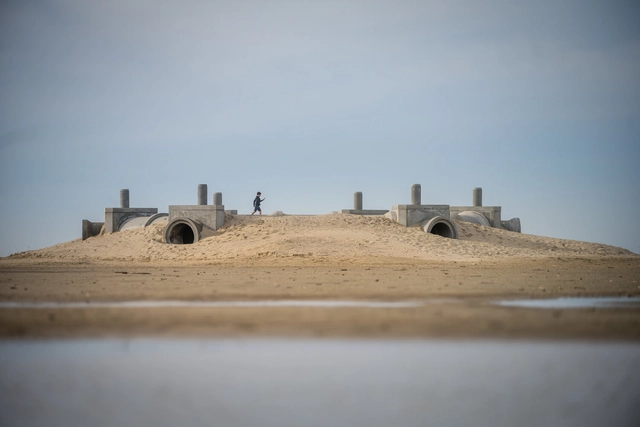
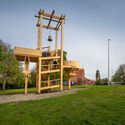
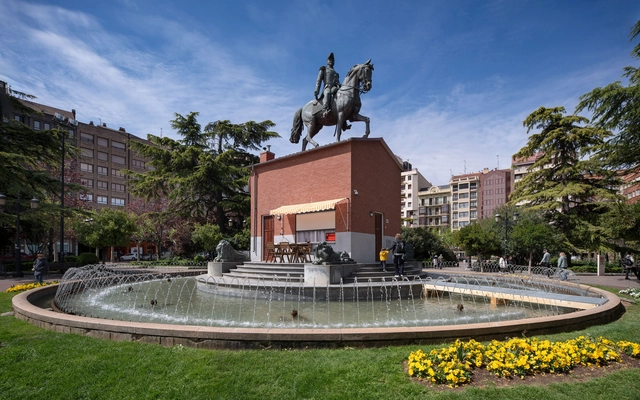
From April 25 to May 1, 2024, Logroño hosts the tenth edition of Concéntrico, a celebration of urban innovation and transformation. This year, the festival explores the future of cities, incorporating new formats, engaging diverse audiences, and tackling urban challenges through the lens of time as a catalyst for change in design. Featuring 20 interventions and activities involving over 100 professionals from 17 countries, the program encompasses processes such as renaturalizing public spaces, reimagining urban structures, and integrating recycled materials from previous editions.
Additionally, collaborations with educational centers ensure a lasting impact beyond the festival, fostering new collective practices in public spaces. Special projects such as "The street in 10 years" or initiatives involving students and pupils from local schools and educational centers further enrich the festival's engagement with communities across Spain.
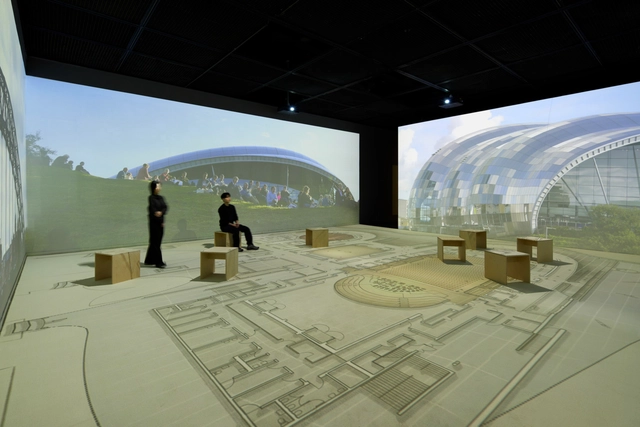
Foster + Partners has debuted their first-ever exhibition in Korea at the Seoul Museum of Art. Marking a significant moment for the studio and its relationship to South Korea, the exhibition “Future Positive” showcases the work of Norman Foster and Foster + Partners to Korean audiences for the first time. On display from April 25th until July 21st, 2024, visitors will have the opportunity to explore the comprehensive showcase of Foster’s architectural journey from 1967 to the present day.
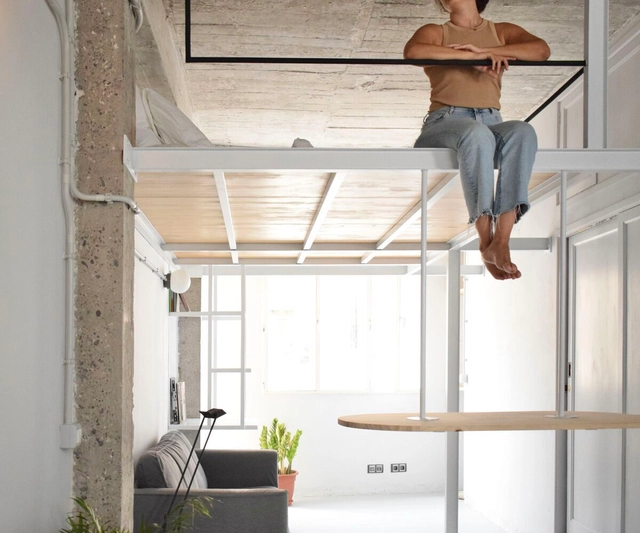
Apartamento 43 / cli·ma arquitectura. Image Cortesía de cli·ma arquitectura
Faced with the various ways of inhabiting that characterize contemporary societies and their adaptability to future uses in architecture, lofts represent an opportunity to design spaces ranging from storage areas to living, study, leisure, or even resting spaces, both for their residents and potential visitors. Depending on their scales, sizes, and proportions, these elevated spaces allow for the optimization of interior environments in apartments that, in some cases, lack sufficient square footage to perform these types of functions at ground level and have a certain height to accommodate them.
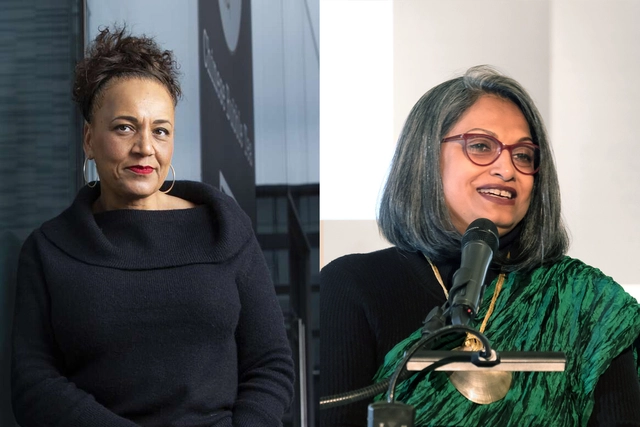
Architects Lesley Lokko and Marina Tabassum have been selected in TIME Magazine’s ‘100 Most Influential People of 2024.’ Known as the TIME 100, the list is an annual compilation of individuals who have made significant impacts on the world in various fields such as politics, technology, entertainment, and more. Each person on the list is profiled by a guest writer, often someone who is also prominent in their field. Selected by Sarah M. Whiting, Dean of the Harvard Graduate School of Design, Marina Tabassum features in the Innovators chapter, while Lesley Lokko, selected by filmmaker Ava DuVernay, is recognized as a Pioneer.
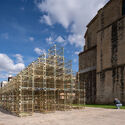
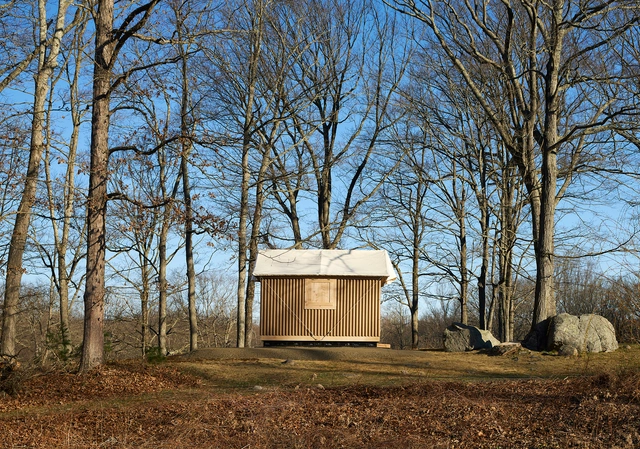
Shigeru Ban Architects, in collaboration with The Glass House and The Irwin S. Chanin School of Architecture of the Cooper Union, have just revealed “Shigeru Ban: The Paper Log House at The Glass House.” This collaborative installation opened on April 15th and is on display until December 15th, 2024, welcoming more than 13,000 annual visitors. This year, students from The Cooper Union actively participated in the making of this structure as part of the university’s Building Technology Course.
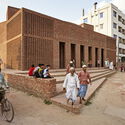
“The 2024 Prize jury emphasizes the significance of architecture that explores the potential to shift mindsets and policies, as well as the importance of fostering inclusivity”, explains the official announcement. The Awards Ceremony will take place at the Mies van der Rohe Pavilion in Barcelona, in the context of the EUmies Awards Day, on the 14th of May 2024, launching the Barcelona Architecture Weeks.
Videos
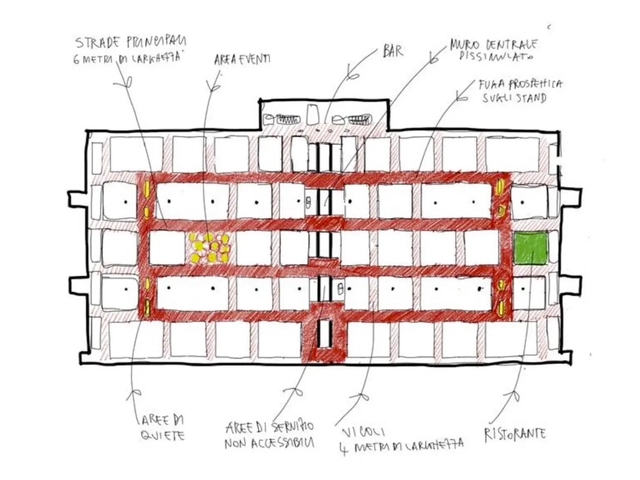
Concept redesign routes Salone del Mobile.Milano - Ph. Cristian Catania, Lombardini22. Image Courtesy of Salone del Mobile.Milano
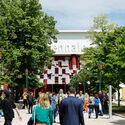
The 62nd edition of the Salone del Mobile at Rho Fiera brought together designers, architects, producers, and prominent figures from the design realm. With more than 1950 exhibitors, the six-day event, running from April 16 to 21, 2024, emphasized conviviality, well-being, and sustainability. Designed with a human-centric approach, incorporating neuroscience principles to enrich visitor interaction, Salone del Mobile is revolutionizing the future of fairs.
On-site during the event, ArchDaily had the opportunity to speak with Cristian Catania, Senior Architect and Project Director for Reinventing Fairs at Lombardini22, responsible for revamping Salone, about the primary changes in the fair’s layout and the implementation of neuroscience approaches in conceptualizing the exhibition spaces.
The 3rd edition of Shaping the City, a forum on sustainable urban development, took place in Venice between November 24-25, following successful events in Chicago and New Orleans. Organized by the European Cultural Centre, this forum was running in parallel to the 2023 Venice Architecture Biennial exhibition, Time Space Existence. The event, hosted at Palazzo Michiel del Brusà in Cannaregio, brings together global urban planners, architects, academics, and politicians. Notably, Japanese architect Kengo Kuma was among the experts invited to explore the intersection of nature and the built environment in Japanese architecture.
Over two days, the conference set out to explore crucial themes such as education, urban commons, displacement, nature integration, and the future of architecture media, a subject discussed during a panel talk attended by ArchDaily’s managing editor, Christele Harrouk. While on-site in Venice, the ArchDaily team sat down with Kengo Kuma to discuss his unique approach to nature-inspired and site-specific designs.
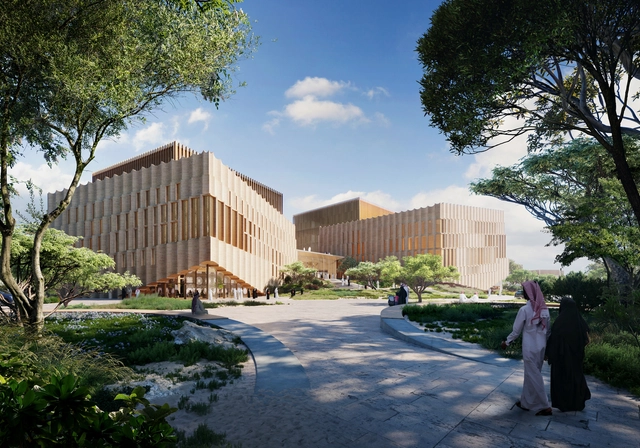
Henning Larsen Architect has just revealed the designs for The JeddahOpera House, a new local landmark in Saudi Arabia. Drawing inspiration from the historical Al-Balad neighborhood, the Opera House celebrates culture and regional geography. Situated along the Red Sea waterfront, the opera house aims to connect residents and visitors to the sea through a culture spine under a natural canopy. Extending from the city, through the opera house, to the water, this “spine” forms an integral part of the Jeddah Central masterplan for the new Opera Quarter.
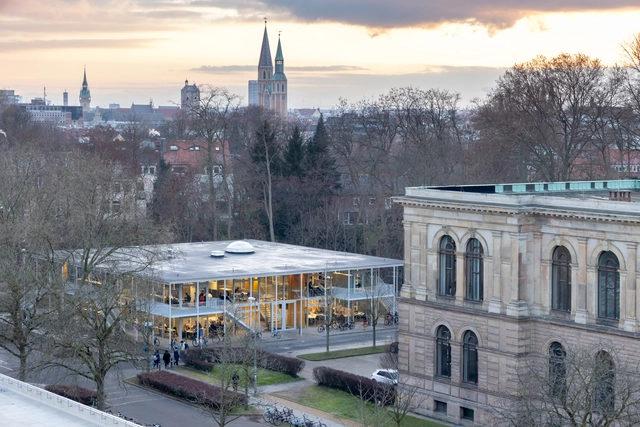
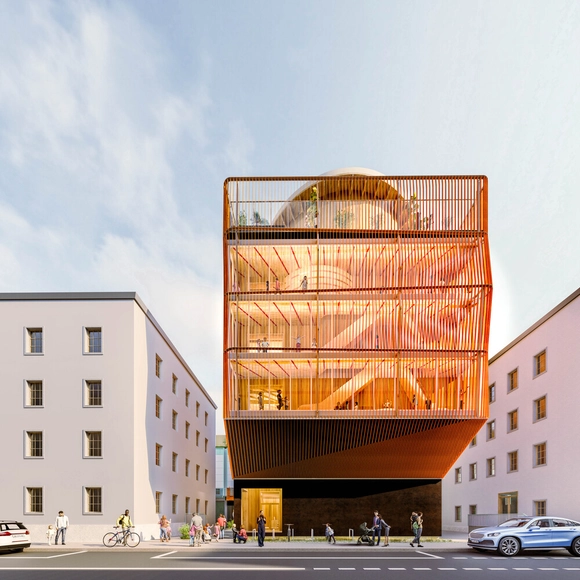
Kéré Architecture has revealed the design for a vertical childcare center at Munich’s Technical University (TUM) in Germany. Named "Ingeborg Pohl Kinderoase an der TUM," the center will be built in wood to the extent allowed by local norms and regulations for energy efficiency, thermal comfort, fire protection, and acoustics. The new building, located between the TUM main campus and the university canteen, broke ground on April 18 and is expected to be completed by the end of 2025.
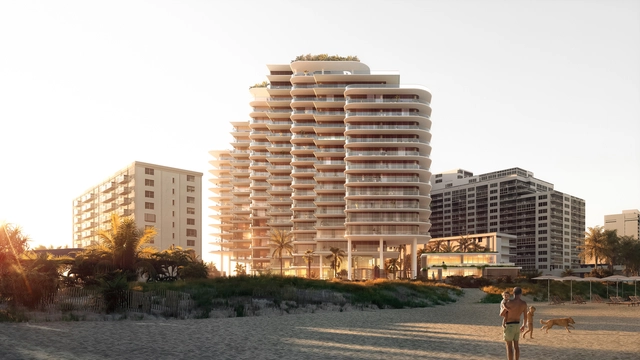
OMA has just revealed The Perigon, a new residential tower in Miami Beach, United States. Situated in the vibrant Mid Beach Neighborhood, the project is a collaboration between Mast Capital and Starwood Capital Group. The Perigon offers dual-waterfront living, characterized by a series of towers strategically rotated to maximize views toward the Atlantic Ocean.
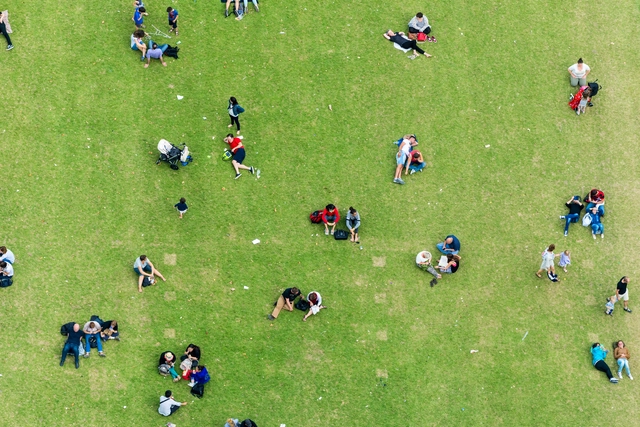
Social infrastructure encompasses the resources and services that allow the creation of communal bonds and social connections. Within the built environment, it manifests through public spaces like parks, libraries, and community centers alongside threshold spaces such as public transportation stops.
These public social spaces play a crucial role in strengthening communities and, in turn, their ability to respond to catastrophic climate-related events. They can provide physical shelter to the populations most vulnerable to these events and foster resilient networks of people who can more quickly recover. Given the escalating frequency of extreme weather events in the United States due to climate change and its social infrastructure inadequacies, examining public spaces as a critical tool for climate resilience becomes vital.
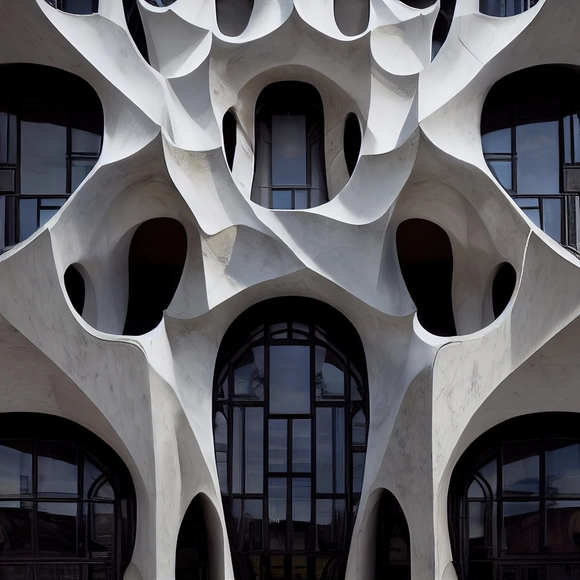
Since their introduction to the wider public, artificial intelligence technologies seem prone to change the working landscape for professionals across all fields, and architecture and urban planning are no different. While many fear their negative impact, AI technologies can also be viewed as a different set of tools in the arsenal of architects and designers. As revolutionary as they are, there is a plethora of applications and platforms being developed not to replace, but to aid, offload repetitive tasks, and help visualize ideas or large data sets, all to provide a basis for the architect's decision-making process.