

-
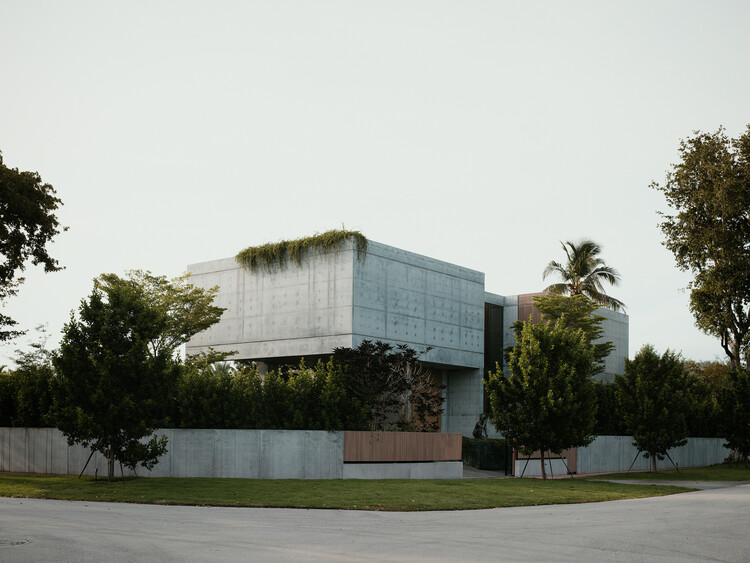
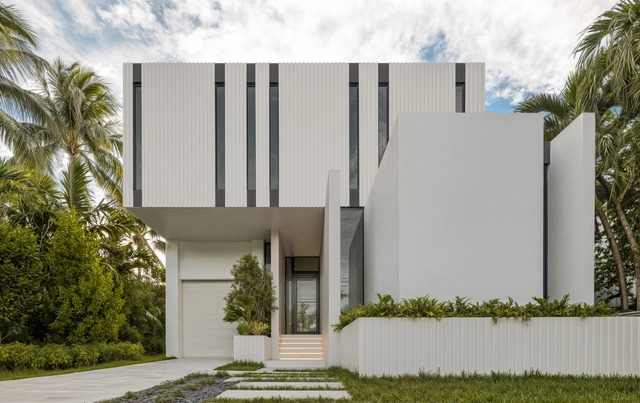
Architects: STUDIO KP2
- Area: 3200 ft²
- Year: 2026
-
Manufacturers: STUDIO KP2

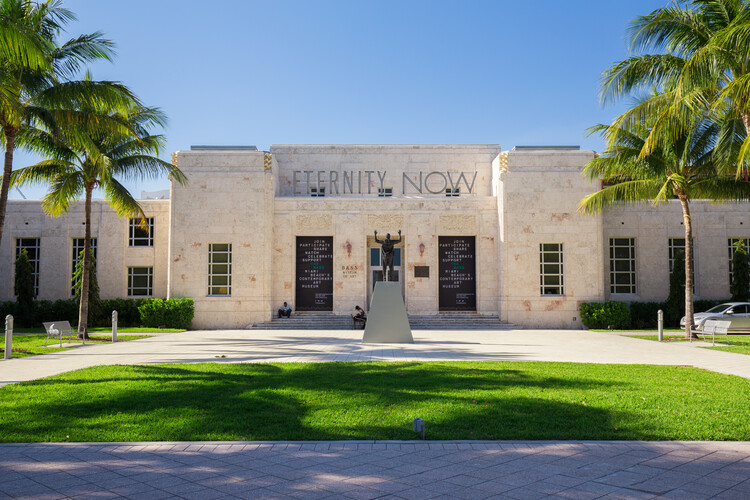
The Bass Museum of Art has appointed the Los Angeles-based architecture practice Johnston Marklee to lead the expansion of its campus in Collins Park, Miami Beach, advancing a long-term vision that integrates architecture, landscape, and contemporary art. Founded in 1964 following the donation of the John and Johanna Bass collection, the museum is housed within a 1930s Art Deco building originally designed by Russell Pancoast as the Miami Beach Public Library and Art Center. Over time, the institution has evolved through architectural interventions, most notably the campus framework introduced by Arata Isozaki, which establishes a dialogue between the historic fabric and contemporary additions.

The second round of award winners of the 2025 World Architecture Festival (WAF) has been announced, following Day Two of the world's largest international live-judged architectural event, held at the Miami Beach Convention Center in Florida.
In total, the three-day festival will see over 460 live pitches from the 2025 finalists, presented to more than 160 international judges. Today has seen shortlisted projects from around the world compete for 21 award categories within Completed Buildings, Future Projects, and Interiors. Award winners include OMA, Sordo Madaleno, Studio Arthur Casas, and NIKKEN SEKKEI.
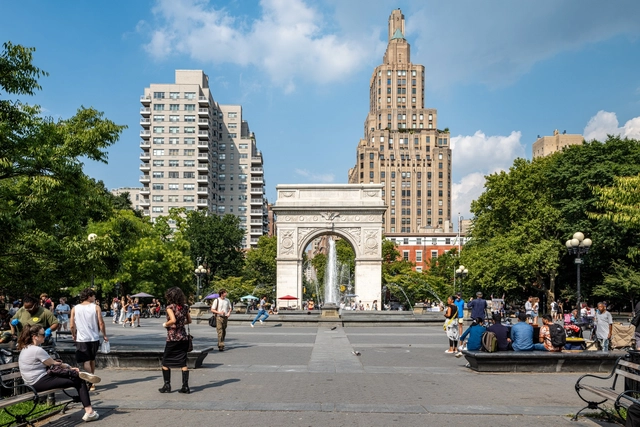
Protests, civil disobedience, and dissent are not only a defining part of our shared history since the colonial era, they also continue to the present day on campuses, at political conventions, and elsewhere. In this context, some historic marches, sit-ins, and other actions are enshrined in our collective narrative, while others have faded from memory; however, the cultural landscapes that served as stages where these events occurred still exist. These places are the focus of Landslide 2024: Demonstration Grounds and a portal for re-engaging with the stories of little-known or even forgotten events that were pivotal in USA history. The thirteen different sites across the country, represented in the new report and digital exhibition from The Cultural Landscape Foundation (TCLF), touch on events that shaped individuals and sparked movements.
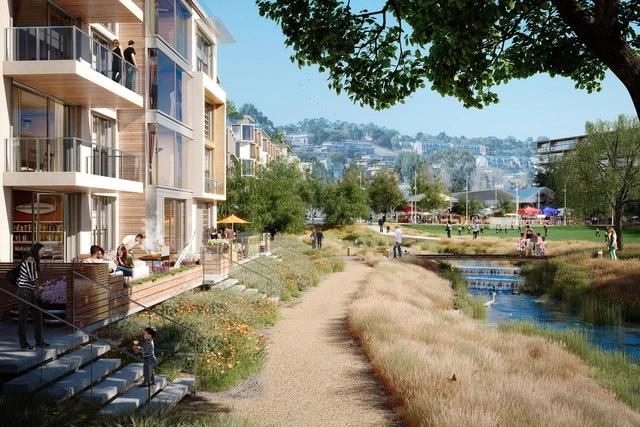
This month, architecture has addressed a wide array of themes, from preserving cultural heritage to designing for adaptability. Around the world, architects are responding to changing needs with solutions that aim to prioritize both functionality and the environment. Notable examples include Gehl, SOM, and Bionic's ambitious redevelopment of San Francisco's India Basin waterfront, which reimagines urban living in harmony with nature, and VOID Studios' collaboration on Kenya's Masai Mara Conservation Centre, a project deeply rooted in ecological and cultural sensitivity. Elsewhere, Nokken and BIG unveiled their "Softshell structure," offering a flexible option for hospitality and residential markets. Meanwhile, the transformation of The Raleigh in Miami Beach by Peter Marino aims to preserve the site's heritage while introducing new standards. These projects, among others, reflect the ever-evolving priorities of the field. Read on to discover the latest news shaping the architectural world.
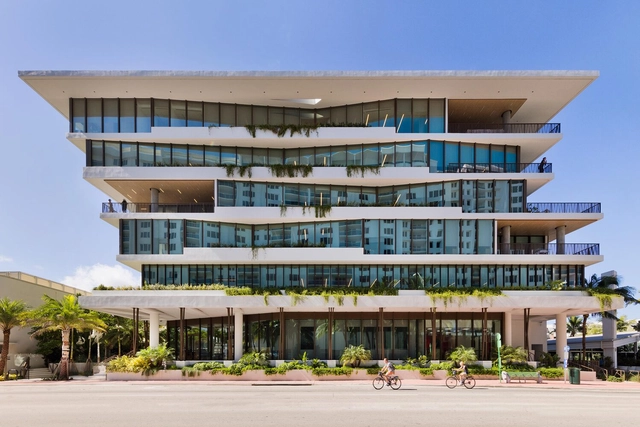
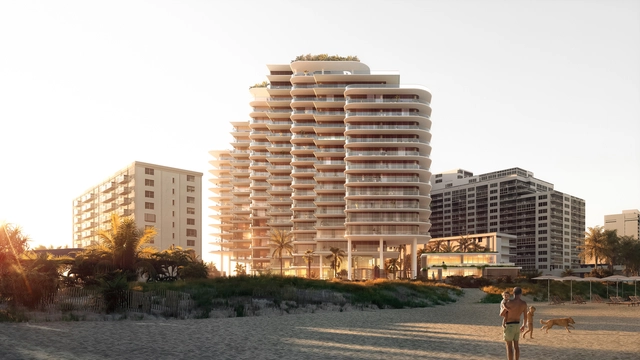
OMA has just revealed The Perigon, a new residential tower in Miami Beach, United States. Situated in the vibrant Mid Beach Neighborhood, the project is a collaboration between Mast Capital and Starwood Capital Group. The Perigon offers dual-waterfront living, characterized by a series of towers strategically rotated to maximize views toward the Atlantic Ocean.
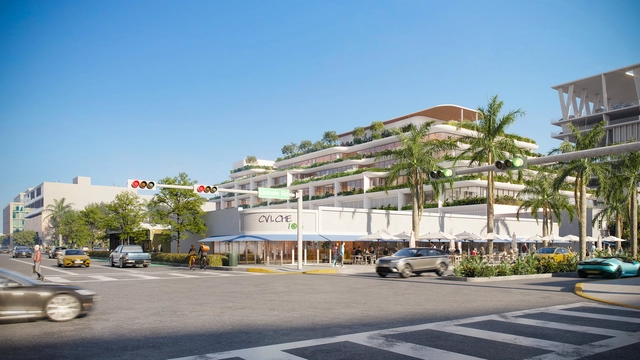
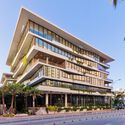
Foster + Partners has unveiled the plans for a new multi-purpose design in the heart of Miami Beach. “The Aalton” is a six-story building encompassing ground-level retail, offices, and residential spaces. Positioned at the intersection of Aalton Road and Lincoln Road, the renowned pedestrian shopping street, the building embraces Florida’s architectural heritage.
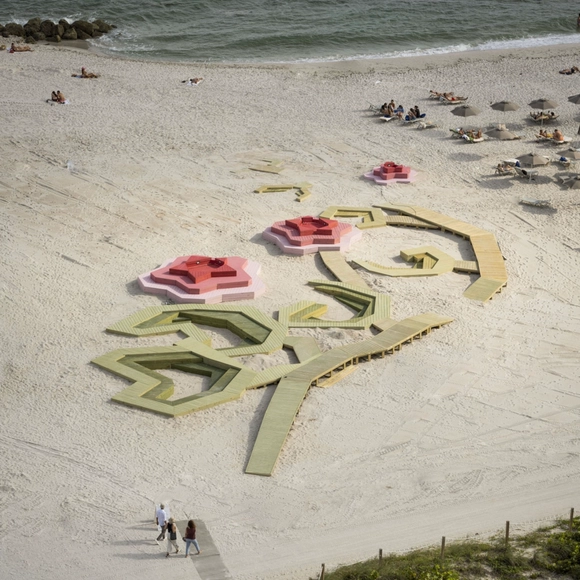
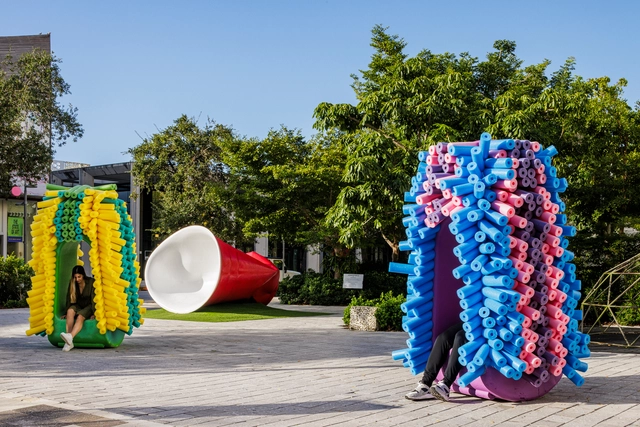
Distinguished for its quality, depth, and diversity, Design Miami 2022 has concluded, giving worldwide collectors and locals the best in contemporary and emerging art and design. Kicking off at the end of November and running through the first week of December, this event ran alongside the annual Art Basel Miami Beach. The ultimate international art fair ranged from interactive installations to art exhibitions by promising up-and-comers to 20th-century masterworks, including Daniel Arsham and Andrés Reisinger, and Stefano Boeri. Also during this event, MetaMundo has presented their Top 50 Creators of the Metaverse - a hand-picked collection of some of the world’s best 3D artists.
For this edition, The Miami Design District has awarded Miami-based architect and designer Germane Barnes and commissioned a multifaceted installation that honors the city's polyethnic culture. Along with other relevant architectural installations during the Miami Art Week, the following selection includes work by Leandro Erlich at Perez Art Museum Miami and Pilar Zeta.
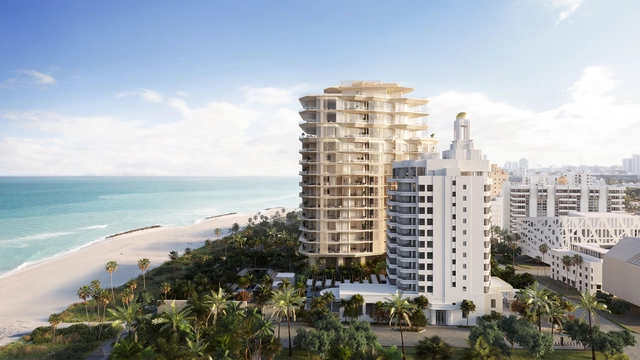
Japan-based architectural office Kengo Kuma and Associates has unveiled the design for what will become the studio’s first residential tower in the United States. Located on the oceanfront of Miami Beach, the 18-story structure will accommodate private condominiums for hospitality brand Aman. The project is adjacent to the Versailles building, a 1940s Art Deco hotel currently under restoration by architect Jean-Michel Gathy. The Art Deco architecture of Miami’s Faena district has a unique rhythm, which, according to the architect, was translated into the geometry of the new building through its vertical and horizontal lines.
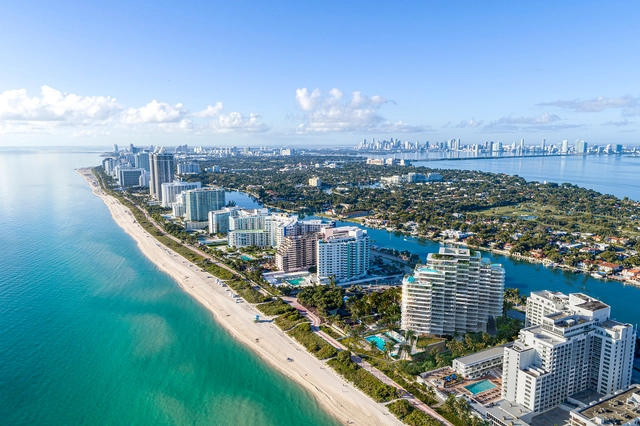
Led by Partner Jason Long, OMA have unveiled the design of a 17-storey residential tower in Miami’s Mid Beach neighborhood. Dubbed The Perigon, the project is designed as a series of towers rotated to orient views away from neighbors and towards the Atlantic Ocean and Biscayne Bay. The towers are merged and lifted 45-feet above the flood line to form a singular structure that offers panoramic views and liberates the ground-plane.
720_H.jpg?1555513676&format=webp&width=640&height=580)
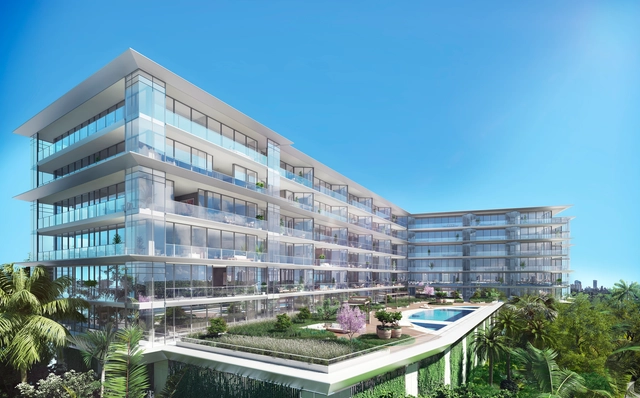
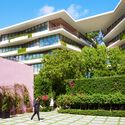
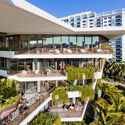
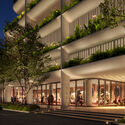
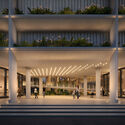
Framed by Florida's picturesque Biscayne Bay, 3900 Alton Road will be architect Ricardo Bofill’s first condominium project in the United States. With 78 residences in a variety of sizes, and amenities including pools, electric vehicle charging stations and artwork by Fernando Mastrangelo and Loris Cecchini, the elegant new tower will be an “urban oasis” in Miami Beach.

















.jpg?1450235829 "Courtesy of Christian Wassmann")


715_H.jpg?1555513653 "© Robin Hill")
755_H.jpg?1555513699 "© Robin Hill")
814_H.jpg?1555513722 "© Robin Hill")
777_H.jpg?1555513712 "© Robin Hill")
720_H.jpg?1555513676)