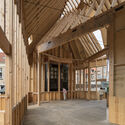
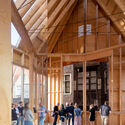
-
Architects: PARA Project
- Area: 444 m²
- Year: 2021

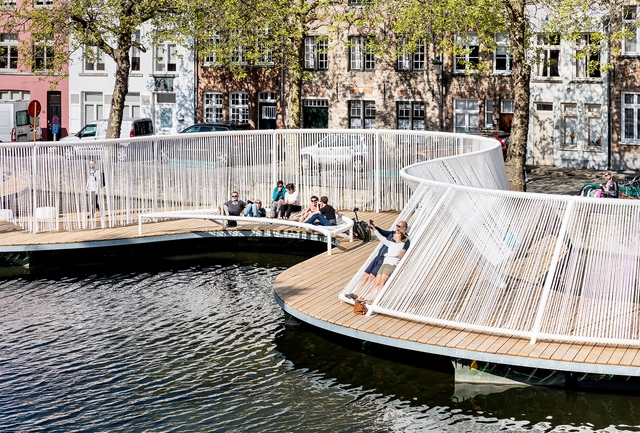
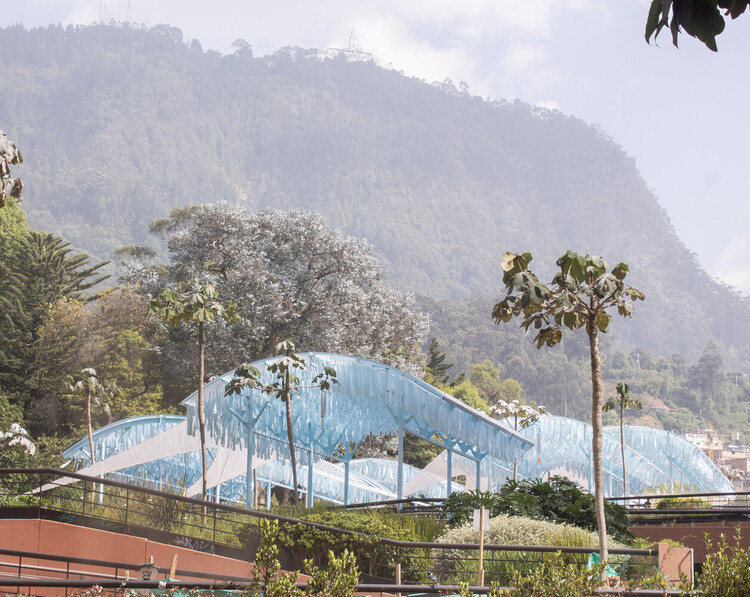
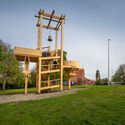
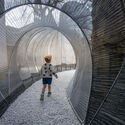
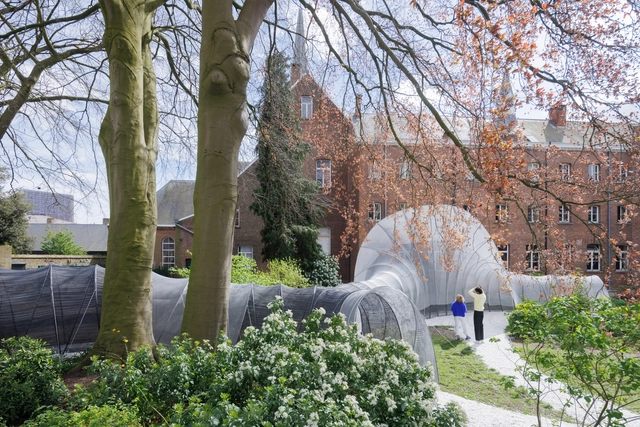
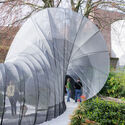
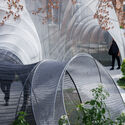
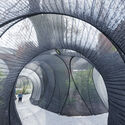
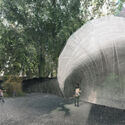
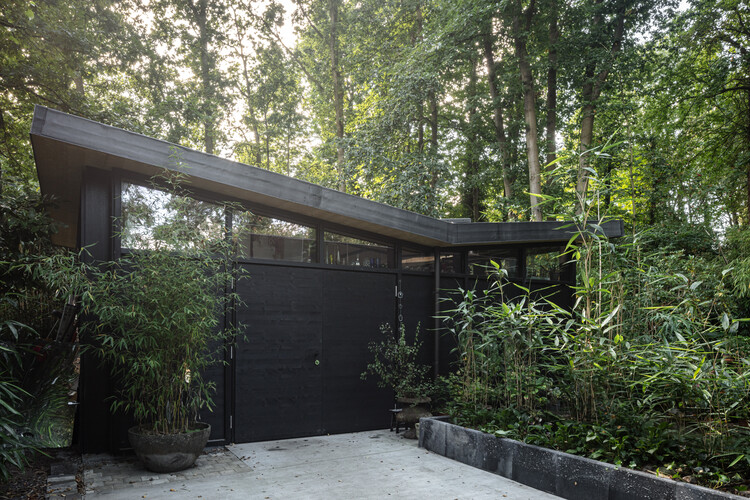
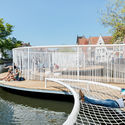
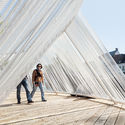
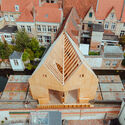
What do lightweight materials bring to public space with an ethical, ecological, and non-extractive design principle? Various textile textures offer a point of entry, being closer to the body than heavy conventional structural materials. Through its flexibility and responsiveness, it enables a form of soft enclosure rather than a fixed boundary in architectural space. Responding to minimal environmental stimuli, the fabric brings continuous movements into space. When layered or assembled, it produces gradations of density, depth, and enclosure, while recent innovative fabrication technologies extend the possibilities of its form and structural durability.
Semi-transparent materials further mediate the conditions of visual permeability and bodily experience of the space. By transmitting and filtering light, they blur clear separations between interior and exterior, solid and void, creating thresholds that are neither fully open nor fully enclosed, but constantly in negotiation. Reinterpreting structure in urban space through lightweight, translucency, and softness opens up alternative modes of spatial perception and bodily engagement.
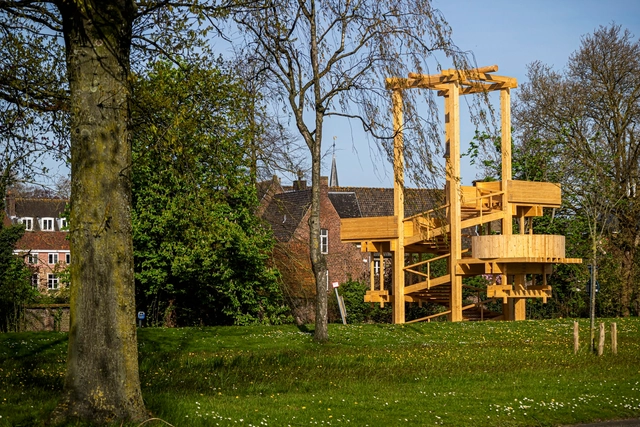
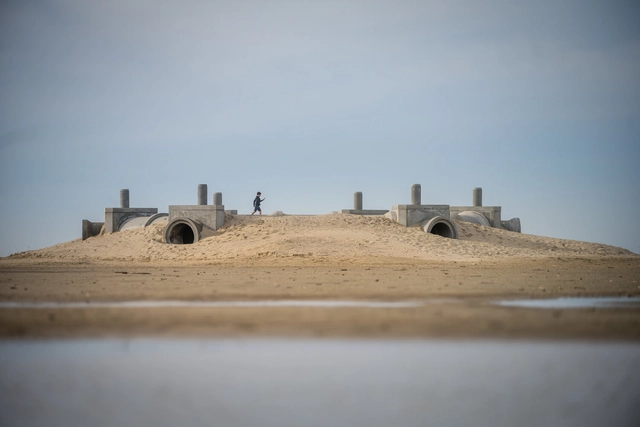
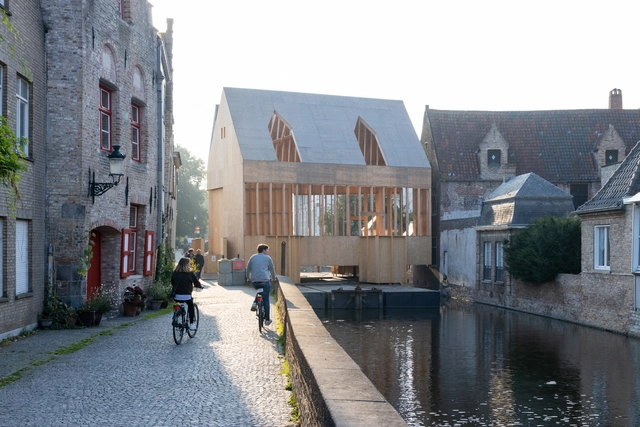
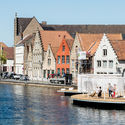
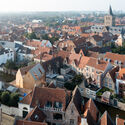
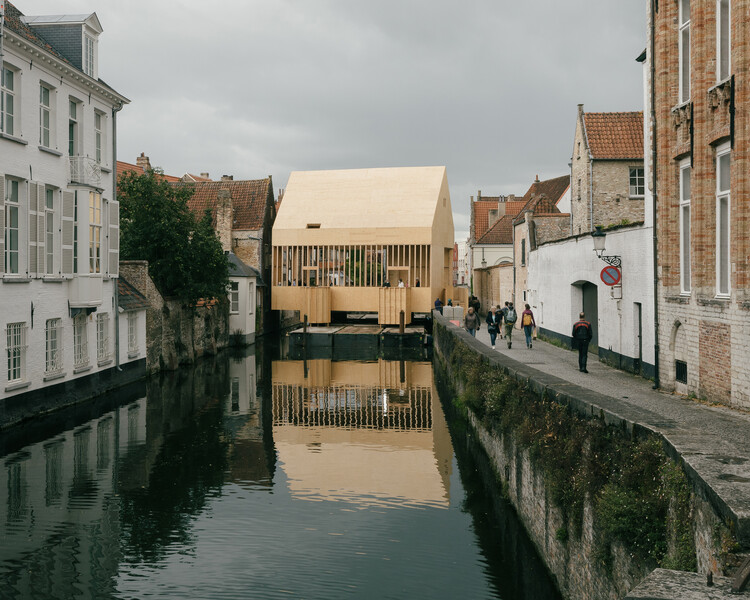
The fourth edition of the Bruges Triennial: Spaces of Possibility, curated by Shendy Gardin and Sevie Tsampalla, will be held from Saturday 13 April to Sunday 1 September 2024. This event promises to transform the streets and historic center of Bruges, Belgium, into a showcase of contemporary art and architectural interventions. With a focus on exploring the latent potential of this UNESCO World Heritage Site, the festival raises questions about how concepts like change and sustainability can interact with preservation.
The 12 selected artists and architects have been prompted to challenge the existing spaces within Bruges. Among the invited names are Boonserm Premthada’s Bangkok Project Studio, Mona Hatoum, Studio Ossidiana, and Sumayya Vally, founder of Counterspace and curator of the first Islamic Arts Biennale, among others. Until September 1st, they are presenting temporary interventions and large-scale installations that seek to reveal the hidden potential of the city, echoing the festival's theme. Against the backdrop of Bruges' rich history, this edition of the Bruges Triennial underscores the importance of adaptable urban spaces in today's ever-evolving world.
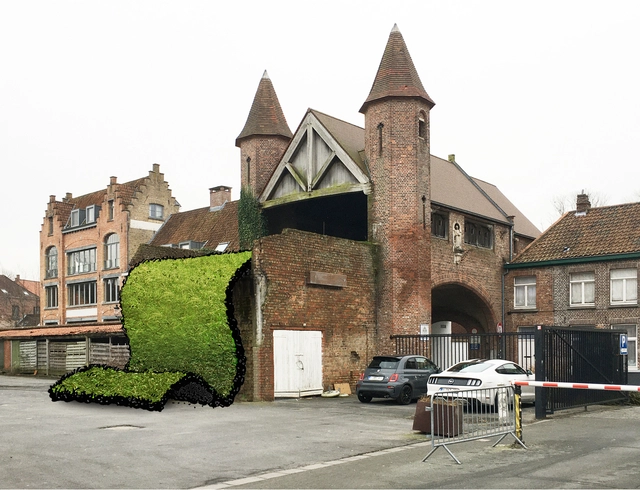
The Bruges Triennial 2024 has announced its theme, “Space of Possibility,” along with a list of participating artists and architects and the locations of the 12 installations. Running from Saturday 13 April to Sunday 1 September 2024, the event will take over the streets and historic center of Bruges. Belgium, showcasing contemporary art and architectural interventions. The curators of this edition, Shendy Gardin and Sevie Tsampalla, have selected a list of 12 artists and architects who will challenge the existing locations within the city’s quarters in response to the theme which asks them to seek to reveal the hidden potential of the city.
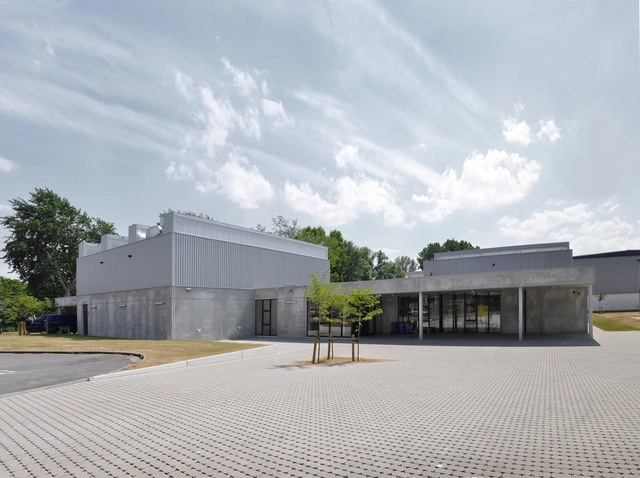
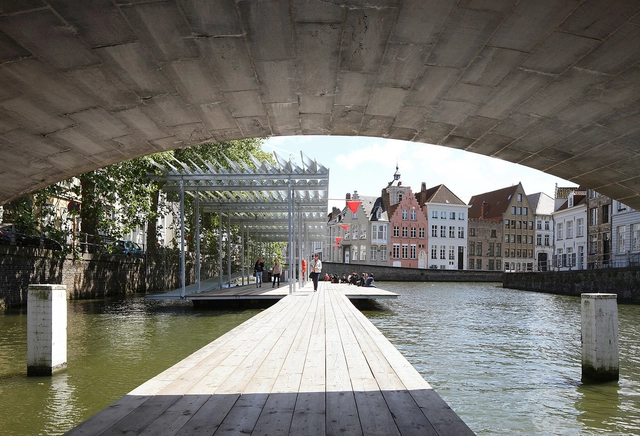
Architecture remains in constant tension with natural forces. Designed around gravity, climate, and time, buildings are always part of larger systems. Throughout the world, designers have tried to mitigate natural forces by constructing hybrid spaces and structures, artificial areas where nature meets the manmade. Embodying this relationship, canals reflect a desire to direct nature and its flows. Today, these fluid spaces are opening up to new programs, projects that explore modern life and urban vitality.

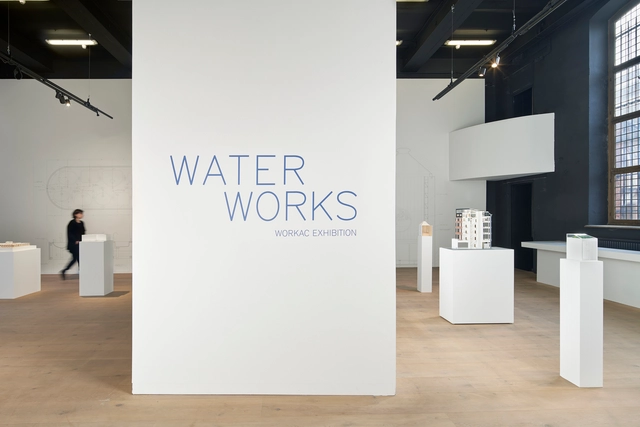
WORKac in collaboration with Musea Brugge and Cultuurcentrum Brugge has created an exhibition entitled Water Works. Set to run initially from March 7th to June 7th, 2020 at the historic Poortersloge in Bruges, Belgium, the exhibition has been temporarily closed to the public due to the ongoing COVID-19 epidemic. However, the New York-based architectural practice has produced a brief video highlighting its six themed rooms and the eighteen projects on display.