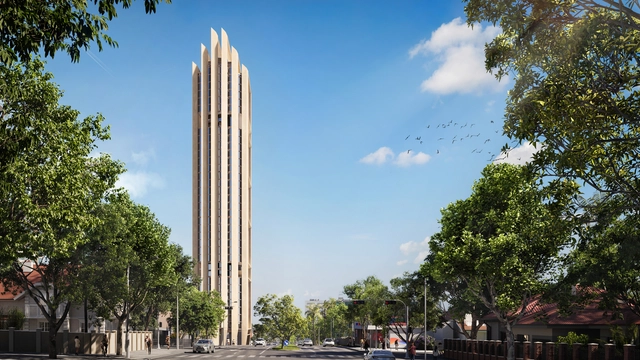
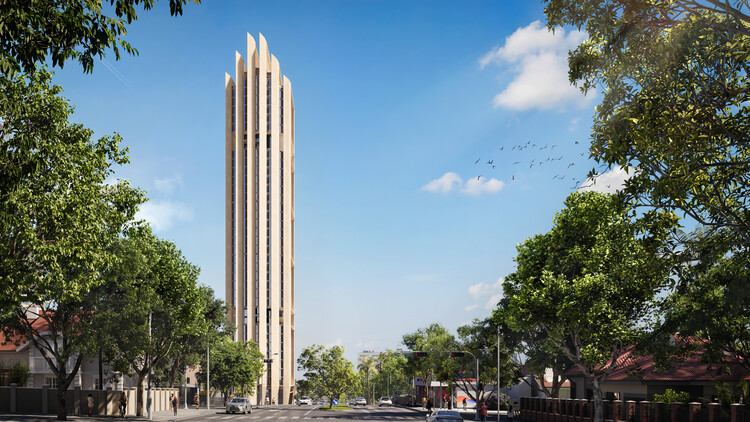
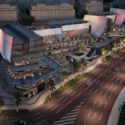
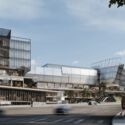
The 39 storey Sudameris Plaza office tower. Image Courtesy of Foster + Partners
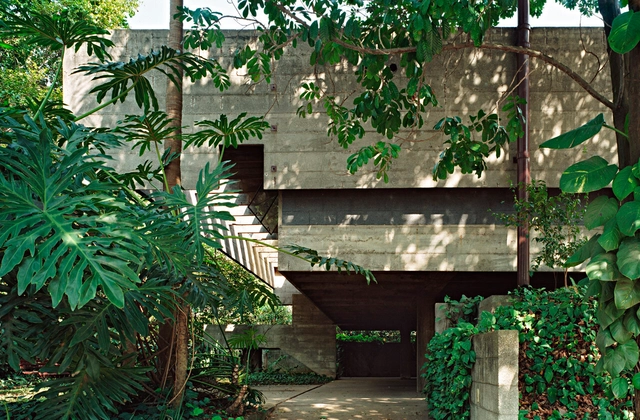
Foster + Partners has won an international competition to design the headquarters of Sudameris Bank in Asunción, Paraguay. The project, named Sudameris Plaza, is a 39-storey office tower featuring an exposed concrete frame and an angular form. It includes a landscaped plaza, art gallery, auditorium, and a large public garden at the tower's base. The studio aims to integrate greenery throughout the shared spaces of the building, fostering a strong connection with nature from within the tower.
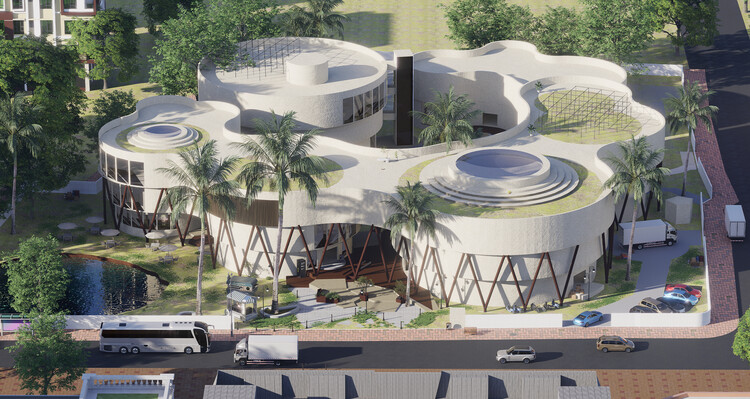
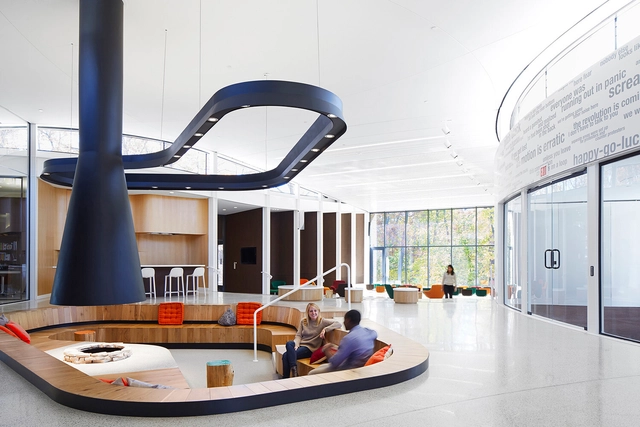
From forest-inspired offices in Sweden to jungle-nest clubhouses in Tulum, mixed-use architecture continues to evolve as a tool for integrated living. As cities grow and our expectations of public, private, and commercial space shift, designers are increasingly rethinking how different functions including work, play, rest, learning, can coexist in a single architectural language. These projects suggest that buildings and projects no longer need to silo activities, but rather choreograph them to reflect the rhythms of everyday life.
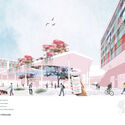
This collection, submitted by the ArchDaily community, presents a global spectrum of approaches to mixed-use design, from large-scale masterplans to conceptual theses. What ties them together is a commitment to spatial overlap, ecological sensitivity, and reimagined programs that prioritize user experience. Whether it's a student dormitory in Tehran, a public plaza in Cairo, or a community hub in Texas, each project embraces complexity to create spaces that are alive with interaction, transformation, and meaning.
Architecture is going through transformative times, and so are the platforms that shape how we understand it.
Earlier this year, I addressed you directly to share our vision for 2025: a commitment to reaffirm ArchDaily's mission, elevate our editorial voice, and strengthen our role as a trusted, critical resource for architects worldwide. That message marked the beginning of a new chapter, one grounded in relevance, clarity, and purposeful action.
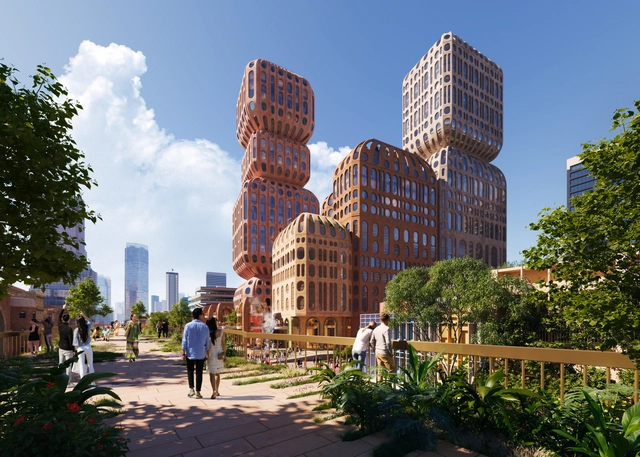
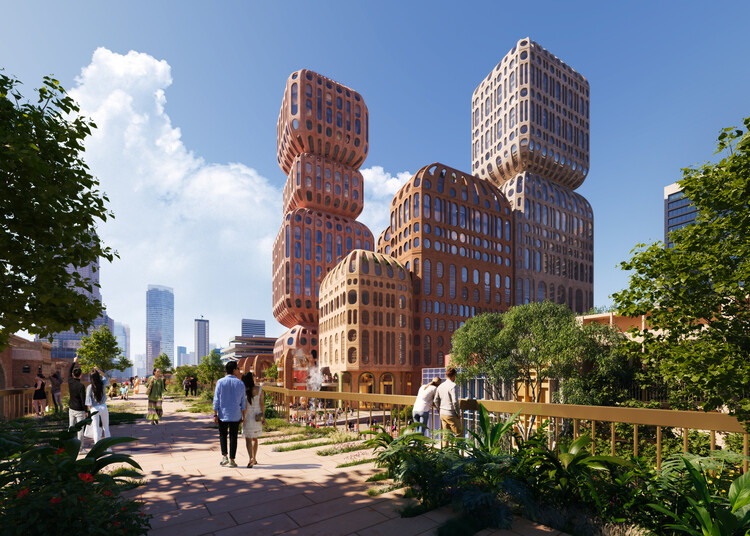
Heatherwick Studio has unveiled the first design images of Hatai, a new public space and two hotels in the heart of Bangkok's Silom district. The complex marks the studio's first project in Thailand and is located on the historic site of the original Narai Hotel, within a bustling business area. The project envisions 5,200 square metres of new public space, including elevated walkways and a publicly accessible ground level with retail and services. The building design draws inspiration from the craftsmanship of traditional Thai lanterns, featuring a series of stacked, rounded forms.
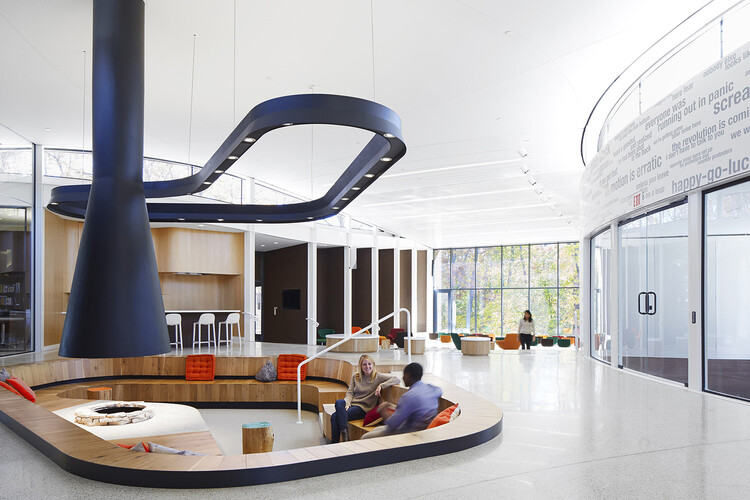
Fireplaces have profoundly shaped architectural design, influencing how spaces are organized, experienced, and perceived. More than merely functional elements, they represent symbols of power, community, comfort, and culture, tracing humanity's evolving relationship with the built environment. From the primitive hearths that characterized early human settlements to the sophisticated ecological designs of contemporary architecture, fireplaces have reflected broader cultural, social, and technological changes, serving as enduring focal points in the spatial narrative of architecture. Scholars have frequently explored the intimate relationship between architecture and fire. Luis Fernández-Galiano, in his seminal work "Fire and Memory: On Architecture and Energy" argues that architecture fundamentally mediates the relationship between humanity and energy. By understanding how these structures have shaped spaces, symbolized cultural values, and driven technological innovation, we gain deeper insight into architecture's complex interplay between form, function, and meaning.
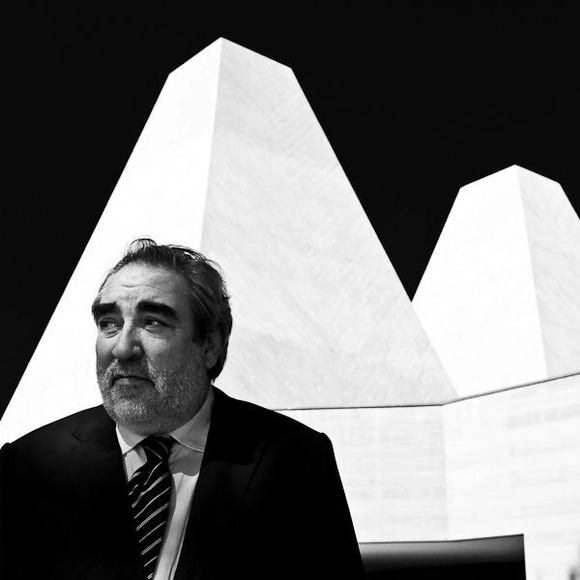
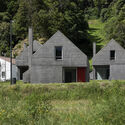
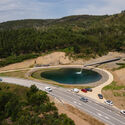
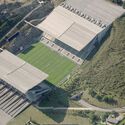
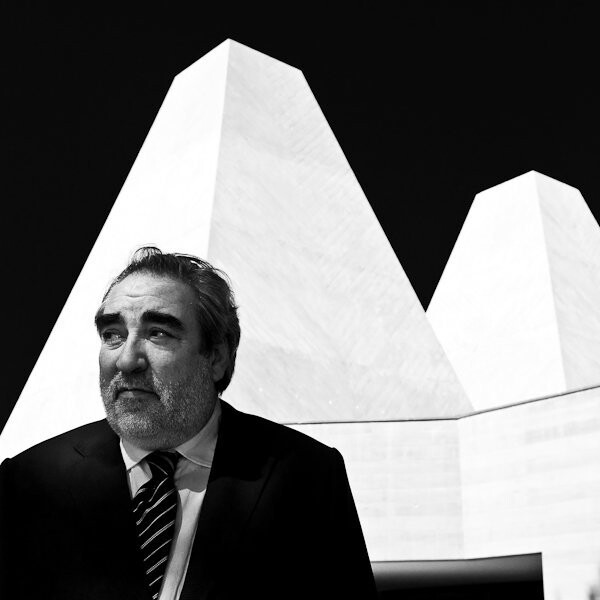
The Japan Art Association has named Portuguese architect Eduardo Souto de Moura as the 2025 Praemium Imperiale Laureate for Architecture. Now in its 36th edition, the award honors artists for their lifetime achievements in the fields of Painting, Sculpture, Architecture, Music, and Theater/Film. The Praemium Imperiale was established in 1988 to recognize individuals whose work has contributed significantly to the enrichment of the global cultural landscape. Souto de Moura was recognized for producing architecture that thoughtfully engages with the present moment while maintaining a timeless quality.
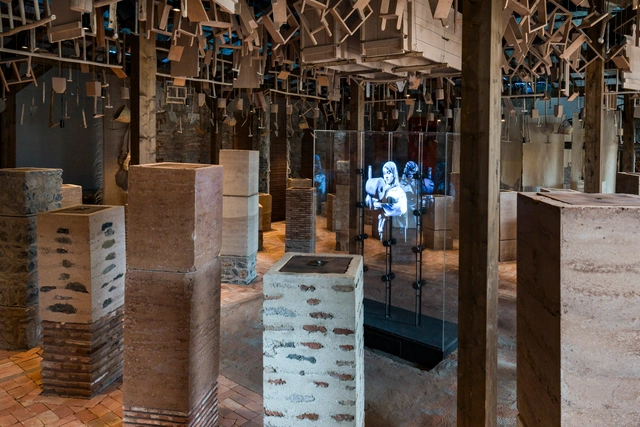
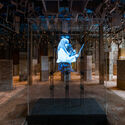
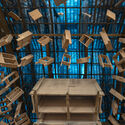
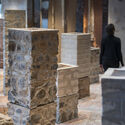
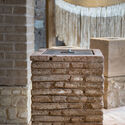
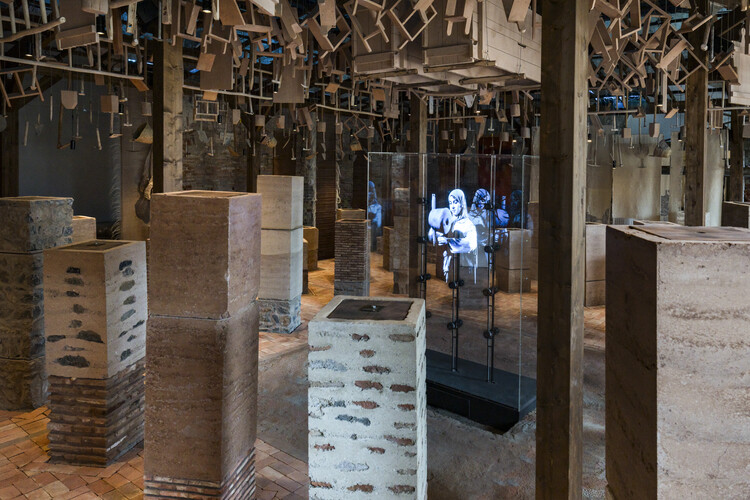
The Kingdom of Morocco's exhibition at the 19th International Architecture Exhibition – La Biennale di Venezia highlights Moroccan earth architecture and traditional construction techniques. The exhibition, titled Materiae Palimpsest, was curated by architects Khalil Morad El Ghilali and El Mehdi Belyasmine. In an exploration that blends ancient techniques with digital technologies, the exhibit features textile works by architect and artist Soumyia Jalal, along with holograms of artisans and tactile installations. The narrative presents earth as a renewable resource and sustainable material, and earth construction as a key to both preserving architectural heritage and addressing contemporary ecological and social challenges. Materiae Palimpsest offers an invitation to rethink architecture's current relationship with building materials, opening the way to locally rooted construction methods.
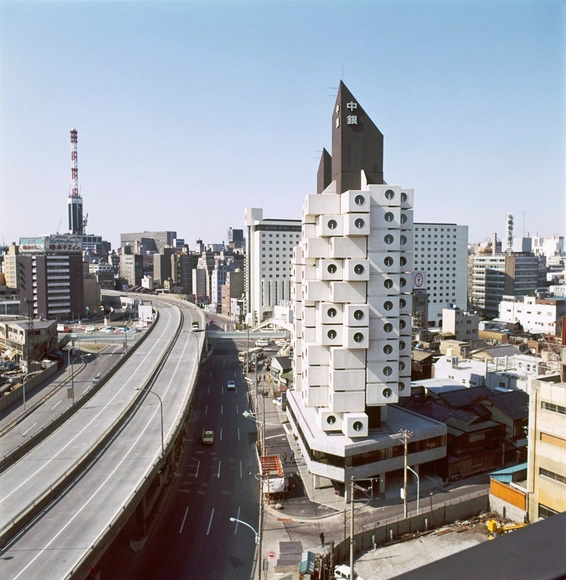
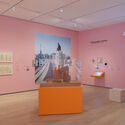
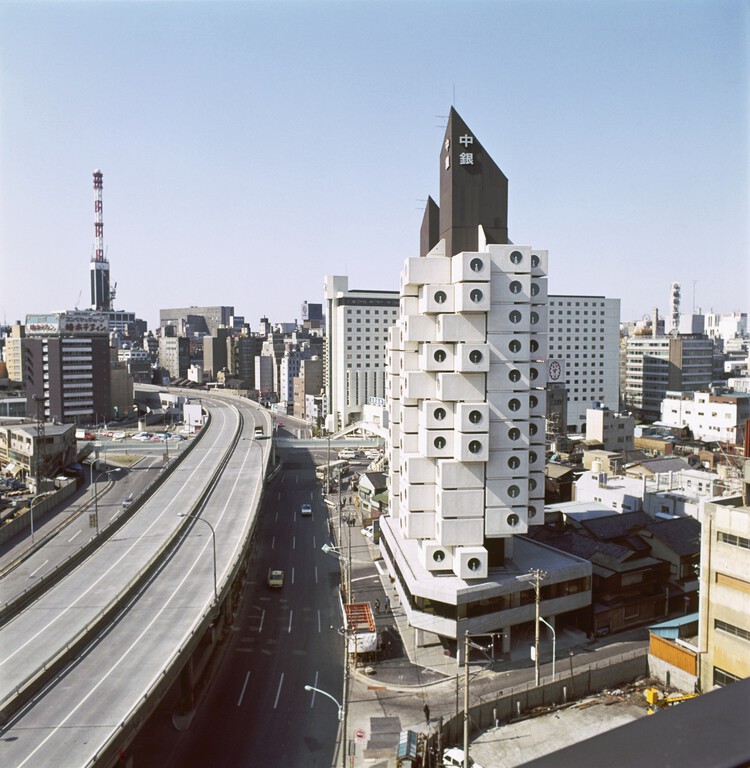
The Museum of Modern Art (MoMA) in New York is hosting an exhibition dedicated to Japanese architect Kisho Kurokawa's Nakagin Capsule Tower from July 10, 2025, through July 12, 2026. Titled The Many Lives of the Nakagin Capsule Tower, the exhibition offers a retrospective on the building's 50-year lifespan. Constructed in Tokyo's Ginza district in 1972 and dismantled in 2022, the tower is presented through contextual materials, original drawings, archival recordings, and a fully restored capsule. The exhibition invites reflection on how cities address aging buildings and the rapid transformation of urban areas. The diverse materials documenting the tower's continuous evolution over five decades encourage viewers to consider how architecture might endure by taking on new roles and functions beyond its original purpose.
In 1982, at a conference on earth building in Tucson, Arizona, an unusual presentation challenged everything architects thought they knew about rural resources. Instead of focusing on construction techniques, the presenter, architect Pliny Fisk III, spread out a series of hand-drawn maps that revealed something extraordinary - rural Texas wasn't resource-poor, as conventional wisdom suggested, but material-rich beyond imagination. The maps showed volcanic ash perfect for lightweight concrete, caliche deposits stretching across vast territories, and mesquite forests that could supply both hardwood flooring and insulation. The revelation redefined prevailing notions of value in architecture.
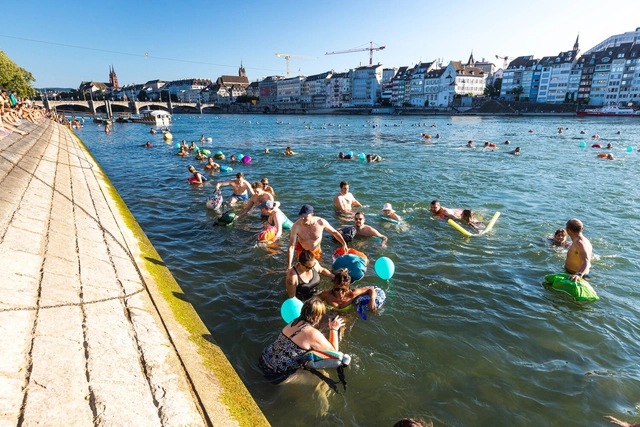
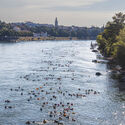
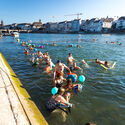
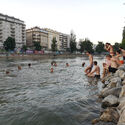
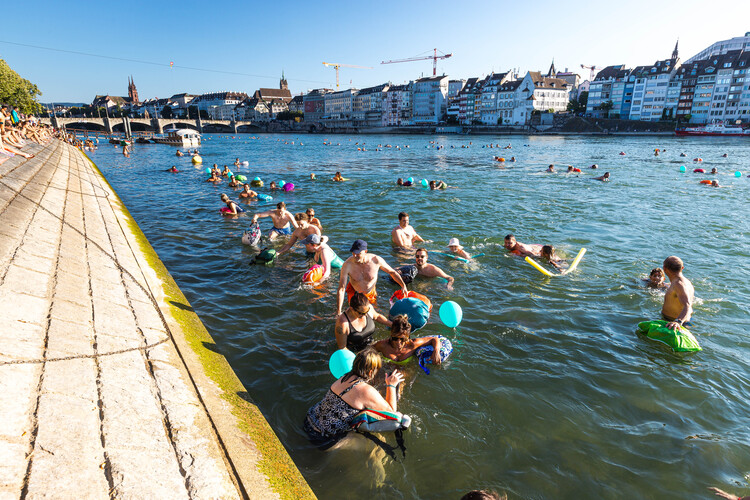
Swimmable Cities is an alliance of 153 signatory organizations across 59 cities in 22 countries, supporting the global movement for swimmable urban waterways. In the context of increasing urbanization, climate change, and biodiversity loss, the initiative aims to reclaim rivers and harbors as public spaces for communities to enjoy and benefit from bathing. It advocates for urban waterways to be made safe, healthy, and accessible for both swimmers and wildlife, calling for cross-border collaboration to develop improvement strategies and collect data to evaluate "swimmability." This call becomes especially relevant amid rising global temperatures and growing inequalities in access to public infrastructure in major cities. The movement's 10-point charter begins with the affirmation of "the right to swim," celebrating urban swimming culture and recognizing the historical significance of water.
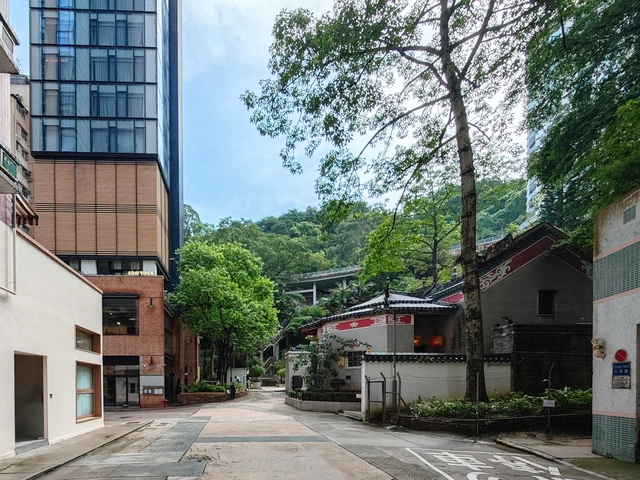
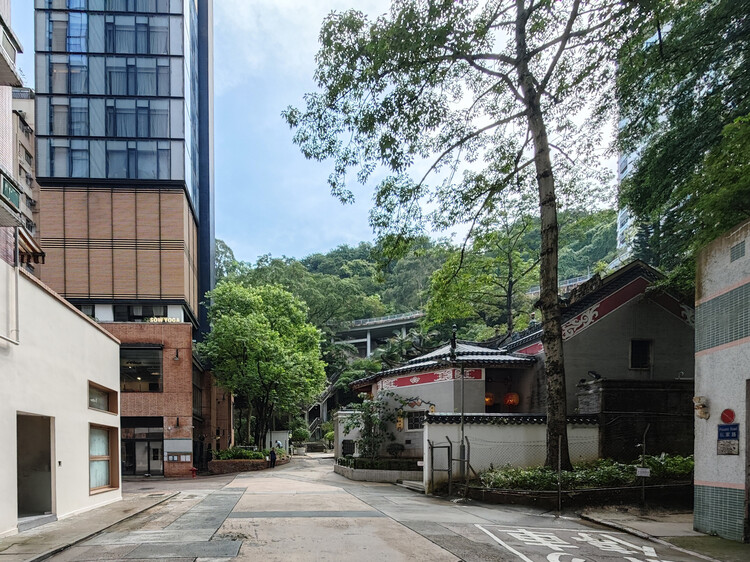
One notable example is Tai Hang, among the earlier settlements established by the Hakka people in Hong Kong. Originally located along a water channel that flowed from the nearby mountains to the sea, the area was once a vital washing site for villagers—hence its name, which literally means "Big Drainage." Before extensive land reclamation, Tai Hang sat quite close to the shoreline. Today, it lies nearly 700 meters inland.
Scandinavian design has long been admired for its minimalist aesthetic and functionality, which places value in the simple things, deeply rooted in the concept of Hygge. This reverence goes beyond interior design and extends also to the natural world, resulting in high-quality architecture and landscape installation design that enhances human connection to untouched environments. Rather than imposing grand structures upon the environment, the Scandinavian approach is one of subtle and precise intervention. These projects are not meant to dominate but to enter into a dialogue with the existing landscape, using thoughtful design to potentiate its inherent shape, color, and texture. The goal is to complement and enhance, creating spaces that serve a functional purpose while simultaneously deepening the visitor's connection to their surroundings.
Seeking to create a fluid dialogue between architecture and its surrounding landscape, the study of topography embodies an awareness and exploration of the use of materials, self-sufficient strategies, low-maintenance solutions, and landscape designs that integrate into the natural environment and minimize the environmental impact of projects. Beyond recording variations in elevation, sun orientation, prevailing winds, or drainage slopes of the terrain, several architects in Argentina demonstrate a strong interest in developing architectural solutions capable of adapting to natural geographies and restoring the bond between nature and the human being.
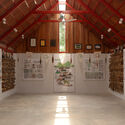
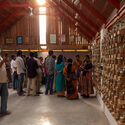
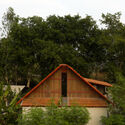
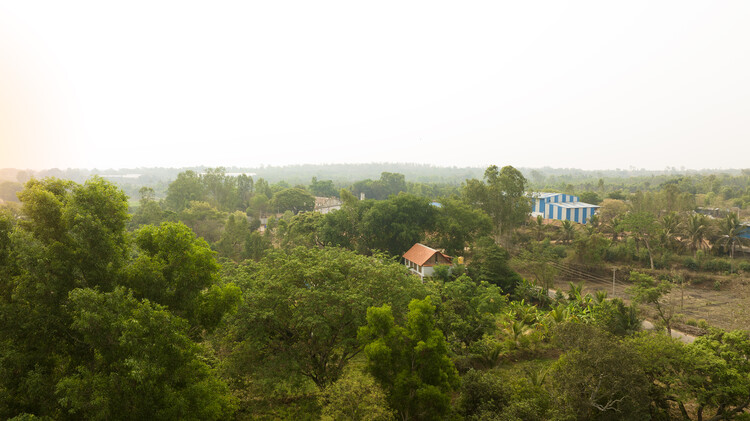
Located on a farm in southern India, the Rice Museum occupies the upper floor of Syed Ghani's home, nestled in the verdant agricultural landscape of Mandya — a region shaped by brick structures, expansive greenery, and ancestral farming knowledge. Syed Ghani, a farmer, historian, and museologist, has dedicated himself to preserving indigenous rice varieties through seed conservation, proliferation, and educational initiatives. With the support of local farmers, he has helped recover more than 1,000 native paddy (rice) varieties, safeguarding an essential part of India's agricultural heritage.
Every year, World Population Day is observed on July 11th, aiming to increase people's awareness of various population issues, such as the importance of urbanization, genderequality, poverty, health, and human rights. In 2025, under the theme "Empowering Youth to Build the Families They Want," the United Nations draws attention to the largest generation of young people in history, many of whom are coming of age in rapidly urbanizing contexts. Urban centers remain key to understanding these demographic patterns, as cities continue to attract populations seeking opportunity, stability, and access to essential services. Today, more than half of the global population resides in urban areas, a share projected to increase to 66% by 2050.
The Royal Institute of British Architects (RIBA) has announced the 20 winners of the 2025 RIBA National Awards, recognising the most significant contributions to architecture across the UK. Presented annually since 1966, the awards celebrate design excellence and provide a valuable snapshot of evolving architectural, cultural, and social trends. This year's winning projects span the length and breadth of the country, from the Isle of Wight to Scotland and Northern Ireland, and represent a wide range of typologies and scales, from major institutional buildings to small-scale residential and community-focused interventions.
As cities worldwide navigate evolving social, environmental, and cultural priorities, recent project announcements showcase how architecture is increasingly conceived as both civic infrastructure and a catalyst for collective identity. From Populous' new stadium design in Thessaloniki that blurs the lines between sport and urban life, to HENN's transparent cultural stage in Augsburg that invites community participation, these projects illustrate architecture's expanding role beyond its immediate function. In Luxembourg, Schmidt Hammer Lassen's work for the European Investment Bank reimagines institutional spaces through sustainability and heritage, while SLA and GHD's new island community in Toronto pushes forward nature-based, climate-adaptive urbanism. This edition ofArchitecture Now brings together diverse yet interconnected efforts to shape how architecture can support long-term ecological, cultural, and civic impact.