1. ArchDaily
  2. Earth Construction

Earth Construction: The Latest Architecture and News

Kéré Architecture Breaks Ground on Museum Ehrhardt in Plüschow, Germany

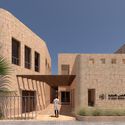
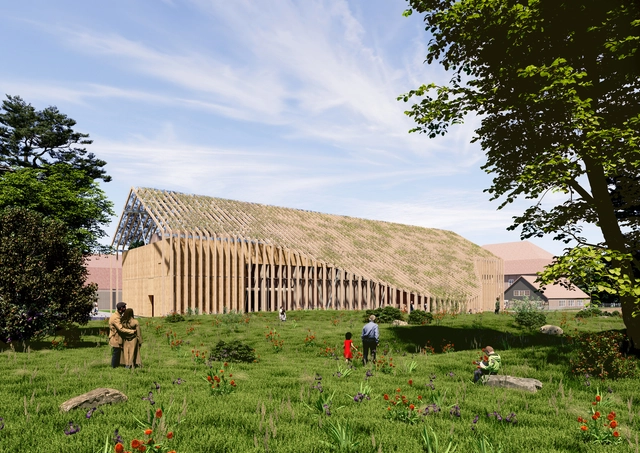
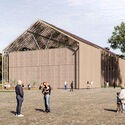
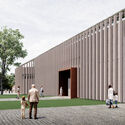
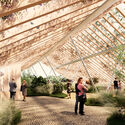
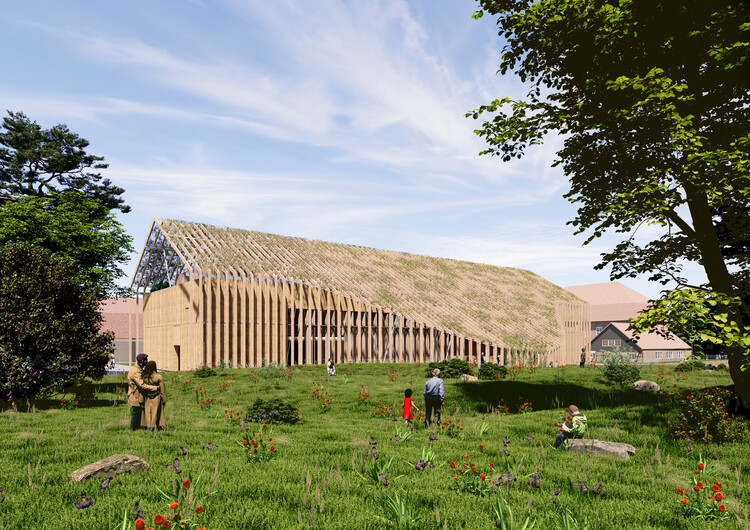
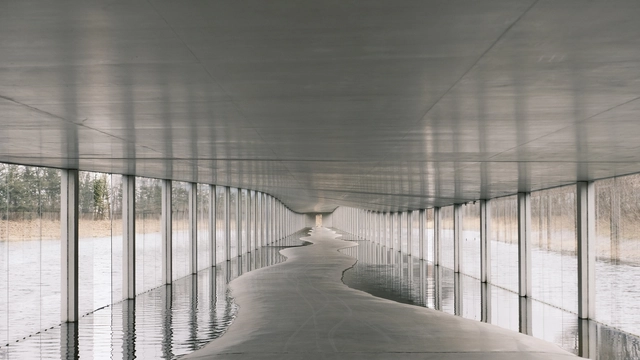
Construction has officially begun on the Museum Ehrhardt in Plüschow, northeast Germany, marking the first cultural project in Germany by Francis Kéré and his firm Kéré Architecture, as well as their first museum building in Europe. Developed in cooperation with HK Architekten and Hermann Kaufmann + Partner ZT GmbH, the 1,400-square-meter museum will be dedicated to photography and contemporary art. The initiative was launched by Dr. Jens Ehrhardt, son of the artist Alfred Ehrhardt (1901–1984), together with his wife Elke Weicht-Ehrhardt, to honor the painter, photographer, and filmmaker who was a leading figure of Germany's New Objectivity movement. The museum will stand near the Baltic Sea, adjacent to Schloss Plüschow, an artist residency and gallery.

Kéré Architecture Breaks Ground on Museum Ehrhardt in Plüschow, Germany - Image 1 of 4Kéré Architecture Breaks Ground on Museum Ehrhardt in Plüschow, Germany - Image 2 of 4Kéré Architecture Breaks Ground on Museum Ehrhardt in Plüschow, Germany - Image 3 of 4Kéré Architecture Breaks Ground on Museum Ehrhardt in Plüschow, Germany - Image 4 of 4Kéré Architecture Breaks Ground on Museum Ehrhardt in Plüschow, Germany - More Images+ 26

Moroccan Pavilion at the Venice Architecture Biennale Showcases Earth as a Sustainable Building Material

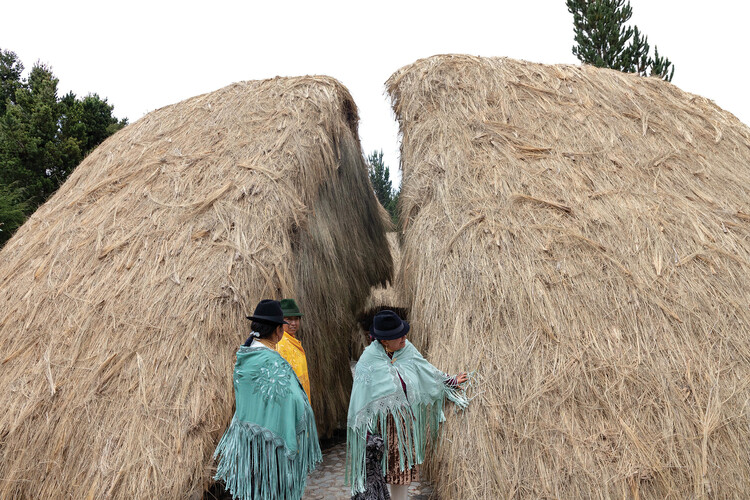
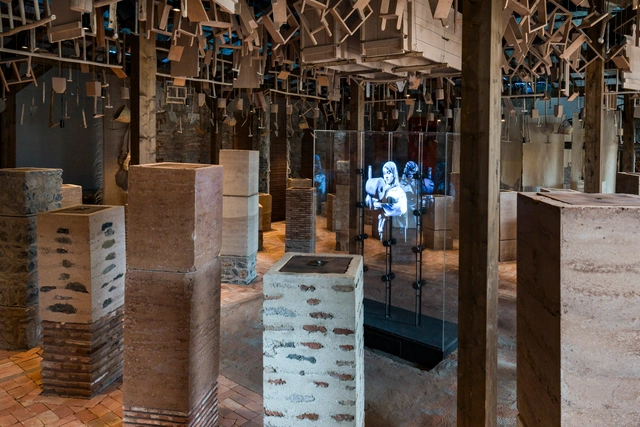
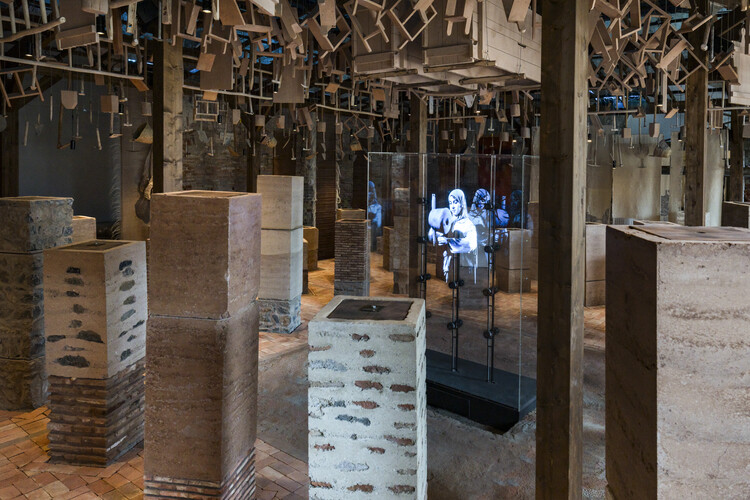
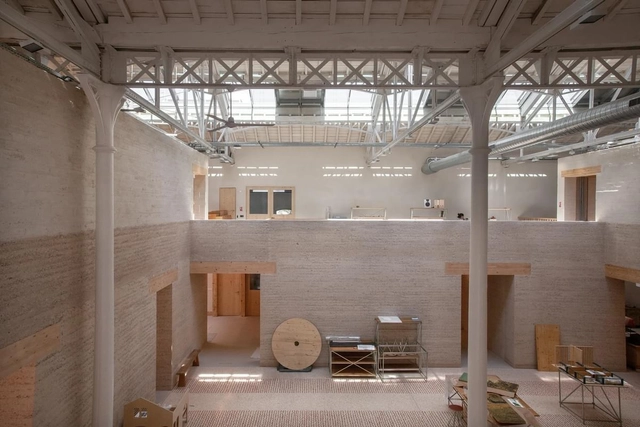
The Kingdom of Morocco's exhibition at the 19th International Architecture Exhibition – La Biennale di Venezia highlights Moroccan earth architecture and traditional construction techniques. The exhibition, titled Materiae Palimpsest, was curated by architects Khalil Morad El Ghilali and El Mehdi Belyasmine. In an exploration that blends ancient techniques with digital technologies, the exhibit features textile works by architect and artist Soumyia Jalal, along with holograms of artisans and tactile installations. The narrative presents earth as a renewable resource and sustainable material, and earth construction as a key to both preserving architectural heritage and addressing contemporary ecological and social challenges. Materiae Palimpsest offers an invitation to rethink architecture's current relationship with building materials, opening the way to locally rooted construction methods.

Moroccan Pavilion at the Venice Architecture Biennale Showcases Earth as a Sustainable Building Material - 1 的图像 4Moroccan Pavilion at the Venice Architecture Biennale Showcases Earth as a Sustainable Building Material - 2 的图像 4Moroccan Pavilion at the Venice Architecture Biennale Showcases Earth as a Sustainable Building Material - 3 的图像 4Moroccan Pavilion at the Venice Architecture Biennale Showcases Earth as a Sustainable Building Material - 4 的图像 4Moroccan Pavilion at the Venice Architecture Biennale Showcases Earth as a Sustainable Building Material - More Images+ 17

The Nubian Vault: Reviving Ancient Techniques for Modern Solutions

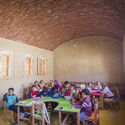
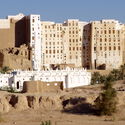
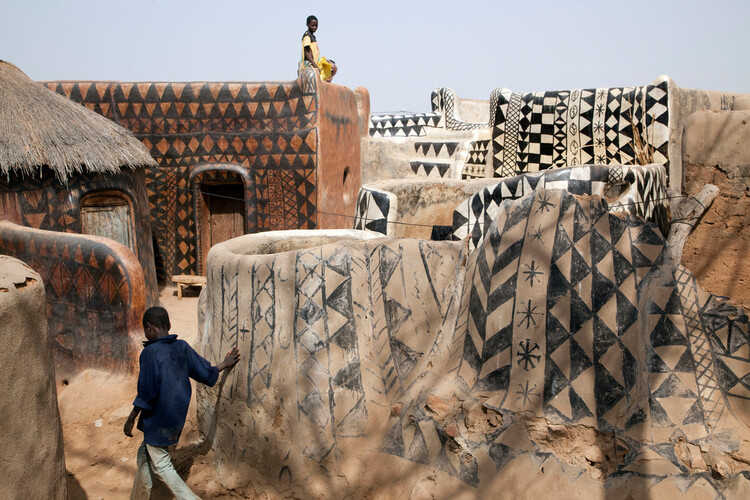
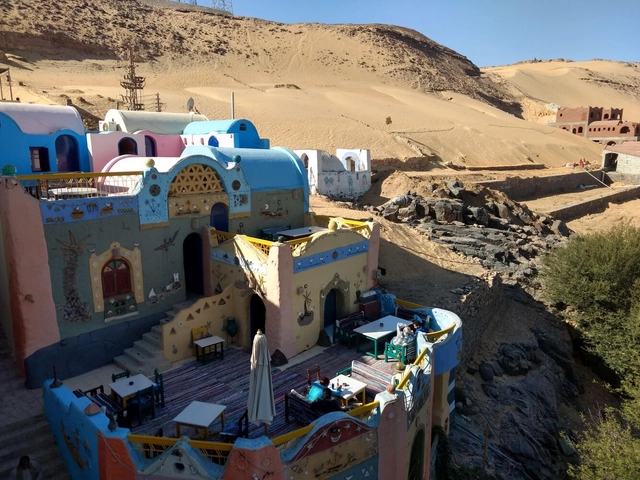
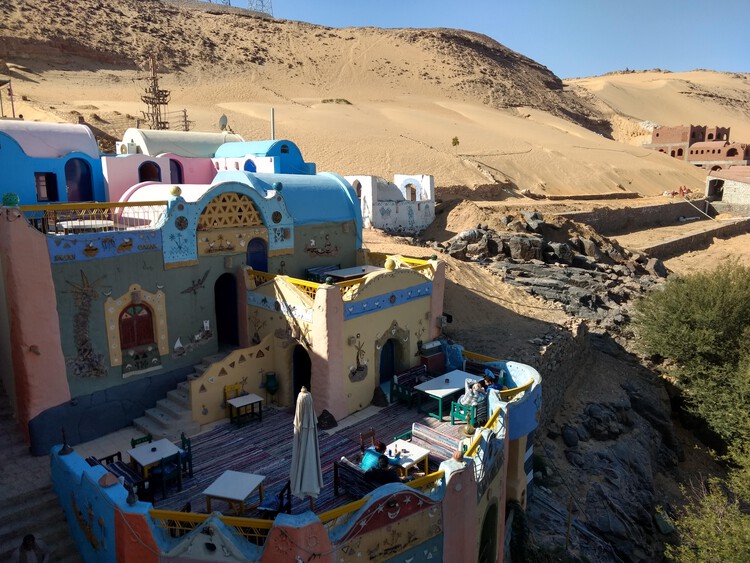
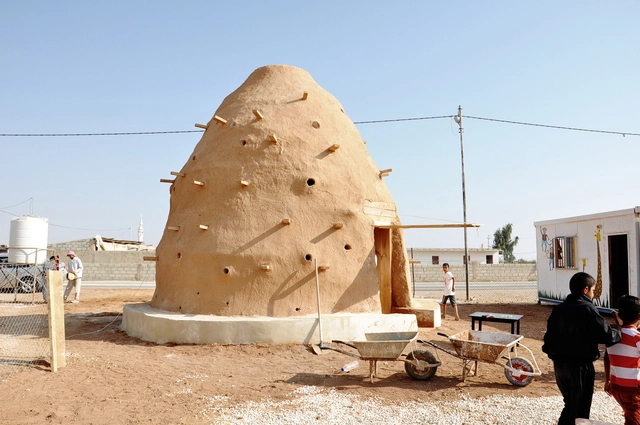
The colorful houses of Aswan in the south of modern-day Egypt attract tourists who venture that far up the River Nile. Accessed by small river boats, islands like Suheil West are the homes of Nubian communities, some of whom had had to relocate after the building of the Aswan High Dam in the 1960s. Behind the picturesque views of plastered walls covered in murals and motifs, perched on rocky hills overlooking the Nile, is a construction technique used locally for centuries. It uses locally sourced materials, conserves nature, and regulates internal temperatures against the heat in the day and the cold at night.

The Nubian Vault: Reviving Ancient Techniques for Modern Solutions - 1 的图像 4The Nubian Vault: Reviving Ancient Techniques for Modern Solutions - 2 的图像 4The Nubian Vault: Reviving Ancient Techniques for Modern Solutions - 3 的图像 4The Nubian Vault: Reviving Ancient Techniques for Modern Solutions - 4 的图像 4The Nubian Vault: Reviving Ancient Techniques for Modern Solutions - More Images+ 8

Bauhaus Earth Announces 2025 Experimental Fellows to Investigate Earth's Role in Contemporary Design

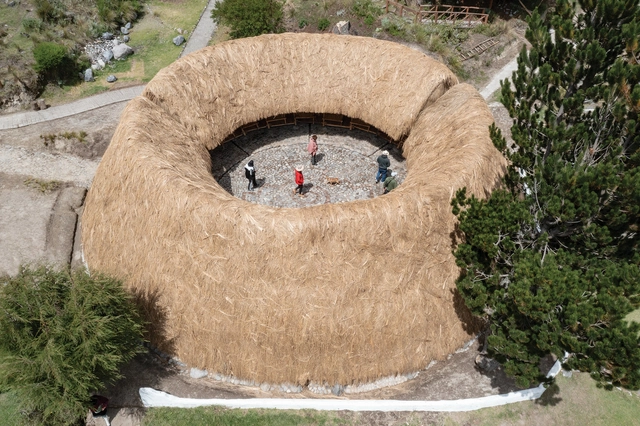
Maria Lisogorskaya and Kaye Song from the London-based collective Assemble, along with Lviv-based architects Anna Pomazanna and Mykhailo Shevchenko, have been announced as the 2025 Experimental Fellows at Bauhaus Earth. Selected from 120 submissions, their projects are set to explore earth as a material in contemporary architecture. The annual Bauhaus Earth Fellowship program was established in 2022 by architect Prof. Regine Leibinger. It aims to support diverse projects that explore new modes of practice across various geographies, that can contribute to ecological and social resilience. Fellows receive financial support, mentorship, and access to a network encouraging collaboration among architects, manufacturers, and local stakeholders.
Bauhaus Earth Announces 2025 Experimental Fellows to Investigate Earth's Role in Contemporary Design - Image 1 of 4Bauhaus Earth Announces 2025 Experimental Fellows to Investigate Earth's Role in Contemporary Design - Image 2 of 4Bauhaus Earth Announces 2025 Experimental Fellows to Investigate Earth's Role in Contemporary Design - Image 3 of 4Bauhaus Earth Announces 2025 Experimental Fellows to Investigate Earth's Role in Contemporary Design - Image 4 of 4Bauhaus Earth Announces 2025 Experimental Fellows to Investigate Earth's Role in Contemporary Design - More Images+ 16

"Architecture that Responds to the Memory of a Place": In Conversation with Sumaya Dabbagh

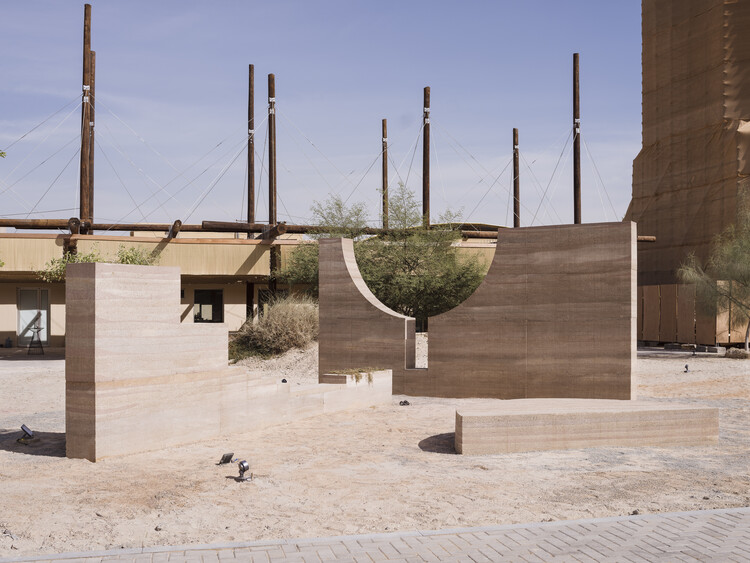
Sumaya Dabbagh, the founder of Dabbagh Architects, based in the UAE, stands at the forefront of architectural innovation with a focus on identity and connection to place. Her recent participation in the Sharjah Architecture Triennial’s second edition “Earth to Earth" is a showcase of cumulative ideas that Dabbagh Architects has been fostering through their projects. Onsite in Sharjah, ArchDaily had the chance to speak to the architect about her exploration at the Triennial, as well as her broader architecture practice and its impact on the Global South.

"Architecture that Responds to the Memory of a Place": In Conversation with Sumaya Dabbagh - Image 1 of 4"Architecture that Responds to the Memory of a Place": In Conversation with Sumaya Dabbagh - Image 5 of 4"Architecture that Responds to the Memory of a Place": In Conversation with Sumaya Dabbagh - Image 2 of 4"Architecture that Responds to the Memory of a Place": In Conversation with Sumaya Dabbagh - Image 3 of 4Architecture that Responds to the Memory of a Place: In Conversation with Sumaya Dabbagh - More Images+ 10

Breaking Ground: "Soil Sisters" and SOM Foundation Pioneer Green Architectural Innovation

The “Soil Sisters” initiative explores how architectural design and sustainable material practices can contribute to soil nutrition and resilience. Partnering with SOM Foundation, their joint effort has resulted in an exhibition aiming to redefine our understanding of “environmentally conscious practices.” Titled “Soil Sisters: A Ceiling, A Chair and Table, A Wall and a Threshold,” the display showcases their dedication to redefining soil health as a cross-sectoral objective by emphasizing materiality and color in the built environment.

Breaking Ground: "Soil Sisters" and SOM Foundation Pioneer Green Architectural Innovation - Image 1 of 4Breaking Ground: "Soil Sisters" and SOM Foundation Pioneer Green Architectural Innovation - Image 2 of 4Breaking Ground: "Soil Sisters" and SOM Foundation Pioneer Green Architectural Innovation - Image 3 of 4Breaking Ground: "Soil Sisters" and SOM Foundation Pioneer Green Architectural Innovation - Image 4 of 4Breaking Ground: Soil Sisters and SOM Foundation Pioneer Green Architectural Innovation - More Images+ 6

What Is the Difference Between Hand-Rammed Earth and Rammed Earth With a Mold?

Subscriber Access | 

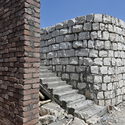
The historical journey of construction also tells the story of humanity. The enduring examples from the past reveal insights into their specific contexts, and the remnants that have survived the elements and decay narrate the development of human technology. In the early days of construction, the common (and often the only) practice available to humans was to use locally available raw materials. For many, this meant building with clay.

What Is the Difference Between Hand-Rammed Earth and Rammed Earth With a Mold? - Image 1 of 4What Is the Difference Between Hand-Rammed Earth and Rammed Earth With a Mold? - Image 2 of 4What Is the Difference Between Hand-Rammed Earth and Rammed Earth With a Mold? - Image 3 of 4What Is the Difference Between Hand-Rammed Earth and Rammed Earth With a Mold? - Image 4 of 4What Is the Difference Between Hand-Rammed Earth and Rammed Earth With a Mold? - More Images+ 7

"3-Minute Pavilion" by WallMakers Explores Waste and Material Scarcity at the Sharjah Triennial 2023

The Sharjah Architecture Triennial opened on November 11, 2023, with the theme of The Beauty of Impermanence: An Architecture of Adaptability. Curated by Tosin Oshinowo, the program focused heavily on the Global South and alternative models the region can provide in the future. As part of the Triennial, the “3-Minute Corridor” pavilion by WallMakers explores our waste on a global scale, exploring methodologies of material reuse.
"3-Minute Pavilion" by WallMakers Explores Waste and Material Scarcity at the Sharjah Triennial 2023 - Image 1 of 4"3-Minute Pavilion" by WallMakers Explores Waste and Material Scarcity at the Sharjah Triennial 2023 - Image 2 of 4"3-Minute Pavilion" by WallMakers Explores Waste and Material Scarcity at the Sharjah Triennial 2023 - Image 3 of 4"3-Minute Pavilion" by WallMakers Explores Waste and Material Scarcity at the Sharjah Triennial 2023 - Image 4 of 43-Minute Pavilion by WallMakers Explores Waste and Material Scarcity at the Sharjah Triennial 2023 - More Images+ 3