

Sumaya Dabbagh, the founder of Dabbagh Architects, based in the UAE, stands at the forefront of architectural innovation with a focus on identity and connection to place. Her recent participation in the Sharjah Architecture Triennial’s second edition “Earth to Earth" is a showcase of cumulative ideas that Dabbagh Architects has been fostering through their projects. Onsite in Sharjah, ArchDaily had the chance to speak to the architect about her exploration at the Triennial, as well as her broader architecture practice and its impact on the Global South.
Earth Construction: The Latest Architecture and News
"Architecture that Responds to the Memory of a Place": In Conversation with Sumaya Dabbagh


https://www.archdaily.com/1013468/architecture-that-responds-to-the-memory-and-people-of-a-place-in-conversation-with-sumaya-dabbaghNour Fakharany
The Future Beneath Our Feet: Soil-Cement Bricks and the Path to Sustainable Construction
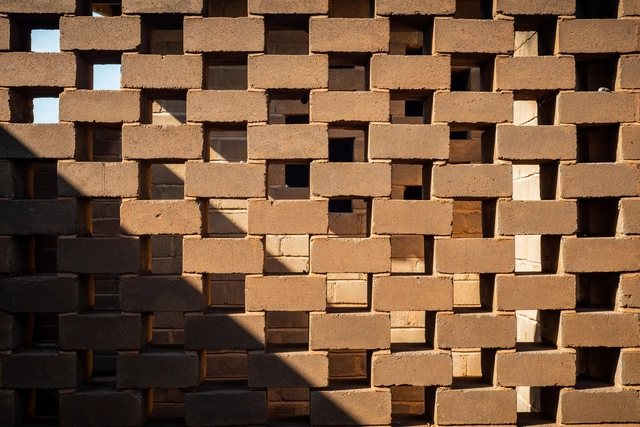
Bricks are part of the collective imagination when thinking about construction. These are elementary, ubiquitous, modular, light, and reliable materials for erecting buildings. However, traditional ceramic block manufacturing relies on burning clay in kilns at high temperatures, often powered by non-renewable fossil fuels such as coal or natural gas. Furthermore, the transportation process significantly increases its environmental footprint, as the materials are heavy and bulky. In light of this, there is a growing interest in alternative construction materials that offer a lower environmental impact and greater sustainability. Soil cement bricks –or Compressed Stabilized Earth Blocks– are a good example of an existing alternative, as they have a smaller environmental footprint due to their use of local raw materials and the elimination of the burning process, while maintaining many of the intrinsic qualities of traditional bricks.
https://www.archdaily.com/1013235/the-future-beneath-our-feet-soil-cement-bricks-and-the-path-to-sustainable-constructionEduardo Souza
Breaking Ground: "Soil Sisters" and SOM Foundation Pioneer Green Architectural Innovation
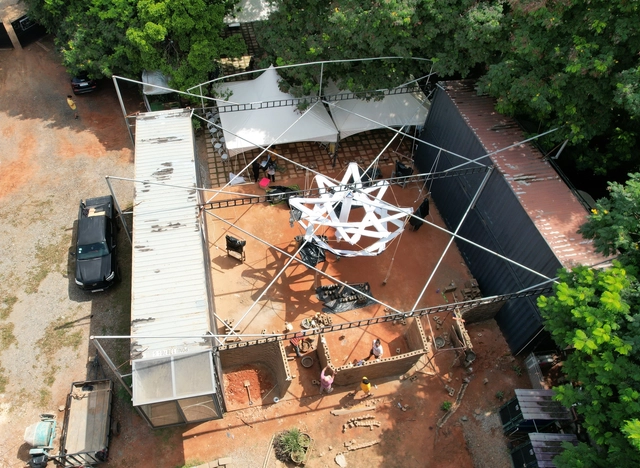
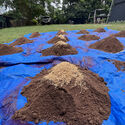
The “Soil Sisters” initiative explores how architectural design and sustainable material practices can contribute to soil nutrition and resilience. Partnering with SOM Foundation, their joint effort has resulted in an exhibition aiming to redefine our understanding of “environmentally conscious practices.” Titled “Soil Sisters: A Ceiling, A Chair and Table, A Wall and a Threshold,” the display showcases their dedication to redefining soil health as a cross-sectoral objective by emphasizing materiality and color in the built environment.


https://www.archdaily.com/1012489/breaking-ground-soil-sisters-and-som-pioneer-green-architectural-innovationNour Fakharany
What Is the Difference Between Hand-Rammed Earth and Rammed Earth With a Mold?
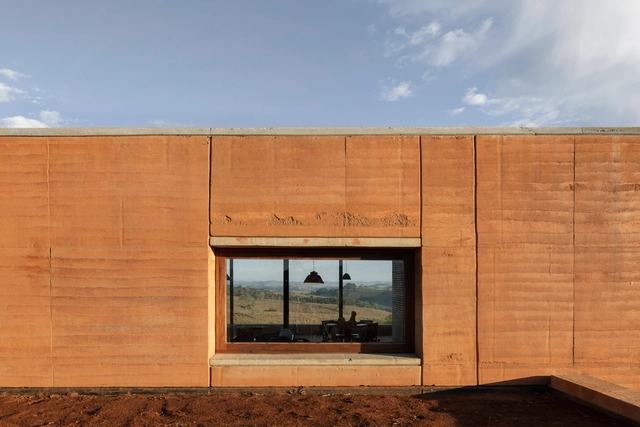
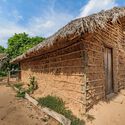
The historical journey of construction also tells the story of humanity. The enduring examples from the past reveal insights into their specific contexts, and the remnants that have survived the elements and decay narrate the development of human technology. In the early days of construction, the common (and often the only) practice available to humans was to use locally available raw materials. For many, this meant building with clay.


https://www.archdaily.com/1011722/what-is-the-difference-between-hand-rammed-earth-and-rammed-earth-with-a-moldHelena Tourinho
"3-Minute Pavilion" by WallMakers Explores Waste and Material Scarcity at the Sharjah Triennial 2023
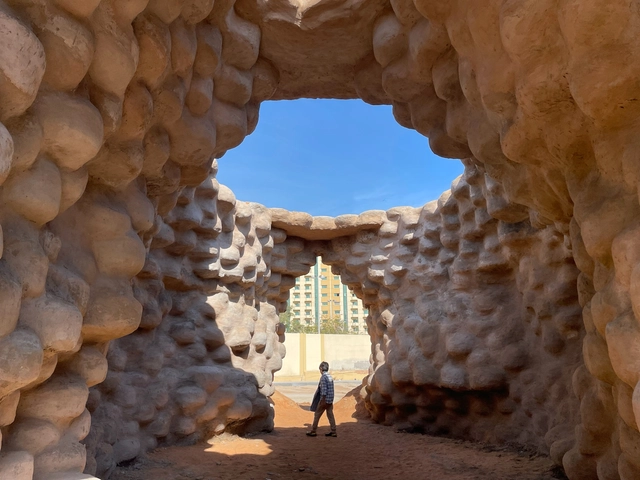
The Sharjah Architecture Triennial opened on November 11, 2023, with the theme of The Beauty of Impermanence: An Architecture of Adaptability. Curated by Tosin Oshinowo, the program focused heavily on the Global South and alternative models the region can provide in the future. As part of the Triennial, the “3-Minute Corridor” pavilion by WallMakers explores our waste on a global scale, exploring methodologies of material reuse.


https://www.archdaily.com/1010475/3-minute-pavilion-by-wallmakers-explores-waste-and-material-scarcity-at-the-sharjah-triennial-2023Nour Fakharany
Designing the Appearance of Rammed Earth Walls: The Interplay Between Natural Clay Colors and Pigmentation
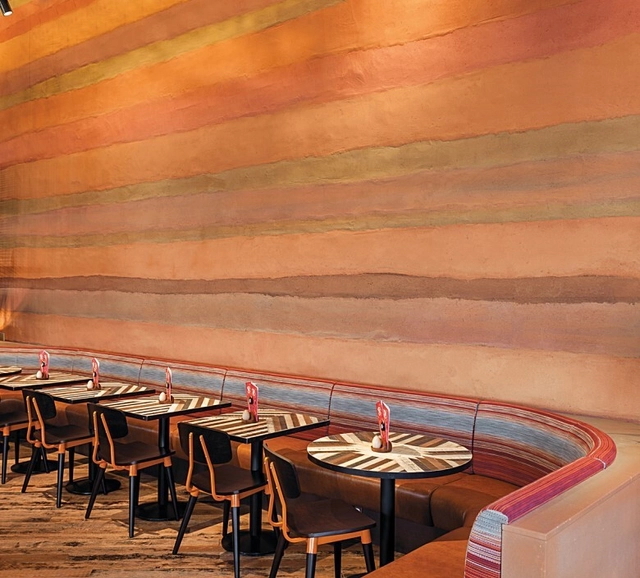
Rammed earth is one of the oldest methods of constructing walls and still holds great potential for modern earth construction. One aspect of this potential is the gift of its colors and layers, which become visible as the formworks are removed, revealing a layered character. As a process that involves the layer-by-layer compression of gravel, sand, silt, and clay, its resulting appearance is a horizontal stratification of earth tones, material content, and curing procedures. This colorful appearance of rammed earth walls can be controlled and explored through patterns, texture, pigmentation, and natural clay colors, offering an opportunity to push its boundaries within architecture.


https://www.archdaily.com/1008525/designing-the-appearance-of-rammed-earth-walls-the-interplay-between-natural-clay-colors-and-pigmentationPaul Yakubu
How to Use Earthy Tones in Architecture: From the Vernacular to the Contemporary
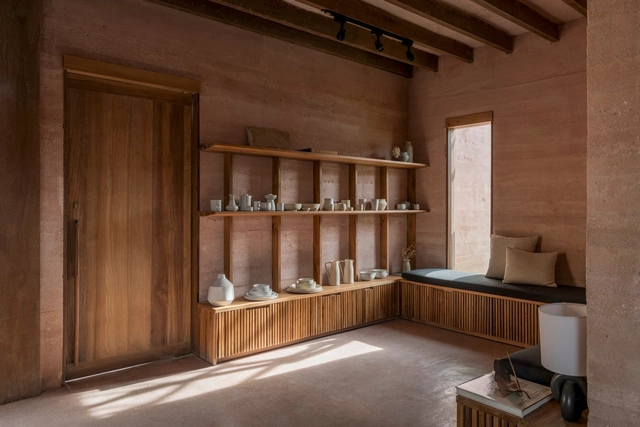
Earthy tones, from those used in traditional vernacular constructions to contemporary interior design trends, are instrumental in crafting inviting, organic, and harmonious environments. These tones encompass a spectrum of shades reminiscent of natural elements such as earth, clay, sand, and stone, fostering a deep connection with nature. They are readily available in various construction materials, paints, and coatings, allowing for captivating texture combinations. In the following section, you'll find inspiring projects that exemplify the potential of these color palettes.

https://www.archdaily.com/1006046/how-to-use-earthy-tones-in-architecture-from-the-vernacular-to-the-contemporaryArchDaily Team
Local Colors in Rammed Earth Construction: 50 Projects Revealing Earth's Vibrant Palette

With the proper know-how, readily available earth, sand, chalk, lime, or gravel can yield a versatile, strong, and durable construction material. Its colorful results vary from region to region, depending on the natural soil component, climate, and treatment. While some prefer to minimize any added processing, others relish the exploration of rammed earth surfaces. Different textures and mesmerizing layers of multitoned or multicolored earth can be used to create a solid surface that enriches the visual quality of a space and carries a sense of warmth to any project.


https://www.archdaily.com/894341/rammed-earth-construction-15-exemplary-projectsHana Abdel
Luce and Pablo's House / Mínimo Común Arquitectura
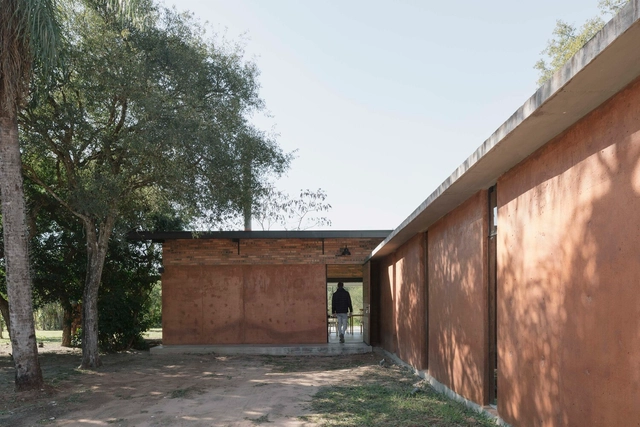


-
Architects: Mínimo Común Arquitectura
- Area: 200 m²
- Year: 2021
https://www.archdaily.com/981207/luce-and-pablo-residence-minimo-comun-arquitecturaClara Ott
Building with Waste: Transforming Excavated Earth into Architecture
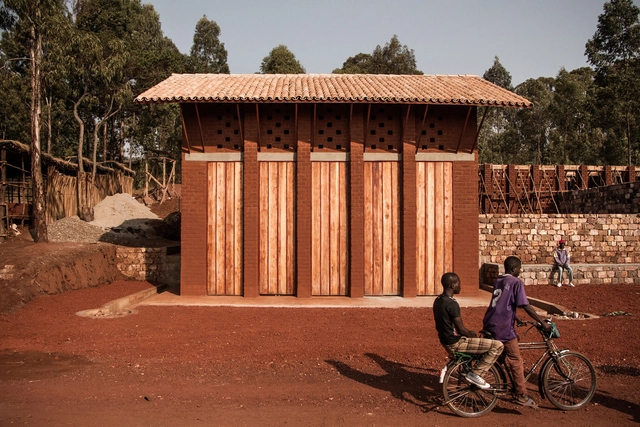
Nowadays, the understanding of our building culture and the application of local construction methods may seem like a distant and obsolete concept given the role of industrialization and globalization in the construction industry. We can now obtain almost any material from around the globe just by searching the internet for a distributor in our region. But this practice has important implications for our society, from the loss of architectural identity to environmental costs related to high CO₂ emissions associated with the processes of extraction, manufacturing, transportation, and disposal of these materials.
The increasing global need to reduce our carbon emissions and use materials in more efficient ways has led us to research and learn about the origin of our region's resources, eventually leading to better understanding their applications within a circular economy approach. But why not look right under our feet? Soil is one of the most common materials on the planet, and when it is locally sourced, it does not generate considerable amounts of embodied CO₂. It seems that after industrialization, we have forgotten that building with earth was for many years a viable construction method for our ancestors in different parts of the world. We spoke with Nicolas Coeckelberghs, one of the four founders of BC Materials, a worker cooperative based in Brussels that has been working with earth, rediscovering its use, and sharing its knowledge on a global scale while working with a local conscience.
https://www.archdaily.com/999074/building-with-waste-transforming-excavated-earth-into-architectureEnrique Tovar
Pioneering the Revival of Earth Architecture: Egypt, France, and India
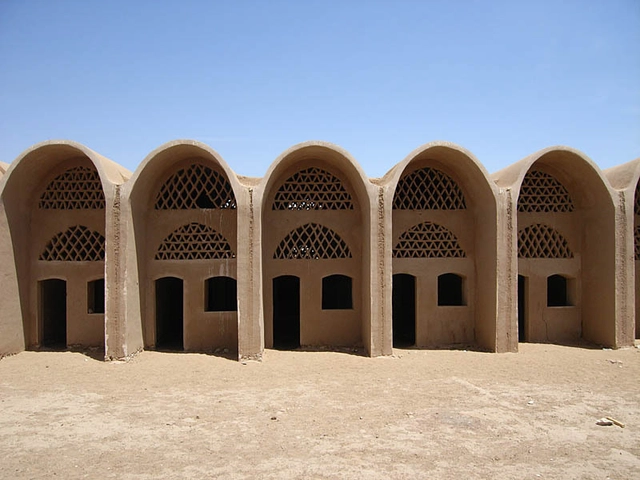
Archaeological endeavors aimed at exploring the civilizations of the past have revealed a commonality across the world. A form of architecture developed independently on every continent. Evidence shows that Neolithic communities used fertile soils and alluvial clay to construct humble abodes, creating humankind’s first durable and solid building material. Earth architecture was born at a very early age in human history. The techniques soon suffered a gradual decline as lifestyles changed, cities grew, and industrialized materials flourished. Does earth architecture have a place in the 21st-century world?


https://www.archdaily.com/992851/pioneering-the-revival-of-earth-architecture-egypt-france-and-indiaAnkitha Gattupalli
MVRDV and GRAS Complete Phase One of Project Gomila in Mallorca, Spain
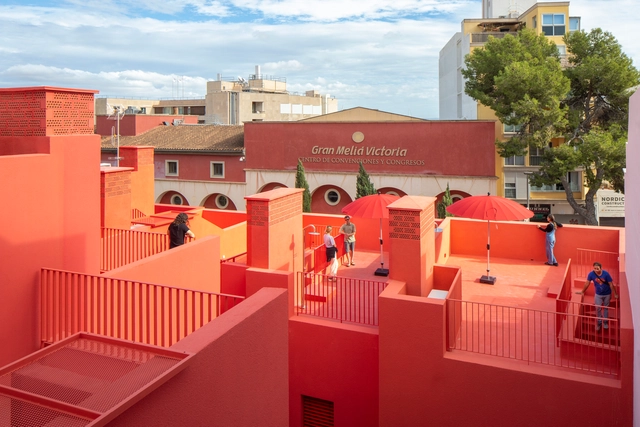
MVRDV and GRAS announced the completion of five of the seven buildings of Project Gomila in Palma de Mallorca, Spain. The residential complex was originally comprised of four existing buildings, adding three new ones for a total of 60 new dwellings and new commercial spaces. The project aligns with revamping the historic neighborhood "El Terreno" as a vibrant and sustainable residential site, home of bohemian nightclubs that hosted iconic musicians such as Jimi Hendrix, Ray Charles, and Tom Jones.





https://www.archdaily.com/994220/mvrdv-and-gras-complete-phase-one-of-residential-complex-in-mallorca-spainPaula Cano
The Science Behind the Resilience of Earth Architecture
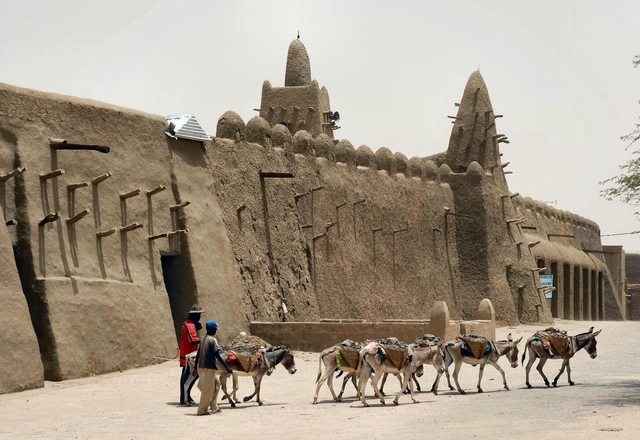
Earth architecture is built on a far-reaching history. Its story continues to be told through aged structures that have stood the test of time. Across the world, indigenous earth construction techniques have been pioneered by many ancient civilizations. Communities originally built shelters from earth - the most readily available material to them - and have passed on their construction techniques through generations. Earth architecture evolved with a careful understanding of land and location. With practices perfected decades ago, it is fascinating to see earth architecture remaining resilient through adversities


https://www.archdaily.com/990660/the-science-behind-the-resilience-of-earth-architectureAnkitha Gattupalli
Meethi-Mishti nu Mati Ghar / SferaBlu Architects + Naman Shah Architects
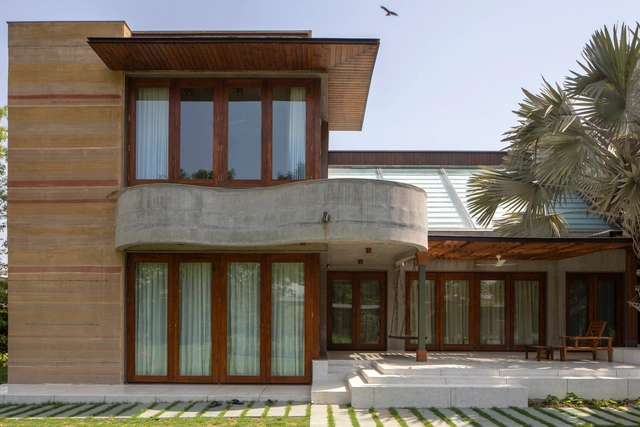

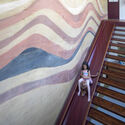

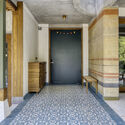

-
Architects: Naman Shah Architects, SferaBlu Architects
- Area: 440 m²
- Year: 2020
-
Manufacturers: ARTIZE, Bharat Floorings, Green House Enterprise, Jaquar, NOYA Studio, +4
https://www.archdaily.com/960472/meethi-mishti-nu-mati-ghar-sferablu-architects-plus-naman-shah-architectsHana Abdel
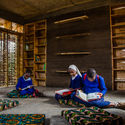
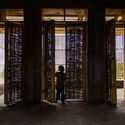
Amani Library / Social Practice Architecture
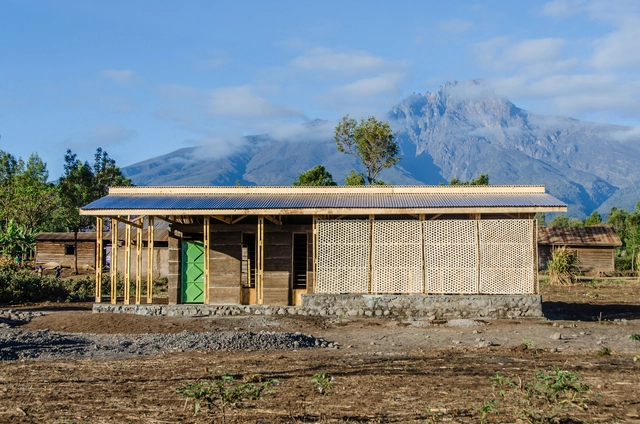



https://www.archdaily.com/882462/amani-library-social-practice-architectureDaniel Tapia