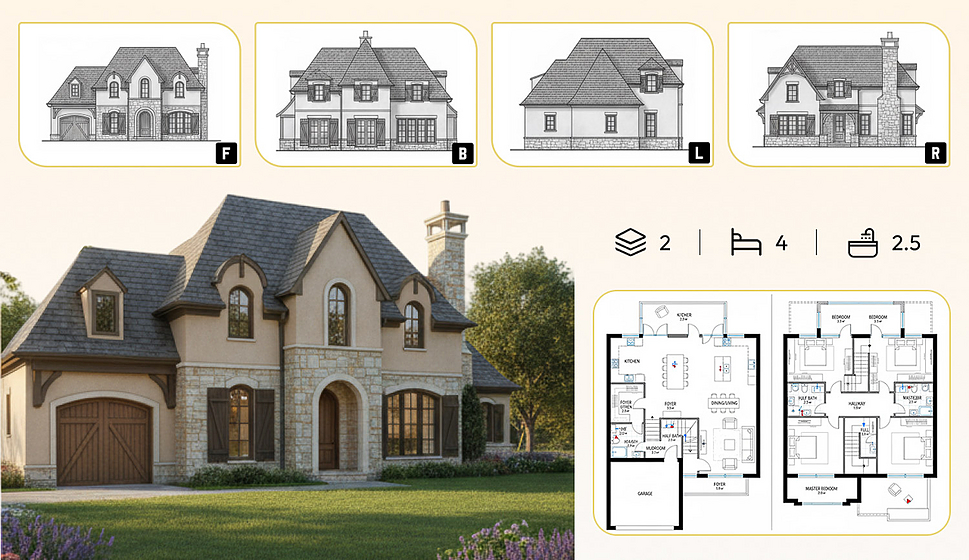
This guide covers a workflow that moves from project parameters to generated floor plans, 3D perspective views, exterior design exploration, and site context visualization, using AI tools in place of preliminary CAD and rendering work.
This guide covers a workflow that moves from project parameters to generated floor plans, 3D perspective views, exterior design exploration, and site context visualization, using AI tools in place of preliminary CAD and rendering work.
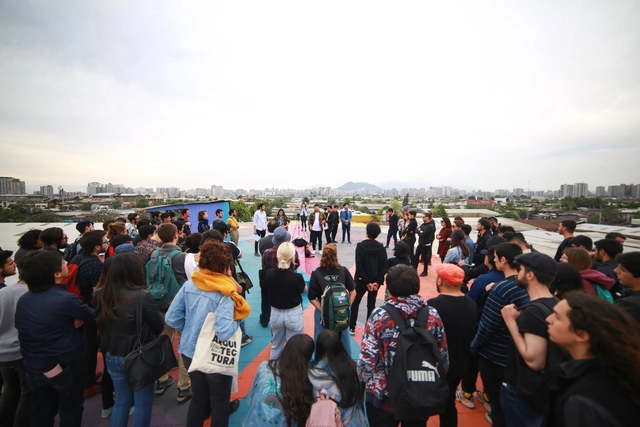
After eight days of intense work in Santiago, architecture students from 12 universities across Chile developed urban activation prototypes to facilitate mobility and public use in various areas of the Franklin neighborhood. The projects were created for the XXI Chilean Biennial of Architecture and Urbanism.

Together with a group of researchers, over the last five years we have been studying working-class housing developments in southern Chile: the coal basin in Lota, Schwager, and Pilpilco; the textile towns of Bellavista and Carlos Mahns in Tomé; and the working-class settlements in Valdivia and Magallanes.
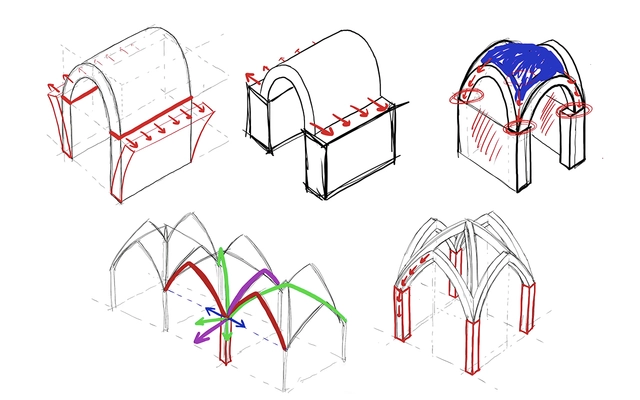
A few months ago, we witnessed how one of the most iconic Gothic monuments in Paris and Europe was consumed by a massive fire that broke out shortly before sunset. The fire reached the north tower of the cathedral's twin belfries, claiming the cathedral spire, which was part of a 19th-century addition built with a timber and lead structure.
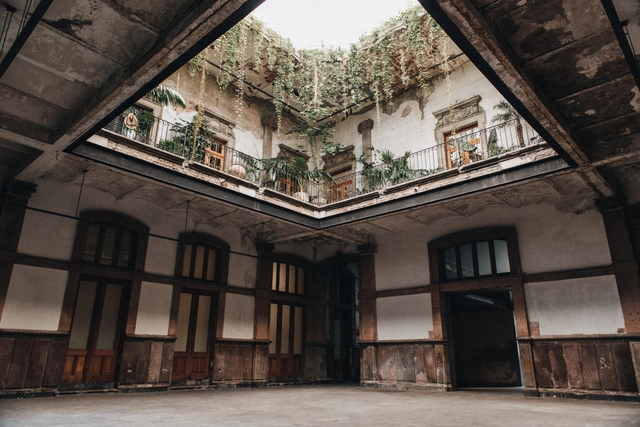
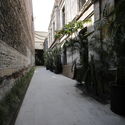
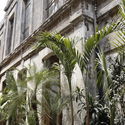
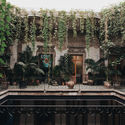
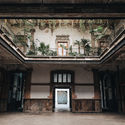
In 1900, Dr. José Ignacio Capetillo and his wife, María de la Luz Servín, purchased the land located at General Prim 32 from Archbishop Eulogio Gregorio Gillow. On this site, the Capetillo-Servín family began construction on an apartment building commissioned to architect Manuel Gorozpe, who designed it in the eclectic style characteristic of the period and completed construction in 1906.
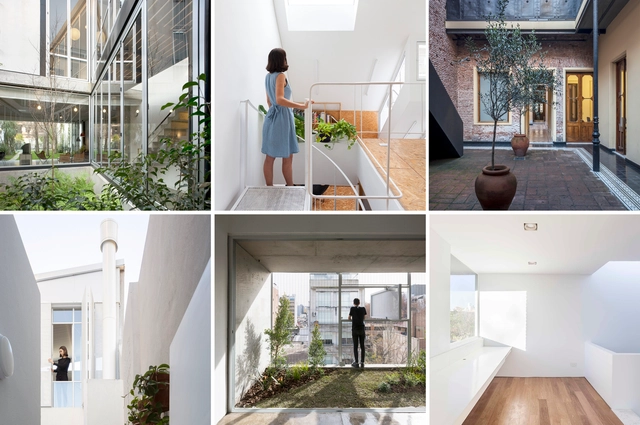
Have you ever been curious to see inside someone else's home? With this tagline, Open House Buenos Aires has announced the details of its seventh edition, an invitation and a unique opportunity to rediscover both the architecture of Buenos Aires and its stories and residents. Like every year, this festival offers free admission to numerous architecturally significant buildings that are normally closed to the public. Over the weekend of November 9 and 10, more than 140 buildings will open their doors, making the festival one of the year's most important cultural events.
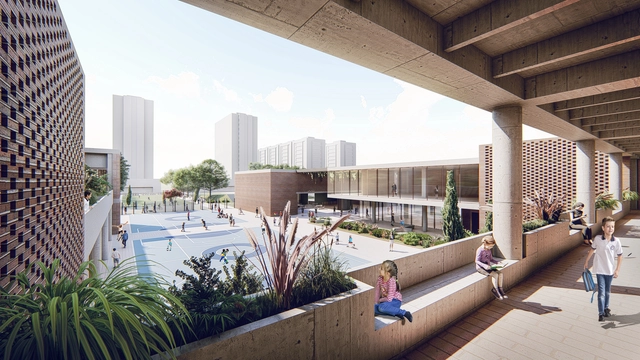
Educational projects are one of the typologies most emphasized in Colombian architecture, and the Public Preliminary Design Competition for the Lombardía School breaks away from the typical format of public competitions to offer even greater benefits to the community.
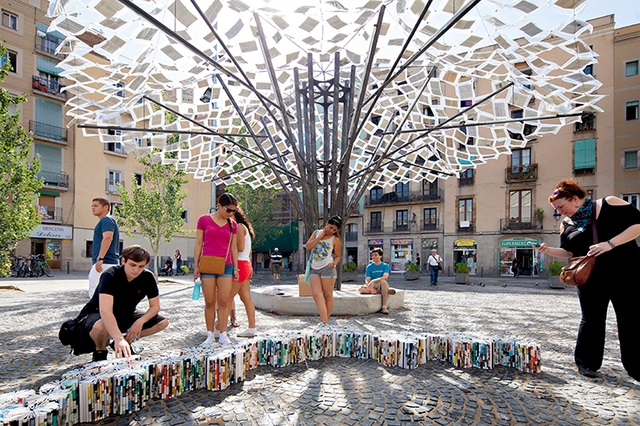
The concept of the margin implies the existence of a center. Consequently, anything that is not part of this central focus is deemed external or peripheral. This division between center and margin, or center and periphery, extends beyond the architectural sphere into political, social, and regional realms. Therefore, when we speak of practices on the margins of architecture, we are also discussing multidisciplinary approaches—efforts focused more on understanding the context of the work and less on merely answering pre-established questions. In cultures or contexts shaped by historical discontinuities and interruptions, there is a distinct effort to define identity through self-knowledge and discovery, ultimately designing projects to address specific needs. As a result, research, the dissemination of knowledge, and alternative methods of architectural production become essential steps in this process.
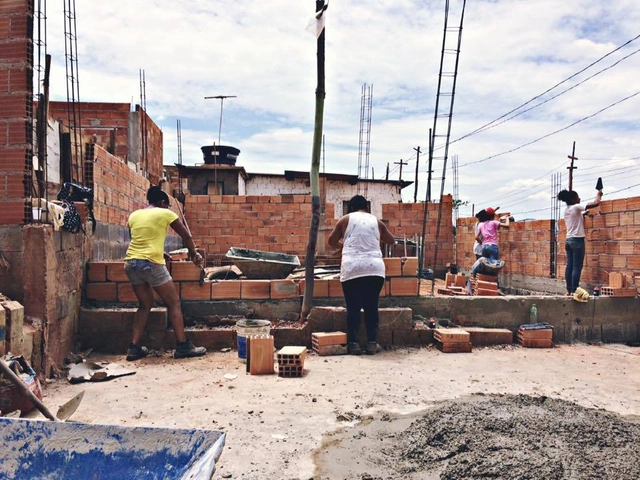
The spirit of the women participating in housing rights movements in Brazil is remarkable. Predominantly active in land occupations, they vigorously coordinate the organizational and political practices of the settlements and the construction of popular housing. It is no coincidence that many occupations of the MST (Landless Workers' Movement) or the MTST (Homeless Workers' Movement) bear the names of women, such as Dandara, a leader from the colonial period.
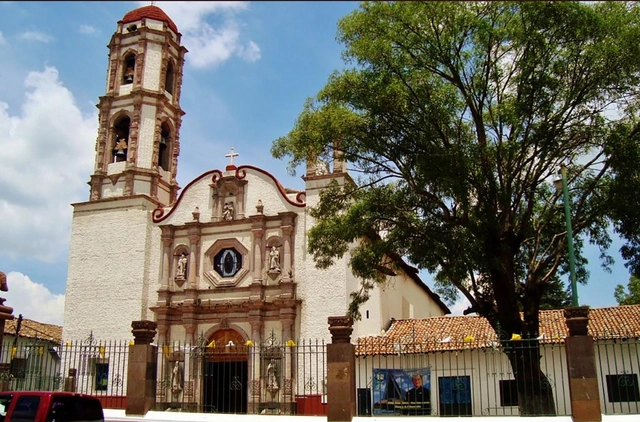
The Latin American Coordinator of Architecture Students (CLEA Latinoamérica) has confirmed on social media that the 2020 edition of the Latin American Social Workshop (TSL) will be held in San Felipe del Progreso, Mexico.
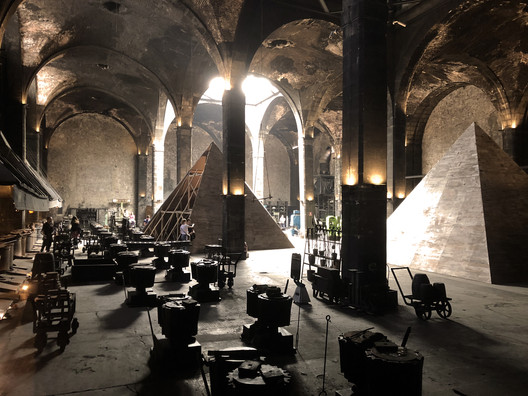
As part of the exhibitions featured in the 2019 Abierto Mexicano de Diseño, the firm Dellekamp / Schleich presented the installation Dicotomías del Poder at the Museo Numismático Nacional in Mexico City. The exhibition runs from October 9 to November 17, Tuesday through Sunday, from 10:00 AM to 4:00 PM.
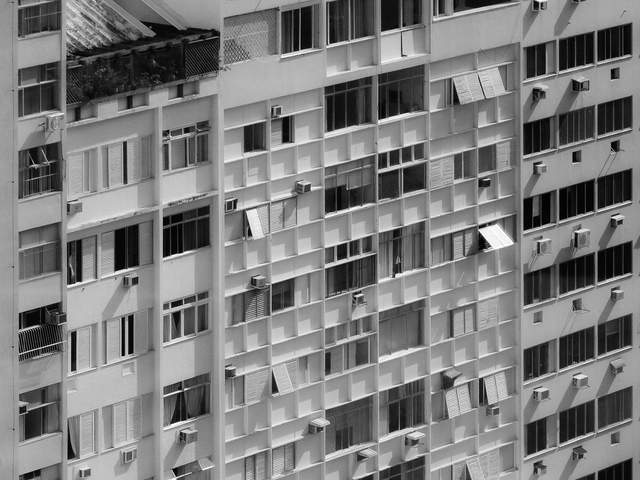
In the new Urban and Building Code of the City of Buenos Aires, approved by the Legislature in late 2018, new strategies are presented for the city's planned growth and densification. One of the code's most notable elements, which this article reflects upon, enables the development of apartments with a new minimum floor area established at 21 square meters. The supposed affordability of these minimum micro-units seeks, under a political agenda, to double the urban population in the near future, betting on a densification that would increase the city's population from 3 million to 6 million inhabitants.
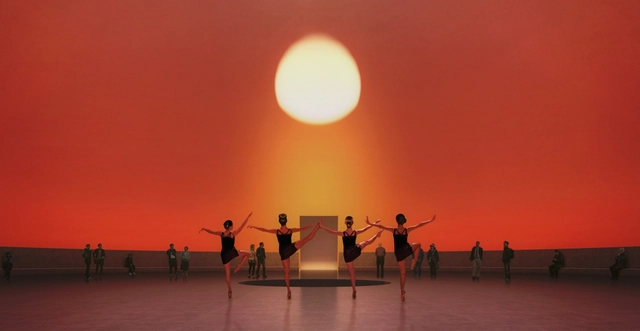
As part of the Museo Jumex’s fall programming in Mexico City, internationally acclaimed artist James Turrell will illuminate two of its galleries with immersive installations from his new body of work—one of the most significant series of his career—which engages viewers with the limits of human perception. These two installations will offer contrasting experiences, transforming the spaces to blur the boundaries of the horizon in both light and darkness.
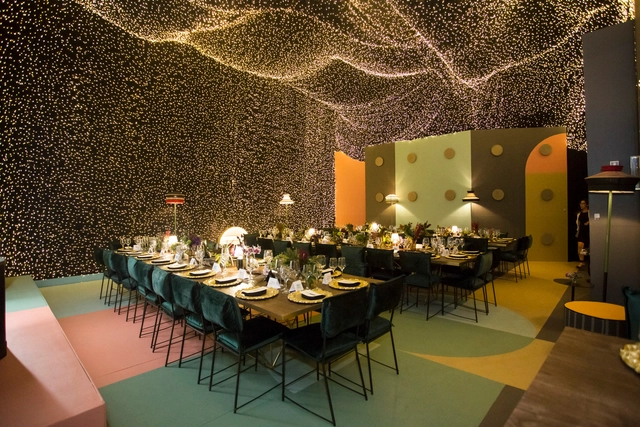
As part of Design Week Mexico 2019, Diez Company opened Maison Diez Company to the public. Led by Rodrigo Fernández, this dedicated design and lighting project brings together various elements to create an environment centered on illumination. This unique project in Mexico returns with a renewed concept, showcasing new proposals in a house in the Juárez neighborhood, aimed at those who enjoy architecture, design, hospitality, and construction.
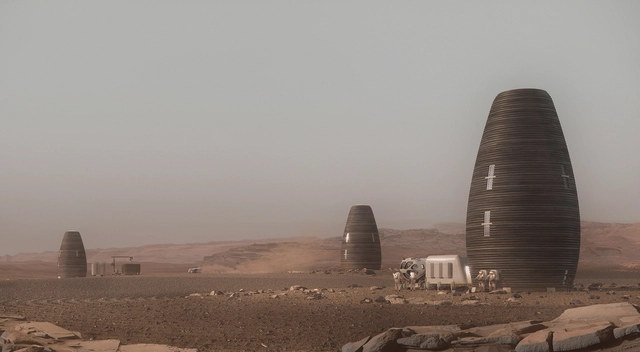
Open House Madrid has announced the winners of the 2019 City Awards, a new accolade highlighting the most innovative, socially engaged, and committed proposals shaping the future of cities. According to its founders, "these awards recognize both innovation and design as essential factors in improving citizens' quality of life, aiming to foster a culture of design and innovation in Spain."

The Bubble Creation is a collection presented by Herman Miller at the MAIA gallery, located in Mexico City's Roma neighborhood. The exhibition brought together 14 Nelson Bubble Lamps—one of the brand's most recognized products—reimagined by Mexican architects, designers, and interior designers.
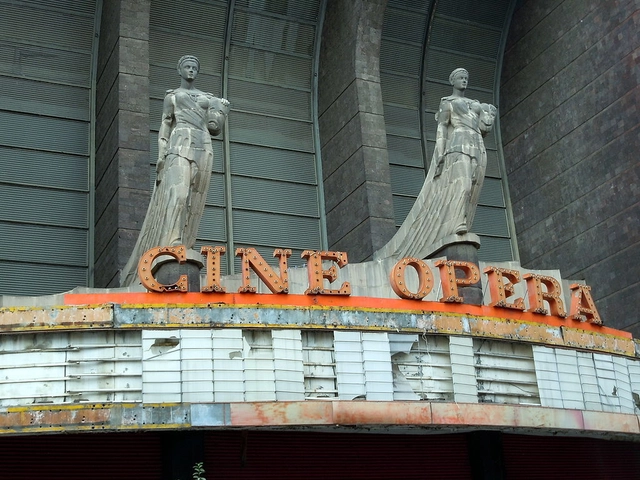
The history of Cine Ópera dates back to 1949, when the iconic venue—designed by architect Félix T. Nuncio with interiors by set designer Manuel Fontanals—held its first screening, quickly becoming one of Mexico City's most popular movie theaters. Located at 9 Serapio Rendón Street in the San Rafael neighborhood, the Art Deco building features a facade framed by a large window with two stone-carved sculptures depicting the comedy and tragedy masks.
_07.jpg?1577130518&format=webp&width=640&height=580)
Antonio Lamela's Torres Colón is "an unprotected Madrid icon set to change completely." The twin buildings by the Spanish architect—who also designed the renovation of the Santiago Bernabéu stadium and Terminal 4 of the Madrid-Barajas Airport alongside Richard Rogers—will undergo a renovation that adds four new floors and a new facade by 2022.

In 2018, Chilean researchers Teodoro Dannemann, Boris Sotomayor-Gómez, and Horacio Samaniego published the results of a study in Royal Society Open Science that, by anonymously tracking the "footprint" of 350,000 mobile phones during working hours, visualized urban segregation in Santiago.
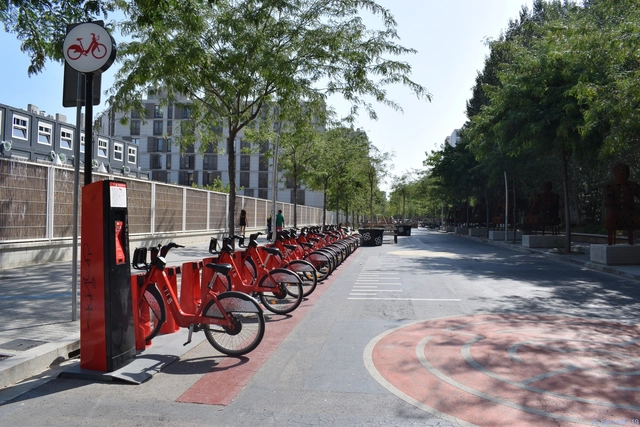
CityMakers is working with ArchDaily to publish a series of articles, conversations, and interviews with the different actors in the co-production of cities behind the Barcelona CityMakers Lab 2019, an event taking place from October 14 to 20.
On this occasion, we feature Salvador Rueda, director of the Urban Ecology Agency of Barcelona, who will give a Masterclass at the Barcelona CityMakers Lab 2019, addressing the challenges of implementing Barcelona's Sustainable Urban Mobility Plan based on "Superblocks".
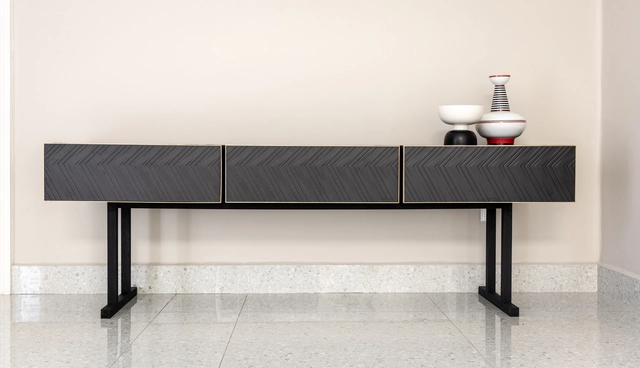
On August 8, as part of Expo Arte-Objeto—an exhibition commemorating the 60th anniversary of Llano de la Torre— Firenze invited architect Ricardo Casas to reinterpret the use of porcelain tiles with playful, exclusive designs.
.jpg?1566510800&format=webp&width=640&height=580)
Inspired by the successful Tejiendo la Calle initiative—winner of the Design and Citizen Participation Award at the 2016 Ibero-American Design Biennial—Supertrama is a public art program in the autonomous community of Extremadura, Spain, focused on rural areas. In municipalities with fewer than 5,000 inhabitants, residents collaborate with architects, artists, and other creative professionals interested in public art to transform their local public spaces.
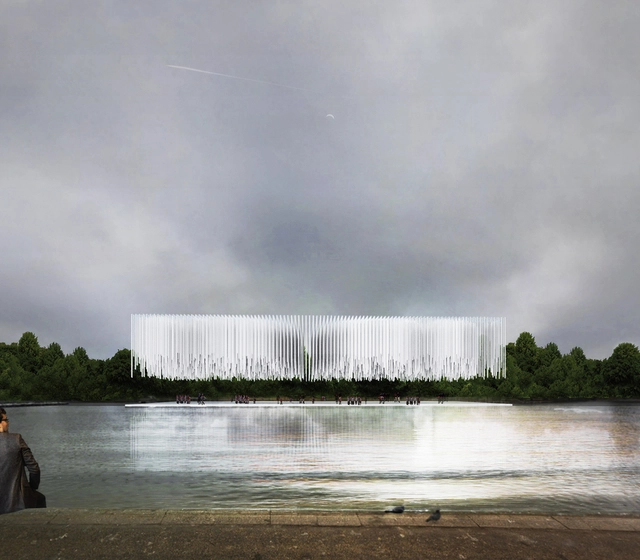
After receiving 94 proposals from 29 different countries, the Hyde Park Music Pavilion (HPMP) international ideas competition, organized by arquideas, has announced the winning projects. Hyde Park is one of the largest parks in London, England, and one of the city's nine Royal Parks, three of which form a chain from the entrance of Kensington Palace, through Kensington Gardens and Hyde Park, to Buckingham Palace.
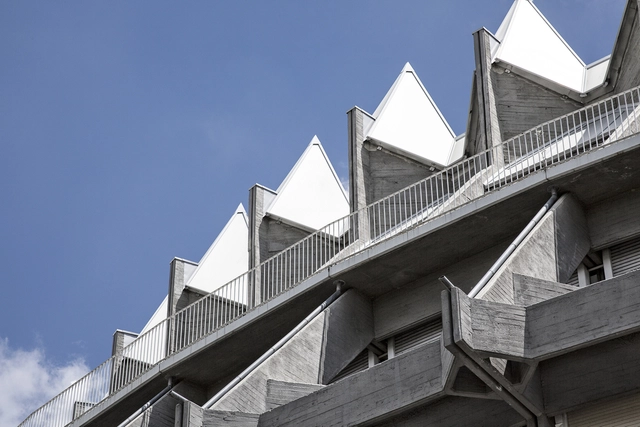
Iconoclast, painter, musician, photographer, visionary, genius… and architect. Fernando Higueras [Madrid, 1930-2008] left his mark on the history of Spanish architecture in an emotional way, showcasing architecture in its most essential quality.
Born in Madrid on November 26, 1930, Fernando Higueras was, like many others, a key exponent of late architectural modernism in 1960s Spain. Far from being merely novel or exceptional, his approach reiterated the timeless lesson of the creative process: talent and grace were not enough; they had to be accompanied by immense perseverance and, above all, passion.
We often think of heritage as a collection of valuable assets inherited by an individual or a group. While we sometimes identify fully with its meaning and the legacy passed down to us, we all too often squander its benefits.