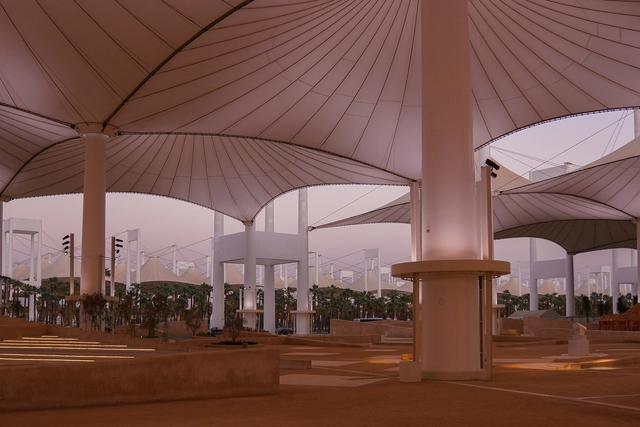
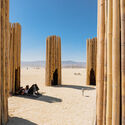
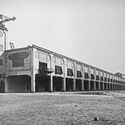
The 2023 Islamic Arts Biennale at the Western Hajj Terminal of King Abdulaziz International Airport. Image Courtesy of Diriyah Biennale Foundation
The Diriyah Biennale Foundation has revealed the theme and title for the 2025 Islamic Arts Biennale: And all that is in between. Scheduled from January 25 to May 25, 2025, at the Western Hajj Terminal of King Abdulaziz International Airport in Jeddah, this second edition will explore how faith is experienced, expressed, and celebrated through the acts of feeling, thinking, and making.
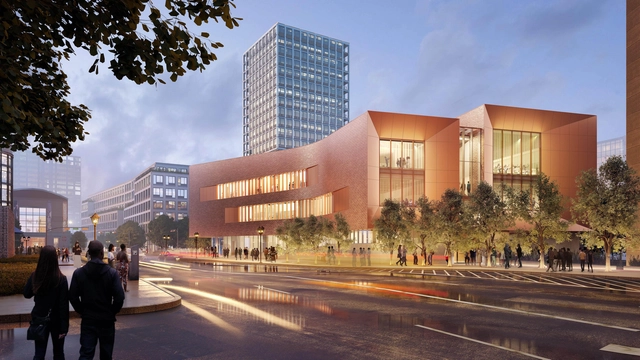
The New Jersey Performing Arts Center (NJPAC) has announced a three-year redevelopment of its 2-acre downtown Newark campus. The project, designed by architectural firms Skidmore, Owings & Merrill (SOM), and Weiss/Manfredi, has recently broken ground and is scheduled for completion in the fall of 2027. It integrates 350 mixed-income residential units, retail spaces, and a dynamic education and community center, in addition to rehearsal spaces, a new headquarters for jazz public radio station WBGO, and various outdoor gathering areas.
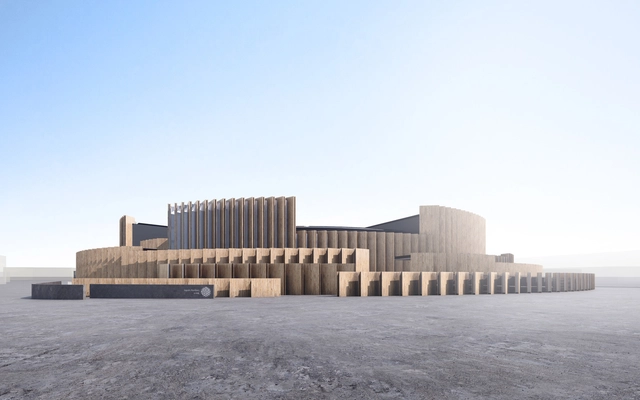
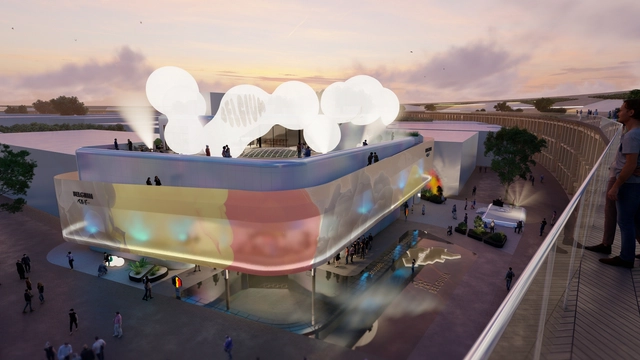
Rendering of the Japan Pavilion. Image Courtesy of Ministry of Economy, Trade and Industry
The Japan Pavilion at Expo 2025 in Osaka, designed by Nikken Sekkei Ltd, centers on the theme "Between Lives," emphasizing cycles of transformation that shape life across plants, animals, and societies. It illustrates how, as entities approach the end of their roles, they transition into new forms, passing on elements of their existence. The Pavilion reflects this continuous cycle, demonstrating how the world operates through countless interconnected loops.
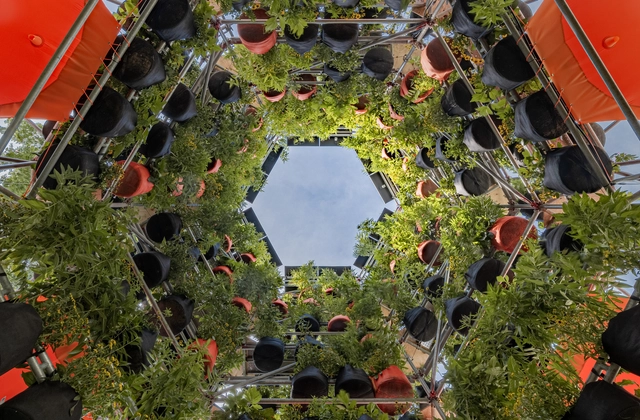
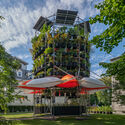
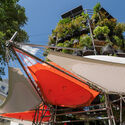
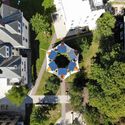
Architects Belinda Tato and Jose Luis Vallejo of Ecosistema Urbano have designed a plug-in public space designed to address the effects of climate change in ill-equipped urban environments. Titled Polinature, the installation has been funded by the Salata Institute for Climate and Sustainability at Harvard, and is now installed in the backyard of the Harvard Center for Green Buildings and Cities. The pavilion, featuring native plans set into a scaffolding, with an inflatable bioclimatic canopy, aims to demonstrate how small-scale interventions can create compound positive effects for the local micro-climate and biodiversity.
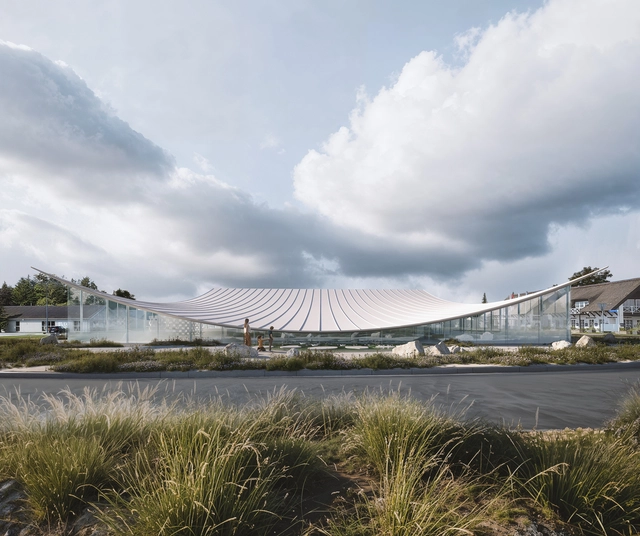
Bjarke Ingels Group (BIG) is leading the transformation of a former supermarket into the new Museum for Paper Art in Denmark's North Jutland region. With paper art deeply ingrained in Danish cultural heritage, symbolized by Le Klint's folded lampshades and H.C. Andersen's intricate paper cuttings, this renovation and expansion aim to elevate the museum's profile and double its visitor numbers. The design will celebrate paper as both an art form and a craft, extending the museum's role in promoting this unique heritage.
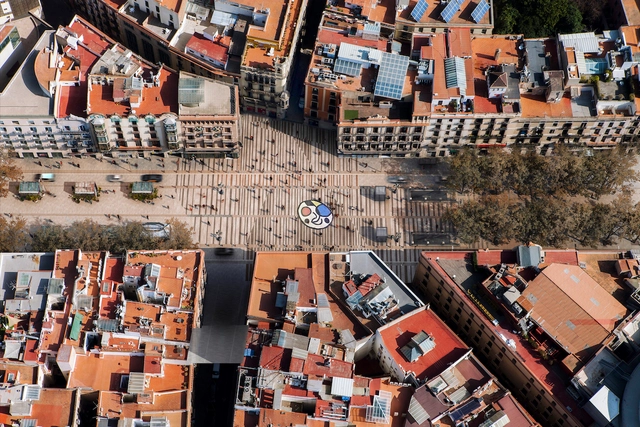
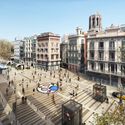
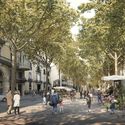
Rendering of the proposed La Rambla redevelopment project. Image Courtesy of Barcelona City Council, under policy of fair use
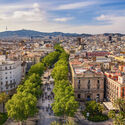
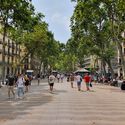
La Rambla, a 1.2-kilometer-long promenade in Barcelona, was established in 1766 along the old city walls. Embraced by locals, it became the only spacious area for strolling in a city of narrow streets and grew into a central meeting place for all social classes. Over time, leisure and cultural sites, like the Gran Teatre del Liceu and Boqueria Market, emerged, making it a vibrant, cultural hub. In 2017, Barcelona's local government launched a competition for the revitalization of this beloved urban space. Km_ZERO, a 15-member interdisciplinary team that also relied on the input of community groups was declared the winner. Now the first phase of the urbanization process has been almost completed, led by Lola Domènech and Olga Tarrasó. A hundred trees still remain to be planted in this phase, postponed due to drought conditions. The entire project is expected to be finished in 2027.
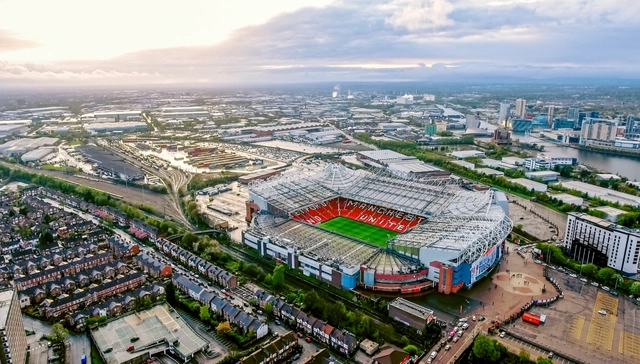
Foster + Partners has just announced its upcoming appointment by Manchester United to lead the development of a masterplan for the Old Trafford Stadium District, focusing on club-owned land surrounding the current stadium. The goal is to create a world-class football destination for Manchester United fans, integrated with a broader vision for a mixed-use development that benefits the local community. This transformation aims to attract new residents, increase job opportunities, and establish the area as a vibrant hub for visitors from Manchester, across the UK, and beyond.
We are thrilled to announce our upcoming October workshops in collaboration with our ArchDaily Plus partner, Parametric Architecture. These workshops have been thoughtfully curated to empower architects, designers, and enthusiasts by providing them with the latest insights and skills in the dynamic realm of parametric design. Guided by industry experts and visionaries, these immersive sessions will explore cutting-edge techniques, innovative tools, and practical applications, creating an inspiring and dynamic learning environment where participants can take their design expertise to unprecedented levels.
https://www.archdaily.com/1021403/parametric-architecture-october-workshopsArchDaily Team
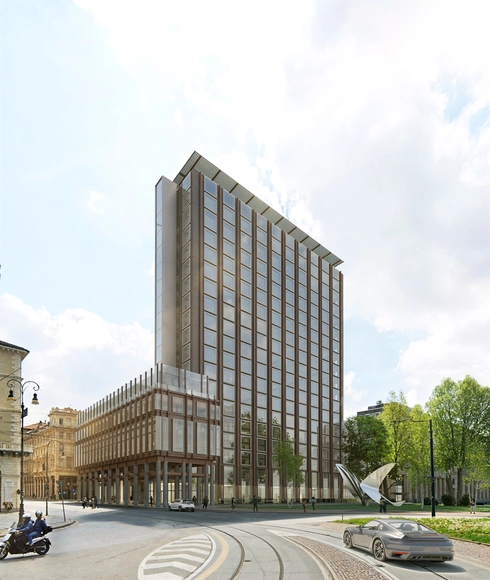
CRA-Carlo Ratti Associati, in partnership with real estate group IPI, has revealed plans to transform the iconic modernist Palazzo Micca in Turin, Italy. Originally the headquarters of RAI, Italy's national broadcaster, the 19-story building will undergo a comprehensive adaptive reuse project. A significant feature of the redesign is the creation of an elevated public plaza at 26.5 meters, offering views of Turin's Baroque rooftops, the surrounding hills, and the Alps. The project also integrates sustainable design principles by converting parts of the office spaces into residential units and reusing existing materials.
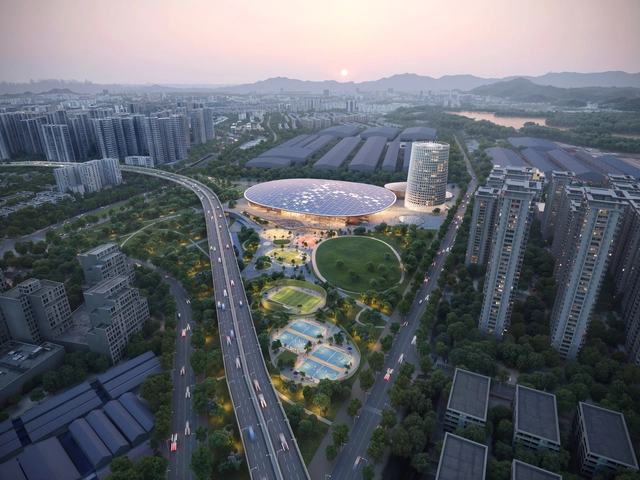
MVRDV, in collaboration with Huayi Design, has been awarded the design contract for the Shenzhen Pingshan Sports Park in eastern Shenzhen, China. The sports park will feature a wide range of facilities, including an arena for badminton and other competitive sports, the new Chinese National Badminton Training Centre, and a National Fitness Centre, alongside various amenities for public use. Central to the project is the inclusion of 100 badminton courts, which also inspired the architectural design, particularly exemplified by the 240-meter-long roof shaped like a badminton racket head.
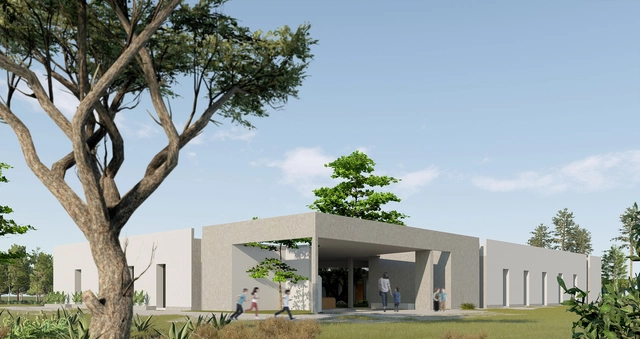
The India Autism Center (IAC), situated in Sirakole, West Bengal, represents a new perspective in accessible design and inclusivity. Designed to meet the specific needs of individuals with autism spectrum disorder (ASD) and related conditions, the center embodies a comprehensive approach to neurodiverse living. Developed by Practice Design, an architectural firm based in Mumbai and Kolkata, the 52-acre project is expected to be completed by 2030. It aims to create a supportive community where individuals with autism can realize their full potential through a variety of tailored services.
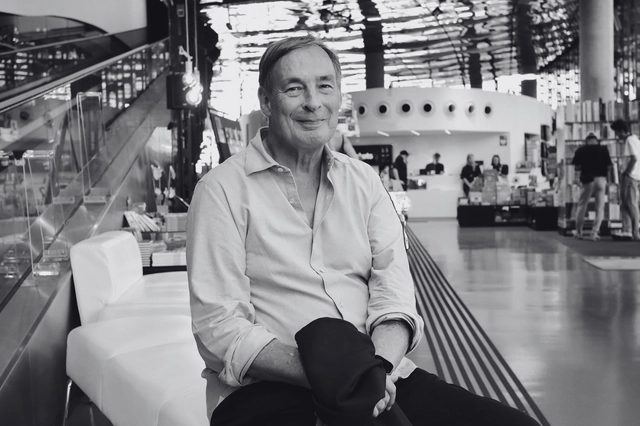
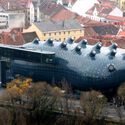
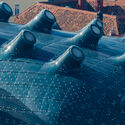
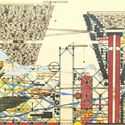
British architect and planner Colin Fournier, co-founder of conceptual architecture studio Archigram and Professor of Architecture and Urbanism at the Bartlett School of Architecture, has passed away at the age of 79. Fournier was best known for his co-design of the Kunsthaus Graz in Austria, also known as the "Friendly Alien." This project, completed together with Sir Peter Cook, is celebrated as one of the most distinctive cultural landmarks of its time. For his contributions to this work, Fournier was awarded Austria's Goldener Ehrenzeichen medal in 2005, a recognition of his impact on the architectural landscape.
The Belgian Pavilion for Expo 2025 Osaka, designed by the winning consortium of Carré 7, Beyond Limits, One Designs, Pirnay, and Poly-Tech, embraces the Expo's overarching theme, "Designing the Society of the Future, Imagining Our Life of Tomorrow." With a focus on "Saving Lives," the pavilion' explores the universal significance of water and its vital role in creating and sustaining life. By highlighting water's interconnectedness with all living beings through the metaphor of cells, the pavilion aims to reflect humanity's relationship with the environment and the importance of preserving it for future generations.
Following the devastating earthquake that hit central Turkiye and northwest Syria in February 2023, the province of Hatay, Türkiye, was left with large sections of its urban fabric destroyed and thousands of residents displaced. Türkiye Design Council has commissioned design studio SOUR to contribute to the regeneration initiative as part of a wider design-led revitalization process.
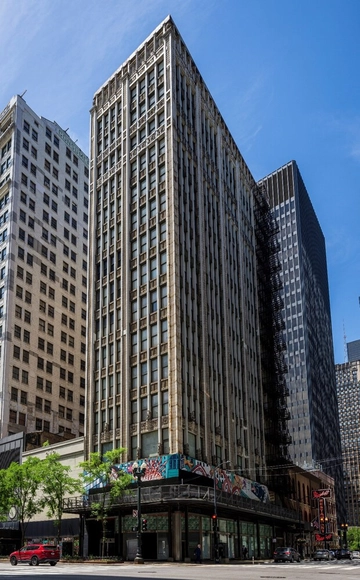
In a significant win for historic preservation, two landmark Chicagoskyscrapers, the Century and Consumers Buildings, have been saved from demolition. These iconic structures, located on State Street, were initially set for destruction due to security concerns, given their proximity to the Dirksen U.S. Courthouse. However, after extensive advocacy and public pressure, the U.S. General Services Administration (GSA) has shifted toward an adaptive reuse plan, ensuring the preservation of these architectural landmarks.
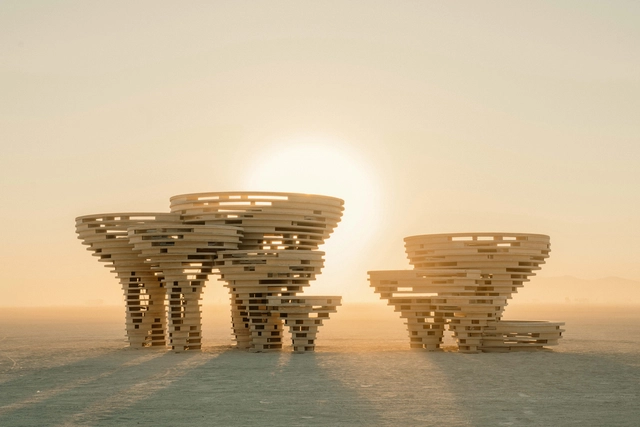
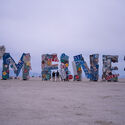
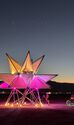
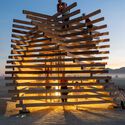
Known for its unconventional art installations and striking desert setting, the Burning Man festival has concluded this year with an array of temporary installations spread across the Black RockDesert in Nevada. The festival's 2024 theme, "Curiouser & Curiouser," inspired by Lewis Carroll's Alice in Wonderland, encouraged participants to embrace wonder and whimsy.
At Burning Man, a tapestry of themes emerges through diverse installations, from reflections on connectivity and isolation to explorations of time and space. Installations like Nebula Shroom Grove and the Temple of Together emphasize community and unity, inviting interaction and participation. Pieces like "I'm Fine" and Tree Circle delve into universal emotions and humanity's connection to the infinite, while works like Matter Out of Time and The End of Time play with perceptions of time and reality.
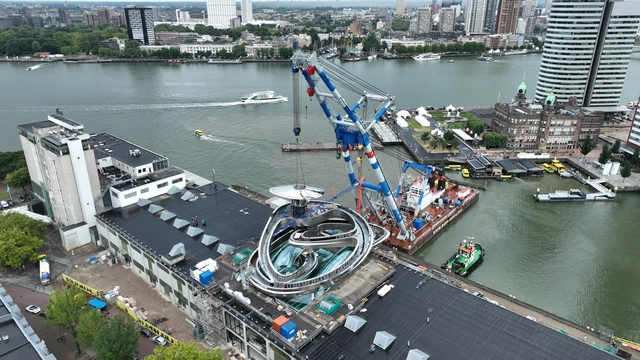
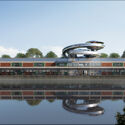
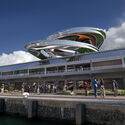
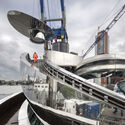
Designed by MAD Architects, the FENIX Museum of Migration is scheduled to open in Rotterdam's City Harbor in 2025. Currently under construction, the museum is set to explore the global narrative of migration through art, architecture, photography, and history. Situated in a 16,000-square-meter warehouse built in 1923, once part of the world's largest warehouse, the building has historical significance as a key storage and shipping hub for the Holland America Line. New construction photographs showcase the assembly of the metallic helix, named The Tornado, taking shape above the historical warehouse.
Use the form to receive a free pass for the Smart City Expo World Congress 2024 in Barcelona. You can choose from the Visitor Pass, the Tomorrow.Building World Congress Pass, and the Full Congress Pass.
The event will take place from November 5th to 7th. For more information about the Smart City Expo World Congress 2024, visit the event's official website.
https://www.archdaily.com/1021354/get-your-free-pass-for-smart-city-expo-2024-in-barcelonaArchDaily Team