Produce personalized presentation boards that distill complex concepts into simple visual representations with a few helpful tools and effects.


Produce personalized presentation boards that distill complex concepts into simple visual representations with a few helpful tools and effects.
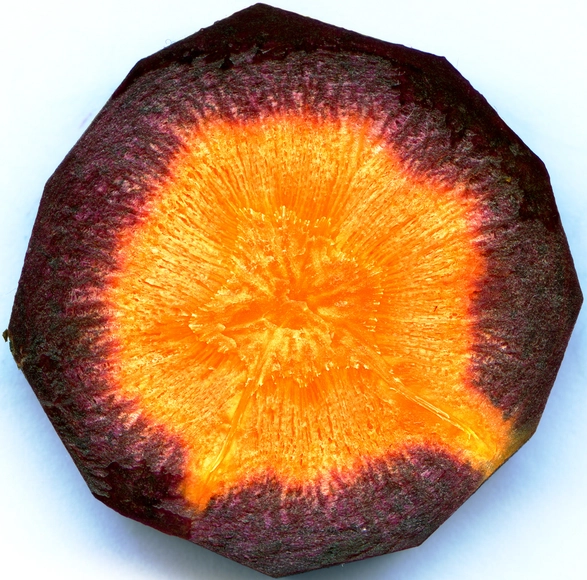
Carrots cannot help you see in the dark, but they could make your buildings stronger, and more environmentally friendly. Engineers at Lancaster University in the UK have worked in collaboration with Cellucomp Ltd UK to study the effects of adding “nano platelets” extracted from the fibers of root vegetables to enhance the performance of concrete mixtures.
The vegetable-composite concretes, made from vegetables such as sugar beet or carrot, have structurally and environmentally out-performed all commercially-available cement additives, such as graphene and carbon nanotubes, doing so at a much lower cost.
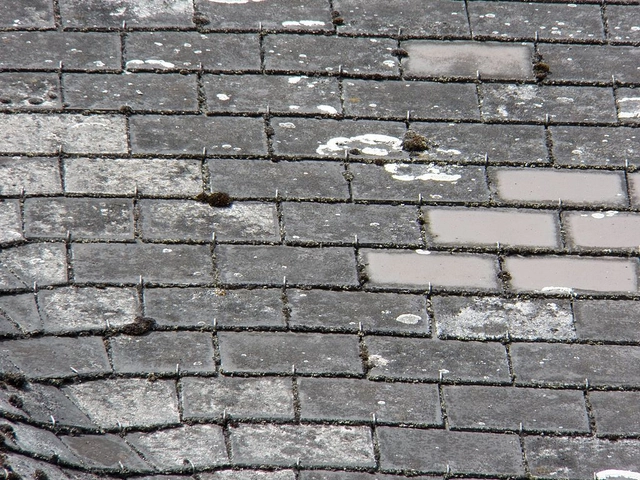
The World Health Organization (WHO) has advised that countries throughout the world eliminate the use of all types of asbestos, a dangerous carcinogen, to prevent asbestos-related diseases. According to the Asbestos Disease Awareness Organization, it was estimated that 40,000 people in the U.S. die each year from asbestos-related conditions.
Despite the WHO's concerns, Fast Company reported that under Trump's administration, "The [U.S. Environmental Protection Agency] (EPA) has even made it easier for companies to introduce new uses of asbestos-containing products in America." Although Asbestos Nation estimates that 55 countries have outlawed the carcinogen, this issue brings up a common question: Has my country banned asbestos? Below, we have provided a list by International Ban Asbestos Secretariat's Laurie Kazan-Allen on the following 65 countries and regions that have banned asbestos.
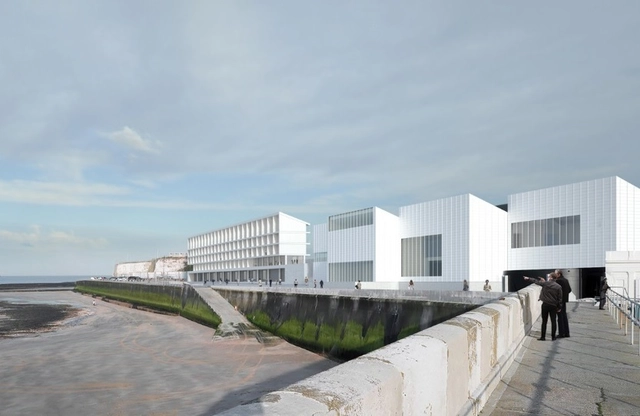
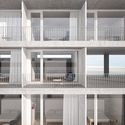
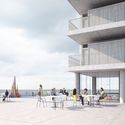
In a pro-bono move to help spur revival in Margate, David Chipperfield Architects independently conceived a hostel addition to the firm's Turner Contemporary art gallery in Margate. Dubbed the Turner Rooms, the design is made to help grow the vision of the gallery and secure its financial future. Sited on the Margate waterfront, the proposal offers new ways for people to engage with the gallery and the town through a 100 room waterfront hostel.
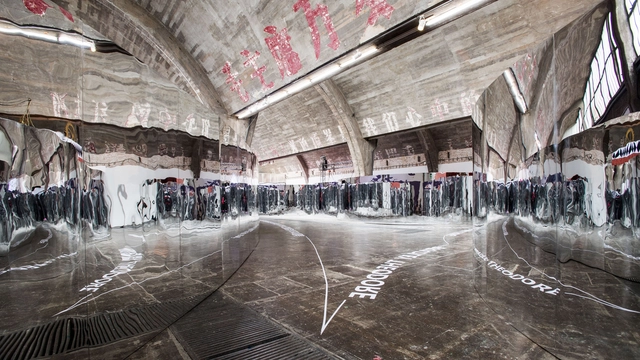
OMA's research and design practice AMO has opened True Me, the studio's first exhibition design in China. Built in the 798 Art Factory in Beijing, True Me explores modern selfie-culture and modes of self-representation through art and media. Organized by App developer Meitu and the Beijing Contemporary Arts Foundation, the exhibition features artworks by Hou Ying, Lu Yang, Maleonn, Xie Haiwei, Ye Funa, Chen Tianzhuo, teamLab, and Theodore Bradley. Celebrating the launch of Meitu’s new logo, the exhibition extends AMO’s interest in studying visual culture.

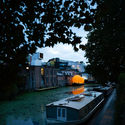
The 2018 Antepavilion has opened in London, the second in an annual series. Designed and built by Thomas Randall-Page and Benedetta Rogers, the 2018 edition titled “AirDraft” sees an inflatable theater sitting atop a 19th-century barge, creating a floating venue for music and performance in trendy East London.
The scheme was chosen from 132 entries to the competition run by Shiva Ltd and the Architecture Foundation, which asked participants to engage with “the heritage of the Regent’s Canal in innovative ways.”
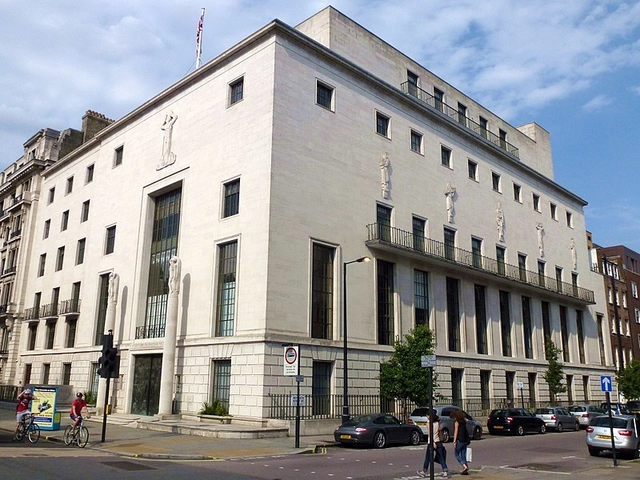
Members of the Royal Institute of British Architects (RIBA) have elected Alan Jones to be their next president, following a turbulent campaign marked by allegations of institutional racism, financial disparity, and fraud. Jones saw off competition from fellow candidates Elsie Owusu and Philip David Allsopp.
Jones, who is a Past President of the Royal Society of Ulster Architects, and the first RIBA president from Northern Ireland, will take over from current RIBA president Ben Derbyshire for a two-year term beginning on September 1st, 2019.
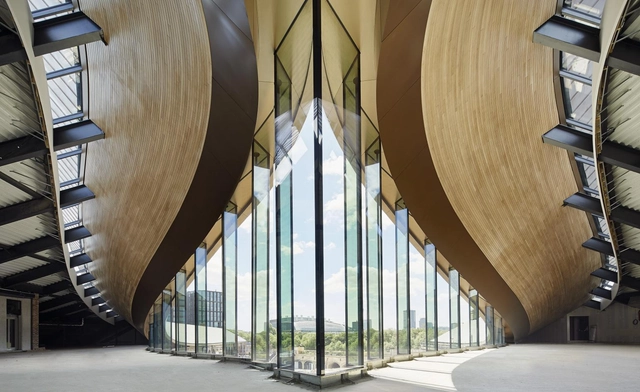
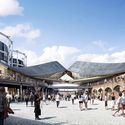
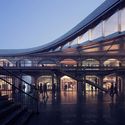
Heatherwick Studio’s Coal Drops Yard in London’s King's Cross is set to open on October 26, 2018. As a new major shopping district in King's Cross, the design brings new life to two heritage rail buildings from the 1850's. Now home to stores, restaurants and cafés, Coal Drops Yard sits just off Granary Square next to Regent's Canal and the refurbished Central St. Martins School. The pair of elongated Victorian coal drops are reimagined as a space for the public to make their own.

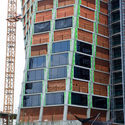
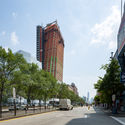
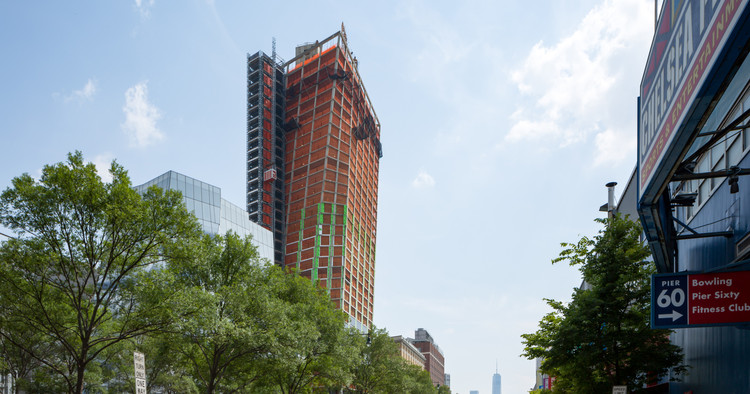
Bjarke Ingels Group’s “The Eleventh” has marked a major milestone, with the first of the scheme’s two twisting High Line towers topping out in Chelsea, Manhattan. New images show construction moving quickly along, with the taller 35-story tower now topped out, and work on the cladding steadily progressing.
The 400-foot-tall structure will twist alongside a second 300-foot-tall sister tower, standing out even amongst notable neighbors including Frank Gehry’s IAC Building, Jean Nouvel’s 100 11th Avenue and Foster + Partners’ 551 West 21st Street.

ArchDaily and Airbnb were both founded in 2008, but for two very different reasons. Since then, ArchDaily has amassed a vast database of tens of thousands of buildings, located in cities and countries all around the world. Meanwhile, Airbnb has revolutionized the way in which we explore these countries, and use these buildings, even if just for one night.
While architecture lovers have occasionally been offered very limited experiences through Airbnb, such as a one-night stay on the Great Wall of China, or an architectural tour of the 2020 Tokyo Olympic Stadium courtesy of Kengo Kuma, it transpires that Airbnb’s listings contain some notable architectural gems available for regular booking.
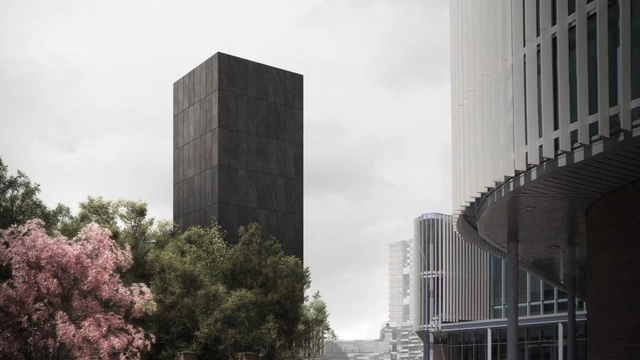
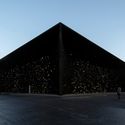
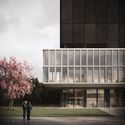
London-based JAA studio has released a new proposal to transform Grenfell Tower into a black concrete memorial to victims of the fire. Encasing the burnt-out shell, a solemn sarcophagus of 224 concrete panels would wrap the facade to anchor the tragedy in collective memory. Titled Grenfell Tower: in Memoriam, the concept does not claim to be an answer but an alternative way of thing about the site and its new-found sanctity after disaster. As JAA states, "the city needs its scars."

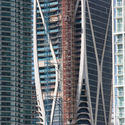
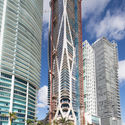
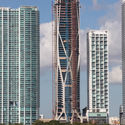
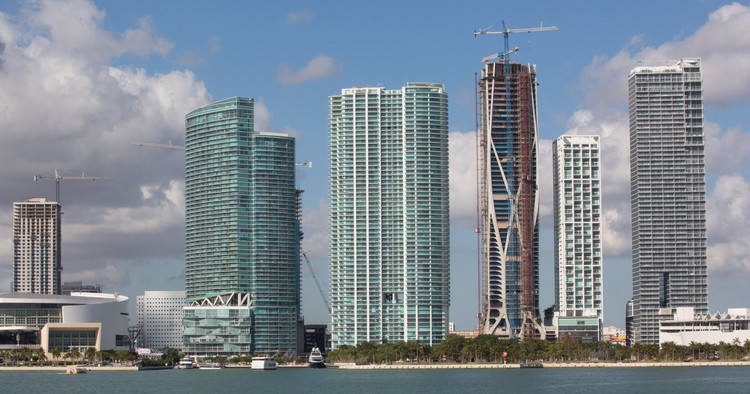
New drone footage and photographs have been released of the One Thousand Museum, designed by Zaha Hadid Architects, as work progresses in Miami, Florida. Having topped out in February 2018, the 62-story residential tower is due for completion later in the year.
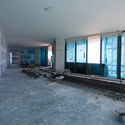
The new imagery showcases the 700-foot-high (210-meter-high) tower’s curved structural exoskeleton, comprising 5,000 pieces of glass-fiber-reinforced concrete. The photo gallery also offers some of the first images of the scheme’s interior spaces, still under construction, showing the influence of the exoskeleton on the internal environment.
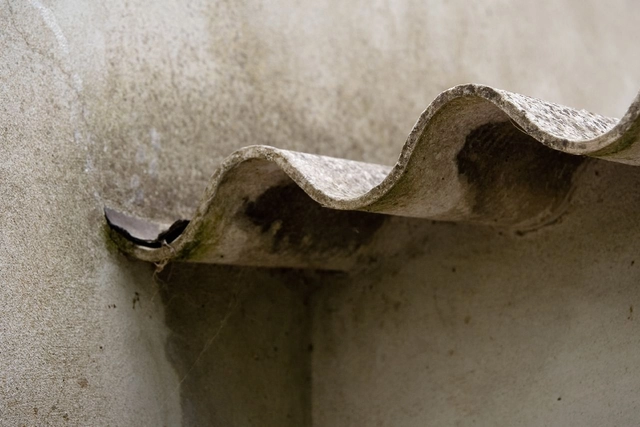
The U.S. Environmental Protection Agency has enabled the reintroduction of asbestos into the American manufacturing, as reported by Fast Company. The dangerous substance, outlawed in 65 countries, may now be introduced into the U.S via common household products and materials.
The development is the result of a “SNUR” (Significant New Use Rule) which allows asbestos-containing products to be petitioned and approved by the federal government on an individual basis.
Six years ago Susan Szenasy and I had the honor of interviewing Supreme Court Justice Stephen Breyer for Metropolis magazine. While he was a federal appeals judge in Boston, Breyer played a key role in shepherding the design and construction of the John Joseph Moakley United State Courthouse, designed by Pei Cobb Freed & Partners. In 2011 Justice Breyer joined the jury of the Pritzker Prize. Given his long involvement with architecture, I thought it would be fun to catch up with him. So, on the final day of court before breaking for the summer recess, I talked to Justice Breyer about his experience as a design client, how to create good government buildings, and why public architecture matters.


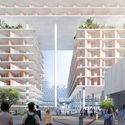
Images have been released of the Bjarke Ingels Group-designed plans for Miami's Allapattah neighborhood. First reported by The Real Deal, the development is called the Miami Produce Center. A mega mixed-used complex on stilts, the design was created with Miami Beach developer Robert Wennett. A special area plan filed with the city of Miami shows the design will include office space, education areas, residential units, retail, a hotel and parking spaces. The eight-building complex will cover over 8 acres northwest of downtown Miami.

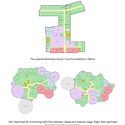
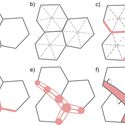
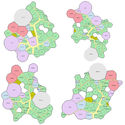
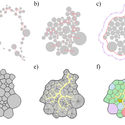
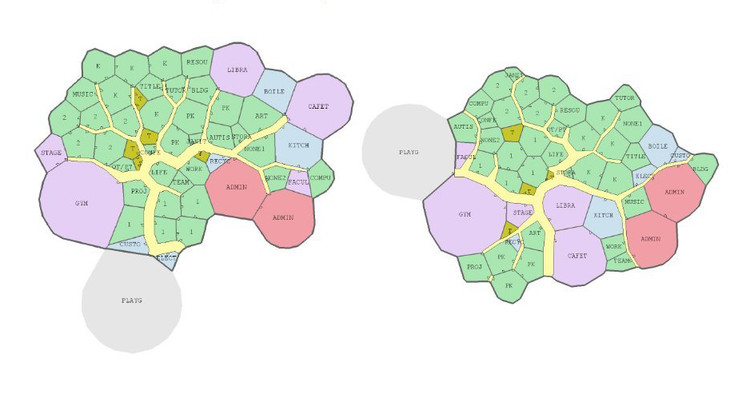
Programmer Joel Simon has created an experimental research project, Evolving Floor Plans, to explore speculative and optimized plan layouts using generative design. Interested in the intersection of computer science, biology and design, Joel organized rooms and expected flow of people through a genetic algorithm to minimize walking time, the use of hallways, etc.
The creative goal is to approach floor plan design solely from the perspective of optimization and without regard for convention or constructability. The research aims to see how a combination of explicit, implicit and emergent methods allow floor plans of high complexity to evolve.
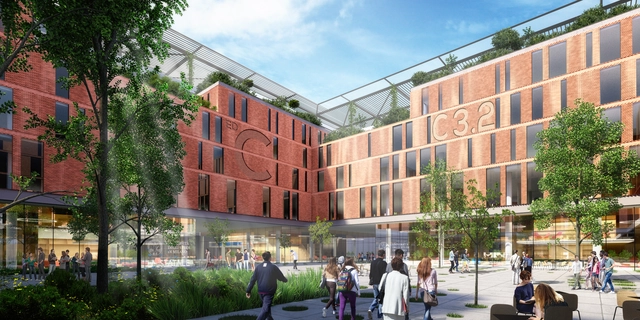
Carlo Ratti Associati has released details of their schematic design for the University of Milan’s new science campus, featuring robotically-assembled brick facades, porous communal areas, and natural oases. Working in collaboration with Australian real estate group Lendlease, the “Science for Citizens” proposal will sit within a new Milan Innovation District, located on the site of Milan’s 2015 World Expo.
Located within this new district, and home to over 18,000 students and 2,000 researchers, the “Science for Citizens” proposal seeks to “put forward a vision for an open campus that becomes a testing ground for innovative education while fostering exchanges between the university and the surrounding innovation neighborhood.”

This article was originally published by Metropolis Magazine as "Can’t Be Bothered: The Chic Indifference of Post-Digital Drawing."
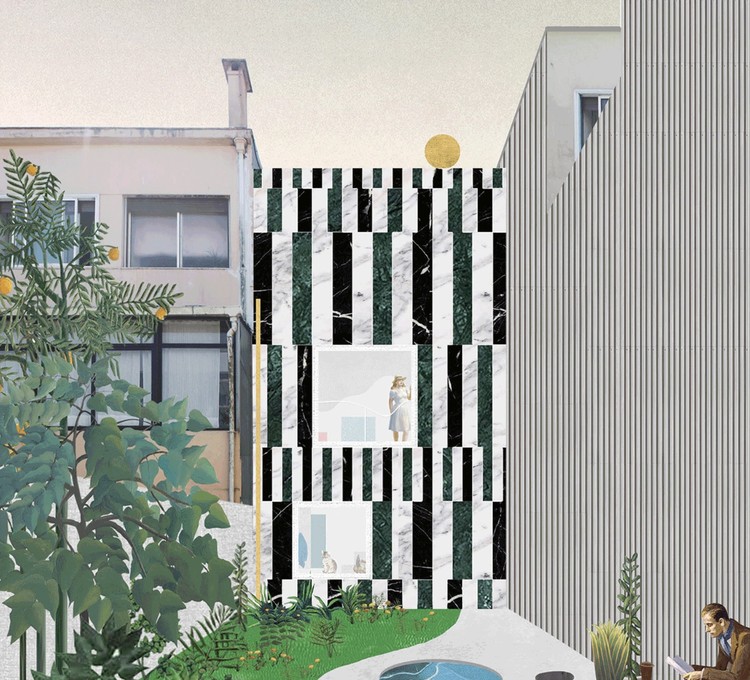
In architectural circles, the appellation “post-digital” has come to mean many things to many people. Some have used it as a shorthand descriptor for the trendy style of rendering that has become popular among students and, increasingly, architectural offices. Others have used it to describe a more profound shift in architectural production that is at once inoculated against the novelty of digital technique and attuned to the sheer ubiquity of “the digital” in contemporary life.

.jpg?1532958011&format=webp&width=640&height=580)
Spain-based platform Best Architecture Masters (BAM) has revealed its inaugural ranking of the best postgraduate architecture programs in the world. Based on the QS Ranking by Subjects – Architecture / Built Environment, the rankings were selected by 13 educational-performance indicators, including quality and internationality of faculty, alumni, and postgraduate program.
Harvard's Master in Architecture II has topped the BAM ranking, followed respectively by TU Delft's Berlage Post-master in Architecture and Urban Design, and MIT's Master of Science in Architecture and Urbanism. By region, Tsinghua University's Masters in Architecture was ranked first in Asia (#5); Pontificia Universidad Católica de Chile's Magíster en Arquitectura in Latin America (#11), and Sydney University's Master of Architecture in Oceania ranks 17th worldwide.
The best master's degrees in architecture are:

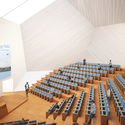
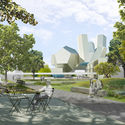
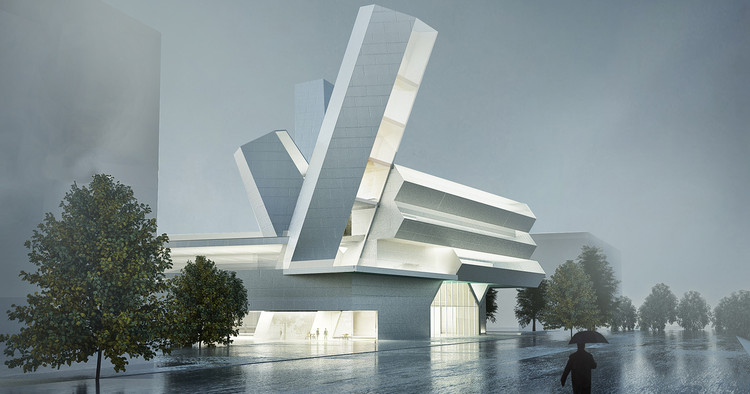
Steven Holl Architects have been announced as winners of the University College Dublin Future Campus Competition, overcoming 98 total entries, and a shortlist of Diller Scofidio + Renfro, John Ronan Architects, O’Donnell + Tuomey, Studio Libeskind, and UNStudio.
The winning design features seven new quadrangles designed around historic features and woodland, integrating sustainable features such as solar connectors and water retention ponds. The competition sought to express UCD’s creative abilities and strengthen its physical presence and identity, signifying a major educational project for the Irish capital.

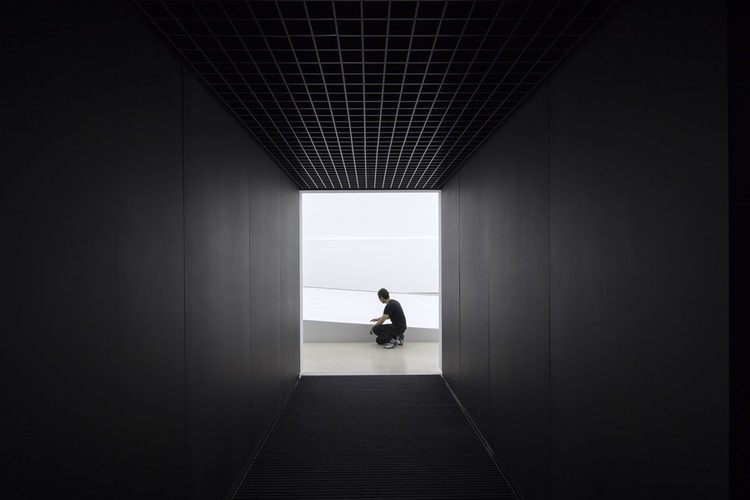
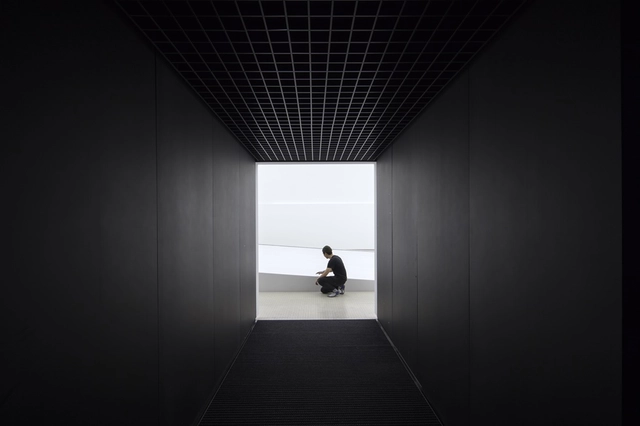
MAD Architects have completed their restoration work on the Kiyotsu Gorge Tunnel in Japan’s Niigata prefecture, transforming the historic lookout tunnel into a trail of artistic spaces. The “Tunnel of Light” was opened as part of the 2018 Echigo-Tsumari Triennale, cutting through 750 meters of rock formations to offer a panoramic view across one of Japan’s great landscapes.
MAD’s scheme seeks to “transform points along the historic tunnel through the realization of several architectural spaces and artistic atmospheres." Inspired by the five elements of wood, earth, metal, fire, and water, the scheme explores the relationship between humans and nature, and "re-connects locals and visitors alike with the majestic beauty of the land."
The German Design Council has announced the winners of the Iconic Awards 2018: Innovative Architecture. The awards honor superb examples of interaction between disciplines through an independent architecture and design competition. The Iconic Awards 2018: Innovative Architecture focus on internationally outstanding construction projects, innovative interior and product design as well as compelling communication in an architectural context. The focus is on holistic production and on the interaction between the trades in the context of architecture.
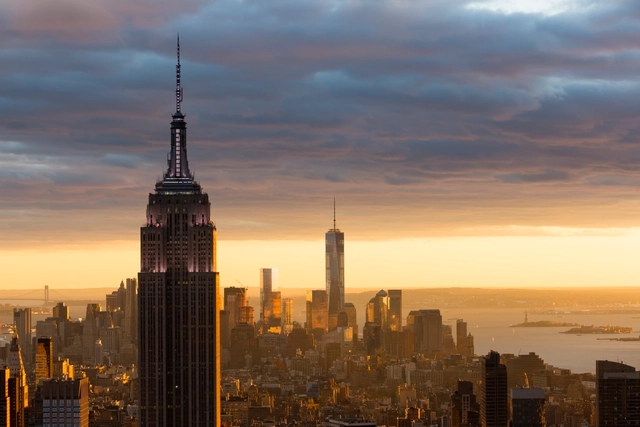
People are moving into urban centers at an unprecedented rate. According to the United Nations, the world's urban population has increased from 751 million in 1950 to 4.2 billion in 2018. By 2050, an additional 2.5 billion people are expected to reside in urban areas. In response to this rapid urban growth, designers are challenged to create sustainable and resilient spaces that accommodate complex human needs, both necessary and desired.
World-renowned architecture, interior design, engineering, and urban planning firm Skidmore, Owings & Merrill (SOM) invites educators and students from across the U.S. to engage in the 2018 SOM Foundation Research Prize: "Humanizing High Density." The SOM Foundation Research Prize is awarded to a faculty-led interdisciplinary design research proposal "with the potential to advance the practice of architecture, structures, urban design and related design disciplines."

The Royal Institute of British Architects (RIBA) has announced the 2018 shortlist for the Stephen Lawrence Prize, an architecture award set up in memory of a young aspiring architect who was tragically murdered in 1993. Supported and founded by the Marco Goldschmied Foundation, the bursary has been increased this year from £5,000 to £25,000 to mark the 25th year since Stephen’s death. The prize is intended to encourage fresh architectural talent and reward the best examples of projects that have a construction budget of less than £1 million.
Stephen Lawrence Prize founder Marco Goldschmied said: “We have once again been astounded by the skill, ingenuity and determination shown in each project. The shortlist ranges from new and converted housing to a moving memorial, from education to hospitality. Each project has produced outstanding architecture fit for such a long-standing award.”
The winner of the 2018 Stephen Lawrence Prize will be announced at the RIBA Stirling Prize party on 10 October at the Roundhouse in Camden, London.
Below are the shortlisted projects:

Are you in the market for a new home? If so, you may want to consider looking at a former parking garage, because they just might be the next place where developers are looking to build. In the United States alone, there are more than 500 million parking spots for 326 million citizens, covering approximately 2,500 square miles of land. Despite the push for a "car-free" future, more of these structures keep springing up across the country. If cities are building parking garages to support the need for the cars of today, how might we rethink their design so they can outfit the autonomous vehicle ambitions of tomorrow?














.jpg?1533734642 "VillaLóla / ARKÍS architects. Image © ARKÍS architects")