Produce personalized presentation boards that distill complex concepts into simple visual representations with a few helpful tools and effects.


Produce personalized presentation boards that distill complex concepts into simple visual representations with a few helpful tools and effects.
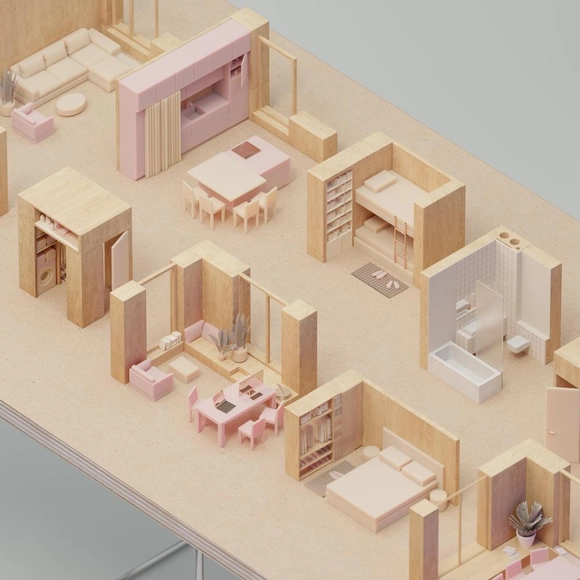
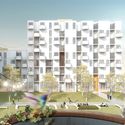
The urban consultancy Strelka KB has announced the winners of the international competition for alternative housing in Russia. Designed to test the country's new Integrated Guidelines for Urban Development, the competition asked participants to rethink standardized housing and apartment typologies. 689 projects were submitted from 37 countries to address issues of adaptability, ergonomic efficiency and functional diversity.
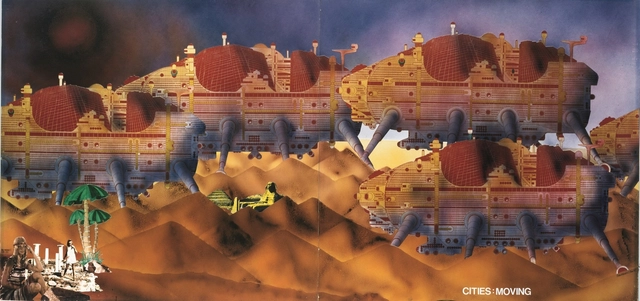
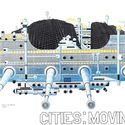
The M+ Museum in Hong Kong, designed by Herzog & de Meuron, has purchased the entire archive of the prominent Archigram group. As reported by the Architect’s Journal, the collection was sold for £1.8 million, having been given the go-ahead by the UK’s Culture Secretary Jeremy Wright.
The sale has not been without controversy, with opposition from the Arts Council’s reviewing committee on the export of works of art and objects of cultural interest. The committee had sought a delay in the sale until a buyer was found who would keep the collection in the UK.
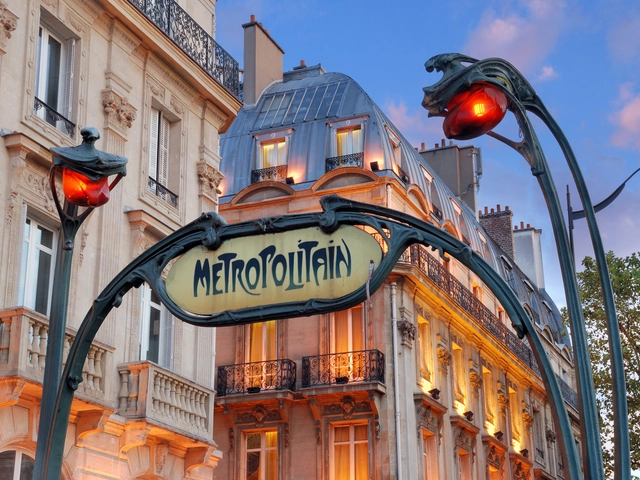
Paris is set to make public transport free for all children under the age of 11. As detailed by Le Parisien, September 2019 will see new concessions rolled out across the Greater Paris region including free metro and bus travel for people under 11, including non-nationals, and free travel for people with disabilities under the age of 20. In addition, high school students between 14 and 18 will receive a 50% concession, as well as a free bike share account on the city’s Vélib scheme.
The scheme is expected to cost €15 million ($17 million) per year, only a fraction of the €10.1 billion ($11.5 billion) annual budget for the region’s public transport system, and is part of a broader strategy to make public transport more affordable for Parisians. In Spring 2018, the city also introduced free annual travel passes for low-to-medium income citizens with disabilities, and people over 65.
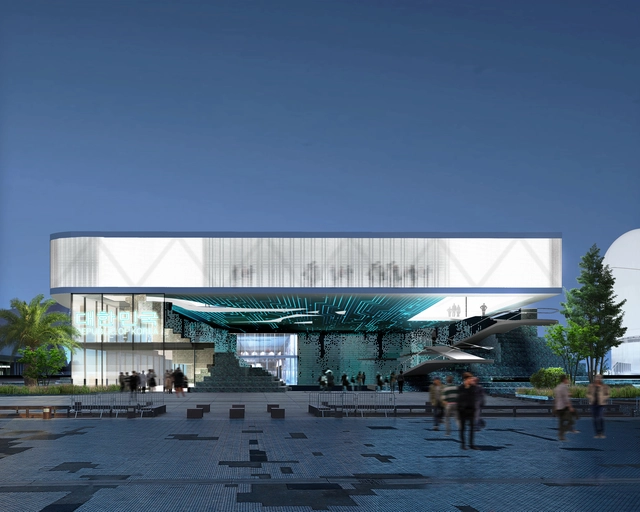
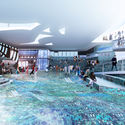
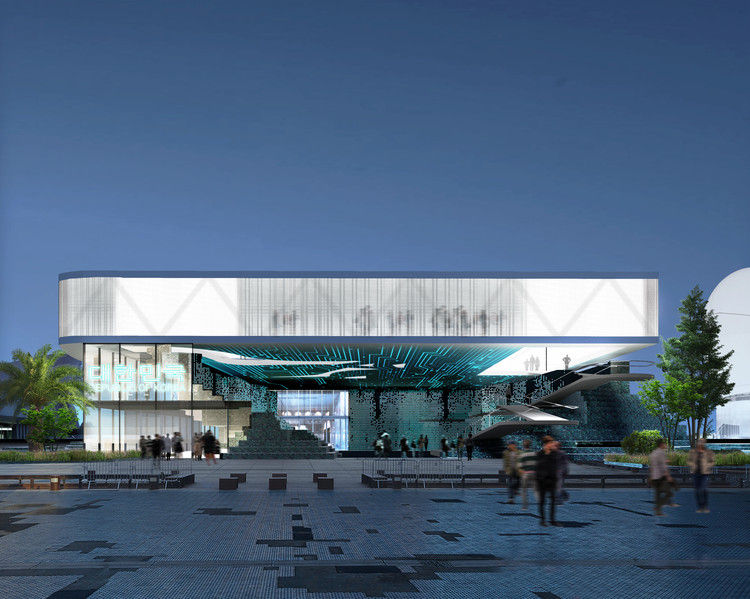
Multidisciplinary practice SuperSpatial was selected as one of the 6 finalists for the South Korean Pavilion at Expo 2020 in Dubai. Their design explores the future of e-waste through an architecture that re-uses thousands of obsolete computer parts as a construction material. Shaped like an amphitheater for temporary events, the project uses the Expo as an occasion to think about the global problem of e-waste by using a pavilion as a critical medium.
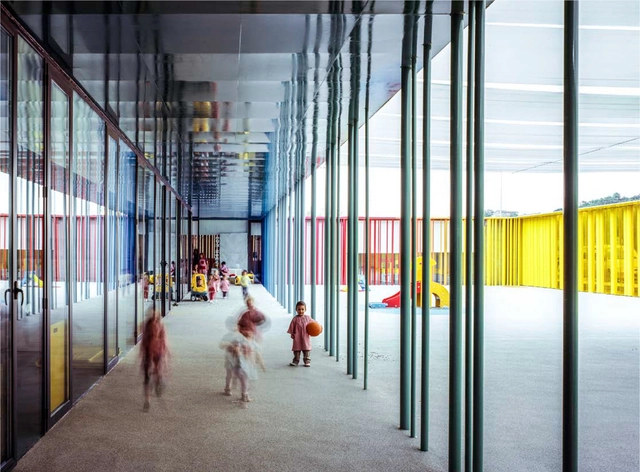
For those in the northern hemisphere, the last full week in January last week kicks off with Blue Monday - the day claimed to be the most depressing of the year. Weather is bleak, sunsets are early, resolutions are broken, and there’s only the vaguest glimpse of a holiday on the horizon. It’s perhaps this miserable context that is making the field seem extra productive, with a spate of new projects, toppings out and, completions announced this week.
The week of 21 January 2019 in review, after the break:
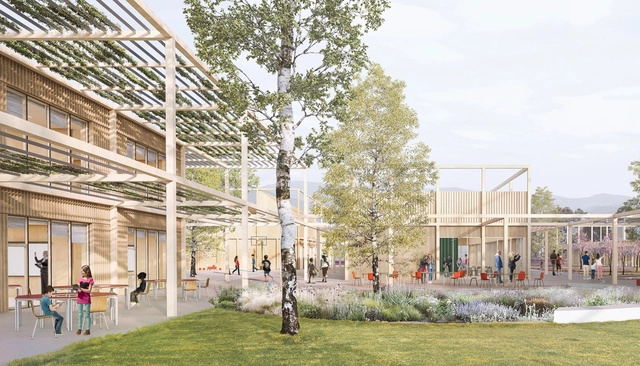
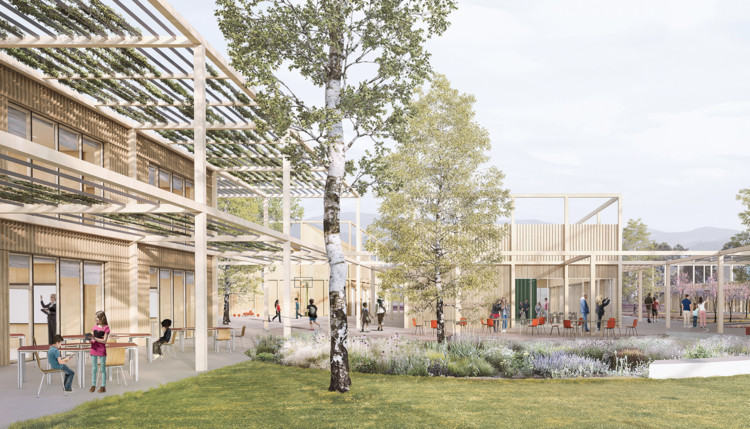
Ten years after a destructive earthquake rocked Italy's central Abruzzo region, many students still attend class in temporary modules similar to containers. Named winners of an international competition, SET Architects’ design for the new “Sassa School Complex” proposes reconstructing a place for students and the community to learn, gather, and grow. Inspired by the modularity and essential nature of climbing frame play structures, the architects describe the design as a metaphor for “freedom and social aggregation as a fundamental value for dynamic and innovative teaching.”

Winter is hardly the high season for Toronto's waterfront. Nevertheless, the annual design competition Ice Breakers aims to draw people back to the outdoors, populating the frozen harborside with installations celebrating the winter. This year's winning designs are currently on show, centering around the theme "Signal Transmission."
For a third year in a row, Ports Toronto and the Waterfront Business Improvement Area (WBIA) partnered to produce this 2019 exhibition. Out of hundreds of international submissions, the winning designs include an illuminated starlight house, kaleidoscopic mirrors, and arches of bells, now on display until February 24.
See all five winning installations with descriptions by the architects below.
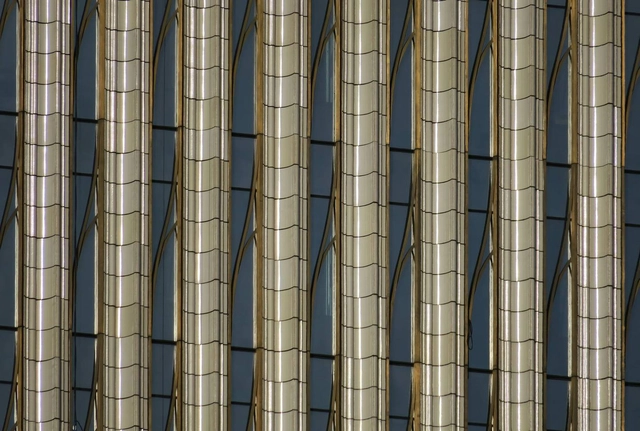
The ‘Super Tall and Skinny’ NYC Tower 111 W 57 by SHoP Architects is forging ahead as seen in this photographic construction update by Paul Clemence from Archi-Photo. In the photos, the glass and terracotta facade seems largely complete, casting beams of light into New York's notoriously valley-like streets. SHoP's ultra-thin residential tower, which is set for completion this year, will rise above the Empire State Building and even One World Trade Center, taking a bird's eye view over the entirety of the city skyline.
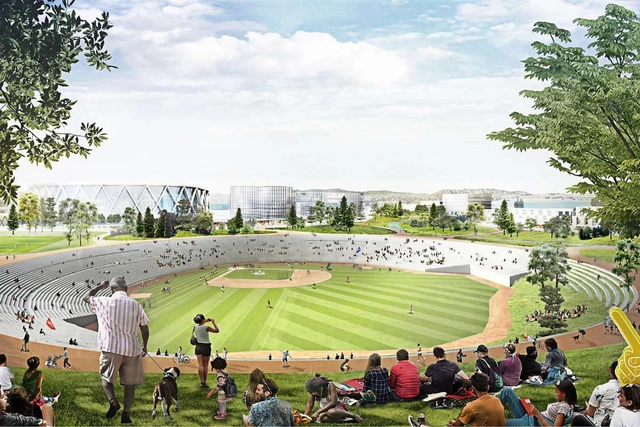
After revealing the design for the new Oakland Athletics baseball stadium, Bjarke Ingels Group has proposed a new use for the existing 51-year-old Oakland-Alameda County Coliseum. The existing stadium will be overhauled into a new commercial and housing hub to create new economic, cultural, and recreational opportunities. The Coliseum will be converted into a sunken amphitheater at the heart of a new municipal park.
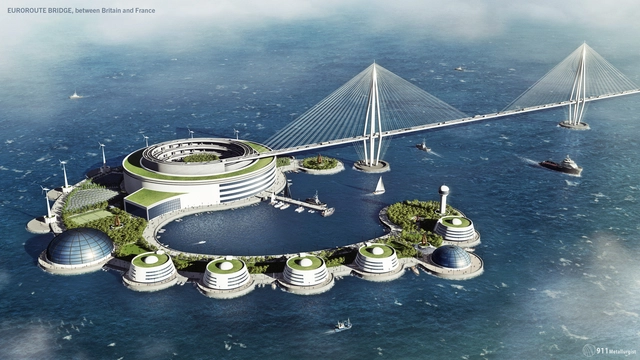
2019 has already witnessed a series of bridge-related milestones marked, from the world’s longest bridge nearing completion in Kuwait to the world’s largest 3D-printed concrete bridge being completed in Shanghai. As we remain fixated on the future-driven, record-breaking accomplishments of realized bridge design, "911 Metallurgist” has chosen to look back in history on some of the visionary ideas for bridges which never saw the light of day.
Whether stopped in their tracks by finance, planning, or engineering difficulties, the four bridge designs listed below embody a marriage of art and engineering too advanced for their time. From a proposal for a EuroRoute Bridge between Britain and France, to a 12-rail, 24-lane bridge across the Huston River in New York, all four designs share a common, ambitious, yet doomed vision of crossing the great divide from pen and paper to bricks and mortar.
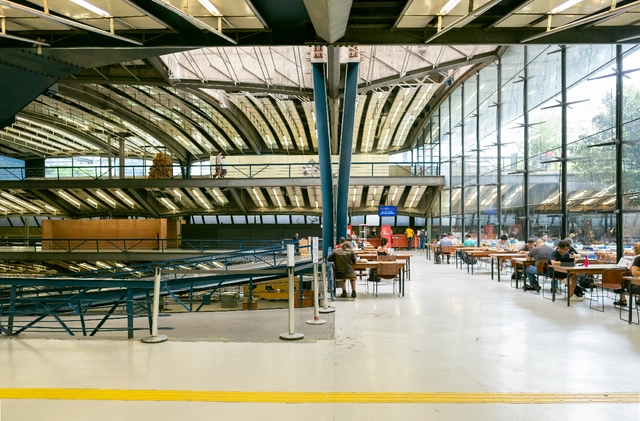
Everyday, the theme of the XII International Architecture Biennale of São Paulo, Brazil, proposed by the curators Vanessa Grossman, Charlotte Malterre-Barthes and Ciro Miguel, seeks to reveal architecture and space through everyday life. Architects and urban planners have long aspired to design total environments, civilizations, even the planet. However, in the current climate of political and economic uncertainty, occurring against the backdrop of unprecedented environmental impacts wrought by rapid technological development, design professionals have begun to acknowledge the vulnerability of their work to global transformations and the challenges of an automated future.
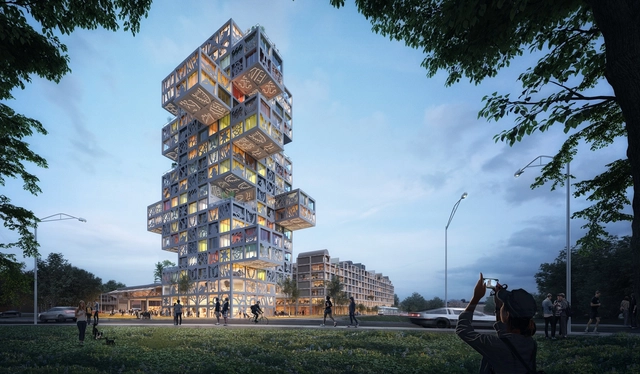
MVRDV have released details of their proposed mixed-use complex, designed to redevelop a post-industrial site in Kiel, Germany. The 65,000-square-meter proposal will adopt a flexible design system as opposed to a fixed, unchangeable plan, thus allowing the scheme to adapt to future demands as the design development progresses.
Labeled the “KoolKiel,” MVRDV’s scheme will occupy an existing large, single-story building previously used to store chains of ships, and for the printing of Germany’s famous Werner comics in the 1980s. The site’s current use as a hub for media and creative industries, and its resulting charismatic identity, has strongly influenced the MVRDV scheme, with the retention of the existing structure and lively, playful exterior spaces.
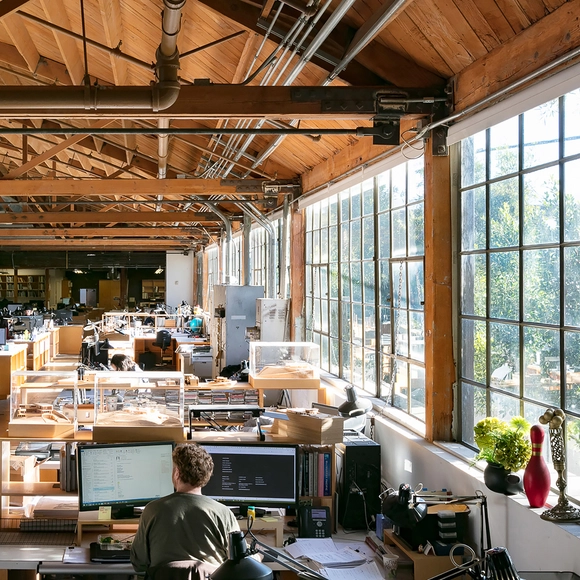
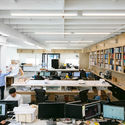
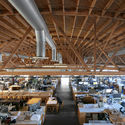
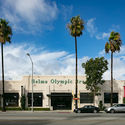
After having previously photographed the offices of architecture firms in the Netherlands, Dubai, London, Paris, Beijing, Shanghai, Seoul, the Nordic countries, and Barcelona, architectural photographer Marc Goodwin continues the series with an exploration of 15 large architecture and design studios in Los Angeles. Featuring a set of emerging and world-renowned offices alike, the series gives a glimpse into the life of designers across the City of Angels.
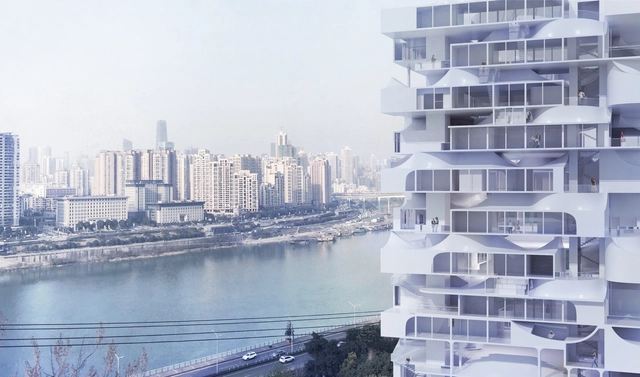
Each year, the Boston Society of Architects offers the James Templeton Kelley Prize to the best final design project for the MArch degree at the Harvard Graduate School of Design. This year, the March II recipient was Ziwei Song for their thesis titled “Not so skin deep: vernacularism in XL” for exploring alternative ways of integrating the Chinese vernacular with modern “XL” developments.
Ziwei’s thesis sought to re-approach the typical developer project in China, and demonstrate the capacity of the vernacular image to positively-effect the sequence, perception, and exposure of space. To test this, the project was placed on Chongqing, a typical second-tier city in China with a concentration of XL developer projects.
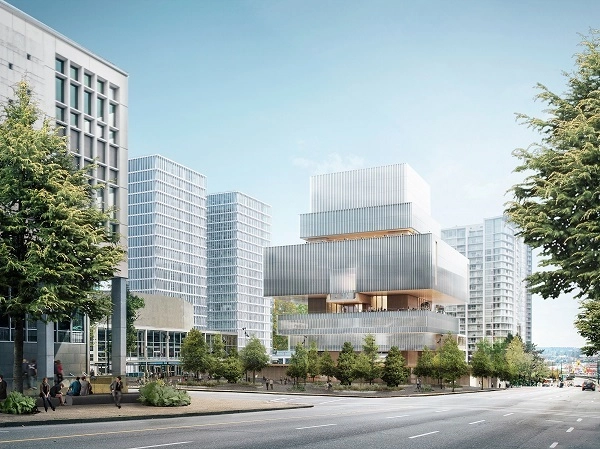
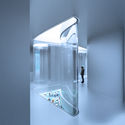
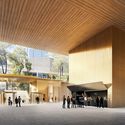
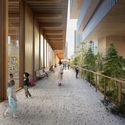
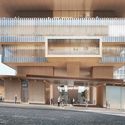
The Vancouver Art Gallery has unveiled the final design for its 300,000-square-foot building designed by Herzog & de Meuron. Designed to serve the Gallery’s ever-expanding collection of art and educational programs, the scheme will offer “a global platform for Vancouver’s and Canada’s thriving arts scene and play a vital role in establishing this city as one of the world’s most foremost cities for arts and culture.”
The scheme has been designed as a sculptural, symmetrical, upright building infusing opaque and transparent surfaces. The stacked scheme sees a minimal mass at the bottom contrast with larger volumes concentrated at the top, allowing light and air to filter down to an active, open-air courtyard below.

American light and space artist James Turrell's best-known work, Roden Crater, is now set to open to the public within the next few years thanks to a series of partnerships and new funding. Part of the additional funds includes a $10 million donation from Kanye West that would allow the project to expand and open within the next five years. Only a small group of people have experienced the crater, and the new funding will jump-start the updated master plan, which includes a restaurant, visitor’s center, cabins, and a "light-spa."
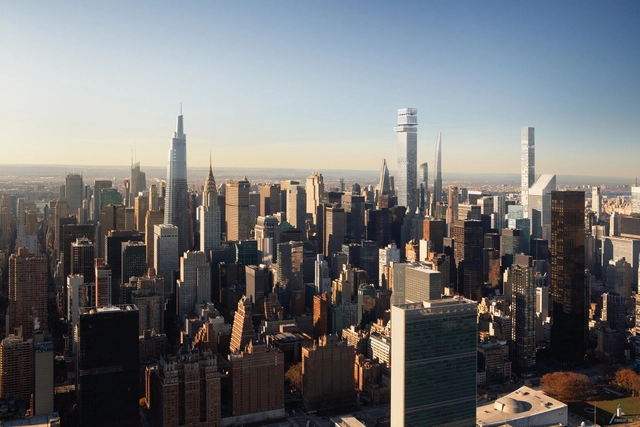
Gensler has released details of their proposed Tower Fifth in New York City. If realized, the 1556-foot-tall scheme would be the second-tallest building not just in New York, but in the Western Hemisphere. Located east of Fifth Avenue between 51st and 52nd Street, the tower will sit adjacent to St. Patrick’s Cathedral.
According to Gensler, who designed the scheme in collaboration with developer Harry Macklowe, the tower “creates a new paradigm for how a supertall structure meets the street and interacts with its neighbors.”
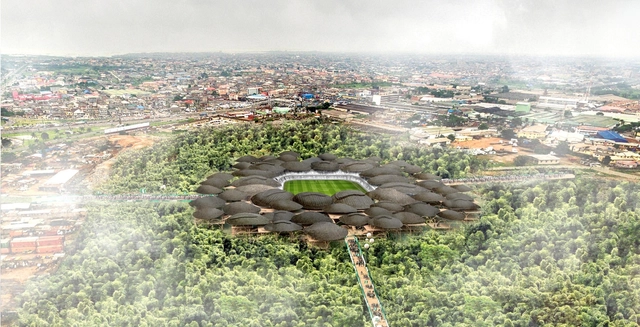
Architecture research initiative “arch out loud” has announced the winners of their “Waste: Multi-Purpose Stadium” competition, asking participants to speculate on the design of a multi-purpose stadium at the former Olusosun Landfill in Lagos, Nigeria.
The competition was organized in response to the fact that the world creates more than a billion tons of garbage per year, most of which is incinerated, buried, and explored to landfills. As populations and major cities expand, so too must our “ability to reverse wasteful tendencies and begin living more efficiently and sustainably.”
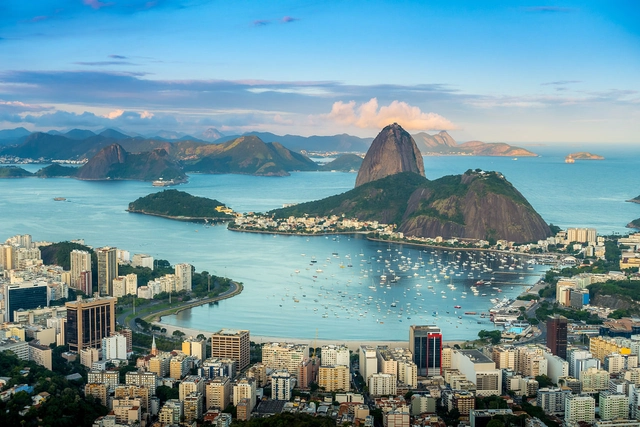
UNESCO has named Rio de Janeiro, Brazil as the World Capital of Architecture for 2020. In keeping with UNESCO’s recent partnership agreement with the UIA, UNESCO designates the World Capital of Architecture, which also hosts the UIA’s World Congress. The World Capital of Architecture is intended to become an international forum for debates about pressing global challenges from the perspectives of culture, cultural heritage, urban planning and architecture.
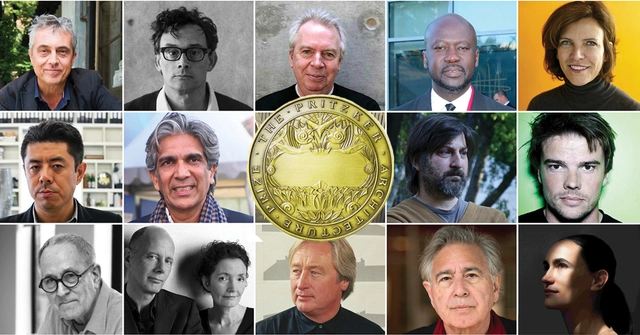
It's a new year, and as we inch closer to February speculation has begun to swirl around who will be named next laureate(s) of the Pritzker Prize. What used to be a somewhat predictable award has become less so in recent years, and if you look at who has won you will realize that anything is possible. Will the jury honor a member of the "old guard," as when they awarded the late Frei Otto? Or will they recognize a young architect, as when they selected Alejandro Aravena?
We want to hear from our readers - not just about who probably will win the prize, but about who should win the prize, and why.
Cast your vote in the poll below - or add in the dark horses you think deserve the honor in 2019.
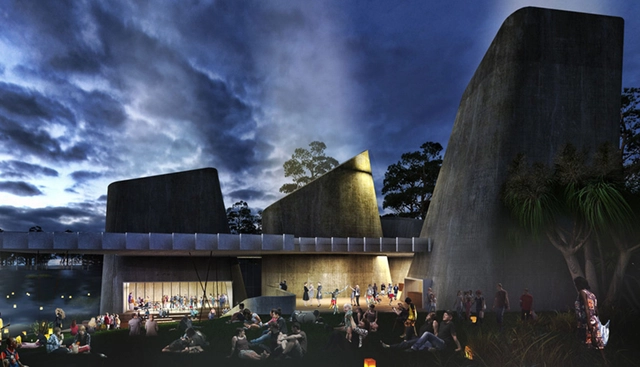
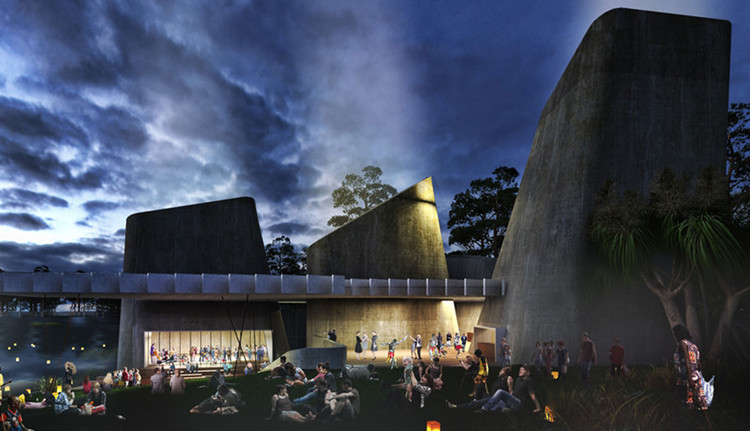
Australian practices NAAU and Enlocus have designed a plan to transform the mining town of Jabiru in Kakadu National Park into a tourism destination. The Gundjeihmi Aboriginal Corporation will receive $446 million in funding to support the project, setting out a vision for the future of the town following the scheduled closure of the nearby Ranger uranium mine in 2021. The plan includes new accommodation, education and health services, and a World Heritage Interpretation Center.
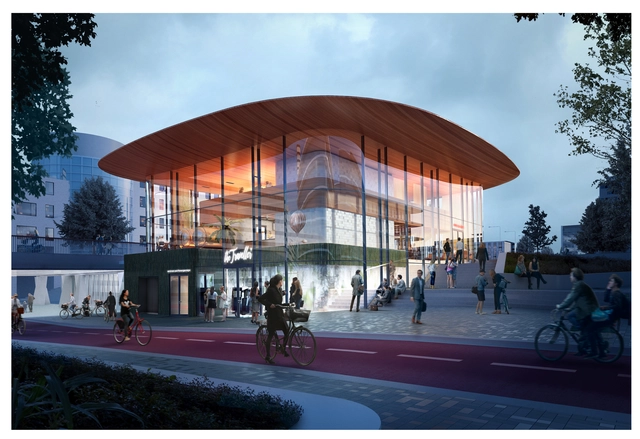
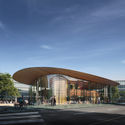
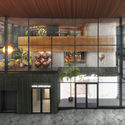
Construction has begun on the Powerhouse Company-designed pavilion for the ING campus in Amsterdam. Located in the up-and-coming district of Amsterdam Southeast, the 900-square-meter pavilion seeks to “make a bold statement while integrating with its surroundings."
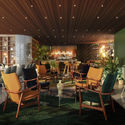
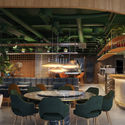
The clean, minimalist pavilion will sit at the heart of the ING campus, serving as both a dining area and a multifunctional space for the community. Emphasizing the natural landscape, the pavilion offers a synergy between the built and natural environment through a friendly circular form, a timber interior, and green Tichelaar tiles on the north and east facades.
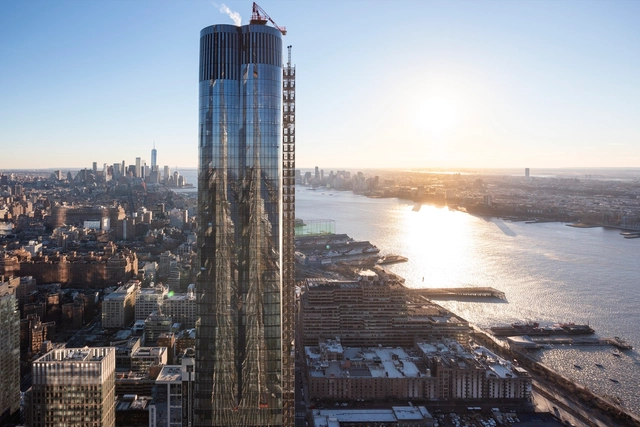
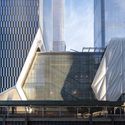
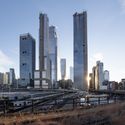
Construction has completed on Diller Scofidio + Renfro (Lead Architect) and Rockwell Group's (Lead Interior Architect) 15 Hudson Yards, an 88-story skyscraper marking the first residential project in the Manhattan masterplan. The scheme is now open with 60% of residential units already sold, totaling over $800 million in sales.
The tower marks DS+R and Rockwell Group's first skyscraper, designed in collaboration with executive architects Ismael Leyva. The scheme topped out in February 2018 to its architectural height of 914 feet.
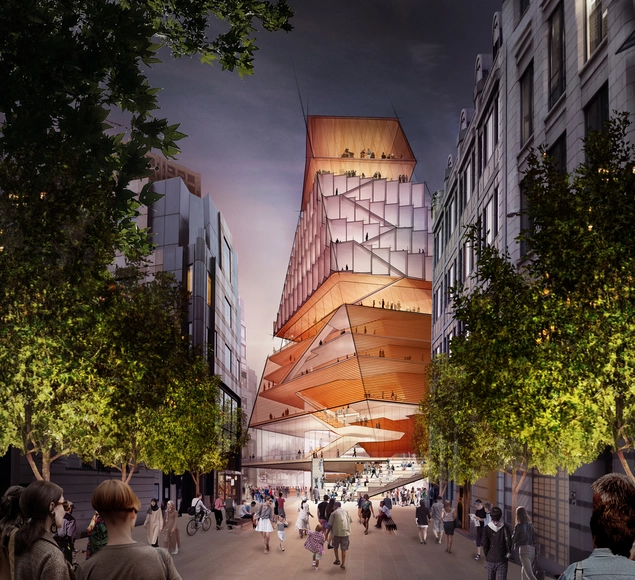
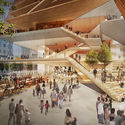
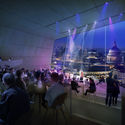
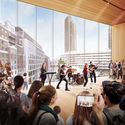
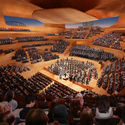
Diller Scofidio + Renfro have revealed the design for the new London Centre for Music. Made for The Barbican, London Symphony Orchestra and Guildhall School of Music & Drama, the first concept designs were released as part of a progress update on plan for the new proposed building. Made to be a world class center for music in London, the design would create an iconic new gateway to the City of London’s emerging Culture Mile.