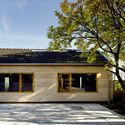
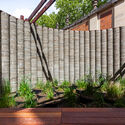
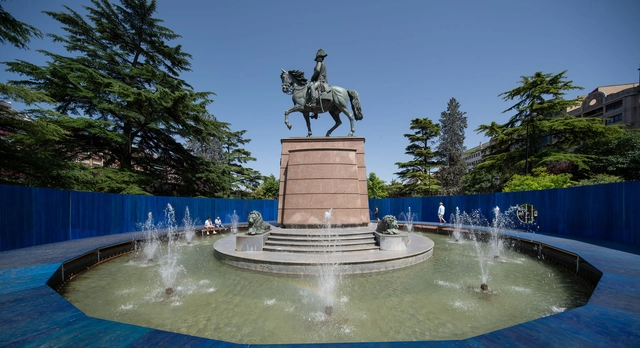
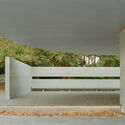
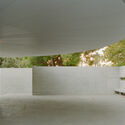
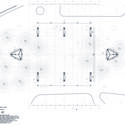
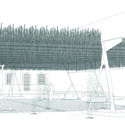
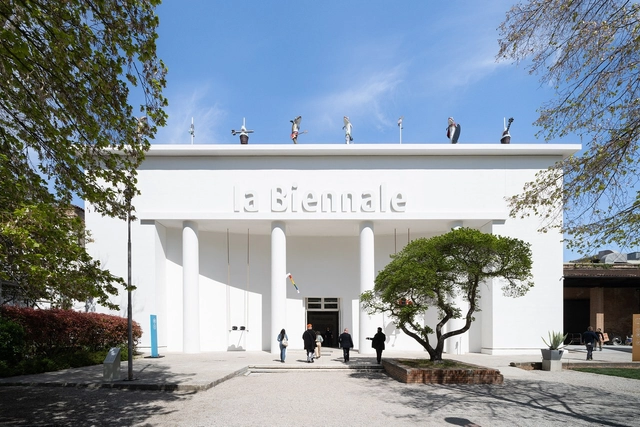
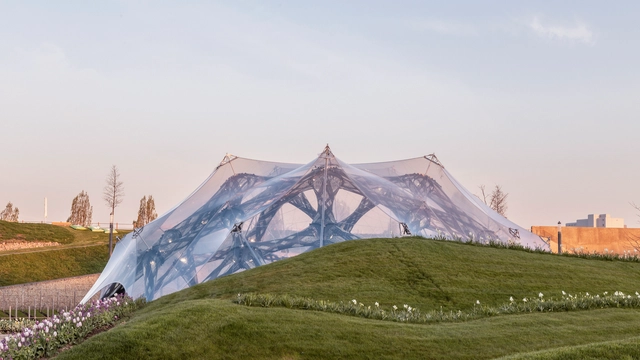
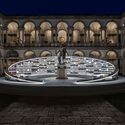
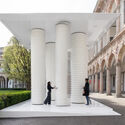
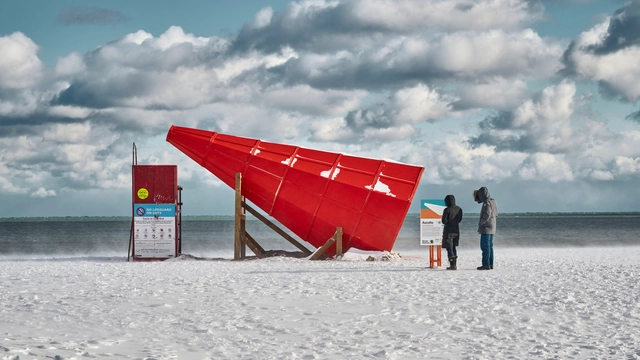
The Winter Stations annual design competition celebrates its 11th edition in 2025. The competition challenges international artists and designers to reimagine lifeguard stations as captivating, interactive art installations. Designed to harmonize with the environment at Woodbine Beach in Toronto, Canada, these installations encourage immersive engagement with art in a public space, offering a transformative experience. Following its 10th anniversary in 2024, Winter Stations introduced an additional challenge, inviting participants to consider the future of the stations and their evolving relationship with the public and the environment. The theme for the 2025 edition, Dawn, calls on designers to explore how the stations can adapt, grow, and transform in the coming years.
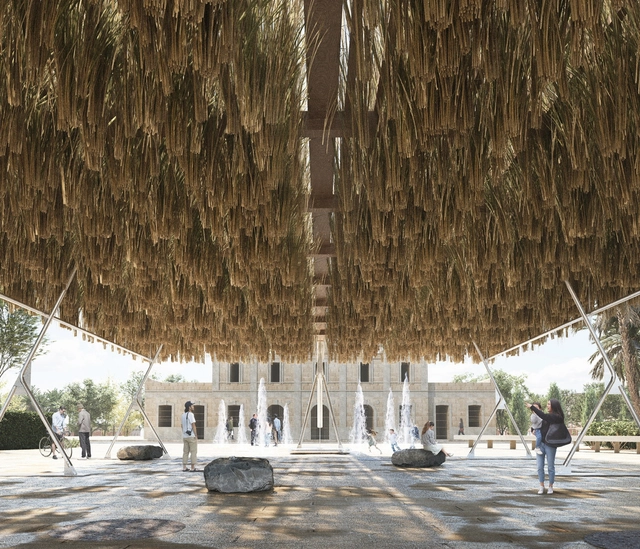
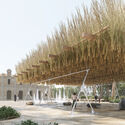
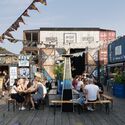
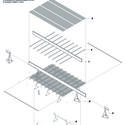
A "meanwhile space" refers to the temporary use of an otherwise vacant area—whether it's an empty shop, a disused building, or a site awaiting redevelopment. The concept revolves around making productive use of these spaces during the interim period before a long-term purpose is established. Essentially, it's about what happens in the meantime, turning unused spaces into vibrant, functional places during periods of uncertainty or transition.
Coffee culture continues to thrive in the contemporary world, with a noticeable shift from the dominance of chains & franchise stores to a growing market for prosumer coffee. As more and more coffee consumers become prosumers, individuals who both produce and consume, they are turning coffee-making into a hobby, even a ritual, and are expecting coffee shops to keep up. Consumers are becoming more knowledgeable, paying close attention to the source and type of beans, brewing methods, and equipment. They also appreciate the design of coffee machinery, not just for its functionality but for its aesthetics, efficiency, and space management. This surge in interest, especially in Asia, has led to changes in coffee shops' operations. Many individual coffee shops, responding to the rise in consumer spending power and interests, are motivated to focus on creating unique, immersive experiences for an ever-growing marketable audience.
Known for its unconventional art installations and striking desert setting, the Burning Man festival has concluded this year with an array of temporary installations spread across the Black RockDesert in Nevada. The festival's 2024 theme, "Curiouser & Curiouser," inspired by Lewis Carroll's Alice in Wonderland, encouraged participants to embrace wonder and whimsy.
At Burning Man, a tapestry of themes emerges through diverse installations, from reflections on connectivity and isolation to explorations of time and space. Installations like Nebula Shroom Grove and the Temple of Together emphasize community and unity, inviting interaction and participation. Pieces like "I'm Fine" and Tree Circle delve into universal emotions and humanity's connection to the infinite, while works like Matter Out of Time and The End of Time play with perceptions of time and reality.
Landscape architecture has traditionally been associated with lush greenery, rooted in the historical development of gardens and parks as spaces that bring nature into urban areas. This connection to greenery is deeply ingrained in the origins of the field, where the creation of verdant retreats was seen as both aesthetically pleasing and beneficial to human well-being. However, in regions like the Middle East, where water scarcity and harsh climates are more prevalent, there is a growing trend toward using local materials such as sand, stone, minerals, and indigenous plants. This shift reflects a more sustainable approach, reimagining landscape architecture to align with the environmental and cultural contexts of the region.
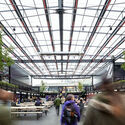
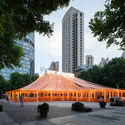
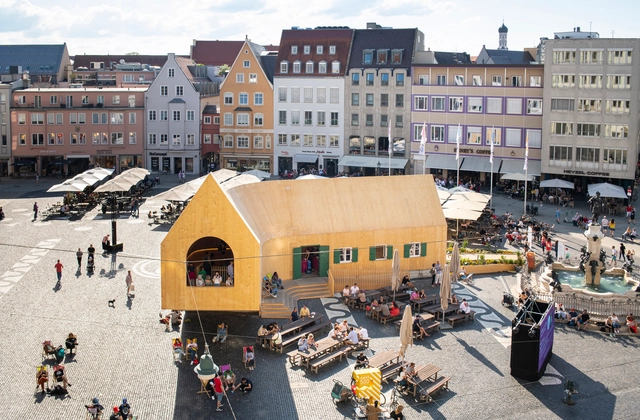
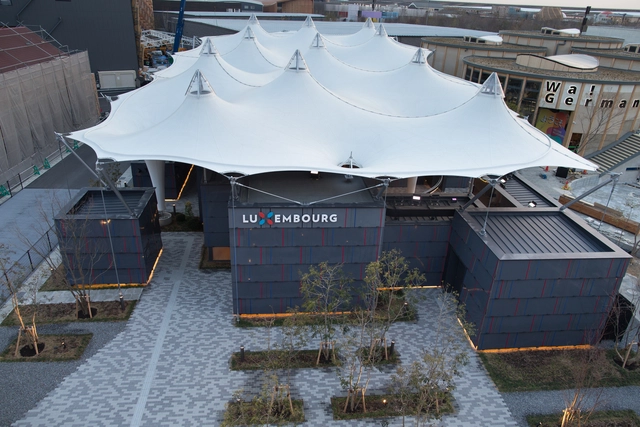
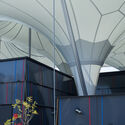
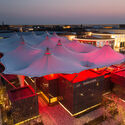
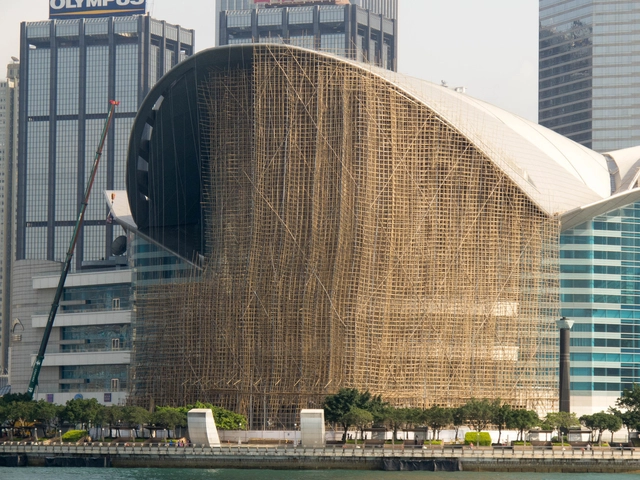
Ephemeral architectures, characterized by their temporary and flexible nature, have emerged as powerful tools for revitalizing urban spaces and fostering architectural creativity. These transient installations transform public areas, engaging communities, and prompting reflections on the potential futures of our cities. By temporarily transforming environments, ephemeral architectures encourage both architects and the public to reimagine the possibilities of urban living. This dynamic interplay, between the temporary and the permanent, challenges traditional architectural practices and opens up new avenues for sustainable and inclusive urban development.
The first Olympic village was built for the 1924 Summer Games in Paris. Before this, athletes stayed in hotels, hostels, schools, headquarters, and even on the ships that brought them to the host cities. Pierre de Coubertin, co-founder of the International Olympic Committee (IOC), proposed the idea of an Olympic village. He realized it would be more cost-effective to house athletes in temporary structures rather than hotels. He believed the village would also create a sense of community among the international competitors.
To take advantage of the historic heritage of the city of Paris while also minimizing the impact of the Olympics, the Paris 2024 Games are organizing a set of temporary arenas and installations to host several key competitions, only to be disassembled after the games' closing. Only one sports venue has been built specifically for the 2024 Olympic Games, the Aquatics Centre Paris, as the city aims to use its existing sporting infrastructure to the maximum, ensuring a smaller footprint compared to previous editions. In addition to the established venues, key temporary sites include the Trocadéro, Eiffel Tower, Champ-de-Mars, Esplanade des Invalides, Pont Alexandre III, Place de la Concorde, and Place de l’Hôtel de Ville, with additional stands along the Seine for the Opening Ceremony.
The assembly and disassembly of these temporary sites will follow a step-by-step approach to minimize disruption. Geographical phasing will preserve traffic lanes and access to public spaces, while time phasing will gradually activate and deactivate competition perimeters to limit construction impact and quickly restore spaces post-Games. These measures align with Paris 2024's commitment to organizing responsible and respectful Games and preserving the city's urban and natural heritage.
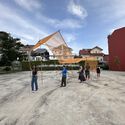
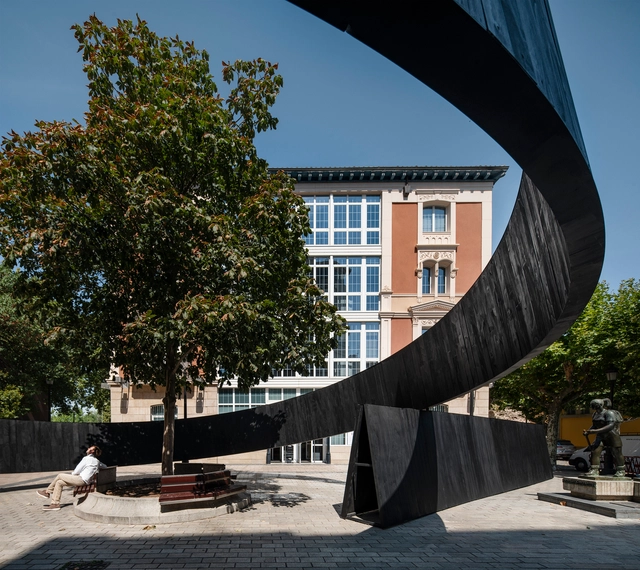
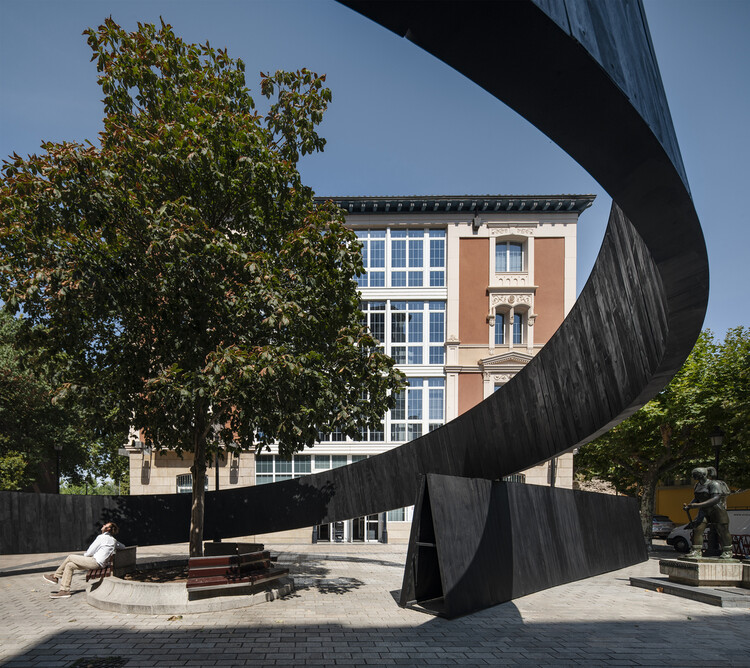
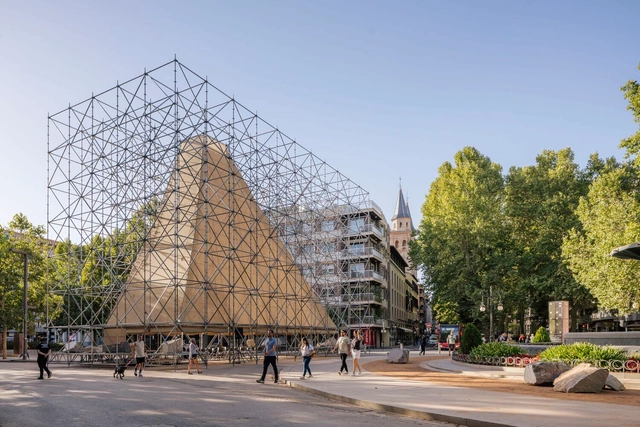
Until July 14, 2024, the pavilion ¡Qué faena(r)! ('What a Task!') by Óscar Cruz García and Pablo Paradinas Sastre will be installed at Puerta del Sol in Vigo, one of the two winning temporary pavilions of the third edition of TAC! Urban Architecture Festival. Reflecting on public spaces and the regeneration of urban centers as the main theme of this new edition, the proposal combines tradition and innovation, involving local producers and artisans during the process and simultaneously reusing materials considered waste, such as fishing nets, rusty 'bombos,' recovered wood from bateas, and granite blocks that gain a second life after fulfilling their mission in the sea.
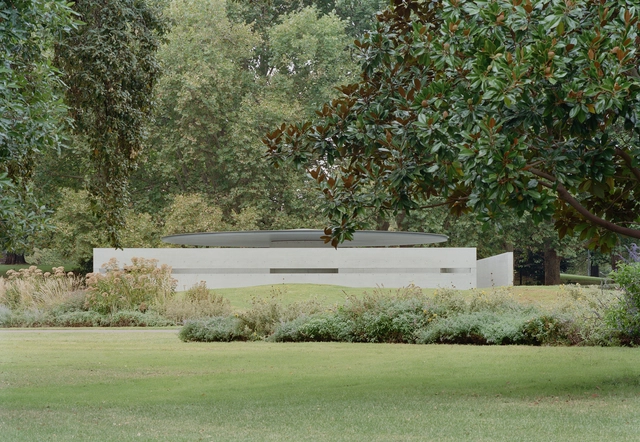
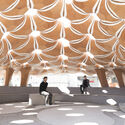
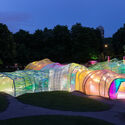
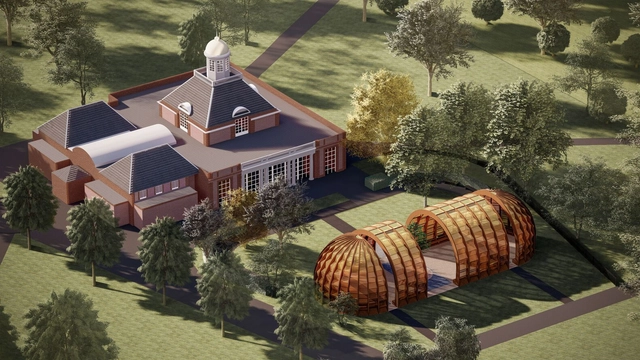
Since its launch in 2000, the Serpentine Pavilion has been providing renowned and emerging architects with a platform for design experimentation, becoming an important display of contemporary architecture. Each year, the commissioned architects and designers envision a temporary structure that speaks not only to their roots as creators, but also brings into focus what they consider to be important themes in the architectural world, from the need to redefine spaces for contemplation or conviviality, to explorations into the potential of natural materials or vernacular building techniques. On the day of the public opening of the 2024 Serpentine Pavilion, the "Archipelagic Void" designed by Korean architect Minsuk Cho and his firm Mass Studies, we look back at the last eight editions of the famous annual structure.
Camping, as defined in dictionaries, involves temporarily staying outdoors, setting up makeshift accommodations, and settling in natural surroundings. In architecture, tents symbolize these aspects, representing a typology that has endured across centuries and cultures, often linked with notions of impermanence and vulnerability.
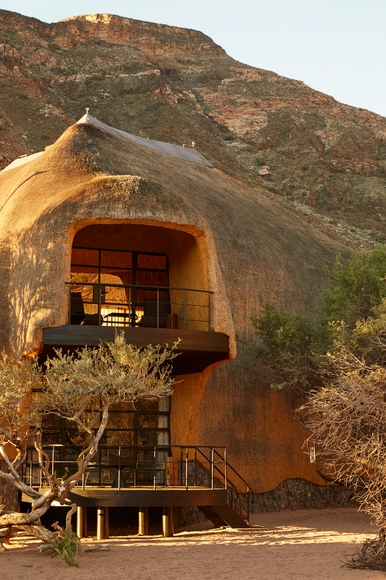
In light of this common understanding, the term 'glamping' emerged in the early 2000s, blending 'camping' with 'glamour,' suggesting a fusion of camping with luxurious amenities. However, despite its recent popularization, the concept is far from original. Camping has not always been seen as the antithesis of luxury.
Architecture and Design Festival Concéntrico celebrates its 10th anniversary from 25 April to 1 May 2024 with an edition that aims to reflect on the impact of the annual festival upon the city of Logroño, Spain, as well as to consider how the city continues to evolve. Through installations, exhibitions, lectures, performances, workshops, and activities, Concéntrico proposes a reflection of the urban environment, welcoming architects and designers to intervene and challenge it while opening conversations about pressing matters.
While the official theme of the festival focused on the future of cities, the invited architects and designers took this suggestion further. Several overarching themes and subjects emerged during this year’s event, from the incorporation of concepts of time, an unusual element to be tacked through temporary installations, to the desire to engage more honestly with a wider public, to listen to their needs and create platforms where diverse perspectives can take center stage.
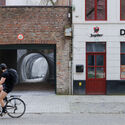
The fourth edition of the Bruges Triennial: Spaces of Possibility, curated by Shendy Gardin and Sevie Tsampalla, will be held from Saturday 13 April to Sunday 1 September 2024. This event promises to transform the streets and historic center of Bruges, Belgium, into a showcase of contemporary art and architectural interventions. With a focus on exploring the latent potential of this UNESCO World Heritage Site, the festival raises questions about how concepts like change and sustainability can interact with preservation.
The 12 selected artists and architects have been prompted to challenge the existing spaces within Bruges. Among the invited names are Boonserm Premthada’s Bangkok Project Studio, Mona Hatoum, Studio Ossidiana, and Sumayya Vally, founder of Counterspace and curator of the first Islamic Arts Biennale, among others. Until September 1st, they are presenting temporary interventions and large-scale installations that seek to reveal the hidden potential of the city, echoing the festival's theme. Against the backdrop of Bruges' rich history, this edition of the Bruges Triennial underscores the importance of adaptable urban spaces in today's ever-evolving world.
From April 25 to May 1, 2024, Logroño hosts the tenth edition of Concéntrico, a celebration of urban innovation and transformation. This year, the festival explores the future of cities, incorporating new formats, engaging diverse audiences, and tackling urban challenges through the lens of time as a catalyst for change in design. Featuring 20 interventions and activities involving over 100 professionals from 17 countries, the program encompasses processes such as renaturalizing public spaces, reimagining urban structures, and integrating recycled materials from previous editions.
Additionally, collaborations with educational centers ensure a lasting impact beyond the festival, fostering new collective practices in public spaces. Special projects such as "The street in 10 years" or initiatives involving students and pupils from local schools and educational centers further enrich the festival's engagement with communities across Spain.
Cuaderno de surcos / ji arquitectos + Blas Antón. Image Courtesy of Concéntrico
From April 25th to May 1st, 2024, in the Spanish city of Logroño, Concéntrico prepares for its 10th anniversary edition. Envisioned as a contemplation of changing urban environments and an opportunity to share insights about these processes, this year’s International Festival of Architecture and Design incorporates new formats to engage a wider audience and explore time as a catalyst for change in urban and social design. The festival expands its program, featuring 21 installations by designers of 20 different nationalities, in addition to several other initiatives and explorations.
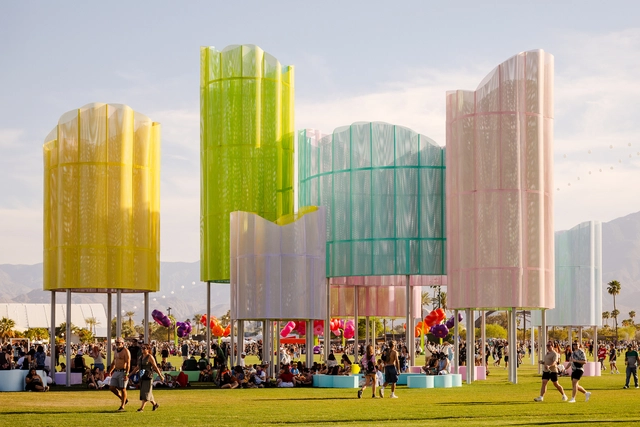
According to Raffi Lehrer, the founder of Public Art Company and Curatorial Advisor for Coachella's art program, the aim of these installations is not to simply adorn the festival but “to create environments that provoke thought, evoke emotion, and encourage a shared experience among all attendees.” By collaborating with artists from different fields, the music festival gains a new perspective, opening up its grounds for experimentation and play.
India's urbanscapes are characterized by a negotiation between the formal and the informal; permanence and impermanence. Structured amidst the concrete high-rises and planned neighborhoods, makeshift markets and bazaars form the core of city life. Often composed of sustainable structures, these transient commercial hubs exhibit a form of rudimentary architecture that spreads its roots deep in India's cultural and economic traditions.
The heart of India's informal urbanism lies in its public marketplaces and roadside bazaars that have existed for centuries. These urban zones have a history, believed to have originated from the era of traveling merchants and imperial trade relations. Today, these environments have evolved into dense labyrinths of impermanent shelters made from recycled tin sheets, tarpaulin canopies, and wooden poles. These bazaars organically transform neighborhoods into a choreographed chaos of vendors, goods, and the common public. Weekly markets are usually massive in scale and are set up every few days only to disappear again.