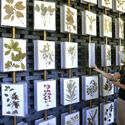
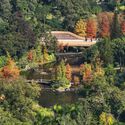
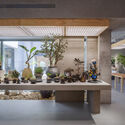
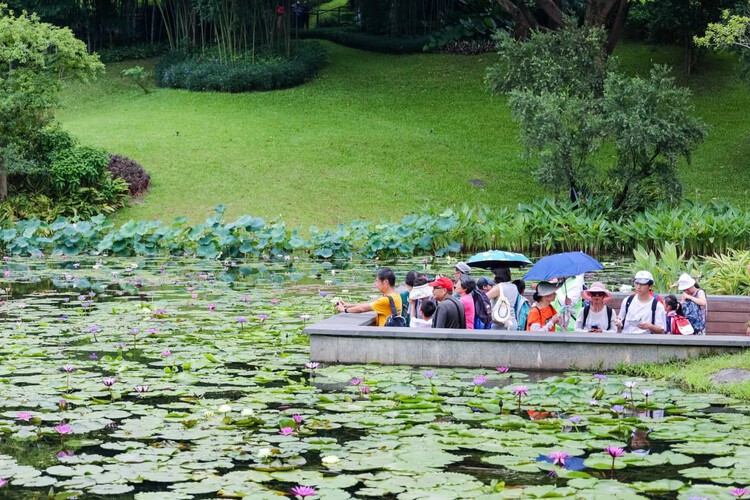
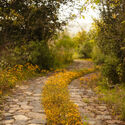
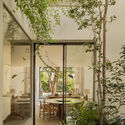
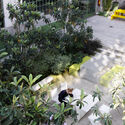
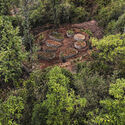
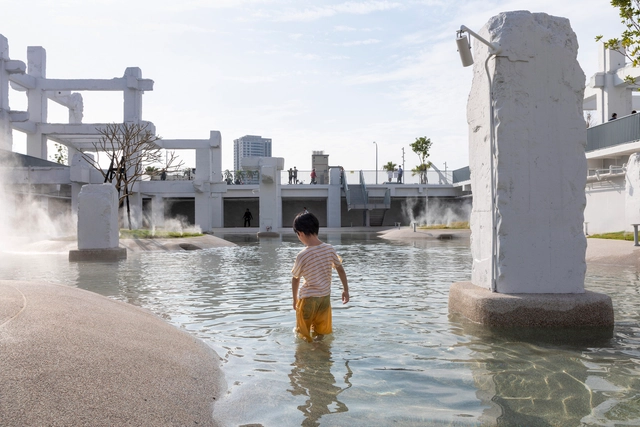
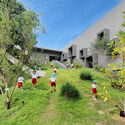
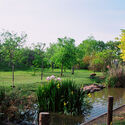
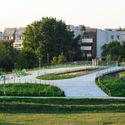
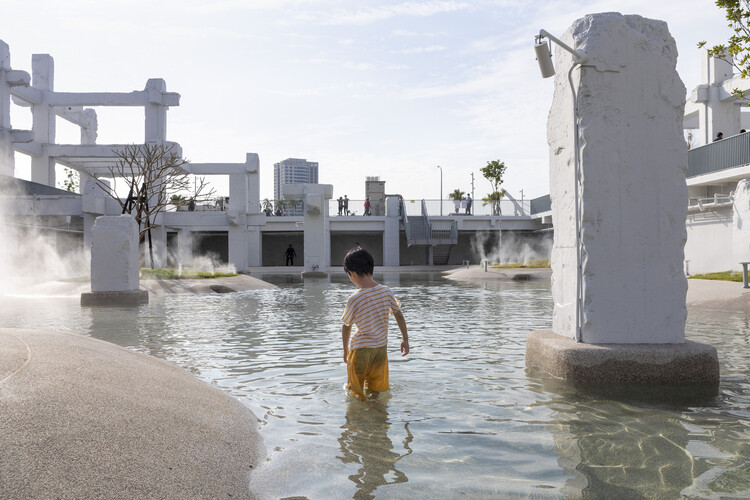
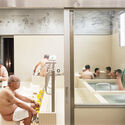
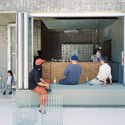
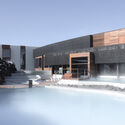
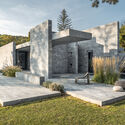
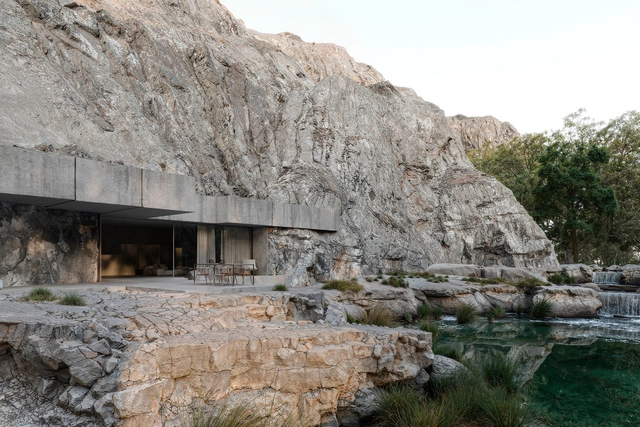
Guangzhou Yunxi Botanical Garden / AECOM + Architectural Design & Research Institute of SCUT + Guangzhou Landscape Architectural Design & Research Institute. Image Courtesy of Yunxi Botanical Garden
While human life depends heavily on plants for the medicines, building materials, and fuel they provide, they also play a vital role in many ecological processes. From climate regulation through carbon dioxide absorption to soil fertility and the purification of air and water, plant diversity offers opportunities to address some of the most pressing challenges of this century, including food security, energy availability, climate change, and habitat degradation. In this context, botanical gardens act as living refuges that foster innovation, adaptation, and human resilience. But what can architectural practice learn from botany and its methods?
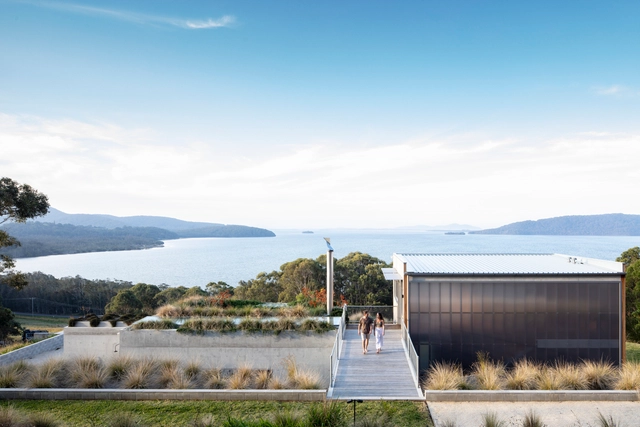
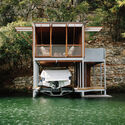
Gokce Gemile Private Bay, Turkey. Image Courtesy of Gokce Gemile Private Bay
Coastal landscapes often determine far more than views. Steep slopes, fragmented rock formations, dense vegetation, hidden coves, and limited accessibility can shape how privacy, movement, and occupation unfold before architecture enters the site. Their proximity to water and climate make coastal territories highly desirable for habitation, yet their ecological sensitivity and limited geography often place pressure on how development takes shape. Unlike cities, where density can support walkability, infrastructure, and collective urban life, coastal territories operate through more fragile relationships between land, vegetation, and water.
Along many coastlines, development tends to prioritize visibility and proximity to the sea, organizing land through concentrated occupation and expanded circulation networks. Yet certain sites can guide another approach in which geography itself becomes the primary organizing force. How can architecture occupy a landscape without dissolving the qualities that make the site distinct? Located on a secluded peninsula along the Mediterranean coast of Turkey, Gokce Gemile Private Bay explores this question through a low-density architectural approach shaped by geography, controlled access, and spatial distance.
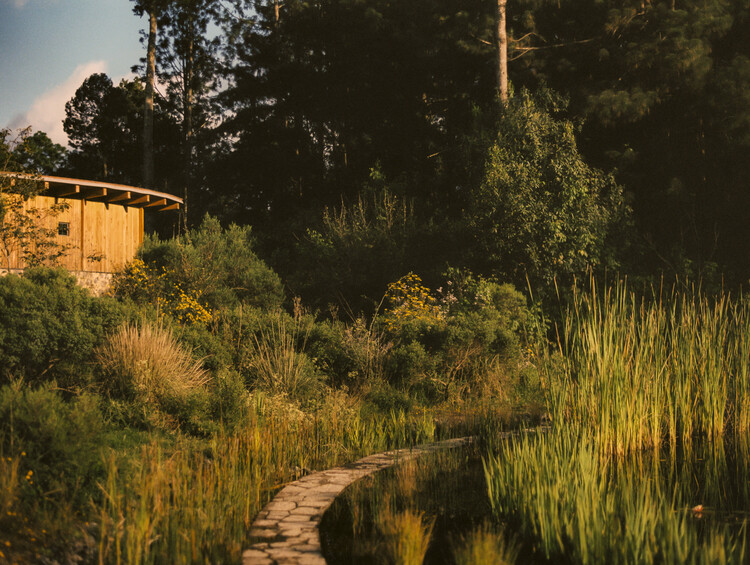
Based in Mexico City, Estudio Ome, founded by Susana Rojas Saviñón and Hortense Blanchard, is an architectural and landscape practice working across forests, volcanic terrains, urban fragments, and former industrial sites. Winner of the ArchDaily 2025 Next Practices Awards, the studio develops projects through sustained observation of ecological and territorial conditions, where design decisions arise directly from the behavior of soil, water, vegetation, and ground.
Each project begins with repeated encounters. The terrain is first approached through walking and prolonged observation, letting drainage patterns, erosion, and seasonal shifts become legible before any formal measurement occurs. These visits form the basis for interpreting both visible and subterranean layers—hydrology and historical transformations that continue to exert force on the surface.
Videos
Second Prize Winner: Branch. Image Courtesy of Buildner
Buildner has announced the results of the Howard Waterfall Retreat architecture competition, an international design challenge developed in close collaboration with the Howard Family Trust. The competition invited architects and designers to propose a multi-generational family retreat set within a privately owned, forested landscape in Northwestern Pennsylvania, centered on the dramatic presence of Howard Falls and the surrounding gorge.
Rather than prescribing a singular architectural solution, the brief emphasized a careful dialogue between architecture and nature. Participants were asked to consider how a retreat could balance shared and private living, respond to steep topography and water systems, and integrate sustainably within a sensitive ecological setting. The project also called for an interpretation of family legacy, encouraging designers to acknowledge the history of the site and the original summer cottage while imagining a retreat capable of evolving across generations.
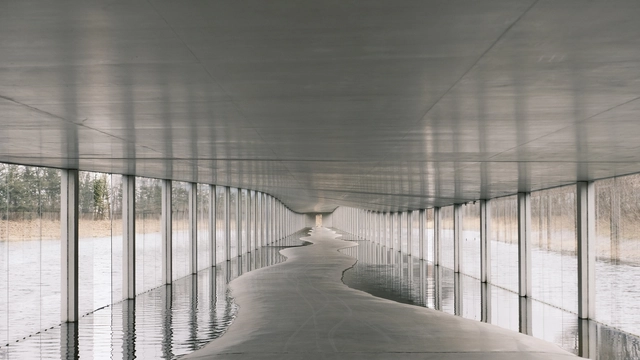
This international competition invited architects to design a boutique wellness retreat along the serene banks of the Vez River in northern Portugal. The project challenged participants to propose a space of tranquility and renewal that would harmonize with its extraordinary natural setting and complement a restored historic watermill already on site. The project partner, the site landowner, plans to construct one of the winning entries.
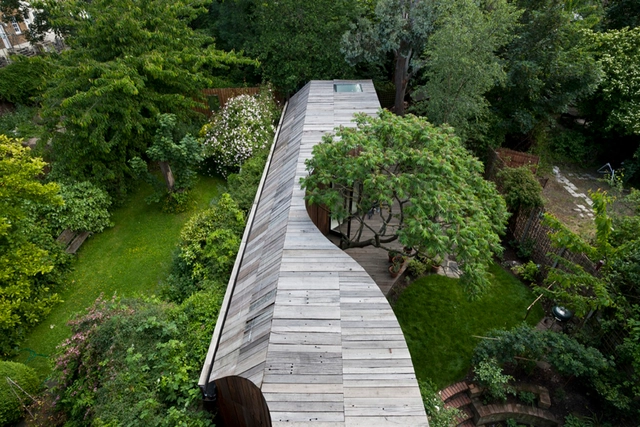
The preservation of the environment and the harmonious integration of the built and natural elements are fundamental principles in contemporary architecture. Various design strategies are employed to achieve this balance, ranging from the revival of vernacular techniques to the use of advanced technologies. However, this concern goes beyond the choice of specific construction systems or innovative materials; it also manifests in the design approach that ensures the preservation of the site's natural elements. In this context, we present 15 homes designed to protect local trees, showcasing how architectural decisions can adapt to nature rather than impose on it.
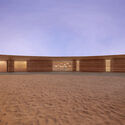
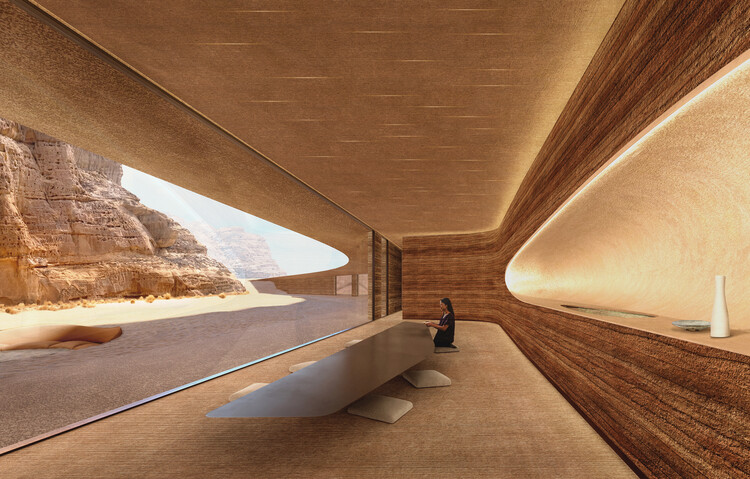
Lina Ghotmeh — Architecture recently revealed images of the AlUla Immersive Living project, a proposed dwelling envisioned to emerge from the desert landscape of Saudi Arabia. Its form is shaped by the site's light and wind, rooted in climate, and positioned between rock and dune. The design follows the concept of a shelter belonging as much to the desert as to its inhabitants, and behaving as a "living landscape." The structure is conceived with thick rammed-earth walls, contrasted by open platforms that frame the sky. It is presented as a statement of architecture intended "not to dominate but to host," providing refuge without severing connections, reflecting Lina Ghotmeh's position at the intersection of context, craft, and care.
How do nature and landscape dialogue within spaces designed for children? How are architecture and urban design capable of shaping natural atmospheres that integrate practices of play, participation, and exploration? From participatory projects that involve children in the design process to built environments that incorporate furniture adapted to their needs, the conception of spaces for childhood entails the creation of places for encounter, learning, and coexistence. At times, these spaces are able to strengthen the relationships between interiors and exteriors, connecting their users with nature and the surrounding environment. Depending on their cultures, customs, and histories of attachment to place, several contemporary projects deploy tools and strategies that integrate architecture, nature, and pedagogy to form broad experiences of learning, play, and discovery.
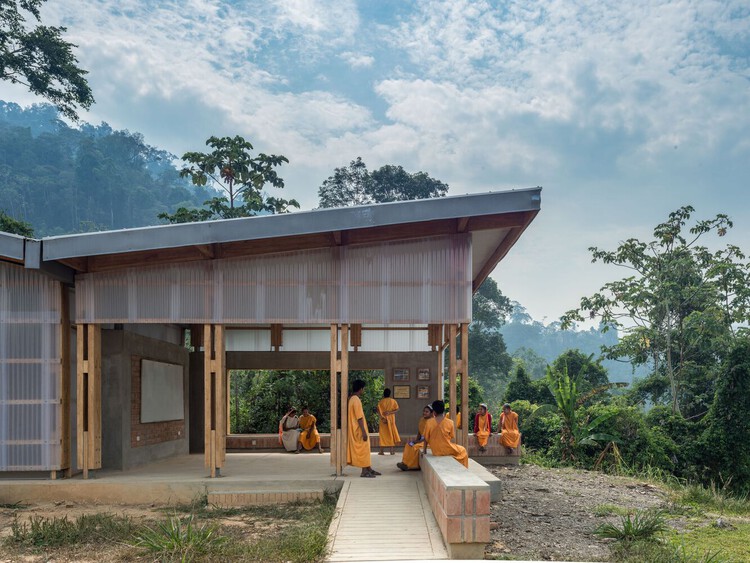
The countryside—long underestimated—is now emerging as fertile ground for possibility. More than a “marginalized space,” rural Latin America today asserts itself as a true laboratory for architectural, social, and ecological experimentation. From agroecological communities to low-impact technologies, from relationships between humans, machines, and other living beings to locally grounded solutions for global challenges—such as the climate crisis, food security, and migration—the rural world is actively and inventively reshaping its own future.
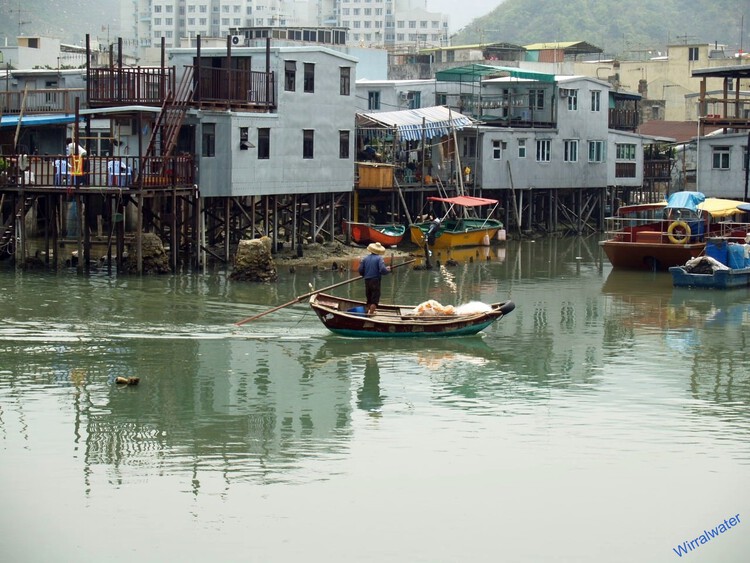
While Hong Kong is widely celebrated for its iconic harbor view, glittering skyline, and fast-paced urban lifestyle, its origins tell a different story—one deeply rooted in its relationship with water. Before transforming into a dense, vertical metropolis, Hong Kong's architectural identity was closely tied to its maritime context. Today, the city is often associated with slender, glass-clad towers that symbolize modernity. While visually striking in their pursuit of height and form, many of these buildings appear disconnected from their immediate environment, often overlooking natural site conditions, ecological responsiveness, and contextual sensitivity.
Historically, however, this was not the case. Hong Kong's earliest built environments—rural fishing villages in areas like Tai O, Aberdeen, and Shau Kei Wan—emerged through organic, community-driven spatial practices that engaged closely with their surroundings. These coastal and riverside settlements developed architectural systems tailored to the marine environment and to the rhythms of fishing life. Villages were sited around water, and construction strategies were adapted to fluctuating tides, terrain, and social use.
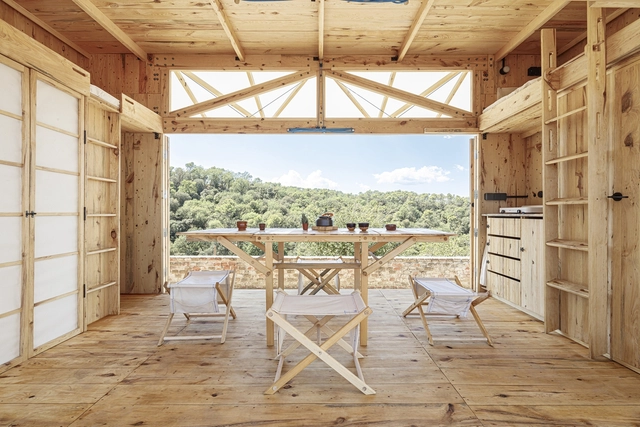
Amid coasts, rivers, lakes, and mountain ranges, Spain’s natural environment encompasses a wide variety of climates, topographies, and vegetation species. Aiming to raise global awareness of the impact of construction on the environment and the importance of addressing climate change through new ways of creating architecture, several architectural practices and research teams are exploring the design of cabins or small-scale lodging prototypes. While capable of integrating harmoniously with their surrounding natural context, they also demonstrate strategies for self-sufficiency, resource utilization, and space maximization, as well as broad applications of innovative technologies and material solutions adapted to each region.
Integrating natural elements into architectural design has long been a fundamental pursuit in creating comfortable, sustainable environments that enhance both individual well-being and the relationship between buildings and their surrounding context. In areas with vast landscapes, incorporating natural elements is essential for seamlessly connecting architecture with its site. Conversely, in dense urban environments dominated by built structures, introducing greenery becomes also increasingly vital, reintroducing nature into the so-called "concrete jungle."
However, beyond conventional landscape features—such as water fountains, green walls, gardens, or courtyards—architects are redefining what it means to build with nature. The focus has shifted toward deeply integrating architecture with its natural surroundings, creating immersive spatial experiences that blur the boundaries between the built and the organic - in a way, "taming" nature. When successfully executed, these designs go beyond fostering well-being or promoting a healthy lifestyle; they evoke a profound sense of tranquility, power, and harmony, transforming the way we perceive and inhabit space.
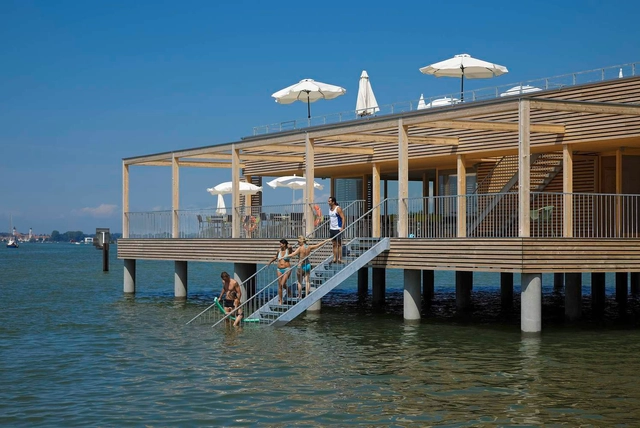
Historically, public bathing was a fundamental necessity for hygiene, giving rise to communal bathhouses in regions where private bathrooms were a rarity. In Japan, for instance, sento bathhouses emerged during the early Edo period, serving as essential facilities when most households lacked their own bathing spaces. Similarly, in other parts of the world where plumbing and water management were considered luxuries, shared public baths became vital components of urban life. Over time, these spaces evolved beyond their functional role, becoming venues for socializing, relaxation, and a temporary escape from daily routines.
However, in the modern era, private bathrooms have become ubiquitous in contemporary homes, effectively addressing the hygiene concerns that once made public bathhouses indispensable. With the rise of alternative social spaces—cafés, fitness centers, bars, and jazz lounges—the traditional communal bath no longer serves the same essential function. While some may still appreciate the social aspect of public bathing, the inconvenience of changing clothes and getting wet in front of strangers can deter many from engaging in the experience.
On the shores of serene lakes, where water reflects the harmony between architecture and nature, homes emerge as true retreats. Designed to offer comfort and a deep connection with the surroundings, these residences stand out worldwide for their diverse materials and scales, adapting to different landscapes and lifestyles. From remote woodencabins to sophisticated concrete and glass mansions in urban areas, each project takes advantage of natural resources and the unique characteristics of its setting.
In this short video interview from the Louisiana Channel, Marc-Christoph Wagner interviews architect David Chipperfield in Galicia in April 2024, exploring his connection to the sea. The 2023 Pritzker Prize laureate speaks of his experience living for 30 years in a fishing village in Spain, delving into his connection to the place and the people's attitude towards the strength of the natural elements surrounding them.
Residential architecture within natural settings presents a distinct departure from urban design. Unlike the densely populated, man-made environments of cities, the context shifts to a pre-existing, often subdued, natural landscape. This necessitates a more responsive and integrated approach, prioritizing harmony with the environment rather than dominance over it. Exploration of conceptual projects in this realm can help foster a deeper understanding of sustainable building practices, material selection appropriate to the ecological context, and the sensitive integration of human habitation into pre-existing ecosystems.
Each month, ArchDaily's editors select a collection of conceptual projects centered around a theme or program, submitted to ArchDaily. These projects are developed by small and large-scale architecture offices from around the world and submitted openly to the ArchDaily platform, thus forming a worldwide community of practitioners sharing their work, be it purely conceptual, a competition entry, or an early-stage design phase. Submissions are open to everybody. If you wish to contribute, send in your work by following the instructions here.
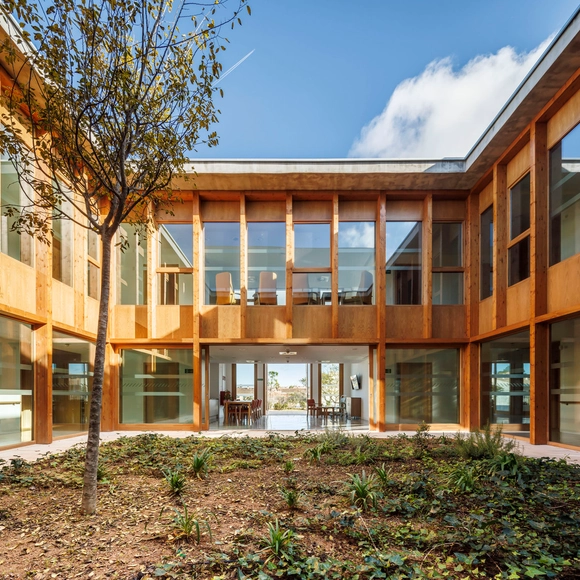
Faced with the aging of the global population, one of the most significant social transformations of the 21st century is anticipated. The design of patios, gardens, terraces, and other green areas in facilities for the elderly presents an opportunity to foster interaction, participation in various collective activities, and the establishment of gathering spaces aimed at reducing loneliness among older adults while enhancing well-being and social interaction in connection with nature. How can built environments be created to adapt to the needs of older adults?