1. ArchDaily
  2. Prototypes

Prototypes: The Latest Architecture and News

The Prototype as a Method: TAKK, salazarsequeromedina, and Ensamble Studio

Audio available

Architectural prototypes are often used to test decisions before construction begins. But in some practices, prototyping begins while those decisions are still taking shape. Moving an idea from drawing into matter introduces questions that depend on making itself: how a material can be cut or joined, how much a piece weighs, how an assembly comes together, whether parts can be reused, or even what form the project should take.

TAKK, salazarsequeromedina, and Ensamble Studio each make physical experimentation part of their design process, but they ask different things of it. For TAKK, prototypes help test how materials and components come together as a construction system. For salazarsequeromedina, models and built systems remain open to dismantling, recombination, and later uses. Ensamble Studio uses physical experiments to generate geometry and construction knowledge that can move into engineering and full-scale building. What distinguishes these approaches is not simply that they prototype, but what each practice expects to learn through the prototype.
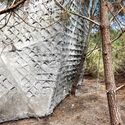
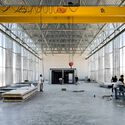
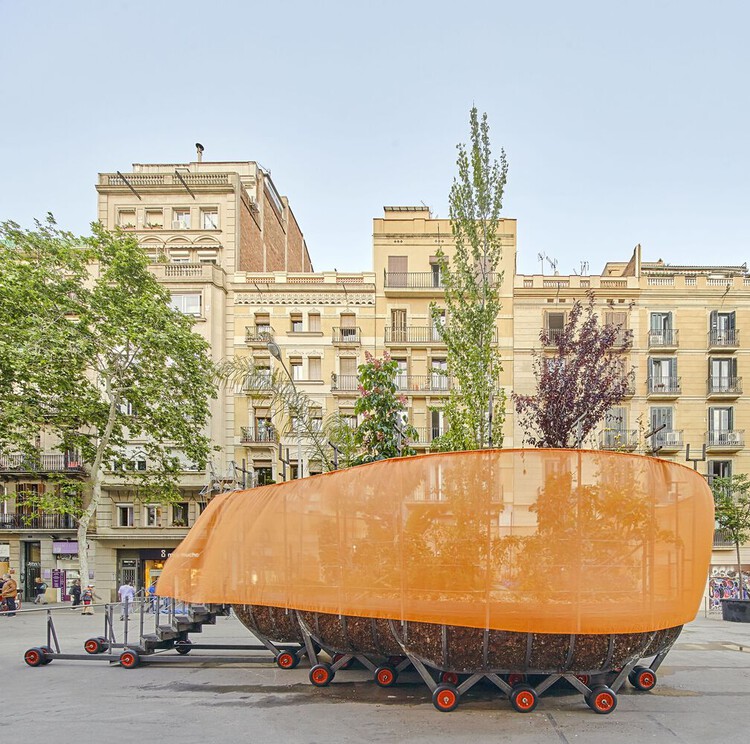
The Prototype as a Method: TAKK, salazarsequeromedina, and Ensamble Studio - 1 的图像 4The Prototype as a Method: TAKK, salazarsequeromedina, and Ensamble Studio - 2 的图像 4The Prototype as a Method: TAKK, salazarsequeromedina, and Ensamble Studio - 3 的图像 4The Prototype as a Method: TAKK, salazarsequeromedina, and Ensamble Studio - 4 的图像 4The Prototype as a Method: TAKK, salazarsequeromedina, and Ensamble Studio - More Images+ 54

Exploring 3D Printing in Academia: Prototypes That Foster Collaboration in Architecture

Subscriber Access | 

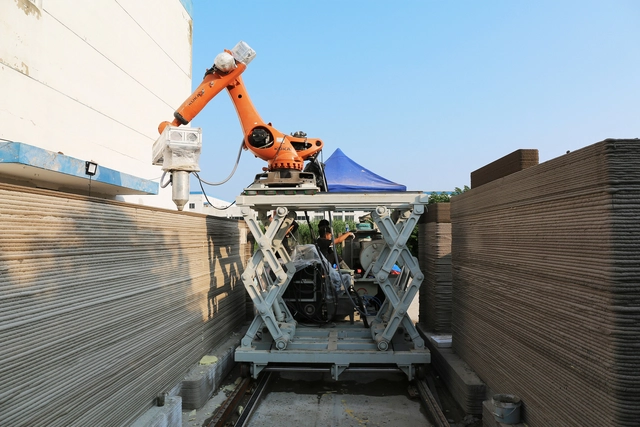
According to the analysis firm Gartner, 3D printer sales surged by 75% around 2014, nevertheless, the technology continues to experience significant growth. While there are multiple debates in the field of architecture about whether 3D printing can be considered craftsmanship or if it is feasible to mix local materials with 3D printing, its implementation from academia aims to create new experiences, research, and knowledge that contribute to its development and practical application. Now, how might the integration of 3D printing in academia provoke future changes in the construction industry? And how could education in architecture and design encourage collaboration with other disciplines to create new applications across different fields?

Exploring 3D Printing in Academia: Prototypes That Foster Collaboration in Architecture - Image 1 of 4Exploring 3D Printing in Academia: Prototypes That Foster Collaboration in Architecture - Image 2 of 4Exploring 3D Printing in Academia: Prototypes That Foster Collaboration in Architecture - Image 3 of 4Exploring 3D Printing in Academia: Prototypes That Foster Collaboration in Architecture - Image 4 of 4Exploring 3D Printing in Academia: Prototypes That Foster Collaboration in Architecture - More Images+ 11

Should We Prototype Architecture More?

Subscriber Access | 

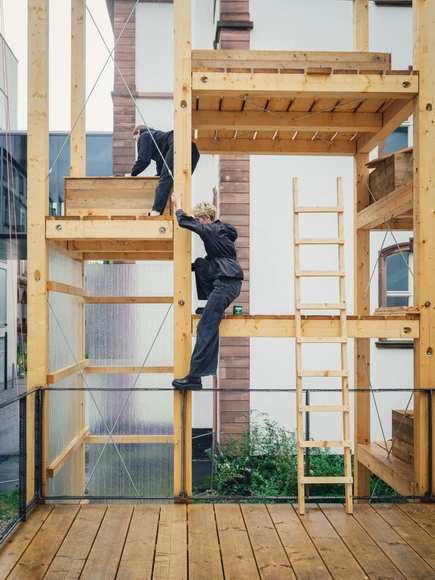
Prototyping is an essential element in sectors such as automotive design and technology, where iterative development enables testing, refining, and innovating. It involves creating initial models or early versions to validate concepts and fine-tune solutions before moving on to final production. This stage is crucial for identifying flaws, optimizing designs, and reducing risks, saving time and resources in the final implementation. In architecture, however, prototyping remains an underused tool. Despite the unique challenges inherent in architectural projects—whether programmatic, climatic, or related to site conditions—the benefits of prototyping can be profound. It offers architects the opportunity to experiment with new materials, validate construction methods, and test spatial configurations in a tangible, measurable way. As a result, it not only reduces uncertainties in the creative process but also drives bold and efficient solutions, fostering a more robust balance between aesthetics, functionality, and feasibility.