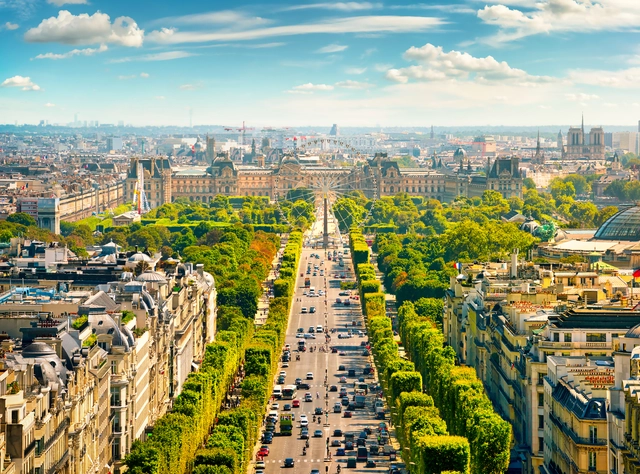
via Shutterstock | givaga | View on Avenue des Champs Elysses
As the countdown to the XXXIII Olympic Games in Paris ticks away, the city is making preparations that will completely shift its urban landscape and infrastructure. Set to be the largest event ever organized in France, the games will start on 26 July and continue till 11 August 2024. With only 200 days left, the Paris City Council has approved around 43 new initiatives acting as a catalyst for the city's transformation – aiming for a greener, healthier, and mobile Paris. From cleaning the Seine River to building a cycling lane, activating a transit line, and banning non-essential city traffic, the heart of the French capital is on a mission against time to revitalize its historic urban core.
With a total of 95 new projects recognized by Prix Versailles, the 24 global winners of this 2023 edition have recently been announced. They stand as evidence of the aesthetic vitality of each of their respective regions, paying homage to the work of numerous pioneering and/or internationally renowned firms.
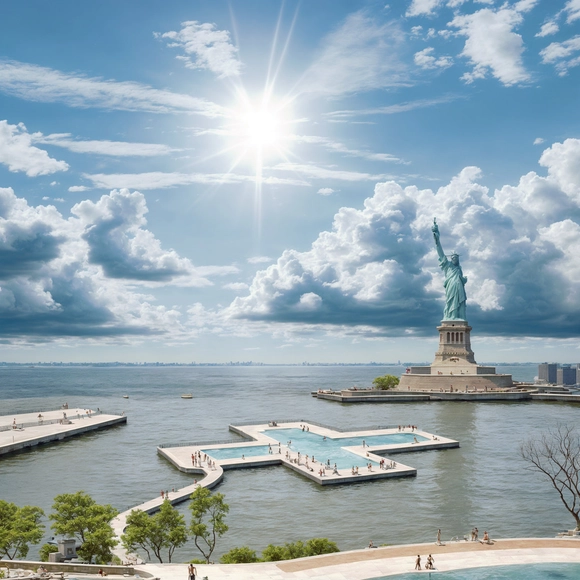
New York Governor Hochul has announced a partnership with the nonprofit Friends of + POOL to open the first urban river-sourced swimming facility in the United States. Utilizing + POOL’s design and technology, the 2,000-square-foot plus-shaped swimming pool is set to open in New York City’s East River in the summer of 2024. In 2010, four young designers, Archie Lee Coates IV, Dong-Ping Wong, Jeffrey Franklin, and Oana Stanescu, established + POOL with the goal of providing New Yorkers with access to free and safe river swimming. Now the state promised to invest $16 million to pilot and scale the system, hoping to expand it across the state of New York.
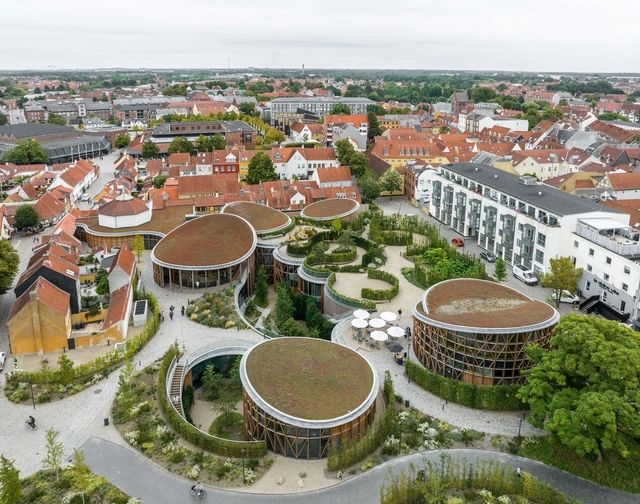
Courtesy of Danish Landscape Award | H.C. Andersen Garden
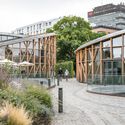
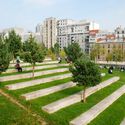
The Danish Landscape Award 2023 has been awarded to the H.C. Andersen Garden, designed by MASU Planning. The award focuses on honoring landscape architectural works with character, serving as “inspiration” for the industry. Situated in Odense in Denmark, this year’s winner was praised for reviving urban renewal in the city center by creating an escape that blends with the existing context.
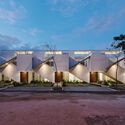
The flow of architectural values throughout the centuries demonstrates the prevalence of some parameters over others in each historical period. In terms of composition, one of the most fundamental considerations revolves around issues of symmetry and balance. Indeed, a design does not necessarily have to be symmetrical to convey the notion of compositional balance. Its elements do not have to be repeated side by side for the whole to convey a sense of completeness, stability, and... paradoxically, symmetry. Many contemporary projects achieve a balanced compositional whole without repeating their elements side by side.
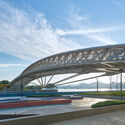
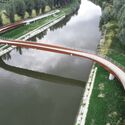
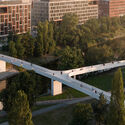
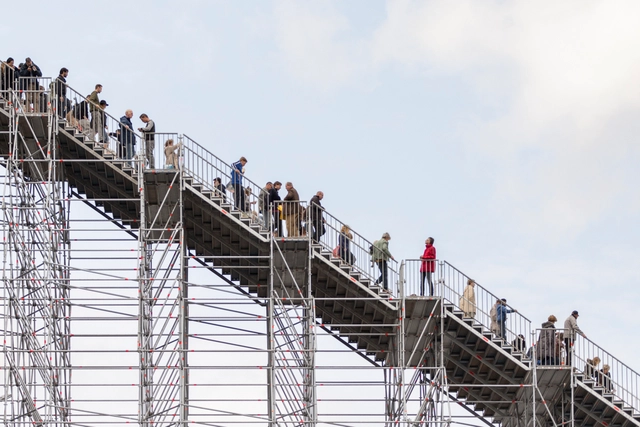
In a city, celebrating the act of walking has become a form of non-traditional planning. In the age of cars, challenging the dominance of vehicular transportation by championing the pedestrian experience is not very common. For this reason, pedestrian bridges worldwide stand as symbols of connectivity and architectural ingenuity. These soaring structures embody the urban experience for its core user: the pedestrian. Although the structures began as practical solutions to traffic management, they have evolved into iconic landmarks and pivotal components of city planning.
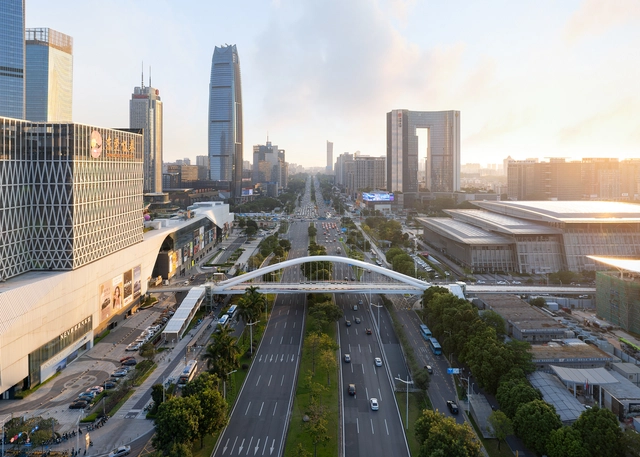
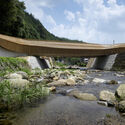
The significance of these projects represents a shift towards human-centric design in urban landscapes. The Kusugibashi Bridge in Japan, rebuilt by Kengo Kuma & Associates symbolizes resilience, while the Hangzhou Riverfront Public Space’s Silk Bridge showcases urban connectivity through revitalizing the waterfront. The Donnguan Central Area Slow-Traffic Bridge addresses connectivity and greenery, and SBE NV’s Vlasburg Bridge dedicates itself to enhanced water routes for the community. Collectively, these bridges drive urban revitalization into the future, emphasizing sustainability and integrating with community needs.
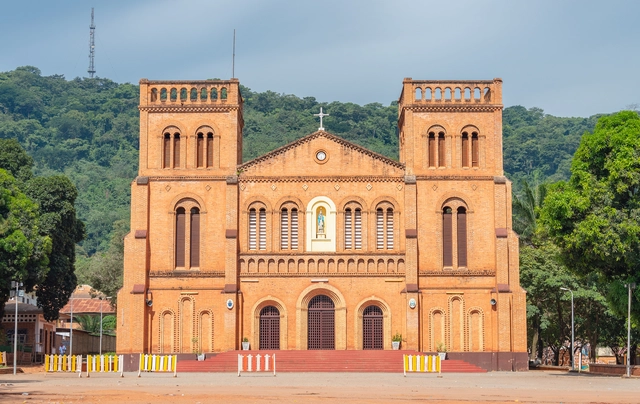
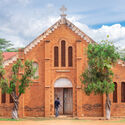
Located in the city of Bangui, the capital of the Central African Republic, is the Notre DameCathedral. This large red brick church was built in the early 1900s in the French colonial style. As the city grew from a small outpost to a colonial capital, the building was formed as a cultural and symbolic fusion of European and Central African architectural styles. Designed by French architect Roger Erell, the cathedral showcases local construction craftsmanship, provides a space for spiritual solace, and contributes to the national identity of the country.
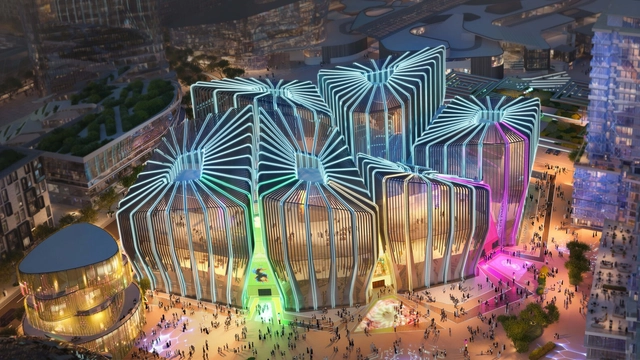
"Populous - Qiddiya Esports Arena - Gaming & Esports District . Image Courtesy of Populous
Populous has unveiled the design of the Qiddiya City EsportsArena, a new facility aimed to become the focal point for Qiddiya City, a planned entertainment and tourism megaproject in Riyadh, Saudi Arabia. Featuring the largest total area of video screens of any esports arena, along with immersive 4D technologies, the new arena strives to become the central attraction in the ‘world’s first mixed-use gaming and esports district.’
Designing a home is always a significant challenge. Technical and construction expertise must align with the expectations of its future resident, gently embracing their daily routine and tasks. Thus, mapping out the needs and rituals that will unfold within the house is fundamental for the success of the task. In the abundance of personalities, preferences, and quirks, residential architecture needs to mediate intentions and embrace diversities.
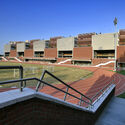
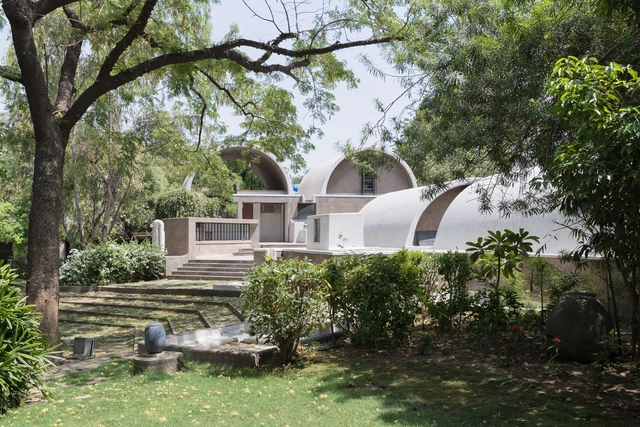
Exterior view of Doshi’s Sangath Architect’s Studio, Ahmedabad, Image by Iwan Baan. . Image Courtesy of Vitra Design Museum
As we step into the new year, we take a moment to reflect on the lasting impact of celebrated architects, designers, and curators who passed away in 2023. This past year witnessed the departure of influential figures who, through their talent and dedication, left an indelible mark on the built environment. Some embarked on their careers with bold gestures that reshaped architectural paradigms, while others worked quietly, placing a profound focus on the human experience or the invisible figures of out profession.
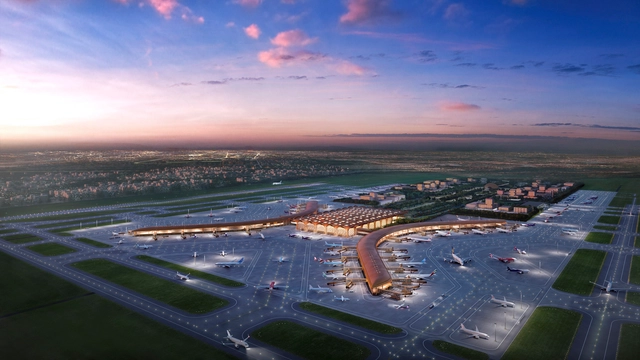
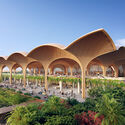
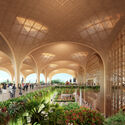
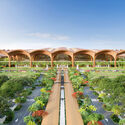
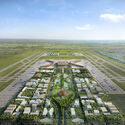
Construction is underway at the new Techo International Airport in Phnom Penh, Cambodia, designed by Foster + Partners. The project, located 20 kilometers from Cambodia’s capital city, draws inspiration from the vernacular architecture that defines the area, searching to provide adequate design solutions in response to the tropical climate. The commission, which was won following an international competition, includes the master plan for a new airport city in addition to the new terminal building.
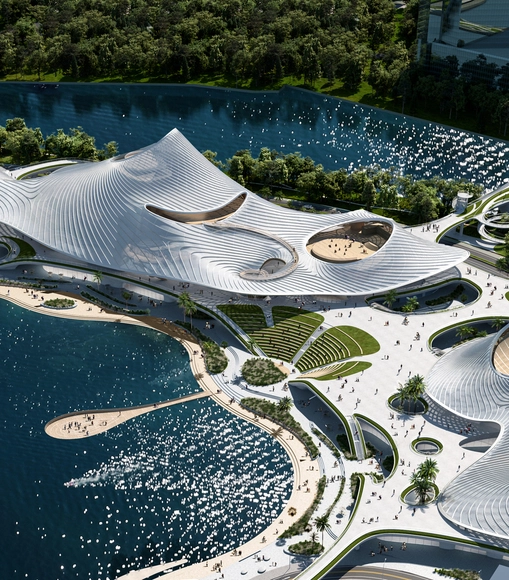
MAD Architects has revealed the designs for the Nanhai Art Center in Foshan City, Guangdong. Covering 59,445 sqm, the project features three main elements: a Grand Theater, a Museum, and a Sports Center. Aiming to encourage community and traditional culture, the center features a wave-like form with a new public gateway to the waterfront. Upon completion, the Art Center seeks to become a new waterfront public space blending social and creative aspects.
Cities are vibrant systems that hold meaning and move with the rhythm of the human life that powers it. In the fabric of urban landscapes, architects and urban designers collaborate to create spatial harmonies that extend beyond aesthetics and towards social justice and poetic expression. Citizens engage, becoming active participants in the ongoing narrative of the city - the metropolitan melody.
In 2023, ArchDaily wrote about the poetics of urbanism, exploring a future where cities meet its people’s social and emotional needs:
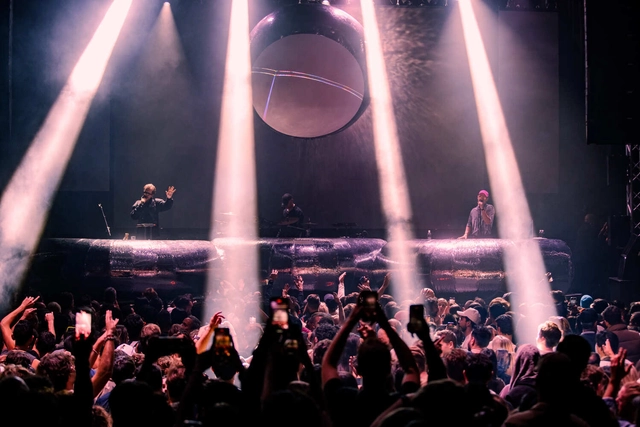
Architecture group BIG has unveiled the new stage design for the world tour of the Danish band WhoMadeWho. With visuals developed in collaboration with flora&faunavisions, EyeMix Studio, and Christopher Mulligan, the design features an inflatable sphere created to become a canvas for the three-dimensional video projections that contribute to the concert experience. The tour kicked off on November 2023 and will reach several cities around the world, including Paris, Madrid, Berlin, Istanbul, New York City, Los Angeles, Santiago de Chile, London as well as the band’s hometown, Copenhagen.
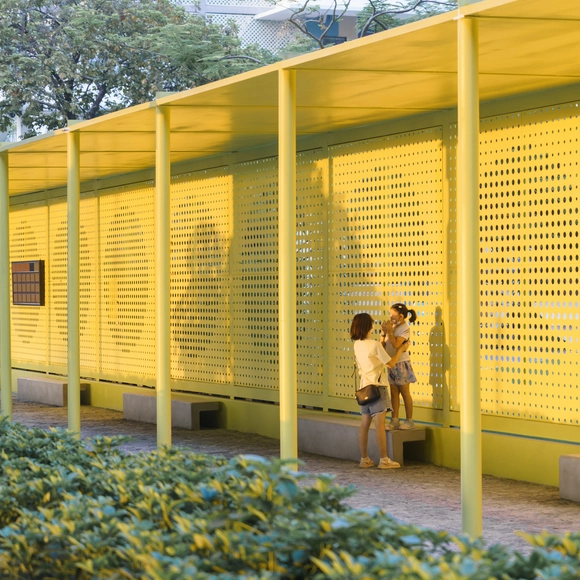
Spring Rain, portico, wall and staircase for the Qianhai Harbour School, Shenzhen, 2022. In collaboration with Tu'an Architecture Design Company (Guangzhou). Image Courtesy of studio ACF
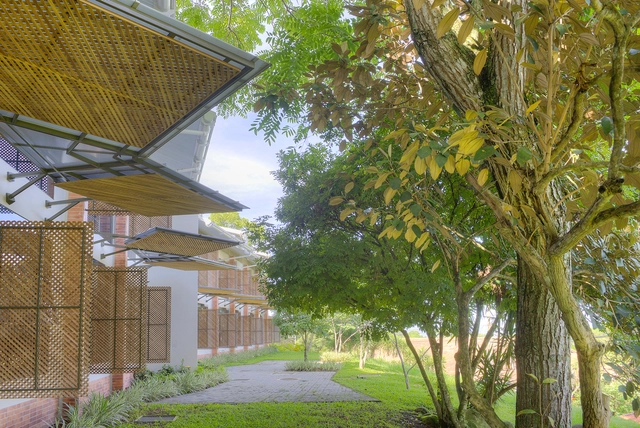
Bruno Stagno from Costa Rica not only reflects on how responses to the environment can be the main foundation for the inspiration and identity of architecture but also suggests going a step further, envisioning architecture for an entire latitude.
We discussed his current concerns and motivations, the shortcomings and necessary innovations in tropical cities, the relationship between academia and professional practice regarding the environment, and, above all, projections for the future of Costa Rican architecture.
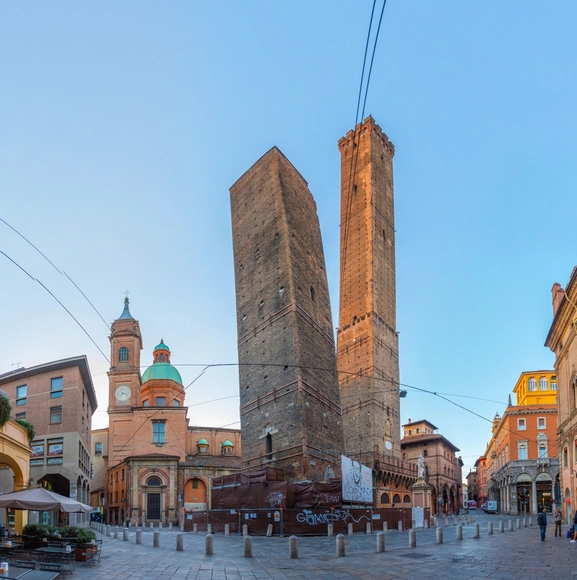
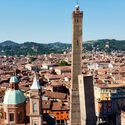
Bologna officials announced plans to secure and repair the leaning Garisenda Tower, a medieval structure in the center of the Italian city. Earlier last month, the area surrounding the tower was secured after raising fears of collapse, as monitoring has found shifts in the direction of the tilt. The 47-meter-tall tower leans at a four-degree angle, similar to its more famous counterpart, Leaning Tower of Pisa. The Garisenda Tower has been a defining feature of Bologna’s skyline along with its neighboring Asinelli Tower, which is around twice the height and also leans, though at a smaller angle, and is usually open for tourists to climb.