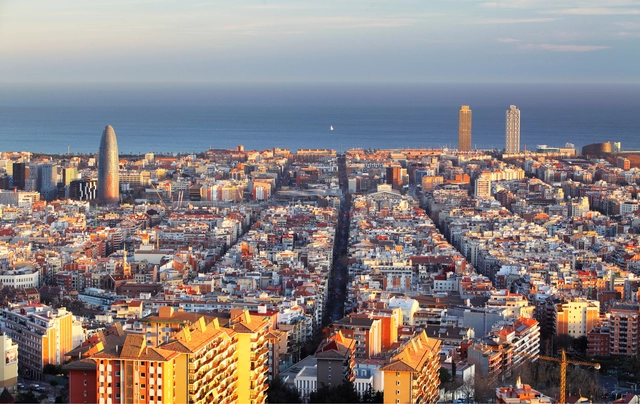
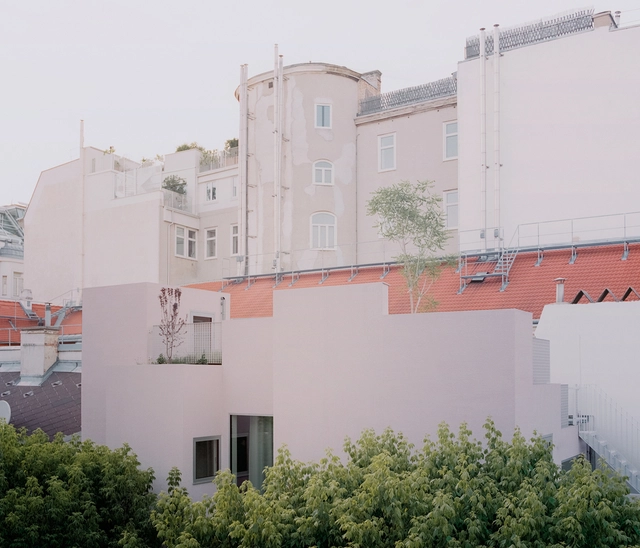
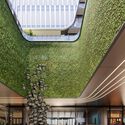
The city of Barcelona, along with its metropolitan area, will become a research laboratory as the main venue for the World Congress of Architecture of the International Union of Architects (UIA), scheduled to take place from June 28th to July 2nd, 2026. Its objective is not only for the Congress to be of maximum relevance and interest to the global community of architects but also for real-impact knowledge and practices to emerge in the everyday lives of people and the future of the planet.
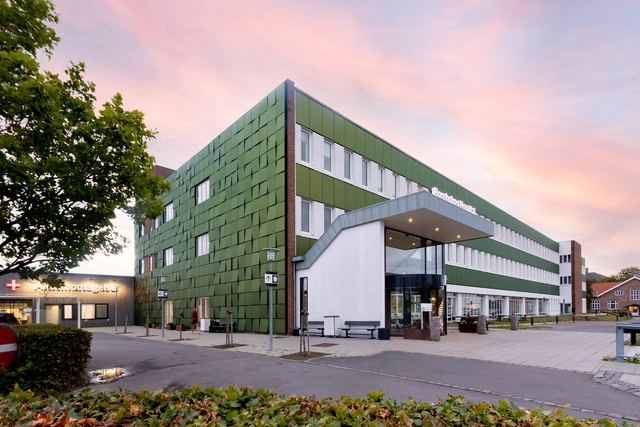
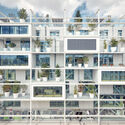
Solar Facades on Bornholm Hospital. Image Courtesy of SolarLab
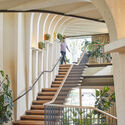
Environmental degradation has shed light on the need for new sources of energy. A shift in energy sources calls for innovative means of storing energy. For centuries, buildings have proven able to store people, objects, and systems, inviting a conversation about their untapped potential to efficiently store large amounts of energy. In this new era, can buildings go beyond being structures of function to potential reservoirs of power?
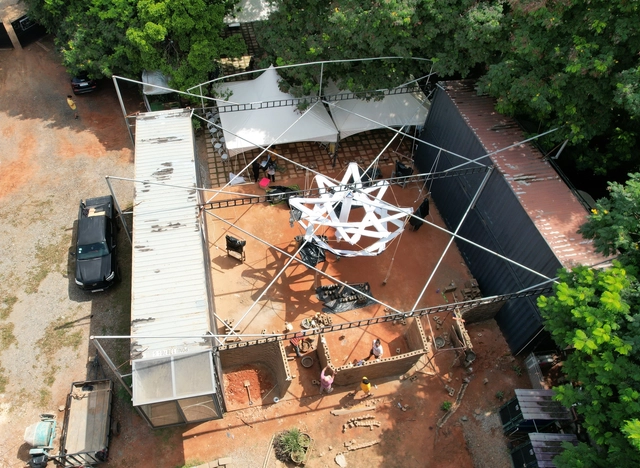
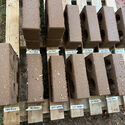
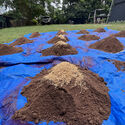
The “Soil Sisters” initiative explores how architectural design and sustainable material practices can contribute to soil nutrition and resilience. Partnering with SOM Foundation, their joint effort has resulted in an exhibition aiming to redefine our understanding of “environmentally conscious practices.” Titled “Soil Sisters: A Ceiling, A Chair and Table, A Wall and a Threshold,” the display showcases their dedication to redefining soil health as a cross-sectoral objective by emphasizing materiality and color in the built environment.
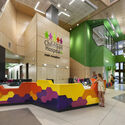
Silent and endless hallways, white and cold rooms, an impersonal and distant atmosphere: this is a deeply ingrained image in our cultural conception of hospital environments. The whiteness of these spaces, attempting to reinforce the necessary notions of sterility and cleanliness, may also evoke a sense of discomfort and anxiety for patients and their families.
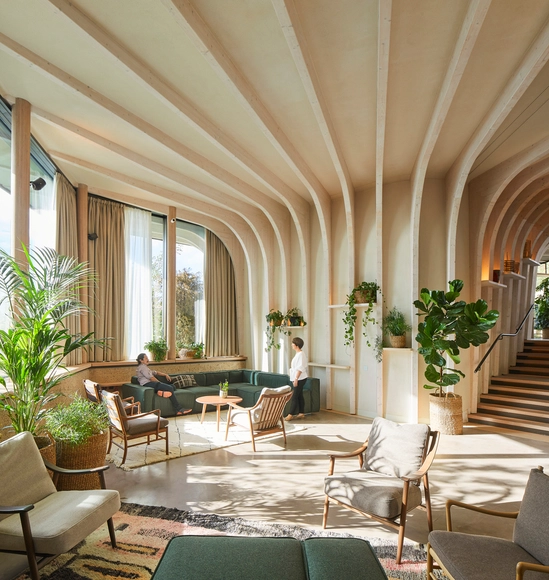
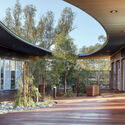
The importance of humanizing hospital, clinic, and office projects is an increasingly discussed and relevant topic in healthcare, extending far beyond the aesthetics of these buildings. It is necessary to create welcoming environments that promote the well-being of patients, families, and professionals, recognizing that architecture can play a fundamental role in the recovery and comfort of these individuals during moments of vulnerability.
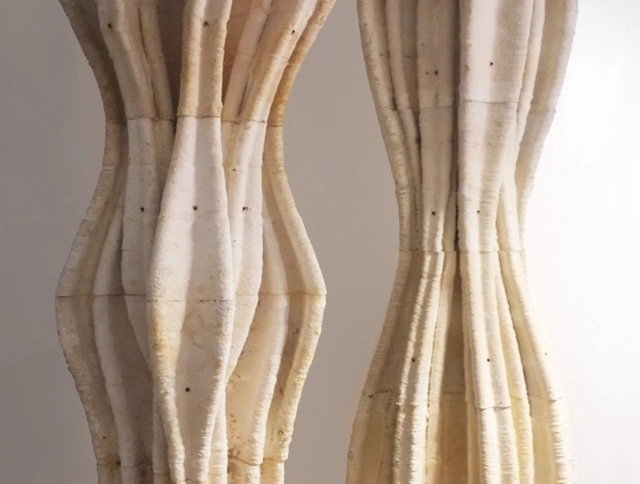
Opt Oog Column / Blast Studio. Image Courtesy of Blast Studio
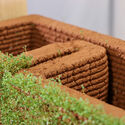
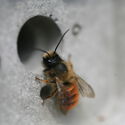
In architectural design, our interactions with non-human organisms have predominantly involved creating barriers to exclude them from the human realm. What if we were to adopt a different approach? Interspecies design is a movement that puts non-human organisms—fungi, insects, and various animals—on an equal footing with humans. This design philosophy provides frameworks that foster non-hierarchical relationships with other species. By doing so, it cultivates empathy for other life forms and shifts our perspective on the world around us. It aims not only for a net-zero approach but also seeks collaboration with non-human organisms to develop environments beneficial to all. Below, explore some emerging material technologies designed to benefit both humans and other life forms.
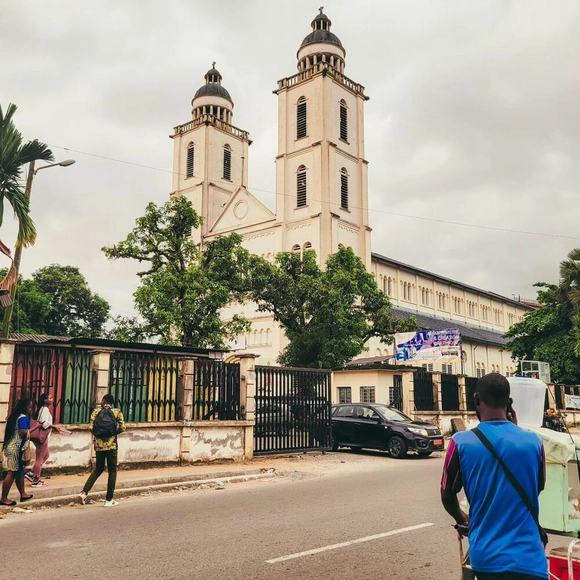
Cameroon boasts a rich architectural heritage of Catholic Christian worship buildings. These buildings encompass various styles, including contemporary designs, Terracotta brick explorations, and Gothic, and Byzantine architectural influences. Since the arrival of missionaries and colonial communities in 1890, numerous religious buildings have been constructed with the involvement of local communities. These buildings not only contributed to the development of the Christian faith but also served as venues for the exchange of architectural ideals between the local and foreign communities.
During this period, Cameroon explored the Gothic and Byzantine movements, which had reached their peak in Europe, to create these churches. They were interrogated through local building practices and now represent the historical heritage of the country's cathedrals.
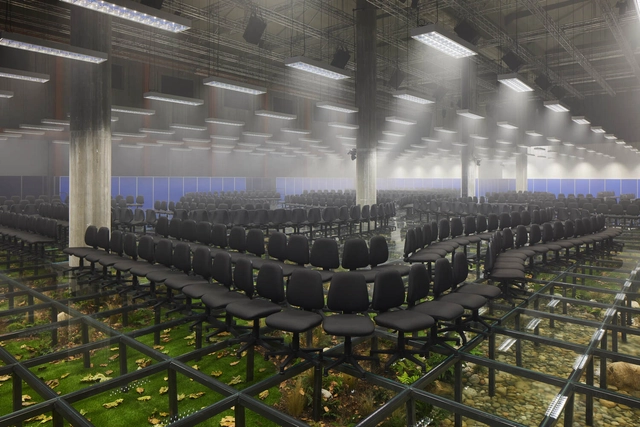
For the Fall/Winter Prada 2024 menswear show, AMO has designed a space that draws inspiration from two contrasting elements of modern life: office interiors and the natural landscape. Transforming yet again the space of the Deposito Hall at Foundation Prada in Milano, the designers have chosen to create a contrasting image of seemingly opposite elements: rows of office chairs illuminated by the white glow of LED lights, standing over a pastoral landscape with meandering creaks and ample foliage. The design aims to highlight this separation between natural instincts and the typical environment of modern life.
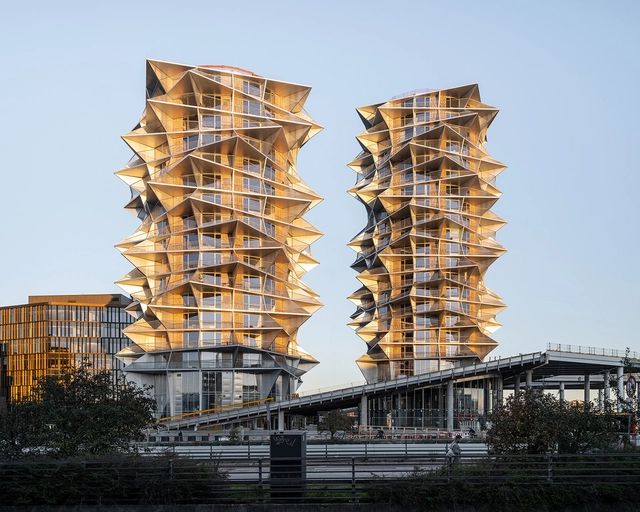
In 2017, Bjarke Ingels Group (BIG) unveiled its designs for a project in central Copenhagen. The project features an urban IKEA store, a budget-friendly hotel, and residential apartments connected by green spaces. As a significant part of the development, BIG designed two high-rise residential towers known as “KaKtus Towers,” which are linked by a raised public park connecting them. Both towers, with the tallest at 80 meters high, are scheduled to be completed in 2024. A recently released new set of images showcases BIG’s development nearing completion.
A considerable part of architectural innovation involves the use of materials. Technical development and new formal languages utilize them to "announce" the "next" architectural era. Of course, materials are essential for construction and significant for the consolidation of languages. Glass, steel, concrete, or brick convey messages about buildings. However, like any language, the meaning of words can vary according to the prevailing social organization; there is a dispute over the meaning of certain expressions, or there is pressure for the abolition—or at least the dissociation—of certain senses associated with some words. It would not be any different in architecture.
The European Commission and the Fundació Mies van der Rohe have announced the 40 shortlisted works for the 2024 European Union Prize for Contemporary Architecture – Mies van der Rohe Awards. Selected by the jury comprising 7 members: Frédéric Druot, Martin Braathen, Pippo Ciorra, Tinatin Gurgenidze, Adriana Krnáčová, Sala Makumbundu, and Hrvoje Njiric, from a list of 362 nominees, the projects “are spread out in 38 European Cities in 33 Regions and 20 Countries”, showcasing 14 different programs.
Heatherwick Studio’s exhibition “Building Soulfulness” just opened at the Bund Finance Center in Shanghai. Curated by Mami Kataoka, it will run from January 17th to March 14th, 2024. The display celebrates the studio’s designs, emphasizing their enduring connection with China. The exhibition is taking place at the Fosun Foundation inside the Bund Finance Center, which was designed by Heatherwick Studios and Foster + Partners back in 2017.
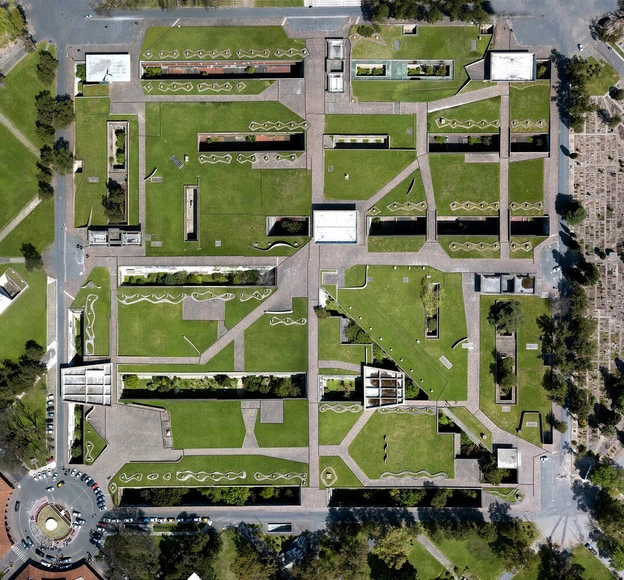
Until recently, the Sixth Pantheon of Chacarita was an icon of Argentine modern architecture that went unnoticed. Located in the heart of the city of Buenos Aires, this pantheon represents one of the first and one of the largest experiments in modern funerary architecture of such magnitude in the world.
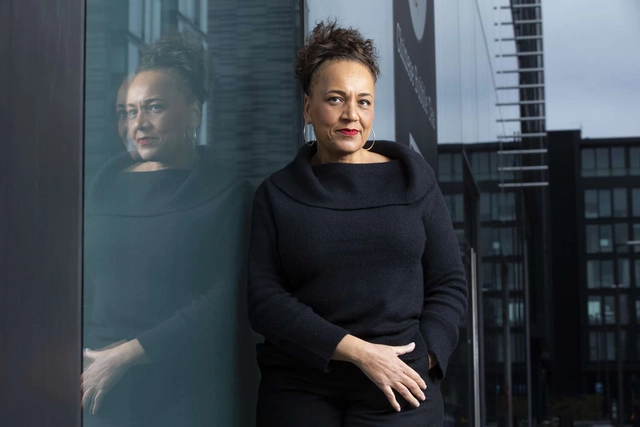
Ghanaian-Scottish architect, academic, and curator Lesley Lokko has been announced as the recipient of the 2024 Royal Gold Medal by the Royal Institute of British Architects (RIBA), becoming the first African woman to receive the award. Lokko is not a practicing architect, but as a teacher, writer, and curator she has fought to widen access to the profession and to bring forward voices that have been disregarded for far too long. As the curator of the 2023 Venice Architecture Biennale, she has shifted the focus to Africa and its diaspora, exploring the complex themes of decolonization and decarbonization. For all her contributions to the profession, Lesley Lokko will be formally presented with the medal in May 2024 by Muyiwa Oki, RIBA’s first black president.
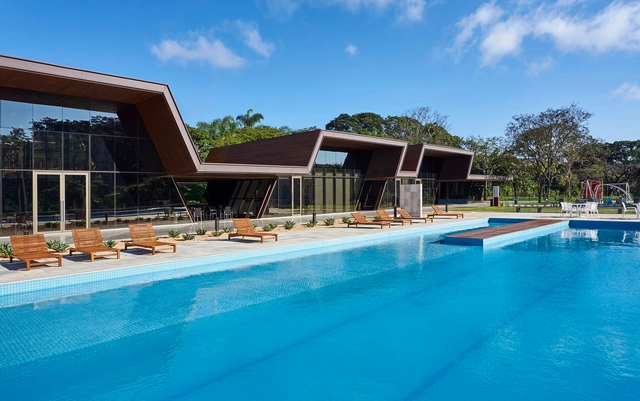
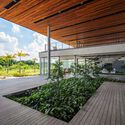
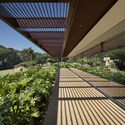
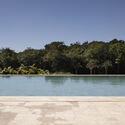
With the approach of summer in the southern hemisphere — promising to be one of the most intense on record amidst a year already considered one of the hottest in history — the search for places that offer moments of relaxation, freshness, and fun intensifies. As the high temperatures of summer draw near, the relevance and demand for facilities like clubs, with their outdoor leisure areas, pools, and green spaces, stand out significantly. These places become true havens, providing the opportunity to escape the heat and a range of other activities and benefits for their users.
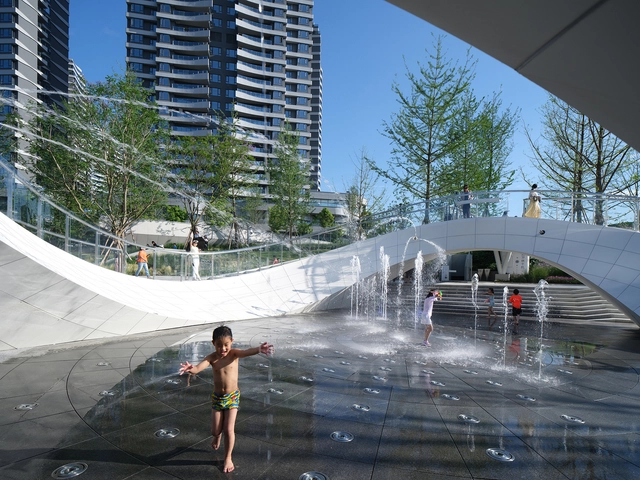
Water is indispensable for all forms of life on Earth, as it plays a vital role in maintaining biological processes, supporting ecosystems, and contributing to human well-being. Additionally, water holds cultural significance in many societies, being associated with rituals and ceremonies and carrying diverse symbolic meanings.
A historic symbol of the industrial age, the sawtooth roof is a lasting legacy of architectural history. Although a functional invention born from necessity nearly 200 years ago, the iconic shape is enjoying a renaissance in many contemporary projects.
Made up of many long, thin roofs with irregular pitches laid alongside each other, a sawtooth roof positions its steeper edges – filled with glass panels – away from the equator. This allows large buildings to control their solar gain by omitting direct sunlight, while still allowing uniform indirect natural light to fill an entire interior area.
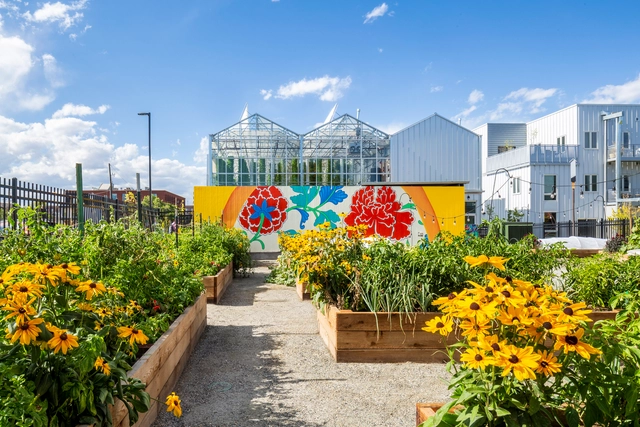
The UN Food and Agriculture Organization (UNFAO) accounts for over one-tenth of the global population, approximately 800 million people, practicing urban agriculture worldwide. In the United States, millions of citizens lack access to supermarkets. Urban farmers play a crucial role in addressing food security issues in American cities.
Historically, the distance between rural and urban areas has never been greater, making traditionally rural food sources widely inaccessible. Cities initially would develop around centralized markets that brought produce from farmlands to urban centers. Today, urban agriculture is revitalizing this connection between city dwellers and agricultural products.
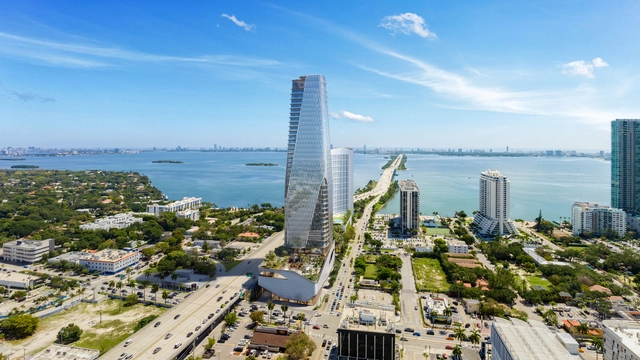
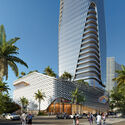
KPF’s “Tower 36,” has received unanimous approval in Miami, Florida. The building features an office space, set to become the tallest in the region at 193 meters. Emphasizing occupant well-being, the tower is designed by integrating the surrounding landscape and increasing access to outdoor areas.
The tower serves as the northern entryway to Miami’s high-rise zone, at the intersection of Biscayne Boulevard and 36th Street. Acting as a gateway to the neighborhood, the scheme connects Miami Beach with the mainland of Miami. To complement the office floors, the building’s podium boasts ground-floor retail, bicycle, car parking, and a restaurant on the landscaped roof.