Spanish and Mexican architect Félix Candela is widely recognized as one of the most prominent figures in 20th century architecture. His innovative experiments with reinforced concrete produced iconic buildings deemed cascarones, or 'shell structures', such as the Pavilion of Cosmic Rays at UNAM, Mexico City (1951); the Chapel Lomas de Cuernavaca, Cuernavaca (1958); Los Manantiales Restaurant, Xochimilco (1958); and the Palace of Sports for the 1968 Olympic Games in Mexico City.
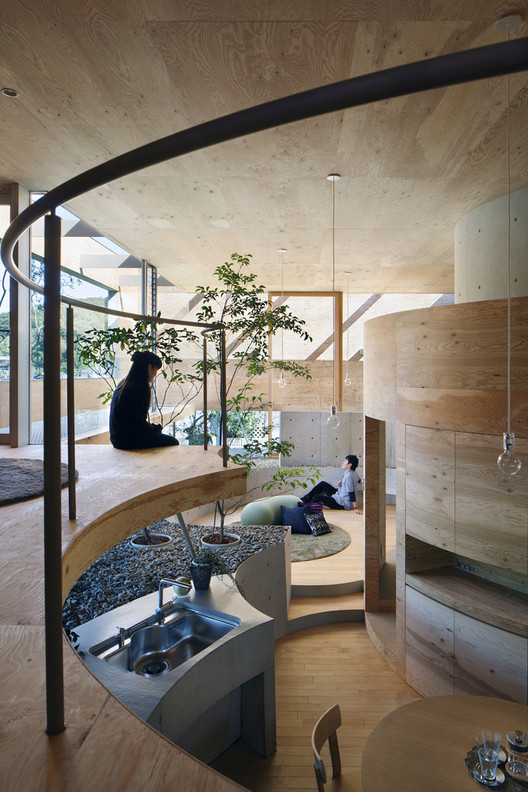
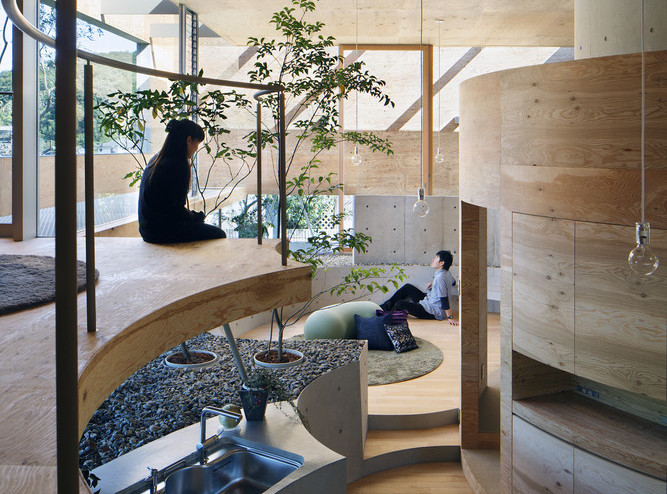
The private dwelling is a particularly favorable place in which to enjoy double-height spaces. This design strategy not only allows vertical spaces to be connected, but also enriches the functional and aesthetic possibilities of a building; often used in living rooms and kitchens, these spaces are designed to generate encounters between occupants. In this Photos of the Week selection, we present images by renowned photographers such as Kim Zwarts, Rena Lorenz, and Shigeo Ogawa.
There is something incredibly satisfying about 3D maps that make you want to follow the streets and rivers with your fingers, navigating your way through the urban landscape. Almost like contours, the CityWood’s minimalist maps are built up through plywood layers, laser cut with precision to one-hundredth of a millimeter and hand assembled for high-quality craftsmanship.
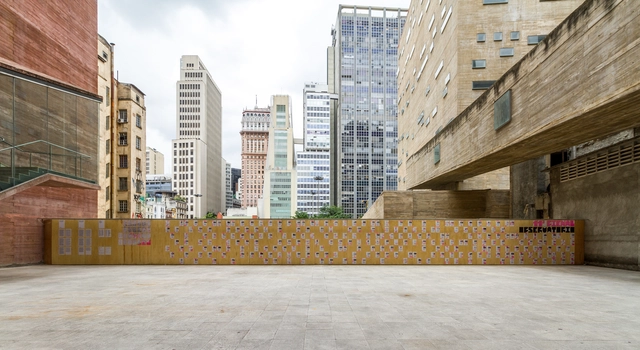
After four months of activities and exhibitions, the 11th Sao Paulo Architecture Biennial has closed at the end of January. Characterized by a decentralized approach - perhaps more than any other Biennial in the world - the eleventh edition of the event had more than 80 actions in different places of the city, articulated by four main exhibitions and an Observatory, which besides gathering works produced by agents from different regions of Brazil and the world, serves as a file and legacy of the Biennial.
Archdaily Brasil conducted an interview with the content director of this edition of the event, architect Marcos L. Rosa, on the main discussions raised at this Biennial, its multidisciplinary focus and the decentralized aspect of activities and exhibitions.
https://www.archdaily.com/888070/marcos-l-rosa-discusses-the-place-and-importance-of-sao-paulos-architecture-biennialEquipe ArchDaily Brasil
The Royal Architectural Institute of Canada (RAIC) has selected four architects from around the globe to receive 2018 Honorary Fellowships. This year’s Honorary Fellows inductees demonstrate the diverse ways in which architects contribute exemplary designs to the profession that have a positive impact on society.
The architects receiving the honor are French architect Odile Decq, Burkina Faso native, Diébédo Francis Kéré, and American architects William J. Stanley III and John Sorrenti.
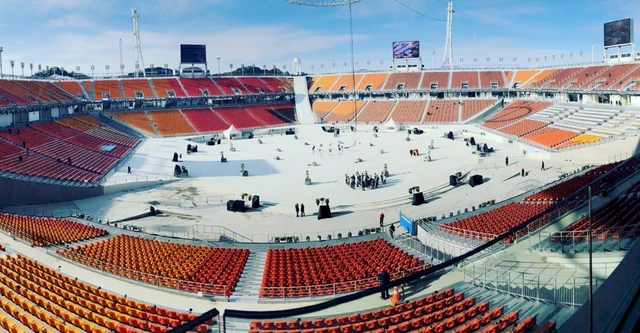
Traditionally, Winter Olympics stadiums have stuck to a design that obscures the sky and protects against the elements in order to keep the guests warm. This year, the Pyeongchang 2018 Winter Olympics organizing team wanted to try something different. Guests will watch the three-hour opening ceremony at the PyeongChang Olympic Main Stadium – and it will be roofless.
Pyeongchang, located not too far from the border of North Korea, is notorious for one of the worst winters in the country. Temperatures in PyeongChang are forecast to reach minus 14 deg C (about 7 deg F), partly due to the powerful, biting winds that barrel down from Siberia and the Manchurian plain. This may be the coldest Olympics since the 1994 Olympics in Lillehammer, Norway. And because of the curious roofless architecture, the roughly 35,000 spectators will be completely exposed.
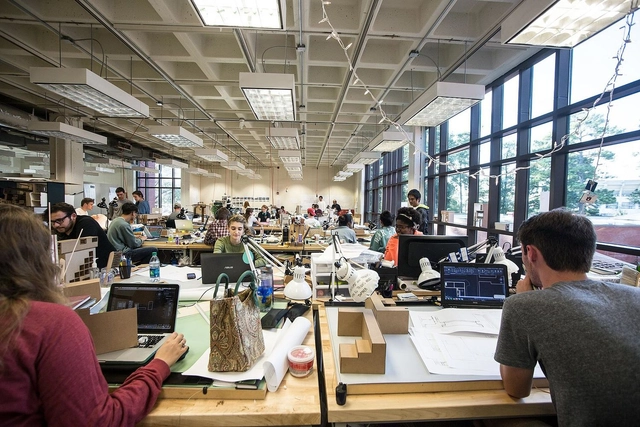
The issue of how we educate our architects of the future is a divisive one. With the capabilities of our technology advancing rapidly, new mediums of Virtual Reality, robotics, and artificial intelligence are all changing the architectural profession at a fundamental level. This creates the question of whether architectural pedagogy is keeping up with the times and educating students to be ready for both professional practice and an uncertain future.
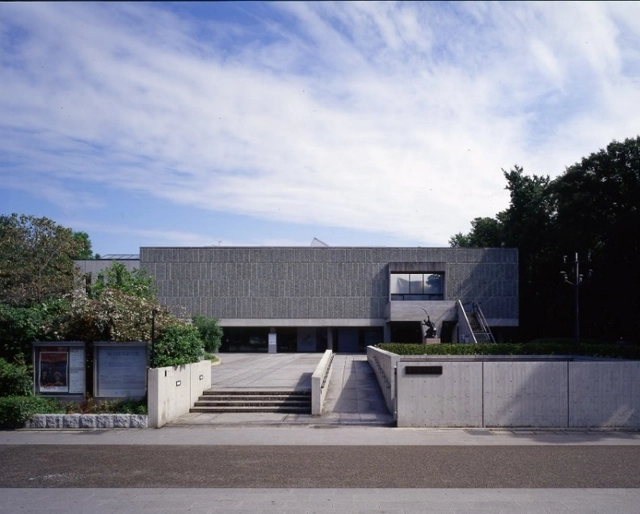
The Getty Conservation Institute has announced a workshop to address the care and conservation of three museums designed by Le Corbusier. The three museums are the only museums designed by the prolific architect. The workshop will be held in India, where two of the three museums are, with municipal corporations from Ahmedabad and Chandigarh serving as hosts for the event. The Foundation Le Corbusier, located in Paris, will also be assisting with the workshop.
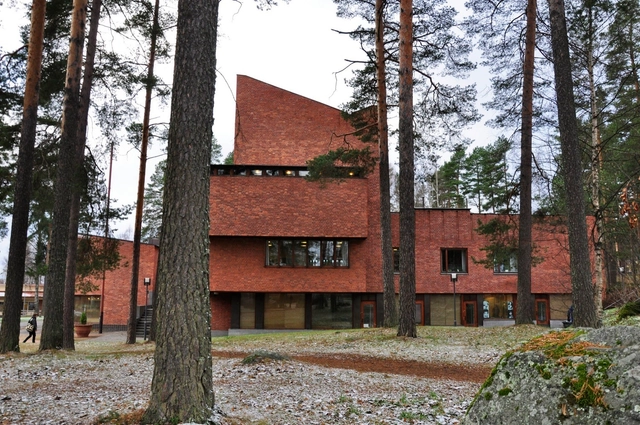
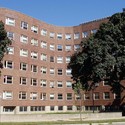
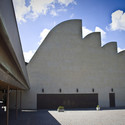
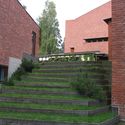
As one of the key figures of midcentury Modernism and perhaps Finland's most celebrated architect, Alvar Aalto (3 February 1898 – 11 May 1976) was known for his humanistic approach to Modernism. For his characteristically Finnish take on architecture, Aalto has become a key reference point for architecture in the Nordic countries, and his commitment to creating a total work of art left many examples of his design genius not only in buildings but also in their interior features, including furniture, lamps, and glassware design.
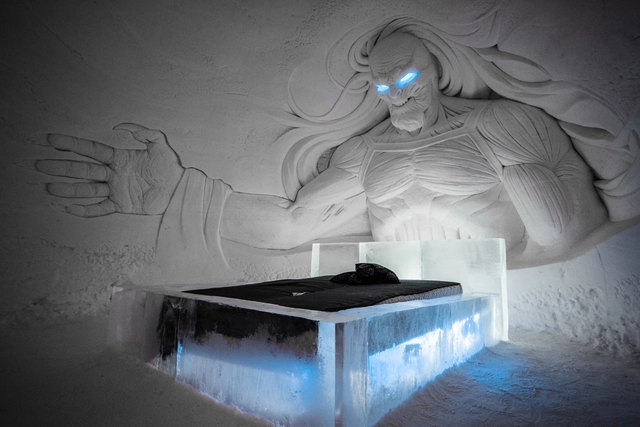
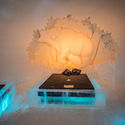
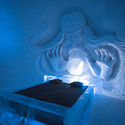
For all those Game of Thrones fans looking to go face to face with a White Walker (or snuggle up like Jon and Dany), here’s your chance: Lapland Hotels Snowvillage in northern Finland has opened its very own Game of Thrones-themed ice hotel, complete with ice-carvings of the show’s best settings and sigils.
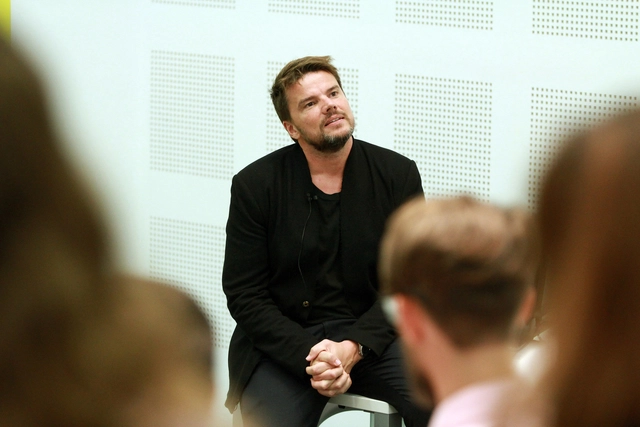
Bjarke Ingels en la pasada edición del Congreso Internacional de Arte, Arquitectura y Diseño UDESIGN 2017. Image Cortesía de UDEM
In just 13 years since its inception, Danish firm BIG has earned world renown for its inventive architecture and its founder, Bjarke Ingels, has become one of the most popular names in the architectural world. However, with success comes criticism; BIG has been called out by some critics for what they believe is the "infantilization of architecture," referring to their designs as isolated, self-admiring and solely photogenic.
On her most recent visit to Spain, Spanish journalist Anatxu Zabalbeascoa spoke with Ingels about the impact of the Danish office on architecture and how their work wavers on a tightrope between "breakthrough projects for the world of the powerful" and "a face for people who are not happy with existing architectural models."
https://www.archdaily.com/888106/bjarke-ingels-no-matter-how-wonderful-a-building-is-if-there-is-no-client-it-doesnt-get-builtArchDaily Team
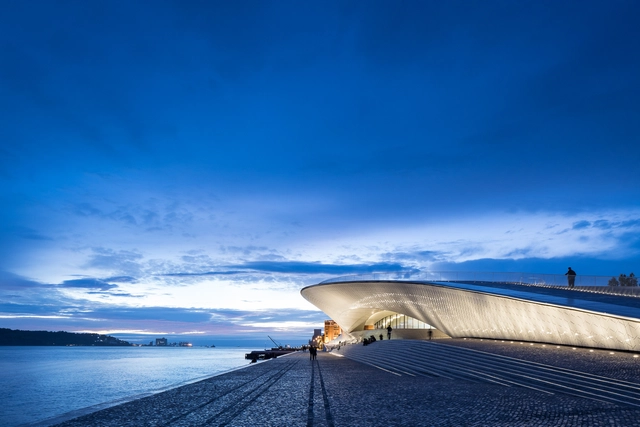
After making a trip to Doha (Qatar), Alejandro Aravena spoke with Chilean newspaper El Mercurio and shared details about this project. "One of the things we set out to do is to make this endure for the next 1,000 years," explains the 2016 Pritzker Prize winner. "When you look at industrial facilities, especially silos, archaeological ruins are the kind of things that remain," he adds.
British architect Amanda Levete has been selected as the recipient of the 2018 Jane Drew Prize, recognizing “an architectural designer who, through their work and commitment to design excellence, has raised the profile of women in architecture.”
Founder of London-based practice AL_A, Levete rose to promise as one half of Stirling Prize-winning practice Future Systems, which she ran with then-husband Jan Kaplický. Together, they completed paradigm-shifting and critically acclaimed works such as the Birmingham Selfridges and the Lord’s Media Centre, winner of the 1999 RIBA Stirling Prize.
The Architectural League of New York has announced the recipients of its 2018 Emerging Voices awards, spotlighting individuals and firms “with distinct design voices and the potential to influence the disciplines of architecture, landscape design, and urbanism.”
On the 4th of February, Minneapolis will host the New England Patriots and the Philadelphia Eagles for the 52nd Super Bowl. With over 100 million people expected to watch the game this Sunday, all eyes will be on the city of Minneapolis—a city known for not allowing the harsh climate get in the way of their celebrations—and the brand new US Bank Stadium, where a huge permanent roof will ensure that, come rain, shine, or snow, Minneapolitans will have a space to gather and enjoy themselves.
HKS Architects took on the challenge of designing the stadium to replace the Minnesota Viking’s previous home, the Metrodome, which was known as "Minneapolis’s living room" for the strong relationship it had with the population as both a civic hub and a stadium. Unlike past stadiums the Dallas-based architects have designed, the US Bank Stadium required a different outlook, with a focus on designing a catalyst for public infrastructure and a communal space that provokes interaction with the community. So how did they achieve a structure that can both host the Super Bowl yet remain a prominent part of the city for years to come? We spoke to the lead architect on the US Bank Stadium, Lance Evans, about how to design and construct the centerpiece for one of the biggest sports events of the year.
2018 has been an unprecedented year for ArchDaily’s Building of the Year Awards.
But before we get to shortlisted nominees, we want to emphasize the values embodied by this awards process. As the world’s largest platform for architecture we are acutely aware of our responsibility to the profession, and to the advancement of architecture as a discipline. Since our mission is directly related to the architecture of the future—in inspiring and educating the global community of architects who will design the urban fabric of the future—the trust placed in us by our readers to reflect architectural trends from regions around the whole world creates challenges that we are eager to rise to. The democratically-voted, user-centered Building of the Year Awards is one of the key pillars of our response to these challenges, aiming to tear down established hierarchies and geographical barriers.
By participating in the process, the ArchDaily community decides what it means to push architecture forward. So without further ado, these are the most inspiring building, according to ArchDaily readers.
The gas station does not usually catch one’s fancy. It is a ubiquitous building, one built primarily for function instead of for pleasure or community. We see them all the time but barely give them a second glance unless the need arises – and then, we get our fuel, and we are out of the station in minutes.
With the smell of gasoline and the usual convenience store spread, these service stations do not exude any particular sense of wellness. Neither have their flat, perennial structures captured the imagination of architects – until now.
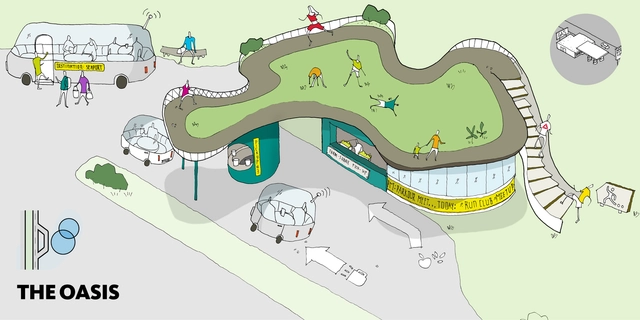
Reebok and Gensler are the first to catch on to the enormous potential of the common gas station. These buildings sit on prime real-estate all over the country, from highways to local streets. In their new collaborative project, “Get Pumped,” the global architecture firm and the fitness brand are coming up with a plan to re-do the gas station as we know it.
The members of Future Architecture have selected 21 ideas out of more than 200 submissions in this year's open call for ideas. The winners will be invited to the two days Matchmaking Conference in February at the Museum of Architecture and Design (MAO) located in Ljubljana, where they will present their submissions and earn a chance to participate in the conference’s series of events.
Check out the list of winners and their proposals after the break.
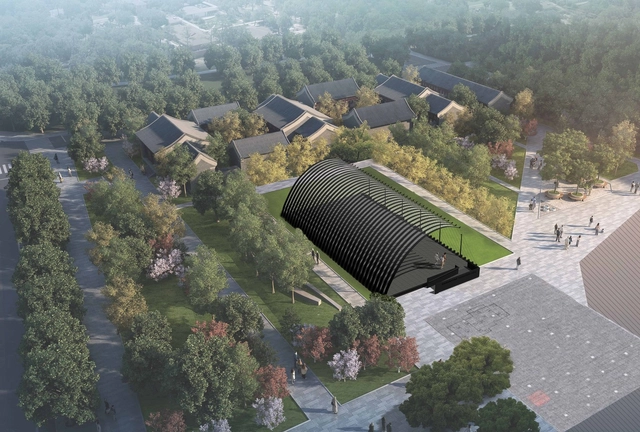
The Serpentine Galleries has announced the expansion of their popular summer pavilion program, collaborating with Beijing’s WF Central to commission the inaugural Serpentine Pavilion Beijing. The first Serpentine Pavilion to be built outside of the Galleries’ Kensington Gardens home in London, the Beijing Pavilion will be located just 600 meters away from the historic Forbidden City in the Dongcheng District, where it will host a program of cultural activities and events.
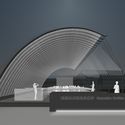
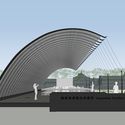
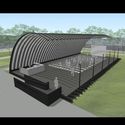
The inaugural pavilion has been designed by emerging Chinese studio JIAKUN Architects, led by architect Liu Jiakun. Drawing both from the historical and social of Beijing and from the storied 17-year history of the Serpentine Pavilion commission, the design features an arched form that balances forces of tensions and compression.
Established in 2011, the competition aims to foster the creativity of young architects by challenging them to complete “innovative, audacious and promising projects” that imagine new methods of sustainable development within the realms of sea and space.
Architectural submissions were awarded this year within three categories: Innovation and Architecture for the Sea, Innovation and Architecture for Space, and Architecture and Sea Level Rise. Within these categories, projects were selected in three disciplines: the overall Grand Prix, the “Focus” theme award, and the Coup de Coeur.
AIA New York and the Center for Architecture have announced five practices as winners of the 2018 New Practices New York awards, founded to identify and promote the city’s emerging young architects. Established in 2006, the awards are given biennially to practices headquartered in New York and in operation for 10 or fewer years.
Under this year’s theme of Consequences, firms were asked to submit portfolios containing design ideas that promoted “the capacity of architectural practice to offer transformative value within the broader context of the city.”
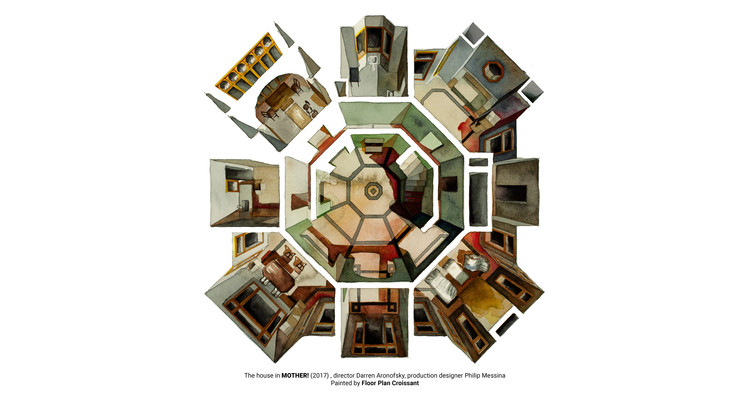
Why does a film garner critical acclaim? Is it captivating performances from its actors? Stunning tableaus and cinematic moments? Or, could it be the intricate sets where tales of drama, laughter, love, and loss play out?
Following her stunning watercolor prints of last year’s Oscar nominees and the Netflix sensation Stranger Things, architect and illustrator Boryana Ilieva provides a glimpse into the elaborate sets of 6 stand-out films from 2017. With the Golden Globes broadcasted earlier this month and the Academy Awards only a few weeks away, the homes in these award-winning motion pictures deserve as many accolades as the Hollywood stars who inhabit them.












.jpg?1516989852&format=webp&width=640&height=580)





_Malcolm_Reading_Consultants_and_Elemental.jpg?1517319937&format=webp&width=640&height=580)






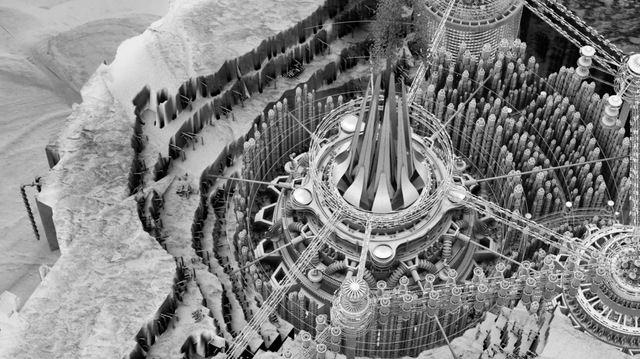
.jpg?1517424651 "SOLAR SPORE, An algae photobioreactor in outer space / Pierre-Jacques Truyman, Alexandre Brassart, Sylve Truyman; France. Image Courtesy of Jacques Rougerie Foundation")
.jpg?1517424637 "Refuge-ground : Towards habitable offshore salt platforms / Lambert David, France. Image Courtesy of Jacques Rougerie Foundation")
.jpg?1517424660 "Currents for Currents, Blue is the new green / Deo Alrashid T. Alam, Robert Andrew P. Galano, Pierre Michael Monjardin; Phillippines. Image Courtesy of Jacques Rougerie Foundation")