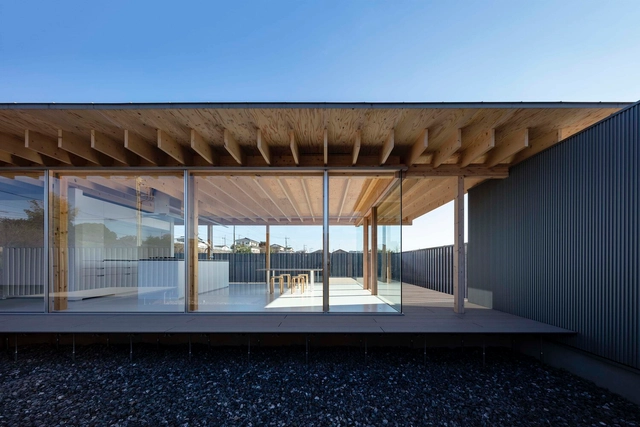
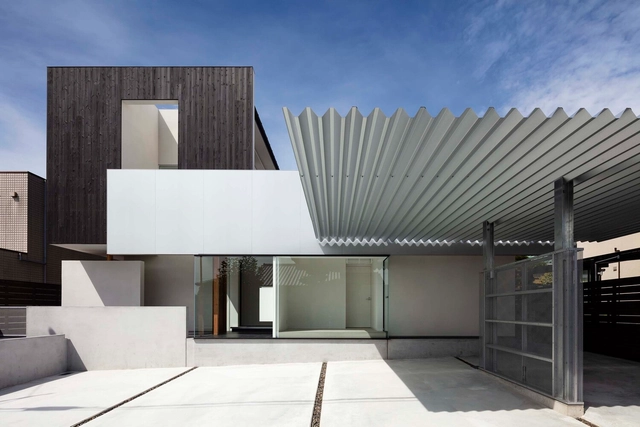
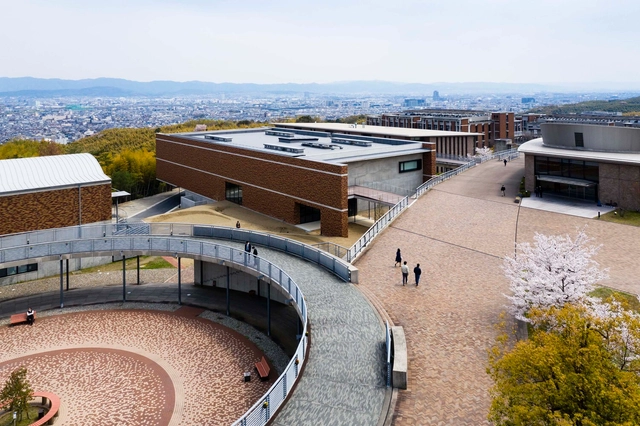
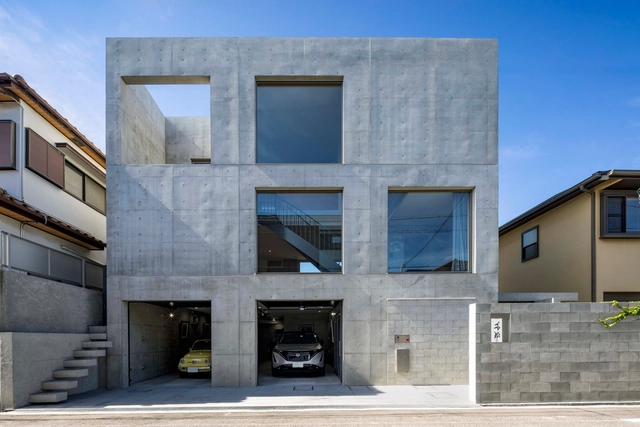
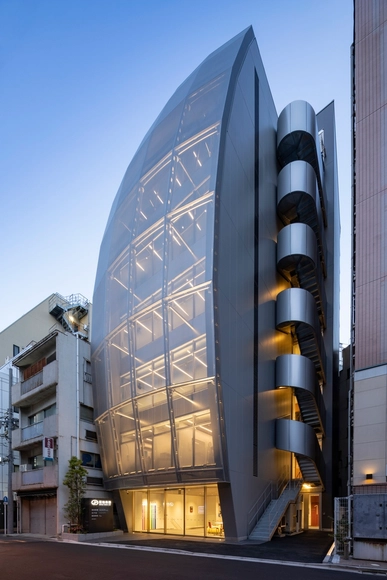
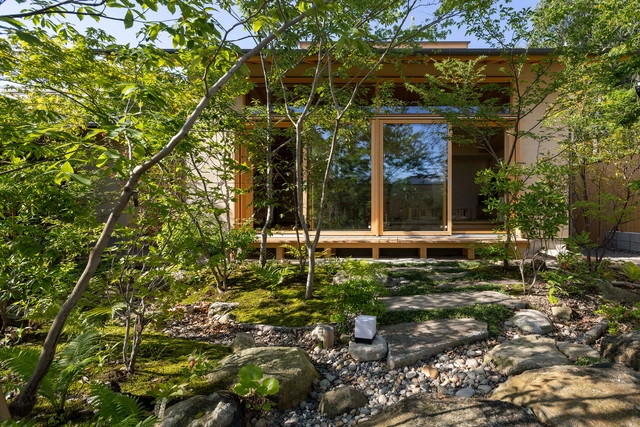
Shigeo Ogawa

BROWSE ALL FROM THIS PHOTOGRAPHER HERE

Coffee or Tea: Third Places, Kiosks, and the Retail Architecture of Duration

Subscriber Access | 

"Coffee or tea?" is one of those phrases that follows you across contexts: asked on airplanes, after a meal, in hotel lounges, and in meeting rooms. It sounds like a small question—mere preference, a quick fork in the service script. Yet it also carries a quiet cultural inheritance. Tea arrives with the long history of ritual and domestic pacing, tied to older geographies of trade and everyday etiquette. Coffee arrives with a different lineage of circulation, later industrialized into the modern café and its public-facing rituals. In both cases, the drink is never only a drink; it is a practiced relationship to time and space.

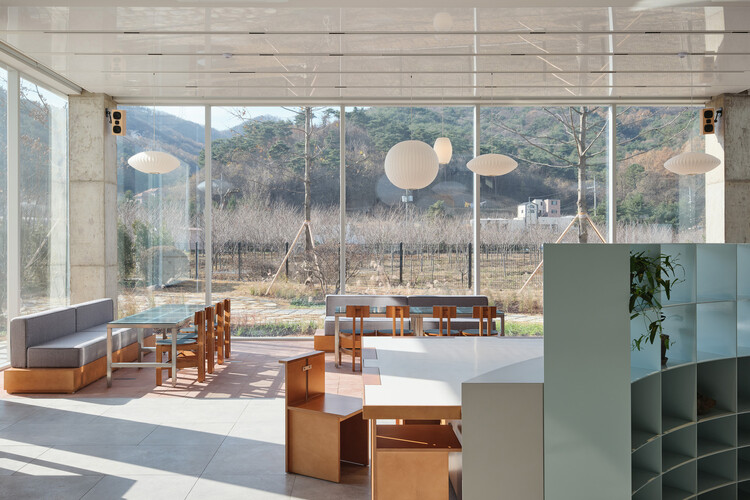
In contemporary East Asia, however, "coffee or tea" increasingly reads as something else: imperceptibly or subconsciously, it is becoming more of a choice about where you want to be. Each beverage now carries a spatial expectation. Coffee implies a room you can occupy—often a place to pause, work, meet, or cool down. Tea, despite being culturally pervasive, appears more diffusely across the city—sometimes as a dedicated destination, sometimes as a high-frequency kiosk, and very often as an embedded default within dining typologies. The result is that a question posed as taste has begun to operate as a subtle indicator of spatial preference: whether you are seeking duration or velocity, enclosure or flow, a third place or a quick node on the street.

Coffee or Tea: Third Places, Kiosks, and the Retail Architecture of Duration  - More Images+ 28

Juzen Chemical Corporation Head Office / KEY OPERATION INC. / ARCHITECTS

Juzen Chemical Corporation Head Office / KEY OPERATION INC. / ARCHITECTS - More Images+ 28

  • Area Area of this architecture project Area:  1885
  • Year Completion year of this architecture project Year:  2023
  • Manufacturers Brands with products used in this architecture project
    Manufacturers:  Cinqvit, Daikin, Sawada Chemical, TOSHIBA, Tostem

From Tradition to Innovation: How Modern Technologies are Transforming the Potential of Wood

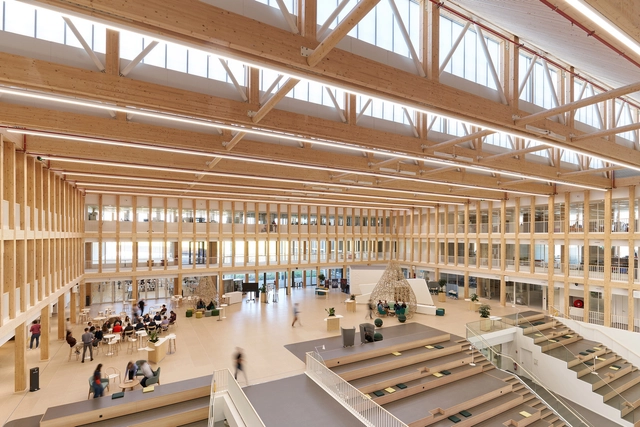
Wood, one of the oldest building materials, has been continuously reinvented throughout history. As contemporary architecture becomes more and more concerned with sustainability and environmental responsibility, the popularity of the material has also increased. As trees absorb carbon dioxide during their growth, their wood stores that carbon, keeping it out of the atmosphere. The materials derived from wood are thus associated with less greenhouse gas emissions on the condition of trees being harvested from sustainably managed forests. But in order to capture the full potential of this material, a plethora of techniques and modifications have evolved with the purpose of adapting and customizing wood's characteristics to the demands of modern design and construction. From thermal modification to engineered wood or versatile particle boards, these methods not only enhance wood's suitability for the rigors of contemporary architecture but also expand the usability of this sustainable material to an unprecedented scale.

From Tradition to Innovation: How Modern Technologies are Transforming the Potential of Wood - More Images+ 5

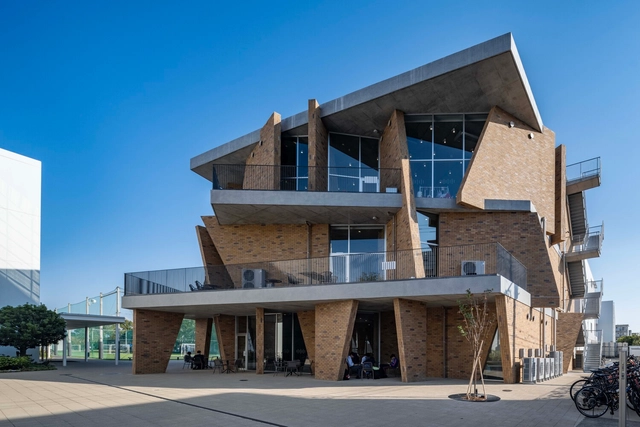
Shonan Institute of Technology High School Library / kousou + Fukei Co.

Shonan Institute of Technology High School Library / kousou + Fukei Co. - More Images+ 17

  • Architects: Fukei Co., kousou
  • Area Area of this architecture project Area:  1419
  • Year Completion year of this architecture project Year:  2023

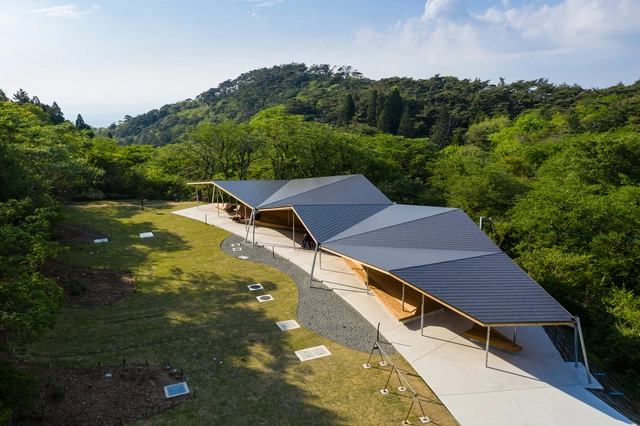
The Rest Space at the Top of Mt.Rokko / ofa

The Rest Space at the Top of Mt.Rokko / ofa - More Images+ 16

  • Architects: ofa
  • Area Area of this architecture project Area:  267
  • Year Completion year of this architecture project Year:  2020
  • Manufacturers Brands with products used in this architecture project
    Manufacturers:  Meiken Lamwood corp., TOTO LTD.

Hayama Huts / KEY OPERATION INC. / ARCHITECTS

Hayama Huts / KEY OPERATION INC. / ARCHITECTS - More Images+ 27

Ouloukyo House / A.A.E.

Ouloukyo House / A.A.E. - More Images+ 19

Shibuya City, Japan
  • Architects: A.A.E.
  • Area Area of this architecture project Area:  297
  • Year Completion year of this architecture project Year:  2022
  • Manufacturers Brands with products used in this architecture project
    Manufacturers:  Inoue Industries, Sekistone, Tamiya

House in Sashiogi / Waro Kishi + K.ASSOCIATES/Architects

House in Sashiogi / Waro Kishi + K.ASSOCIATES/Architects - More Images+ 15

Saitama, Japan

House on Nishinokyo-Hills / Waro Kishi + K.ASSOCIATES/Architects

House on Nishinokyo-Hills / Waro Kishi + K.ASSOCIATES/Architects - More Images+ 21

Nara, Japan

Katsura Library at Kyoto University / Waro Kishi + K.ASSOCIATES/Architects

Katsura Library at Kyoto University / Waro Kishi + K.ASSOCIATES/Architects - More Images+ 15

The Wall of Tolerance House / T2P Architects Office

The Wall of Tolerance House / T2P Architects Office - More Images+ 24

Nishinomiya, Japan

Building of Music / Kensuke Aisaka

Building of Music / Kensuke Aisaka - More Images+ 10

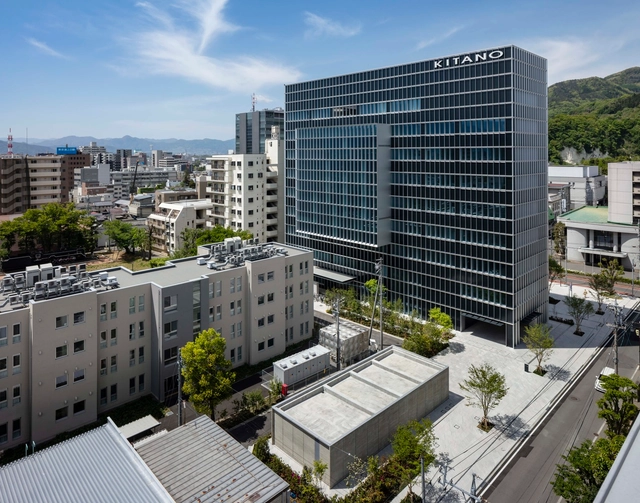
Kitano Construction Nagano Head Office / Atsushi Kitagawara Architects

Kitano Construction Nagano Head Office / Atsushi Kitagawara Architects - More Images+ 32

House in Nagoya / Takashi Okuno & Associates

House in Nagoya / Takashi Okuno & Associates - More Images+ 18

Nagoya, Japan

House Along Cul de Sac / T2P Architects Office

House Along Cul de Sac / T2P Architects Office - More Images+ 17

Kōbe, Japan

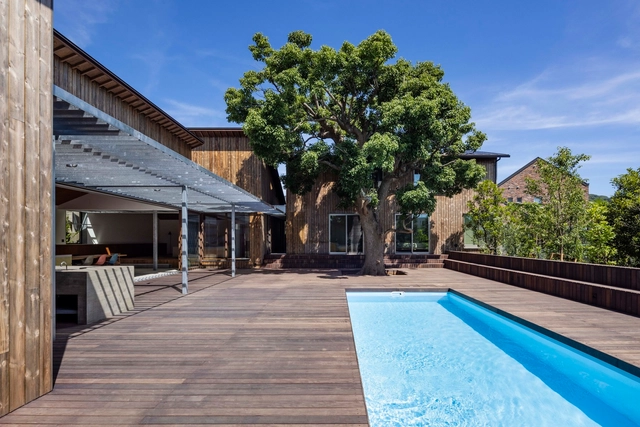
Weekend House in Kirishima / EAL

Weekend House in Kirishima / EAL - More Images+ 21

Kagoshima, Japan
  • Architects: EAL
  • Area Area of this architecture project Area:  165
  • Year Completion year of this architecture project Year:  2021
  • Manufacturers Brands with products used in this architecture project
    Manufacturers:  Bunka Shutter, Imashioya Tategu, LIXIL , Oakridge, Takara Standard, +2
  • Professionals: Hafnium Architects, IFOO Inc.

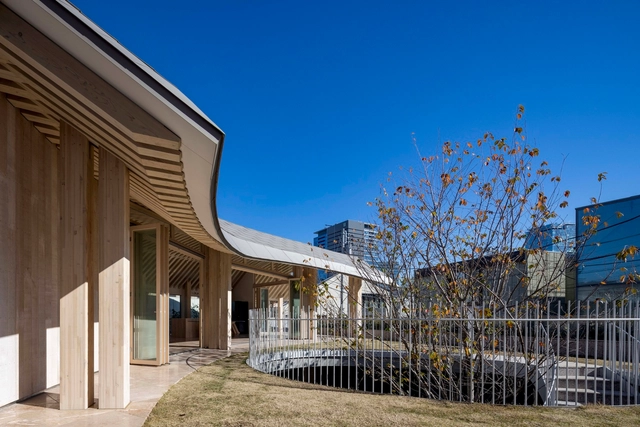
11-1studio / Yosuke SAGOSHI Atelier

11-1studio / Yosuke SAGOSHI Atelier - More Images+ 15

  • Area Area of this architecture project Area:  97
  • Year Completion year of this architecture project Year:  2021
  • Manufacturers Brands with products used in this architecture project
    Manufacturers:  &Tradition, ABC Trading, Best, DAIDO Corporation, Shigeru, +2

Dining Rooms: Their Importance and Possibilities in Plans

Subscriber Access | 

The word commensality refers to the act of eating together, sharing a meal. Much more than a mere function of essential human need, sitting at the table is a practice of communion and exchange. An article by Cody C. Delistraty compiles some studies on the importance of eating together: students who don't eat regularly with their parents miss school more; children who do not have daily dinner with their family tend to be more obese and young people in families without this tradition can have more problems with drugs and alcohol, in addition to poorer academic performance. Evidently, all these issues raised are complex and should not be reduced to just one factor. But having a suitable place to have meals, free from distractions, is a good starting point for at least one moment a day that is focused on conversation and food. This is where dinner tables come in. In this article, we review some projects to classify the most common ways to deploy these important pieces of furniture.