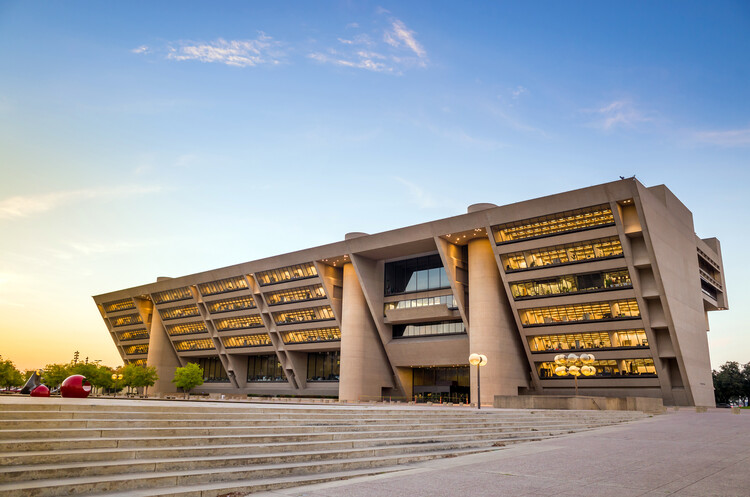
Across cultural districts and civic centers, this week's architectural developments highlight how institutions and city governments are reshaping their futures amid shifting environmental, social, and economic pressures. New museum and opera projects signal ongoing commitments to expanding public cultural infrastructure, while the debate surrounding Dallas' modernist City Hall illustrates the tensions that arise when questions of heritage meet rising maintenance demands and redevelopment pressures. At the same time, municipalities are advancing new regulatory tools to confront climate challenges, from electrification standards in Sydney and Boston to mobility restrictions and emerging forms of urban diplomacy. These developments reflect an increasingly complex landscape in which architectural environments evolve through a combination of cultural ambition, environmental targets, and shifting models of public decision-making.
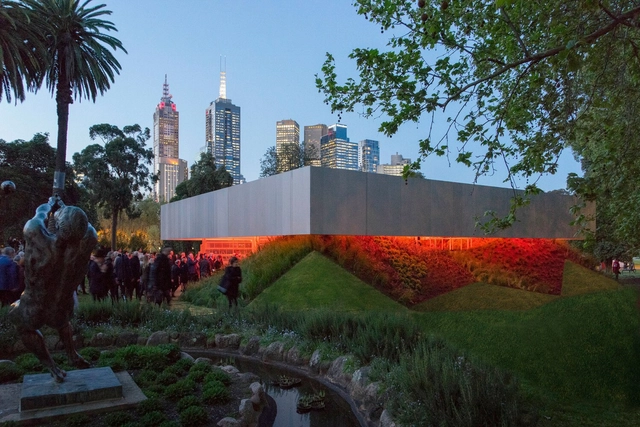
The MPavilion represents one of the most important architectural events happening annually in Melbourne, Australia. Initiated and founded by the Naomi Milgrom Foundation, the event was first launched in 2014 and has since brought internationally recognized architects to design a temporary structure in Melbourne's Queen Victoria Gardens in a system similar to London’s Serpentine Gallery Pavilion. From Sean Godsell's solar-actioned panels to Studio Mumbai‘s experimental bamboo structure, each pavilion explores craftsmanship and contemporary design while fostering a rich cultural program for several months before being disassembled and donated to one of the city’s parks. As the latest pavilion was recently inaugurated by Tadao Ando, we look back at the previous editions of Australia’s most famous annual structure.
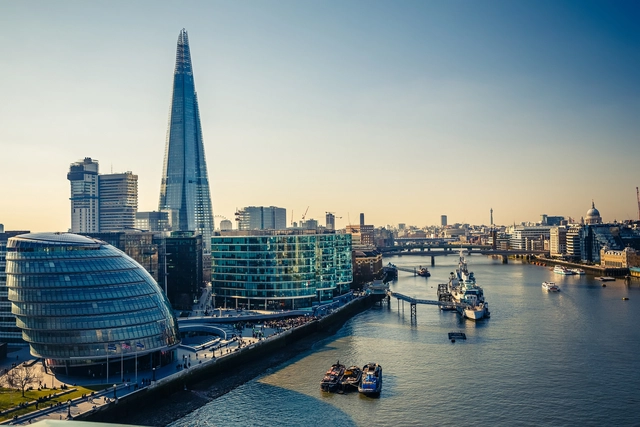
London’s architectural history is a rich tapestry that weaves together styles of various periods and influences. In the post-war era, the city experienced a surge in modern architecture, becoming a canvas for experimentation. New stylistic movements saw their expression crystalized through buildings such as Richard Rogers’ Lloyd’s Building, one of the most representative examples of High-Tech architecture, or the Barbican Estate, a large-scale housing estate that became the iconic structure for Brutalist architecture.
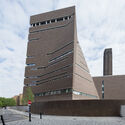
London’s contemporary architectural landscape continues to evolve, in part through the works of internationally-recognized architects such as Norman Foster, Zaha Hadid, and Thomas Heatherwick. This varied blend of styles, and ways of expression reflects the city’s ability to embrace architectural movements of global significance. As a center for innovation, London continues to attract established and emerging architects who shape its skyline and contribute to its international architectural discourse, with each new building offering a glimpse into the ever-changing nature of London’s urban fabric.
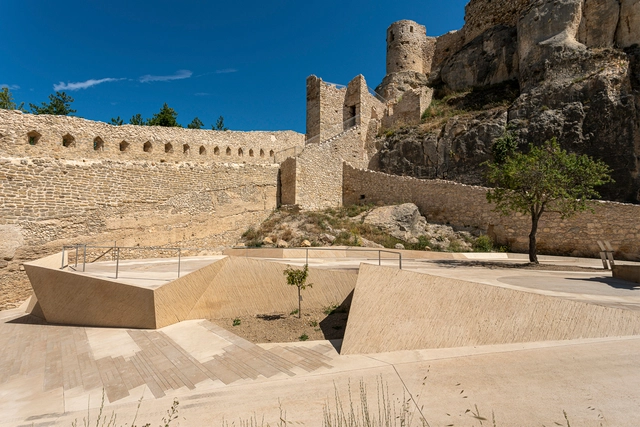
On the occasion of the sixth edition of the AHI European Heritage Intervention Award, the 26 selected projects within the categories of Built Heritage and Outdoor Spaces have been announced, among a total of 241 projects submitted from 28 different European countries.
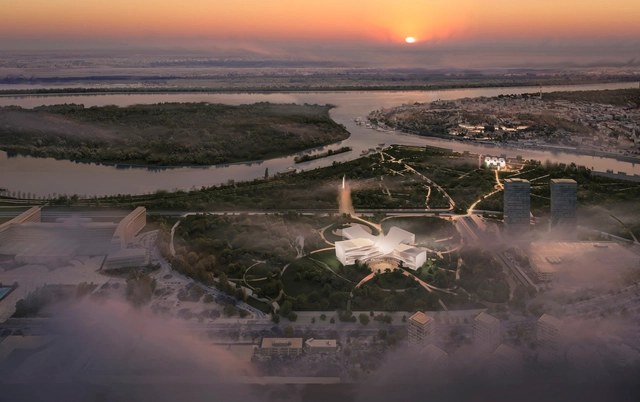
Following an international competition, London-based architecture studio AL_A has been selected to design the new BelgradePhilharmonic Concert Hall. The project will become a landmark for the Serbian capital, as it represents the biggest cultural investment in the region in the last decades. Located near the historic Palace of Serbia in New Belgrade, the Concert Hall features multiple performance, rehearsal, and creative spaces, including a 1,600 seats symphonic concert hall. The design team led by AL_A also includes landscape designers VDLA, engineers AFA Consult, and local architects Zabriskie. They are joined by Arup, who coordinates the acoustic and theatrical design.
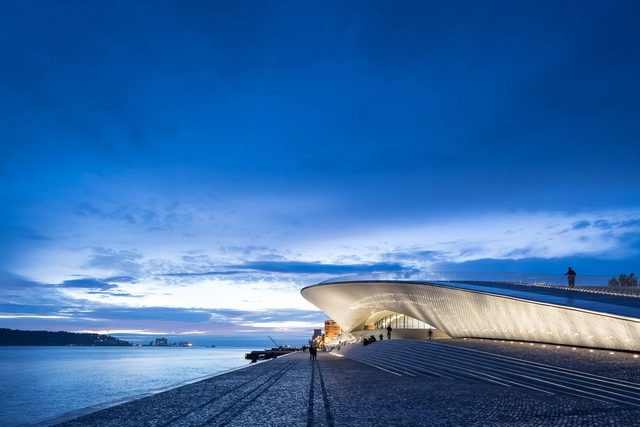
After my recent interview with Gensler’s Director Harry Ibbs on Leveraging Technological Advancements to Bring Workers Back to Office I decided to cover the topic of a post-covid practice workplace culture from a completely different angle. In search of a more intimate approach, I looked into AL_A, a RIBA 2009 Stirling Prize-winning studio founded by Amanda Levete with directors Ho-Yin Ng, Alice Dietsch and Maximiliano Arrocet. The diversity of the leadership team and their 30+ person workforce brings a richness of thinking and possibility that’s played out in their culture, practice and through their designs.
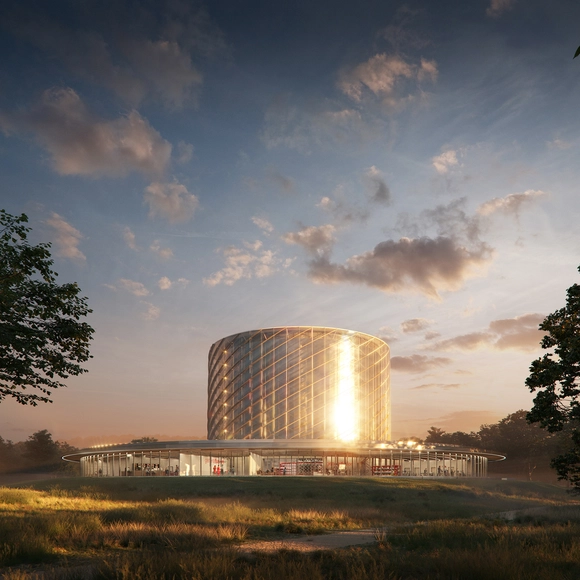
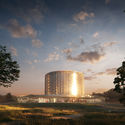
UK-based architecture firm AL_A has collaborated with Canadian energy firm General Fusion to develop the world's first magnetized target fusion facility on the UK Atomic Energy Authority (UKAEA) campus in Culham, United Kingdom. The energy firm wanted to "transform how the world is energized by replicating the process that powers the sun and stars". AL_A's design proposes a first-of-its-kind facility with open spaces and see-through partitions that provides innovative carbon-free energy solutions.
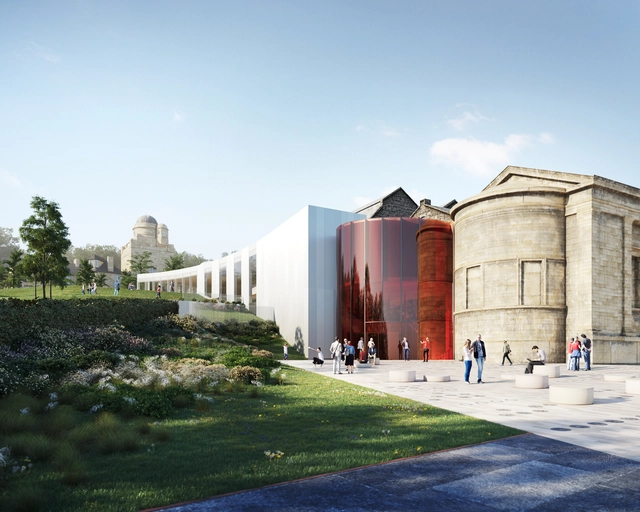
Architecture practice AL_A has released its proposal to transform the Paisley Museum in Scotland. The museum is undergoing the transformation to accommodate visitors from Scotland, the UK and abroad. Led by Stirling Prize winn, the team plans to restore and reinvigorate the existing museum. The new design is made to showcase the stories of a Scottish town whose influence has reached around the globe.
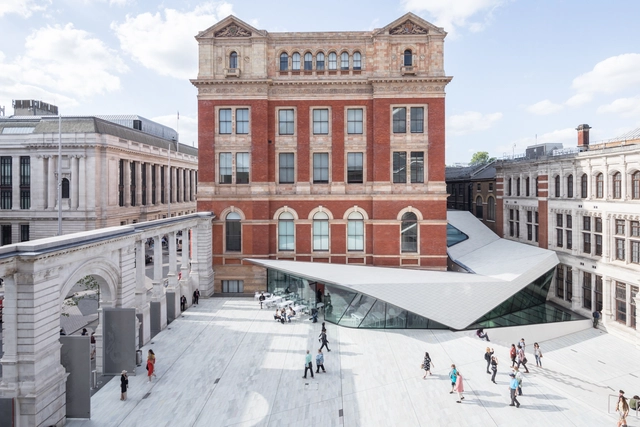
Completed last year, AL_A's porcelain public courtyard at London's V&A Museum is the largest architectural intervention and restoration of the site in more than 100 years. AL_A also designed a new colonnade and a column-free exhibition gallery. The design connects the space with the neighboring buildings on site, giving the museum a more streamlined sequence between gallery spaces.
Exterior of the Paisley Museum. Image Courtesy of Paisley Museum
London-based AL_A has been appointed for their first Scottish commission: the $55million (£42million) transformation of the PaisleyMuseum. The brief calls for the revitalization of the home of Paisley’s textile heritage, natural history and art and science collections.
The museum’s transformation is a flagship project for a $135million (£100million) investment in cultural venues by the council governing the city of Paisley, in preparation for a UK City of Culture 2021 bid legacy.
https://www.archdaily.com/894869/al-a-selected-for-$55million-renovation-and-extension-of-scotlands-paisley-museumNiall Patrick Walsh
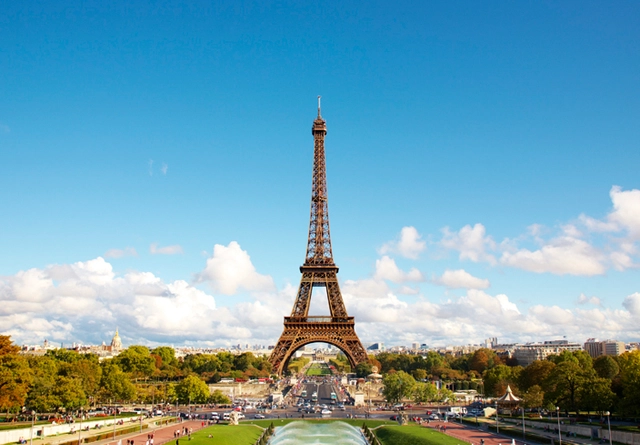
Amanda Levete is among one of four teams to be shortlisted for a competition to reimagine the visitor experience for the famous Eiffel Tower in Paris. The four teams, chosen from 42 entries, will be tasked with rethinking the ways in which people discover and interact with the tower, working in collaboration with the City of Paris government.
Titled “Discover, Approach, Visit,” the competition site covers 54 hectares of land on both sides of the River Seine, with the Eiffel Tower site located at the center. In preparation for Paris’ hosting of the 2024 Olympic Games, the competition asks teams to spend 10 months exploring how to enhance the visitor experience at the base of the tower, strengthen existing connections across the site, reconfigure public transport routes.
https://www.archdaily.com/893829/shortlist-announced-for-competition-to-redesign-the-eiffel-tower-visitor-experienceNiall Patrick Walsh
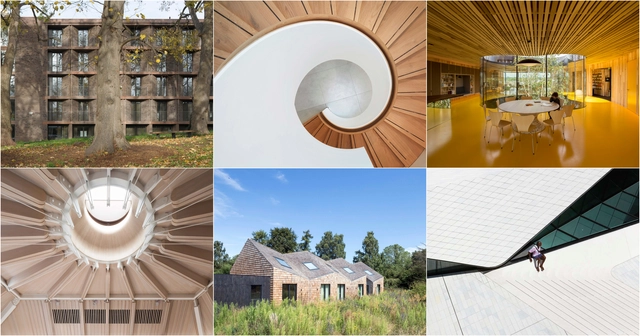
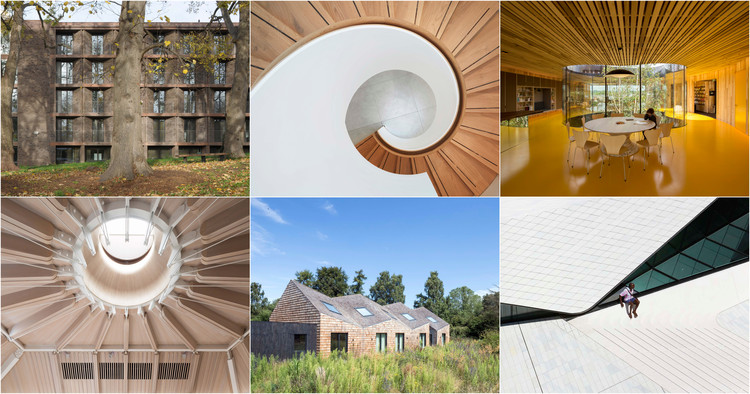
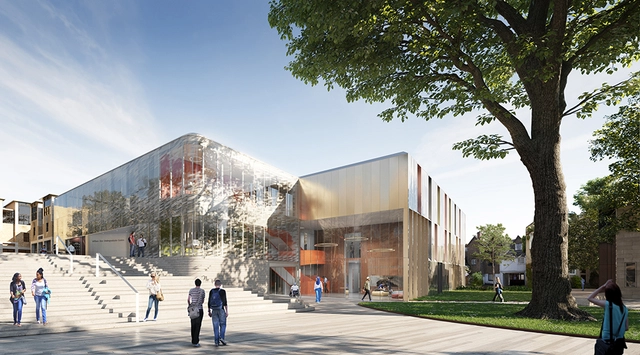
London-based AL_A, spearheaded by Amanda Levete, have revealed their design for two new buildings at the Wadham College site of the historic OxfordUniversity in England. The Dr. Lee Shau Kee Building and William Doo Undergraduate Centre will provide much-needed space for undergraduate services to support the University's access programs as well as new gathering places for the student body. The firm has been developing the expansion since securing the project after an invited design competition in the summer of 2016.
British architect Amanda Levete has been selected as the recipient of the 2018 Jane Drew Prize, recognizing “an architectural designer who, through their work and commitment to design excellence, has raised the profile of women in architecture.”
Founder of London-based practice AL_A, Levete rose to promise as one half of Stirling Prize-winning practice Future Systems, which she ran with then-husband Jan Kaplický. Together, they completed paradigm-shifting and critically acclaimed works such as the Birmingham Selfridges and the Lord’s Media Centre, winner of the 1999 RIBA Stirling Prize.
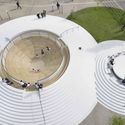
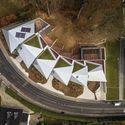
This week we have prepared a special selection of 20 images of architecture as seen from the sky. This style of image, made possible by the emergence of drones, is increasingly used in architectural photography. It makes it possible to understand, in a single image, the totality of a project, and to see how the project interacts with the context in which it is immersed. Read on to see a selection of renowned photographers such as Hufton + Crow, Fernando Guerra, NAARO, and Jesús Granada.
For me architecture touches on so much of what it means to be human – it touches on society, on politics, on culture. And we need to negotiate all of those thresholds in order to design.
In this video for CNN Style, architect Amanda Levete, founder of London-based practice AL_A, discusses the importance of identifying and creating thresholds in design, in both the literal and abstract definitions of the term. Working at a wide variety of scales, AL_A strives to react to larger societal issues in their designs, creating points where perceptions and emotions can transform.
Six teams have been shortlisted in a competition to restore and renovate the historic Clandon Park mansion in the county of Surrey, England, after the National Park property received heavy damage from a fire in 2015.
Organized by Malcolm Reading Consultants, the competition tasked teams with restoring and updating the interiors of the 18th-century Palladian house, as well as designing new flexible event spaces and visitor facilities within the existing building footprint.