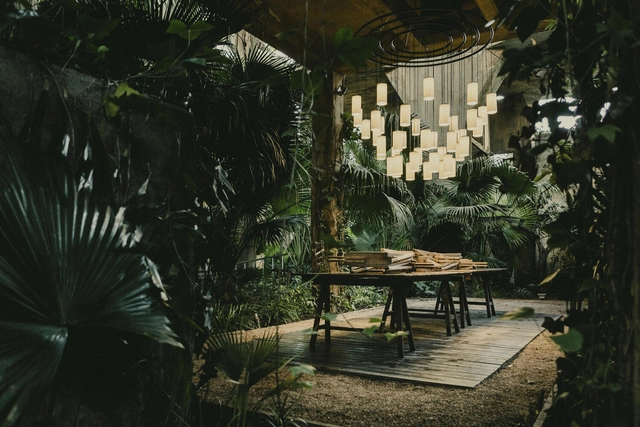
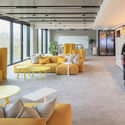
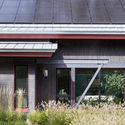
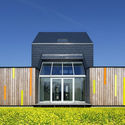
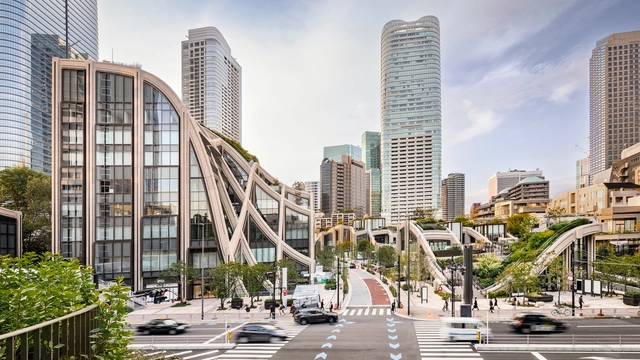
Lowering our body temperature and metabolism to preserve food and energy during a cold spell is not (yet) a skill humanity has learned. Human hibernation, however, is still a very real and natural reaction to life in seasonal climates. As the winter months begin, we start to nap more, crave fattier foods, long for the company of others, and, most of all, prepare cozy nests to snuggle into. In order to actively enjoy the cold, wet, and long-time dark periods of the year instead of just waiting for the sun to return, here are some useful ways to ensure our homes stay cozy.
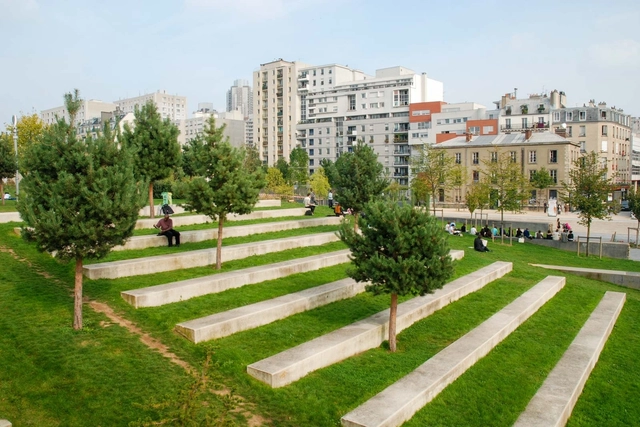
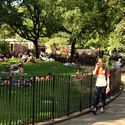
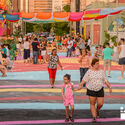
One of the most radical instances of public space transformation happened recently. During the early months of the Covid-19 pandemic, public space transformed into “a medical resource, a distribution hub, an overflow space, a center of protest and resistance, a gym, a senior center, a community center, a daycare center, a schoolyard, a night club, a transportation corridor, an outdoor restaurant, a shopping mall, a children’s playground, an outdoor theater, a music venue, a nature center, and a place of belonging and ‘being at home.’”
https://www.archdaily.com/1010271/socially-just-public-spaces-are-crucial-to-flourishing-societiesGrace Mitchell Tada
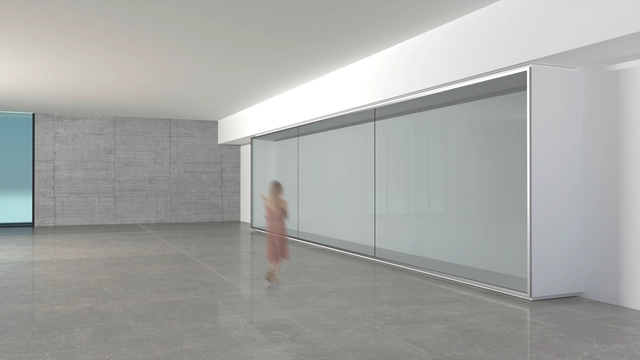
Some of the most memorable and moving exhibitions are the ones that simplify their staging, illuminating objects and narratives while pulling focus from everything else. A stark but meticulous –and above all modern– presentation is the goal of the museum curator. The process of installation shouldn’t be laborious. The fingerprint of the architect shouldn’t be visible. The eye of the visitor wants to see unbroken silhouettes of couture garments, archaeological treasures, and sculptures. Exhibitions tell stories, and the design of each show is the medium. The presentation must be crisp, clear, and light. A sense of perfection elevates the uniqueness of a collection of objects; barely apparent joins, lines and an overall feeling of transparency make that achievable.
https://www.archdaily.com/1009976/elevating-contemporary-exhibition-design-with-sliding-glass-panel-systemsMark C. O'Flaherty
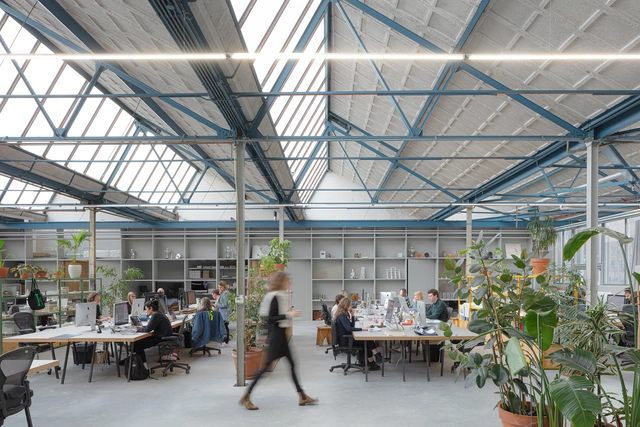
The average person spends approximately 90,000 hours, equivalent to one-third of a lifetime, at work. The workplace can be a second home to adults, and spending multiple hours has fueled a longstanding desire for change within the workplace. Over the decades, various factors, including pandemics, economic crises, and changing generational preferences, have impacted the nature of work and the places people work in. The recent phenomena of the Great Resignation and the widespread adoption of remote and hybrid work arrangements have accelerated the transformation of workplaces. In response, organizations are increasingly prioritizing the overall employee experience, recognizing the need to create environments that accommodate evolving work structures while fostering satisfaction, engagement, and well-being among their workforce.
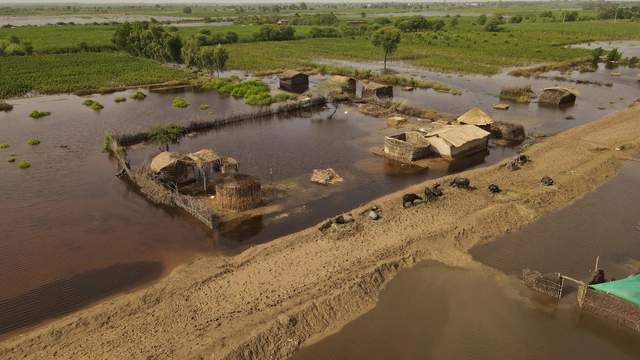
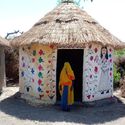
Pono Colony - August 2022. Image Courtesy of Heritage Foundation of Pakistan
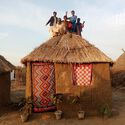
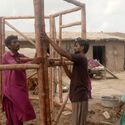
Following the extreme floods that affected Pakistan in 2022, architect Yasmeen Lari the Heritage Foundation of Pakistan pledged to help build one million resilient houses in the country. In 2022, 33 million people have been displaced, and an estimated 500,000 houses have been destroyed or severely damaged. In September 2022, Lari’s NGO launched a target program to start rebuilding and to help communities protect themselves against future disasters. The program is built on Lari’s expertise in working with the communities and employing vernacular and local building materials to achieve resilient and sustainable structures. According to the Heritage Foundation of Pakistan, one-third of the goal has already been reached.
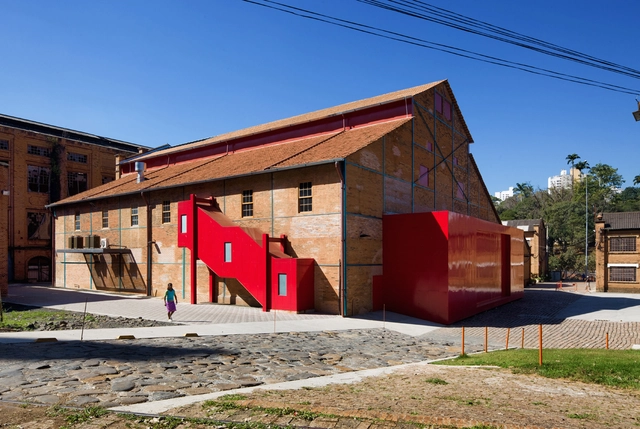
In the global context, the first factories emerged in the latter part of the 16th century, primarily housing typographic workshops. Over time, their purposes expanded to include carpentry, tapestry, and porcelain workshops. However, the recognizable form of industrial buildings we see today only took shape in the 18th century, closely tied to the transformations brought about by the Industrial Revolution. The shift from human labor to machinery fundamentally altered the scale of these structures, turning them into expansive warehouses.
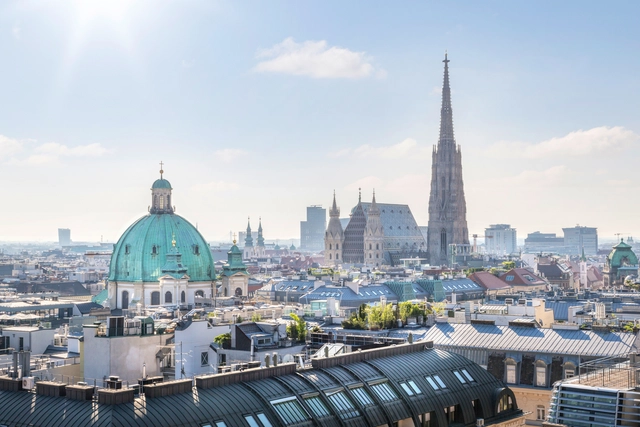
Often referred to as the “City of Music,” Vienna stands as a living testament to architectural evolution across centuries. Bring together an array of styles, ranging from the grandeur of Baroque palaces to the innovative Art Nouveau designs and the Vienna Secession movement, visitors are drawn to the city for its architectural marvels. Vienna's eventful past is reflected in its architectural landscape, which has withstood wars, imperial expansions, and the changes of numerous artistic trends while managing to maintain its unique identity as a symbol of resilience and reinvention.
From Adolf Loos, whose radical ideas challenged the trends of his time, to Otto Wagner, a pioneer of Viennese Modernism, Vienna's architectural legacy continued to evolve. Fast-forwarding to contemporary times, Vienna's skyline bears the mark of internationally renowned architects like Zaha Hadid, whose fluid and futuristic designs push the boundaries of architecture. Hadid's work, including the Library and Learning Center at the University of Economics and Business, offers a dynamic contrast to the city's historic landscape. Moreover, firms like CRAB Studio, founded by Sir Peter Cook and Gavin Robotham, bring experimentalism to Vienna's architecture, infusing contemporary concepts into the urban fabric. These architects and firms contribute to Vienna's architectural richness, adding new chapters to its storied history while honoring its innovation and artistic legacy.
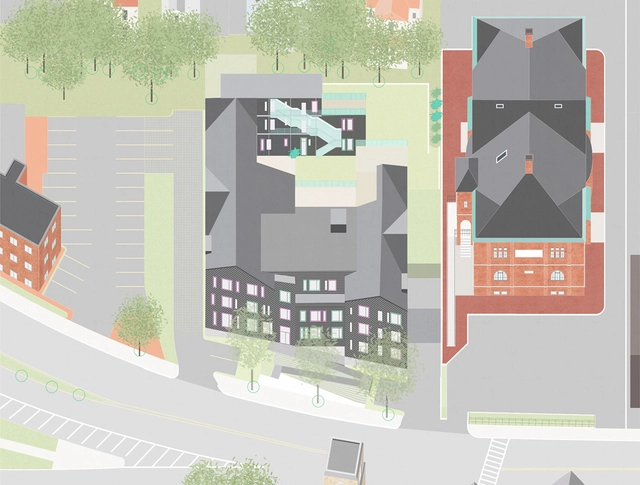
In Greater Boston's city of Malden, Massachusetts, an inter-generational community of thirty households hired an architecture firm and collectively designed their cohousing community. Responding to the cohousing community's request for collective living in an urban setting, French2D designed a typology-challenging building with individual residential units connected by a framework of shared spaces. The result is a 48,700 sqft unique and colorful type of multi-family housing. It is one of a growing number of cohousing projects in the United States.
The Second Studio (formerly The Midnight Charette) is an explicit podcast about design, architecture, and the everyday. Hosted by Architects David Lee and Marina Bourderonnet, it features different creative professionals in unscripted conversations that allow for thoughtful takes and personal discussions.
A variety of subjects are covered with honesty and humor: some episodes are interviews, while others are tips for fellow designers, reviews of buildings and other projects, or casual explorations of everyday life and design. The Second Studio is also available on iTunes, Spotify, and YouTube.
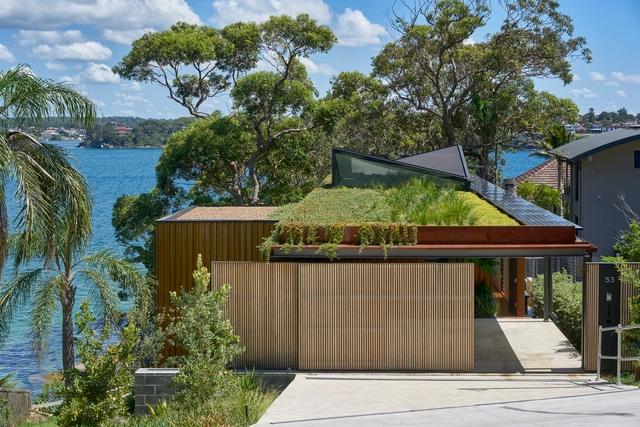
This week David and Marina of FAME Architecture & Design discuss the local architecture, adobe buildings, and natural landscapes of the southwest region of the United States. The two cover the role nature has in cities, designing experiences, how architecture can co-exist with the natural landscape, craftsmanship, and more. Destinations included the Taos Pueblo in New Mexico, Monument Valley, Antelope Canyon, Frank Lloyd Wright’s Taliesin West, and Paolo Soleri’s Arcosanti.
Including sustainable strategies in architectural projects is not just a trend, it is a necessity. Each day we become more aware of the importance of responsibly managing natural resources and understanding the environmental factors involved in designing a project.
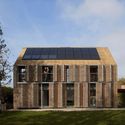
Solar energy is one of the most commonly employed strategies in residential architecture, both active and passive. Many countries around the world offer incentives to encourage the use of solar systems, and the benefits of installing these systems can be seen in a short period of time, with a reduction of up to 95% in the monthly energy expenses, which makes this strategy one of the most attractive of all sustainable solutions. Furthermore, the average lifespan of a solar panel is 25 years, operating entirely on its own and requiring only basic cleaning once a year.
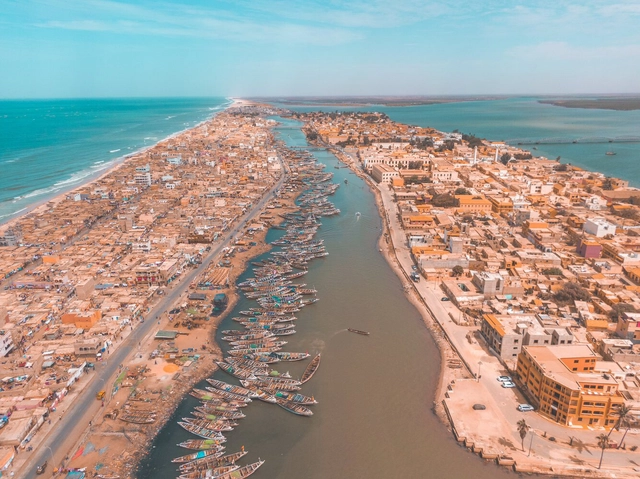
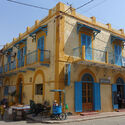
Located 270km north of Dakar, the capital of Senegal, and near the border with Mauritania, is the Island of Saint-Louis. It is a prominent colonial city in West Africa, known for its blend of Mediterranean architecture with a tropical climate. Saint-Louis was founded by the French Colony in 1659 as its first trading post on the Atlantic coast of Africa. It later became the capital of French West Africa (AOF) and Senegal. However, it lost this status in 1902, which led to its economic decline.
This complex history has made Saint-Louis a melting point for different layers of architecture and urbanism. The island showcases a grid urban form with double-storey villas, which is typical of 19th-century French colonial urbanism. Additionally, it features tropical courtyards, shaded balconies, 1920s art déco houses, and early '30s modern civic buildings. However, due to its economic and infrastructural isolation, this architecture and urban heritage have continuously degraded. Therefore, it seeks new interventions for the conservation, restoration, and re-adaptation of the city.
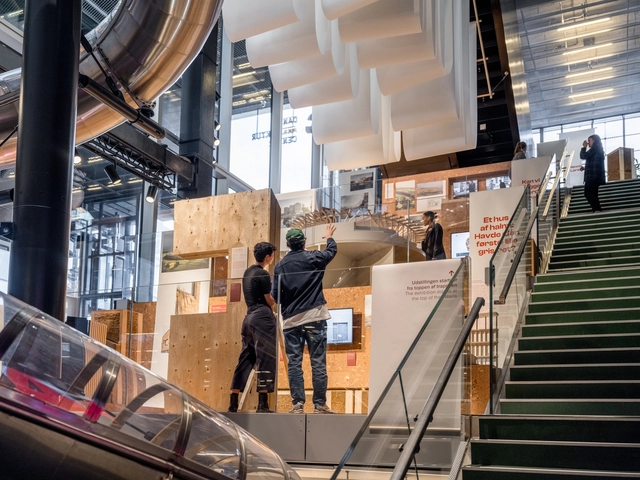
In a bid to explore new materials and methods for more sustainable construction, Henning Larsen opens the “Changing our Footprint” exhibition at the Danish Architecture Center in Copenhagen. The initiative, open from November 17, 2023, until March 3, 2024, aims to showcase ideas for more climate-friendly architecture and to start conversations on architecture and construction’s role in mitigating the effects of climate change. This represents the second iteration of the exhibition, as the first version opened at the Aedes Architecture Forum in Berlin earlier this year.
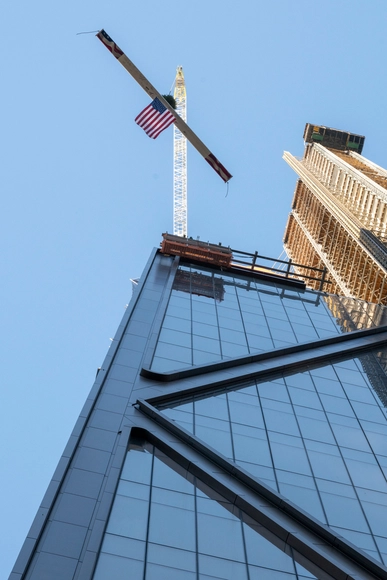
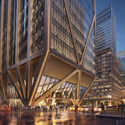
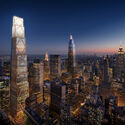
The final steel beam on JPMorgan Chase’s new headquarters was placed this week, reaching a height of 423 meters. Designed by Foster + Partners, the project at 270 Park Avenue in New York takes up to 14,000 future occupants. The event was attended by Norman Foster, founded and executive chairman of Foster + Partners, JPMorgan Chase Chairman & CEO Jamie Dimon, New York City Mayor Eric Adams, and local officials in the city. The design boasts an all-electric tower, with net-zero operational emissions, powered by a New York State hydroelectric plant.
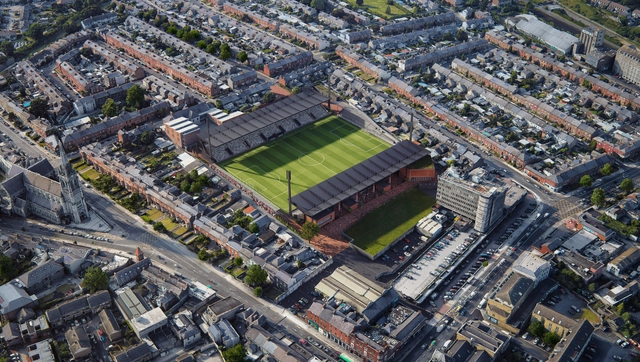
Marking a transformative milestone for Phibsborough, about 2 km north of Dublin's city center, Part 8 of the planning application for the Dalymount Park Stadium remodeling project has been submitted by the Dublin City Council (DCC). As part of a collaborative design effort, IDOM and Gilroy McMahon Architects have crafted proposals for the new stadium, which will have the capacity to accommodate approximately 8,000 spectators. The design also includes plans for the regeneration of the area, seeking new urban connections and incorporating a community center as an integral part of the project.
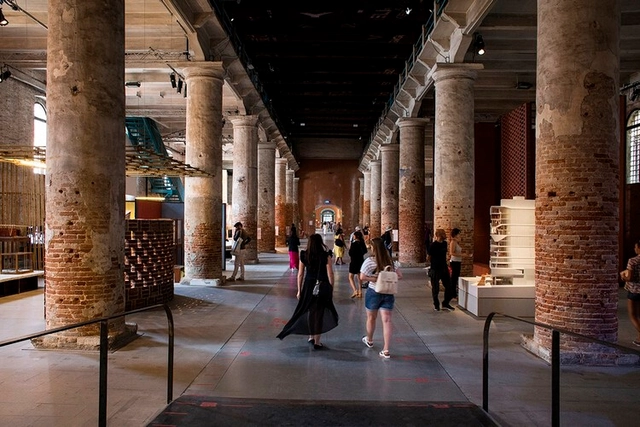
While exploring the 18th International Architecture Exhibition, the ArchDaily team had a chance to engage in conversation with several curators of the national pavilions, along with Lesley Lokko, the curator of the entire exhibition. The discussions delved into the unique character of this year’s edition focused on an understanding of Africa as a “Laboratory of the Future.” Through this lens, the biennale became “a healing experience,” in the words of Lesley Lokko, reinterpreting and deconstructing the meaning behind ideas such as decolonization, decarbonization, resource management, or finding the hidden potential in vernacular forms of practice.
Following Lokko’s curatorial direction, the exhibitions presented at the national pavilions explored the specific conditions of their territories, striving to uncover and highlight the unique challenges and opportunities faced by their local cultural landscapes. During the interviews, the curators opened up in regard to their personal inspirations and the drive behind the choice of program, the messages embedded in the displays, and their hopes for the future of the profession.
The need for natural materials to replace synthetics in our homes is driving innovation in all areas of design. Typically high on plastic and glass content, lighting is particularly up for scrutiny. While some have provocatively returned to the likes of animal bladders in search of organic translucency, others have looked to natural fiber favorites such as rattan, cane and linen. For others, it’s a choice of minerals such as alabaster, whose properties allow for beautiful ambient diffusion of light. And the search goes on.
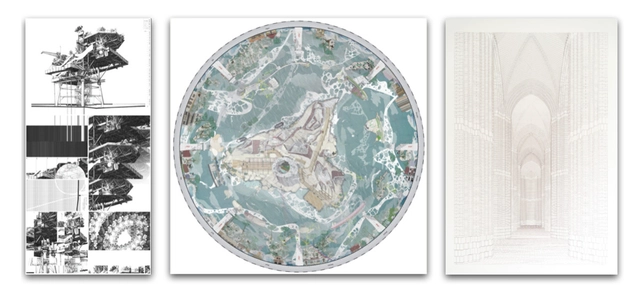
Left: ‘(Re)membering the See Monster’ by Eldry John Infante; Centre: The Archatographic Map of the Incomplete Landscape on Pedra Branca’ by Eugene Tan; Right: ‘Grundtvig’ by Ben Johnson. Image Courtesy of Architecture Drawing Prize
The Architecture Drawing Prize, now in its 7th edition, celebrates the art of drawing in three main categories: hand-drawn, digital, and hybrid. The Prize attracted nearly 250 drawings from around the world, a record for the competition, with the majority of entries being in the hand-drawn category. The winners of each category have been announced. The winning drawings, along with the shortlisted entries will be displayed at the World Architecture Festival in Singapore from 29 November until 1 December 2023, and at Sir John Soane’s Museum in London from 31 January to 3 March 2024. The Overall Winner will announced on 29 January 2024 as part of a webinar hosted by Sir John Soane’s Museum, ahead of the exhibition.
According to the jury, the technologies used by the entrants to find creative ways of depicting buildings generated probing discussions among the jury members, testing the nature and definition of architectural drawing. Sponsored by Iris Ceramica Group, the Architecture Drawing Prize is co-curated by Make Architects, Sir John Soane’s Museum and World Architecture Festival (WAF).
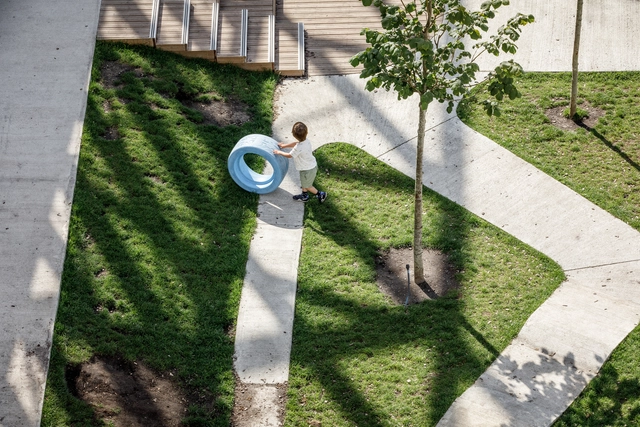
Have you ever considered how spaces are perceived, experienced, and enjoyed from a height of 95 cm? Considering urban design from the child's perspective is essential for fostering inclusive, healthy, and secure cities. Components tailored to these needs benefit children and enhance the experience for adults, the elderly, and people with disabilities. Blocks play a pivotal role in this discourse as key urban elements. These spaces provide several opportunities for utilization and adaptation within urban environments. They can be modified and designed in diverse ways, incorporating strategies to better cater to the specific needs of children.
In his Robie House, Frank Lloyd Wright created an ingenious arrangement of public and private spaces that slowly moving away from the street through a series of horizontal planes. Pronounced eaves made the interior space expand toward the outside. Considered the first phase of the American architect's career, the so-called Prairie Houses had marked horizontality, mainly due to the enormous plans created by slightly inclined eaves. Eaves are ubiquitous in most traditional architecture, and in addition to their aesthetic role, they serve several important functions, the primary one being to keep rainwater away from the building's walls and structure. But for some time now, we have seen plenty of projects with sloping roofs without eaves, forming pure and unornamented volumes. This brings us to the question: in these projects, how are practical issues such as draining rainwater?
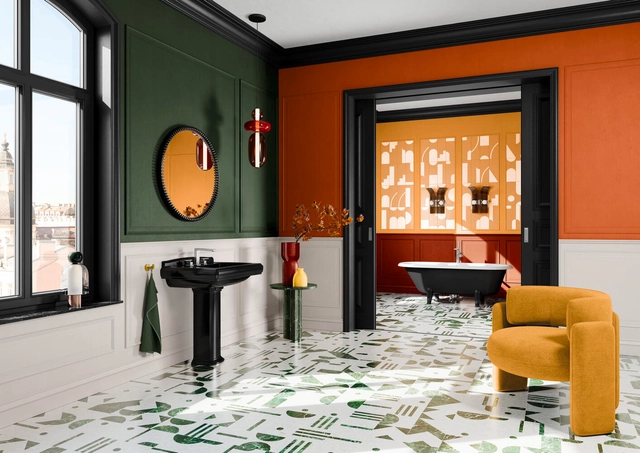
With Hommage, Villeroy & Boch has been recalling, for over two decades, the origins of the bathroom at the start of the 20th century. Now, the collection of washbasins, WCs and a freestanding bathtub is getting a color update in matte black. Image Courtesy of Villeroy & Boch
What if François Boch –a frustrated French cannonball foundryman who left it behind to instead found a pottery workshop with his sons in Audin-le-Tiche, France– had never existed? What might the modern bathroom look like today?
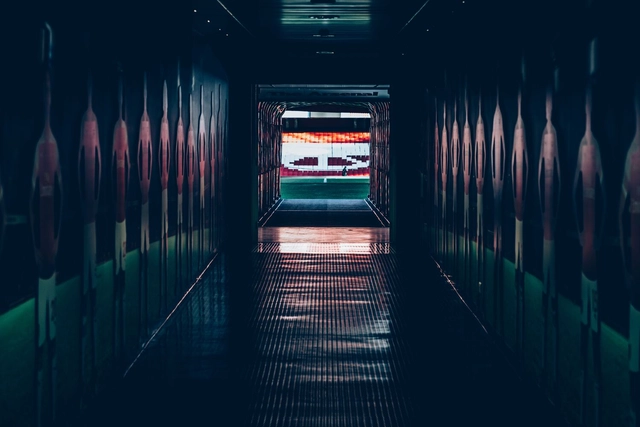
The vomitorium and its purpose is one of historical architecture’s most common misconceptions. It’s said that the vomitorium was a room that neighbored Roman feasts, where guests could socially eject the contents of their stomach before returning to the feast with renewed capacity. Although this theory was not entirely based on fiction – as Romans are known to have indeed taken up habitual regurgitation, possibly as a sign of excess wealth – there’s no reason to believe there was a specific room dedicated to the practice.
The original usage of the term ‘vomitorium’ – taken from the same Latin root ‘vomere’ – in fact refers to a room that allows a large building to disgorge itself of its contents. A vomitorium, therefore, is nothing more than a corridor. Specifically, a wide, arterial corridor leading to or from a high-capacity public space such as a theatre, arena, or stadium, designed with the intention to get as many people in or out of the venue as quickly as possible. A well-designed vomitorium, for example, is essential for efficient emergency evacuation procedures, but even during day-to-day activity, the ability to move large numbers of people quickly helps with a venue’s turnover and creates a more pleasant crowd experience.
As has been widely reported, the construction industry is responsible for approximately 40% of all global carbon emissions. This is an enormous issue, and there is no single solution.
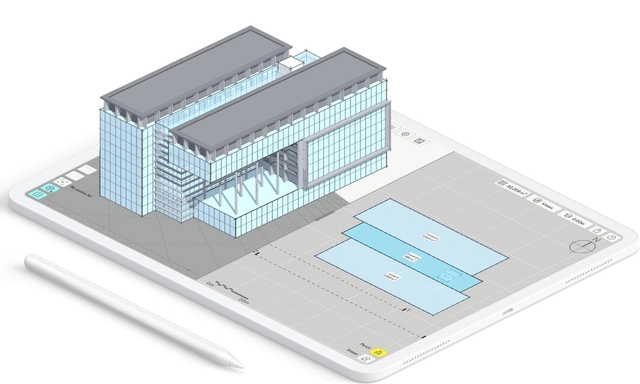
It is in this context that Codesign has proudly partnered with 2050 Materials to launch an early-stage Carbon Calculator. This simple tool takes the building data from Codesign's building model and combines it with user-selected properties to calculate the carbon impact of the design.