Residential architecture within natural settings presents a distinct departure from urban design. Unlike the densely populated, man-made environments of cities, the context shifts to a pre-existing, often subdued, natural landscape. This necessitates a more responsive and integrated approach, prioritizing harmony with the environment rather than dominance over it. Exploration of conceptual projects in this realm can help foster a deeper understanding of sustainable building practices, material selection appropriate to the ecological context, and the sensitive integration of human habitation into pre-existing ecosystems.
Each month, ArchDaily's editors select a collection of conceptual projects centered around a theme or program, submitted to ArchDaily. These projects are developed by small and large-scale architecture offices from around the world and submitted openly to the ArchDaily platform, thus forming a worldwide community of practitioners sharing their work, be it purely conceptual, a competition entry, or an early-stage design phase. Submissions are open to everybody. If you wish to contribute, send in your work by following the instructions here.
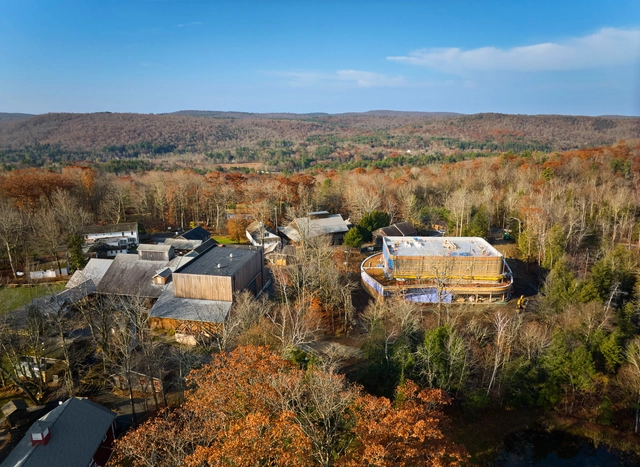
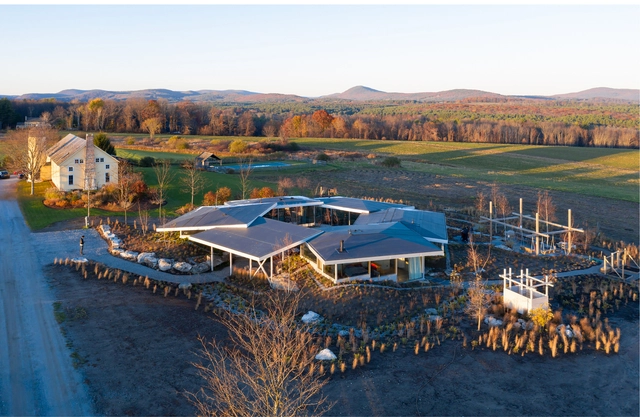
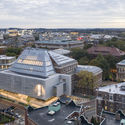
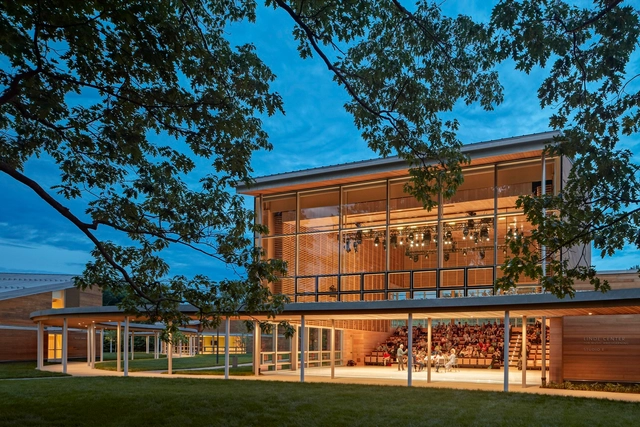
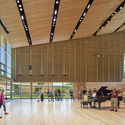
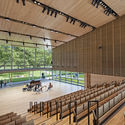
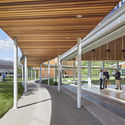
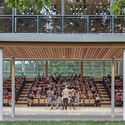
Jacob's Pillow, a historic hub for dance in the United States, will open the new Doris Duke Theatre on July 9, 2025. As of November 2024, construction is progressing on schedule, with the theater taking shape on the original site of the initial structure lost to a devastating fire in November 2020 in Massachusetts, United States. Designed by the Dutch firm Mecanoo, led by Francine Houben, in collaboration with New York-based Marvel, helmed by Jonathan Marvel, the project blends innovation with a deep reverence for the site's historic legacy.

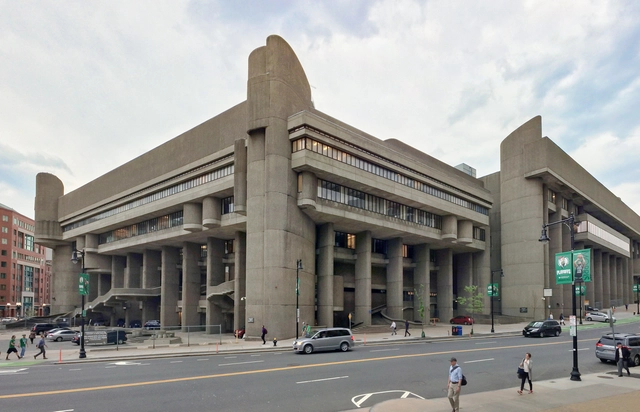
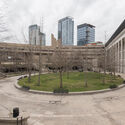
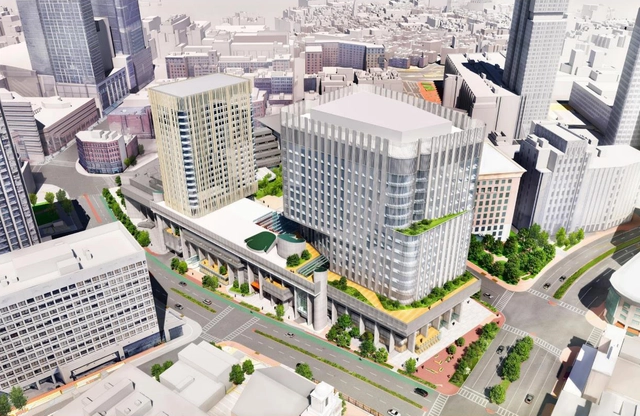
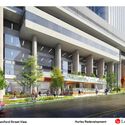
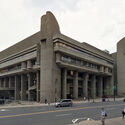
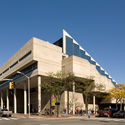
The Massachusetts administration, under Governor Maura Healey, has unveiled a new housing-centric proposal for the controversial Boston Government Service Center designed by Paul Rudolph and opened in 1971. Previously proposed to be redeveloped by the architecture office NBBJ with offices and commercial spaces, the updated vision aims to transform the Erich Lindemann and Charles F. Hurley buildings into housing facilities as part of the state’s goal to address the housing crisis while allowing for the historic preservation of the Brutalist structure.
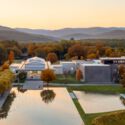
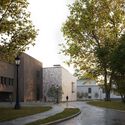
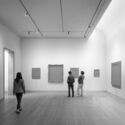
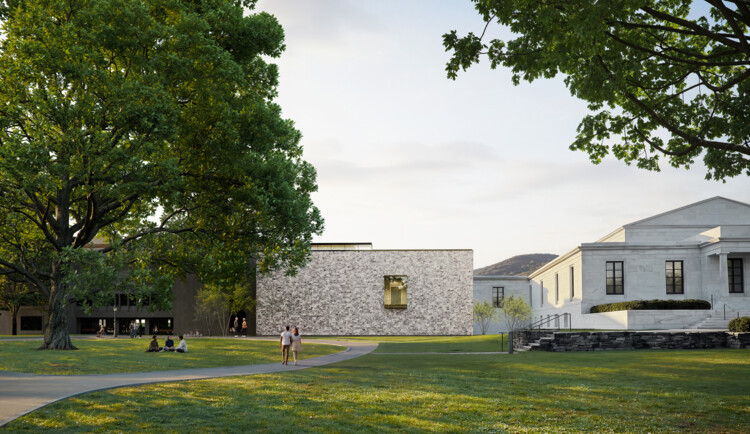
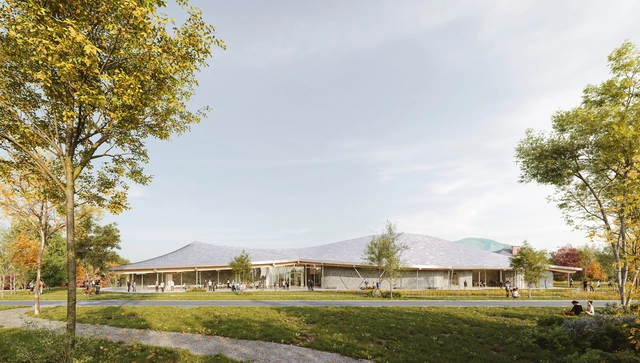
Brooklyn-based firm SO-IL has revealed the design for a new campus art museum at Williams College in Massachusetts, created to become a primary teaching resource for the institution renowned for its art history program. Since its inauguration in 1926, the Williams College Museum of Art has gathered an expansive collection of over 15,000 works. Through the design of SO-IL, the museum will be able to move into its first freestanding purpose-built home. In May 2024, the museum will present an exhibition on SO-IL’s design.
In the ever-evolving landscape of urban development, cities are faced with an array of challenges that demand quick and innovative solutions, ranging from the critical issue of affordable housing to the pressing need for efficient and decongested infrastructure and sustainable energy practices. As the demands of the built environment expand, local authorities worldwide are redefining policies and regulations to shape their cities. These innovative regulations can drive sustainable and consistent progress as cities stand at the intersection between their present challenges and future aspirations.
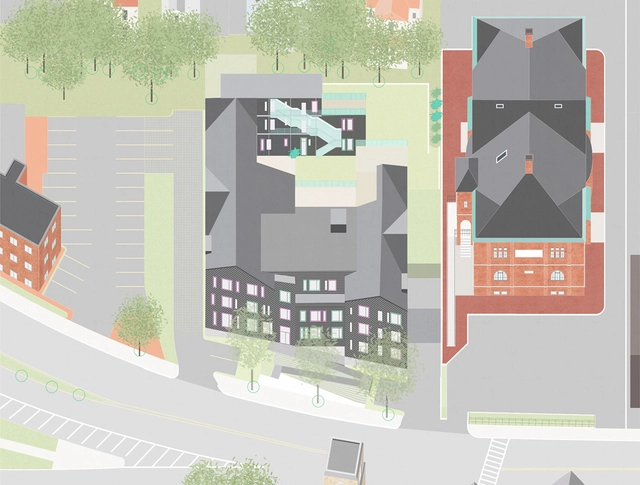
In Greater Boston's city of Malden, Massachusetts, an inter-generational community of thirty households hired an architecture firm and collectively designed their cohousing community. Responding to the cohousing community's request for collective living in an urban setting, French2D designed a typology-challenging building with individual residential units connected by a framework of shared spaces. The result is a 48,700 sqft unique and colorful type of multi-family housing. It is one of a growing number of cohousing projects in the United States.
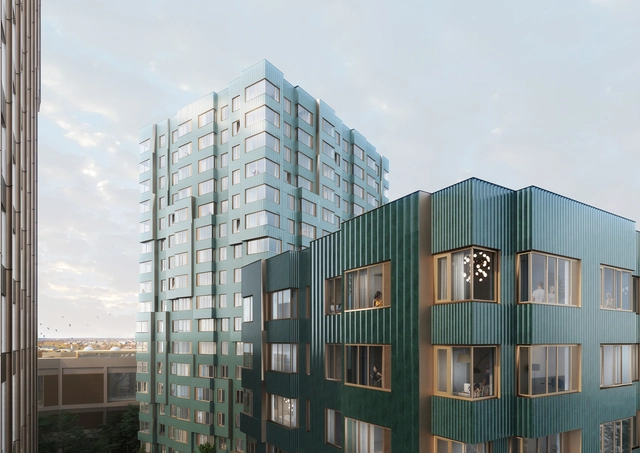
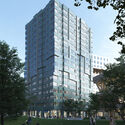
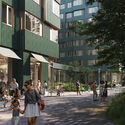
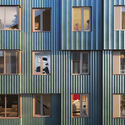
MVRDV has revealed the design of a new residential complex located in the Enterprise Research Campus in the Allston neighborhood of Boston, Massachusetts, a site adjacent to the Harvard Business School. The development, already under construction, features 343 apartments with a quarter of them dedicated to affordable units. It also includes amenities for the residents and retail spaces for small local businesses, aiming to create an inclusive and enjoyable space within the new urban district.
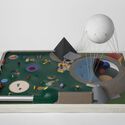
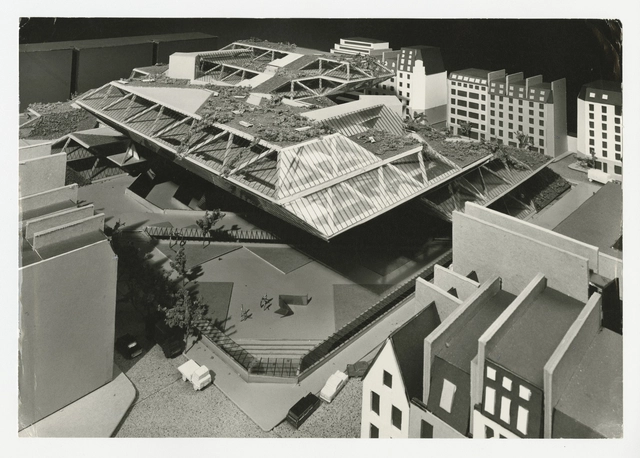
Pompidou Center Competition Model, 1971. Image Courtesy of Safdie Architects
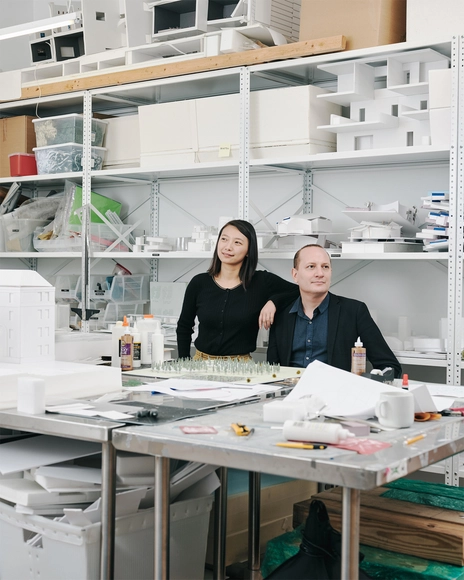
From October 2022 through January 2, 2023, The Boston Architectural College (BAC) and Safdie Architects will display the most groundbreaking unbuilt projects by Moshe Safdie. With Intention to Build showcases the architect's creative process throughout the 55 years of his career, including models, drawings, and various texts and photographs. The exhibition provides context and tells the story behind these radical unrealized designs that have influenced projects such as Habitat 67 in Montreal, Canada, and Marina Bay Sands in Singapore.
The Commonwealth of Massachusetts has announced that Boston’s iconic concrete Government Center, the Hurley Building, will be getting a complete renovation by architecture firm NBBJ. Originally designed by Paul Rudolph, the brutalist building and its site were listed for sale in 2019. The new mixed-use development will "catalyze substantial economic development on the underutilized and uninviting site with a new life-sciences building, renovated state offices, ground-floor retail, improved public open space, and 200 units of mixed-income housing as part of a dynamic mixed-use development which will enliven and reactivate 5 acres in Downtown Boston".
SO-IL Architects has been chosen to develop the conceptual design for a new building for the Williams College Museum of Art (WCMA) in Williamstown, Massachusetts. The project is set to provide the first stand-alone facility for WCMA, and will feature teaching spaces, collections, exhibitions and programs that will transform the museum’s engagement with the campus, as well as the Williamstown community and the Berkshires cultural region. The architecture firm was commended for its "inventive and enthusiastic approach to the museum’s teaching mission", putting art at the center of academia, student life, the campus, and community.
As the oldest institution of higher learning in the United States, Harvard has emerged as one of the world's most well-known universities. Organized into ten academic faculties and the Radcliffe Institute for Advanced Study, it is spread across 200 acres and centers on Harvard Yard in Cambridge. Developed along the Charles River adjacent to the Allston neighborhood of Boston, Harvard has the largest financial endowment of any academic institution. This has supported a number of different campus building projects across the university’s history.
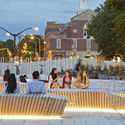
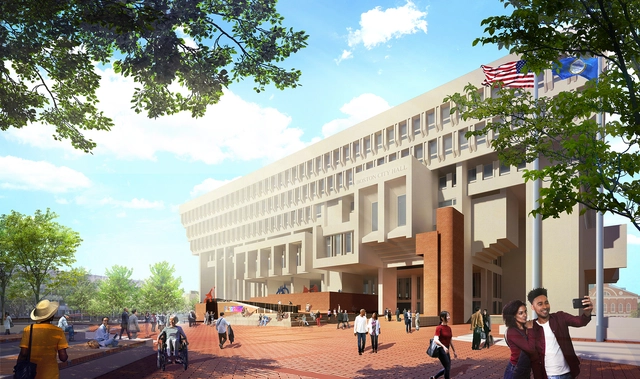
Design practice Sasaki has begun a transformation and renovation of the historic Boston City Hall Plaza. As one of the city's most-used civic spaces, the project aims to make the plaza more welcoming and accessible for everyday life and special occasions. The design team is working with Mayor Martin J. Walsh and the City of Boston on the seven-acre plan to deliver updated programming capabilities, new infrastructure, and improved sustainability.
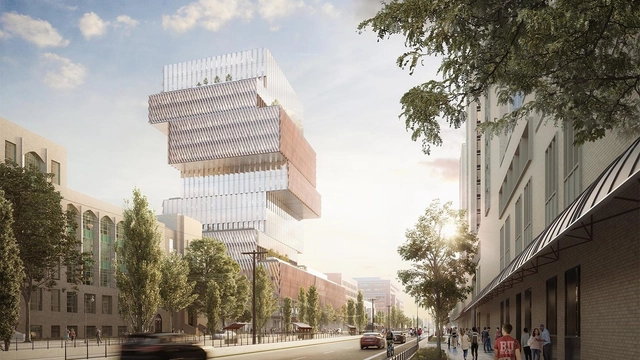
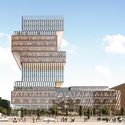
KPMB Architects and Suffolk recently broke ground on Boston University’s new Center for Computing and Data Sciences. The Center aims to be a striking new addition to Boston University’s central campus and its first new major teaching center in a half-century. As the tallest building at Boston University, the 19-story, 350,000-square-foot structure will bring the institution’s mathematics, statistics and computer science departments under one roof.
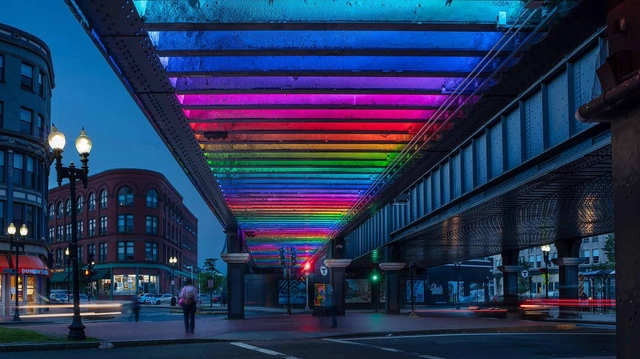
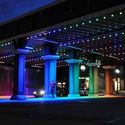
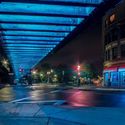
Architecture and design studio Payette designed an underpass lighting project for Lynn, Massachusetts. Lynn is one of 26 Gateway Cities in Massachusetts, urban centers that anchor regional economies and are facing social and economic challenges. The project brightens and activates with dynamic, colorful and programmable LED lighting installations.
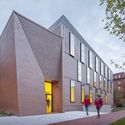
The new Linde Center for Music by William Rawn Associates has opened at the Tanglewood music venue in western Massachusetts. As the summer home of the Boston Symphony Orchestra, Tanglewood welcomes its first new performance facility in 25 years. The Linde Center was designed to provide additional concert and rehearsal space and create a truly multi-season facility.
Architecture firm Perkins+Will have broken ground on a new middle and high school sited in the Belmont suburb of Boston. The 445,100 SF project is conceived as a flexible and agile environment for learning that's made to prepare students for jobs in future industries. Emphasizing hands-on learning, the project co-locates students on one campus while encouraging multi-age learning.
Cambridge-based design practice WOJR has designed House of the Woodland, a pyramidal house grounded in framing and symmetry. Designed around rituals of respite, the project utilizes a nine-square grid structuring four plywood trusses resting atop eight cinder block walls. Sited in the Berkshires, the design makes its grid organization visible through the roof's large-scale coffers. The project explores a series of dichotomies through materials, space and form.