1. ArchDaily
  2. Paul Rudolph

Paul Rudolph: The Latest Architecture and News

Exhibition at Paul Rudolph’s Modulightor Building in New York Unites Works of Architectural Art from Gehry, Rossi, and More

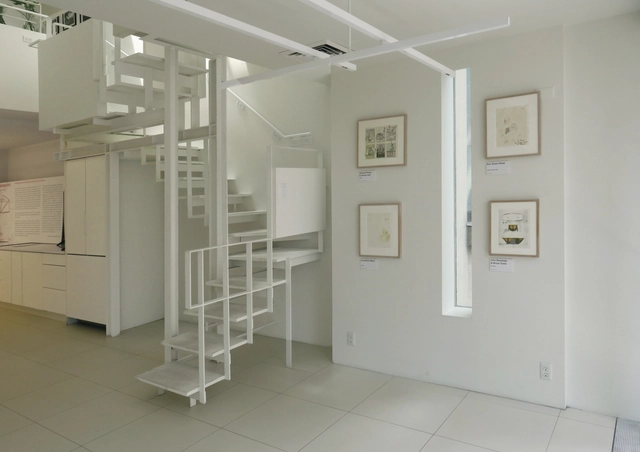
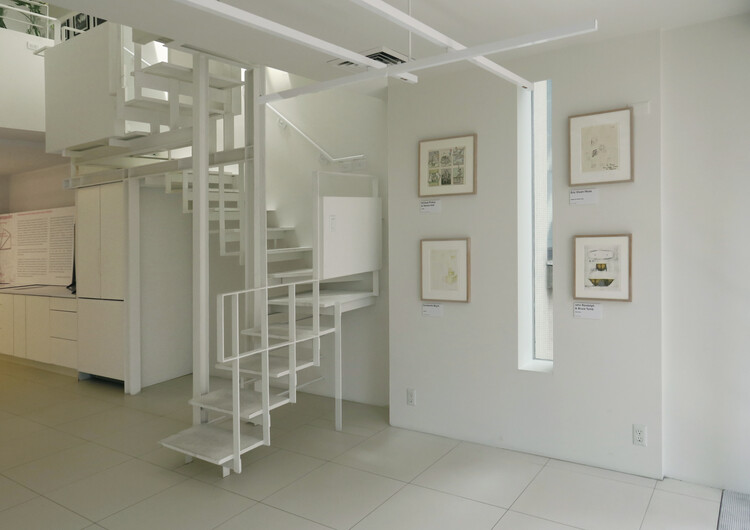
An exhibition of architectural drawings and photographs, titled "Architecture = Art: The Susan Grant Lewin Collection," is now on view at Paul Rudolph's Modulightor Building in Manhattan, New York. Hosted by the Paul Rudolph Institute for Modern Architecture (PRIMA), the collection brings together works by prominent architects, including Eileen Gray, Daniel Arsham, Frank Gehry, Jesse Reiser, Hani Rashid, Steven Holl, Aldo Rossi, Michael Graves, James Wines, Stanley Tigerman, John Hejduk, among others. The drawings are accompanied by a selection of photographs by architectural photographers such as Ezra Stoller, Robin Hill, Norman McGrath, Paul Clemence, and others. The exhibition opened on July 2 and will remain on view until September 20, 2025.

Exhibition at Paul Rudolph’s Modulightor Building in New York Unites Works of Architectural Art from Gehry, Rossi, and More - 1 的图像 4Exhibition at Paul Rudolph’s Modulightor Building in New York Unites Works of Architectural Art from Gehry, Rossi, and More - 2 的图像 4Exhibition at Paul Rudolph’s Modulightor Building in New York Unites Works of Architectural Art from Gehry, Rossi, and More - 3 的图像 4Exhibition at Paul Rudolph’s Modulightor Building in New York Unites Works of Architectural Art from Gehry, Rossi, and More - 4 的图像 4Exhibition at Paul Rudolph’s Modulightor Building in New York Unites Works of Architectural Art from Gehry, Rossi, and More - More Images+ 16

Hong Kong's Queensway Reimagined: Sara Klomps on the Genesis and Ambition of The Henderson by Zaha Hadid Architects

Subscriber Access | 

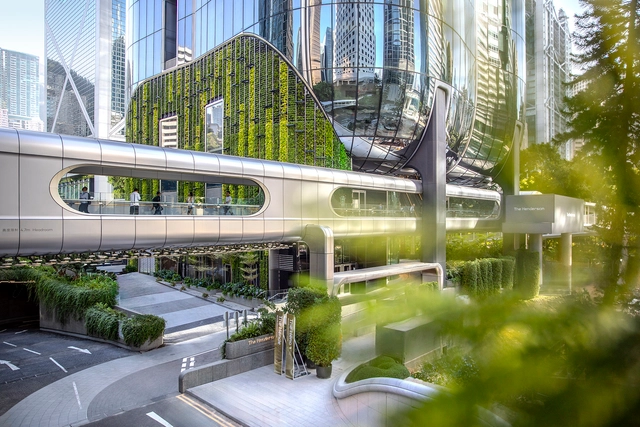
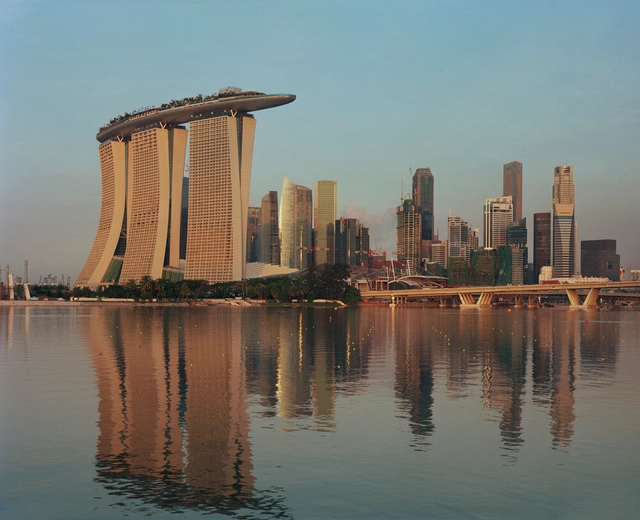
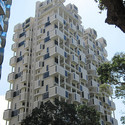
Architectural landmarks often cluster together. In Tokyo, the iconic Omotesando is a well-known stretch where global "starchitects" built flagship luxury retail spaces in the 2000s. Hong Kong has a lesser-known but equally powerful architectural agglomeration along Queensway—though historically more corporate and less publicly engaging. Beginning in the 1980s, this corridor became home to a series of landmark buildings by some of the world's most prominent architects: Norman Foster's HSBC Headquarters, I.M. Pei's Bank of China Tower, Paul Rudolph's Lippo Centre, and the nearby Murray Building by Ron Phillips—now revitalized as a hotel by Foster + Partners. The area is further enriched later on by Heatherwick Studio's renovation of Pacific Place and Tod Williams Billie Tsien Architects' Asia Society Hong Kong Center.

Hong Kong's Queensway Reimagined: Sara Klomps on the Genesis and Ambition of The Henderson by Zaha Hadid Architects - Image 1 of 4Hong Kong's Queensway Reimagined: Sara Klomps on the Genesis and Ambition of The Henderson by Zaha Hadid Architects - Image 2 of 4Hong Kong's Queensway Reimagined: Sara Klomps on the Genesis and Ambition of The Henderson by Zaha Hadid Architects - Image 3 of 4Hong Kong's Queensway Reimagined: Sara Klomps on the Genesis and Ambition of The Henderson by Zaha Hadid Architects - Image 4 of 4Hong Kong's Queensway Reimagined: Sara Klomps on the Genesis and Ambition of The Henderson by Zaha Hadid Architects - More Images+ 7

The MET Opens Exhibition on the Diverse Career of Underrecognized Modernist Architect Paul Rudolph

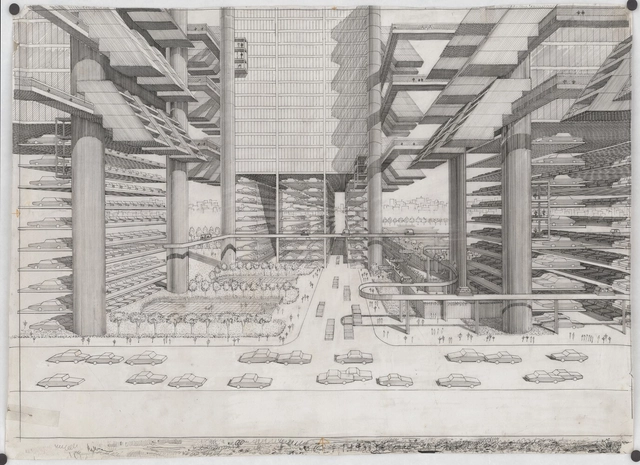
The Metropolitan Museum of Art has opened a major exhibition focused on the diverse and innovative career of Paul Rudolph, a second-generation Modernist architect whose work stands alongside luminaries such as Eero Saarinen and I.M. Pei. Titled "Materialized Space: The Architecture of Paul Rudolph," the exhibition is on display from September 30, 2024, to March 16, 2025, covering a wide spectrum of Rudolph's architectural contributions, from his experimental houses in Florida, through civic projects, to visionary urban megastructures and mixed-use skyscrapers.

The MET Opens Exhibition on the Diverse Career of Underrecognized Modernist Architect Paul Rudolph - Imagem 1 de 4The MET Opens Exhibition on the Diverse Career of Underrecognized Modernist Architect Paul Rudolph - Imagem 2 de 4The MET Opens Exhibition on the Diverse Career of Underrecognized Modernist Architect Paul Rudolph - Imagem 3 de 4The MET Opens Exhibition on the Diverse Career of Underrecognized Modernist Architect Paul Rudolph - Imagem 4 de 4The MET Opens Exhibition on the Diverse Career of Underrecognized Modernist Architect Paul Rudolph - More Images+ 8

Paul Rudolph’s Sanderling Beach Club Cabanas in Florida Destroyed by Hurricane

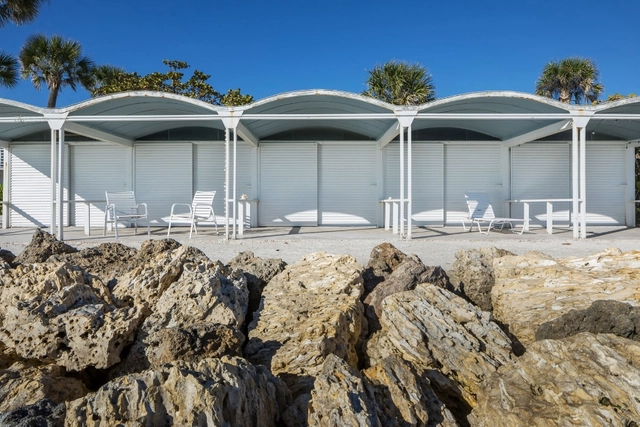
On September 27, 2024, the Paul Rudolph Institute of Modern Architecture has announced that the Sanderling Beach Club, a complex of beachside buildings 1952 building designed by Paul Rudolph in 1952 in Sarasota, Florida, has been completely destroyed by Hurricane Helene. The severe tropical storm, a Category 4 Hurricane, has had a devastating impact on communities across Florida, Georgia, North Carolina, South Carolina, and Virginia.

Paul Rudolph’s Sanderling Beach Club Cabanas in Florida Destroyed by Hurricane - Image 1 of 4Paul Rudolph’s Sanderling Beach Club Cabanas in Florida Destroyed by Hurricane - Image 2 of 4Paul Rudolph’s Sanderling Beach Club Cabanas in Florida Destroyed by Hurricane - Image 3 of 4Paul Rudolph’s Sanderling Beach Club Cabanas in Florida Destroyed by Hurricane - Image 4 of 4Paul Rudolph’s Sanderling Beach Club Cabanas in Florida Destroyed by Hurricane - More Images+ 3

Paul Rudolph’s Brutalist Government Service Center in Boston Proposed for Mixed-Use Housing Transformation

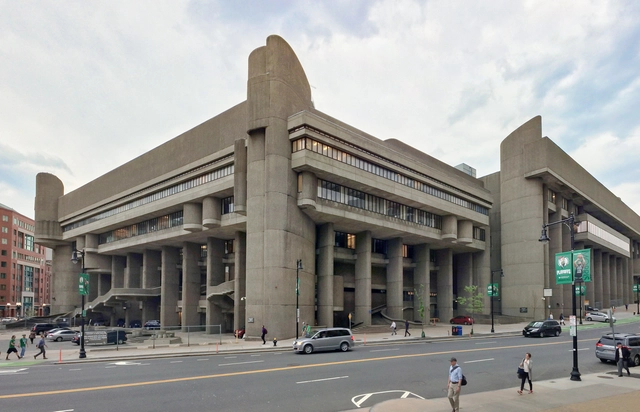
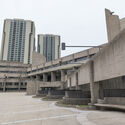
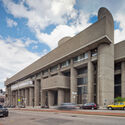
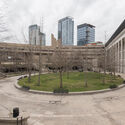
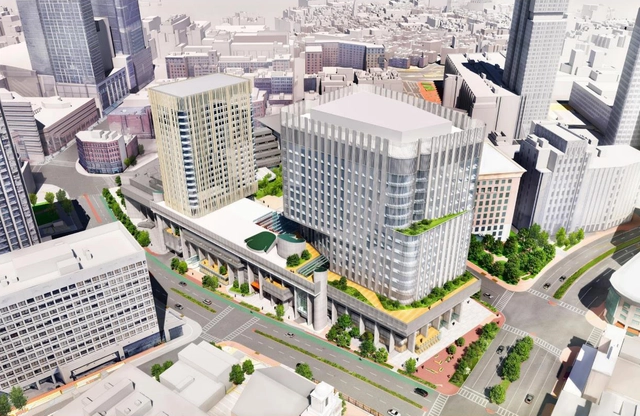
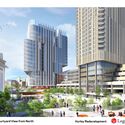
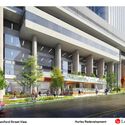
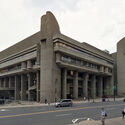
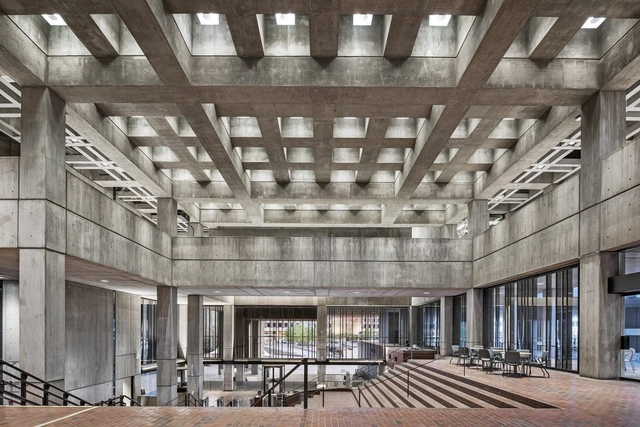
The Massachusetts administration, under Governor Maura Healey, has unveiled a new housing-centric proposal for the controversial Boston Government Service Center designed by Paul Rudolph and opened in 1971. Previously proposed to be redeveloped by the architecture office NBBJ with offices and commercial spaces, the updated vision aims to transform the Erich Lindemann and Charles F. Hurley buildings into housing facilities as part of the state’s goal to address the housing crisis while allowing for the historic preservation of the Brutalist structure.

Paul Rudolph’s Brutalist Government Service Center in Boston Proposed for Mixed-Use Housing Transformation - Imagen 1 de 4Paul Rudolph’s Brutalist Government Service Center in Boston Proposed for Mixed-Use Housing Transformation - Imagen 2 de 4Paul Rudolph’s Brutalist Government Service Center in Boston Proposed for Mixed-Use Housing Transformation - Imagen 3 de 4Paul Rudolph’s Brutalist Government Service Center in Boston Proposed for Mixed-Use Housing Transformation - Imagen 4 de 4Paul Rudolph’s Brutalist Government Service Center in Boston Proposed for Mixed-Use Housing Transformation - More Images+ 4

NBBJ is Transforming Boston's Iconic Hurley Building into a Mixed-Use Development

The Commonwealth of Massachusetts has announced that Boston’s iconic concrete Government Center, the Hurley Building, will be getting a complete renovation by architecture firm NBBJ. Originally designed by Paul Rudolph, the brutalist building and its site were listed for sale in 2019. The new mixed-use development will "catalyze substantial economic development on the underutilized and uninviting site with a new life-sciences building, renovated state offices, ground-floor retail, improved public open space, and 200 units of mixed-income housing as part of a dynamic mixed-use development which will enliven and reactivate 5 acres in Downtown Boston".

NBBJ is Transforming Boston's Iconic Hurley Building into a Mixed-Use Development - Image 1 of 4NBBJ is Transforming Boston's Iconic Hurley Building into a Mixed-Use Development - Image 2 of 4NBBJ is Transforming Boston's Iconic Hurley Building into a Mixed-Use Development - Image 3 of 4NBBJ is Transforming Boston's Iconic Hurley Building into a Mixed-Use Development - Image 4 of 4NBBJ is Transforming Boston's Iconic Hurley Building into a Mixed-Use Development - More Images

The Refurbishment and Adaptive Reuse of Brutalist Architecture

Subscriber Access | 

"Demolition is a waste of many things – a waste of energy, a waste of material, and a waste of history," says Pritzker-winning architect Anne Lacaton. In recent years, refurbishment and adaptive reuse have become ubiquitous within the architectural discourse, as the profession is becoming more aware of issues such as waste, use of resources and embedded carbon emissions. However, the practice of updating the existing building stock lacks consistency, especially when it comes to Brutalist heritage. The following explores the challenges and opportunities of refurbishment and adaptive reuse of post-war architecture, highlighting how these strategies can play a significant role in addressing the climate crisis and translating the net-zero emissions goal into reality while also giving new life to existing spaces.

The Refurbishment and Adaptive Reuse of Brutalist Architecture - Image 1 of 4The Refurbishment and Adaptive Reuse of Brutalist Architecture - Image 2 of 4The Refurbishment and Adaptive Reuse of Brutalist Architecture - Image 3 of 4The Refurbishment and Adaptive Reuse of Brutalist Architecture - Image 4 of 4The Refurbishment and Adaptive Reuse of Brutalist Architecture - More Images+ 1

Spotlight: Paul Rudolph

Spotlight: Paul Rudolph - Imagem 1 de 4
University of Massachusetts campus in Dartmouth. Image Courtesy of UMass Dartmouth

One of the United States' leading architects of the Modernist era, Paul Marvin Rudolph (October 23, 1918 – August 8, 1997) was known for his contributions to modernism throughout the latter half of the 20th century. He served as the Chair of Yale University’s School of Architecture for six years and famously designed the Yale Art and Architecture Building, one of the earliest examples of Brutalist architecture in the United States.

Spotlight: Paul Rudolph - Imagem 1 de 4Spotlight: Paul Rudolph - Imagem 2 de 4Spotlight: Paul Rudolph - Imagem 3 de 4Spotlight: Paul Rudolph - Imagem 7 de 4Spotlight: Paul Rudolph - More Images+ 5

Studying the "Manual of Section": Architecture's Most Intriguing Drawing

Subscriber Access | 

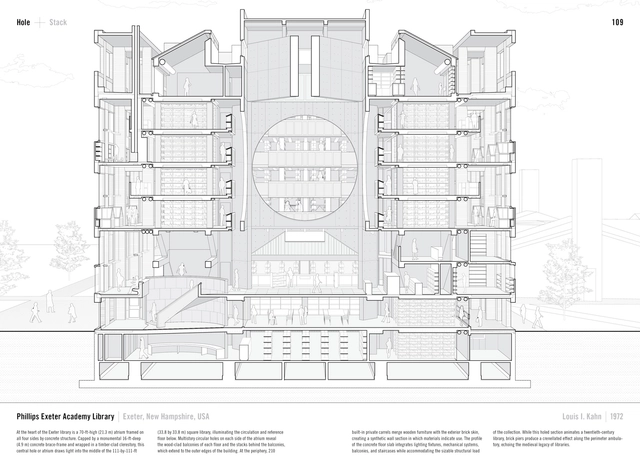
For Paul Lewis, Marc Tsurumaki and David J. Lewis, the section “is often understood as a reductive drawing type, produced at the end of the design process to depict structural and material conditions in service of the construction contract.” A definition that will be familiar to most of those who have studied or worked in architecture at some point. We often think primarily of the plan, for it allows us to embrace the programmatic expectations of a project and provide a summary of the various functions required. In the modern age, digital modelling software programs offer ever more possibilities when it comes to creating complex three dimensional objects, making the section even more of an afterthought.

With their Manual of Section (2016), the three founding partners of LTL architects engage with section as an essential tool of architectural design, and let’s admit it, this reading might change your mind on the topic. For the co-authors, “thinking and designing through section requires the building of a discourse about section, recognizing it as a site of intervention.” Perhaps, indeed, we need to understand the capabilities of section drawings both to use them more efficiently and to enjoy doing so.

Studying the "Manual of Section": Architecture's Most Intriguing Drawing - Image 1 of 4Studying the "Manual of Section": Architecture's Most Intriguing Drawing - Image 2 of 4Studying the "Manual of Section": Architecture's Most Intriguing Drawing - Image 3 of 4Studying the "Manual of Section": Architecture's Most Intriguing Drawing - Image 4 of 4Studying the Manual of Section: Architecture's Most Intriguing Drawing - More Images+ 10

Infographic: The Bauhaus, Where Form Follows Function

Subscriber Access | 
Infographic: The Bauhaus, Where Form Follows Function - Featured Image

UPDATE: In honor of the 100th anniversary of the Bauhaus, we’re re-publishing this popular infographic, which was originally published April 16th, 2012.

From the “starchitect” to “architecture for the 99%,” we are witnessing a shift of focus in the field of architecture. However, it’s in the education system where these ideas really take root and grow. This sea change inspired us to explore past movements, influenced by economic shifts, war and the introduction of new technologies, and take a closer look at the bauhaus movement.

Often associated with being anti-industrial, the Arts and Crafts Movement had dominated the field before the start of the Bauhaus in 1919. The Bauhaus’ focus was to merge design with industry, providing well-designed products for the many.

The Bauhaus not only impacted design and architecture on an international level, but also revolutionized the way design schools conceptualize education as a means of imparting an integrated design approach where form follows function.

121 Definitions of Architecture

Subscriber Access | 

There are at least as many definitions of architecture as there are architects or people who comment on the practice of it. While some embrace it as art, others defend architecture’s seminal social responsibility as its most definitive attribute. To begin a sentence with “Architecture is” is a bold step into treacherous territory. And yet, many of us have uttered — or at least thought— “Architecture is…” while we’ve toiled away on an important project, or reflected on why we’ve chosen this professional path.

Most days, architecture is a tough practice; on others, it is wonderfully satisfying. Perhaps, though, most importantly, architecture is accommodating and inherently open to possibility.

This collection of statements illustrates the changing breadth of architecture’s significance; we may define it differently when talking among peers, or adjust our statements for outsiders.

This Week in Architecture: What Does Modernism Mean Today?

Subscriber Access | 
This Week in Architecture: What Does Modernism Mean Today? - Image 5 of 4
Metropol Parasol / Jürgen Mayer. Image © Nikkol Rot for Holcim

It’s easy to feel jaded about modernism. What started as a radically rational and analytical approach to design - one not beholden to the architectural traditions of place or history - has become a smokescreen behind which designers and developers alike can hide. The language of logic (genuine or not) is a shield against criticism and satisfies questions about the bottom line. The border between minimalism and a value-engineered bare minimum has been blurred to the point of invisibility.

Modernist Icon Paul Rudolph's Unbuilt LOMEX Completed in New Renderings

Subscriber Access | 

Paul Rudolph, despite vaulting to international success in the early 1940s and 50s for his Brutalist structures, saw an abrupt end to the popularity of his signature style as postmodernism gained prominence. As tastes shifted to different fare, so too did Rudolph's approach - leaving a number of  his unbuilt proposals to gather dust. 

No longer. 

Modernist Icon Paul Rudolph's Unbuilt LOMEX Completed in New Renderings - Image 1 of 4Modernist Icon Paul Rudolph's Unbuilt LOMEX Completed in New Renderings - Image 2 of 4Modernist Icon Paul Rudolph's Unbuilt LOMEX Completed in New Renderings - Image 3 of 4Modernist Icon Paul Rudolph's Unbuilt LOMEX Completed in New Renderings - Image 4 of 4Modernist Icon Paul Rudolph's Unbuilt LOMEX Completed in New Renderings - More Images+ 9