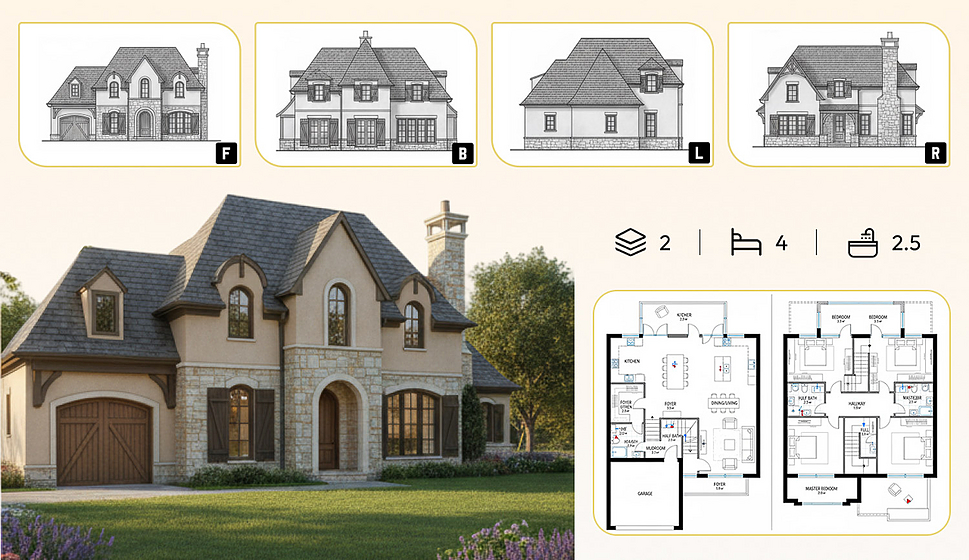
This guide covers a workflow that moves from project parameters to generated floor plans, 3D perspective views, exterior design exploration, and site context visualization, using AI tools in place of preliminary CAD and rendering work.
This guide covers a workflow that moves from project parameters to generated floor plans, 3D perspective views, exterior design exploration, and site context visualization, using AI tools in place of preliminary CAD and rendering work.

The São Paulo City Government has resumed discussions regarding property tax (IPTU) exemptions and discounts for landmarked buildings. Previously debated during the administrations of Gilberto Kassab and Fernando Haddad, the issue is currently the focus of a newly drafted bill.
The proposal limits the IPTU exemption to landmarked properties located in downtown São Paulo, within a perimeter that is still being defined. It will not apply to properties subject to general zoning restrictions, such as those in historically preserved neighborhoods like Jardins and Pacaembu.
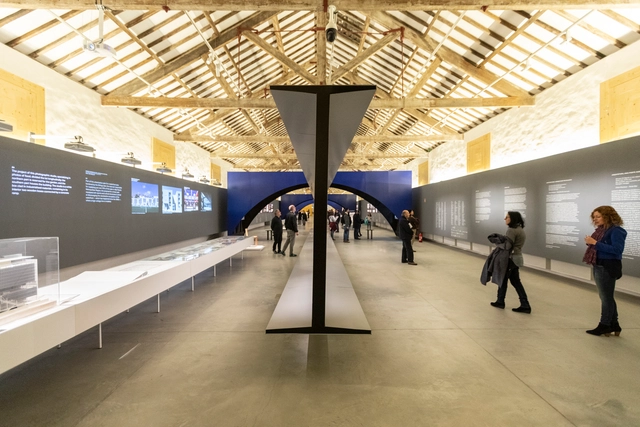
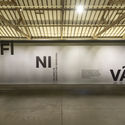
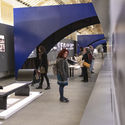
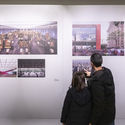
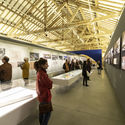
The “Infinito Vão – 90 Anos de Arquitetura Brasileira” exhibition is currently on view at the Casa da Arquitectura. To bring the ideas of curators Guilherme Wisnik e Fernando Serapião to life, architect João Mendes Ribeiro was commissioned to conceive the exhibition design. We interviewed him to learn about his main inspirations and to find out more about his design process when showcasing major achievements of Brazilian architecture.
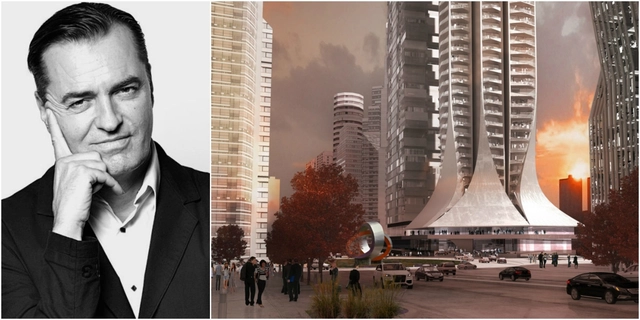
As part of the activities of

Registration is now open for the 1st National Public Photography Contest organized by the Council of Architecture and Urbanism of Goiás (CAU/GO), under the theme “Historic Heritage in Architecture and Urbanism.” Submissions will be accepted until 4:00 PM on September 24 at the CAU/GO headquarters.
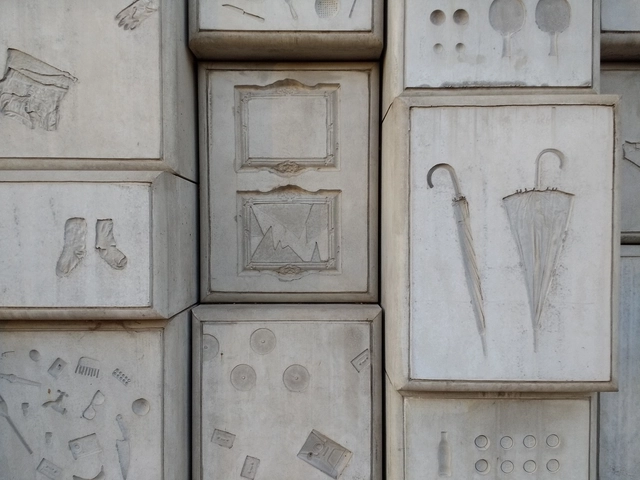
'Monumento: Humanity Behind the Concrete' is a documentary by Fernando Díaz on the construction of the National Holocaust Memorial in Buenos Aires, designed by architects Gustavo Nielsen and Sebastián Marsiglia.
The film establishes a dialogue between Holocaust survivors living in Buenos Aires and the construction of the monument, addressing the need to keep humanity's memory alive.
Watch the trailer for the documentary below.
.jpg?1520927101&format=webp&width=640&height=580)
On the morning of March 10, 2018 (Beijing time), at the 2018 Civic Trust Awards ceremony held at Manchester's iconic Old Trafford stadium (home of Manchester United),
Established in the UK in 1959, this prestigious award is highly regarded,
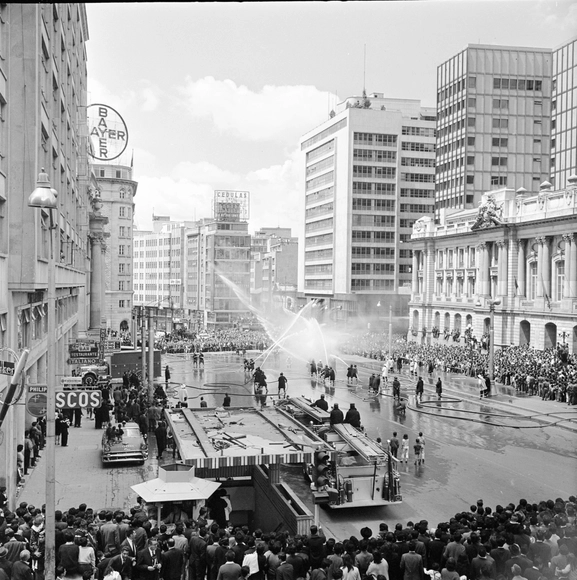

The modernization of Bogotá between 1940 and 1970, captured through urban and architectural photo essays, has been documented in various books, magazines, and photobooks of the era, as well as in the city's public and private archives. These images reveal an intentional, even critical, approach to how modern architecture reconfigured city centers, bridging new buildings and urban spaces with the existing cityscape.
When analyzing the impact of photojournalism, it is essential to examine the work of Sady González, Manuel H. and Daniel Rodríguez. In their work, architecture and the city serve as the backdrop for scenes of urban life, figures, historical events, and daily activities; their photographs offer an indispensable visual record for understanding the city's transformation and its historical context.
In this edition of Bogotá through the Eyes of 10 Photographers, we explore the legacy of Manuel H.:
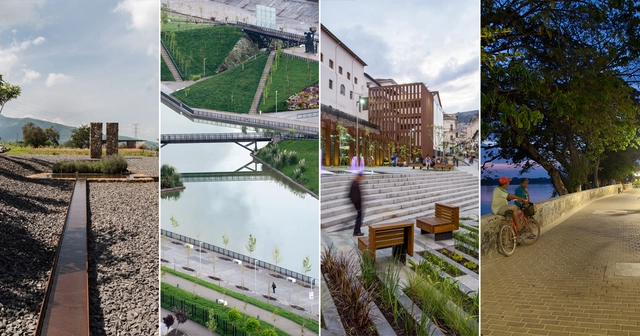
Yesterday, Monday (September 10), the 3rd Latin American Landscape Architecture Biennial announced the finalists for the competition, which will take place in Mexico City on September 26 and 27. Organized since 2014 by the Mexican Society of Landscape Architects (SAPM), the biennial seeks to highlight the role of landscape architecture in shaping the habitat in Latin America, with a particular emphasis on the environmental and social challenges facing the region.
"We seek to encourage participation in landscape construction to showcase the broad and diverse panorama of local interventions that ultimately help define a region sharing common challenges and solutions," the organizers state in the biennial's guidelines.
The 19 built works, unbuilt projects, and research papers meet the biennial's criteria, focusing on projects that respect the landscape and its values, demonstrate a commitment to sustainability, and integrate and address social issues, among other criteria.
Discover the finalists below:

Imagine the scale of effort required to prevent 1.24 million deaths annually. This is the average number of traffic fatalities worldwide. Cities must urgently improve protection for their citizens to ensure that, amidst current urban population growth trends, this figure does not climb even higher. Yet, what if just eight actions were enough to prevent hundreds of deaths and serious injuries?
The publication “Cities Safer by Design” outlines “eight actions to improve road safety,” and we have looked at best practices and research that reflect some of these measures.
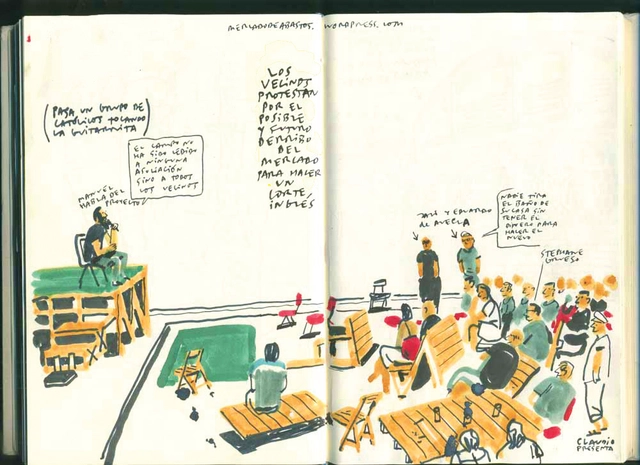

El Campo de Cebada has become a benchmark for self-management and the collective construction of public spaces, closely linked to the Spanish *acampadas* of 2011. In this article, the architecture collective Zuloark reflects on the key principles that made the experiment work.
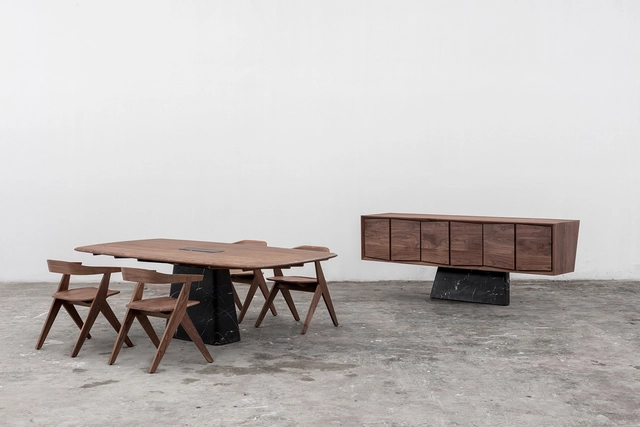
The Dolmen Collection is based on an exploration of balance between elements of different materialities. This exercise highlights the physical properties of stone and wood, creating tension between the suspended and supporting elements. Designed by Héctor Esrawe, Manuel Bañó, Federico Stefanovich, and Alejandro Ramírez, it comprises a dining table with chairs and a cabinet.
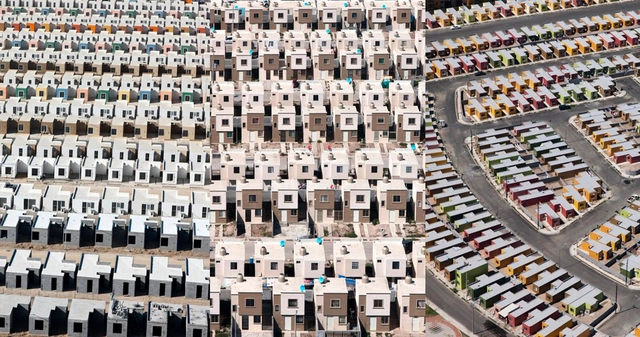
'Alta Densidad' (High Density) is a project by architect Jorge Taboada comprising a series of aerial photographs that depict the stories of a city. This series is presented as an "archaeological vestige" where "people lose their face and identity and become invisible."
The history of social housing in Mexico has come a long way, undergoing transformations that concern not only architecture, but also the organizations leading their construction and the government.
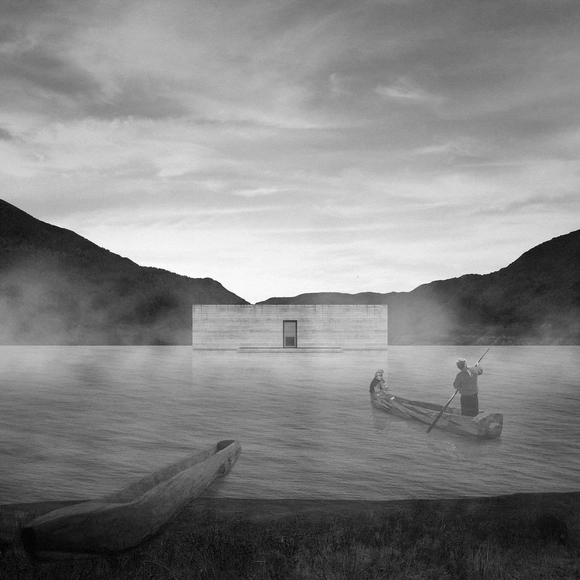
Designed by Fabián Leiva, the Floating Cemetery project was selected as one of the 10 winners in the Thesis Project category of the 2018 Arquitectura Caliente Competition (CAC 2018), a Chilean contest organized by Grupo Arquitectura Caliente and funded by the Ministry of Cultures, Arts, and Heritage.
In 2004, the Ralco reservoir in the Biobío Region was unexpectedly and irreversibly flooded, burying the local Pehuenche community's cemetery beneath its waters. Following years of trying to recover the bodies, studies demonstrated that salvage was unfeasible, leaving the inhabitants helpless in the face of the millions of cubic meters of water separating them from the cemetery. This situation sparked the idea to create a space in memory of a sacred, violated, and unrecoverable site—one that would bring the community closer to their deceased and eternally condemn the event.
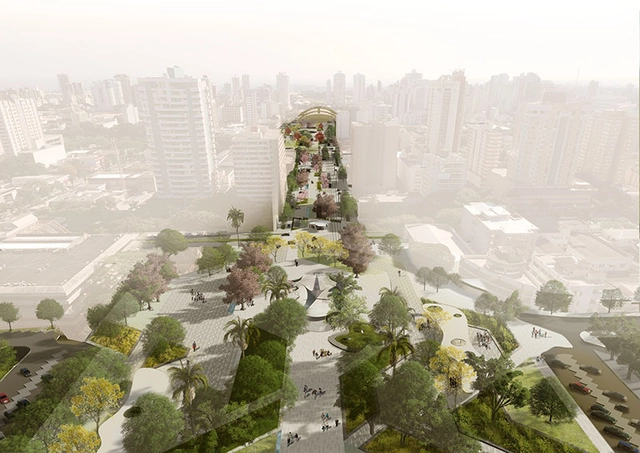
The official results for the National Competition for the Requalification of the Public Space of the Monumental Axis of Maringá have been released. This central urban area lies between Cathedral Square (Praça da Catedral) and the Vila Olímpica sports complex. Totaling approximately 169,000 square meters, the Monumental Axis includes gardens, public spaces, parking areas, and perimeter paving along the building facades. Due to the site's vast scale, proposals had to be presented in seven sectors to facilitate phased bidding and construction. The winning project was designed by a team comprising Pedro Paes Lira, Manoela Muniz Machado, Julia Marini, Laura Figueiredo, and Juliette Tellier from the firm Natureza Urbana, with landscape consulting by Bianca Vasone, Gabriella Ornaghi, and Lilian Dazzi, and engineering consulting by Alexandre Horiye Ferreira and Felipe Macedo Barbosa.
The jury, composed of architects and urban planners Haroldo Pinheiro, José Gilberto Purpur, Mario Figueroa, Orlando Busarello, and Renato Leão Rego, selected the following winners:

The Catalan archipelago is shaped, across almost its entire length, by a small mountain range running along it, rising from the coastline tangent to the sea to form cliffs, and extending barely a dozen kilometers at its greatest extent.
The architecture native to this coastal strip of land is repeatedly categorized as Catalan architecture, thereby overlooking and overshadowing the architecture of the inland—dark, somber, heavy, and intensely material. An architecture—that of the interior—of slow digestion, backlights, and still air, carrying a different scent.
To the northeast, we find a region where beech trees stand still, growing at a lower altitude than anywhere else in the country. Where the light is softer, more diffused; where shadows are both fainter and deeper. Where it rains differently. Where people speak differently. Where the masias are different. There they live. There they work. We are speaking of Olot. We are speaking of RCR.
On November 24, 2016, the Superior Council of Colleges of Architects of Spain (CSCAE) awarded the Gold Medal of Spanish Architecture to architects Guillermo Vázquez Consuegra and Víctor López Cotelo. This would have been routine, were it not for the complete absence of women architects among the winners, nominees, finalists, jury members, and the presenting panel.
This discrepancy was highlighted in a petition on Change.org addressed to Jordi Ludevid, then-president of the CSCAE, in which the signing architects called for greater active participation of women at all stages of the process, seeking equal representation with their male colleagues.
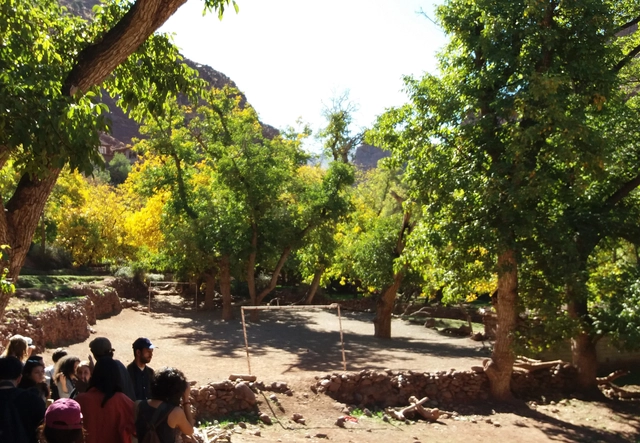

Architects Rafael Pina and Nicolás Maruri, from the ARKRIT Collective, reflect on the soccer fields nestled within the adobe and rammed earth settlements of Morocco's High Atlas. Having barely altered the territory, these spaces integrate and merge into the topography through minimal modifications and actions for a single, simple purpose: to play.
Construction requires mobilizing material resources and human labor, inevitably transforming the territory. Building with what is readily available is a stance that can be driven by ethics, but also by necessity. In either case, the outcome is usually economical and fitting. Resource consumption is kept to a minimum, and adaptation to the environment becomes a natural consequence.
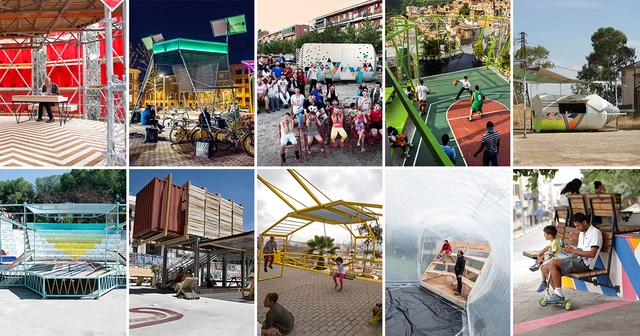
Since the installation of Speculator in 2008 —the year the Spanish real estate bubble burst— the Spanish multidisciplinary collective has been characterized by its collaborative practices, co-production processes, and civic management models. Over ten years, the numbers speak for themselves: 15 countries, 18 agreements, 29 institutions, 43 grassroots organizations, and 96 projects, including Campo de Cebada in Madrid and the La Y Cultural Hub in Caracas (Venezuela), as part of the government project Espacios de Paz.
TXP explains their methodology: "We start with a preliminary diagnosis that allows us to understand the keys, codes, and particularities of each process. We then define a context for collaborative design where the proposal is prototyped based on collective interests."
"In our practice, we propose a dynamic combination of scopes that tailors the project based on available parameters, allowing us to define a consensus-driven model that responds resiliently. We establish frameworks for collective construction that foster learning environments, serving as tools for civic appropriation and empowerment. Finally, we design management models that address the specific needs of each case, establishing protocols for use and maintenance," they add.

On this occasion, architect Jaime Nadal, representing the ARKRIT Collective, brings us an article that delves into the controversial demolition of the famed Casa Guzmán by architect Alejandro de la Sota—a highly praised, widely published, and iconic building of the architectural renaissance in Spain.

When discussing cities like Amsterdam, we inevitably recall its network of canals and streets interwoven with water. Yet water is also one of the most pressing challenges the city faces. With 60% of its territory below sea level, climate change—and the rising sea and river levels that come with it—is a matter of survival not only for Amsterdam, but for the entire country.
.jpg?1540313339&format=webp&width=640&height=580)
An inseparable figure from Brasília, Athos Bulcão is responsible for works that bring color and geometric patterns to the purity of the federal capital's architecture. To promote the artist's work, the National Institute of Historic and Artistic Heritage (Iphan) launched the book Athos, Colorindo Brasília, the first volume of the Patrimônio para Jovens collection, an initiative by Iphan's Federal District office and the Federal District Department of Education (SEDF).

In early 2016, we reported that construction had been completed on BD Bacatá, Colombia's tallest skyscraper (216 meters), and that its opening was just months away. However, an official opening date has yet to be set, while elsewhere in the Colombian capital, construction is progressing on a project that will surpass BD Bacatá in height: the Atrio Towers (268 meters), designed by Rogers Stirk Harbour + Partners (RSHP) and El Equipo de Mazzanti.
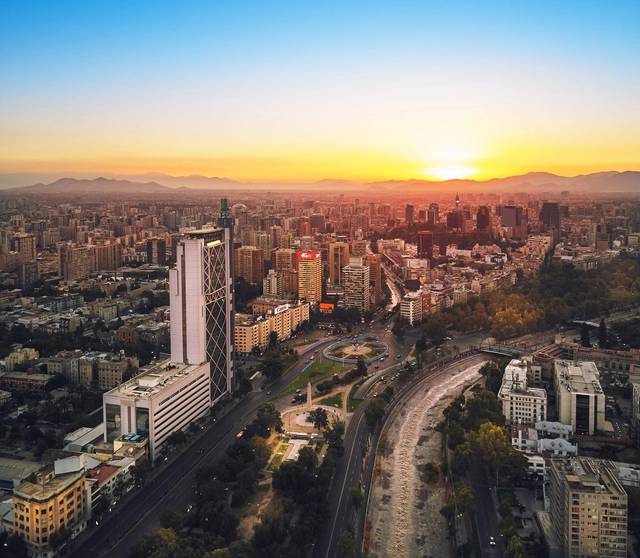
After two editions at the Parque Cultural de Valparaíso, the Chilean Biennial of Architecture and Urbanism will return to Santiago in 2019. On Wednesday, June 6, the Mayor of Santiago, Felipe Alessandri, and the President of the Chilean Association of Architects, Humberto Eliash, signed the official agreement during a ceremony at the Mercado Matadero Franklin, which was attended by city council members, Minister of Housing and Urban Development Cristián Monckeberg, undersecretaries, regional authorities, and other officials.
During the ceremony, organizers confirmed that the 21st Biennial will take place in October 2019, with both the Mercado Matadero Franklin and the Teatro Huemul serving as the main venues for the country's premier architectural event.
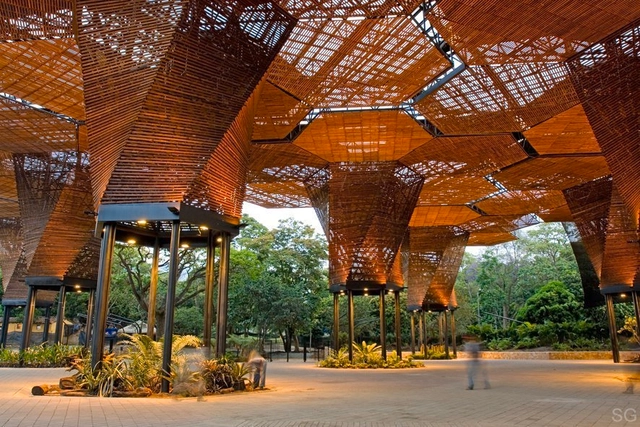
As is tradition, digital travel platform TripAdvisor has released the results of the 2018 Travelers' Choice awards. These accolades are determined by millions of reviews posted on the website, measuring "the year-over-year increase in positive traveler review ratings," the company explains. Additionally, these cities "have also experienced an increase in search traffic and booking interest" for accommodations.
According to Brooke Ferencsik, communications director at TripAdvisor, the selected cities share the fact that "they all have excellent accommodations, wonderful restaurants, and exceptional attractions for every travel budget."
In South America, six countries are represented on this year's list. Below, discover the ten cities chosen by TripAdvisor users: