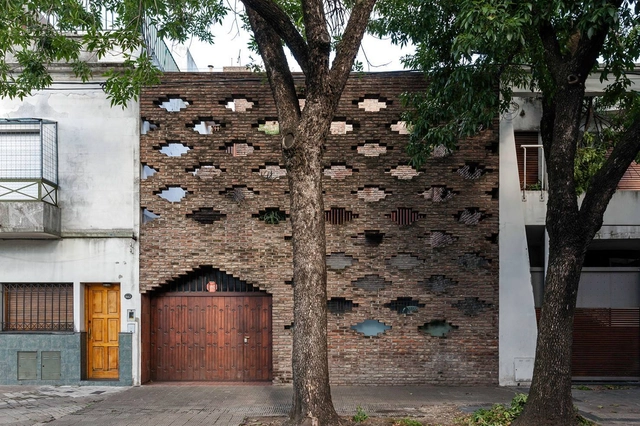
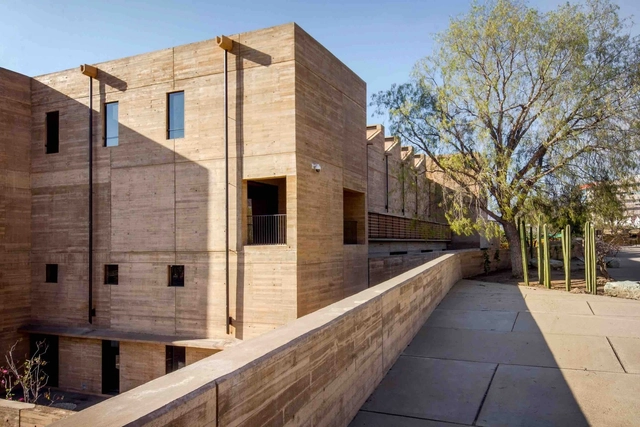
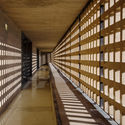
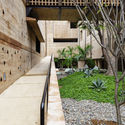
First image Alejandro Rogelis Arquitectura, second image Arquitectura en Estudio, and third image Pacheco Estudio de Arquitectura
In Bogotá, the mayor's office has launched an initiative to build seven public Happiness Centers (CEFE), where residents of each sector of the city will have access to cultural spaces, Olympic and recreational pools, gyms, and leisure areas. The competitions have been managed through the Colombian Association of Architects (SCA). The CEFE Chapinero—named after the locality where it will be built—will be located in the El Retiro neighborhood.
Casa Alorda. Photograph: Walter Salcedo. Image via XI BIAU
At each Ibero-American Biennial of Architecture and Urbanism, the Ibero-American Prize for Architecture and Urbanism is awarded: a recognition for those who have worked to promote and defend the values of the discipline in the region.
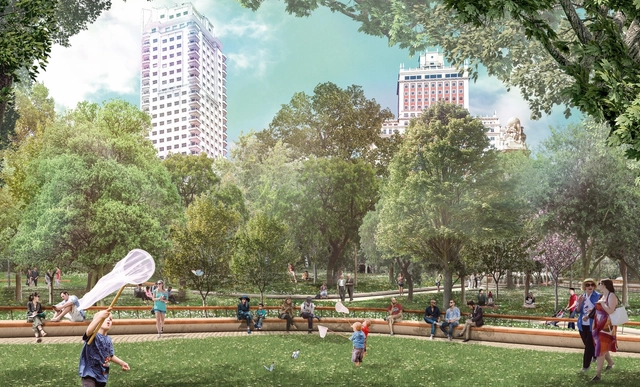
Welcome Mother Nature, diseño ganador para la reforma de la Plaza de España. Image Cortesía de Porras La Casta Arquitectos
In February of this year, construction will begin on the renovation of Plaza de España in Madrid. The project is a collaborative effort by design firms Guadiana and Porras La Casta Arquitectos, led by architects Lorenzo Fernández-Ordóñez and Fernando Porras-Isla.
The project, known as Welcome Mother Nature, seeks to create a large green area in the city center, recovering its long-lost identity as a "plaza," which had been reduced to a transit space. The proposal emphasizes the definition of a plaza as a "social place of expression, gathering, and freedom." The project's main priority is to create a space where "it is easy to build shared civic experiences," while creating a new lung for a city that constantly lives under a cloud of pollution and smog.
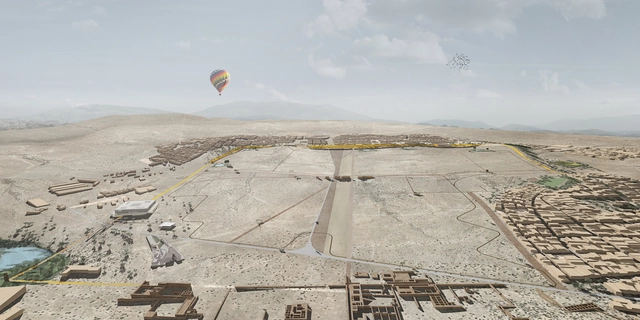
As part of the celebrations for the Bicentennial of Peru's Independence, the Ministry of Culture, the Municipality of Lima, and Grupo Centenario announced an international architecture and landscaping competition to design a metropolitan park along the perimeter of the Pachacamac Sanctuary in the Lurín district of Lima. The competition sought to encourage reflection on Lima's relationship with its historical and landscape heritage, as the Sanctuary houses some of the most important structures of the national archaeological heritage, spanning more than fifteen centuries of human occupation.
via Gobierno de la Ciudad Autónoma de Buenos Aires under CC BY 2.5 AR license
With the launch of the new Urban and Building Code, approved by the Buenos Aires City Legislature in late 2018, the city of Buenos Aires has begun to reconfigure how information is accessed in the urban and architectural fields. In line with this approach, Plano Abierto BA serves as a tool that allows any resident to access online data regarding development capacity, permitted uses, building heritage listings, maximum heights, construction records and inspections, and the current status of each individual plot in the city (including cadastral data, built area, and number of floors). This provides indicative urban planning information to facilitate the understanding of the New Urban Code of Buenos Aires.
Casa Central. Image Cortesía de Universidad Austral de Chile
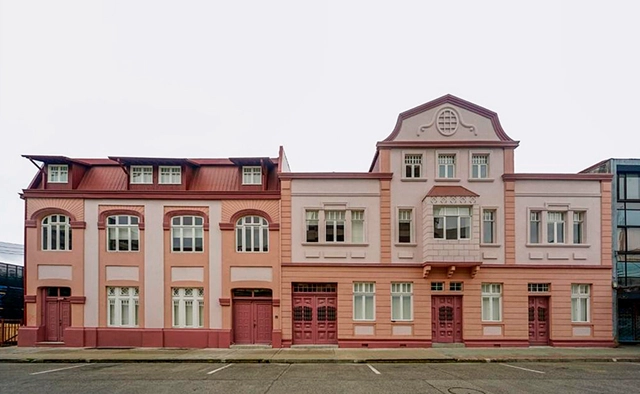
To date, the Universidad Austral de Chile (UACh) has restored more than a dozen historic houses in Valdivia, and is expected to continue this work in the coming years. Located in two main areas of the city—Isla Teja and the corridor known as the Yungay-General Lagos Axis—the university is committed to repurposing these existing structures, transforming them from family residences into public-use university spaces.
On Friday, May 7, the winning proposal of the second "Imagining Machines" (Máquinas Imaginantes) open call was announced. The initiative invited architects, researchers, and writers to reflect on "machines" of the past and present operating within architecture as tools for social analysis and production. The open call accepted both real and speculative projects, incorporating installations, historical documents, archival material, performance formats, and publications that engaged with the creation of imagining machines.
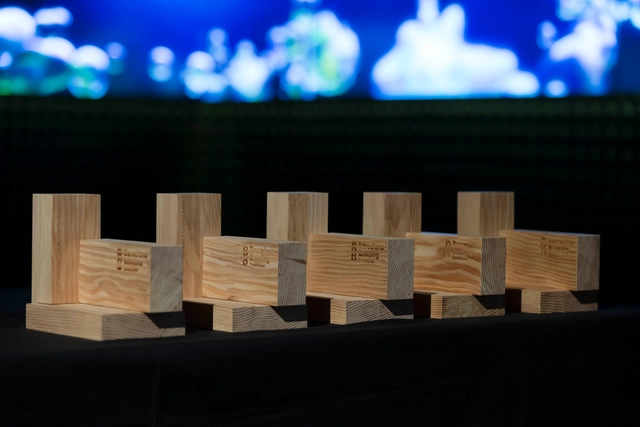
On Wednesday, May 15, the winners of the BBConstrumat 2019 Awards, curated by the Fundació Mies van der Rohe Barcelona, were announced at the Roca Gallery Barcelona.
Santa Lucía Esplanade aims to connect Vicuña Mackenna Square with the adjacent, renowned public hill of Santiago, Chile. The goal is to improve the urban space and connectivity of this historic monument and tourist attraction within the district.
The project is funded by the Regional Government, and the corresponding works have been authorized by the National Monuments Council and the Municipal Works Directorate. Learn more about the project in detail below.
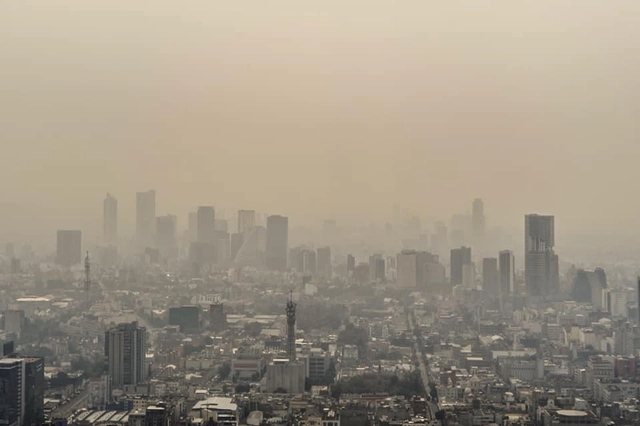
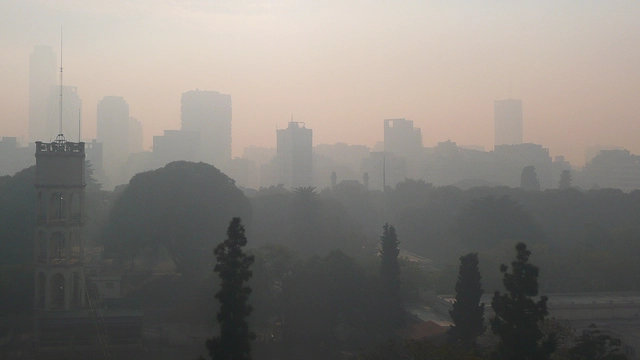
In recent days, Mexico City has experienced pollution levels reaching 150 points on the Air Quality Index in various areas, such as Nezahualcóyotl in the State of Mexico. On May 13 of this year, Mexico City Mayor Claudia Sheinbaum reported that while hazy conditions and low visibility prevailed in the nation's capital, an environmental contingency had not yet been declared.
The winners of the Richard H. Driehaus Building Arts Awards, presented annually to four master craftspeople in various traditional building trades in Spain, have been announced.
Usina de Innovación Colectiva is a cultural initiative of the School of Architecture, Design, and Urbanism at the University of the Republic in Uruguay.
It was established to revitalize disciplines related to architecture, design, landscape, and the city by creating opportunities that foster exchange, reflection, and the dissemination of work in these areas.
A total of 1,598 legally practicing architects in Colombia participated in the study titled “Characterization Study of the Colombian Architect,” developed by the National Professional Council of Architecture and its Auxiliary Professions (CPNAA). Its president, Julio César Báez Cardoso, shared the key findings in a recent article published by the association.
The XI Ibero-American Biennial of Architecture and Urbanism (XI BIAU) concluded last Friday, October 11, in Asunción, featuring lectures by Jorge Scrimaglio, one of the two winners of the 2019 Ibero-American Architecture Prize, and a closing lecture by Solano Benítez and Gloria Cabral, co-founders of Gabinete de Arquitectura.
https://www.archdaily.com/1120272/xi-biau-highlights-the-contrasts-and-contradictions-of-ibero-america-in-photography-contestArchDaily Team
Currently, project production within universities in Mexico is immense, and we believe it is the perfect time to showcase some of their best work. Many undergraduate theses—also known as graduation projects—address truly interesting and valuable topics for our country. Unfortunately, the vast majority remain stored on library shelves or in a computer folder, missing the opportunity to drive real change in our cities and the way we inhabit them.
Cortesía de Silvia Batlle, Geraldine Ladino, Eduardo Ottaviani
As part of its 175th-anniversary celebrations, the British Hospital of Buenos Aires, Argentina, launched the “Idea Raiz” competition, an initiative aimed at revitalizing the green spaces of its headquarters. The project seeks to enhance the institution's spatial and landscape qualities, creating therapeutic and recreational areas for patients, families, and staff. The hospital selected projects with a distinct identity that aspire to serve as a legacy for its future. Discover the winning team's proposal below:
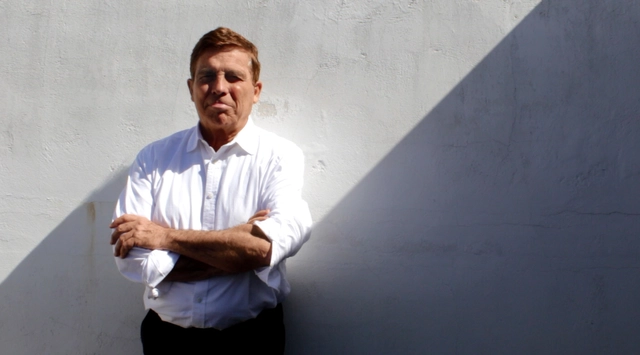
Architect Alberto Campo Baeza has been awarded the Gold Medal for Architecture, Spain's most prestigious architectural honor, which has been presented by the professional association of architects since 1981. Established by the Superior Council of Architects' Associations of Spain (CSCAE), the Gold Medal recognizes the dedication of individuals and institutions whose work elevates the field of architecture.
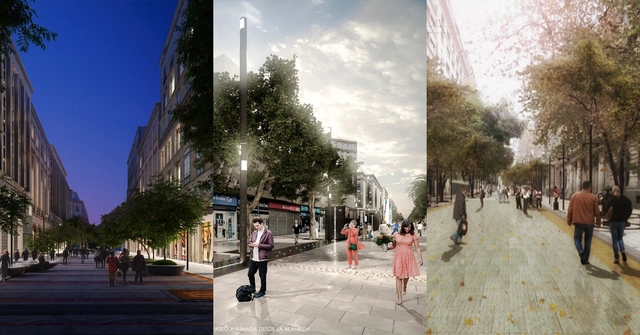
Through the Santiago Development Corporation (CORDESAN), and with the support of the Architects Association (CA) and the Association of Architectural Offices (AOA), the Municipality of Santiago (Chile) has announced the winning projects in the design competition to remodel the Ahumada-Puente, Huérfanos, and Estado-21 de Mayo pedestrian promenades in the center of the Chilean capital.
The initiative marks the 40th anniversary of the transformation of Ahumada Street into a pedestrian promenade, a thoroughfare currently used by more than two million people daily, connecting Santiago's Plaza de Armas with the Alameda, the Chilean capital's main east-west arterial road.
"It is necessary to give a new image to [the] pedestrian promenades, which serve as hubs of activity for many residents who work and commute around them, defining the main character of downtown Santiago," explained Felipe Alessandri, Mayor of Santiago and President of the competition, in the competition guidelines.
https://www.archdaily.com/1120363/these-are-the-winners-of-the-redesign-of-santiagos-pedestrian-promenades-in-2020ArchDaily Team
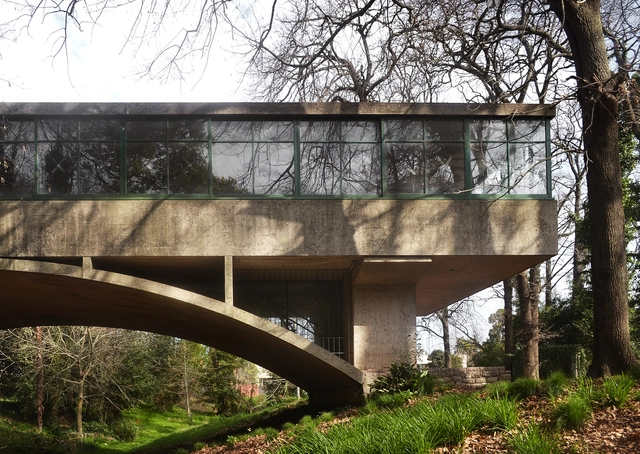
The Casa sobre el Arroyo, commonly known as the “Bridge House,” was designed by renowned Argentine architects Amancio Williams and Delfina Gálvez de Williams between 1943 and 1946 in Mar del Plata. It was originally built as a residence for his father, the musician Alberto Williams, but served this purpose for only a relatively short period. Although the building is now recognized as a paradigm of 20th-century architecture and a crucial reference for understanding the influence of the Modern Movement in Argentina and Latin America, its future has recently been the subject of debate and speculation. After suffering two devastating fires in 2004 and 2008, the house waited for a protection plan for over twenty years, during which various public and private institutions, both national and international, campaigned for its defense and comprehensive preservation.
The abandoned industrial building of the Clesa Factory, which closed its doors for good back in 2012 after nearly two years in bankruptcy proceedings, is set to become the "Matadero" of northern Madrid. The industrial site, located at 67 Avenida de Cardenal Herrera Oria, was designed in 1959 by architect Alejandro de la Sota and officially opened in 1962. The former dairy plant's 37,928 square meters are now being transferred to the Madrid City Council, which aims to convert the space into a major “cultural container.”
Just over a month ago, the Senate of the Argentine Nation approved the Declaration of Climate and Ecological Emergencyin the country and gave partial approval to the bill for the Law on Minimum Budgets for Adaptation and Mitigation to Climate Change. Through this initiative, driven by youth environmental organizations, Argentina becomes the first country in Latin America to move forward with a bill of this nature.
The recent and worrying increase in fires in the Amazon, where the fires have begun to relentlessly consume our planet's most important natural lung, has brought environmental issues to the forefront. The consequences of this event will drastically alter the global climate and demand urgent action, preparing us for industrial, energy, productive, and consumption shifts.





.jpg?1560267104&format=webp&width=640&height=580)
.jpg?1566501205&format=webp&width=640&height=580)