Spanning multiple geographies and scales, this week's architecture news reflects ongoing discussions around long-term planning, institutional frameworks, and the public role of architecture. National-scale urban initiatives and large civic developments point to how planning and infrastructure are being used to reorganize cities and territorial systems, while parallel attention to stadiums, cultural facilities, and mixed-use projects highlights the expanding civic ambitions of large-scale architecture. Alongside these, interviews and heritage-focused projects foreground participatory practices and the careful reuse of existing structures, highlighting architecture's capacity to operate within complex social and political conditions. Recognition platforms and professional programs further situate these practices within a broader architectural discourse, offering insight into how contemporary work is evaluated and shared across regions.
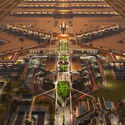
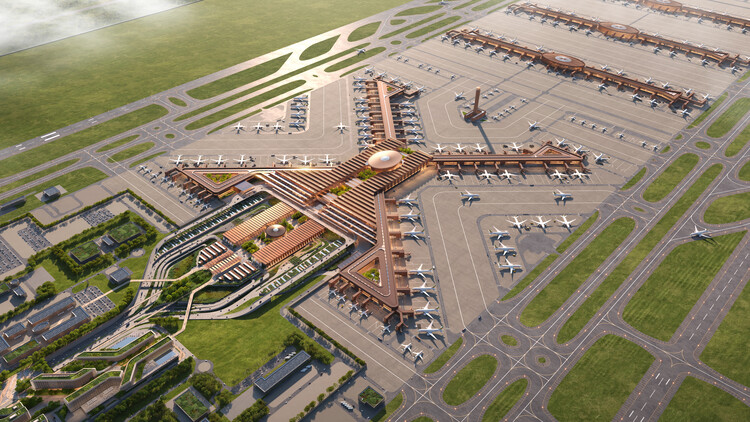
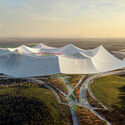
Construction has begun on the new Bishoftu International Airport (BIA), designed by Zaha Hadid Architects for Ethiopian Airlines Group. Ethiopia's Prime Minister, Abiy Ahmed Ali, laid the cornerstone at the airport's groundbreaking ceremony on Saturday, January 10, 2026. The new airport will be located approximately 40 kilometers south of the Ethiopian capital, Addis Ababa, and is planned to become Africa's largest airport. Phase One of the project is designed to serve 60 million passengers per year. Subsequent phases are expected to increase capacity to up to 110 million passengers annually, supported by four runways and parking for 270 aircraft, more than four times the capacity of Ethiopia's current main airport, according to statements by the Prime Minister.
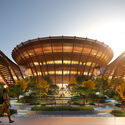
Snøhetta, in collaboration with the Beijing Institute of Architectural Design (BIAD), has won the international competition to design the Beijing Art Museum in Tongzhou District, Beijing. The project officially broke ground on December 31, 2025, with completion and public opening anticipated in 2029. Conceived as a new landmark for the eastern part of the city, the museum will form part of Tongzhou's cultural and civic development strategy as Beijing's sub-center. The commission marks Snøhetta's second major cultural project in the Chinese capital, following the Beijing Library, which opened to the public in 2023 and has since become a key reference for contemporary civic architecture in the city.
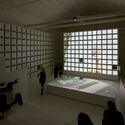
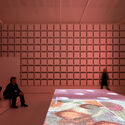
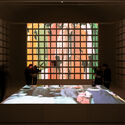
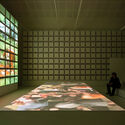
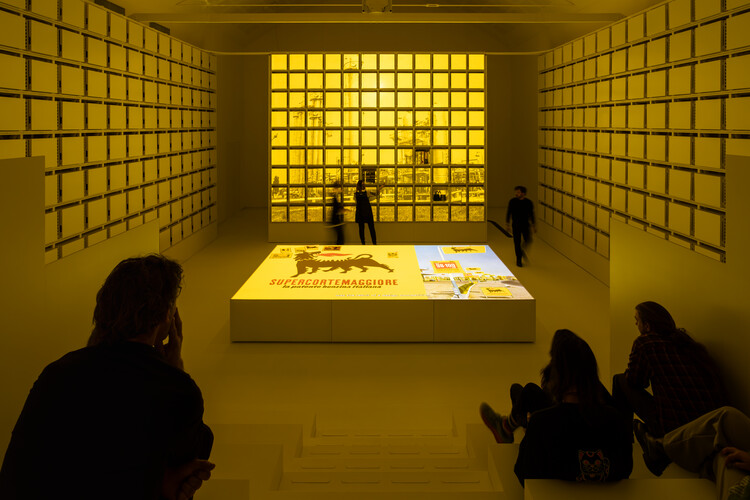
A new museum dedicated to the science of carbon fiber opened in Fiorenzuola d'Arda, Italy, on December 17, 2025. The project dates back to 2021 and was designed by CRA–Carlo Ratti Associati in collaboration with the late Italian architect Italo Rota. Commissioned by MAE, a manufacturer of equipment for carbon fiber production, the project transforms one of the world's largest archives on carbon fiber into a dynamic museum, uniting research with archival preservation and turning the archive into a space for interactive exploration. The project is described by its designers as a "living museum," a place to read, inquire, and connect ideas.
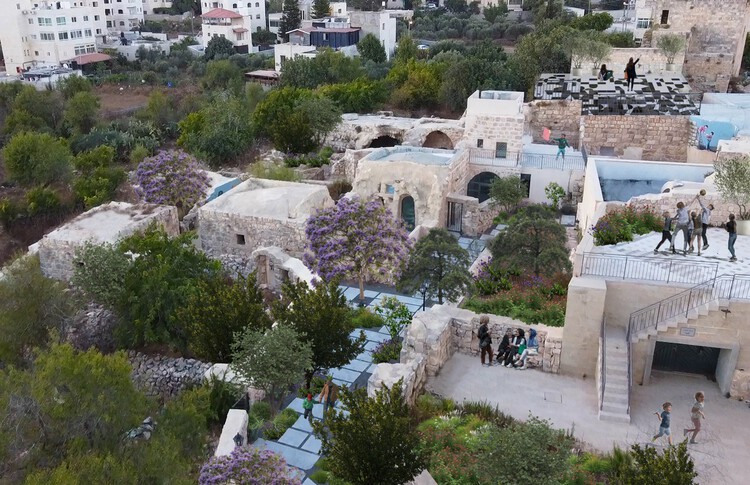
Qalandiya Rendering. Image Courtesy of RIWAQ – Centre for Architectural Conservation
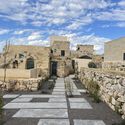
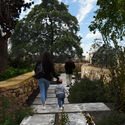
Qalandiya: the Green Historic Maze, developed by RIWAQ – Centre for Architectural Conservation, has been awarded the Grand Prize at the Holcim Foundation Awards 2025, recognizing its sensitive and deeply contextual approach to heritage conservation in Palestine, selected among the 20 winners of this year's edition. Located in Qalandiya, north of Jerusalem, the project reactivates a historic village center long affected by political fragmentation, neglect, and spatial disconnection. Through an incremental rehabilitation strategy, the project restores deteriorated structures using traditional knowledge, local stone masonry, and native materials, transforming abandoned fabric into active public spaces while reinforcing environmental resilience through passive climate strategies and landscape-based infrastructure.
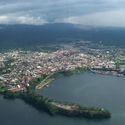
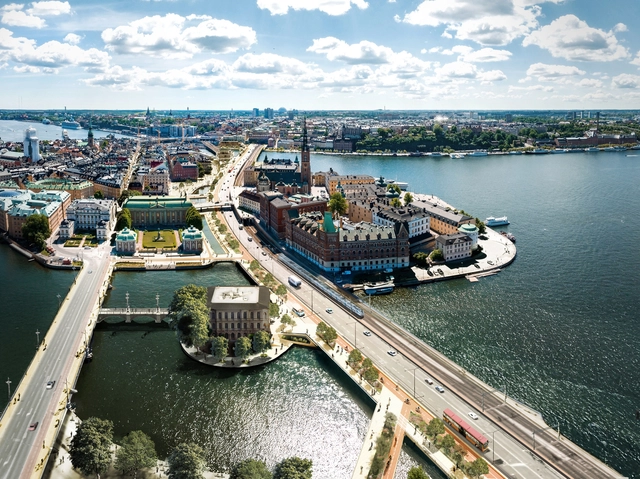
Malabo served as the capital city of Equatorial Guinea from the country's independence from Spain on October 12, 1968, until January 2, 2026, when a decree issued by President Teodoro Obiang Nguema Mbasogo officially transferred the capital to Ciudad de la Paz ("City of Peace"), located in Djibloho Province. Obiang formalized the move as part of a long-planned territorial reorganization. While the former capital remains an important economic center on Bioko Island, Ciudad de la Paz was conceived as a planned capital on Africa's mainland. The initiative to relocate the capital dates back to 2008, with construction beginning in 2011. The new capital, also referred to as Djibloho, after the province, or Oyala, has been framed by the government as a decentralization effort aimed at improving national accessibility.
The 2026 Color of the Year selections show a shift toward nuanced, layered palettes and understated spatial calm, moving beyond the saturated earth tones of previous forecasts. Pantone's Cloud Dancer, a soft white, sets a foundation of clarity and simplicity, while Sherwin-Williams and C2 Paint highlight the versatility of mid-tone neutrals and soft ochres, emphasizing material authenticity and adaptability across different interior surfaces and lighting conditions. Benjamin Moore and Graham & Brown explore deeper, atmospheric hues that balance warm and cool undertones, and Behr, Valspar, and AkzoNobel introduce muted greens and blue-based tones aimed at creating restorative, composed, and visually engaging interiors.
New Manchester United Stadium aerial render. Image Courtesy of Foster + Partners
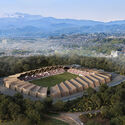
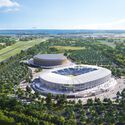
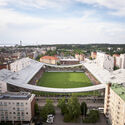
During 2025, several sports infrastructure projects were announced that remain on our radar, most of which are scheduled for completion between 2028 and 2030. Located across Asia, Europe, Africa, the Middle East, and North America, these projects reflect contemporary masterplan strategies for the transformation of large sports venues within their urban contexts. Many of the stadiums are planned as part of broader redevelopment frameworks that include new public spaces, mixed-use programs, event facilities, and mobility upgrades, rather than as isolated structures. Designs led by international offices such as Populous, Foster + Partners, Heatherwick Studio, OMA, Gensler, AFL Architects, and VUILD illustrate a range of architectural, urban, and infrastructural responses to the evolving role of large sports facilities.
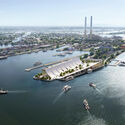
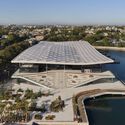
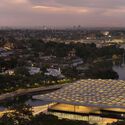
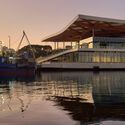
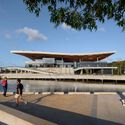
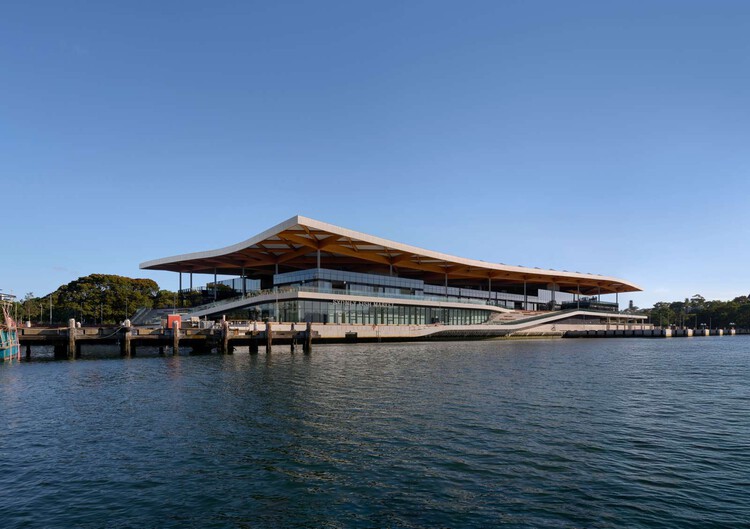
Set to open on January 19, 2026, the Sydney Fish Market marks the first completed project within the broader renewal of Blackwattle Bay on Sydney's inner harbour. Designed by 3XN in collaboration with BVN and Aspect Studios, and delivered by Multiplex, the purpose-built facility replaces the former market with a contemporary structure that combines an operating wholesale fish market with retail, dining, and publicly accessible waterfront spaces. Positioned approximately one mile southwest of Sydney's central business district, the project reframes one of the world's largest fish markets by volume as both working infrastructure and a civic destination.
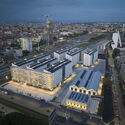
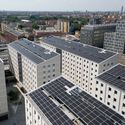
This week's news compilation brings together current discussions around public and collective space, cultural infrastructure, and long-term urban transformation across diverse geographic contexts. From shared management models redefining public space ownership in cities such as Paris and New York, to large-scale event-driven initiatives linked to Milano Cortina 2026 and the World Urban Forum in Baku, the selected projects and initiatives highlight how governance, culture, and infrastructure intersect in contemporary practice. These themes are further developed through a mix of strategic planning processes, including international test planning efforts in Northern Lviv, and built projects spanning education, culture, and temporary architecture, from a new dental teaching facility in Blantyre, Malawi, to restored and newly opened cultural venues in the United States and Taiwan, and adaptive reuse interventions showcased at the ChicagoArchitecture Biennial. The international examples outline an architectural landscape shaped by reuse, public engagement, and the evolving role of design in responding to social, cultural, and institutional frameworks.
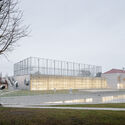
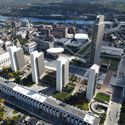
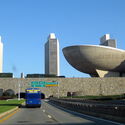
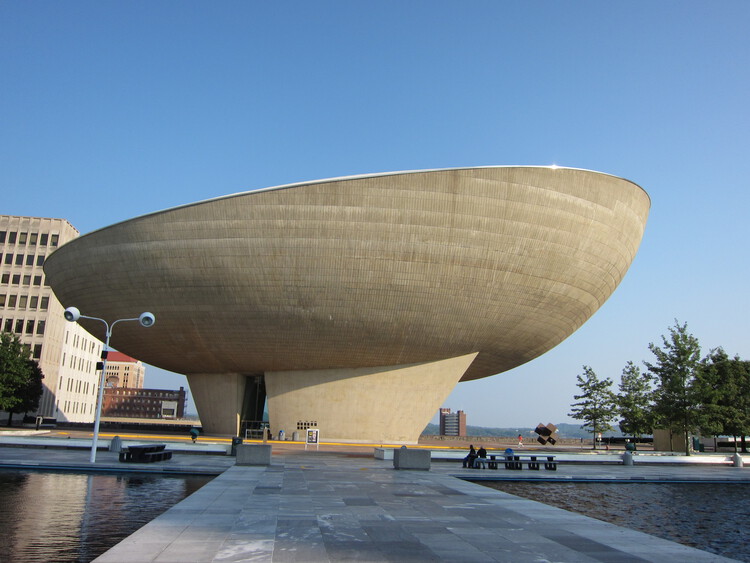
The Egg is a performing arts centre located in Albany, within New York's Empire State Plaza, designed by the North American firm Harrison & Abramovitz. Construction began in 1966 and was completed twelve years later, in 1978, with the aim of hosting a broad range of cultural events and performances for New York State residents. Drawing inspiration from Brazilian modernism, the domed, egg-like concrete structure stands out as a striking counterpoint within an otherwise rational urban ensemble. Surrounded by state government towers set in an open plaza and clad in stone, the building's exposed concrete, its seemingly suspended form, and pronounced curved geometry position it as a late example of modernist Brutalism. The venue is currently undergoing restoration and, after six months of renovations, is set to reopen on January 8, 2026, in what has been described as a "refreshed and reimagined" space.
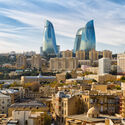
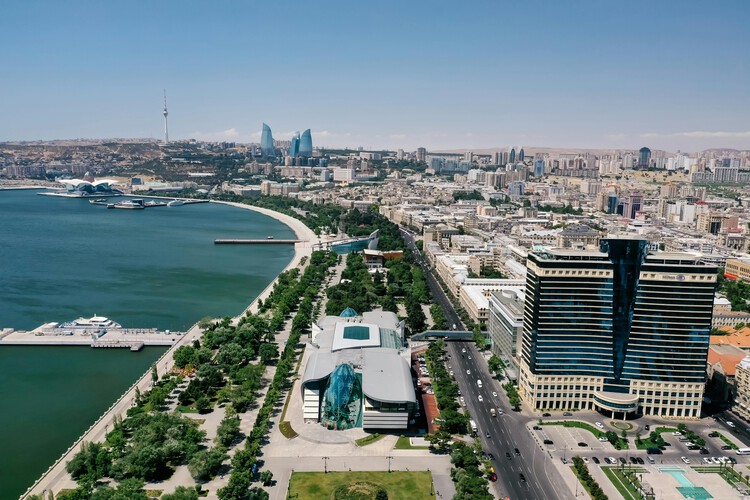
President Ilham Aliyev has signed an order declaring 2026 the "Year of Urban Planning and Architecture" in the Republic of Azerbaijan. The decision establishes a national framework focused on urban planningpolicy, architectural culture, and sustainable development, aligning with Azerbaijan's preparations to host the 13th World Urban Forum (WUF13) in Baku in May 2026. According to the order, the designation aims to preserve Azerbaijan's centuries-old traditions while integrating contemporary approaches that respond to current social, environmental, and spatial challenges. The President's Administration will now prepare and submit a comprehensive action plan for the year within one month.
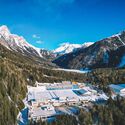
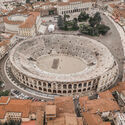
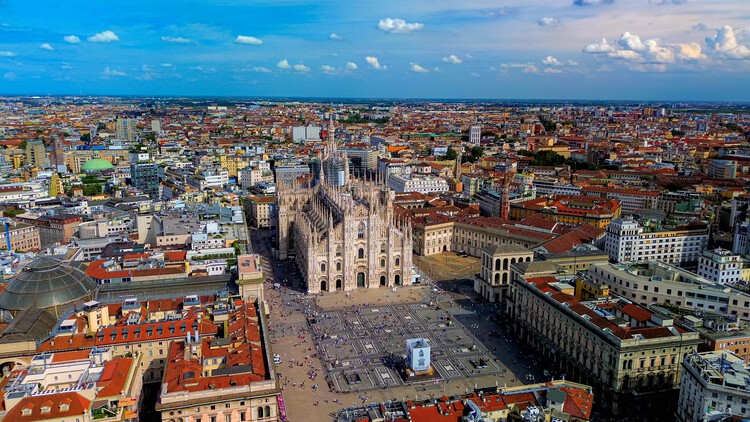
One month remains until the Opening Ceremony of the Olympic Winter Games Milano Cortina 2026, with competitions set to run from February 4 to 22, 2026. The Opening Ceremony will take place on February 6 at the Milano San Siro Olympic Stadium and will bring together approximately 2,900 athletes from around the world competing across 16 sports, with 116 gold medals to be awarded. The Olympic Winter Games return to Italy twenty years after Torino 2006 and seventy years after Cortina 1956. This edition, however, adopts a markedly different approach, proposing a shift away from the traditional high-cost, high-waste model toward adaptive reuse, renewable energy, and long-term regional development. The most geographically dispersed Winter Games in history plan to rely on 92% existing or temporary venues, build on regions with established tourism industries, avoid major environmental disruption, and implement circular design and recycling strategies, the results of which will become evident in the coming months. The Milano Cortina 2026 Winter Paralympics will follow, taking place from March 6 to 15, 2026.
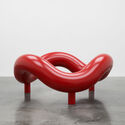
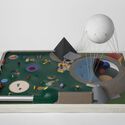
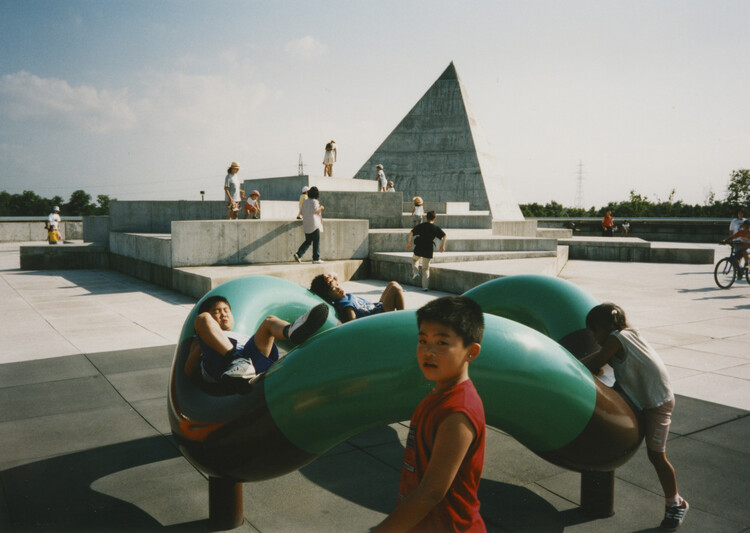
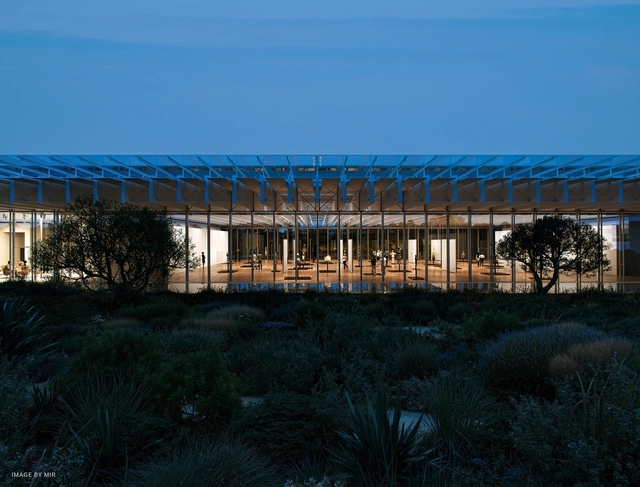
The High Museum of Art in Atlanta will present Isamu Noguchi: "I am not a designer" from April 10 to August 2, 2026. The exhibition examines the design work of Isamu Noguchi (1904–1988) across sculpture, furniture, lighting, landscape, and stage design, marking his first major design-focused retrospective in nearly 25 years. Following its presentation in Atlanta, the exhibition will travel to the Peabody Essex Museum in Salem, Massachusetts, from September 19, 2026, to January 3, 2027, and to the Memorial Art Gallery of the University of Rochester in spring 2027.
In this interview with Louisiana Channel, Mexican architect Gabriela Carrillo introduces us to the challenges that drive her work, particularly the projects carried out as a member of Colectivo C733, in which she currently participates alongside Carlos Facio, José Amozurrutia, Eric Valdez, and Israel Espin. Through an exploration of her definition of architecture, she offers reflections on the design of public spaces, the relationship between architecture and land art, and the role of the preexisting in the transformation of space. She defends architecture as a "powerful tool" for fostering connections between people and their environment, defining her practice as optimistic.
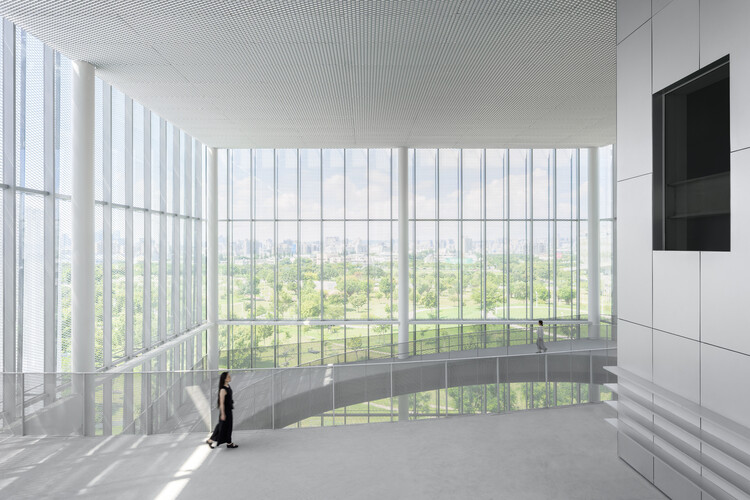
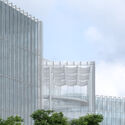
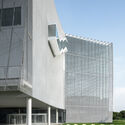
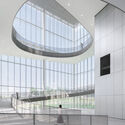
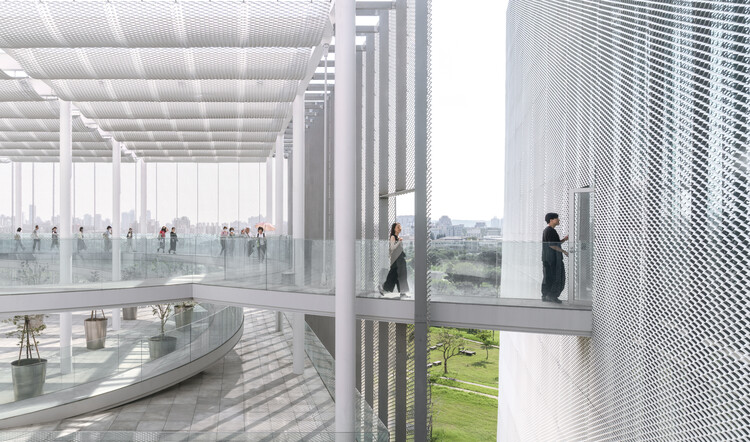
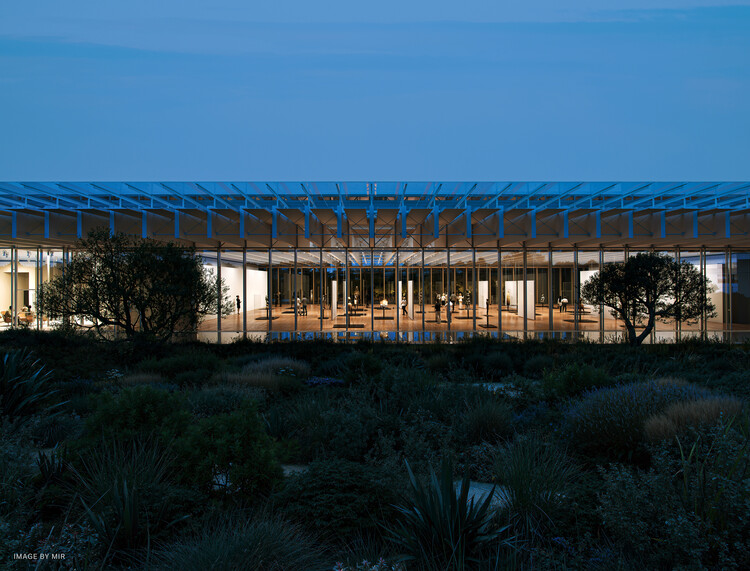
The Taichung Art Museum officially opened on December 13, 2025, with an inaugural exhibition titled A Call of All Beings: See You Tomorrow, Same Time, Same Place. The building, designed by SANAA, is part of the Taichung Green Museumbrary project, developed in collaboration with local firm Ricky Liu & Associates. Conceived as a major cultural initiative, the project combines a contemporary art museum, library resources, and public parkland. Through interactive education and outreach programmes, it aims to establish a new institutional model for Taichung, one that supports artistic exchange while positioning the city as an international cultural hub. On view through April 12, 2026, the opening exhibition explores the relationships between people and nature, the city and memory, interspecies connections, and the future, beginning with an examination of the complex's own context in central Taiwan.
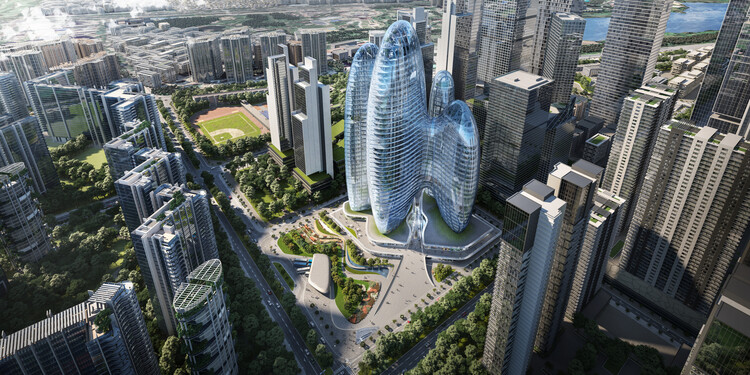
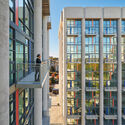
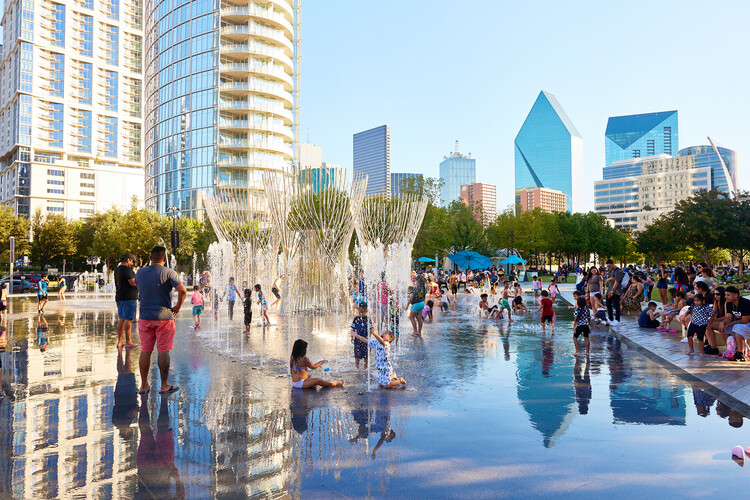
Across different geographies and scales, this week's architecture news reflects a sustained focus on how cities and buildings are being recalibrated in response to evolving patterns of movement, work, and collective life. Across multiple contexts, public space and mobility remain central concerns, with streets, downtowns, and large-scale developments serving as testing grounds for new approaches to accessibility, resilience, and everyday use. Pedestrianisation initiatives and community-led visions point to evolving governance models and long-term urban strategies, while cultural and research-driven platforms continue to frame these changes within broader public discourse. In parallel, progress on major mixed-use and corporate projects underscores the growing integration of digitalinfrastructure, environmental performance, and flexible spatial frameworks within contemporary architecture.
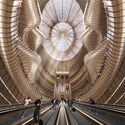
Renzo Piano Building Workshop, in collaboration with Betaplan Architects (Athens) and landscape architect Camille Muller (Paris), has broken ground on a new cultural center in Piraeus, the port of Athens. Commissioned by The Dinos and Lia Martinos Foundation (DLMF), the project seeks to establish an international hub connected to similar art centers abroad, open to the local community, students, and visitors, and contributing to the urban and cultural fabric of the Athens metropolitan area. The complex, called KYKLOS, is planned to host contemporary art collections and cultural programming with an international outlook. Initiated in 2023, the project is currently in development, with construction planned to extend through the last quarter of 2028.
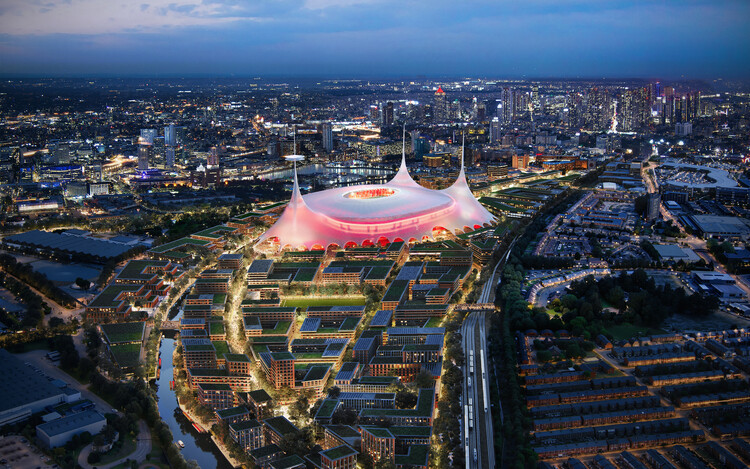
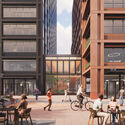
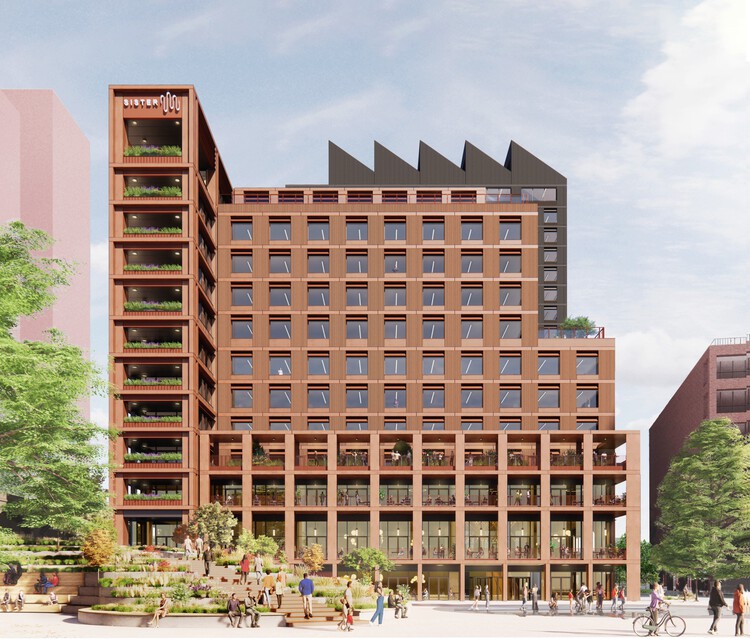
Sister Plot C, Manchester. Image Courtesy of Allies and Morrison
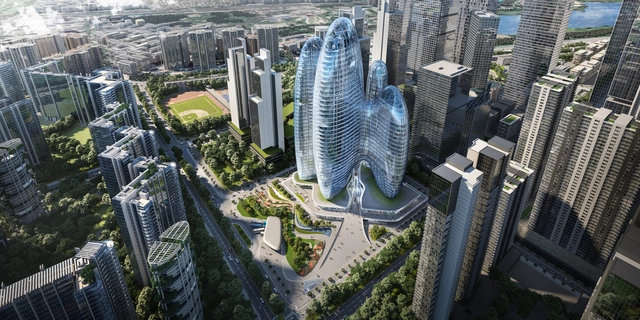
Plot C, Sister, Manchester, a pair of linked commercialbuildings located on the north-east corner of the Sister campus, has received planning approval from Manchester City Council. Designed by Allies and Morrison and SLA for client Sister, a joint venture between the University of Manchester and Bruntwood SciTech, the scheme represents the first major new-build phase of the master plan for Manchester's emerging innovation district. With a total gross external area of approximately 81,000 square metres, the development is positioned as one of the city's largest new workplace-led projects, marking a key moment in the phased transformation of the site.
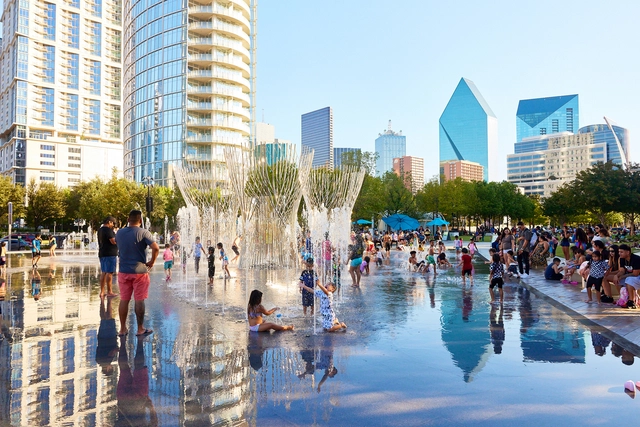
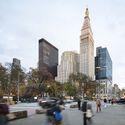
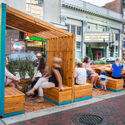
The exhibition Coming Together: Reimagining America's Downtowns, held at Washington, D.C.'s National Building Museum, explores the transformations underway in the United States' downtowns and the ways communities have organized to shape alternative urban scenarios. Curated by Uwe S. Brandes, Professor at Georgetown University, and designed by Reddymade and MGMT., it is the first of three major exhibitions within the Museum's Future Cities initiative, an interdisciplinary project examining the city as a hub, catalyst, essential building block, and reflection of society. Coming Together features examples from more than 60 U.S. cities, both large and small, highlighting lessons learned and opportunities embraced in the wake of the COVID-19 pandemic as communities adapt to lasting changes in work, housing, mobility, entertainment, and recreation. The exhibition is currently open to the public and will remain on view through Fall 2026.