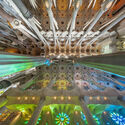
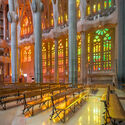
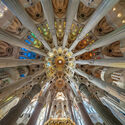
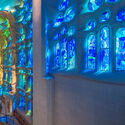
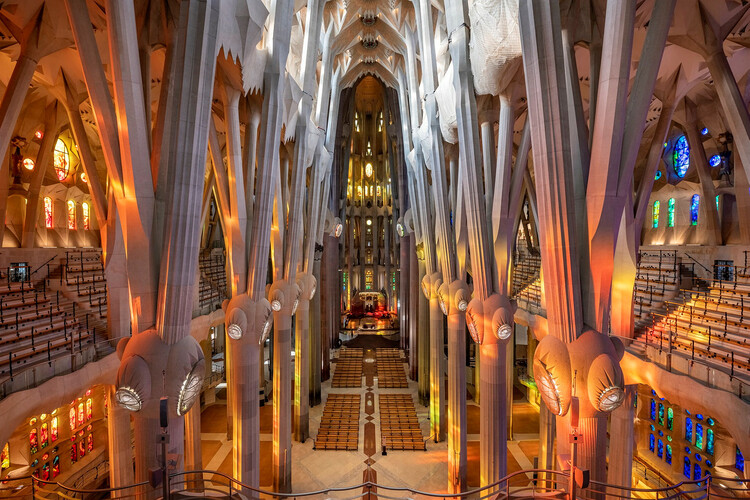
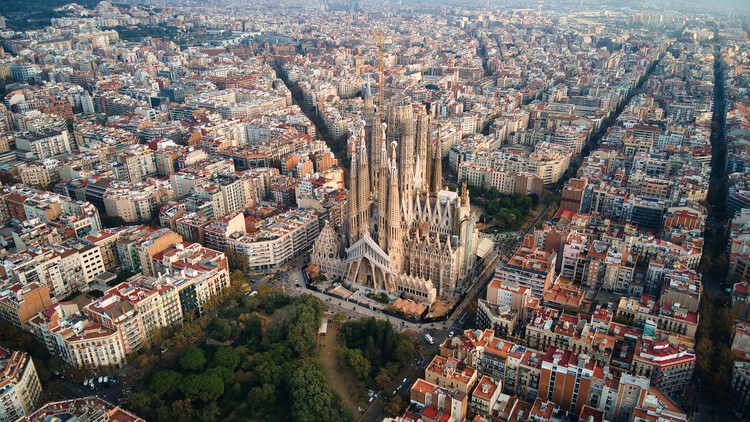
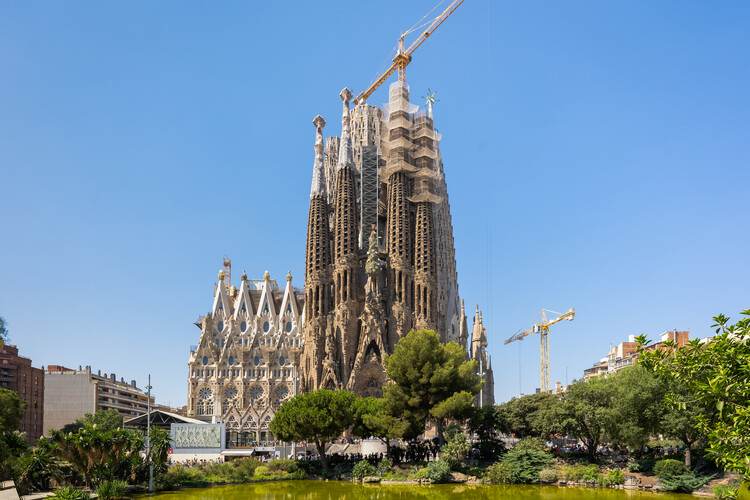
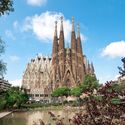
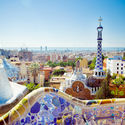
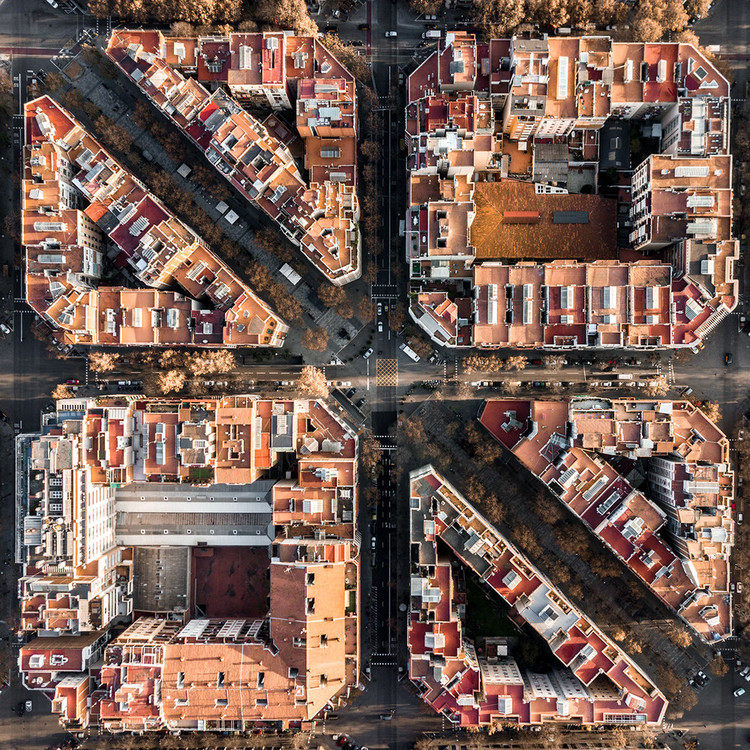
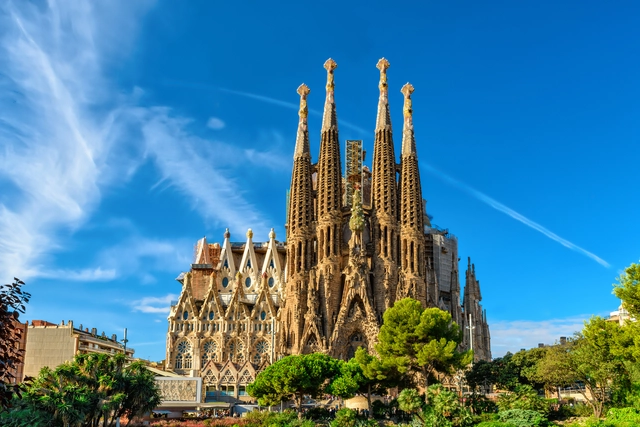
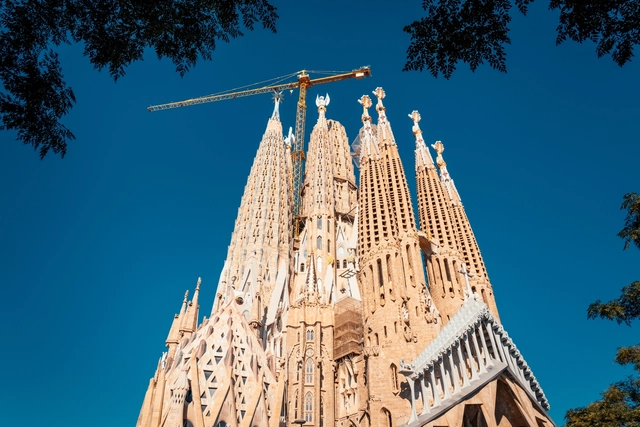
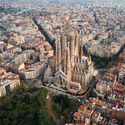
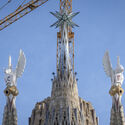
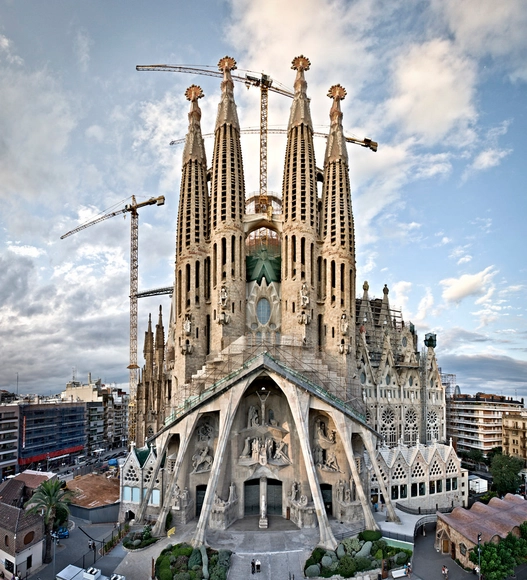
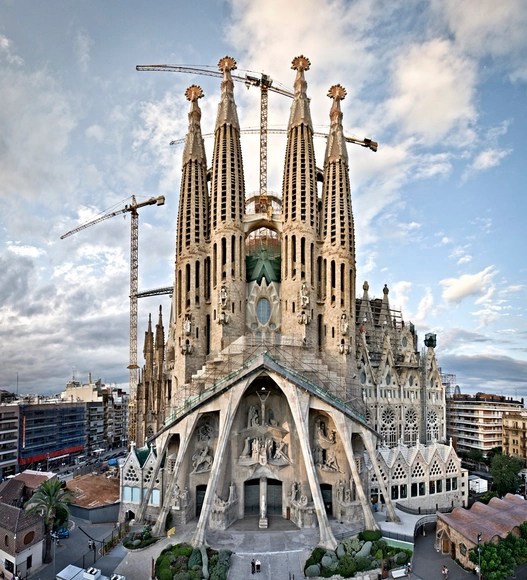
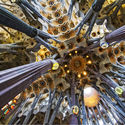
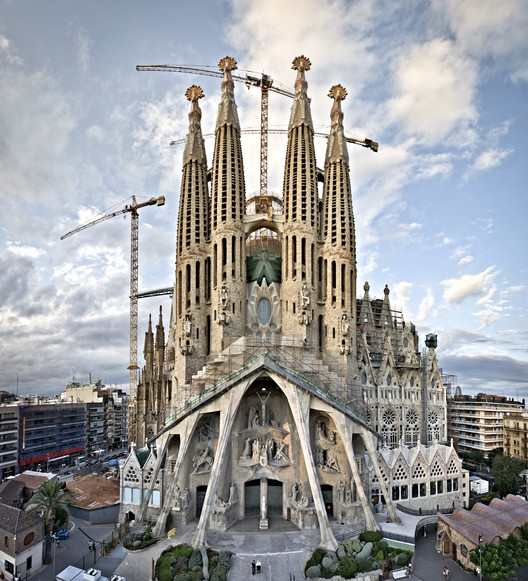
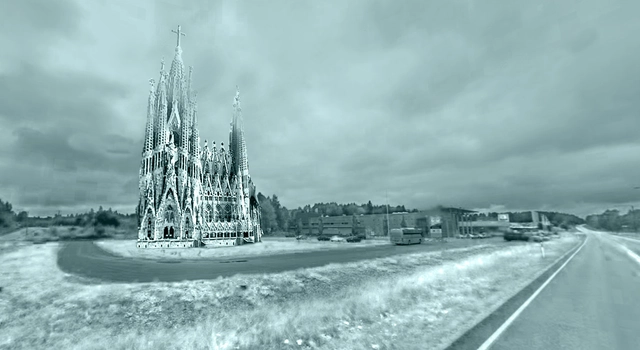
La Sagrada Familia by Antoni Gaudi. Image by Maksim Sokolov, via Wikimedia Commons, License CC BY-SA 4.0
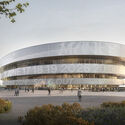
As 2025 concludes, we look ahead to 2026, a year scheduled to deliver a diverse range of significant architectural projects across the world. The year is particularly notable for the completion of new infrastructure and cultural buildings, including long-term projects. Europe will be in the spotlight of the new year with the Milano Cortina 2026 Winter Olympics. This event will feature projects such as the Olympic Village by SOM and the Winter Olympics Arena by David Chipperfield Architects. Also in Milan, BIG is set to complete construction of the City Wave project as part of a new business district in the city. At the same time, after more than 140 years of its establishment, the architects around the world will also be watching for the long-awaited completion of Antoni Gaudí's La Sagrada Familia in Barcelona, announced for 2026.
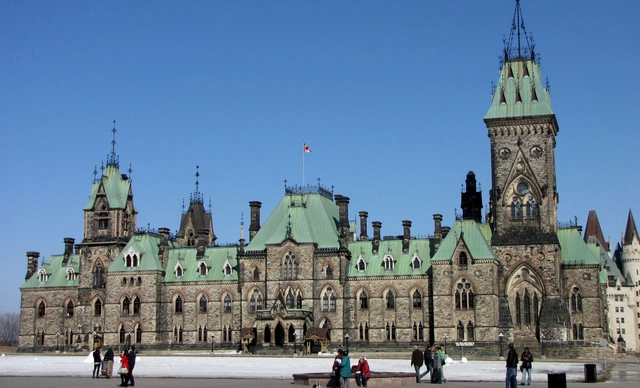
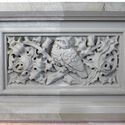
Heritage restoration has always been an intricate process that requires delicate balancing between preserving the integrity of historic materials while integrating contemporary techniques that can enhance accuracy, efficiency, and resilience. With the restoration process of Parliament Hill in Ottawa, Canada's capital city, this intersection of tradition and technology is now on full display. The East Block, built in 1865, offers a compelling example of how digital tools can support the efforts of heritage restoration and contribute to a centuries-old craft such as stone carving.
Buildings that are designed to layer stories and memories, evoke a sense of aspiration, define cultural narratives, and build a national identity will always be important in all societies. When buildings have this power to shape communities, make an impact on a city’s image, and change the course of socio-economic growth, then they can be identified as iconic. Though the term “iconic” is subjective, it is one that pushes the boundaries of architecture in any context. It calls for spatial originality, proposes innovative material technology, and necessitates a radical socio-economic investment to be realized.
However, since the economies of developing countries in the global south cannot meet the requirements of these architectural structures, is there a more suitable socio-economic model for monumental structures in this context? Can the incremental principles of small adaptable changes and growth be applied to the finite iconic aspiration of this architecture?
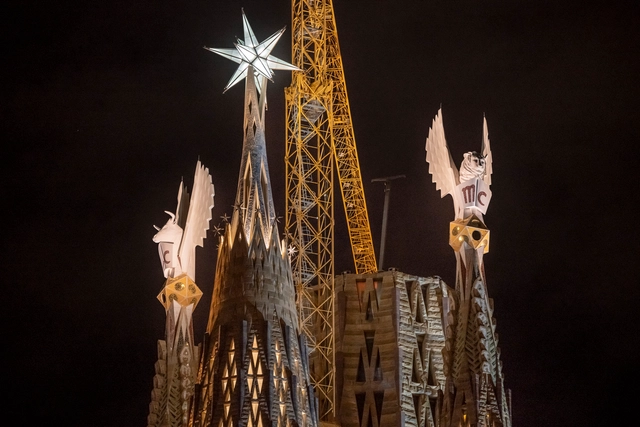
Sagrada Familia, Antonio Gaudi’s famous yet incomplete landmark, is moving forward toward completion. As of last week, five out of the six central towers have been fully constructed. Since this January, when the towers of Evangelists Luke and Mark were finished, two additional towers, dedicated to Evangelists Matthew and John, have been crowned with statues by sculptor Xavier Medina-Campen, marking their completion. The Junta Constructora del Temple Expiatori de la Sagrada Família, the foundation overseeing the construction, announced a special Mass on November 12 to mark the inauguration, initiating the illumination of the four towers all throughout the Christmas season.
Gaudí's Sagrada Familia in Barcelona has illuminated the terminals on the towers of the Evangelists Luke and Mark, celebrating the completion of these two new structures that reach 135 meters in height. Together with the tower of the Virgin Mary, inaugurated in December 2021, 3 of the 6 central towers will be completed.
The trustees of Barcelona's historic Sagrada Família have reached an agreement with the city council to pay off $41 million in debt for not having the appropriate building permits. As the New York Times reports, the saga has continued for more than a century, as an original building permit issued in 1885 by Sant Martí de Provençals was no longer valid when the town was absorbed into the city of Barcelona. Designed by Catalan architect Antoni Gaudí in 1882, the Sagrada Família is still under construction 136 years later.
Both today and in centuries past, it is a reality of building that not every project is destined for success. Financial issues or unrealistic timetables can complicate a building’s construction but, while usually the final result eventually meets the initial expectations, other times the worst-case scenario of a building being abandoned during construction becomes a nightmare come true. Unfortunately, these failed projects have an extensive history. Economic factors are the most common cause of unfinished construction, but buildings have also been stranded in limbo by wars, geopolitical shifts, epidemics of disease and other unpredictable obstacles, leaving partial structures as haunting reminders of what might have been.
Whether partially completed and left as ruins or still under construction decades (or centuries) after initial groundbreaking, unfinished buildings offer an alternative history of our built environment, promising long-delayed gratification or examples of design so ambitious that they prove impossible to realize. Initiated by civilizations across the globe, the following list details just a few examples of history’s most interesting and infamous unfinished construction projects.
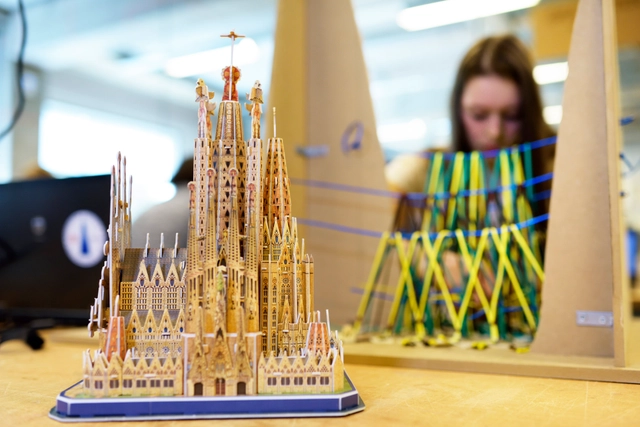
As reported by the BBC, construction of Antoni Gaudí's already 133-year-old Sagrada Família in Barcelona is now being accelerated by one of the most modern technologies around: 3-D printing. As a matter of fact, the construction process in Barcelona has been utilizing 3-D printing for 14 years, introducing the technology in 2001 as a way of speeding up the prototyping of the building's many complex components.
The process uses powder-based stereolithographic 3-D printers, which build prototypes layer-by-layer, resulting in a material similar to plaster. This is important to the workshop at the Sagrada Família, because it allows craftsmen to easily alter the prototypes by hand, to meet the demanding specifications of the building.
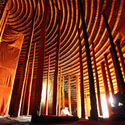
A team of students from Eindhoven University are set to build a forty metre high model of Antoni Gaudí’sSagrada Familia out of 'ice'. The project, which follows their completion of the world’s biggest ice dome last year, will be constructed from pykrete and reinforced with wood fibres. The fifty-strong team will head to Finland on the 28th December 2014 to begin construction of the impressive 1:5 scale model, which will be built in only four weeks in order to officially open in the last week of January 2015.
Read about their unique construction method and see photos of the preparatory work after the break.
The Basilica of the Sagrada Família in Barcelona have laid out their planned milestones for the forthcoming year, visualising it in a short film that begins to piece together Antoni Gaudí's incredible vision. The Sacristy and Raking Cornice will be constructed between this year and next, while new stained glass windows will be installed flooding the interior spaces with evermore coloured light.
Videos
Montage. Image Courtesy of Eindhoven University of Technology
A team of students from Eindhoven University are to build a forty metre high model of Antonio Gaudí'sSagrada Familia. The project, which follows the completion of the world's biggest ice dome last year, will be constructed from pykrete and reinforced with wood fibres. Impressively, the 1:4 scale model will be built in only three weeks. Thin layers of water and snow will be sprayed onto large, inflated molds. The pykrete (water mixed with sawdust) will be immediately absorbed by the snow before freezing. According to the organisers, "the wood fiber content makes the material three times as strong as normal ice, and it’s also a lot tougher." Find out more about the project here.
From September 29th to December 8th, the exhibition dedicated to the work of Toni Cumella will be open. His works in ceramic have been utilised by architects such as Enric Miralles, Alejandro Zaera-Polo, or Jean Nouvel. These collaborations made his material became part of the image of Barcelona, being part of the construction of La Sagrada Familia, and the restoration of Casa Batlló and Parc Güell.
Focusing on the 4 main fabrication processes in use at Ceramica Cumella – extruding, casting, pressing and revolving – Shaping Ideas presents the work of Toni Cumella and the application of his ceramics in some of contemporary architecture’s most significant projects.
Our newest addition to the site, our AD Classics, highlight impressive and innovative buildings spanning the course of history. While we are continually fascinated by Kahn’s National Assembly Building of Bangladesh (1982) or SOM’s Beinecke Rare Book and Manuscript Library (1963), what about works that date even farther back….before Corbusier’s Unite d’ Habitation (1952) and Mies’ Farnsworth House (1951); before the Eames House (1945) and Wright’s Unity Temple (1905). Dating back to the 1880s, Antoni Gaudí devoted over a decade of his life to one of Barcelona’s, and the architecture world’s, most prized structures, la Sagrada Família. The cathedral has remained under construction for hundreds of years as debates concerning whether or not its current state is too far from the original vision continually spark controversy. Yet, this Sunday, as the NY Times reported, Pope Benedict XVI visited the cathedral to consecrate the Temple Expiatori de la Sagrada Família. The visit spurred hundreds of workers to prepare the church in an effort to highlight the newest “ latest architectural and artistic features”.