

ArchDaily is proud to reveal the winners of the 5th edition of Next Practices, recognizing 20 groundbreaking architectural practices from around the globe. These firms embody the creativity, innovation, interdisciplinary approach and social responsibility that are shaping the future of architecture and expanding its horizons.
Editor's Choice
Choreographing Space: Architecture and Dance as Interdisciplinary Practices
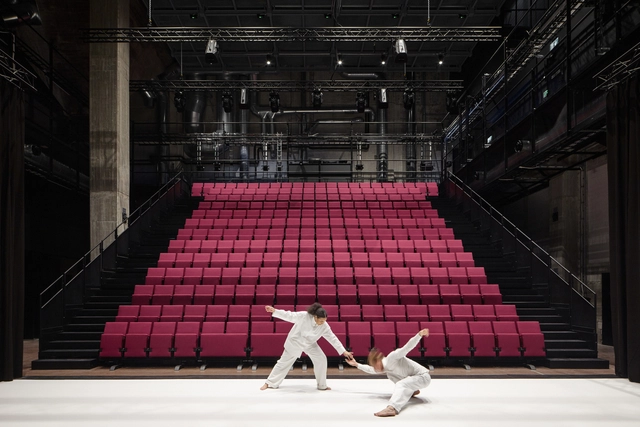
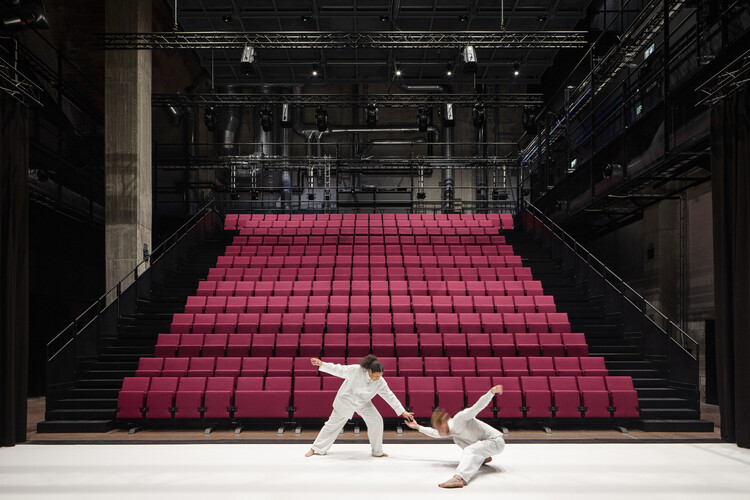
"Dance, dance… otherwise we are lost." This oft-cited phrase by Pina Bausch encapsulates not only the urgency of movement, but its capacity to reveal space itself. In her choreographies, space is never a neutral backdrop, it becomes a partner, an obstacle, a memory. Floors tilt, chairs accumulate, walls oppress or liberate. These are architectural conditions, staged and contested through the body. What Bausch exposes — and what architecture often forgets — is that space is not simply built, it is performed. Her work invites architects to think not only in terms of materials and forms, but of gestures, relations, and rhythms. It suggests that architecture, like dance, is ultimately about how we inhabit, structure, and emotionally charge the spaces we move through.
Historically, architecture and dance have operated in parallel, shaping human experience through the body's orientation in space and time. From the choreographed rituals of classical temples to the axial logics of Baroque palaces, built space has always implied movement. The Bauhaus took this further, as Oskar Schlemmer's Triadic Ballet visualized space as a geometric extension of the body. This was not scenery, but spatial thinking made kinetic. In the 20th century, choreographers like William Forsythe and Anne Teresa De Keersmaeker integrated architectural constraints into their scores, while architects such as Steven Holl, Diller Scofidio + Renfro, and Toyo Ito designed buildings that unfold as spatial sequences, inviting movement, drift, and delay.



https://www.archdaily.com/1033981/choreographing-space-architecture-and-dance-as-interdisciplinary-practicesDiogo Borges Ferreira
The Continuous Project: A Case of Iterative Placemaking in Long You, China

The architect's role has traditionally been relatively well-defined: design a building, direct the project, coordinate logistics, and guide construction through to completion. As specialised fields have proliferated, together with a rapidly changing social economy, the practice of architecture has diversified, opening multiple paths for how architects can contribute to society.
Since the 1980s, one of the most consistent shifts may have been the separation between the "design architect" and the "architect of record." Where a single office once carried a project from concept to completion, internationalisation—alongside cross-border work, licensure regimes, procurement models, and liability structures—has encouraged a split. Design teams increasingly set the conceptual and schematic direction, then hand over the design development to local record architects for technical detailing, approvals, and site execution. The model has clear advantages—sharper expertise, efficiency, and often profitability (or services offered at reduced fees)—but it also segments the profession and can distance authorship from delivery.
What, then, might the next shift be, and what new synergies could redefine the architect's role? How should architects adapt to the changing professional climate? One promising trajectory is a turn from singular, permanent objects toward ongoing placemaking—iterative, context-specific programmes that prototype, test, and refine spatial ideas in public. Rather than producing one large, iconic work that fixes a site for decades, this model privileges cycles of making, use, evaluation, and adjustment at the community scale.


https://www.archdaily.com/1034118/the-continuous-project-a-case-of-iterative-placemaking-in-long-yau-chinaJonathan Yeung
The City as a Laboratory of Processes: A Decade of Urban Experimentation with Concéntrico
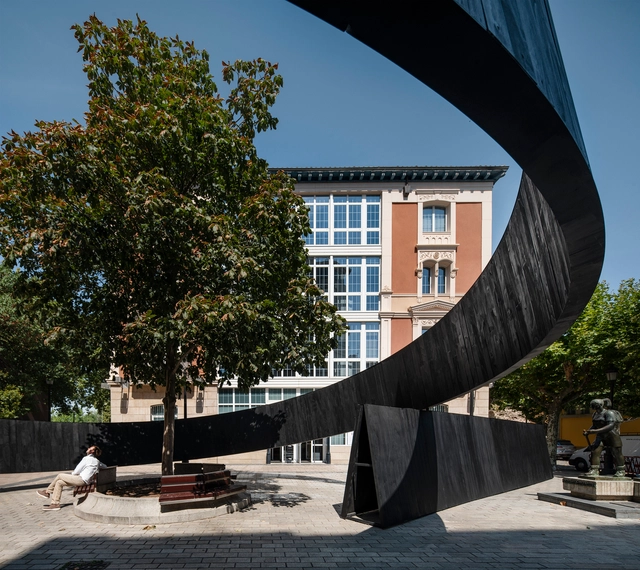
As cities continue to develop, we are seeing ever more well-planned, thoroughly executed, and tightly regulated approaches to shaping urban centres and their surrounding spaces—for better and for worse. As codes, restrictions, and guidelines improve and tighten, urban environments become safer, more balanced, and less prone to surprise. Yet the flip side is that highly managed districts can drift toward over-order and sanitisation, shedding the messy, accretive character that once produced alleyways, residual spaces, and unexpected sequences of movement—conditions often born from ongoing community improvisation in the grey zones of regulation.
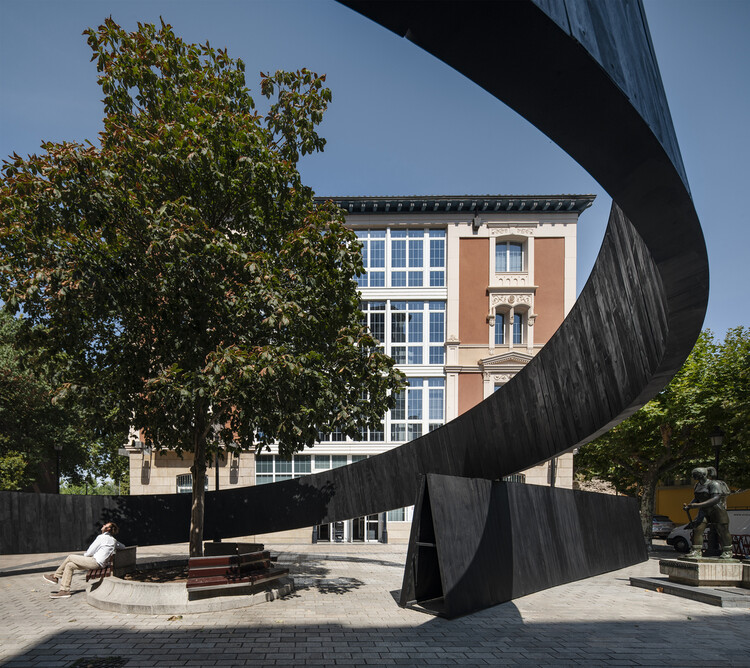
In response, a growing number of initiatives around the world are proposing short-term urban installations that test alternate futures for the city. These works aim to provoke dialogue between what the city is and what it could offer its communities through thoughtful, context-specific spatial practices. One notable example is Concéntrico, the international festival in Logroño, Spain, conceived as an urban innovation laboratory. Marking its tenth edition, the festival is about to publish Concéntrico: Urban Innovation Laboratory, a book that surveys a decade of urban design and collective transformation shaped through successive editions of the festival. Its launch is paired with an international tour designed to share a decade of insights on collective transformation and design.



https://www.archdaily.com/1033891/the-city-as-a-laboratory-of-proceses-a-decade-of-urban-experimentation-with-concentricoJonathan Yeung
Serious Play: The Subversive Designs of Lina Bo Bardi and Aldo van Eyck
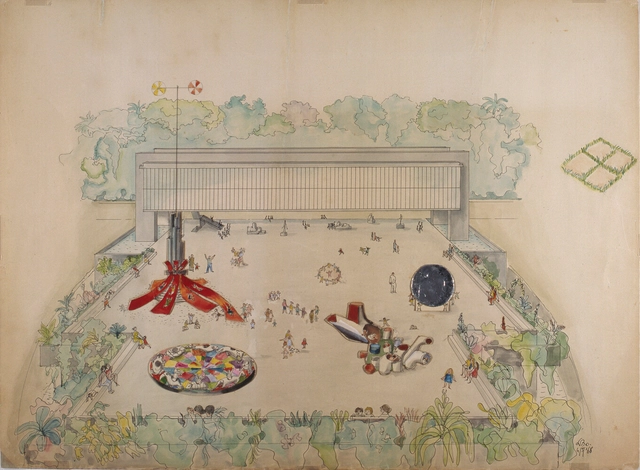
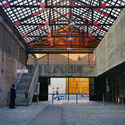
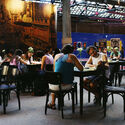
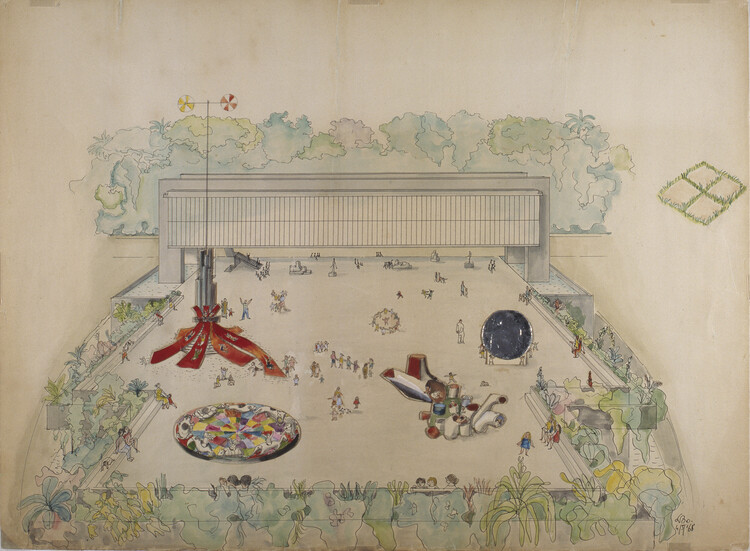
Aldo van Eyck and Lina Bo Bardi were two subversive figures. Their visions of collectivity and playfulness—though applied to very different kinds of structures—shared a common ground: an idea of architecture that goes beyond design. For both, architecture was a living space, animated by appropriation, movement, and exchange. From Dutch playgrounds to thw São Paulo Museum of Art, their ideals intertwined, reinforcing the notion of an architecture where anyone could become a child again.

https://www.archdaily.com/1033580/serious-play-the-subversive-designs-of-lina-bo-bardi-and-aldo-van-eyckCamilla Ghisleni
Aga Khan Award for Architecture Announces 2025 Winners
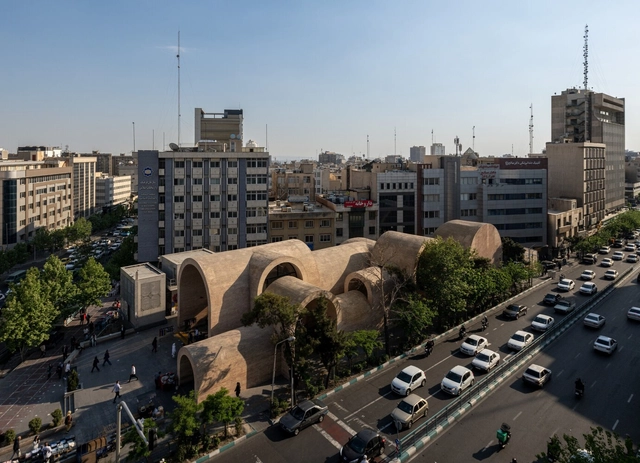
The independent Master Jury of the 16th Award Cycle (2023–2025) of the Aga Khan Award for Architecture has announced seven winners, selected following on-site reviews of projects shortlisted earlier in June. Collectively, the awarded works demonstrate architecture's potential to act as a catalyst for pluralism, community resilience, social transformation, cultural dialogue, and climate-responsive design. Two projects from Iran, and one each from Bangladesh, China, Egypt, Pakistan, and Palestine, will share a prize of $1 million, among the most significant awards in the field of architecture.
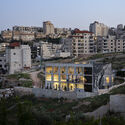

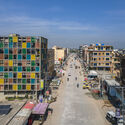
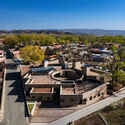
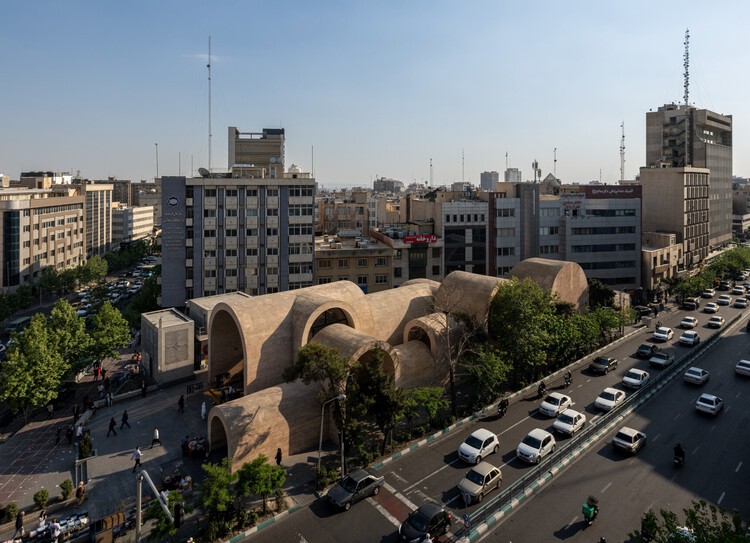
https://www.archdaily.com/1033690/aga-khan-award-for-architecture-announces-2025-winnersReyyan Dogan
Unconventional Playgrounds: Built from Junk, Shaped by Concrete, Freed by Play
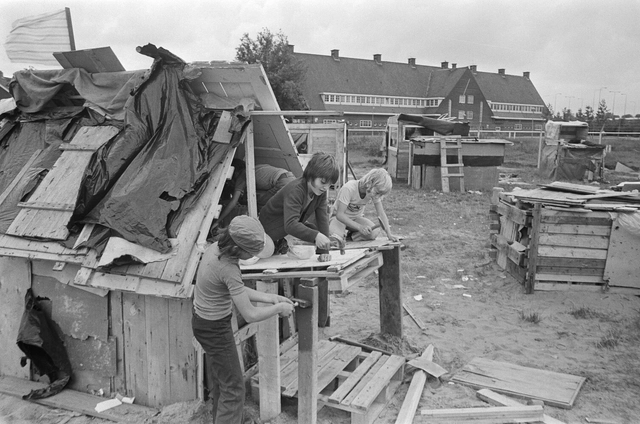
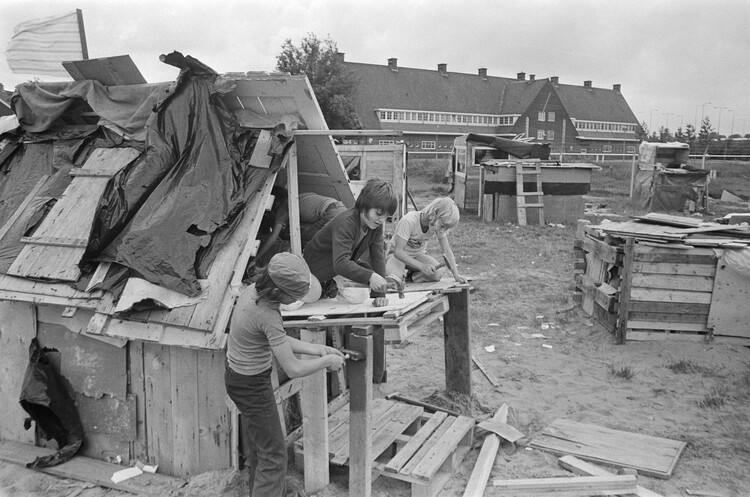
What if the best kind of play isn't the safest? For decades, cities have built playgrounds to be clean, colorful, and easy to supervise. Yet these spaces—designed more for adult peace of mind than for children's curiosity—often strip away what makes play truly transformative: risk, unpredictability, and self-direction. Rising safety standards, shrinking public space, and the commercialization of play equipment have only further narrowed the possibilities for children's independent exploration. From a junkyard in 1940s Copenhagen to the concrete landscapes of postwar Amsterdam, a handful of architects, planners, and activists have challenged the idea that play must be neat and controlled. Their unconventional playgrounds—made of loose parts, raw materials, and abstract forms—gave children the freedom to build, demolish, explore, and get dirty.



https://www.archdaily.com/1033445/unconventional-playgrounds-built-from-junk-shaped-by-concrete-freed-by-playValentina Díaz
Environments of Curiosity: Translating Pedagogy into Architectural Form in Montessori, Waldorf, and Beyond
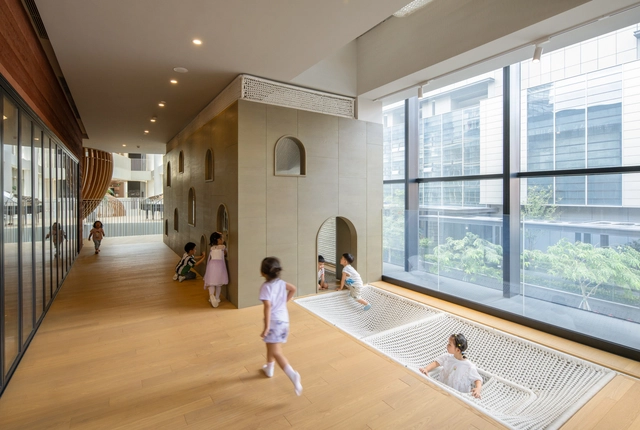
Children encounter space differently from adults. For them, the world is not yet rationalized into function and circulation but is experienced through emotion and curiosity. Where adults may navigate rooms through habit, children inhabit them through immediacy. A patch of sunlight becomes an event. The curve of a hallway invites wandering. The sound of footsteps on wood or the softness of fabric beneath fingertips is not background but information. What adults may dismiss as peripheral moments quietly mediates their sense of safety, autonomy, belonging, and possibility. Architecture is an opportunity for pedagogy to become physical.

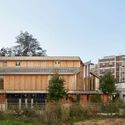
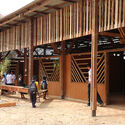

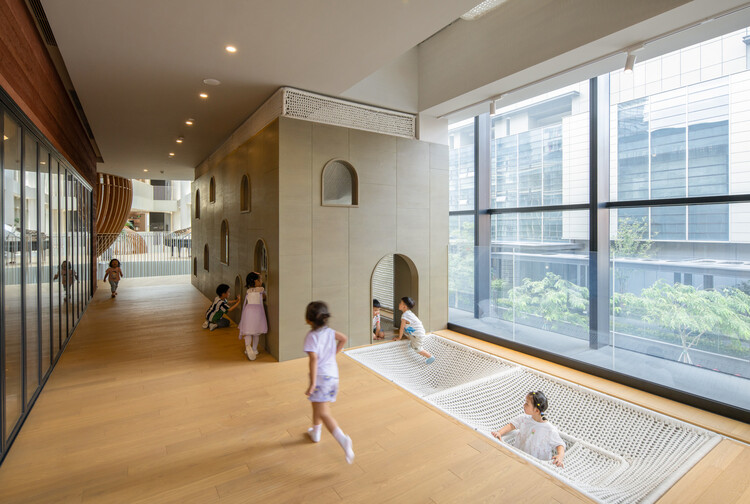
https://www.archdaily.com/1033238/environments-of-curiosity-designing-for-children-teaching-and-imaginationOlivia Poston
How Not to Build: Architecture by the Absence of Intervention
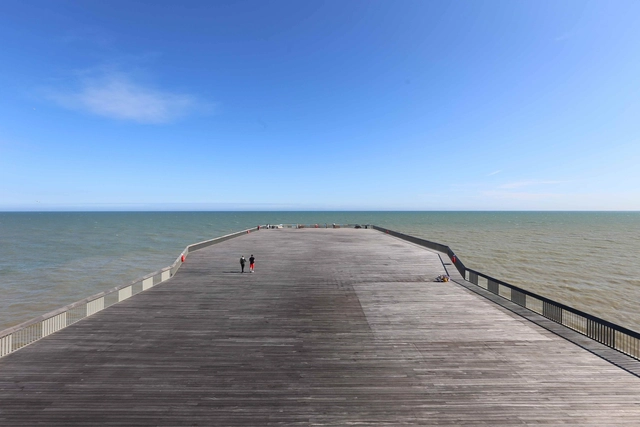
Whether for design competitions or architectural awards, buildings are often judged for what they offer–the programmed functions, the form, or the visual delight. In a minority of cases, it is the absence or the reduction of intervention that made a project successful. In 1971, a high-profile architectural competition in Paris was won by a proposal that only utilized half the available site, giving the rest as an urban space to the city. In London, a proposal to convert a disused power station with minimal additions, leaving large spaces untouched, won a design competition in 1994. The Stirling Prize, the UK's most prestigious architectural award, in 2017 was won by a proposal that was little more than an empty platform. These examples of cultural buildings from Northwestern Europe illustrate how the absence of intervention can provide more.
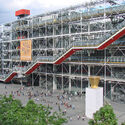
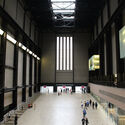


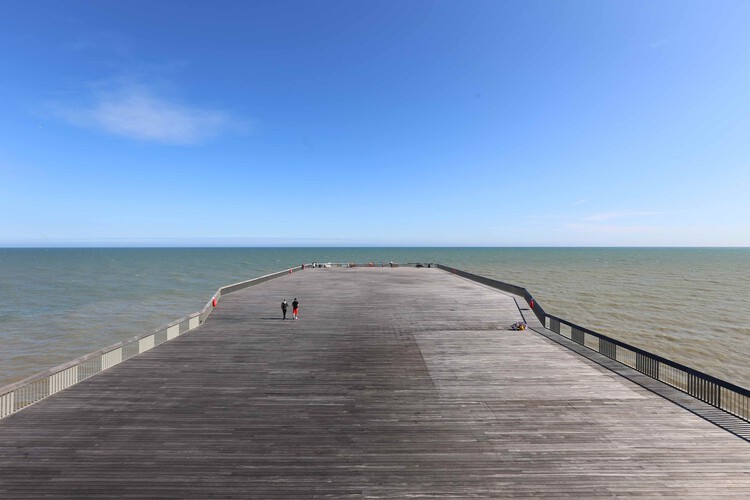
https://www.archdaily.com/1033320/how-not-to-build-architecture-by-the-absence-of-interventionMohieldin Gamal
From Scaffolds to Structures: India’s Unfinished Journey with Bamboo
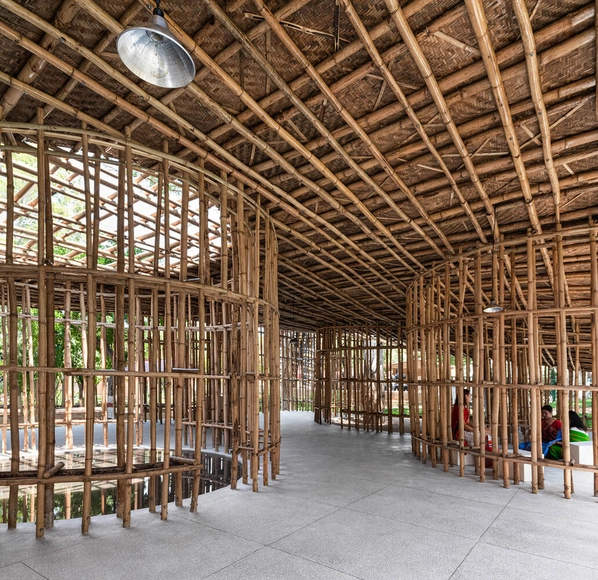
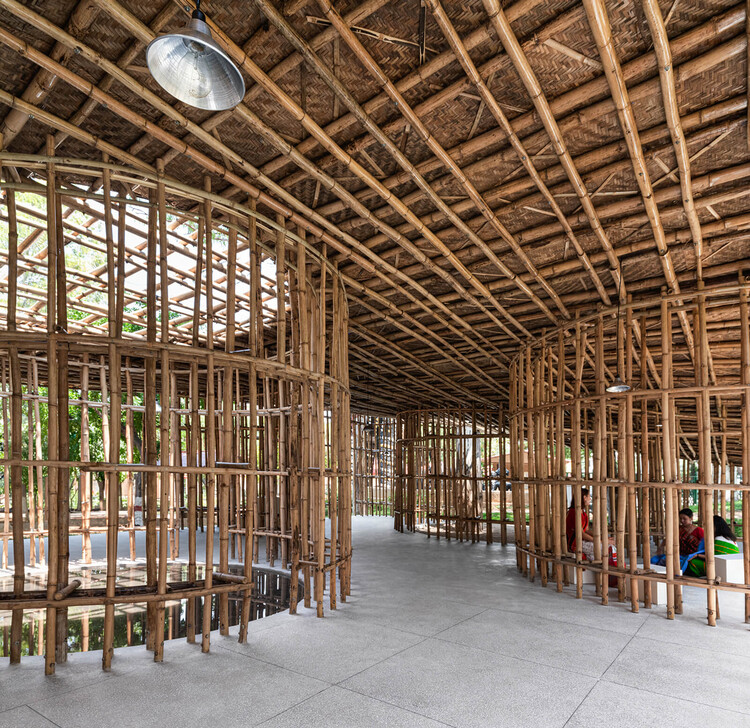
Across Asia, bamboo scaffolding has symbolized an intersection of traditional knowledge and modern construction. Hong Kong's skyline is shaped by intricate bamboo scaffolding, yet this time-honored craft is steadily vanishing from the region. Moving east, Indian cities still utilize bamboo scaffolding on building sites throughout the subcontinent, revealing a different kind of paradox.
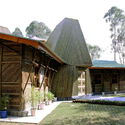
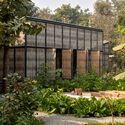
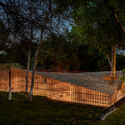
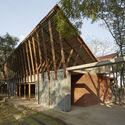
https://www.archdaily.com/1033194/from-scaffolds-to-structures-indias-unfinished-journey-with-bambooAnkitha Gattupalli
Evolving Urban Playgrounds: 5 Design Strategies and 31 Projects Around the Globe
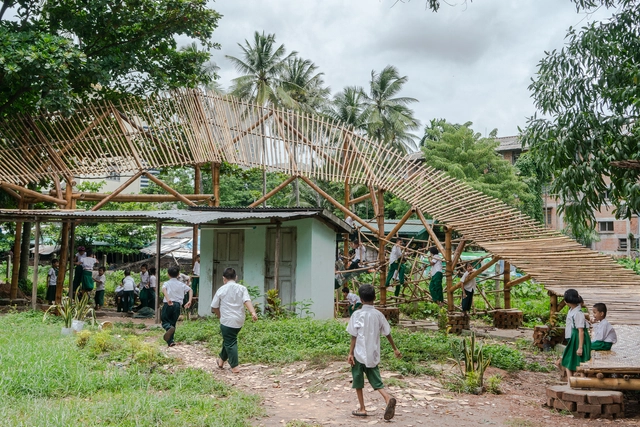
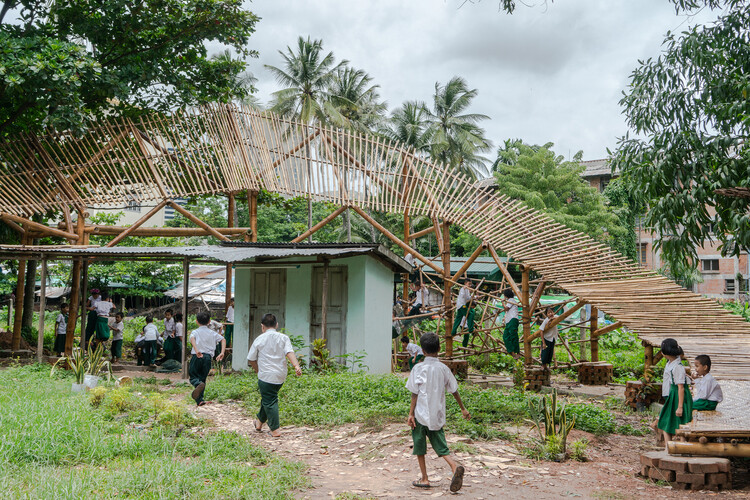
Urban playgrounds are evolving from simple swing sets and slides into dynamic, multi-faceted urban landscapes. These new designs are more than just places to play; they are thoughtfully integrated spaces that address urban challenges, promote community, and inspire creativity. A key trend is the intentional use of color and pattern. Designers are utilizing vibrant color zones to segment different functional areas, creating a visually dynamic experience that contrasts with natural surroundings. This approach can also be used to establish a cohesive urban identity, with thoughtful color palettes that complement the existing cityscape.


https://www.archdaily.com/1033124/evolving-urban-playgrounds-5-design-strategies-and-31-projects-around-the-globeHadir Al Koshta
The Barcelona Method: How Climate Data is Saving Historic Architecture from Carbon Stranding
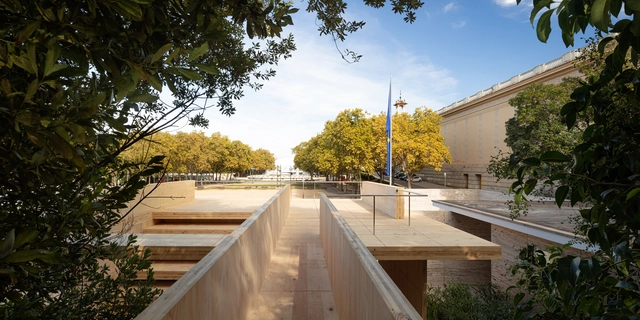
In heritage districts from Prague to Paris, a countdown has begun. Years until countless architectural treasures become, quite literally, worthless. Not through the slow erosion of time or the erratic shifts of cultural taste, but through the inevitable mathematics of atmospheric chemistry. In UrbanDecarbonisation: Destranding Cities for a Post-fossil Future, Paolo Cresci, Francesca Galeazzi, and Aurel von Richthofen introduce the concept of "carbon stranding", a scenario in which buildings become financially non-viable due to tightening carbon regulations. This threatens to render entire heritage districts financially extinct before they reach their centennials.


https://www.archdaily.com/1032952/the-barcelona-method-how-climate-data-is-saving-historic-architecture-from-carbon-strandingAnkitha Gattupalli
Playscapes and Public Imagination: The Ambiguous Play in Urban Life of Hong Kong
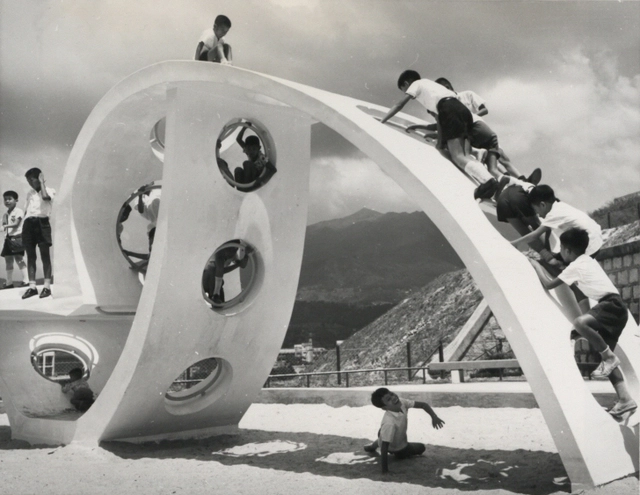
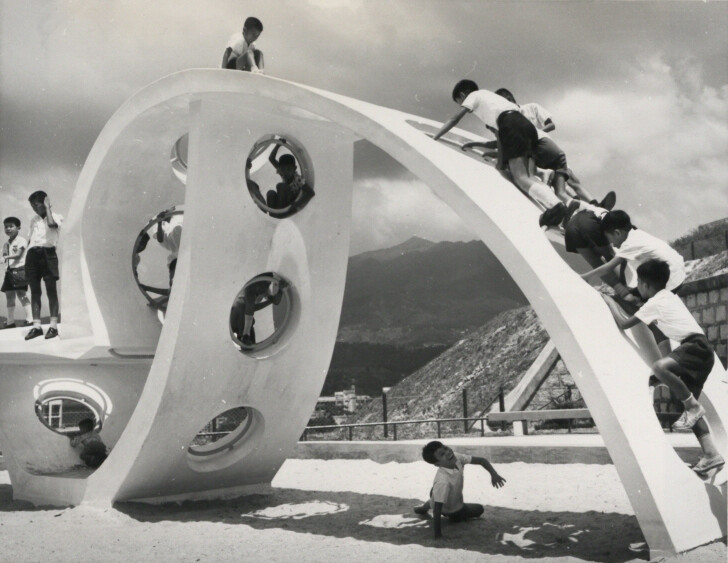
When we think about cities and urban life, we often focus on infrastructure, culture, commerce, nightlife, and density. In metropolises where there seems to be an endless array of activities—especially for adults—play rarely enters the conversation. Yet, the act of playing should be considered a vital part of urban life. Play directly influences how we shape our future cities—starting with how children engage with their environments. The experience of play, and more specifically, the design and presence of playgrounds, leaves lasting impressions on how young people grow up in cities. These spaces form a child's first, physical connection to the urban landscape. In this way, play deserves far more attention in conversations around urban wellness, livability, and the design of public space.


https://www.archdaily.com/1032761/playscapes-and-public-imagination-the-ambiguous-play-in-urban-life-of-hong-kongJonathan Yeung
A Different Type of Rurality: Designs for Post-Industrial Heritage Transformation
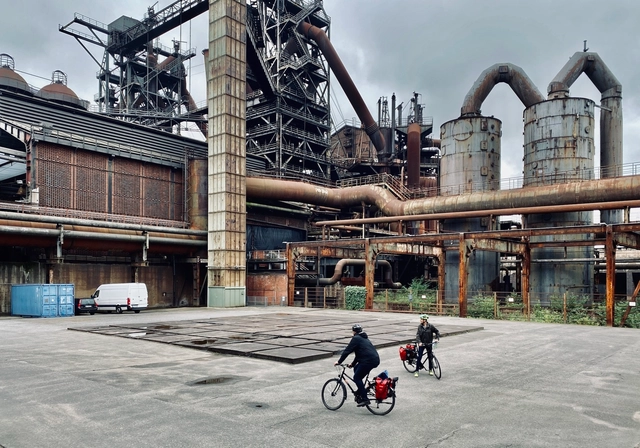
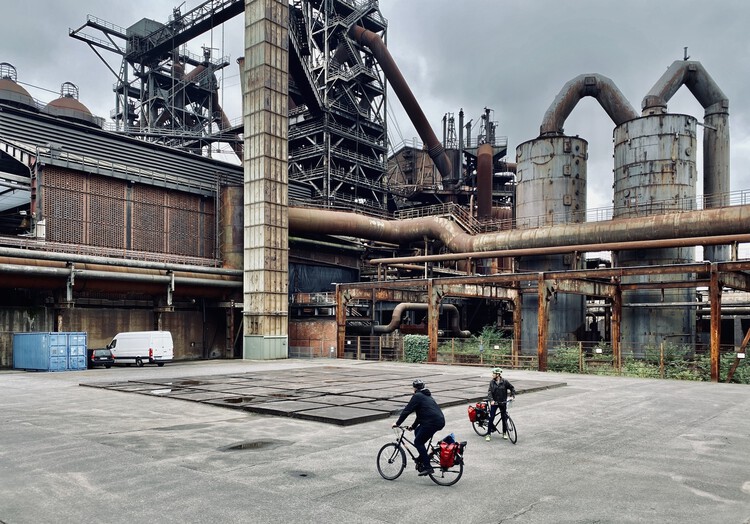
Across the rural terrains of North America and Western Europe, traces of past industry remain embedded in the land: mills rusting in meadows, smokestacks punctuating quiet townscapes, the skeletons of once-thriving economies. For decades, these sites have signified decline through the remnants of an extractive era that has shaped the environment and local identity. The challenges of remediation often encompass technical, environmental, and cultural aspects that require creativity, precision, and sensitivity.



https://www.archdaily.com/1032522/a-different-type-of-rurality-designs-for-post-industrial-heritage-transformationOlivia Poston
Rhythms of the Soil: Architecture as Agroecology
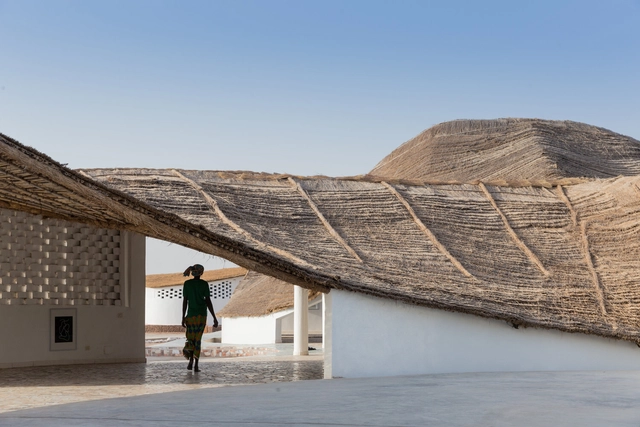
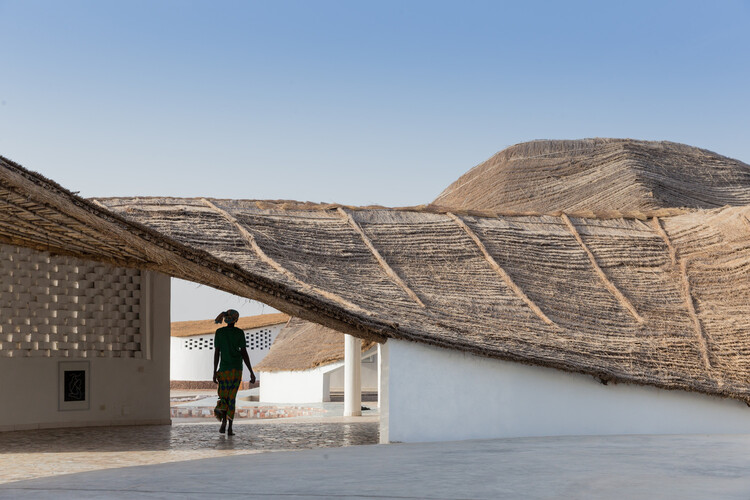
At a time of ecological collapse and rising food insecurity, architecture is increasingly called upon to engage not only with landscapes but with the systems that sustain and regenerate them. Among these systems, agriculture occupies a paradoxical role, as both a leading contributor to environmental degradation and a potential agent of ecological recovery. Industrial farming has depleted soils, fragmented habitats, and driven climate change through monocultures, fossil-fuel dependency, and territorial standardization. In response, agroecology has emerged as a counter-practice rooted in biodiversity, local knowledge, and the cyclical rhythms of nature. It reframes farming not as extraction, but as regeneration of ecosystems, communities, and the soil itself.
This reframing opens space for architecture to contribute meaningfully. To align with agroecology is not only to support food production, but to engage with the broader cultural, spatial, and ecological conditions that sustain it. It implies designing with seasonal variation, supporting shared use, and building in ways that respect both the land and those who work it. Architecture becomes more than enclosure — it becomes a mediator of cultivation, reciprocity, and coexistence.

https://www.archdaily.com/1031867/rhythms-of-the-soil-architecture-as-agroecologyDiogo Borges Ferreira
Modern Spolia: Harvesting Building Materials from Demolition Sites
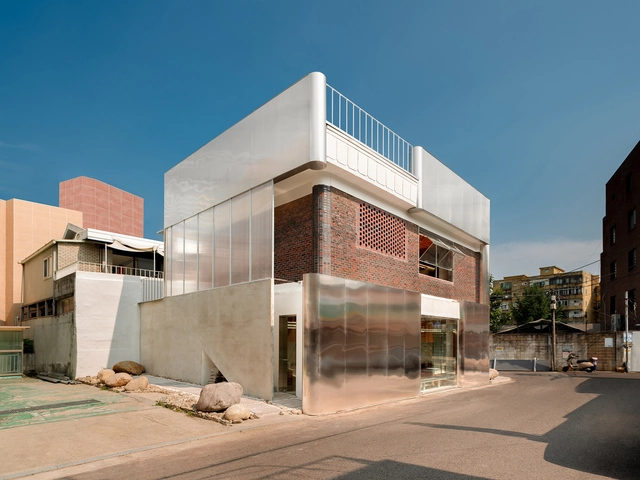
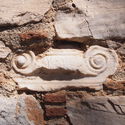
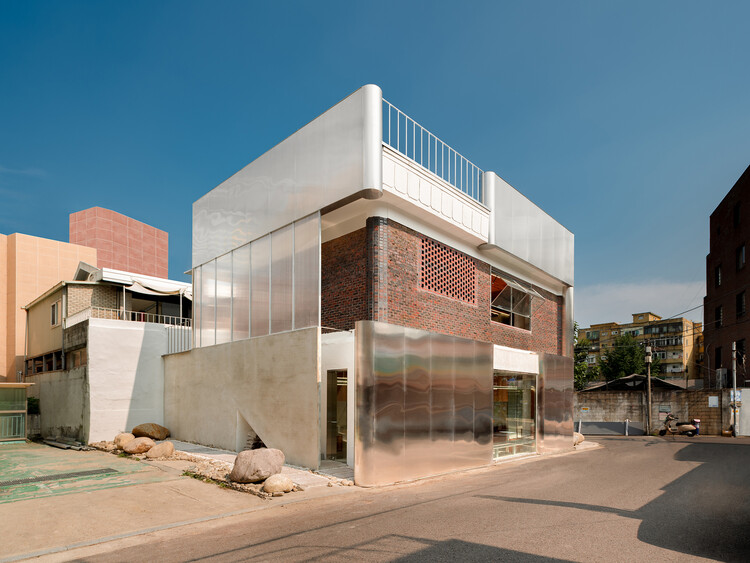
The circular economy, including the reuse of building materials, is fast becoming a key component in the fight against carbon emissions. This involves designing to minimize waste and utilize materials that can be reused at the end of the building's life. On the opposing side, the reuse of materials from partially or wholly demolished buildings can also reduce waste and carbon emissions that would have resulted from using virgin materials. Sustainability purposes aside, the reuse of building materials has a centuries-old history, both for symbolic reasons and simply out of necessity.

https://www.archdaily.com/1032354/modern-spolia-harvesting-building-materials-from-demolition-sitesMohieldin Gamal
"Luxury Without Context Is Just Excess": Elisa Orlanski Ours on Bridging Design Vision with Market Realities
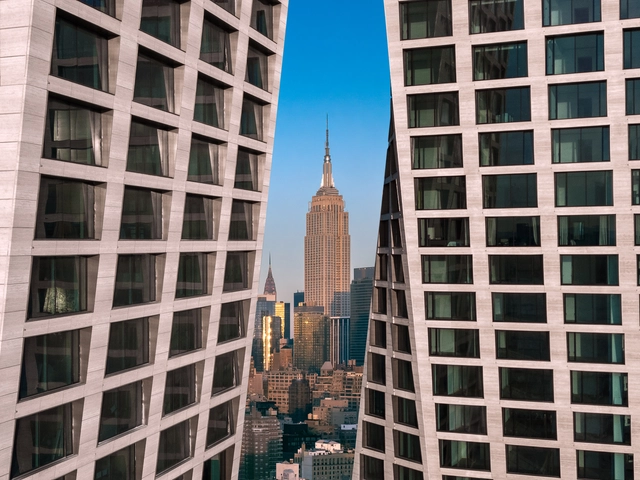
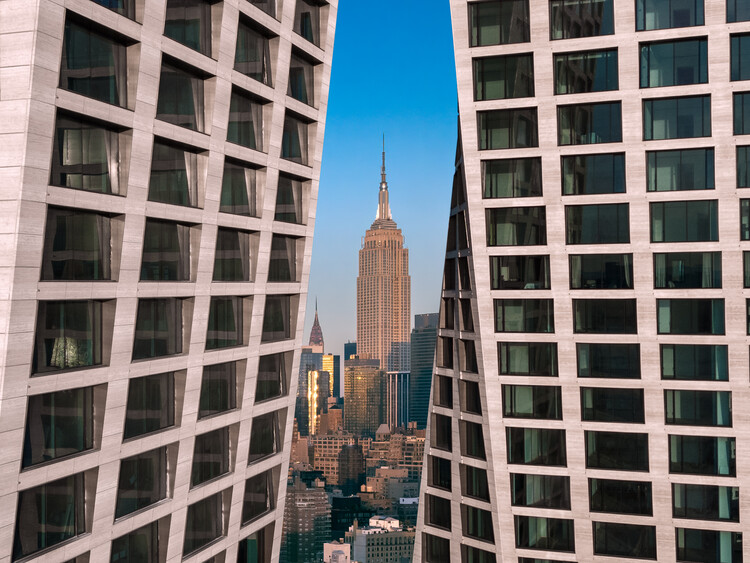
In the complex ecosystem of architectural development, where innovative concepts meet market realities, a distinct role exists to bridge diverse professional interests and realize impactful spaces. Elisa Orlanski Ours exemplifies this function. This is the domain of Elisa Orlanski Ours, a designer, educator, and industry leader. As Chief Planning & Design Officer at Corcoran Sunshine Marketing Group, Elisa founded her department two decades ago. Now, her extensive portfolio spans condominium skyscraper master plans and individual branded villas across continents, including significant New York City developments like Hudson Yards and 220 Central Park South, as well as international developments in collaboration with prominent architectural firms like SHoP Architects, BIG, Herzog & de Meuron, Adjaye Associates, and SO-IL. Her strategic perspective on bringing projects from schematic phase to final sale provides valuable insights into the industry's intricate workings. ArchDaily's Managing Editor, Maria-Cristina Florian, had the opportunity to discuss these critical topics with Elisa in the following interview.




https://www.archdaily.com/1032238/luxury-without-context-is-just-excess-elisa-orlanski-ours-on-bridging-design-vision-with-market-realitiesMaria-Cristina Florian
Village in the Vertical City: Tai Hang and the Afterlife of Vernacular Hong Kong
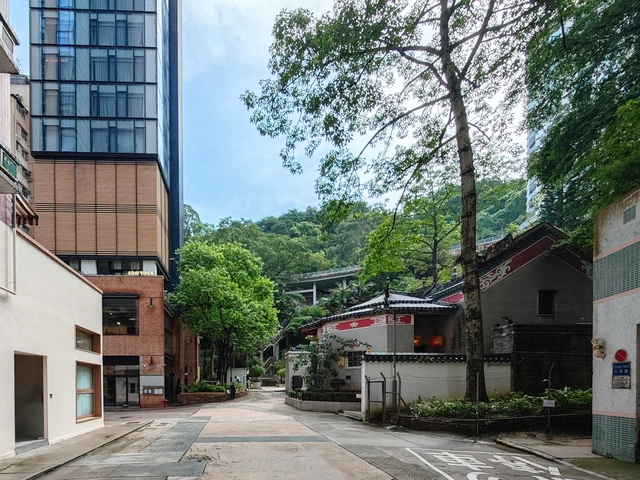
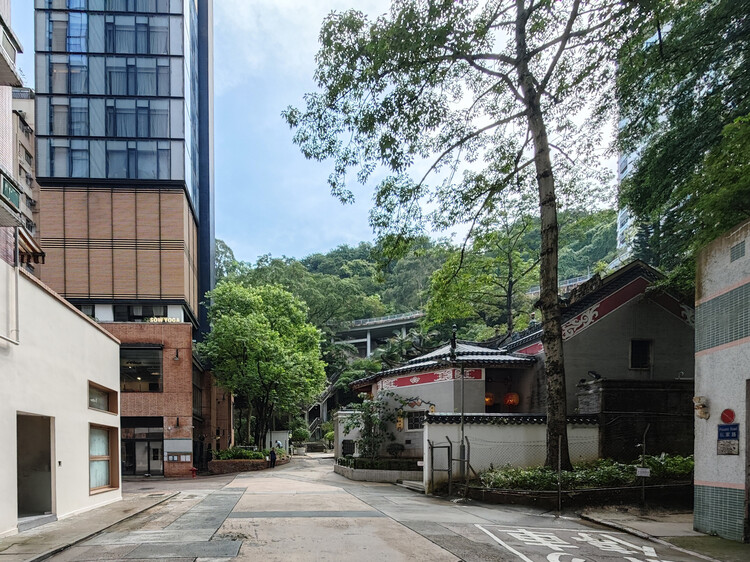
Vernacular architecture in Hong Kong originated as a series of small, coastal settlements—simple, village-like communities that reflected the city's early identity as a fishing hub. These seaside villages were typically composed of low-rise, timber-framed houses clustered around temples, forming tight-knit communities closely tied to the rhythms of the water.
One notable example is Tai Hang, among the earlier settlements established by the Hakka people in Hong Kong. Originally located along a water channel that flowed from the nearby mountains to the sea, the area was once a vital washing site for villagers—hence its name, which literally means "Big Drainage." Before extensive land reclamation, Tai Hang sat quite close to the shoreline. Today, it lies nearly 700 meters inland.


https://www.archdaily.com/1032077/village-in-the-vertical-city-tai-hang-and-the-afterlife-of-vernacular-hong-kongJonathan Yeung