Architect based in Buenos Aires. Since 2019, she has been part of the content team at ArchDaily. As an editor, she has been involved in developing architectural narratives and criticism, as well as in architectural curation, communications, and interviews, while collaborating with architects worldwide to showcase their work online.
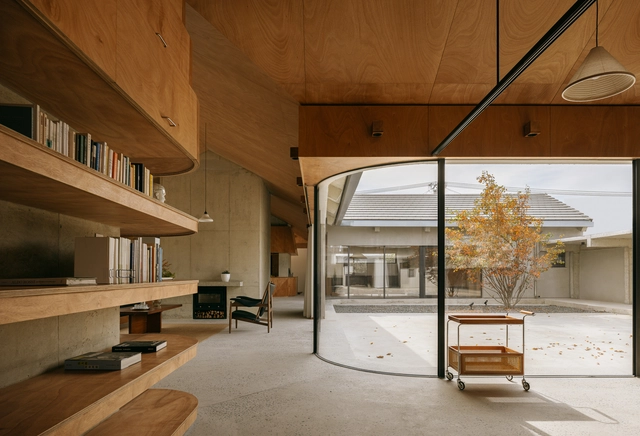
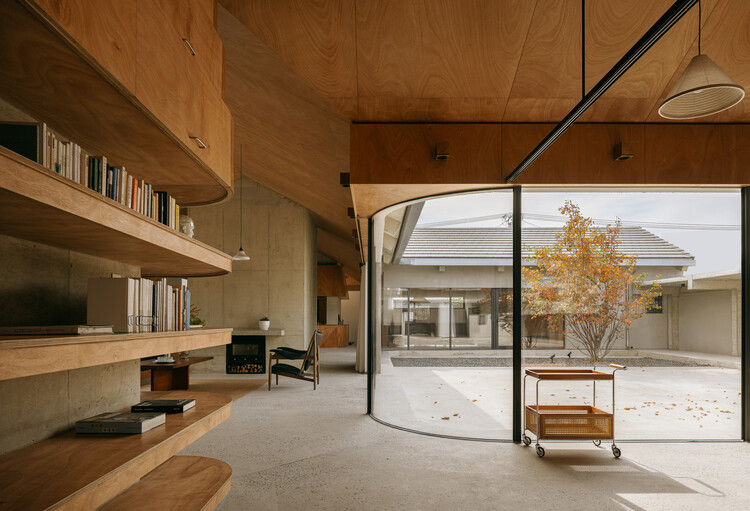
Interior design has been characterized by infinite alternatives in coatings, finishes, and furniture to achieve unique and unrepeatable spaces. Designers are constantly coming up with innovative solutions and materials specifically created for a distinctive spatial perception. However, there is also a trend that seeks the warmth of the interior spaces by exposing the raw building materials as they are. The richness of materials such as wood and concrete gives that feeling of durability and low maintenance that, combined with an attention-to-detail design, makes spaces look warm yet stay true in essence. See below for 35 examples of interior spaces where concrete and wood appear in their almost purest state.
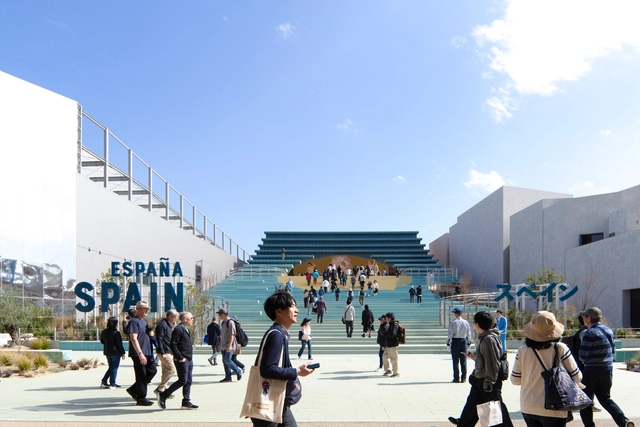
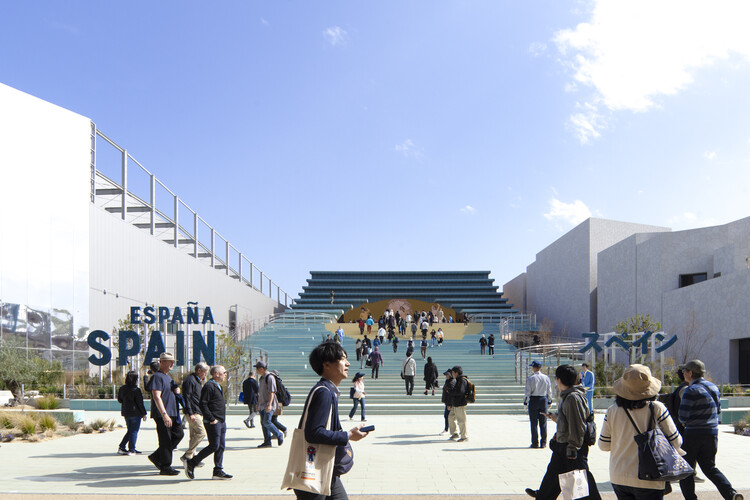
Since its opening in April, Expo Osaka has welcomed millions of visitors from around the world, standing as a true showcase of innovation, architecture, and design. Among its highlights is the Grand Ring, designed by Japanese architect Sou Fujimoto, considered the largest timber architectural structure in the world. Under the theme of Expo 2025 — “Designing Future Society for Our Lives”, along with Saving Lives, Empowering Lives, and Connecting Lives — more than 150 countries have used their pavilions to address key topics in contemporary architecture, such as circular construction, cultural memory, and innovation and technology aimed at shaping a sustainable built environment for the future.
Narrating a work of architecture is always a challenge. Images of a project, no matter how accurate or spectacular, often obscure the entire process that made them possible. Documenting these processes—the architectural "kitchen"—is undoubtedly a fundamental part of any work. This is even more true when both the project and its execution methodology deviate from conventional practices. Such is the case with the work built by Susana, an estate manager with no prior construction experience, who took on the commission and carried it out on her own, guided solely by instructions sent via WhatsApp by the project's architect, Manuel Ocaña.
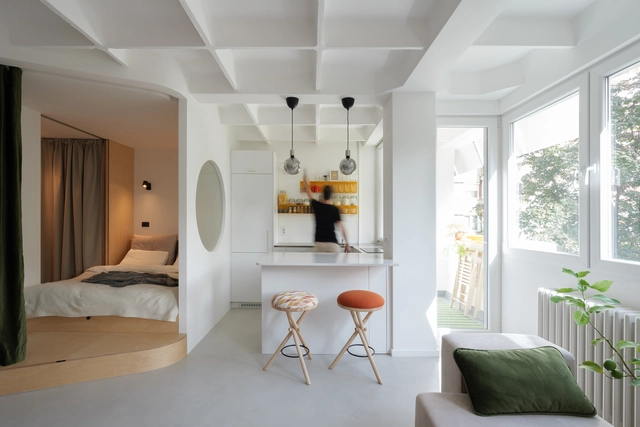
Living in densely populated cities is a reality for many. While the benefits of urban living—such as proximity to amenities, infrastructure, job opportunities, and lifestyle—remain highly valued, homes have seen a significant reduction in square footage. The trend toward smaller apartments has become increasingly common, with interior design playing a fundamental role. Reducing square meters demands efficient use of space and smart floor plan layouts. However, far from generating dull spaces, creativity in design has led to interesting architectural solutions that condense high-quality living into what is often called a micro apartment or studio, studios of 40m2 or under.
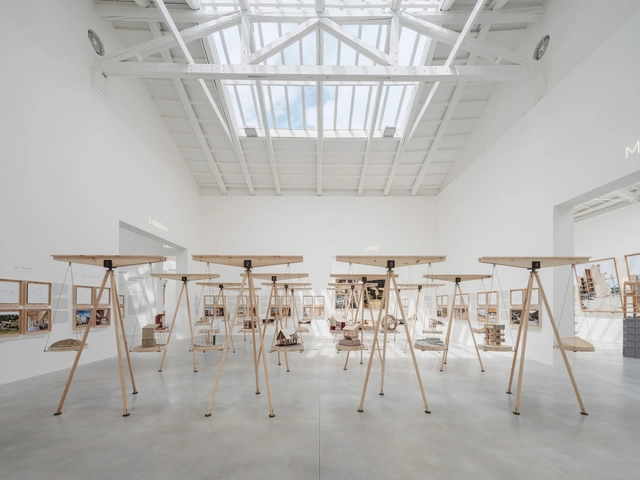
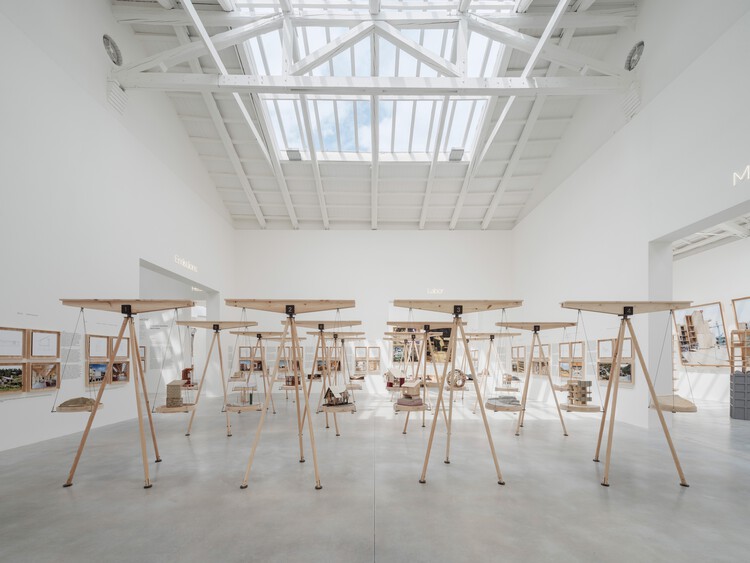
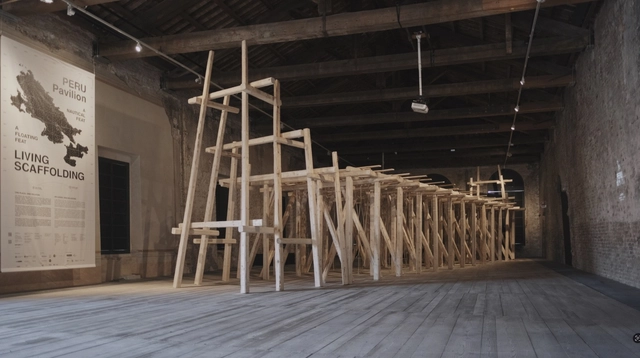
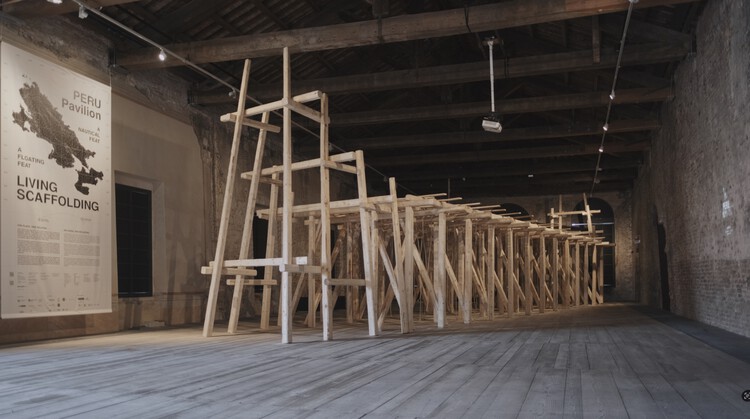
The 19th edition of the Venice Architecture Biennale officially opened to the public on May 10, becoming a significant international platform for exploring the current state of global architecture and sparking conversations about the challenges the discipline faces today—both shared and specific to each territory. This year’s theme, "Intelligens. Natural. Artificial. Collective," proposed by general curator and Italian architect Carlo Ratti, invites reflection on architecture’s interconnection with other fields—such as art, artificial intelligence, and technology—while also emphasizing the importance of territories, landscapes, and, above all, the people who collectively shape our built environment.
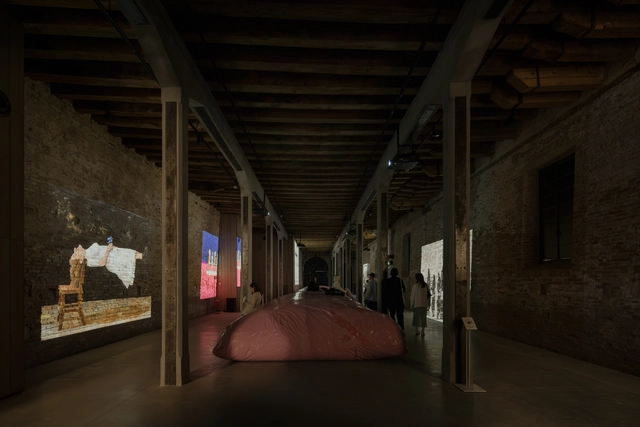
The proposal by Argentinian architects Marco Zampieron and Juan Manuel Pachué for the Argentinian Pavilion at the 19th Venice Architecture Biennale 2025 is clear from the outset: upon entering Siestario, visitors are immersed in a space of dim lighting and evocative sound, and immediately encounter—at the center of the room, stretched across its width, and acting as the undeniable protagonist—a large, inflated pink bag that instinctively invites repose. This is a silobag, an object commonly used in the Argentinian countryside to store grain and a potent symbol of the country’s export-driven economy. In this setting, the silobag becomes more than a spatial intervention; it also introduces a temporal dimension: an invitation to pause and reflect amid the relentless rhythm of the Biennale.
The Global Award for Sustainable Architecture, created in 2006 by architect and scholar Jana Revedin, annually recognizes five architects—or offices—from around the world whose practices are grounded in the principles of sustainable development, participatory design, and a community-oriented approach. This recognition aligns with the global urgency surrounding today's pressing issues—the ecological and climate crises, as well as social, cultural, and economic challenges. Acknowledging architecture's critical role in shaping the built environment, the award seeks to highlight the work of creators who address these challenges with innovative and creative solutions.
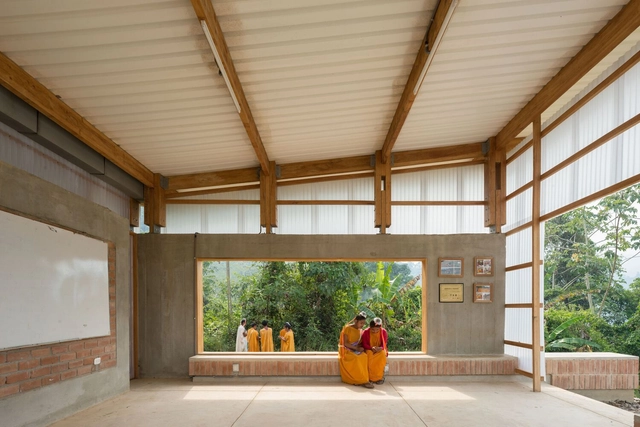
Educational infrastructure is key to any community. The better the quality of these spaces, the better the learning experience for those who use them. However, these facilities often serve a much broader purpose than just education. In Global South communities, in countries like Peru or Vietnam, where a significant portion of the population lives in rural areas far from urban centers, there are few educational spaces and a lack of places where the entire community—not just the students—can come together.
As cities continue to grow and daily realities shift rapidly, people are turning to new and evolving ways to maintain their well-being. While promoting active lifestyles has long been a focus for many planners and architects, through pedestrian- and bike-friendly cities, parks, and fitness or sports centers, recent times have shown that these publicly valued facilities are not always accessible. A clear solution has emerged in recent years, accelerated by the global pandemic in 2020. Both homes and workplaces have begun to adapt their interior spaces, incorporating designated areas and equipment to support physical activity and provide opportunities for movement during the day.
Public spaces are more than just physical voids in the urban fabric—they are stages for social interaction, cultural expression, and collective memory. In times of social fragmentation and environmental stress, these spaces can serve as catalysts for healing, offering safe environments where communities can reconnect. Through thoughtful design and participatory processes, public space interventions can rebuild trust, promote mental well-being, and foster a renewed sense of belonging among community members.
The city of Buenos Aires is vast in its area and has a heterogeneous and variable urban fabric in terms of scale. Much of the residential neighborhoods are made up of a mixed-use fabric, where the predominant constructions from several decades ago are the so-called "casa chorizo" and horizontally owned houses, commonly known as PH (Propiedad Horizontal). It is interesting to review how, over the years, these constructions have been modified due to changes in building regulations, which allowed the creation of new typologies, mainly responding to new ways of living within the city. The renovation of these constructions, many of which are used for residential purposes, has also been a conscious response to avoid overbuilding in an already densely populated city. While these projects have been a recurring practice in Buenos Aires for several years now, many young architects of new generations are taking on these challenges, thus generating a trend that seems to have no end and where we find new solutions in each renovation.
A change in the way architecture was practiced in Colombia was necessary, and Taller Síntesis emerged to materialize this transformation. The studio combines a deep understanding of the territory and its context with architectural solutions that translate into materiality and built spaces. Their works stand out for their strong local cultural identity, achieving a precise balance between the preexisting, the new, and harmony with the landscape.
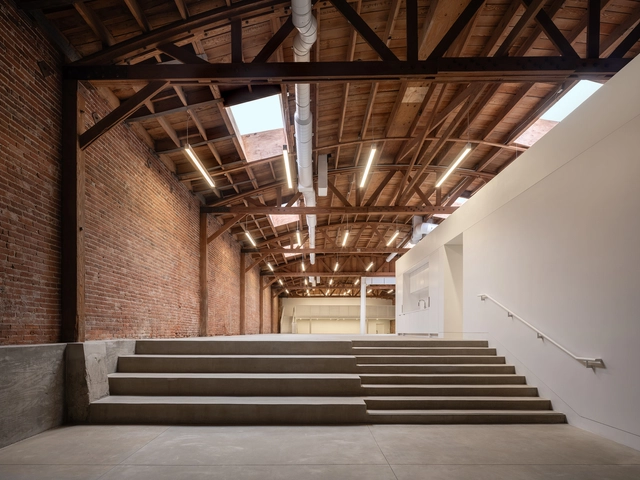
Creating an atmosphere that enhances exhibitions and enriches the visitor and user experience requires a thoughtful balance between preserving a space's unique character and adapting it to meet the needs of artistic and cultural production. The challenge lies in maintaining a building's industrial atmosphere while accommodating the specific requirements of exhibition design or the various uses the new building will require. This delicate task involves careful consideration of spatial layout, material choices, and lighting solutions, all of which play a significant role in shaping the new environment.
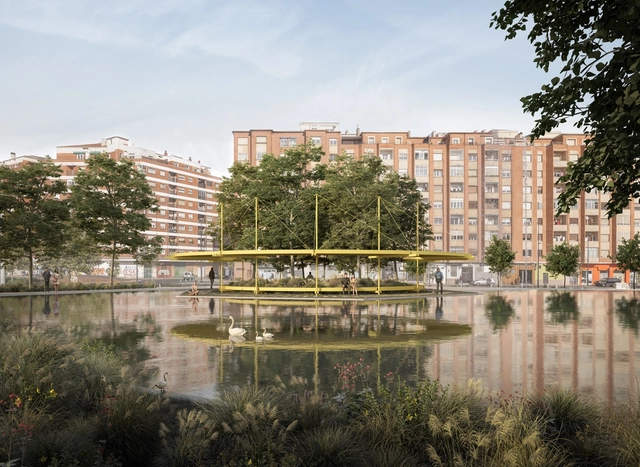
Al agua patos de K37.lab (Carlos Iraburu Elizalde, Álvaro Oriol, José Rodríguez-Losada, Carlos Iraburu Bonafé), España.. Image Cortesía de k37.lab
The renowned festival of ephemeral architecture and the city, Concéntrico, is gearing up for its eleventh edition, which, as every year, will take place in the city of Logroño. In 2025, the event will be held from June 19 to 24, featuring a program that includes various activities, conferences, and tours aimed at reflecting on public space, cities, and the ways we intervene in and interact with them.
Many major cities in the United States are grappling with large industrial buildings that have fallen into disuse. These buildings hold historical and architectural significance and are often protected from demolition. Consequently, architects face the challenge and responsibility of adapting these buildings to contemporary functionalities. Opting against demolition reflects a sustainable construction approach and highlights the importance of honoring the built heritage.
In recent years, the Argentine architectural field has been shaped by a group of young architects striving to create architecture that responds innovatively to contemporary needs and, above all, to local contexts. Adding their individual perspectives and interests, among them, we can highlight the work of architects Tomás Balparda and Fernando Brunel.
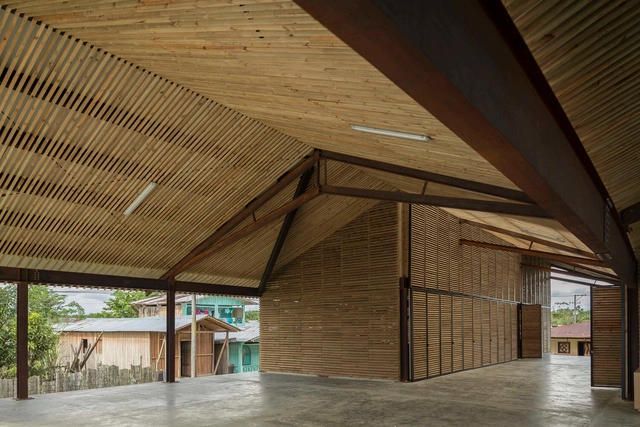
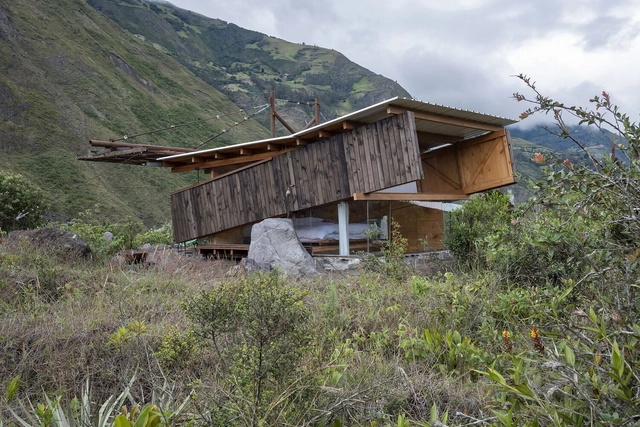
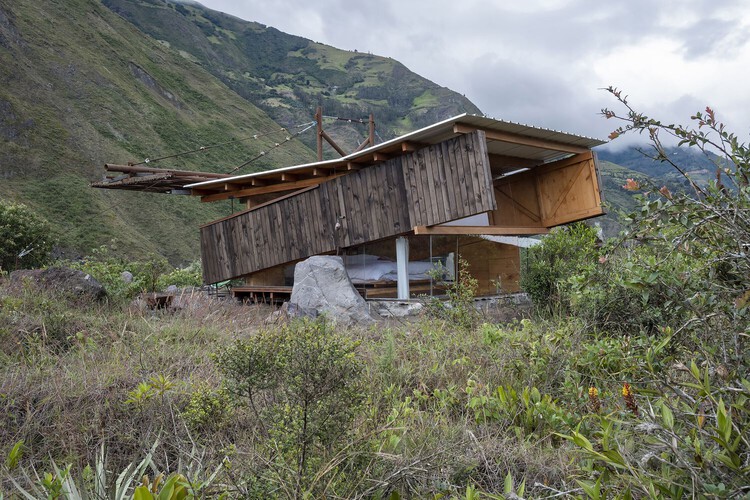
Ecuador, though a relatively small country in terms of land area, boasts a vast and diverse range of ecosystems and natural landscapes, including the Andes mountains, the Pacific coastline, and the Amazon rainforest. This makes the natural environment a key player, shaping its relationship with the built environment and demanding that architecture seamlessly integrate with and respect its context.
Over the years, Ecuadorian architecture has developed its own identity, successfully adapting to these diverse settings. Various construction techniques have been implemented, relying on locally sourced materials to create spaces and shelters in complete harmony with the landscape. Amid the growing trend of seeking a closer connection with nature, architecture in different regions of Ecuador has had to adjust to these conditions.





















_Yohei_Sasakura.jpg?1584733407&format=webp&width=640&height=580)
_Toshiyuki_Yano.jpg?1584733248&format=webp&width=230&height=230&crop=true)
_Fernando_Guerra___FG_SG.jpg?1584733499&format=webp&width=230&height=230&crop=true)
_Toshiyuki_Yano.jpg?1584733288&format=webp&width=230&height=230&crop=true)
_Adrien_Williams.jpg?1584733422&format=webp&width=230&height=230&crop=true)
_Yohei_Sasakura.jpg?1584733407)