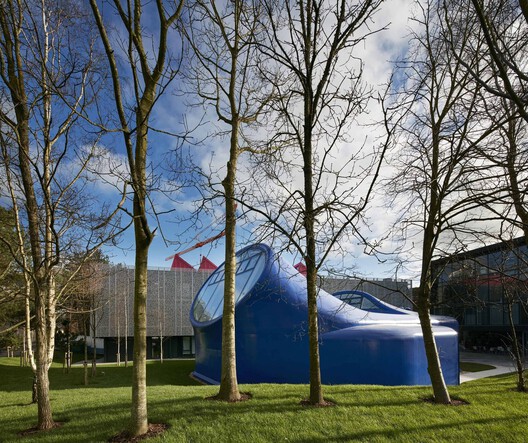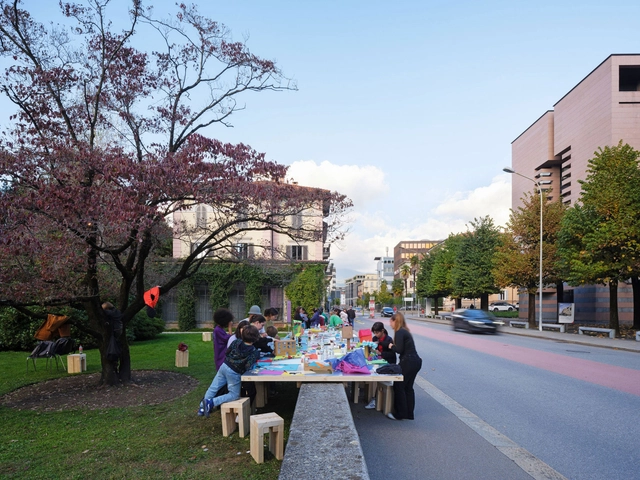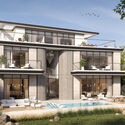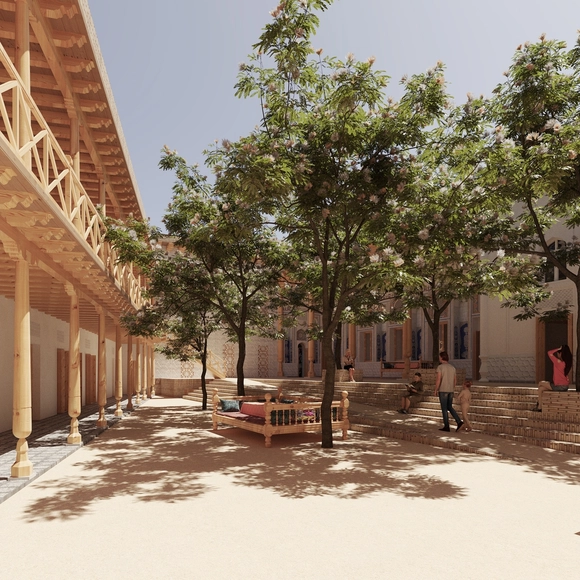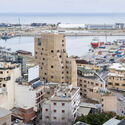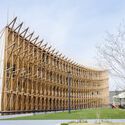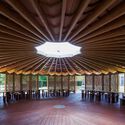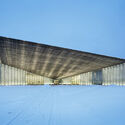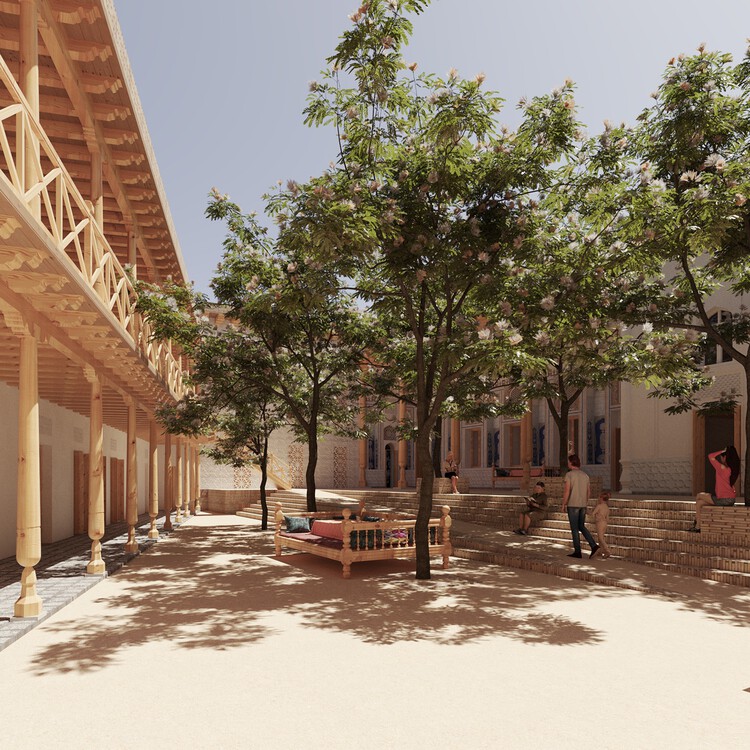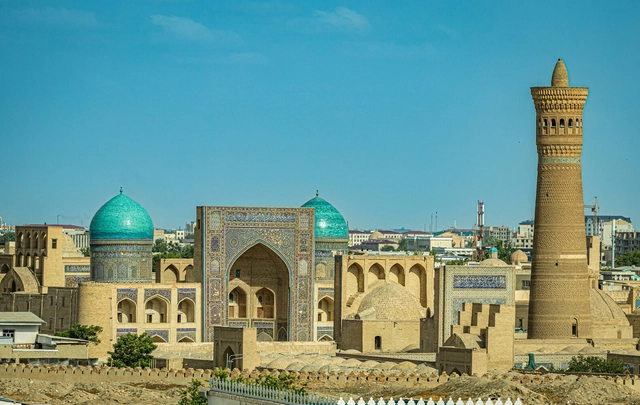
Buildner, in collaboration with building materials manufacturer Kingspan, has announced the winners of the MICROHOME Kingspan Edition, awarding a total prize fund of 150,000 EUR. This year's competition, now in its seventh edition, attracted professional and student architects and designers from 115 countries.
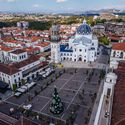
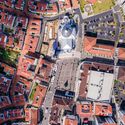
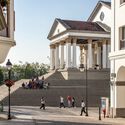
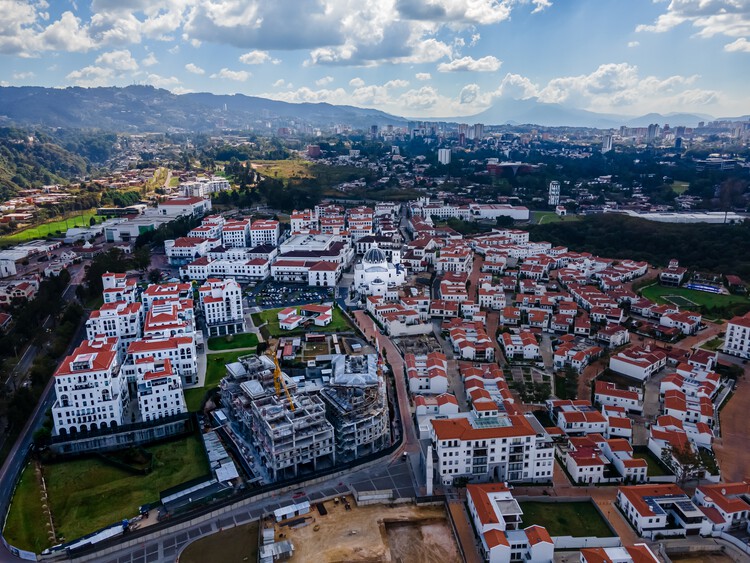
When we think of spaces that foster meditation, our minds often travel either to Japan's Zen gardens, where clean lines and carefully arranged landscaping call for stillness, or to Scandinavia's designs with neutral tones and soft fabrics. These styles evoke a sense of calm through simplicity, often seen as a characteristic of Japanese and Northern European architectural styles. Yet, stillness and meditation are not restricted to these types of settings. Latin American architectural traditions also offer powerful, though often overlooked, approaches to meditative spaces. With earthy tones of terracotta, rough adobe textures, intimate courtyards, and a strong connection to nature, these environments call for reflection through warmth and material richness, creating spaces that are calming without being understated.
In his book "Curation: The Power of Selection in a World of Excess," Michael Bhaskar defines curation as "using acts of selection and arrangement (but also refining, reducing, displaying, simplifying, presenting, and explaining) to add value." Originating from the Latin word curare, meaning to take care of, the curator's role in dissecting our understanding of the world around us cannot be overlooked. Over time, as the definition morphs into different bodies, the practice of curation continues to evolve, filling the roles of caretakers of our built environment and thinkers of different forms for the overall bettering of society.
At ‘The Thai Silk Company’, Jim Thompson blends heritage with modernity in craftsmanship. Image Courtesy of Jim Thompson
Today, there are only a handful of names in the contemporary world of textiles that have a significant historical legacy and an incredible biography woven into their backstory. Jim Thompson is rich in romance. The Delaware native was a serviceman in South Asia and working for the Office of Strategic Services (OSS), the U.S. intelligence agency. When the conflict ended, he found himself in Thailand, building a new life rooted in his fascination with the beauty and craft inherent to the nation. It was a time when silk weaving was threatened by machine-made fabrics and he discovered a community of exceptionally skilled silk weavers in Bangkok. He worked closely with them to develop production and introduced them to other talented weaving communities, including one in Pak Thong Chai, Korat – a province in the North East of Thailand. His efforts were instrumental in reviving Thailand's silk industry, a legacy that endures today.
https://www.archdaily.com/1021734/elevating-interior-spaces-with-modern-textile-craftsmanshipMark C. O'Flaherty
Crisis, crisis, crisis... and guess what? More crises. Every time we hear that word, it all feels more daunting. But here's the thing: with every challenge comes an opportunity. From the affordable housing shortage to the economic downturn and the climate emergency, there's always a new challenge, opening the door to new possibilities. But the truth is, none of these are isolated events; they're all interconnected in some way, forming different facets of the same story. Perhaps one of the least mentioned, particularly when it comes to the built environment, is the global food crisis, which is growing (almost) silently, waiting to take center stage. It poses various challenges for future food production, especially in cities.
https://www.archdaily.com/1021721/future-focused-food-production-integrating-high-tech-agriculture-into-citiesEnrique Tovar
Faced with the aging of the global population, one of the most significant social transformations of the 21st century is anticipated. The design of patios, gardens, terraces, and other green areas in facilities for the elderly presents an opportunity to foster interaction, participation in various collective activities, and the establishment of gathering spaces aimed at reducing loneliness among older adults while enhancing well-being and social interaction in connection with nature. How can built environments be created to adapt to the needs of older adults?
Imagine stepping into an environment that fully understands you, knows your habits, and actively works to support your wellbeing as an occupant. Air quality might be monitored and managed, and occupant circadian rhythms might be tracked to suggest ideal states of productivity. Workplace designers have been considering occupant wellbeing and health in their designs for offices of the future. Hypothesizing what time ahead may contain, there is a strong case to be made for sentient architecture and interior design being disruptive forces in how we interact with our work environments.
The Tianjin Binhai Library is an iconic building designed by MVRDV, located in the Tianjin Binhai New Area. Its intricate geometry invites exploration through advanced visualization techniques, enriching the storytelling and unveiling the design's full potential. This piece delves into how D5 Render creatively illustrates the visual narrative of this architectural gem through its real-time rendering and animation capabilities.
Two primary building approaches are commonly identified in architecture and design: solid versus hollow construction. These methods vary significantly across different cultures and regions, specifically for interior partitioning systems, when they appear interchangeable. Each has its own established practices influenced by local materials, labor preferences, climatic conditions, and cultural traditions. When architects and designers focus on their local context, it is easy to overlook the broader construction assumptions, limiting design flexibility and methodology. This raises an important question: How do these two building approaches differ?
Focusing mainly on interior systems, the distinctions between solid and hollow construction largely stem from the availability of materials and workforce preferences. For example, in the United States and Japan, stud walls, both wood and metal, are frequently used for partitioning. Conversely, brick remains the predominant material for partition walls in regions such as Hong Kong and southern China. Why do we build differently, and what are the benefits and challenges of each building methodology?
The Second Studio (formerly The Midnight Charette) is an explicit podcast about design, architecture, and the everyday. Hosted by Architects David Lee and Marina Bourderonnet, it features different creative professionals in unscripted conversations that allow for thoughtful takes and personal discussions.
A variety of subjects are covered with honesty and humor: some episodes are interviews, while others are tips for fellow designers, reviews of buildings and other projects, or casual explorations of everyday life and design. The Second Studio is also available on iTunes, Spotify, and YouTube.
This week David and Marina of FAME Architecture & Design share their favorite aspects of being an architect. They discussed ongoing learning opportunities; building something from nothing; architecture comradery; construction; appreciation for man-made and natural objects; technical drawings; when architecture projects are finished; and more.
https://www.archdaily.com/1021748/the-second-studio-podcast-6-reasons-to-love-architectureThe Second Studio Podcast
In recent years, continuous material finishes enveloping interior spaces have become increasingly prominent, particularly in branding-focused retail environments. A continuous interior refers to using what are typically liquid-applied materials that are cured to create seamless, uninterrupted surfaces, eliminating the appearance of joints and seams—at least during the initial application. A growing range of products now offer various color options, textures, and practical properties, making these finishes more versatile. Interestingly, the aesthetic effect of such interiors is uncanny to the rise of 3D rendering software, where the seamless, fluid look mirrors the smooth, idealized spaces typical of digital renderings. This effect also contributes to a sense of scalelessness, as the absence of visible seams or joints makes it harder to discern the actual size of a space, often giving the illusion that the interior is larger than it is.
Spain, with its vast territory and notable diversity of landscapes, has been a reference point in the development of external infrastructures, both in urban and rural areas. Tourism has played a key role in this process, focusing on creating spaces that maximize the enjoyment of the natural environment and integrating local landscapes into urbanized areas. The construction of these infrastructures has had two main aspects: the adaptation of cities for both their residents and tourists and the development of rural or coastal areas, where nature is the main attraction. This has led to interventions ranging from creating waterfront promenades, viewpoints, and natural parks, to urbanization projects in previously untouched areas. Furthermore, urban growth has driven the creation of green infrastructures such as botanical gardens, ecological trails, and reserves that aim to protect the environment while being sustainably open to the public.
In celebration of World Tourism Day, it's important to highlight the crucial role that tourist information points (TICs) play across Europe. These centers provide essential services, from maps and local advice to promoting sustainable travel. Strategically located at major transit hubs and landmarks, TICs ensure that visitors receive personalized guidance to enhance their travel experience. According to the World Tourism Organization (UNWTO), Europe welcomed an estimated 585 million international tourists in 2023, underscoring the importance of efficient, localized visitor support. TICs have adapted to this surge by offering both in-person and digital services, helping tourists make informed decisions about their upcoming journeys.
About a decade ago, the term "resilience planning" became ubiquitous in climate circles. That shift, in the wake of increasingly unpredictable events, was shaped in part by the Rockefeller Foundation's 100 Resilient Cities program, a six-year, $160 million effort to establish chief resilience officers in cities all over the world. Out of that program, which ended in 2019, emerged its successor, Resilient Cities Catalyst (RCC), a New York–based nonprofit engaged in what it calls "capacity building" projects. For Climate Week, I talked to Sam Carter, one of RCC's founding principals, about his definition of resilience, the organization's planning and philanthropic method, and the challenge of scaling up climate efforts.
Sumayya Vally, architect, curator, and founder of Counterspace architecture office, joins the jury for the 2024 Obel Award. This international architectural prize, organized by the Henrik Frode Obel Foundation, honors projects that significantly impact people and the planet. The 2024 theme, "Architecture WITH," invites a re-examination of the architectural profession, emphasizing collaborative and co-creative processes that integrate diverse bodies of knowledge into the core of design. Vally's perspective on redefining architectural roles aligns with the theme's focus on non-hierarchical, co-creative approaches.
Italy's influence on contemporary design has been profound and captivating, with Italian architecture consistently bridging cultural heritage and innovation, from advancements in construction techniques to the evolution of the neoclassical style. A prime example of this integration is the Italian villa typology, which reached its zenith during the Renaissance with groundbreaking innovations. Villa Almerico —designed by Andrea Palladio and inspired by Alberti's treatise De re aedificatoria— exemplifies this evolution. Renowned for its centralized and symmetrical plan, its construction marked a turning point with classical proportions and the incorporation of courtyards and gardens as extensions of the living space, highlighting a remarkable contextual relationship.
Although Palladio's influence was so profound that his style defined much of European and American architecture in subsequent centuries, the concept of the Italian villa has endured and evolved. Its ability to combine functionality, aesthetics, and respect for the environment has allowed its fundamental principles to remain in force, now merging with new currents of contemporary design. A clear example is Villa Apua, a project by PAN Architetti inspired by the Versilian concept of buen ritiro. The house's meticulous design addresses the needs of its inhabitants while fostering an intimate, thoughtful connection with the landscape and the memory of Forte dei Marmi, a town nestled between the Mediterranean coast and the Apuan Alps. This harmony is further enhanced by the great flexibility of the antoniolupi collections, whose rich finishes and materials seamlessly integrate the living space with its furnishings and the surrounding environment.
https://www.archdaily.com/1021313/where-italian-style-meets-wellness-and-serenity-the-case-of-villa-apuaEnrique Tovar
Traveling on land through vast regional areas of African countries has been an inefficient ordeal, particularly in West Africa. Google Maps optimistically estimates it would take 53 hours to drive nonstop from Lagos, Nigeria's largest city, to Dakar, Senegal's capital. However, this estimate doesn't account for the poor road infrastructure, complex border crossings, and socio-economic challenges that realistically extend the journey to about a week.
This is why the ongoing Trans-West African Coastal Highway project offers a great opportunity to connect and unlock the region's potential. This project, also known as TAH 7, is a transnational highway initiative linking 12 West African coastal nations, from Mauritania in the northwest to Nigeria in the east. Its gradual construction opens new avenues for freight movement, rail infrastructure, and, more importantly, innovative forms of architecture around borders, addressing their unique socio-cultural functions.
Modernistlandscape architecture marked a radical shift from traditional garden designs, emphasizing simplicity, functionality, and a stronger connection between people and their environments. From the 1930s through the 1960s, this movement saw the emergence of visionary landscape architects who integrated form and function in ways that redefined outdoor spaces. Their designs responded to the rapidly evolving urban landscapes of the time, prioritizing usability and creating environments that could accommodate modern life. The enduring influence of these principles continues to shape contemporary practices, while also presenting unique challenges in preservation as these landscapes age.
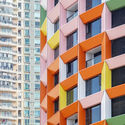
Mission Bay, San Francisco, once an industrial landscape of warehouses and railroad land, has transformed into the city’s fastest-growing commercial and urban development area. This rapid change, typical of such developments, has led to gentrification, driving up housing prices and making the area unaffordable for many. To address the affordable housing crisis, the Lillian Murphy Housing Complex was built—not just as a place to live, but as a project that redefines the standards for low-income housing. This success was achieved through the collaboration of Paulett Taggart Architects, Studio VARA, and BŌK Modern, demonstrating that functional, intuitive, and high-quality design that strengthens a community is accessible to everyone.
Reflecting on the past is often viewed as nostalgia or, from a more critical standpoint, as a sign of regression. However, looking back can offer valuable insights into a society that sometimes appears overly focused—if not obsessed—with the future and technology. In architecture, this reflection allows us to reconnect with our roots and appreciate the knowledge accumulated over generations. It invites us to explore how our ancestors designed durable structures adapted to their environment. Refined through centuries of observation, experimentation, and likely even errors, these systems demonstrate a profound understanding of local materials and building techniques.
https://www.archdaily.com/1020943/heritage-in-mud-stone-and-reeds-rediscovering-ancestral-construction-techniquesEnrique Tovar
Saunas, originating over 2,000 years ago in Northern Europe, were initially developed as a method for body purification. In Finland, these spaces were revered for their cleanliness and often served as locations for childbirth. Rooted in Nordic traditions, saunas have traveled globally, carrying with them distinctive design elements such as abundant wood, clean lines, minimal ornamentation, and a stark aesthetic. Traditionally, they offered a serene environment with seating limited to simple straight benches, allowing users to either sit or lie down. This traditional model gained widespread acceptance, with its health benefits championed by medical professionals and its value recognized across various cultures.
With expanding urban populations and evolving consumption patterns, cities are faced with challenges pertaining to waste management. Traditional approaches centered on collection and disposal currently seem inadequate in the face of serious environmental concerns and resource scarcity. Waste management has become a focused topic to address, being introduced as a key strategy towards circular economies. The Zero Waste concept hopes to transform the way cities manage urban waste and build supportive cultures around it.