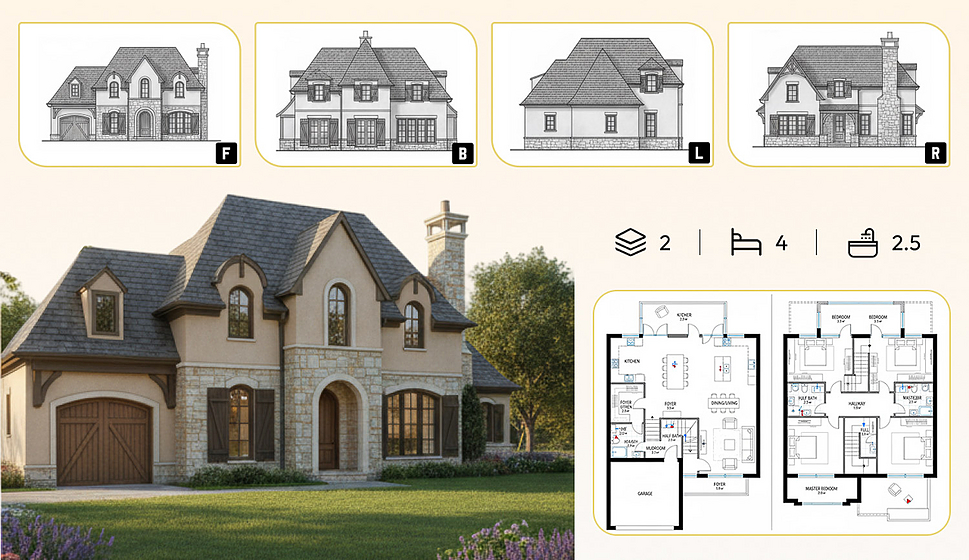
This guide covers a workflow that moves from project parameters to generated floor plans, 3D perspective views, exterior design exploration, and site context visualization, using AI tools in place of preliminary CAD and rendering work.
This guide covers a workflow that moves from project parameters to generated floor plans, 3D perspective views, exterior design exploration, and site context visualization, using AI tools in place of preliminary CAD and rendering work.
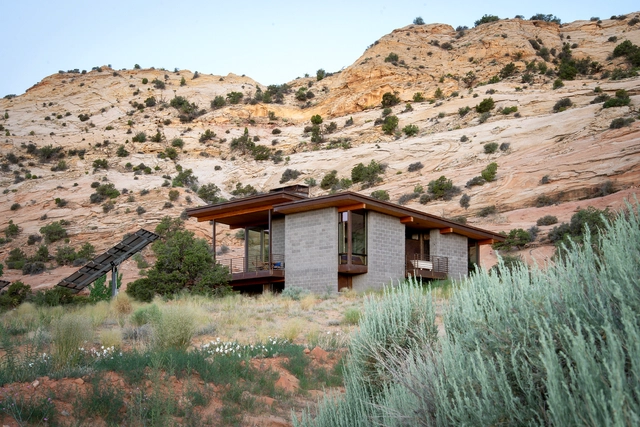
Thermal mass is the ability of a material to absorb, store, and release heat. Used to moderate building temperatures by reducing fluctuations, the concept is crucial in improving energy efficiency. Materials with relatively high thermal mass, such as stone, concrete, rammed earth, and brick, can absorb significant heat during the day and release it slowly when temperatures drop at night, reducing the need for heating and cooling systems. Properties like heat capacity, thermal conductivity, and density are all considered when assessing the thermal mass property of a material.
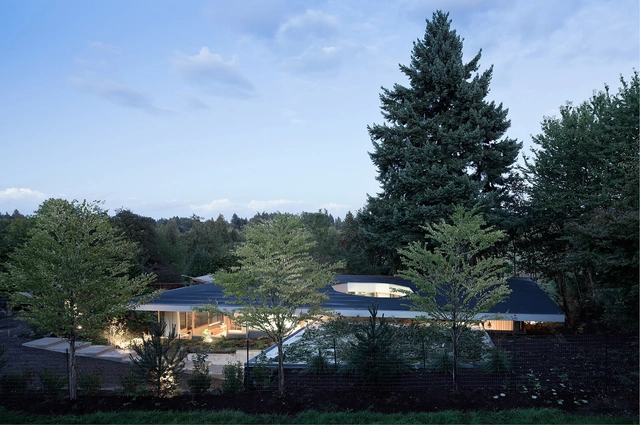
A holistic approach to design and architecture becomes apparent when we delve into the work of NO ARCHITECTURE, an architectural practice based in New York, founded by Andrew Heid in 2014. The firm's portfolio and research showcase an integrative way of building, with projects demonstrating a close connection between the built environment and their immediate surroundings, whether in natural landscapes or urban contexts. Their programs emphasize flexibility, possibilities, and inclusion, prioritizing human well-being above all.
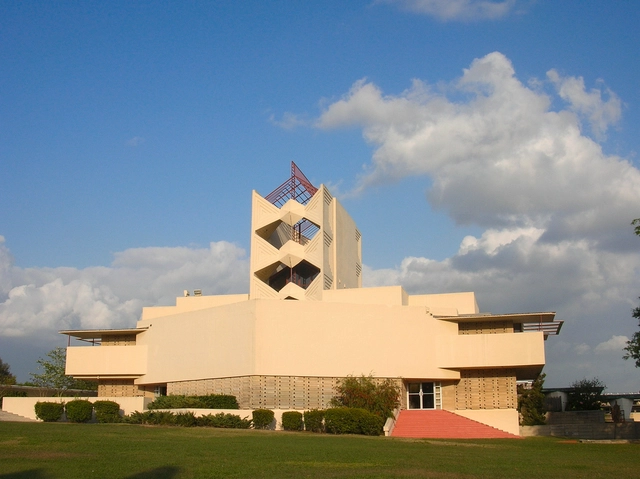
This article was originally published on Common Edge.
In London, where I live, there are 23 universities. Those universities make up an institutional population of nearly half a million people. In a city with almost 10 million residents, 5% may seem a small number, but it’s a significant one, roughly the population of Atlanta. Shrink the city, and the proportion can increase dramatically. In our neighbouring cities of Oxford (population 150,000), 40% of the population is institutional; in Cambridge (population 125,000), it’s 33%. Campus and city are so intertwined in those places that a plan for one is almost necessarily a plan for the other.

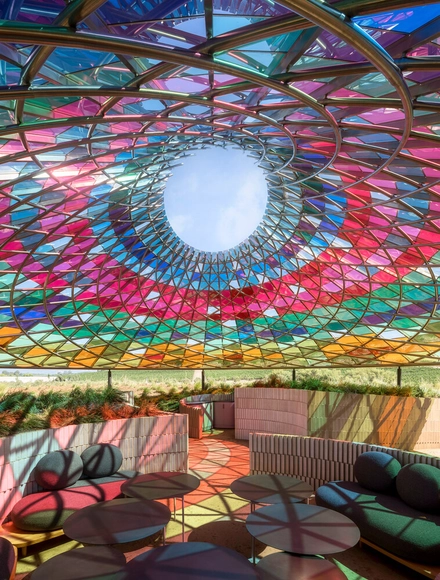
Although the sensory approach in the built environment is often based primarily on visual aspects, such as color and light, as we delve deeper into the relationship of architecture with the senses other essential elements emerge, such as aromas, textures, sounds, and even flavors. These components are fundamental to creating a profound experience between the user and the environment in which it takes place, demonstrating that design and sensory experience are intrinsically connected.
Thus, sensory design offers an immersive atmosphere for a full spectrum of senses where its perception extends beyond physical boundaries. An example of this is the Vertical Panorama Pavilion, located in a region of California (USA) with a strong identity linked to the wine tradition. This structure, with a glass canopy of Color PVB interlayers, serves as a shelter for hospitality. Inspired by nature, the pavilion’s canopy engages all the senses: from the texture of the gravel on the walking path to the wind currents in the area and the characteristic aromas of the region.
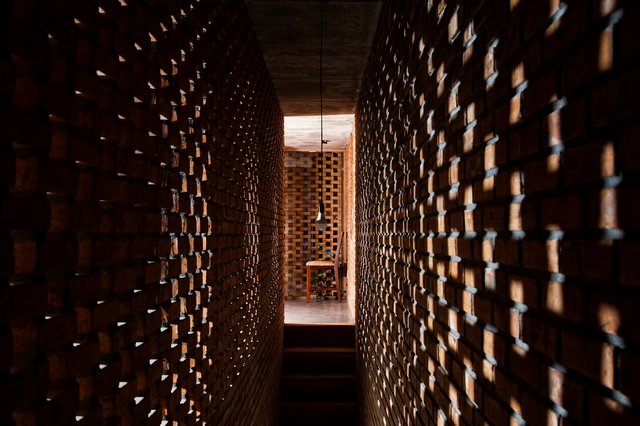
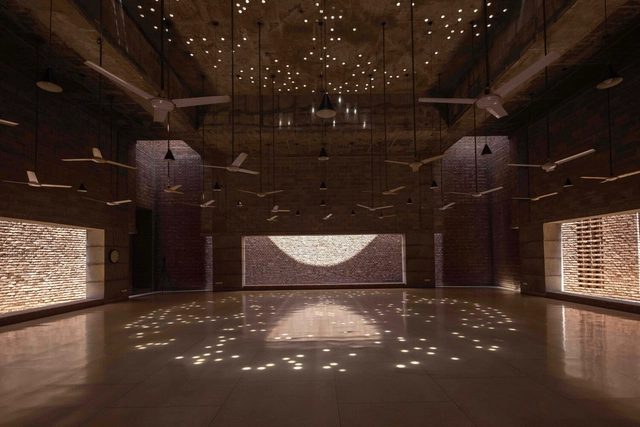
Although an architectural project comes to life with palpable materials, it is also defined by intangible qualities that give it richness, dynamism, and liveliness. Among them, the interplay of light and shadow can transform environments and affect their perception, determining the user's spatial experience. Besides providing natural ventilation, privacy, and thermal comfort, lattices allow this duality by filtering the entry of sunlight while projecting repetitive figures on the surface. In this way, perforated walls and ceilings can create multiple geometric patterns of light and shadow that become design elements capable of generating unique atmospheres.
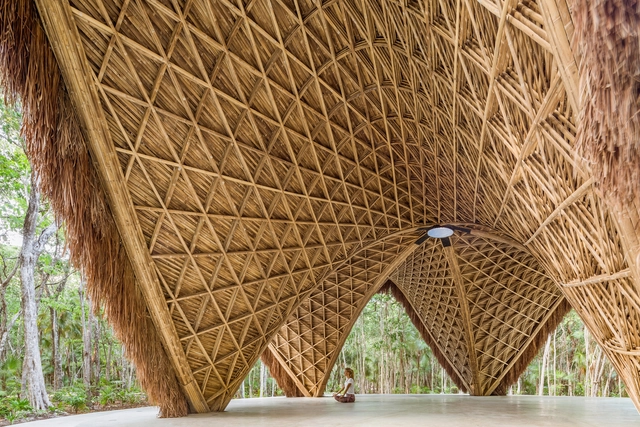
Vernacular architecture has been gaining more and more space in theory and design practice, with its characteristics being studied and revised. An impulse related to different factors, but mainly to the context of climate change that we are experiencing, which calls for more sustainable and context-connected construction solutions.
Within this scope, much is said about the different vernacular techniques employed in architecture, whether it is the production of adobe bricks, thatched roofs, woven bamboo walls, among many others. However, while vernacular technique focuses on specific actions or skills, its meaning differs from vernacular technologies.


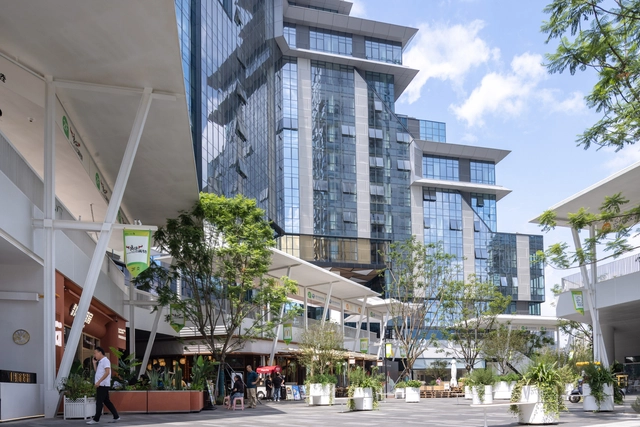
Based in Chongqing, We Live Architects is a pioneering, research-oriented design practice. The firm boasts a highly creative international design team whose principals are alumni of top-tier global and domestic institutions, including the Bartlett School of Architecture (UCL), the School of Architecture at the Central Academy of Fine Arts (CAFA), Goldsmiths, University of London, the University of Nottingham, and the University of New South Wales.
Blending humanistic and technological thinking, the practice centers its work on the tripartite relationship between humans and environment, society, and self. Using space as a medium, the studio approaches design through the three dimensions of form, morphology, and concept, aiming to generate distinctive spatial experiences for urban environments.
The firm's portfolio spans urban regeneration, public architecture, cultural tourism planning, and commercial spaces. Its notable projects include high-quality architectural designs and spatial transformations such as the Liziba Yellow Building, Jiangxiaobai's One-Acre-and-Three-Fifths Field (Yimusanfendi), the Luxe Lakes Curator District, and the Jialing Bridge East Village.
Design Philosophy
We Live Architects is both pioneering and pragmatic. Beginning with imagination and a commitment to originality, we seek a unique soul for every project. Guided by responsibility, we manage the entire process to guarantee high-quality execution. Grounded in our ecological and temporal contexts, we navigate the space between “the reasonable and the forbidden,” embrace challenging yet intriguing design constraints, and maintain an authentic, if sometimes unconventional, attitude. We focus on the threefold relationship between humanity and the environment, society, and self. Using space as our canvas, we engage with design through form, morphology, and concept to foster unique behaviors and experiences, encouraging people to embrace new ideas and perspectives.
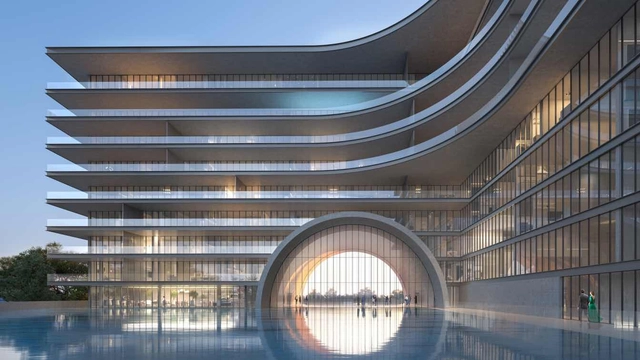
Metropolitan cityscapes come with the appeal of sophistication, luxury, and exclusivity. Their glittering skylines and vibrant energy attract thousands of tourists and residents seeking luxurious experiences every year. Catering to this market, several renowned brands and real estate firms have teamed up to offer "branded residences" – a modern typology that elevates hotel-like living into a daily delight.
The concept of branded residences can be traced back nearly a century to 1927 when New York City's Sherry-Netherland Hotel and Apartments joined forces with the famous Sherry's restaurant. Over the past decade, the trend has witnessed a 230% growth with over 580 developments from 133 brands equating to nearly 100,000 residential units established worldwide. The drive for this demand goes beyond aesthetics and architectural grandeur. World-class services and amenities such as spas, fitness centers, private cinemas, and concierge services offered by luxury housing developments build on a sense of indulgence.


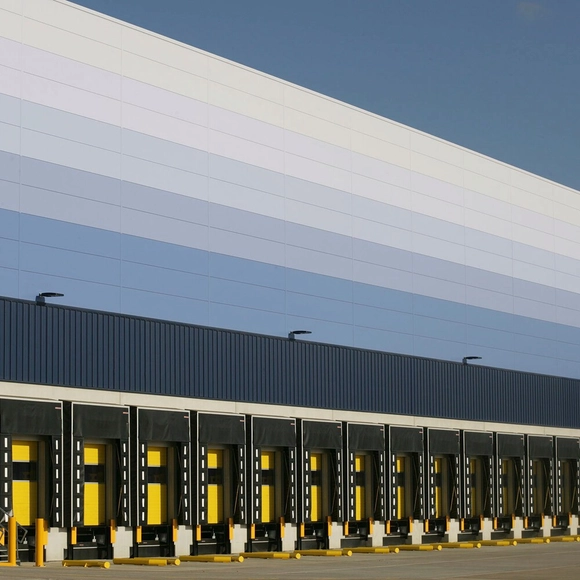
Insulation plays an essential role in today’s buildings—whether it is to provide thermal efficiency to reduce energy demand and cut carbon emissions, or to reduce noise transmission to provide acoustic comfort. Every building has different requirements for the type of insulation needed in floors, roofs, ceilings and walls, and to meet these varying demands Kingspan has developed a range of holistic insulation solutions fit for the future of the built environment.
From lower embodied carbon products to bio-based materials, reducing environmental impact is an area of increasing importance. Meanwhile, the pressing need to upgrade the thermal efficiency of existing buildings often demands insulation technologies that can work with existing structures without requiring excessive thickness. For cladding systems, reaction to fire can be every bit as important as thermal conductivity, and for acoustic panels that form part of the internal décor, aesthetics is as crucial as sound absorption.
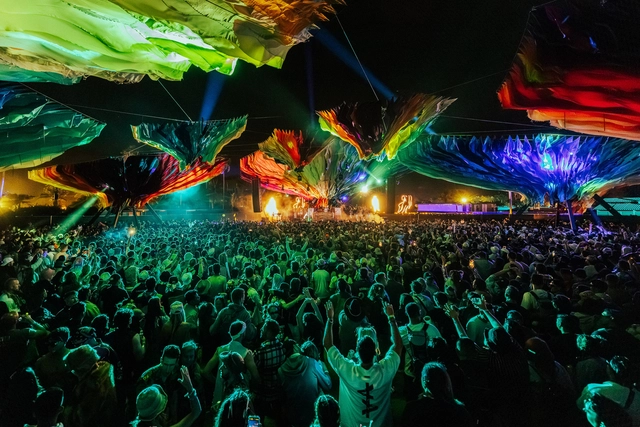
Music consumption has historically been closely connected to the environments in which it is enjoyed. Before the advent of music recordings, listening to music was a social activity tied to collective rituals in physical spaces, such as concerts or smaller communal gatherings. With the development of music records and now with the current availability of virtually any kind of music at our fingertips, experiencing music has become a more solitary and routine endeavor. However, returning to the roots of communal musical experiences may unlock numerous benefits much needed in our isolating digital age. These collective musical events have the potential to significantly enhance a community's social cohesion and improve their mental health through memorable shared experiences.
The physical aspect of these is not to be underestimated. It's where innovative design and architecture step in, transforming mere spaces into catalysts for curiosity, transcendence, and collective joy. By harnessing emerging technology and fostering interdisciplinary collaboration, designers and architects can create environments that elevate concerts and music rituals into transformative and grounding moments.
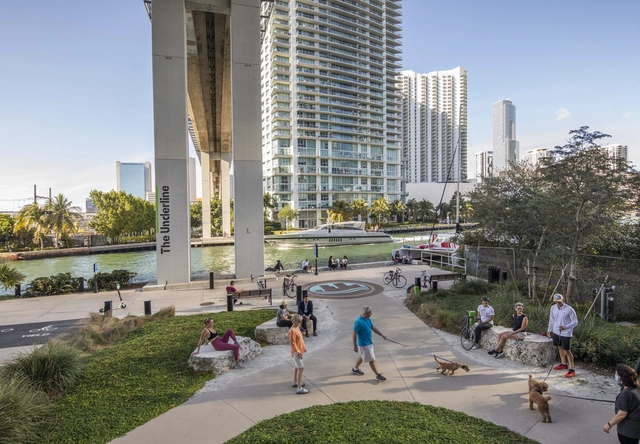
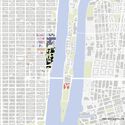
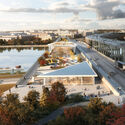
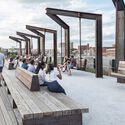
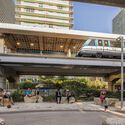
In the early 2000s, an abandoned rail line in Manhattan sat decaying - a memory from a time when freight trains traveled straight through the city. To most citizens, it was a site destined for demolition. However, a few visionary residents saw an opportunity in this neglected space and advocated to transform it into a public green space for the community. The success of the project seemed to spark a "High Line Effect", inspiring other American cities to pursue civic infrastructure on outdated railways, roadways, and industrial sites.
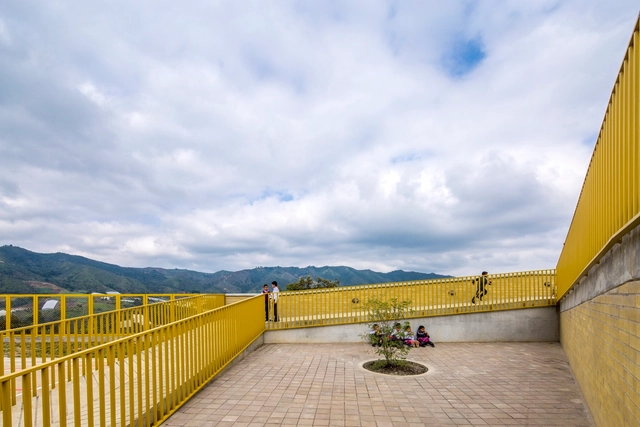
Founded by architects Felipe Mesa and Federico Mesa, the Plan:b arquitectos studio is located in the city of Medellín, Colombia, bringing together building design, participation in academic activities, and the construction of concepts capable of connecting architecture with the urgent realities of everyday life. Understanding the architectural project as a provisional pact, permeable configuration, and positive expression of eco-social constraints, they have constructed a large number of buildings of various scales and programs since 2000, ranging from public, educational, and sports spaces to housing, offices, hotels, and installations.
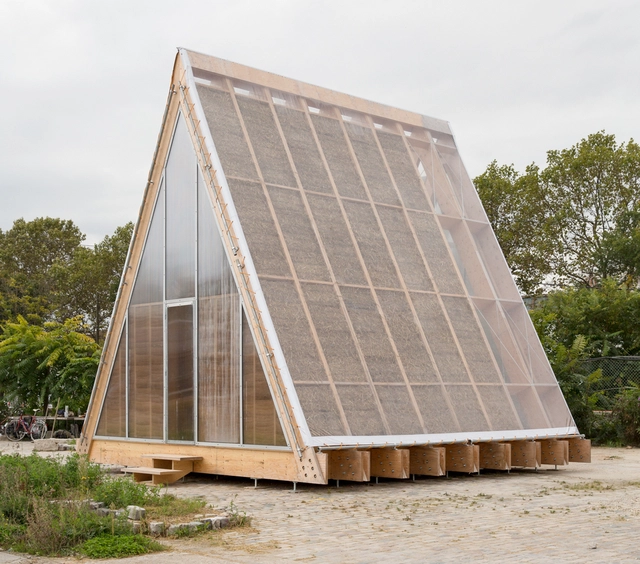
A Trombe wall is a passive solar building feature that enhances thermal efficiency. Positioned on the sun-facing side of a structure, it consists of a wall made from materials like brick, stone, or concrete, and a glass panel or polycarbonate sheet placed a few centimeters in front of it. Solar radiation penetrates the glass during daylight hours and heats the masonry wall. This wall then slowly releases the stored heat into the building during the cooler nighttime hours, maintaining a more consistent indoor temperature without the need for active heating systems.
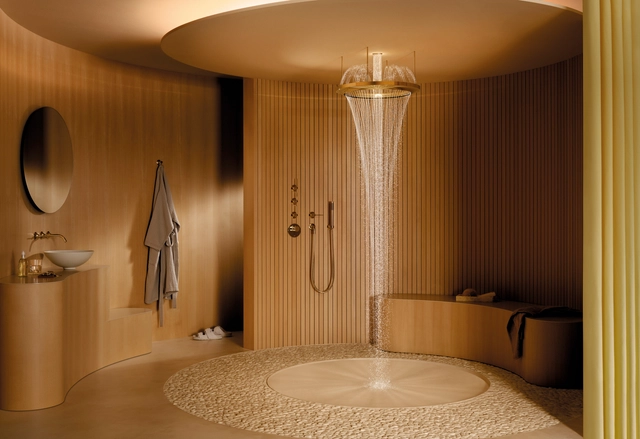
In the hustle and bustle of modern life, with deadlines, goals, and performance, finding moments of tranquility is essential for maintaining overall well-being and peace of mind. These moments provide a necessary break from daily stresses, allowing the mind and body to reset and thoughts to reorganize. Rituals of relaxation can create a sanctuary of calm amidst the chaos, promoting a sense of balance and peace, providing a healthier and more harmonious lifestyle, and contributing to better physical and emotional health. However, these rituals need not be expensive or complex.
Simple activities, such as breathing exercises, taking a walk in nature, or a relaxing bath, can be extremely effective. In fact, taking time to experience the calming and energizing effects of water can significantly enhance mental clarity, bring new ideas, provide comfort, and improve mood.
This article was originally published on Common Edge.
In her Dhaka, Bangladesh–based practice, Marina Tabassum seeks to create a language of architecture that’s simultaneously contemporary yet rooted to its place. One of the first buildings she undertook after establishing her own practice in 2005—the Bait Ur Rouf Mosque in her own city—won an Aga Khan Award for Architecture, which recognizes design that addresses the needs and aspirations of Muslim societies.
Bangladesh’s Museum of Independence, which she designed with her former partner, Kashef Mahboob Chowdhury of the practice URBANA, has become a national landmark. But Tabassum also works at the intimate scale of housing, pursuing innovative modular space-frame designs constructed of bamboo. She’s taught at architecture schools around the globe. Recently, she was recognized with an award from the Architecture, Culture, and Spirituality Forum and identified by Time magazine as one of the 100 most influential people for 2024 for her work in sustainable, socially responsible design.



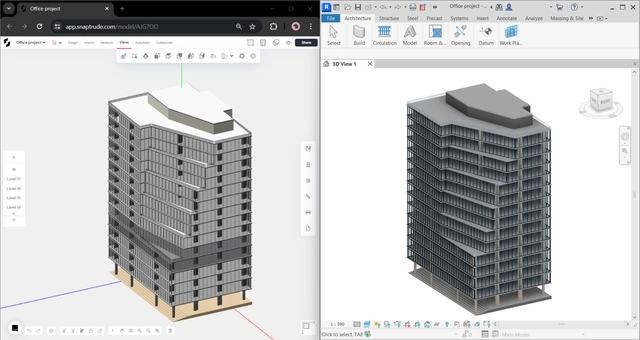
Transforming an initial idea into a concept design is a complex process. It requires understanding project requirements like context, program, budget, and functionality and rapidly iterating—usually with a team—to arrive at a concept, leading to multiple iterations at an early stage.
A common frustration among architects is that concept tools today are either too rigid for design exploration or don’t integrate well with BIM tools—forcing them to either constrain their design to the tool or spend days re-working a concept model on Revit to transition to schematic and detailed design.
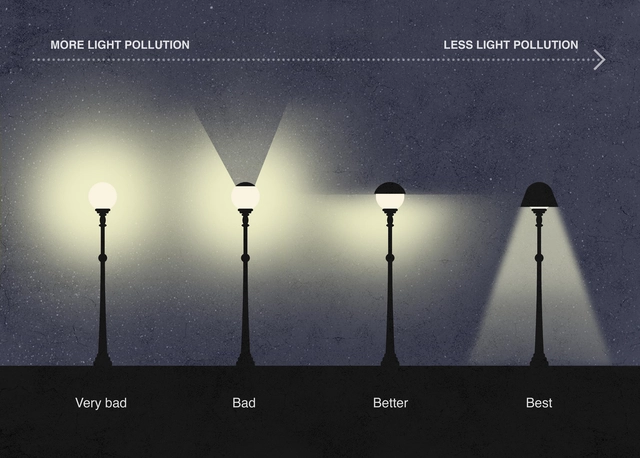
A recent study suggests that our home galaxy, the Milky Way, cannot be seen by one-third of humanity. Why? Millions of city lamps brighten our cities every night, but only part of their light is used to actually illuminate streets or sidewalks – the rest is lost and emitted above the horizon, brightening the night sky and contributing to what is known as light pollution. However, as the artificial glow from towns and cities increases every year, the consequences of this urban phenomenon go beyond just preventing us from seeing stars. Other harmful effects include: causing a hazardous glare that can reduce safety, excessive energy consumption, waste of money and resources, disruption of ecosystems’ natural day and night cycles, suppression of melatonin production and several negative repercussions on public health. In this sense, choosing the right lamps (with a well thought-out design) is crucial to reduce light pollution.
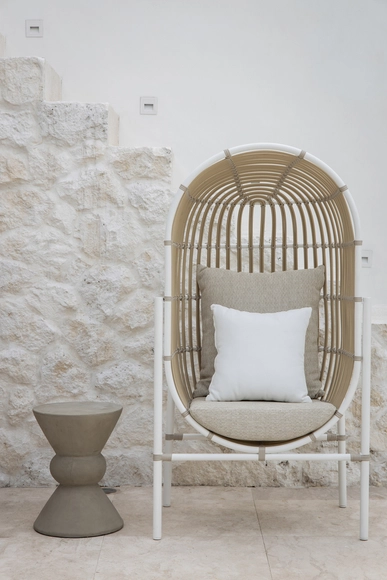
Furniture made from natural materials is widely valued for its beauty and texture, especially when it comes to wood, bamboo, reed, and rattan. However, they often face challenges such as weather damage, pest infestations, and high maintenance requirements like regular cleaning and treatments to prevent fading and structural weakening. Additionally, their lack of uniformity and strength can compromise consistent quality, while harvesting the raw materials can have negative environmental impacts. These issues, combined with inconsistent availability and higher costs, have driven innovations in synthetic materials that aim to replicate the aesthetics of natural products, often using recycled materials to promote sustainability.

Today, interconnected and fast-paced lifestyles, future mobility trends and constant material innovation puts pressure on a slow-moving building industry. How can architecture keep up with this trend? Following dynamic and nomadic lifestyles, architects must explore new structural systems that should be able to reach multiple locations, as well as be adaptable and reusable in the future. By applying revolutionary technology for circular, scalable components and carbon-negative buildings, UrbanBeta –a spatial innovation studio designing strategies, building concepts, predictive tools and platforms for creating transformative spaces– has developed BetaPort, a robotic construction system powered by artificial intelligence and automation.
Based on the principles of a circular economy, Urban Beta and BetaPort create a sustainable construction plan, ready to grow and change over time. The studio conceives sustainable on-demand architecture systems for flexible buildings based on a kit of parts.

Sitting for extended periods is an everyday reality in many workspaces, which can lead to a dangerously sedentary working day. This makes office chair design a crucial element for both productivity and overall well-being. Ergonomic design takes into account the human body's needs, including posture, comfort, support, and health. A good ergonomic chair is adjustable, allowing for better control and customized settings that support the spine and promote a natural position for the body's joints. An even better ergonomic chair employs technology to accommodate all seating nuances—including occasional slouching, neck rest, and continuous hip movements, among others—, helping to maintain good body posture at all times.
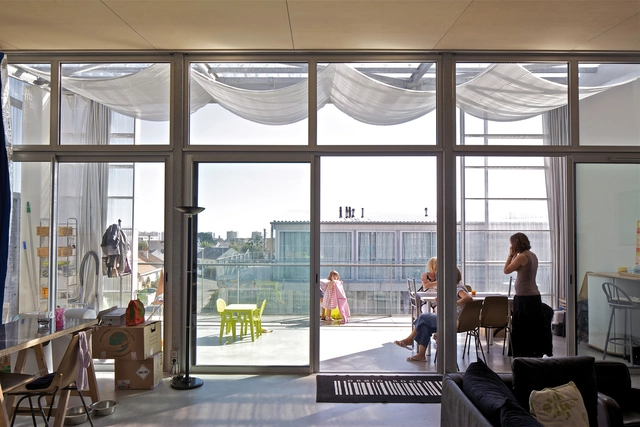
Led by Pritzker Prize laureate Anne Lacaton, the jury of the European Collective Housing Awards has just selected the winners for its first edition. Established by the Basque Architecture Institute and Arc en Rêve Centre d’Architecture in collaboration with the Department of Territorial Planning, the award celebrates innovation and excellence in collective housing design, emphasizing aesthetics, social responsibility, and environmental sustainability. The winning projects - La Borda Housing Collective in Spain and the Conversation of a Wine Storage into Housing in Switzerland - were selected from 171 entries across 19 European countries for their contributions to new construction and renovation, respectively.
Anne Lacaton, renowned for her groundbreaking work with partner Jean-Philippe Vassal, has been working to push the boundaries of sustainable and socially responsible housing architecture for decades. The Pritzker Prize laureates are celebrated for their innovative approach to social housing and are committed to enhancing the quality of life for residents. Their philosophy centers around creating generous, adaptable spaces that rethink how we live together. Onsite in San Sebastián, ArchDaily had the chance to interview the Pritzker-Prize winner to delve into her architectural practice and philosophy. In the conversation, the architect explored core values, the significance of reuse in social housing, and the promising trends in collective housing design that emerged from the first edition of the awards.
.jpg?1488209274&format=webp&width=640&height=580)
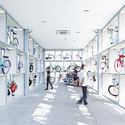
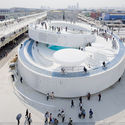
Nowadays bicycles are not only used for sports or as a recreational activity, as more and more people are choosing bicycles as their main means of transportation. Architecture plays a fundamental role in promoting the use of bicycles, as a properly equipped city with safe bicycle lanes, plentiful bicycle parking spots, and open areas to ride freely will encourage people to use their cars much less.
Cities are now positioning themselves as a key promoter of sustainable mobility, and Denmark and the Netherlands are currently the leading countries in the field of architecture for bikes. They are considered a cyclist's paradise because of their excellent infrastructure and architecture, making them a worldwide reference.
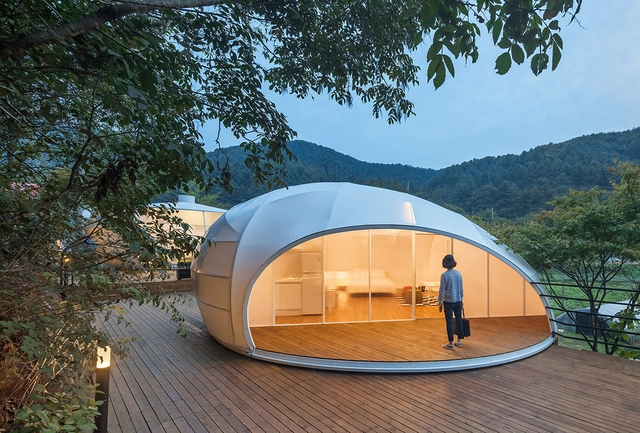
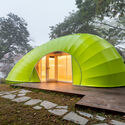
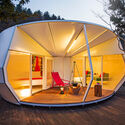
Camping, as defined in dictionaries, involves temporarily staying outdoors, setting up makeshift accommodations, and settling in natural surroundings. In architecture, tents symbolize these aspects, representing a typology that has endured across centuries and cultures, often linked with notions of impermanence and vulnerability.
In light of this common understanding, the term 'glamping' emerged in the early 2000s, blending 'camping' with 'glamour,' suggesting a fusion of camping with luxurious amenities. However, despite its recent popularization, the concept is far from original. Camping has not always been seen as the antithesis of luxury.
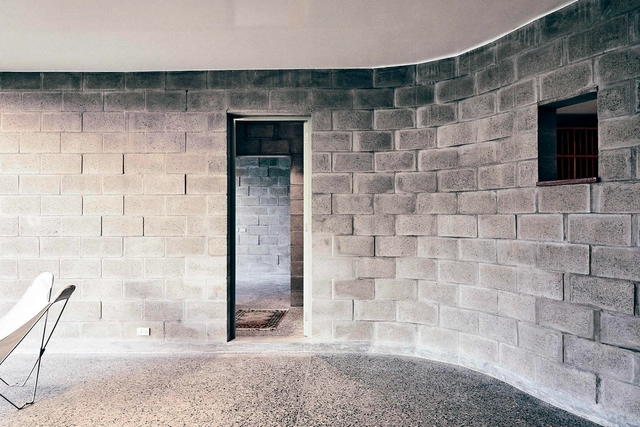
Beyond being a prefabricated material currently produced in large quantities, the use of concrete blocks in architecture continues to evolve to meet the demands and needs of contemporary societies that are constantly changing. Whether in interior or exterior spaces, their use can align with concepts of circular economy, resource efficiency, sustainability, and more, with the goal of creating habitable spaces while also understanding their constructive advantages and disadvantages, their expressive and aesthetic qualities, and so on.







.jpg?1488209274 "© Jesús Granada")
.jpg?1488209274)