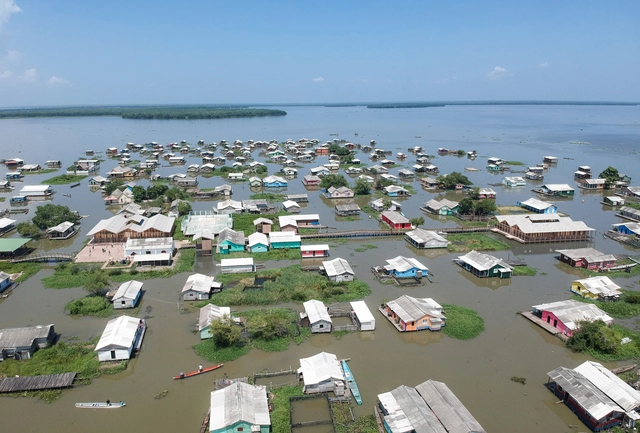
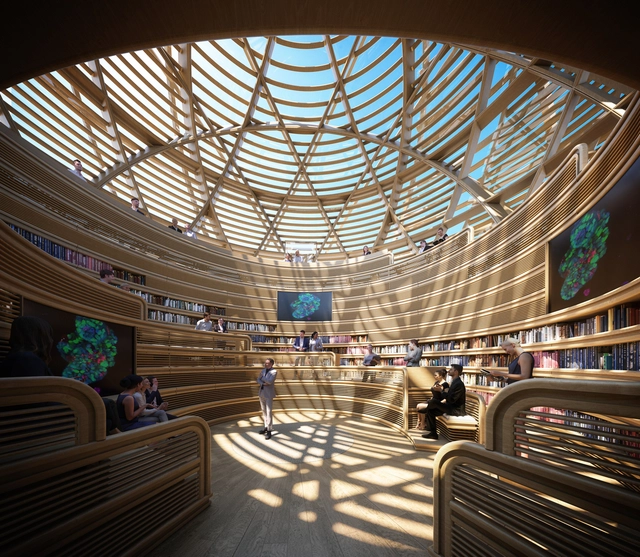
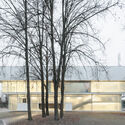
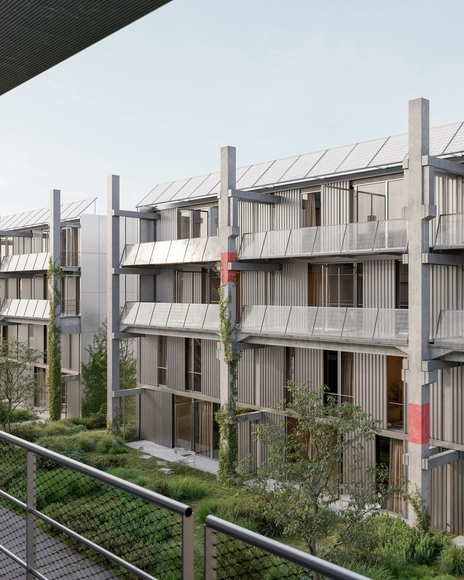
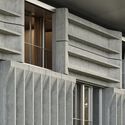
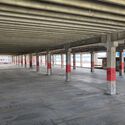
San José De Nueva Venecia School School refurbishment enabling flexible community use in Sitio Nuevo, Colombia, by FP Arquitectura. Image Courtesy of Holcim Foundation for Sustainable Construction
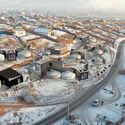
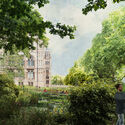
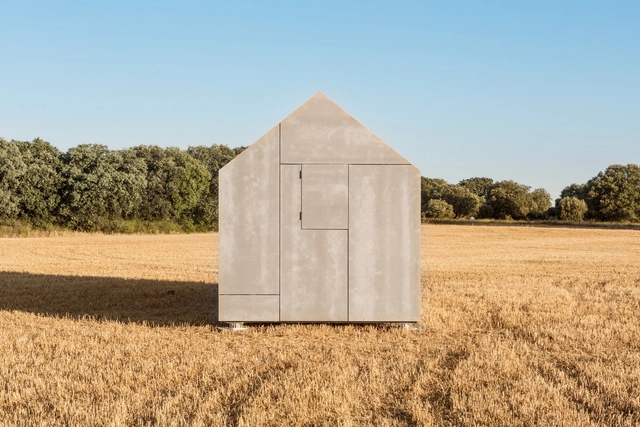
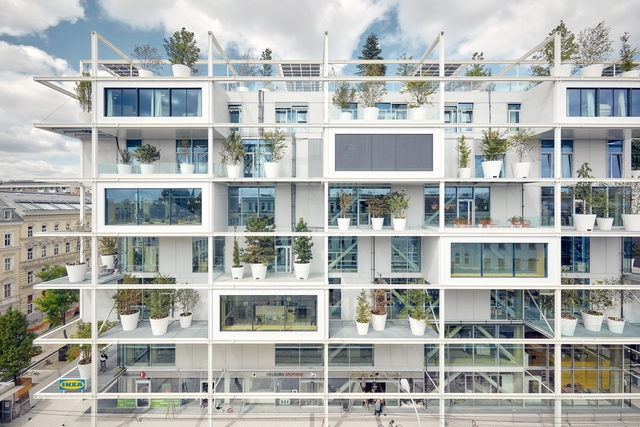
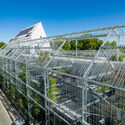
The Holcim Foundation for Sustainable Construction has unveiled the list of 20 finalists for the Holcim Awards 2023 competition. The jury, composed of five independent expert panels worldwide, has selected the projects to showcase contextual and practicable approaches to sustainable construction, exemplifying a diverse range of scales, budgets, geographies, and forms. The ranking of the nominees will be announced at the Holcim Awards 2023 Ceremony scheduled for November 18 in Venice, Italy during the final weeks of the Biennale Architettura 2023 - 18th International Architecture Exhibition.
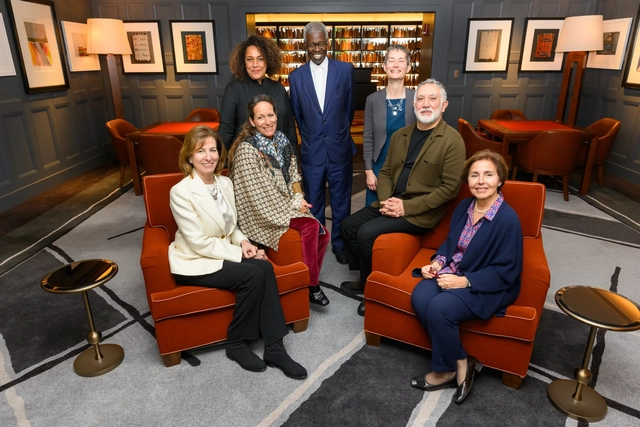
Courtesy of AKAA | Under Fair Use | Princess Zahra Aga Khan with the 2025 Steering Committee
Last night, the Aga Khan Award for Architecture announced the constitution of its new Steering Committee for the 2023-2025 cycle. Composed of 5 primary jurors, this selection plays a pivotal role in the governance of the world-renowned award. Initially established in 1988, the award is internationally recognized as a leading award celebrating architecture projects that set a new standard of excellence in various practices, including architecture, planning practices, historic preservation, and landscape architecture. The award is also most known for its emphasis on applauding projects that use local resources and respect the contextual surroundings.
Chaired by His Highness Aga Khan, the Steering Committee for the 2023-2025 cycle comprised members from very diverse backgrounds. These members include Meisa Batayneh from Amman, Jordan; Souleymane Bachir Diagne from New York, USA; Lesley Lokko from Accra, Ghana; Gülru Necipoğlu from Cambridge, USA; Hashim Sarkis, also from Cambridge, USA; and Sarah M. Whiting, also affiliated with Harvard University in Cambridge, USA. Each individual is well-established in their respective practice, and together, they steer the Award, establishing eligibility criteria for different project submissions. The Committee provides thematic direction for the Award and plans for the institution's future. Finally, their most critical task involves selecting an independent Master Jury, which subsequently chooses award recipients.
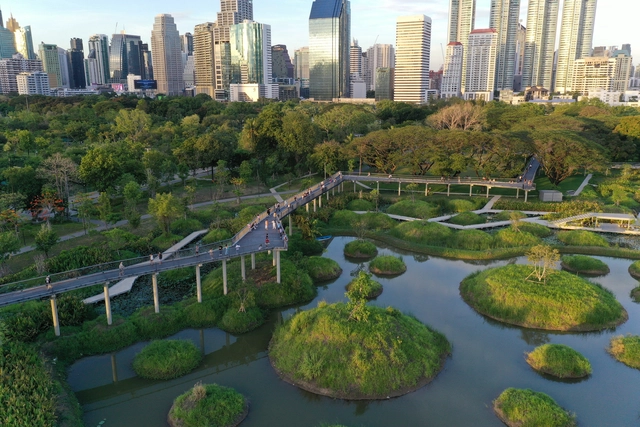
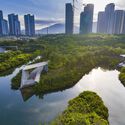
Beijing-based landscape architect Kongjian Yu has been announced by the Cultural Landscape Foundation as the recipient of the 2023 Cornelia Hahn Oberlander International Landscape ArchitecturePrize (“Oberlander Prize”). Kongjian Yu has gained international recognition for his concept of “sponge cities,” a measure to address and prevent urban flooding in the context of accelerated climate change. The concept was adopted as a national policy in China in 2013, prioritizing large-scale nature-based infrastructures such as wetlands, greenways, parks, canopy tree and woodland protection, rain gardens, green roofs, permeable pavements, and bioswales. Yu has been selected by the international jury of the Oberlander Prize, recognizing him as “a force for progressive change in landscape architecture around the world.” Organized biannually, the prize aims to recognize and give visibility to landscape architecture and the ways in which it can address issues of climate change and sustainability.
From October 21st, 2023, to March 3rd, 2024, the Vitra Design Museum is hosting a retrospective exhibition featuring the work of Iwan Baan. Known for his world-renowned architecture photography, “Iwan Baan: Moments in Architecture” provides a comprehensive overview of Baan’s extensive portfolio. At its core, it showcases the artist’s ability to capture the essence of contemporary architecture, along with the urban and social contexts associated with it and the people who inhabit these various spaces.
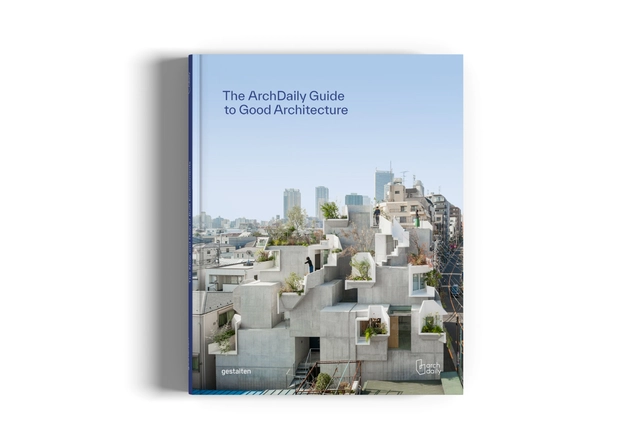
The ArchDaily Guide to Good Architecture, book cover
Dear community,
As your trusted companion along the journey of constant learning and inspiration, we are very excited to share a new format by announcing our first book ever: The ArchDaily Guide to Good Architecture.
In partnership with renowned international publisher gestalten, we have taken a pause to look back on the more than 40,000 projects curated over the past 15 years, to distill their contributions and answer the bold question of what is good architecture. The sheer scale of ArchDaily is a reflection of how important architecture is today, as the deepening complexity of our world places increasing pressure and demands upon our built environment. To deal with issues such as the climate crisis, energy scarcity, population density, social inequality, housing shortages, fast-moving urbanization, diminished local identity, and a lack of diversity, architecture needs to open itself.
To answer this challenging question the book spotlights the most innovative built environments of our age—those paving the way for a better, more sustainable future. Centered around ArchDaily’s 10 principles of good architecture developed by our team, the book showcases a rich variety of projects—both built and planned—from a sunken restaurant with subterranean views to a Mediterranean cave transformed into a remarkable residence. Reflecting a global community of world-shapers, it celebrates the most visionary architects, and introduces bold new talent. It explores the key topics and trends redefining the built environment, marking the forefront of architectural thought and practice today, with an eye on tomorrow.
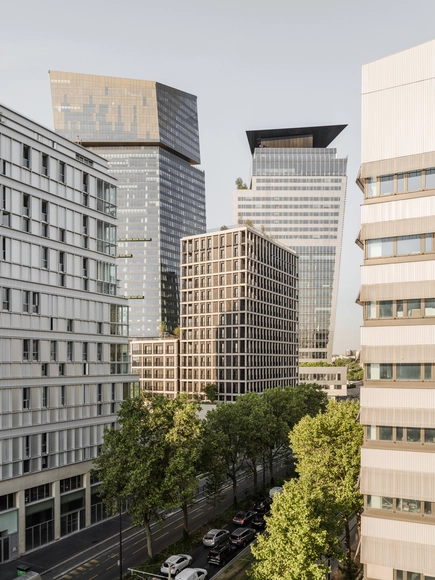
In Paris’ thirteenth arrondissement, the architecture office Moreau Kusunoki has completed Le Berlier, a 50-meter-tall timber tower housing residential units along with various other amenities. Situated at the intersection of multiple urban flows, networks, and scales, the project aims to find the middle ground between innovation, monumentality, and domesticity. The new residential center expresses its structural system through the grid of the façade, rendered in charred and pre-weathered wood.
The dream of a home in the suburbs with a white picket fence is changing. Between housing crises and homelessness, mounting debt and downsizing, home ownership has become increasingly less attainable. The tiny house movement is a direct response to these forces, with cities and designers asking whether micro dwellings can address pressing issues or if they are glorifying unhealthy living conditions.
The 2024 EUmies Awards aims to recognize the best-built works in Europe completed between April 2021 and May 2023. The selection of projects reflects the current changes within the European context, with increasing attention given to environmental, social, and economic awareness expressed through architecture, landscape architecture, urban planning, and design. This year’s jury is chaired by Frédéric Druot (Paris/Bordeaux), who will be accompanied by Martin Braathen (Oslo), Pippo Ciorra (Rome), Tinatin Gurgenidze (Tbilisi/Berlin), Adriana Krnáčová (Prague), Sala Makumbundu (Luxembourg), and Hrvoje Njiric (Zagreb).
In this Louisiana Channel interview with Yasmeen Lari, the renowned Pakistani architect speaks about the role of architects and the needed perspective shifts of the industry in contemporary times. Awarded the RIBA Royal Gold Medal in 2023 for herhumanitarian efforts, Lari emphasizes the need to rethink the architecture industry to address social disparities and resource deficiencies. In the interview, the architect and designer reflects on her upbringing, architectural education, and her practice today.
Pabellón_Centro Raíz_Global Woods . Image Cortesía de Mextrópoli
For the ninth time, the MEXTRÓPOLI Architecture and City Festival held the Arquine Competition No. 25 | MEXTRÓPOLI 2023 Pavilion, a platform where architecture, urbanism, and art converge to contemplate and celebrate Mexico City. The event also aims to engage the public by occupying public spaces with architectural pieces that can be activated by visitors. Celebrating public spaces or offering a different perspective on the places routinely traversed is the reason MEXTRÓPOLI showcases these ephemeral architectural pieces.
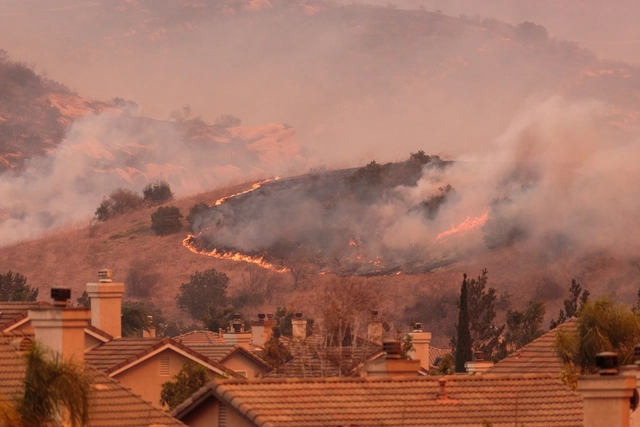
As the world grapples with the effects of climate change, natural disasters like flooding, and the spread of incontrollable wildfires are increasingly threatening cities and inhabitants. While architecture and urban planning cannot prevent these occurrences, they still possess strategies to minimize the damage associated with these events and help protect the citizens. Unfortunate events over the course of last year, like the earthquake that hit central Turkey and north-west Syria this February or the more recent earthquake in western Afghanistan, the flooding and dam failures in Libya, and the wildfires that devastated the city of Lahaina, Hawaii, demonstrate the urgency of implementing preventative and mitigation measures in addition to creating procedures for emergency intervention. This article explores the strategies and resources available to architects and urban planners to address these challenges in three types of natural disasters: flooding, wildfires, and earthquakes.
Architectural studio Parabase has been chosen for the development of several plots of Areal Walkeweg in Basel for the purpose of creating affordable apartments and an integrated migration center. The design solution, titled “Elementa,” reuses components from deconstructed cantonal properties, transforming the former columns and floor plates into walls and façade elements. The project was chosen following an open competition, where the international jury favored Parabase’s solution for its strong aesthetics combined with the creative reuse of prefabricated concrete elements.
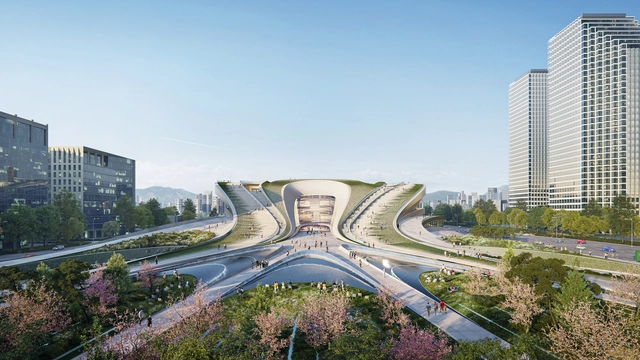
Courtesy of Tegmark | Sejong Cultural Center / ZHA
Zaha Hadid Architects has been shortlisted for their proposal for the 2ndSejongCultural Center. The proposal draws inspiration from the surrounding city’s lengthy history as well as future vision. Connecting Yeouido Park to the Han River, the 2ndSejong Cultural Center is embedded within the park's natural landscapes, aiming to become an integral part of the public function in the city within a natural setting, seamlessly connecting indoor and outdoor spaces.
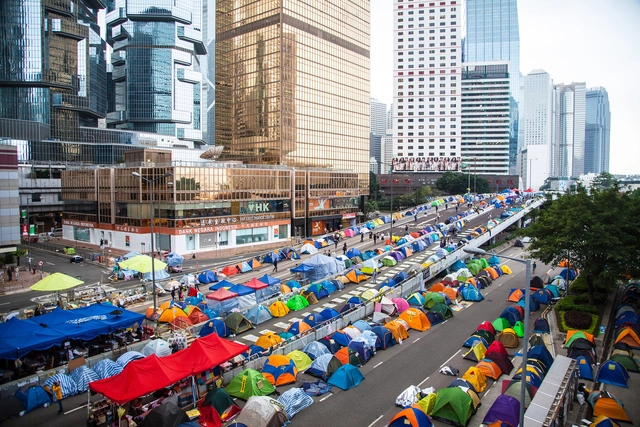
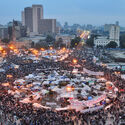
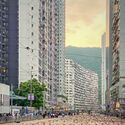
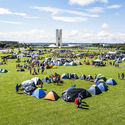
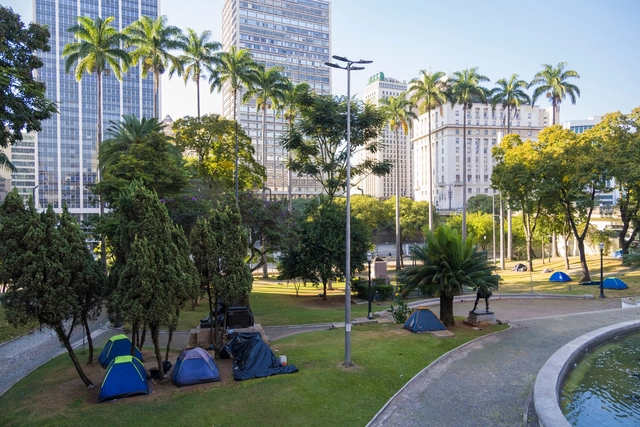
In terms of activism, disruption is a necessary element of effective protest. When acts of disruption spill into the public domain, they carve out spaces through blockades, defenses, and territorial claims, giving rise to ‘protest architecture.’ This concept is the focus of the exhibition organized by DAM – Deutsches Architekturmuseum and the MAK – Museum für Angewandte Kunst in Vienna. Titled “Protest/Architecture. Barricades, Camps, Superglue,” the event showcases a collection of models, photographs, and films depicting the evolution of protest architecture around the world. The exhibition, curated by Oliver Elser with curatorial assistance and research by Anna-Maria Mayerhofer, is open from September 16, 2023, until January 14, 2024, at the DAM OSTEND in Frankfurt.
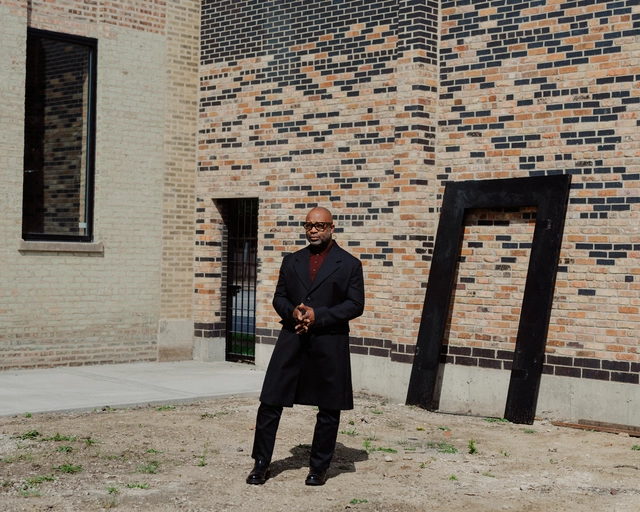
For the 18th year, the International Architecture Awards has returned to celebrate outstanding architectural achievements globally. Based in Chicago, these awards feature exceptional new buildings, urban planning projects, and landscape architecture of 2023. Additionally, this month, the Chicago Architecture Biennial (CAB 5) is currently taking place in the city. Both the awards and the Biennial attempt to shed light on each country’s architectural, design, cultural, and social trends.
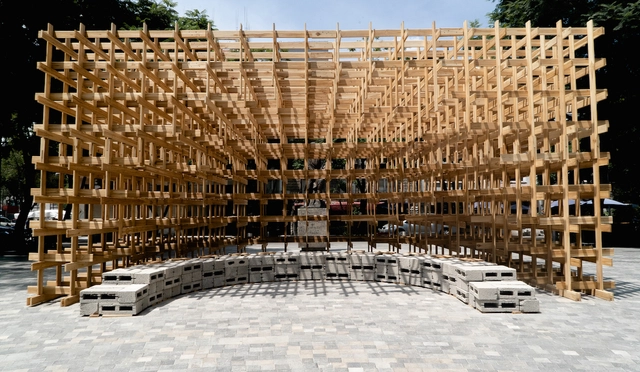
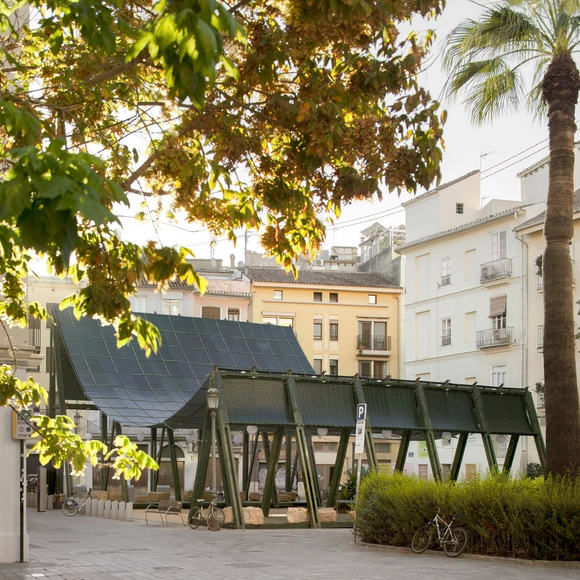
Until October 16, 2023, the second edition of TAC! Urban Architecture Festival will take place in the city of Valencia under the temporary Mediterranean pavilion designed by Manuel Bouzas. Located in the Plaza Músico López Chavarri in the Carmen neighborhood, the pavilion pays homage to vernacular architecture in response to the Mediterranean climate and the role of the Mediterranean shutter, a mechanism that for centuries provided an effective, simple, and lightweight solution for sun protection, allowing habitable spaces to adapt to climatic conditions.
We are excited to introduce a series of upcoming workshops in collaboration with our ArchDaily Supporters partner, Parametric Architecture. These workshops are designed to empower architects, designers, and enthusiasts with the latest insights and skills in the realm of parametric design. Led by industry experts and thought leaders, these immersive sessions will delve into cutting-edge techniques, innovative tools, and real-world applications, fostering a dynamic learning environment where participants can elevate their design capabilities to new heights.
ArchDaily Supporters can enjoy a special discount on any of the workshops offered by Parametric Architecture and one free monthly workshop. Your commitment to advancing architectural innovation aligns perfectly with the enriching experiences these workshops offer. Stay tuned for more details on how you can unlock the full potential of your creative journey.
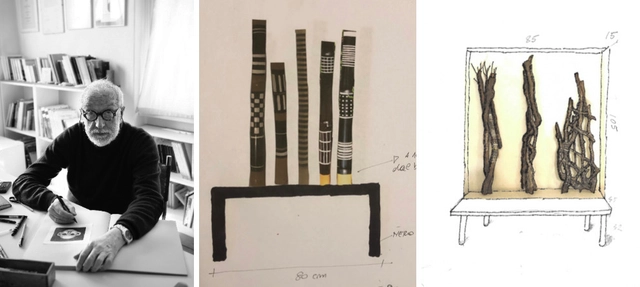
Italian Designer and architect Andrea Branzi passed away on October 9, 2023. Born in Florence in 1938, Branzi co-founded the world-renowned architecture studio Archizoon Associati. The studio also consisted of Gilberto Corretti, Paolo Deganello, and Massimo Morozzi, and then were joined by Dario and Lucia Bartolini. Andrea Branzi also played a significant role in establishing the iconic Domus Academy and served as a professor and chairman at the Politecnico di Milano’s School of Interior Design.
Architecture Without Borders Quebec (AWBQ) has made public the catalog of practices “Architecture + Homelessness: Inclusive Practices for a Supportive City.” The publication, publicly available in both English and French, is created to encourage architecture and design practices that have the potential to contribute to the well-being of people experiencing homelessness. The catalog is part of an ongoing research project initiated by AWBQ and supported by the Government of Quebec and the City of Montreal.
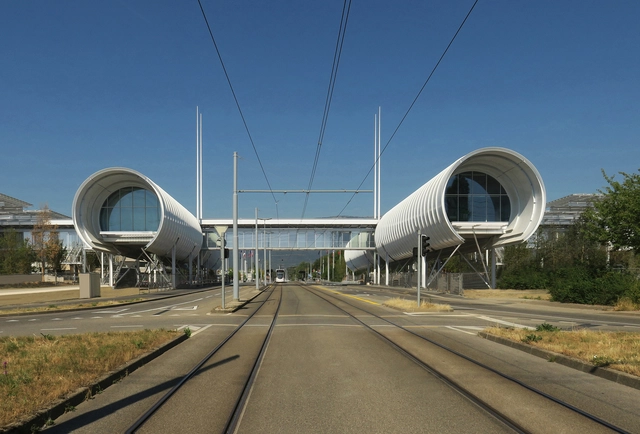
CERN, the European Organization for Nuclear Research, has started a new initiative known as the Science Gateway. The building was designed by Renzo Piano Building Workshop, architects in collaboration with Brodbeck Roulet Architectes Associés (Geneva). Reflecting the institution's broader mission, it encompasses the values of sharing knowledge, technology, and scientific inspiration with society. The Science Gateway is envisioned as an innovative facility dedicated to scientific education and outreach, aiming to catalyze curiosity and passion for science among younger generations. In his latest photo series, Paul Clemence photographed the CERN Science Gateway Building in Geneva, Switzerland.
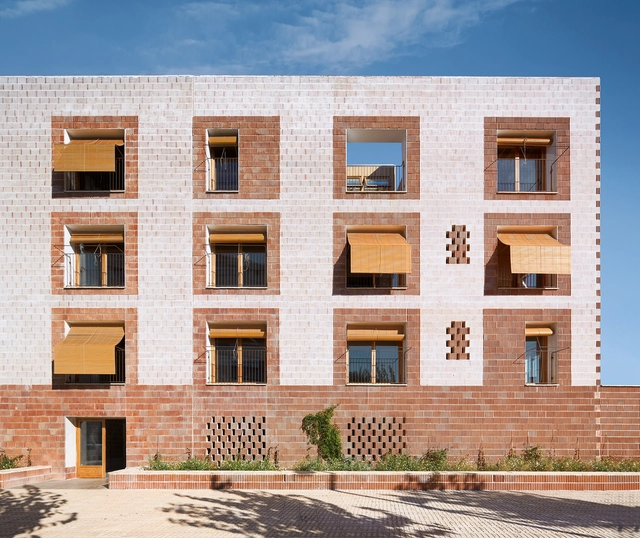
24 Viviendas de protección pública en Platja d’en Bossa / 08014 arquitectura. Adrià Guardiet Llotge, Sandra Torres Molina. Image Cortesía de BEAU
Under the motto "Me-dio Pla-zo," the XVI Spanish Biennial of Architecture and Urbanism (BEAU) inaugurated its exhibition at the Royal Artillery Factory in Seville, highlighting the future vision of architecture and urban planning. At the same time, all the awarded projects in the different categories of this edition involving Architectural Works, Research and Dissemination Works, and End of Career Projects were announced. Until November 20, 2023, the exhibition inspired by the concept of "boxes of time" will be available for visiting, aiming to explore the present as well as the medium-term ambitions of each work.
This year, the torch of the World Capital of Architecture passed from Rio de Janeiro to Copenhagen. For Audrey Azoulay, Director-General of UNESCO, “Copenhagen will build upon Rio’s achievements, by continuing to show the way in which architecture and culture can respond to the challenges of our time, especially in the environmental field.”
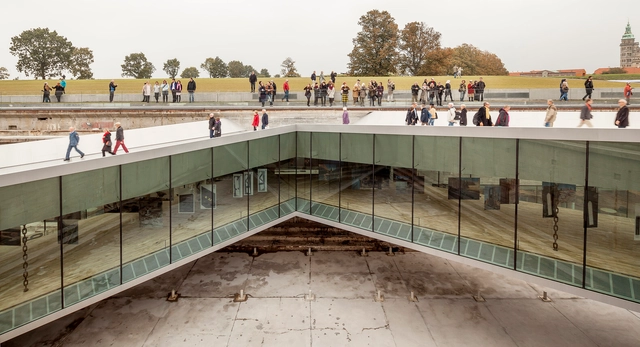
Through the perspectives of various Danish architects, such as Marie-Louise Høstbo, Head of Design at Fritz Hansen, we venture into the unique character of North Copenhagen. Exploring some of her favorite locations –all of which exemplify the city’s culture and sustainable approach– we analyze how Copenhagen upholds a strong legacy and how architecture and urban development play an essential role in shaping its urban identity, while promoting sustainability and liveability. From the serene coastal escape at Bellevue to the reimagined dry dock echoing the city’s maritime history, Høstbo showcases how the World Capital of Architecture seamlessly integrates “design, art, and architecture from the past, present, and future.”