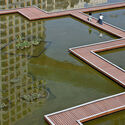
Sustainability in architecture is often framed as a universal challenge, leading to standardized solutions that prioritize efficiency over context. However, architecture is inherently tied to its environment — buildings interact with climate, topography, and cultural history in ways that demand specificity. Instead of relying on standardized sustainability checklists, how can architecture embrace site-specific solutions? This conversation is deeply connected to the concept of Genius Loci, or the spirit of a place, introduced by Christian Norberg-Schulz and embraced by architects advocating for designs that resonate with their surroundings. It suggests that architecture should not be imposed upon a site but rather emerge from it, informed by its materials, climate, and cultural significance. This philosophy challenges the widespread application of generic sustainable technologies, instead proposing that sustainability must be inherently tied to the location in which it operates.
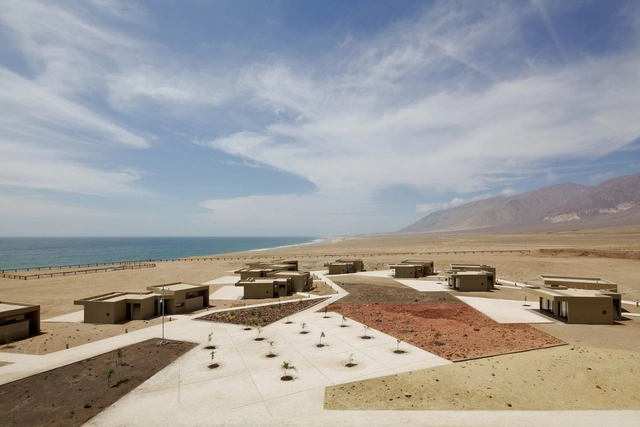
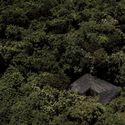
The desert is a landscape in constant transformation. Shaped by the wind, its dunes, ridges, and fissures emerge and fade in an ever-shifting expanse, as if the scenery itself were alive. It is a land of stark contrasts, where the scorching heat of the day gives way to the crisp coolness of the night, revealing nature in its most primal form. In such a dynamic and untamed environment, how can architecture not only integrate but also respect and engage with its surroundings? This is the challenge faced by hotels built within Latin America’s vast desert landscapes.
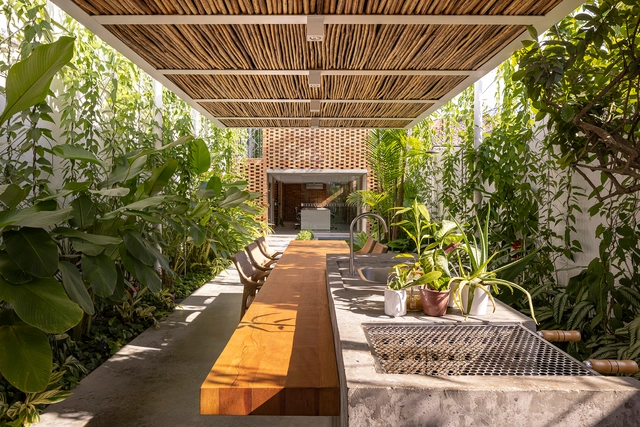
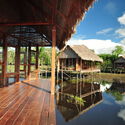
Humid environments present some of the most complex challenges in architectural design. From the tropical monsoon season of Southeast Asia to the equatorial heat of Central Africa, these environments demand solutions that account for intense moisture, high temperatures, and the constant battle against mold, decay, and stagnation. Yet, for centuries, communities in these regions have developed architectural techniques that do not fight against humidity but instead work with it, leveraging local materials, climate-responsive design, and passive cooling techniques to create sustainable and livable spaces. By considering atmosphere as a sensory and climatic phenomenon, architects will craft spaces that are not only evocative but also responsive, adaptive, and sustainable.
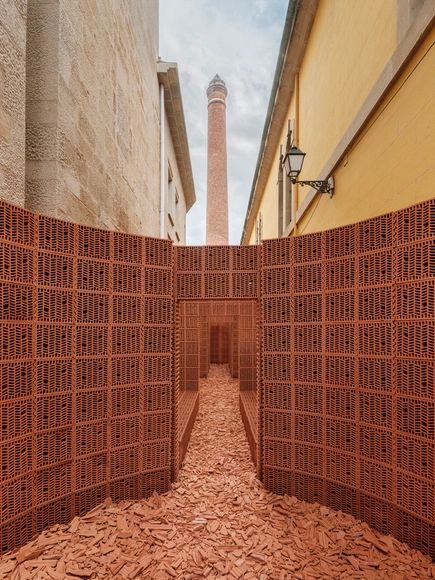
Types of Spaces - Spain | Architects: HANGHAR, Madrid, Spain; PALMA, Mexico City, Mexico. Image Courtesy of Weinberger
The Brick Award is presented every two years to honor innovative, sustainable, and visionary brick architecture worldwide. The upcoming Brick Award 26 will be celebrated in June 2026. Architects, designers, and developers are encouraged to submit projects that showcase creativity and functionality using clay building materials. This prestigious award recognizes excellence across various categories and offers a global platform to highlight the versatility and potential of bricks in contemporary architecture. Submissions for the Brick Award 26 are open until March 9, 2025, offering a unique chance for international recognition. Participation does not require the use of wienerberger products.
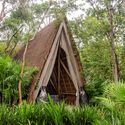
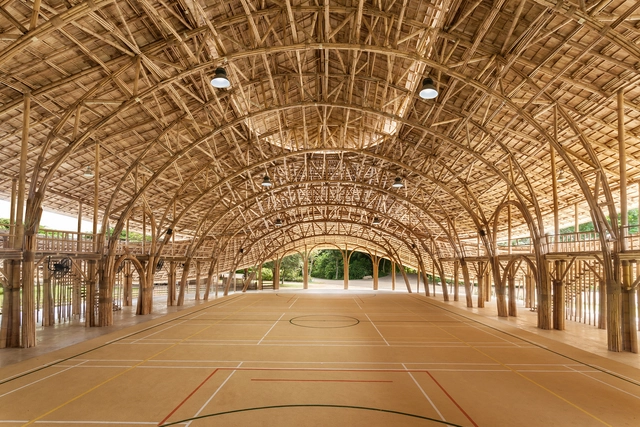
In the heart of Chiang Mai, a city rich in history and the cultural heritage of northern Thailand, the Panyaden Hall, completed in 2017, carries a story of technical innovation and reverence for tradition, brought to life through bamboo. Combining centuries-old Thai craftsmanship with modern design solutions, the project reflects the ethos of Chiangmai Life Architects, a firm devoted to elevating natural materials to their highest potential. In this article, we will explore some of the contemporary structural solutions applied to this iconic project, further revealing bamboo's true potential and inviting a fresh perspective on sustainable architecture and bamboo engineering.
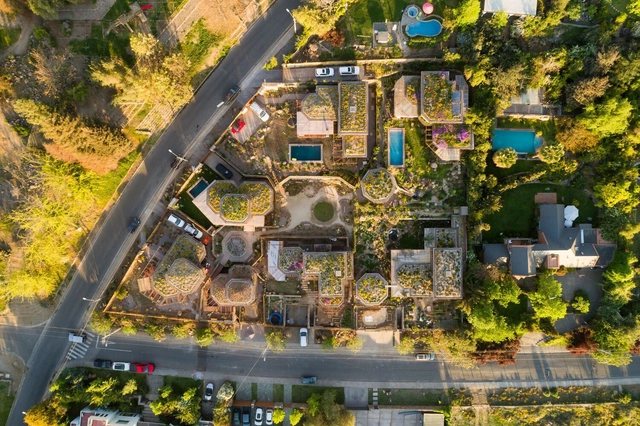
Social fragmentation and economic divides have fractured the fabric of urban environments. In this context, ecovillages emerge as influential remedies to societal and ecological crises, microcosms where sustainable living, social cohesion, and economic resilience drive urban growth. Rooted in environmental stewardship and circular systems, ecovillages offer a scalable model to inspire the development of regenerative urban neighborhoods across the world. Traditional urban and suburban development has led to sprawl and social isolation which have had detrimental effects on community cohesion and the environment. Alongside this phenomenon, cities have become inhumane, characterized by anonymity, unaffordable housing, traffic congestion, and pollution. The lack of access to nature solidifies these issues, leaving many urban dwellers disconnected from elements that promote well-being and a sense of belonging.
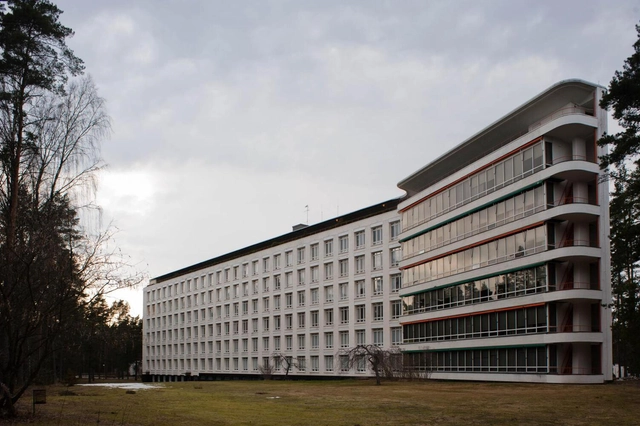
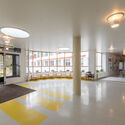
In the early 20th century, tuberculosis presented a significant public health challenge across Europe, prompting the construction of specialized facilities for patient recovery. The Paimio Sanatorium in Finland stands as a groundbreaking example of architecture's potential to promote healing. Designed by Alvar Aalto between 1929 and 1933, the sanatorium combined innovative design principles with a deep understanding of human needs, setting new benchmarks for healthcare architecture.
Alvar Aalto, a leading figure in modernist architecture, envisioned the Paimio Sanatorium as more than a functional response to a medical crisis. He crafted a space where architecture became an instrument of care, integrating natural light, ventilation, and harmonious forms to support physical and emotional well-being. This project marked a turning point in Aalto's career, showcasing his ability to blend modernist ideals with a profound sensitivity to context and human experience.
The Royal Institute of British Architects (RIBA) has announced that Japanese architects Kazuyo Sejima and Ryue Nishizawa, founders of the practice SANAA, will receive the 2025 Royal Gold Medal for architecture. Awarded on behalf of His Majesty the King, the medal is one of the highest honors in the field, recognizing what RIBA describes as SANAA's contribution to shaping contemporary architecture through simplicity, light, and refined design.
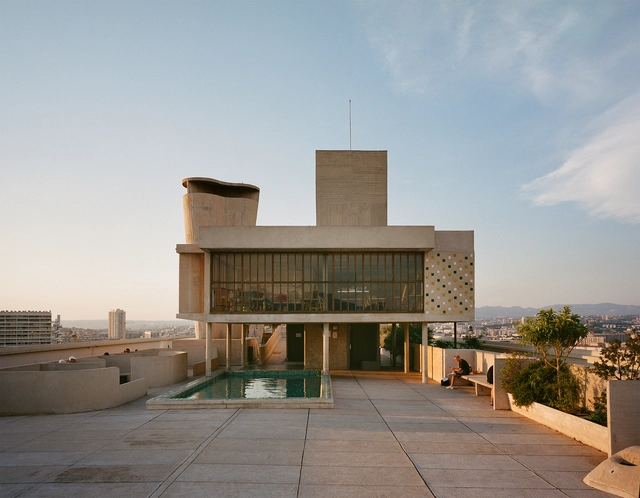
Modernism emerged in the early 20th century as a revolutionary movement that rejected historical styles, prioritizing functionality, innovation, and rationality. Grounded in the promise of industrial progress, architects like Walter Gropius, Le Corbusier, and Ludwig Mies van der Rohe championed using new materials and construction methods, striving for a universal architectural language. Their work introduced radical ideas: open floor plans, expansive glazing for natural light, and pilotis that elevated structures, symbolizing a new architectural era. However, alongside its groundbreaking ideas, modernism's relationship with sustainability has sparked ongoing debates.
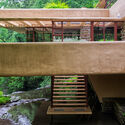
While modernist architects sought to address social and economic challenges through affordable housing and efficient design, their reliance on energy-intensive materials like concrete and steel created unintended environmental consequences. The large-scale industrialization celebrated by modernists often disregarded local climates and ecological systems, leading to inefficiencies. Yet, the principles of functionality and adaptability embedded in modernist architecture laid the groundwork for what we now recognize as sustainable practices. From Le Corbusier's rooftop gardens to Frank Lloyd Wright's integration of nature, the seeds of environmentally conscious design were undeniably present, albeit limited in their execution.
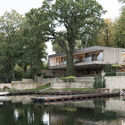
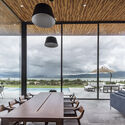
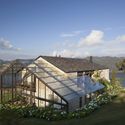
On the shores of serene lakes, where water reflects the harmony between architecture and nature, homes emerge as true retreats. Designed to offer comfort and a deep connection with the surroundings, these residences stand out worldwide for their diverse materials and scales, adapting to different landscapes and lifestyles. From remote woodencabins to sophisticated concrete and glass mansions in urban areas, each project takes advantage of natural resources and the unique characteristics of its setting.
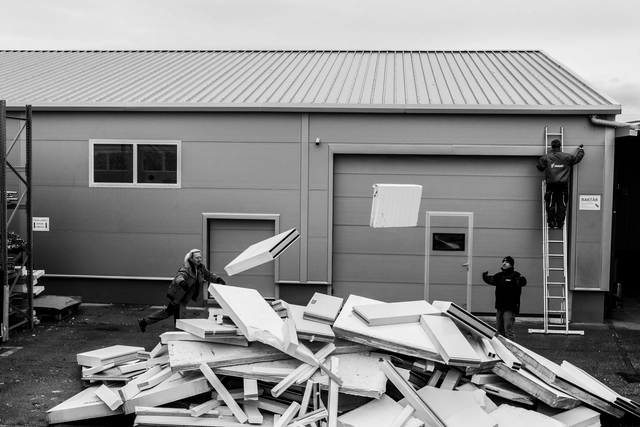
Polyurethane (PU) started as a solution to a 1930s shortage, but today it's a key material in industries from insulation to cushioning. Invented in 1937 by Otto Bayer and his team in Germany, PU was originally designed as a cheap, versatile alternative to rubber. It quickly became popular in coatings and adhesives for its strong bonding and protective properties. PU is made by reacting polyols and isocyanates, which generates heat and, in the presence of expansion agents such as water or gases, creates bubbles that cause the material to expand, resulting in a foam with adjustable density and structure. Its flexibility allowed PU to revolutionize industries with products like insulation and padding. However, its durability and non-biodegradability have raised environmental concerns. To address this, companies like Purman are leading the charge in recycling PU waste, helping to reduce its environmental impact while promoting more sustainable alternatives.
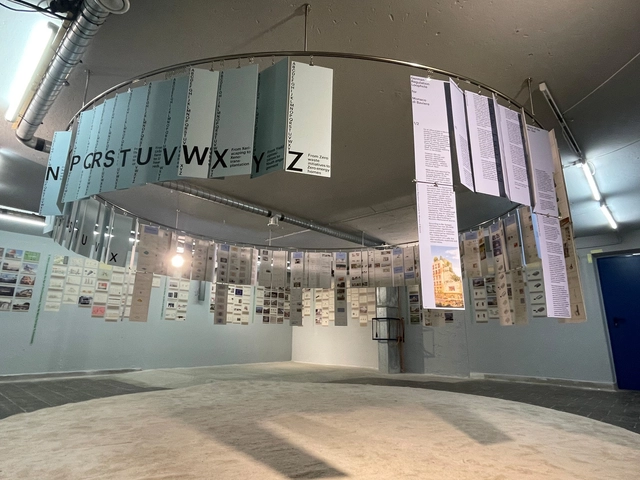
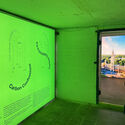
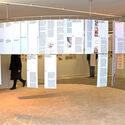
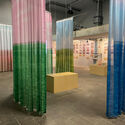
As the global climate crisis intensifies, the construction industry faces increasing pressure to reduce carbon emissions, prompting a fundamental reassessment of building practices. Dutch architecture firm MVRDV, known for its commitment to sustainability, presents an honest exploration of this challenge in "Carbon Confessions," an exhibition at Munich's Architekturgalerie. The exhibition provides insight into the firm's ongoing efforts, highlighting both its achievements and the obstacles encountered in the pursuit of carbon reduction.
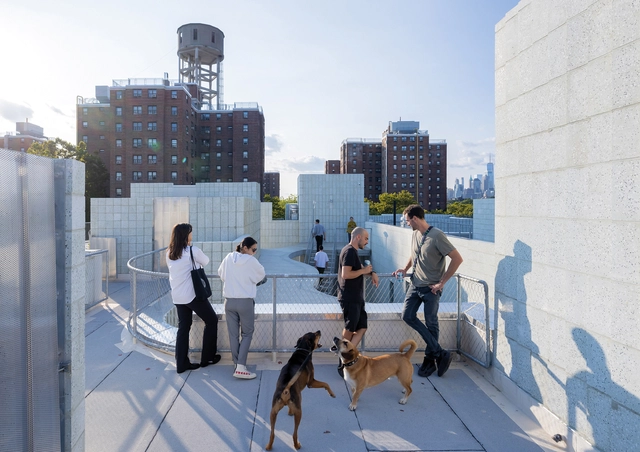
SO-IL (Solid Objectives – Idenburg Liu) is an architectural design firm based in Brooklyn, New York, founded in 2008 by Florian Idenburg and Jing Liu. Known for an architecture deeply engaged with social, cultural, and environmental contexts, the studio focuses on exploring innovative materials, creating fluid spatial experiences, and prioritizing ecological sustainability. SO-IL's work spans various scales and program types, reflecting their versatile approach to design. In 2024, their housing project 450 Warren in Brooklyn was selected as ArchDaily's Building of the Year by the audience in the housing category.
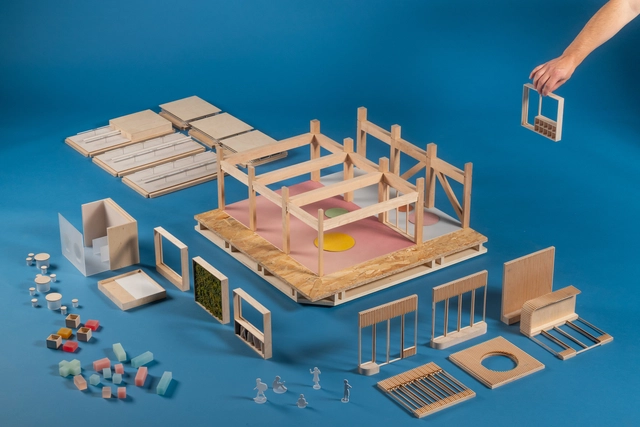
In their latest book, In Depth: Urban Domesticities Today, SO-IL explores the evolving concept of home in contemporary urban contexts, transforming it "from a source of vulnerability into a tool for empowerment." The book redefines domesticity as an active and shared experience and examines how architects can address pressing urban challenges such as affordability, density, and sustainability. SO-IL's work advocates for flexible, resilient housing that fosters community while integrating ecological and social dimensions. ArchDaily spoke with the architects about the innovative solutions and ideas presented in the book, delving into how their projects challenge conventional systems and envision a future where architecture is a tool for empowerment.
The evolution of bathrooms into their modern configuration traces back to ancient civilizations like the Ottoman and Roman, where sanitation held significant cultural importance. During the Middle Ages, however, personal hygiene practices declined, setting back developments in sanitation until the Renaissance revived interest in cleanliness. This shift paved the way for key innovations in the 18th century, including modern plumbing systems that enabled the widespread adoption of modern sanitation spaces. Today, it's unimaginable to design an architectural project without incorporating these facilities, highlighting the essential role of hygiene and well-being, now closely tied to technological advancements.
https://www.archdaily.com/1023022/beyond-the-basics-innovations-transforming-bathroom-hand-dryer-technologyEnrique Tovar
For decades, the life cycle of buildings was a simple formula: planning, design, construction, demolition, and, of course, the great villain in this history: the landfill. Over time, architectural practice began embracing concepts like reuse, disassembly, and circular demolition, but often as secondary elements, part of the gradual shift toward a circular economy in construction. But what if these principles were no longer exceptions? What if we crafted or chose every building component to maintain value and purpose beyond its original use? The truth is, there is life after demolition. This transition—from demolition to practices focusing on reuse, repurposing, and sustainable dismantling—is edging closer to reality. By the time 2030 arrives, we could fundamentally reshape how we approach processes, buildings, and the market itself. As these changes unfold, we must assess how our strategies align with the evolving goals and challenges related to sustainability—and, of course, the new opportunities they bring.
https://www.archdaily.com/1025567/what-if-every-brick-had-a-future-rethinking-demolition-and-material-reuse-in-the-circular-economyEnrique Tovar
Videos
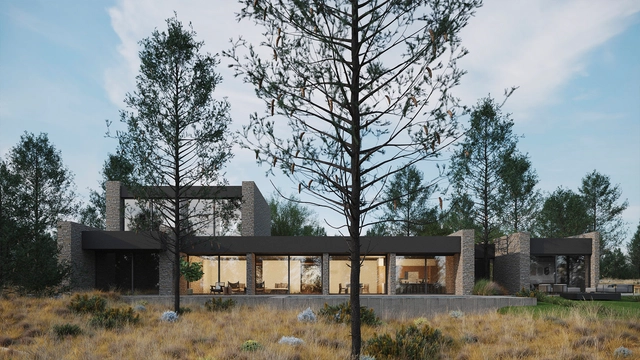
Project: Mahón Model, from the '111 Casas inHAUS' catalogue. Architect: inHAUS Houses.
Architects from all over the world are invited to participate in the "Best House in the World"competition, a new international contest designed to discover and reward innovative residential architectural designs that have not yet been built and are still in development. The inHAUS brand, with the sponsorship of Geberit, Porcelanosa, Schüco, Joquer and S&P, presents the challenge of industrialized construction for the most daring and creative projects. These are real projects, with actual clients and real plots, designed by architects striving to achieve new standards of excellence and quality in their residential constructions. Dare to challenge the innovative off-site construction system by inHAUS!