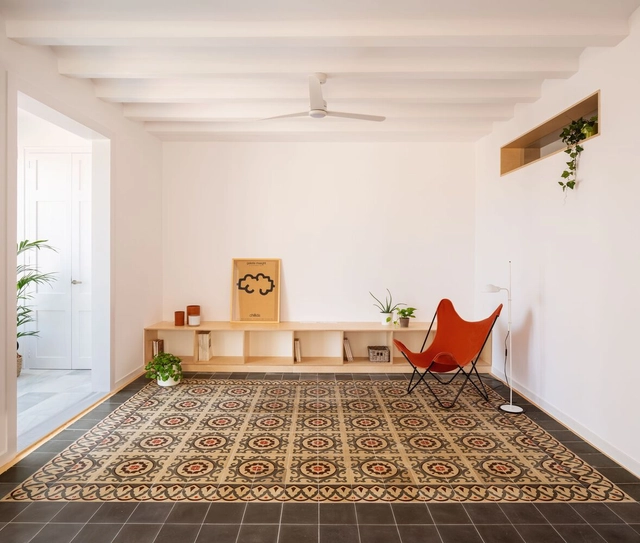
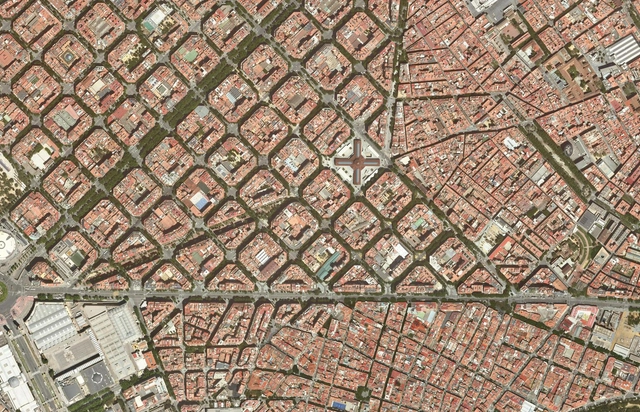
In the quest to preserve certain architectural, historical, and cultural features of original Catalan homes, apartment renovations are conceived as a means of connecting the past and the present through the recovery and/or restoration of coverings, flooring, carpentry, facades, and more. The history of ceramics in Spain has evolved over the years, experiencing periods of productive flourishing as well as decline. However, the expressive language, versatility, and adaptability of hydraulic tiles to tradition and the future stand out in homes' interior and exterior spaces with their wide combination of colors, textures, and patterns.
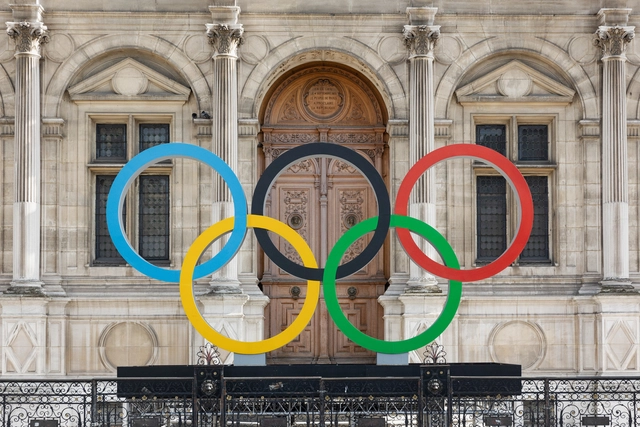
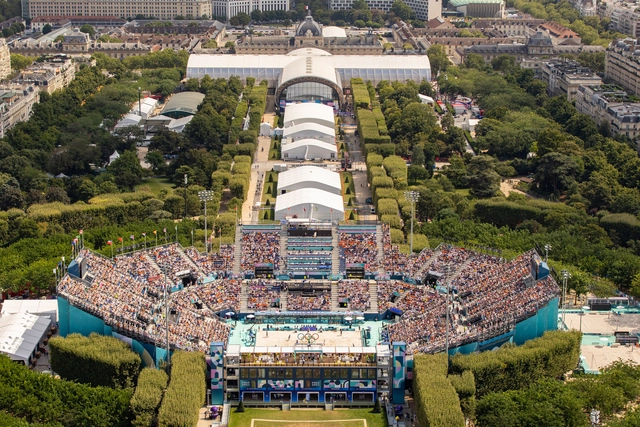
Guillaume Bontemps/Ville de Paris. Image Courtesy of Paris 2024 Olympic Games
The recent history of the city of Paris is entangled with that of the Olympic Games. In 1900, Paris hosted the second edition of the Games, starting a journey of urban adaptations and architectural developments that prepared the city for the event. Among the most important changes was the introduction of Line 1 of the metro, inaugurated in 1900 to link the locations of the Universal Exhibition with those of the Olympic Games in Vincennes. Just 24 years later, the city hosted one of the most influential editions of the Olympic Games. The event, the first to be broadcasted on the airwaves, contributed to a substantial rise in the popularity of the Games. It was also during this edition that the concept of the Olympic Village was born. Several of the infrastructures and venues built over a century ago are still in use in Paris, with some of them returning now as hosts of Olympic events.
As the world witnesses an unprecedented exodus from rural to urban areas, cities face a monumental challenge: how to accommodate a constantly growing population? This phenomenon, characterized by rapid population growth and increasing density, puts pressure on resources, infrastructure, and urban services. As significant problems demand even larger solutions, it becomes necessary, more than ever, to rethink the tools at our disposal. In this challenging context, the rise of emerging technologies such as the Internet of Things (IoT), data analytics, and artificial intelligence (AI) presents itself as a light at the end of the tunnel. These technologies, initially conceived to simplify everyday tasks and facilitate communication, are potential instruments that enable an effective response to contemporary urban challenges.
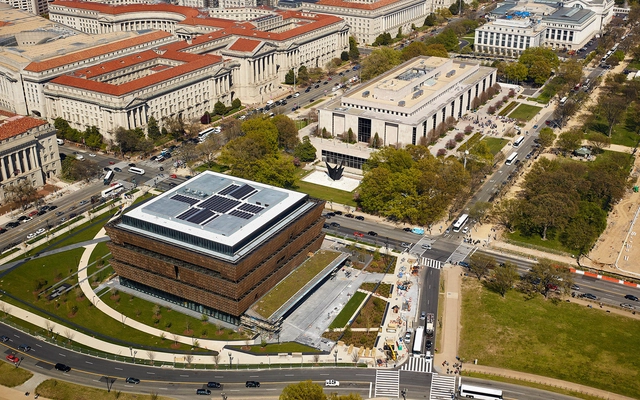
National Public Radio officials thought they had a solid plan. Over a decade ago, they began to create new offices in the NoMa neighborhood of Washington, D.C., to consolidate 800 employees in three buildings. The $201 million adaptive reuse of an old warehouse plus a new seven-story tower opened in 2013 with soaring ceilings, a 24-hour wellness center, a gourmet café staffed by a resident chef, and dozens of bike racks to encourage cycling. There’s only one problem: hardly anyone works there now.
At least three-quarters of densely packed cubicles that dominate entire building floors sat eerily unoccupied during a tour for the American Institute of Architects annual convention, held in June, and it wasn’t because reporters were out covering stories. Due to work-at-home policies, few writers and editors take advantage of the building’s $44 million in top-shelf audio and multimedia equipment, 14 studios, and six recording booths.
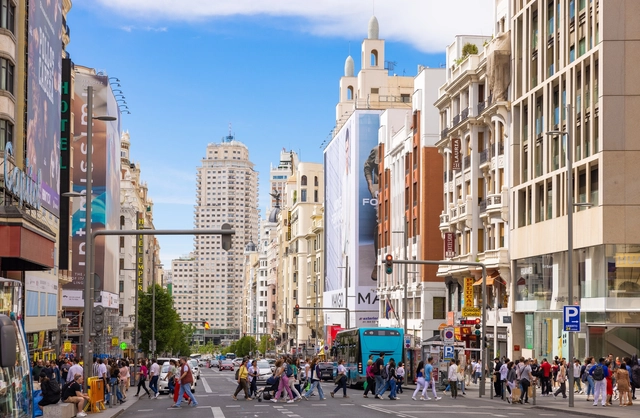
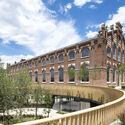
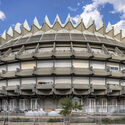
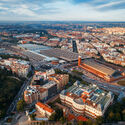
Madrid, the vibrant capital of Spain, offers a blend of tradition and modernity, reflected in its diverse architectural heritage. This rich past is etched into the old façades, expansive public spaces, and historic religious institutions that define much of Madrid’s character today. The city’s continuous architectural renewal, reflected in both respectful restorations and innovative new constructions, highlights Madrid’s commitment to preserving its heritage while embracing modernity.
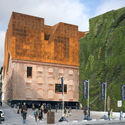
In the 20th century, Madrid embraced modernity, influenced by movements such as Rationalism, the International Style, and Brutalism. Today, Madrid is a showcase for contemporary design, where contemporary projects by renowned architects coexist with its historical legacy. Structures like the CaixaForum by Herzog & de Meuron and Jean Nouvel’s Reina Sofía Museum exemplify the city’s interest in architectural explorations
On October 23, 2023, during the closing of the Line Exhibition in Riyadh, Saudi Arabia, ArchDaily’s Editor in Chief, Christele Harrouk spoke to Tarek Qaddumi, Executive Director of The Line Design at NEOM, asking questions that probe into both the conceptual aspects and the technicalities of The Line project. In this video interview, the conversation addresses notions such as accessibility, transportation, and sustainability, while also exploring the concept of Cognitive Cities and the intended phasing of the project.
https://www.archdaily.com/1019840/building-the-line-as-a-three-dimensional-city-in-conversation-with-tarek-qaddumi-executive-director-of-the-line-design-of-neomArchDaily Team
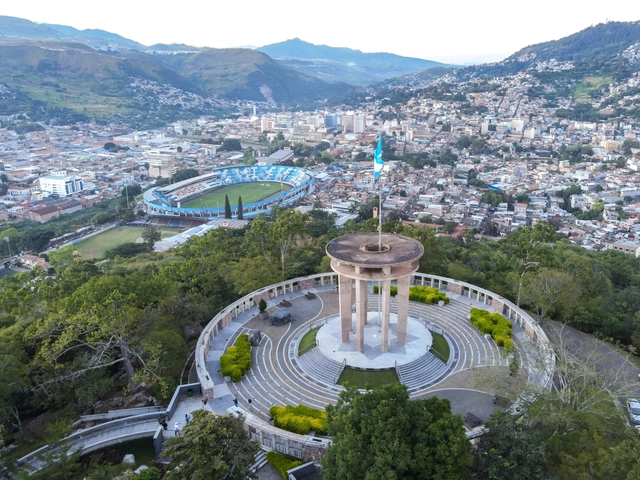
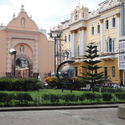
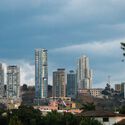
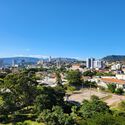
In the first decades of the XXI century, Honduras experienced higher levels of crime and violence compared to its other Central American neighbors. This situation caused the country to be largely avoided by most visitors and investors. However, it didn’t stop Tegucigalpa, its capital city, from experiencing an explosion of residential and office developments which are currently reshaping its skyline. Defined by a unique topography, and tropical weather, the city served as a testing ground for modernist urban principles that contributed to the transformation of a small mining town into one of the largest metropolises in Central America.
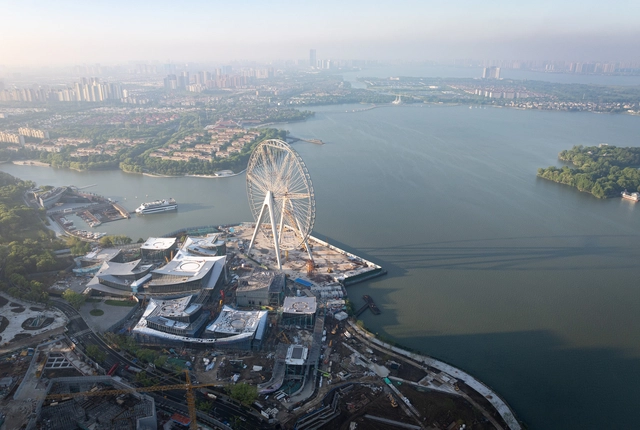
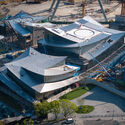
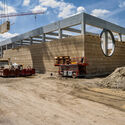
The Suzhou Museum of Contemporary Art, spanning 60,000 square meters, is envisioned as a village of 12 pavilions, presenting a contemporary take on the city's historic urbanism, architecture, and landscape. Designed by Bjarke Ingels Group - BIG, ARTS Group, and Front Inc., the project is part of Suzhou's development around Jinji Lake. It reimagines the classical garden 'lang,' or corridor, framing gardens with outdoor art installations. The pavilions' layout draws inspiration from Suzhou’s garden heritage, guiding visitors through an artistic, natural, and aquatic journey. The museum, which recently celebrated its topping out, is scheduled for completion in 2025.
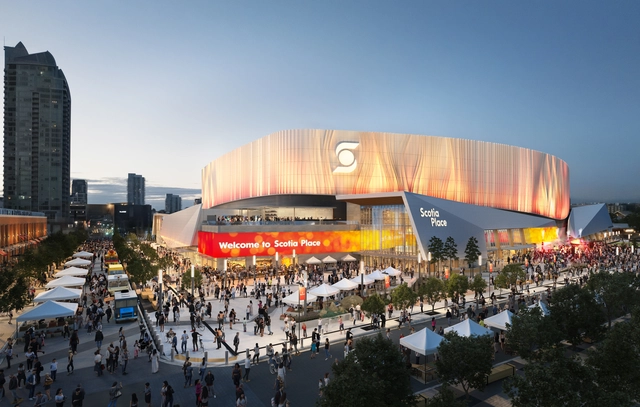
DIALOG and HOK have just revealed the redesign of Scotia Place, Calgary’s new event center in Canada. Set to become a hub of community and culture, Scotia Place is inspired by Indigenous ancestral lands and cultural significance, integrated these perspectives with the natural beauty of Calgary. Commissioned by the City of Calgary and the Calgary Sports and Entertainment Corporations, Scotia Place seeks to bring people together and activate the public realm.
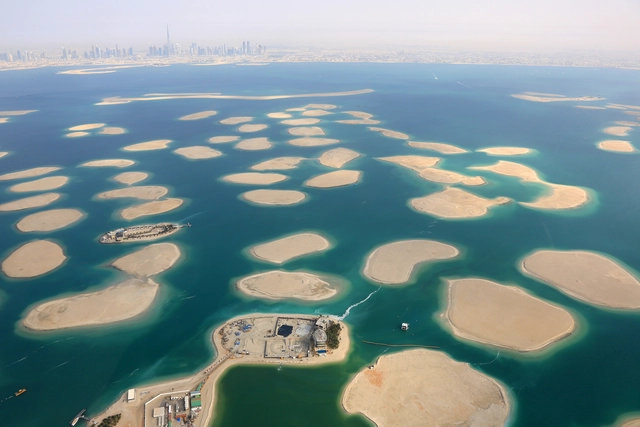
Contrary to common belief, artificial islands have a lengthy historical background in many regions worldwide. This heritage dates back to the reclaimed islands in Ancient Egypt, the hundreds of Stilt crannogs found in Scottish and Irish lakes and waterways, and the ceremonial islands constructed during the Aztec Empire. By definition, an artificial island is an island that has been constructed by humans rather than formed through natural processes. Artificial islands can be built for many different reasons, and these reasons are only increasing as the world faces the looming issue of space scarcity.
In the past, these islands were intended for ceremonial or agricultural purposes, often verging on solutions for urban space. More recently, the islands have been built to mitigate overcrowding, reclaim land, provide new urban expansions, and meet infrastructure and industrial needs. Artificial islands also have certain strategic advantages and economic gains and can lead to geopolitical benefits. However, these types of projects come at a significant cost to our ecosystem, harming the environment in severe and vast ways.
To take advantage of the historic heritage of the city of Paris while also minimizing the impact of the Olympics, the Paris 2024 Games are organizing a set of temporary arenas and installations to host several key competitions, only to be disassembled after the games' closing. Only one sports venue has been built specifically for the 2024 Olympic Games, the Aquatics Centre Paris, as the city aims to use its existing sporting infrastructure to the maximum, ensuring a smaller footprint compared to previous editions. In addition to the established venues, key temporary sites include the Trocadéro, Eiffel Tower, Champ-de-Mars, Esplanade des Invalides, Pont Alexandre III, Place de la Concorde, and Place de l’Hôtel de Ville, with additional stands along the Seine for the Opening Ceremony.
The assembly and disassembly of these temporary sites will follow a step-by-step approach to minimize disruption. Geographical phasing will preserve traffic lanes and access to public spaces, while time phasing will gradually activate and deactivate competition perimeters to limit construction impact and quickly restore spaces post-Games. These measures align with Paris 2024's commitment to organizing responsible and respectful Games and preserving the city's urban and natural heritage.
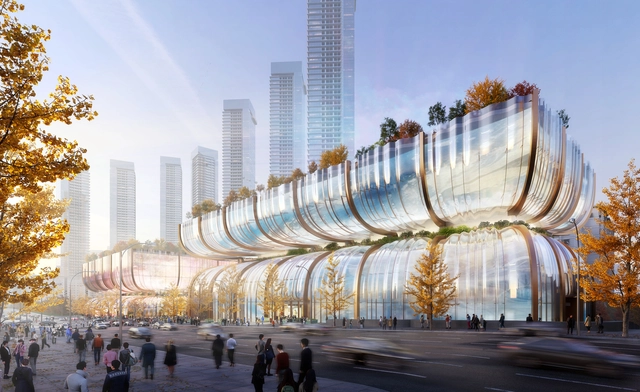
Heatherwick Studio has just announced its design for transforming Seoul’s renowned Hanwha Galleria. Following a competition aimed at reimagining six sites across the South Korean capital, Heatherwick Studio seeks to highlight South Korea’s rising status as a global cultural hub. Featuring two twin hourglass-shaped structures, the proposed design challenge traditionally designed luxury department stores worldwide.
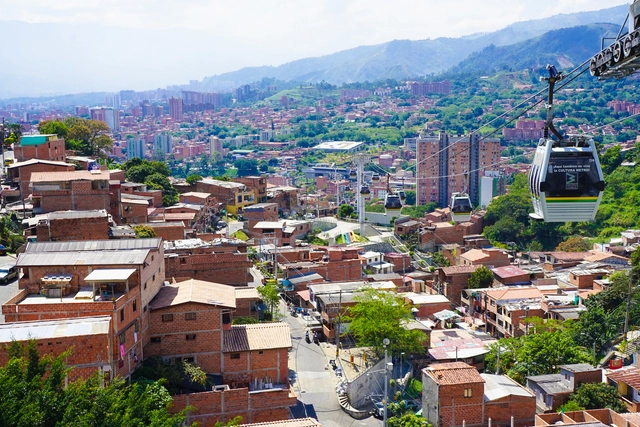
Recent news headlines from the African continent show a variety of urgent issues affecting urban centers: severe flooding threatens Kenya's capital, Nairobi; the light rail system in Addis Ababa, Ethiopia, is faltering after a successful start. Meanwhile, in Egypt's capital, Cairo, new infrastructure and housing expenditures proved too steep and necessitated a government bailout. African cities face a plethora of problems but they also hold the potential to improve countless lives. As South America shares stark similarities in its history with that of Africa, it could provide both a point of reference and a positive example for tackling these concerns at an urban level.
For decades, the construction industry followed a familiar rhythm: design came first, materials followed. The pressing need for sustainable buildings has shattered this routine. Material selection is no longer an afterthought, but a critical decision made at the outset, with the potential to dramatically reduce a project's environmental footprint. This shift is even more crucial given the construction industry's appetite for raw materials – a staggering 3 billion tons extracted annually. To navigate this new landscape, digital material libraries and data-driven evaluation are emerging as powerful tools, creating a culture where materiality takes center stage to shape a more sustainable built environment.
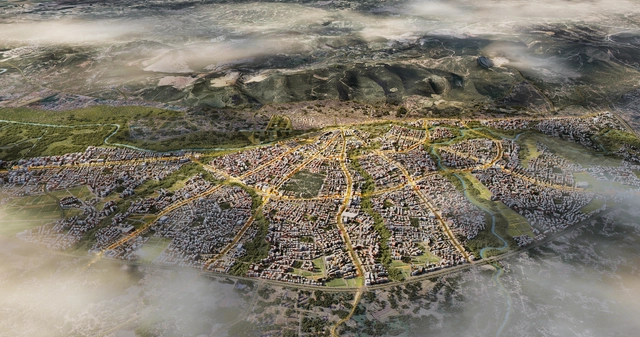
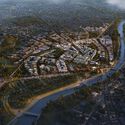
As part of a wider design-led revitalization process, Türkiye Design Council has announced a new urban plan for the revitalization of Antakya and the wider Hatay province in Türkiye, an area heavily affected by the Türkiye-Syria earthquake on 6 February 2023. The master plan has been developed by Foster + Partners, Buro Happold, MIC-HUB, along with Turkish practices DB Architects, and KEYM Urban Renewal Centre. The plan covers a 30-square-kilometer area of Antakya, the capital district of Hatay, and an important urban center of antiquity known as Antioch. Eight design principles have been outlined to guide the rebuilding efforts in an attempt to maintain the spirit of the city, which suffered extensive damages estimated at 80 percent.
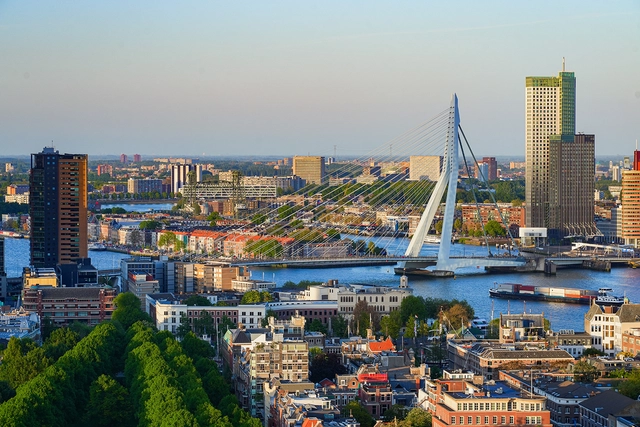
As we reach mid-2024, European cities showcase various urban development markers that are shaping the trajectory for the remainder of the year. Under themes of urban mobility in Brussels, sustainability in Valencia, Smart Cities in Rotterdam, and urban cooling in Paris, each city is making noteworthy progress on the road to meet the 2030 targets set by the Paris Agreement. In these diverse urban fabrics, European cities are committed to defining challenges and working towards shaping a climate-conscious future.
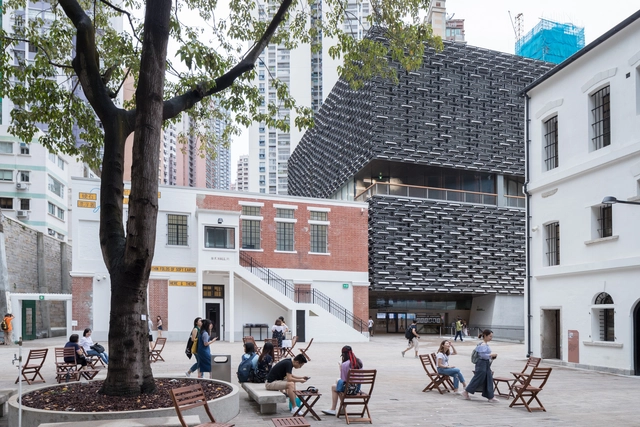
As major cities continue to develop, we face intriguing challenges regarding the preservation and adaptive reuse of significant buildings, sites, and artifacts. This poses a complex question that involves political history, architectural theory, and cultural significance. Adaptive reuse extends beyond architectural and spatial designs; it allows cities and communities to reflect, reevaluate, and reinterpret their history from different perspectives. However, unlike books and words, buildings may not withstand the test of time themselves and serve as firsthand evidence of the stories they tell. How should we question ourselves on what to preserve and demolish? How can communities be involved in the active restoration or adaptation of historic buildings?
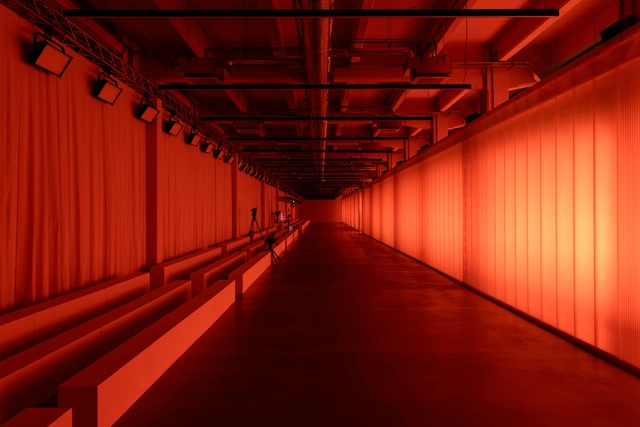
Named one of ArchDaily’s Best New Practices of 2024, (ab)Normal is redefining the boundaries of contemporary inspiration, architecture, and design. This Milan-based interdisciplinary studio, led by architects Mattia Inselvini, Davide Masserini, and Luigi Savio, aims to seamlessly merge architecture, product design, and creative direction into a cohesive practice. Founded in 2017 alongside Marcello Carpino, (ab)Normal's work spans various domains, including art, culture, design, interiors, and fashion. Their projects traverse multiple scales and formats, moving between the virtual and tangible, ephemeral and permanent, speculative and commercial, while integrating iconic elements with nods to popular culture and focusing on the implications of technological progress. Acting as Creative Director for the built environment, (ab)Normal operates across scales and formats, moving between the virtual and tangible, ephemeral and permanent, performative and static.