Vernacular construction technologies are based on centuries of practical wisdom, refined through countless trials and errors. This process eliminates all irrelevant aspects, creating highly efficient and simple systems that are intrinsically adapted to the local climate and resources. These methods demonstrate how to conserve heat with minimal energy, offering valuable insights for modern buildings, promoting energy efficiency, and environmental harmony. In this article, we have already covered traditional passive cooling techniques, such as Persian wind towers and Arab mashrabiya. Now, we turn our focus to strategies applicable to cold climates, exploring effective solutions for heat retention and space heating.
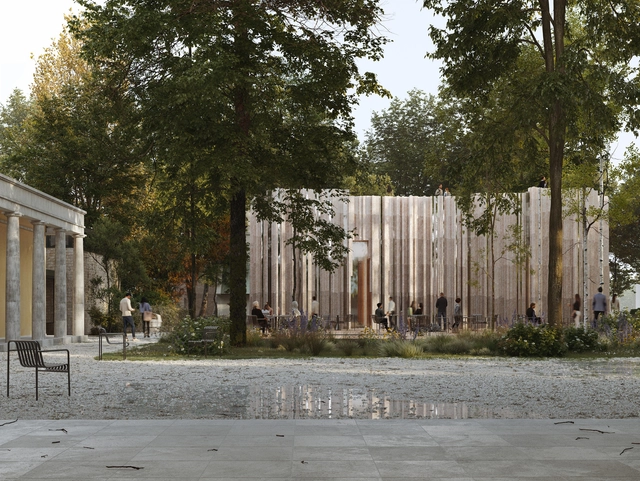
Following the devastating earthquake that hit central Turkiye and northwest Syria in February 2023, the province of Hatay, Türkiye, was left with large sections of its urban fabric destroyed and thousands of residents displaced. Türkiye Design Council has commissioned design studio SOUR to contribute to the regeneration initiative as part of a wider design-led revitalization process.
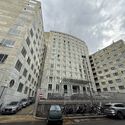
In a significant win for historic preservation, two landmark Chicagoskyscrapers, the Century and Consumers Buildings, have been saved from demolition. These iconic structures, located on State Street, were initially set for destruction due to security concerns, given their proximity to the Dirksen U.S. Courthouse. However, after extensive advocacy and public pressure, the U.S. General Services Administration (GSA) has shifted toward an adaptive reuse plan, ensuring the preservation of these architectural landmarks.
It's that time of year again: students and their families are busy preparing for the start of school, while some of us are gearing up to step in front of the classroom. While preparing to teach an intro course on climate, I'm reminded of why we use the term climate change and not global warming.
Yes, the Earth is warming from a thickening layer of greenhouse gases in the atmosphere caused by us. But climate changes range from sea level rise to increasing storms, floods, fires, and drought, which are all negatively impacting biodiversity as well. So, not just warming. Recent storms that battered the eastern U.S. coast and Bermuda remind us of this difference. While some communities face extreme heat, others brace for storms and rising waters, and many face multiple impacts.
As record-breaking temperatures sweep across European cities, practitioners have recognized that existing infrastructure is poorly equipped to address the impacts of climate change. In response to this concern Roofscapes, a startup emerging from the MIT School of Architecture and Planning, has developed innovative solutions to amplify urban climate resilience. Their approach focuses on the strategic adaptation of underutilized spaces such as rooftops. By tackling the immediate challenges posed by extreme heat, the startup's work epitomizes how architectural innovation can directly contribute to addressing climate adaptation needs in cities. The company was recognized as one of ArchDaily's 2024 Best New Practices for their innovative approach to tackling urban issues such as affordability, lack of biodiversity, rising urban temperatures and repurposing.
Known for its unconventional art installations and striking desert setting, the Burning Man festival has concluded this year with an array of temporary installations spread across the Black RockDesert in Nevada. The festival's 2024 theme, "Curiouser & Curiouser," inspired by Lewis Carroll's Alice in Wonderland, encouraged participants to embrace wonder and whimsy.
At Burning Man, a tapestry of themes emerges through diverse installations, from reflections on connectivity and isolation to explorations of time and space. Installations like Nebula Shroom Grove and the Temple of Together emphasize community and unity, inviting interaction and participation. Pieces like "I'm Fine" and Tree Circle delve into universal emotions and humanity's connection to the infinite, while works like Matter Out of Time and The End of Time play with perceptions of time and reality.
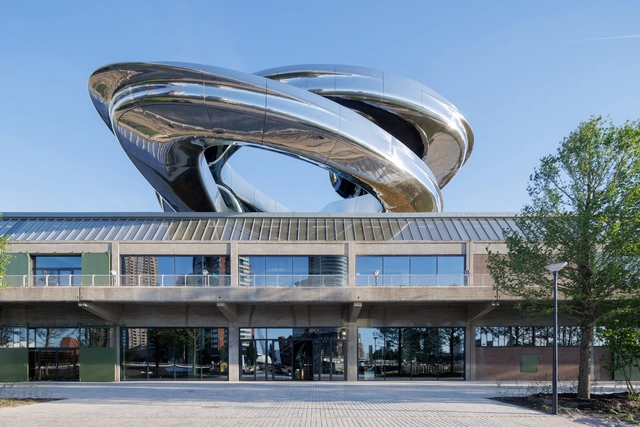
Designed by MAD Architects, the FENIX Museum of Migration is scheduled to open in Rotterdam's City Harbor in 2025. Currently under construction, the museum is set to explore the global narrative of migration through art, architecture, photography, and history. Situated in a 16,000-square-meter warehouse built in 1923, once part of the world's largest warehouse, the building has historical significance as a key storage and shipping hub for the Holland America Line. New construction photographs showcase the assembly of the metallic helix, named The Tornado, taking shape above the historical warehouse.
With escalating land values in urban centers, there has been a growing trend to float public spaces from ground level to elevated locations, such as rooftops or podiums between buildings. From a development perspective, maximizing floor area has become crucial as urban environments expand. Ground-level spaces are highly sought after for retail use due to their strategic location, which attracts foot traffic and potential customers and drives city development and economics.
This financial consideration, which often guides building activities and directions in urban centers, contradicts design principles advocated during the modernist era for the benefits of better outdoor space for the public, such as the concept of 'Freeing the Ground'. Architects like Le Corbusier championed this concept through projects like Villa Savoye and Unite d' Habitation. These modernist designs envisioned a future where buildings were elevated to restore open, accessible outdoor ground-level spaces for its users. However, for the reasons above, many contemporary projects instead seek to replicate the function of public grounds within the building's structure.
Large-scale infrastructure projects often aim to connect distant locations within urban areas, facilitating quicker transportation, logistics, and commercial activities along their routes. However, while these projects link distant destinations, their substantial physical presence can significantly affect local communities. This may result in the disconnection and disengagement of previously connected neighborhoods, the disruption of public spaces, and generally negative outdoor experiences caused by noise, pollution, and lack of attention and maintenance to these infrastructures.
Nevertheless, several successful built environment projects have re-integrated contentious infrastructure into the community through thoughtful design of outdoor spaces, with Paris' Coulée verte René-Dumont being one of the first examples and New York's High Line being one of the most prominent examples. The High Line demonstrates how well-conceived outdoor projects can address the alienation caused by extensive infrastructure, foster community reconnection, serve as cultural and economic hubs, and even spur further economic redevelopment, as in Hudson Yards.
The Second Studio (formerly The Midnight Charette) is an explicit podcast about design, architecture, and the everyday. Hosted by Architects David Lee and Marina Bourderonnet, it features different creative professionals in unscripted conversations that allow for thoughtful takes and personal discussions.
A variety of subjects are covered with honesty and humor: some episodes are interviews, while others are tips for fellow designers, reviews of buildings and other projects, or casual explorations of everyday life and design. The Second Studio is also available on iTunes, Spotify, and YouTube.
This week David and Marina of FAME Architecture & Design are joined by Michael Tyre, President-Elect and Design Director of Amenta Emma Architects to discuss his childhood interests; education and early career; neurodiversity in design; the Smith College Young Classroom project; fixed variation vs segregation design model; the shift from ego-driven design to co-creation; reframing social discourse to create inclusive spaces; and more.
https://www.archdaily.com/1021219/the-second-studio-podcast-an-interview-with-michael-tyre-of-amenta-emma-architectsThe Second Studio Podcast
How does floating architecture relate to nature? How are wellness spaces connected to natural environments? Living in spaces around water continues to be one of the greatest interests and attractions for a large portion of the global population. Beyond the fact that designing on water requires consideration of various structural, economic, construction, material, and technological variables, understanding the region's climate aspects—such as rainfall, currents, winds, temperatures, and more—is essential for creating architectures that coexist with the natural world and do not cause severe damage to ecosystems.
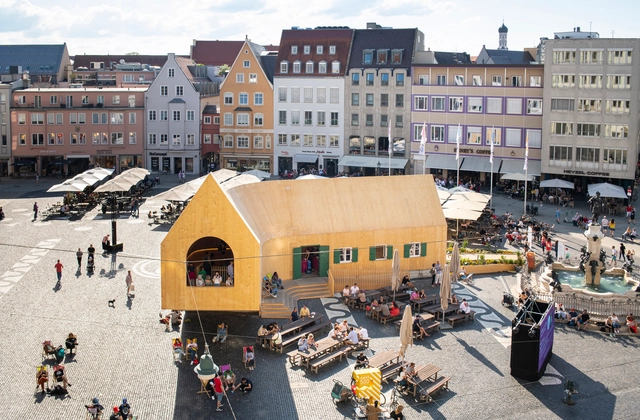
In Timișoara, Romania, Beta Architecture Biennial opens to the public today, September 13, under the curatorial direction of Oana Stănescu. Now in its 5th edition, thus celebrating 10 years since its inauguration, the 2024 biennial proposes a wide-ranging program of debates, exhibitions, guided tours, and artistic performances. The two main components of the biennale are the Main Exhibition, cover me softly, led by Stănescu, and the Beta Awards, aiming to highlight architects and professionals from Romania, Hungary, and Serbia who actively contribute to the improvement of the built environment. The biennale is open between September 13, and October 27, 2024.
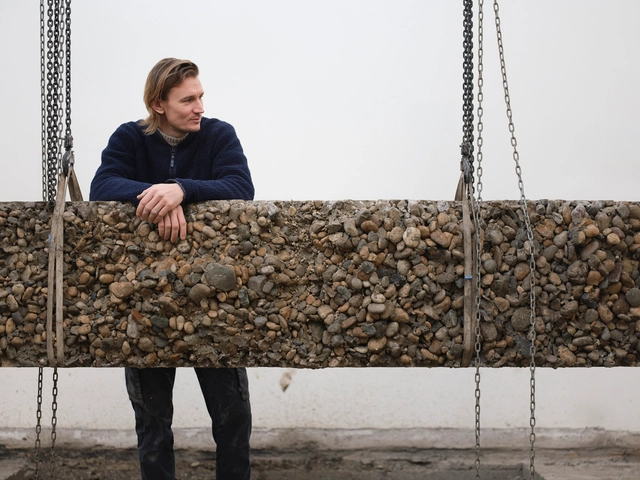
In a recent interview with ArchDaily, Sigurd Larsen, renowned for his innovative architecture practice, reflects on his journey and the evolution of his office. A significant player in shaping contemporary European architecture, Larsen shares insights into his career development, the current profile of his practice, and his approach to various types of projects.
Currently, Larsen's office is known for its diverse range of projects, including residential homes,hotels, and public spaces across Europe. "Our focus is on combining conceptual creativity with practical considerations," Larsen explained. Projects such as landscape hotels and public schools in Germany exemplify this approach, showcasing a blend of innovation and context-sensitive design.
From the 1930s to the 1990s, Burle Marx's work anticipated many of today's concerns about sustainability and urban well-being. Long before terms like "sustainable design" or "green infrastructure" became commonplace, Burle Marx was already advocating for the use of native plants, recognizing their role in creating self-sustaining ecosystems that required minimal intervention. His projects often transformed neglected urban areas into vibrant, ecologically balanced spaces that not only improved the environment but also enhanced the quality of life for city dwellers.
The vast majority of practitioners I've known over the years seek well-trained graduates who are ready on Day One to be productive employees. But that's not all an architectural education needs to deliver. Michael Monti—who for the past 20 years has served as executive director of the Association of Collegiate Schools of Architecture (ACSA), which represents 5,000 architecture faculty teaching more than 30,000 students—stresses that architectural education needs to rest on strong foundation of shared values and ethics in order for graduates to make meaningful contributions to what he describes as a "civilized life," promoting the dignity, freedom, health, and well-being of the people who interact with architecture every day.
https://www.archdaily.com/1021154/architecture-schools-are-responsible-for-educating-the-whole-studentMichael J. Crosbie
The Transamerica Pyramid Center has just announced the completion of the long-awaited Foster + Partners led renovation in San Francisco, United States. An iconic landmark of San Francisco's skyline since its completion in 1972, has been undergoing its most significant renovation to date. Originally designed by American architect William Pereira in a Brutalist style, the 48-story tower was the tallest building in San Francisco for nearly 50 years. This renovation will also include enhancements to the adjacent buildings.
Resisting an adverse context and navigating its restrictions, Grupo Finca emerges, a collective that explores the practice of architecture from an artistic and pedagogical dimension in Havana, Cuba. Given the complexity of the country's political and social situation, informal architecture is common: low resources, difficulty in obtaining materials, high costs, and a lack of skilled labor, among other challenges, are some of the obstacles faced by independent architecture professionals. Coupled with the absence of a regulatory legal framework that would allow them to work formally in the labor market or acquire materials and supplies, the construction of contemporary architecture in Cuba is relegated to independent processes that can somehow overcome these barriers.
Cheongye Stream, known as Cheonggyecheon (청계천) in Korean, runs eastward through the heart of Seoul, passing through 13 neighborhoods in four districts of the capital of South Korea. Throughout its history, the stream played different roles in the city until it was covered by an elevated highway in the 1970s. For over 30 years, this natural artery remained hidden. It was not until 2003 that the city government launched a restoration project to reintegrate this urban waterway into the city fabric, revitalize the local economy, and revive the area's history and culture. The revitalization efforts were led by Mikyoung Kim Design. Since the project's completion in 2005, it quickly became one of Seoul's most visited tourist attractions. Moreover, it has become a focal point for ample urban research, with many studies offering positive assessments of the impact it had on Seoul's urban, economic, and ecological context.