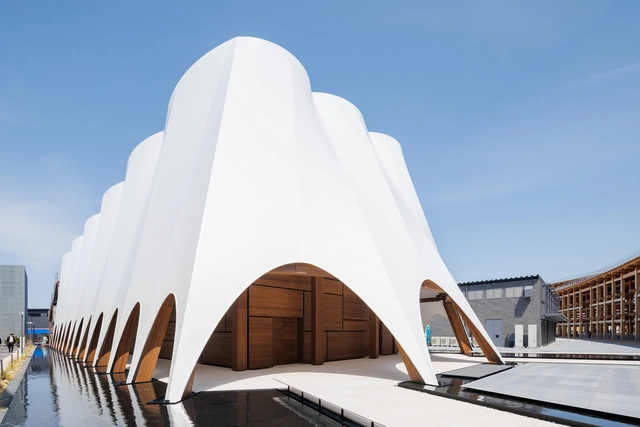
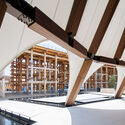
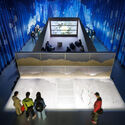
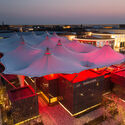
Officially open since April 13 as part of Expo 2025 Osaka, the German Pavilion, designed by LAVA Architects. brings to life the theme of the circular economy. Previously unveiled under the title "Wa! Doitsu" (translated as "Wow! Germany"), the Pavilion explores concepts around circularity, showcasing the "terminological culmination of the sustainability discussion." Focusing on returning all consumable goods to the cycle of the economy, achieving zero waste, and minimizing resource consumption, the theme is visible throughout the entire design.
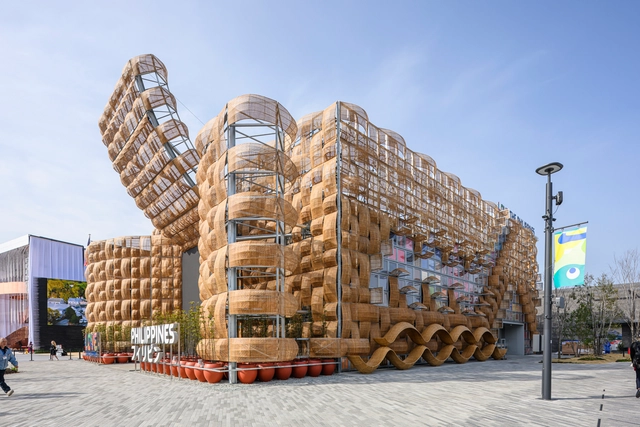
Expo Osaka 2025 officially opened its doors on April 13 in Osaka, Japan. The Philippines' exhibition for this edition opened with a pavilion designed by the Filipino-led architectural firm Carlo Calma Consultancy Inc., in partnership with Japanese executive architect Cat Inc., who also handled project management. Titled "Woven," the pavilion reflects the country's connections to nature, its cultural heritage, and its community values. With the theme "Nature, Culture & Community: Woven Together for a Better Future," the pavilion aims to highlight the Philippines' creativity, diversity, and aspirations for sustainable development while inviting visitors to engage with its cultural and environmental priorities.
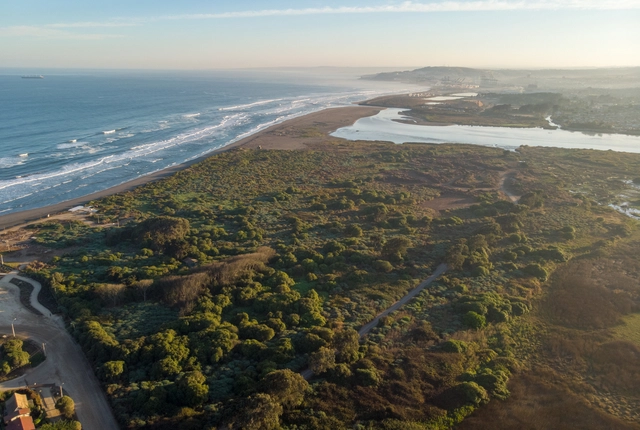
Santuario de la Naturaleza Humedal Río Maipo.. Image Courtesy of Fundación Cosmos
On Earth Day 2025, observed annually on April 22, we are once again reminded of the urgent environmental and sustainability challenges that face our planet—challenges that continue to evolve alongside global economic, political, and cultural shifts. The building and construction industry remains one of the most critical sectors in the effort to manage and reduce global carbon emissions. This year, these issues are being addressed through increasingly diverse lenses, calling for more holistic and integrated approaches. It's vital that we view sustainability not as a one-size-fits-all solution, but as a multi-scalar effort—one that spans from large-scale urban development and strategic planning, to the advancement of sustainable materials, and even to temporary, thought-provoking interventions like exhibitions and installations. In doing so, we reaffirm our commitment to reducing our collective carbon footprint, while shaping a built environment that promotes human well-being and planetary health.
The term "biophilia" understandably conjures images of buildings engulfed by vegetation and integrated into natural landscapes. In modern architectural discourse, the concept has come to be associated with the incorporation of greenery into built environments, yet such applications represent only a sliver of biophilic design's true scope. Inarguably, nature plays a central role in biophilic design. However, its influence stretches to often-overlooked strategies that involve spatial configuration and environmental patterning. "Invisible" biophilia frequently leads to positive health outcomes for occupants, working impactfully beneath the surface.
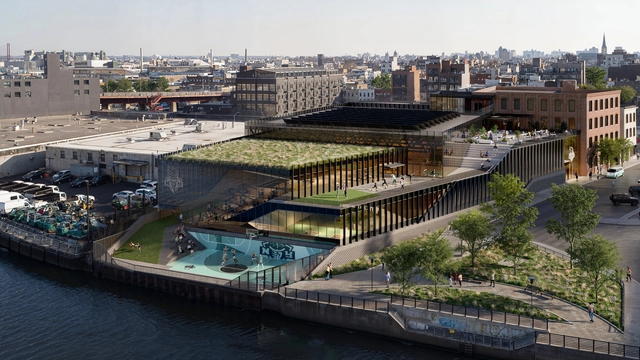
Populous, the global architecture firm, recently released images of the design for a new New York Liberty practice facility in Greenpoint, Brooklyn. The $80 million project is a player-led endeavor, developed for and in collaboration with the women's professional basketball team. The new building will span 75,000 square feet and offer views of Manhattan's skyline. In addition to serving as a basketball training center, the facility is also designed to support community engagement and expand the team's impact throughout New York City.
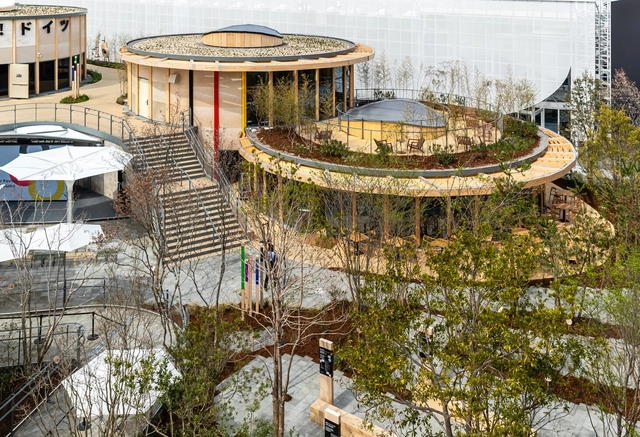
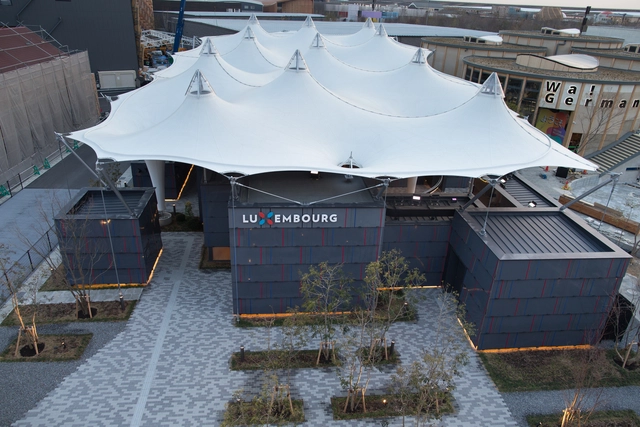
The Luxembourg national pavilion, designed by Luxembourg-based office STDM architectes urbanistes in collaboration with Japanese office MIKAN, with the concept of "Doki-Doki –The Luxembourg Heartbeat," has just opened its doors at the Osaka 2025 World Expo. The pavilion takes its name from the Japanese term for heartbeat, aiming to express joy and enthusiasm while strengthening the connection between the two countries. It also strives to offer visitors a chance to discover the cultural richness of Luxembourg and its multifaceted identity.
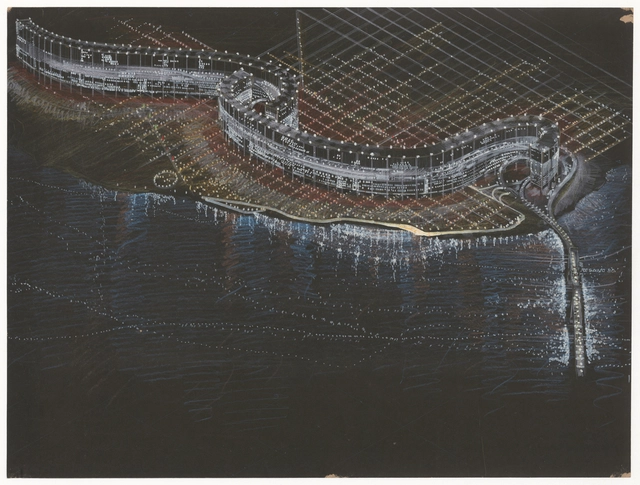
Through his unbuilt projects, built works, and research, Amancio Williams's ideas emerge as the result of a deep understanding of the most advanced trends of his time reflecting on architectural design, urbanism and city planning. By exploring various themes, concepts, and even materials, he aims to create a personal universe that interprets the present as something future-oriented, both international and distinctly Argentine. His proposal "La ciudad que necesita la humanidad" presents linear and layered buildings raised 30 meters above ground, incorporating everything from office spaces to roads and magnetic trains on different levels of a single structure. The Amancio Williams archive at the Canadian Centre for Architecture in Montreal documents Williams' career as an architect and designer from the 1940s to the late 1980s. The fonds documents his work for over 80 architectural, urban planning and design projects, as well as the administration of his architecture practice and his professional activities. Including drawings and sketches, presentation models, photographic materials, such as photographs of models, finished project (when realized), reference images, photographic reproduction of plans, and site photographs, the archive is available to consult offering more details.
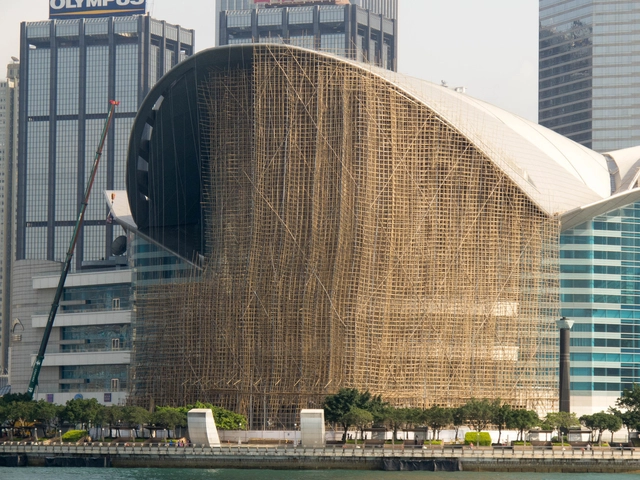
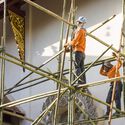
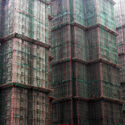
The bamboo scaffolding building typology—temporary, agile, and deeply rooted in tradition—particularly, the bamboo shed theatre building technique, is recognized as an item of Intangible Cultural Heritage in Hong Kong. As one walks through the city, especially in busy urban districts, it's nearly impossible not to encounter a bamboo scaffold within a five-minute radius. Bamboo scaffolding is arguably the most iconic construction material in Hong Kong, valued for its abundance, sustainability, flexibility, adaptability, and—most importantly—scalability. These qualities have contributed to its widespread use in temporary construction, from building maintenance and renovations to festival stages and sporting events.
However, this once-ubiquitous feature of the urban landscape may be slowly fading from view. A dwindling pool of skilled, younger workers—combined with evolving construction regulations—has contributed to its decline. On March 17, the Development Bureau announced plans to "drive a wider adoption of metal scaffolds in public building works." In practice, this means the Architectural Services Department (ArchSD) will soon require at least 50% of its capital works projects to utilize metal scaffolding. While not a formal ban, the policy signals what many see as the beginning of a gradual phase-out of bamboo scaffolding in public-sector construction.
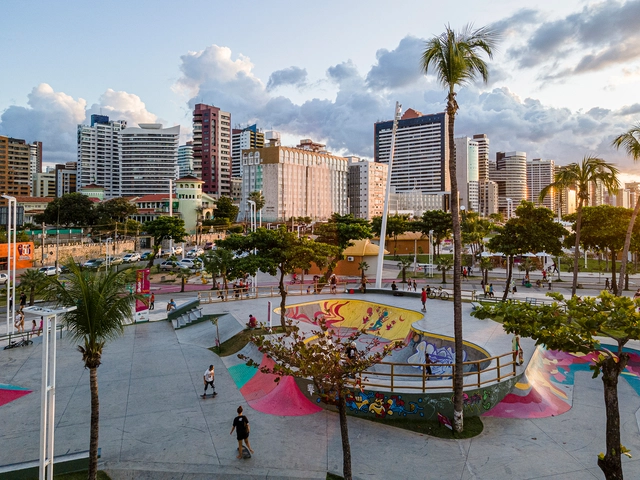
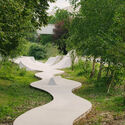
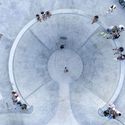
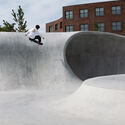
How is it possible to achieve emotional well-being in public spaces? What role do public spaces play in promoting urban well-being? Considering that sports practices can be a vital component in creating healthy public spaces, skateboarding, one of the most globally recognized urban activities, offers an alternative for building opportunities for the physical, recreational, social, cultural, and even professional development of multiple generations.
As cities continue to grow and daily realities shift rapidly, people are turning to new and evolving ways to maintain their well-being. While promoting active lifestyles has long been a focus for many planners and architects, through pedestrian- and bike-friendly cities, parks, and fitness or sports centers, recent times have shown that these publicly valued facilities are not always accessible. A clear solution has emerged in recent years, accelerated by the global pandemic in 2020. Both homes and workplaces have begun to adapt their interior spaces, incorporating designated areas and equipment to support physical activity and provide opportunities for movement during the day.
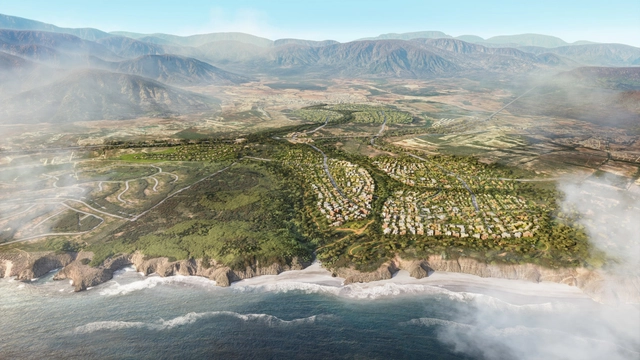
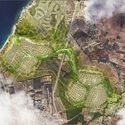
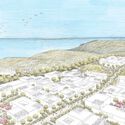
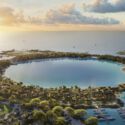
Foster + Partners is developing a comprehensive masterplan for Maratué, a 1,045-hectare site located along the Puchuncaví coast in Chile. Developed for Inmobiliaria Maratué, the project seeks to reconnect the existing town of Puchuncaví with its coastal edge, while conserving and enhancing the region's diverse natural landscapes. The masterplan aims to create a sustainable framework for long-term development, balancing residential growth with environmental protection.
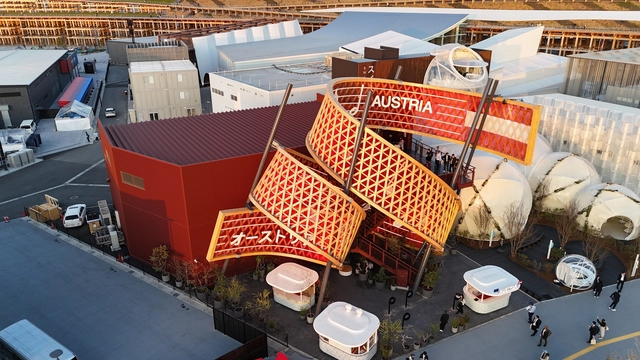
Austrian Pavilion at Expo Osaka 2025. Image Courtesy of Expo Austria
BWM Designers & Architects has just completed the design for the Austrian Pavilion at Expo Osaka 2025. Titled "Austria. Composing the Future," the pavilion reimagines the expo's theme, "Designing Future Society for Our Lives," through a music lens, suggesting a future that is not only designed but also composed. In collaboration with facts and fiction, the pavilion and exhibition embark on a journey through Austria's musical heritage and witness its transition into the future. The 900 square meters pavilion is located between the pavilions of Switzerland and Ukraine in the section "Empowering Lives."
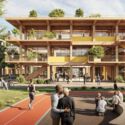
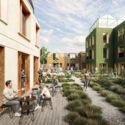
In recent weeks, a number of architecture firms have unveiled new projects that reflect an ongoing shift toward integrated, environmentally responsive urban planning. From Europe to the Middle East and North America, these proposals balance spatial innovation with long-term sustainability, whether through car-free living, passive performance strategies, or adaptive modular construction. While some projects reimagine infrastructure and public institutions, others explore how urban density can coexist with natural ecosystems. This edition of Architecture Now highlights a selection of recently announced masterplans, cultural buildings, and residential communities that offer new models for ecological and social resilience in the built environment.
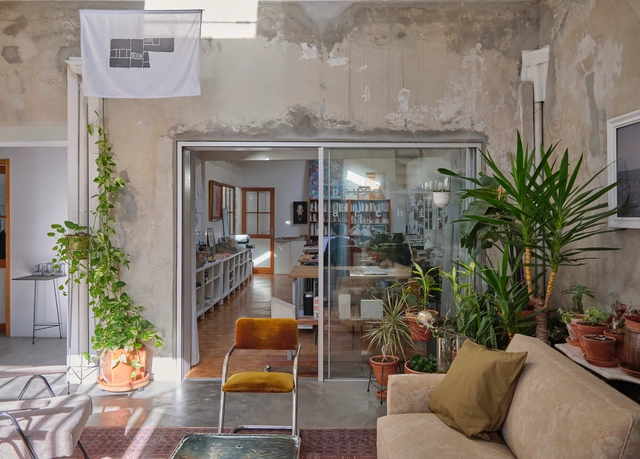
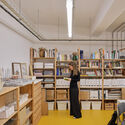
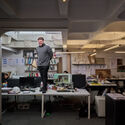
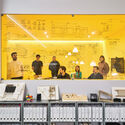
Porto's architectural legacy has long been shaped by the weight of history and the clarity of form. From the work of Álvaro Siza to the dense network of studios emerging from the city's schools, Porto offers a unique blend of continuity and reinvention. Here, architecture is not only a matter of design but often one of endurance — of working within constraints, of drawing with precision, and of navigating a built environment marked by permanence and resistance to spectacle.
Yet within this persistent context, a new generation of architects has been reshaping the field with quiet determination. Often formed in shared spaces, these practices balance autonomy with collaboration and meticulous detailing with broader urban concerns. Their studios tend to reflect this ethos: modest in scale, defined by adaptive reuse, and rooted in the material reality of the city. In these workspaces, architecture unfolds as a process — sometimes speculative, sometimes grounded — but always reflective of a practice that is deeply local and increasingly global.
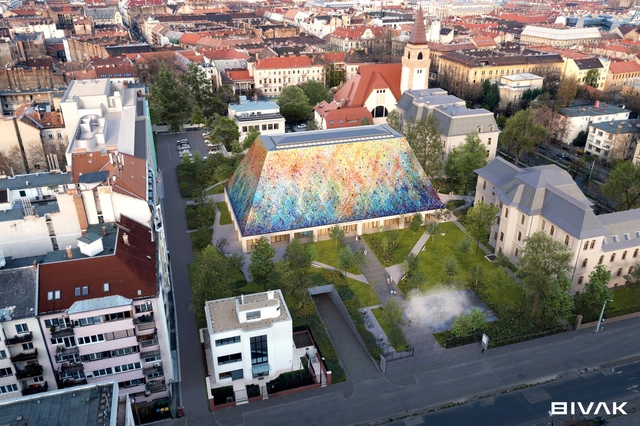
Hungarian Architecture Center and Museum Design. Image Courtesy of BIVAK Studio
The Hungarian Architecture Center and Museum, designed by BIVAK Studio in collaboration with Tér és Forma Szeged Építéstervező Ltd., has received its building permit, paving the way for construction to begin. Located at the corner of Városligeti Fasor and Bajza Street in Budapest, Hungary, the project aims to establish a cultural and professional hub within an urban context. The proposal was selected as the winning entry in an international two-round open design competition, organized by the Hungarian Academy of Arts, held in December 2023.
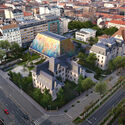
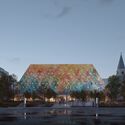
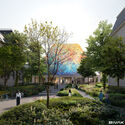
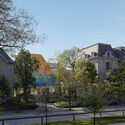
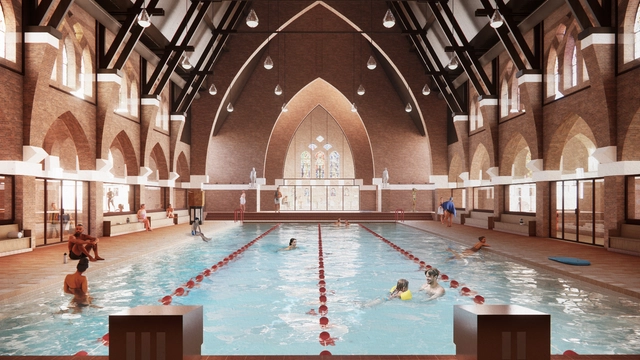
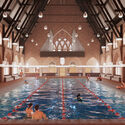
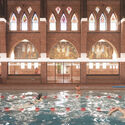
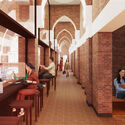
MVRDV and Zecc Architecten have won the competition to transform the St. Francis of Assisi Church in Heerlen into a public swimming pool. Originally built over 100 years ago, the church stopped hosting services in 2023, presenting the municipality with the opportunity to repurpose the building for community use. Nicknamed Holy Water, the adaptive reuse project is meant to give this listed national monument, with its recognizable silhouette, a new social function while preserving its historic elements. The design was created through a collaboration between MVRDV, Zecc Architecten, IMd Raadgevende Ingenieurs, Nelissen Ingenieursbureau, and construction economics consultancy SkaaL, and is expected to be completed at the end of 2027.
The State of Qatar has just opened its national pavilion's doors at Expo Osaka 2025. Designed by Kengo Kuma & Associates in collaboration with Qatar Museums, the pavilion blends traditional craftsmanship from Qatar and Japan while highlighting the two countries' connection to the sea, which is understood as a hub of resources and a medium for trade and knowledge exchange. The exhibition will be on view until October 13, 2025, aiming to showcase Qatar's innovations across diverse fields.

















_Yohei_Sasakura.jpg?1584733407&format=webp&width=640&height=580)
_Toshiyuki_Yano.jpg?1584733248 "© Toshiyuki Yano")
_Fernando_Guerra___FG_SG.jpg?1584733499 "© Fernando Guerra | FG+SG")
_Toshiyuki_Yano.jpg?1584733288 "© Toshiyuki Yano")
_Adrien_Williams.jpg?1584733422 "© Adrien Williams")
_Yohei_Sasakura.jpg?1584733407)