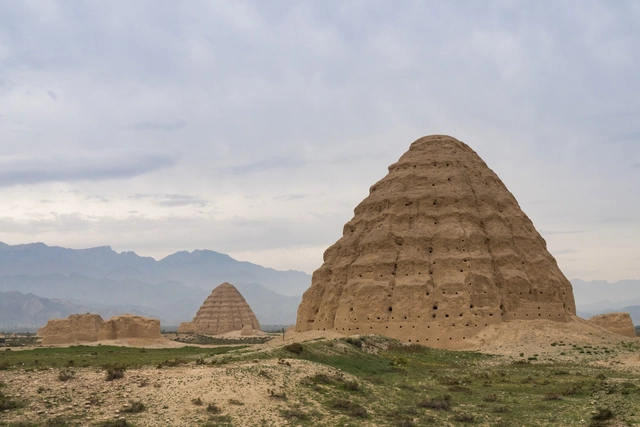
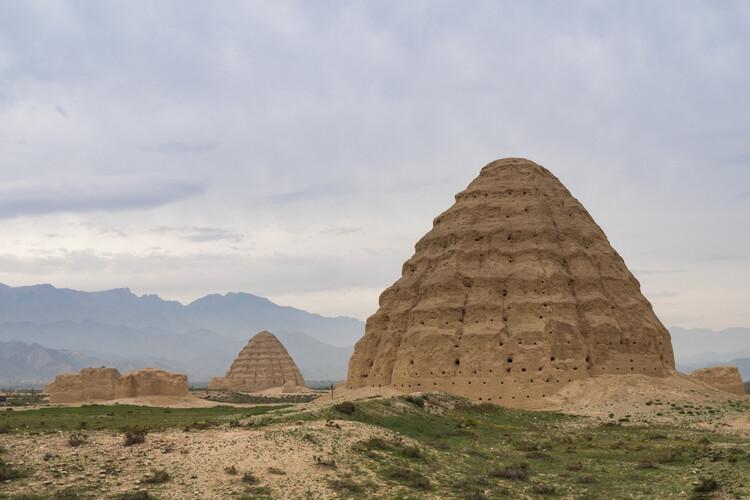
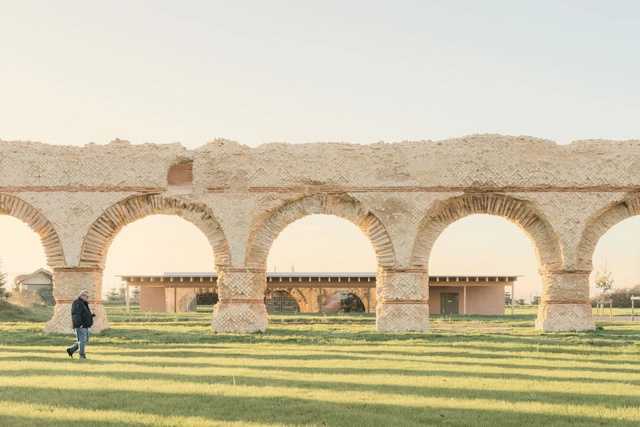
During the 47th session of the World Heritage Committee, held from July 6 to 16, 2025, at UNESCO Headquarters in Paris, France, 26 new properties were inscribed on the World Heritage List. In addition to examining new nominations, the Committee reviewed the conservation and management of existing sites, addressed the impact of climate change on heritage, and approved the extension of two existing sites to create new transboundary natural parks. According to UNESCO, the session placed the work of local communities at the center of safeguarding policies, reinforced efforts to preserve African heritage, and acknowledged the growing recognition of remembrance sites and the protection of humanity's shared prehistory. These 26 properties, located across 26 countries, now benefit from the highest level of international heritage protection.
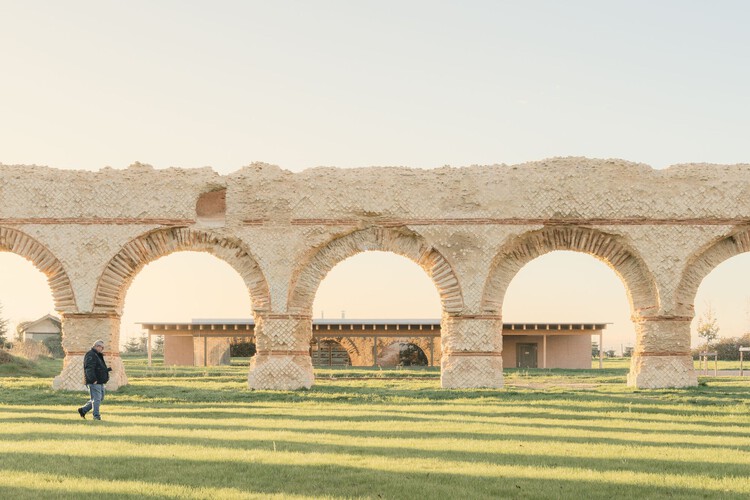
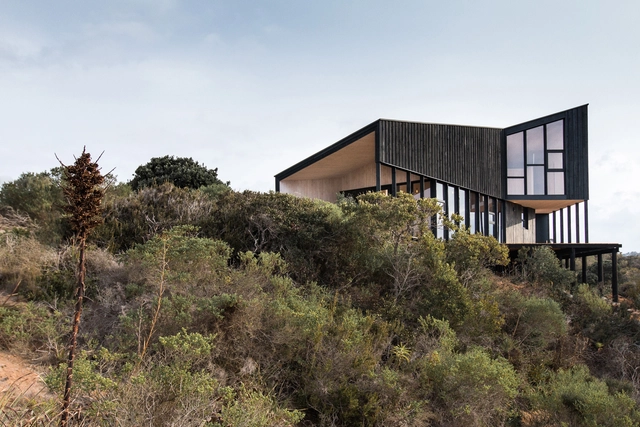
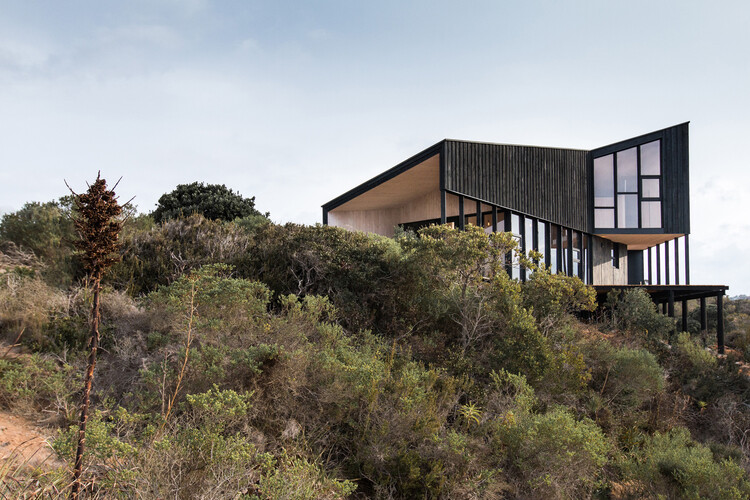
Architectural photography provides a window into the built world, making significant structures more accessible to people who may never have the chance to visit them. A good architectural photograph captures more than just the physical structure; it conveys the mood, scale, and context of a space. Each photograph is unique and shaped by the photographer's eye, which conveys their sensitivity and perception of the built environment through their lens.
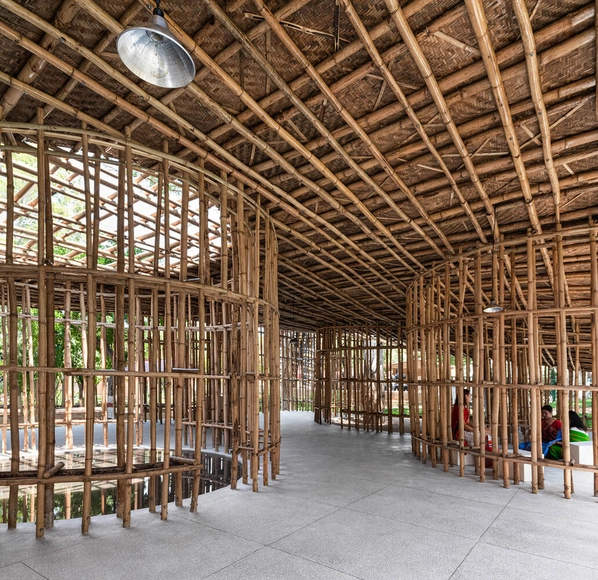
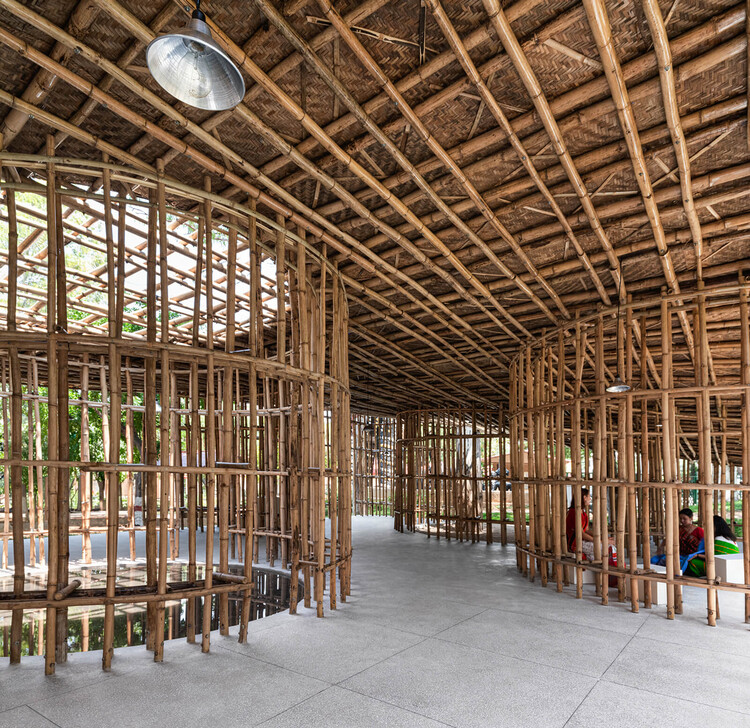
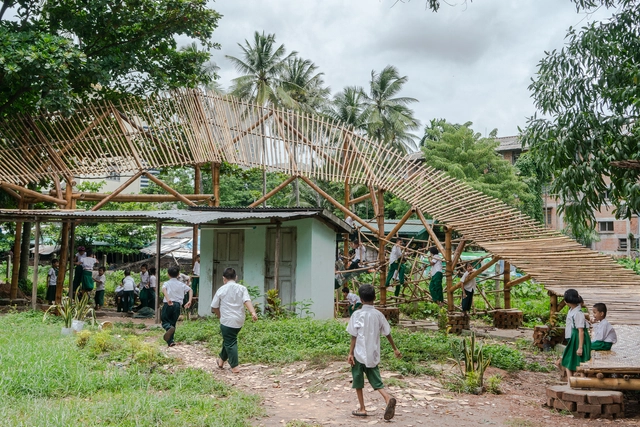
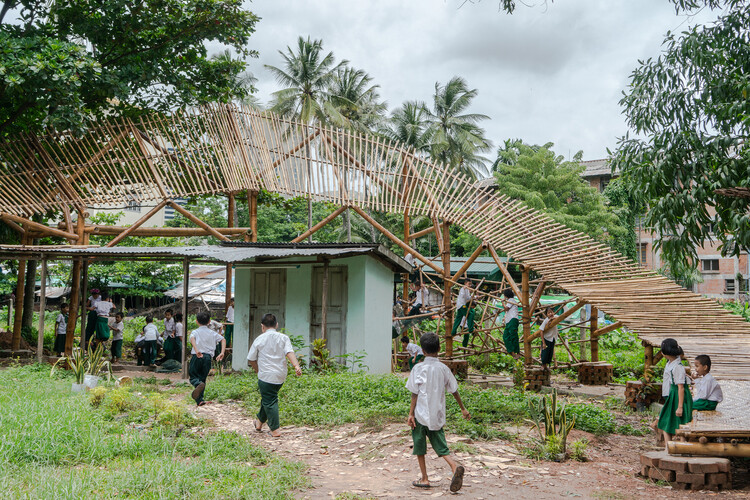
Across Asia, bamboo scaffolding has symbolized an intersection of traditional knowledge and modern construction. Hong Kong's skyline is shaped by intricate bamboo scaffolding, yet this time-honored craft is steadily vanishing from the region. Moving east, Indian cities still utilize bamboo scaffolding on building sites throughout the subcontinent, revealing a different kind of paradox.
By Jeanette Fich Jespersen, MA, Head of the KOMPAN Play Institute, Head of the steering committee of the World Playground Research Institute, University of Southern Denmark, Vice-president of International Play Association, Denmark.
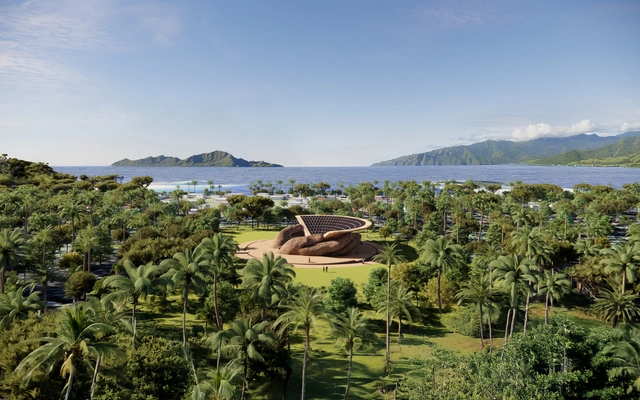
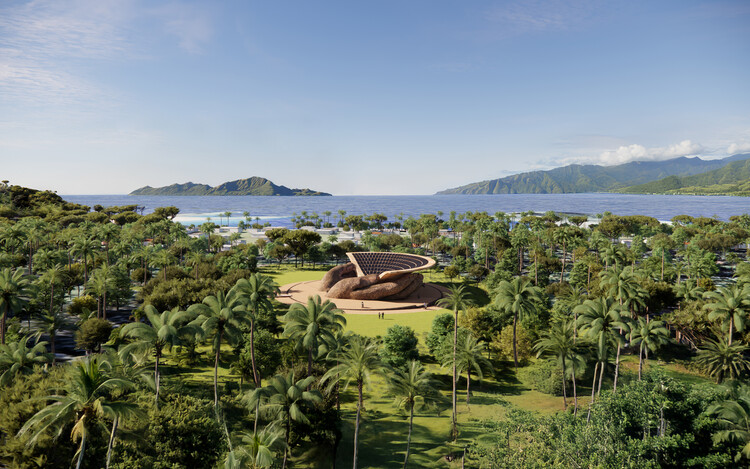
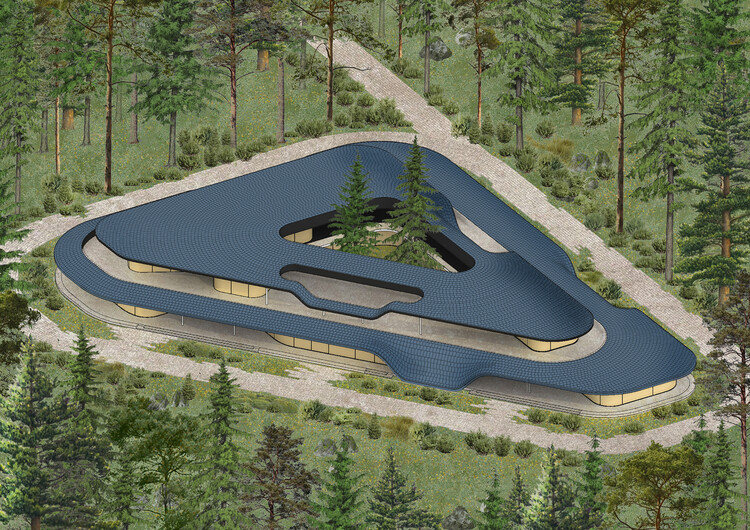
The Land Art Generator Initiative (LAGI) has announced the winners of its 2025 competition in Marou Village, Fiji. Developed in partnership with the local community and supported by the Fiji Department of Energy, the FijiRural Electrification Fund, and the United Nations Development Program, LAGI 2025 invited designers from around the world to envision renewable energy and water systems that could also serve as cultural and social spaces. From over 200 entries representing 45 countries, two projects were selected: The O by Alberto Roncelli and Ligavatuvuce by Young Kang.
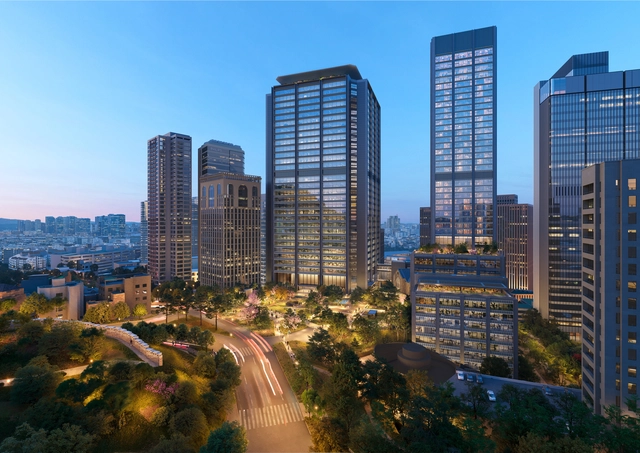
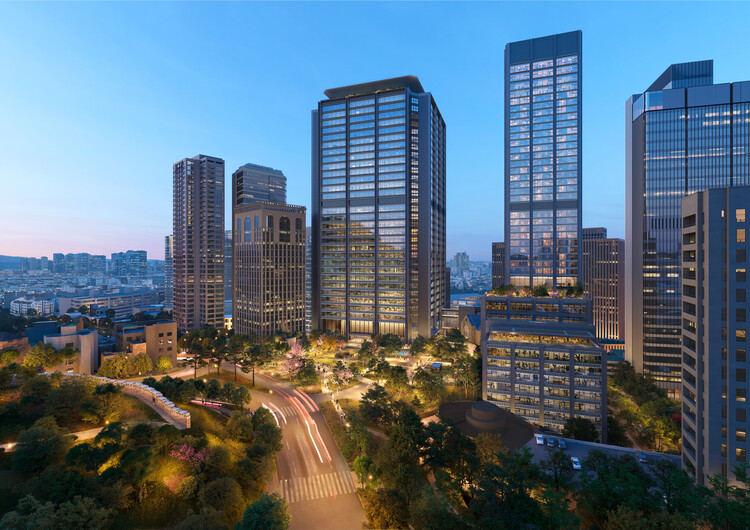
IOTA Seoul I mixed-use development. Render. Image Courtesy of Foster + Partners
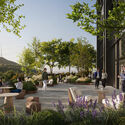
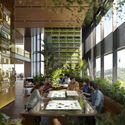
Foster + Partners has released images of the proposed design for IOTA Seoul I, a mixed-use development in Seoul, South Korea. The project would be located between Seoul Station and Namsan, a 270-meter-high peak in the Jung-gu district in the south-central part of the city. The site has been described by the architects as a landmark location due to its historical significance as one of Seoul's gateways for travelers arriving by train.
In contemporary interior architecture, service provisions—mechanical, electrical, HVAC, plumbing—are almost always treated as elements to be concealed. Thickened wall cavities, extensive dropped ceilings, and, in regions where solid construction such as brick or concrete prevails, furred-out walls are routinely employed to hide these systems. This approach has become so normalized that it often forms the starting assumption for spatial planning, inherently constraining imagination and reducing the range of spatial possibilities. The priority shifts towards covering-up, rather than exploring how these systems might coexist visibly within a design language.
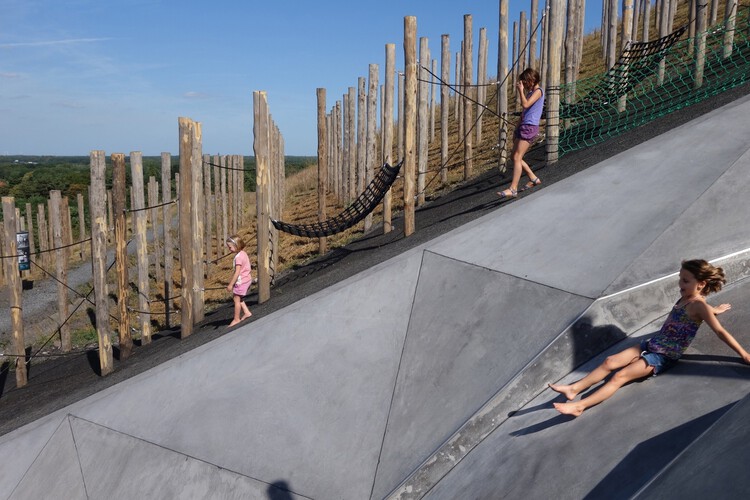
Urban playgrounds are evolving from simple swing sets and slides into dynamic, multi-faceted urban landscapes. These new designs are more than just places to play; they are thoughtfully integrated spaces that address urban challenges, promote community, and inspire creativity. A key trend is the intentional use of color and pattern. Designers are utilizing vibrant color zones to segment different functional areas, creating a visually dynamic experience that contrasts with natural surroundings. This approach can also be used to establish a cohesive urban identity, with thoughtful color palettes that complement the existing cityscape.
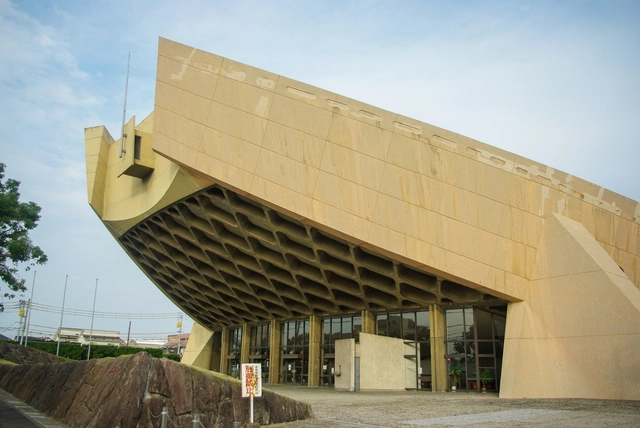
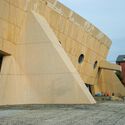
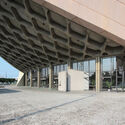
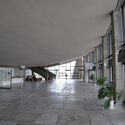
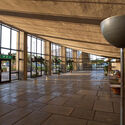
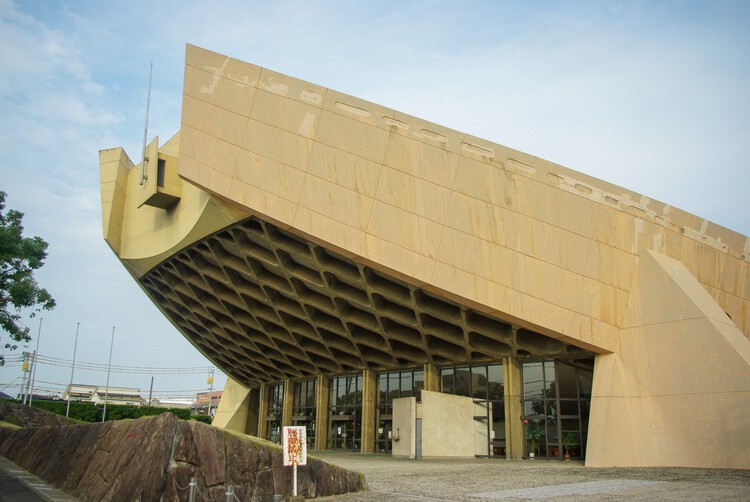
In February 2023, the governor of Kagawa Prefecture, Japan, announced the planned demolition of the Kagawa Prefectural Gymnasium, designed by Pritzker Prize-winning architect Kenzo Tange. Discussion surrounding its fate dates back to its permanent closure in 2014, after a roof leak caused structural problems in the ceiling boards. Since then, several organizations have worked to save the building, including a petition by the World Monuments Fund and an effort by a promotional council to nominate it as a UNESCO World Cultural Heritage site in 2021. Despite these initiatives, on August 7, 2025, the Kagawa Prefectural Government officially announced a public competitive bidding process to select a contractor for the demolition, something the Former Kagawa Prefectural Gymnasium Regeneration Committee is determined to prevent.
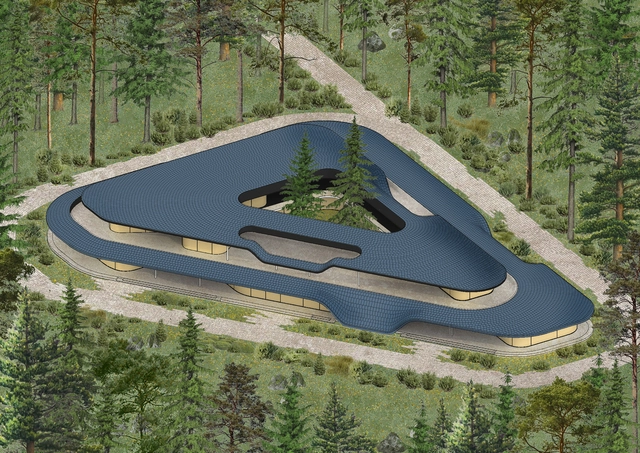
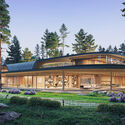
Across diverse climates and landscapes, architects are reimagining the home as a place deeply rooted in its surroundings, where architecture and environment work together to nurture well-being. This curated selection of unbuilt residences, submitted by the ArchDaily community, are conceived as sanctuaries, offering respite from the pace of urban life and drawing on the restorative qualities of greenery, water, and open air. Nature is utilized as an active presence, shaping courtyards, guiding circulation, and influencing the choice of materials and colors.
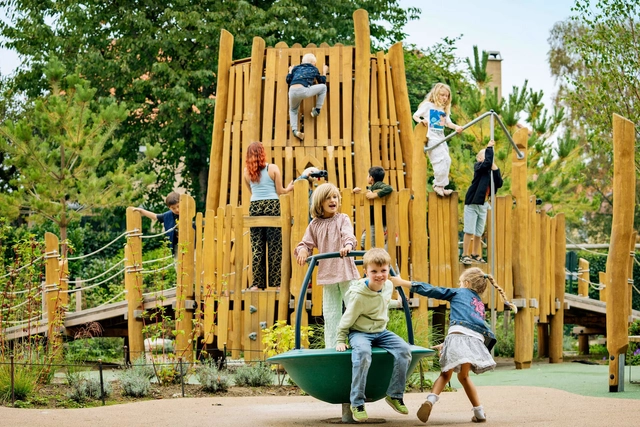
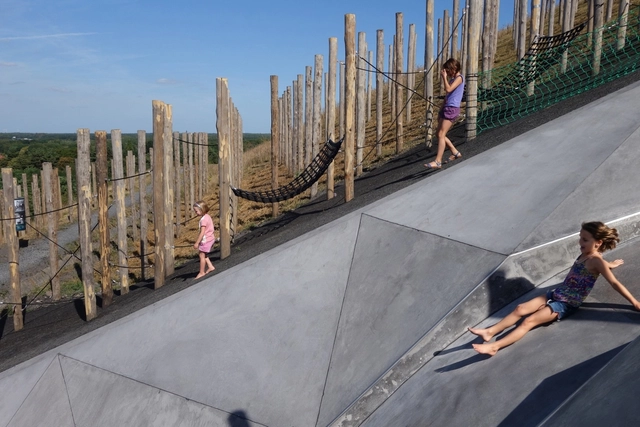
Play Landscape be-MINE / Carve + OMGEVING. Image Courtesy of Carve
Playgrounds are spatial instruments through which society projects its expectations on childhood, testing the boundaries between control and autonomy, exposure and protection. They regulate how children relate to space, to others, and their bodies — encoding, often invisibly, social norms, fears, and aspirations. In this sense, playgrounds are not peripheral spaces of leisure; they are political constructs shaped by specific ideologies about what childhood is and how it should unfold. Since 1989, the right to play has been formally recognised in the United Nations Convention on the Rights of the Child, affirming that play is a fundamental part of human development. To design a playground is not only to draw lines on a plan or to install equipment in a park; it is to define the conditions under which play is permitted, imagined, or constrained.
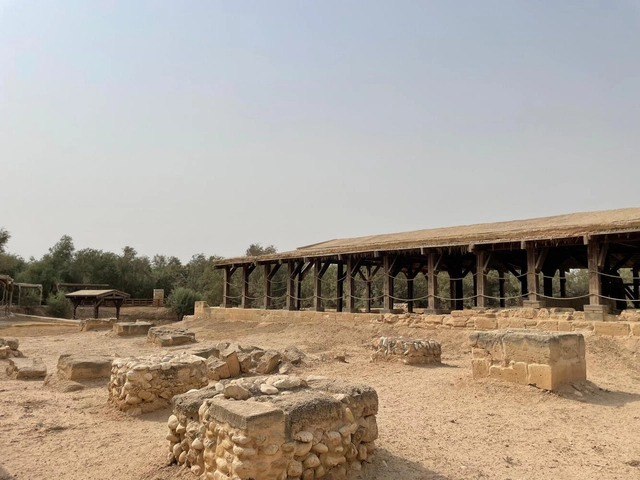
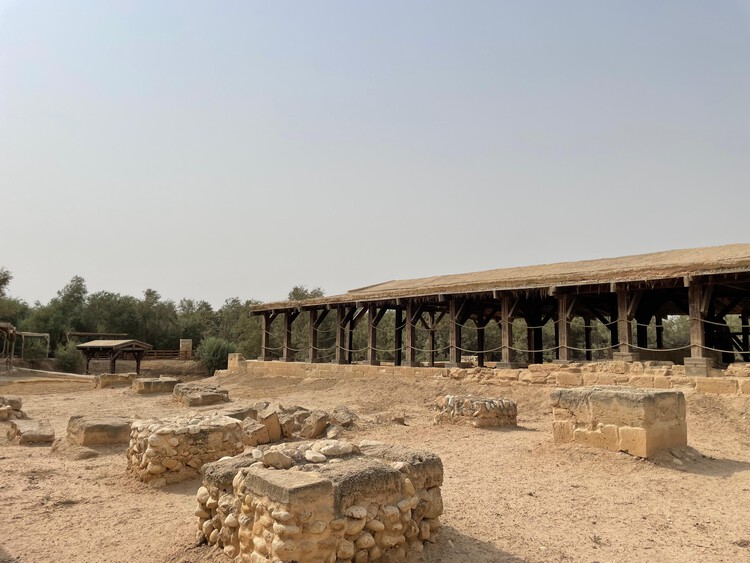
Baptism Site. Image Courtesy of Malcolm Reading Consultants
Seven international design teams have been shortlisted for the "Museum of Jesus' Baptism" at Bethany, Jordan, a cultural and spirituallandmark scheduled to open in 2030 to mark the bimillennial of Christ's baptism. Endorsed by His Majesty King Abdullah II bin Al-Hussein and led by the Foundation for the Development of the Lands Adjacent to the Baptism Site, the project is managed by London-based Malcolm Reading Consultants (MRC). The museum will be situated adjacent to the UNESCOWorld Heritage Site of "Bethany Beyond the Jordan" on the east bank of the JordanRiver, a place of Christian pilgrimage for centuries.
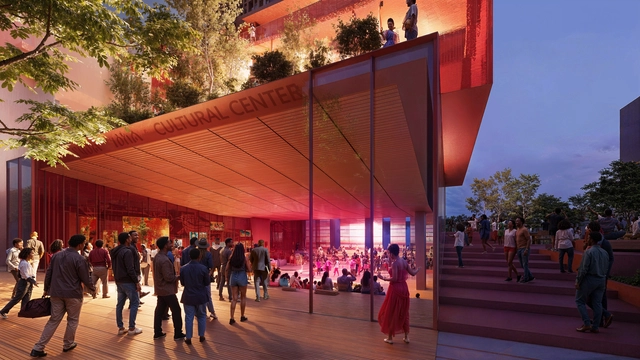
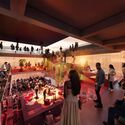
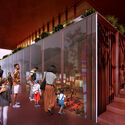
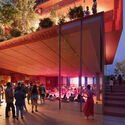
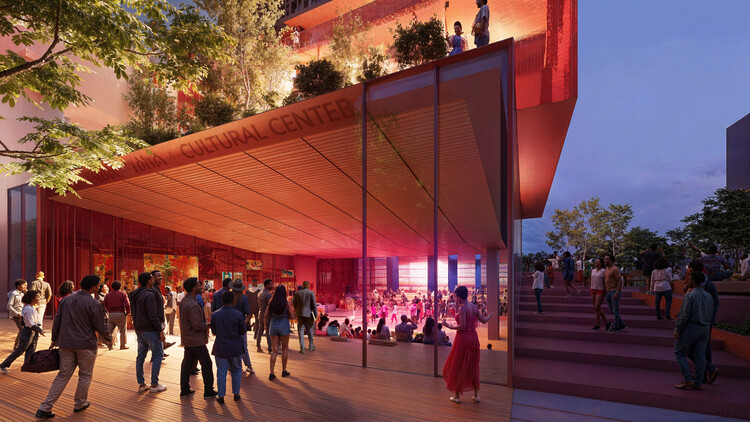
CRA-Carlo Ratti Associati has unveiled images of its design for a new cultural center in Addis Ababa, the capital of Ethiopia. The project is located in Kazanchis, a cultural, musical, and historic neighborhood currently undergoing transformation as part of a government-led urban renewal program focused on corridor development. This neighborhood was home to the traditional compound of the Fendika Cultural Center, a hub for Ethiopia's traditional and experimental arts, which was demolished on October 23, 2024, after the site was designated for redevelopment as part of the systematic clearing of the area. In recognition of Fendika's cultural significance, the Addis Ababa Municipality offered the institution the opportunity to remain on-site and rebuild in a way that aligned with the city's plans for the neighborhood. CRA's project responds to this context with an open stage and a four-story civic space.
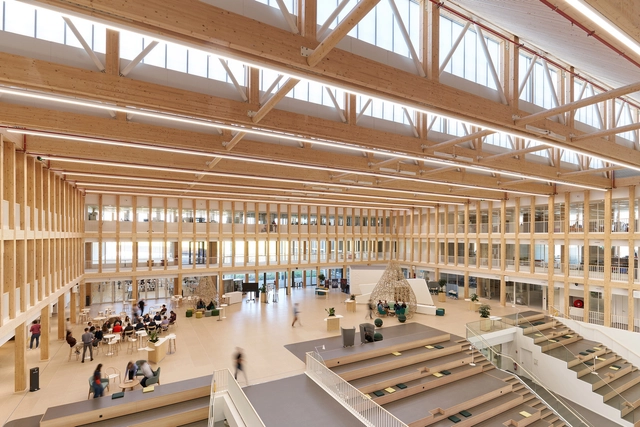
Wood, one of the oldest building materials, has been continuously reinvented throughout history. As contemporary architecture becomes more and more concerned with sustainability and environmental responsibility, the popularity of the material has also increased. As trees absorb carbon dioxide during their growth, their wood stores that carbon, keeping it out of the atmosphere. The materials derived from wood are thus associated with less greenhouse gas emissions on the condition of trees being harvested from sustainably managed forests. But in order to capture the full potential of this material, a plethora of techniques and modifications have evolved with the purpose of adapting and customizing wood's characteristics to the demands of modern design and construction. From thermal modification to engineered wood or versatile particle boards, these methods not only enhance wood's suitability for the rigors of contemporary architecture but also expand the usability of this sustainable material to an unprecedented scale.
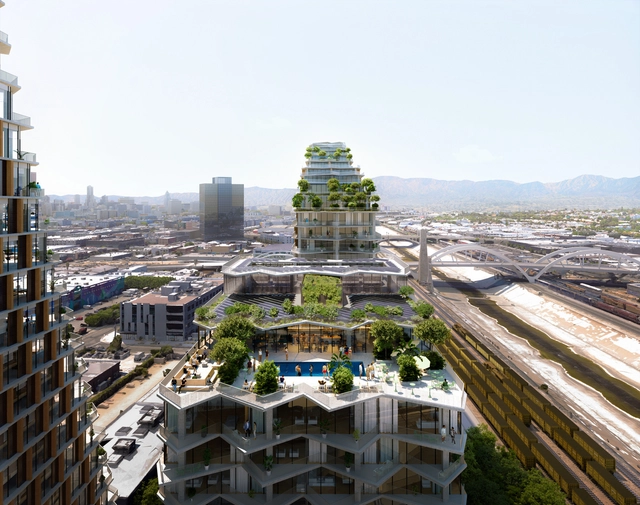
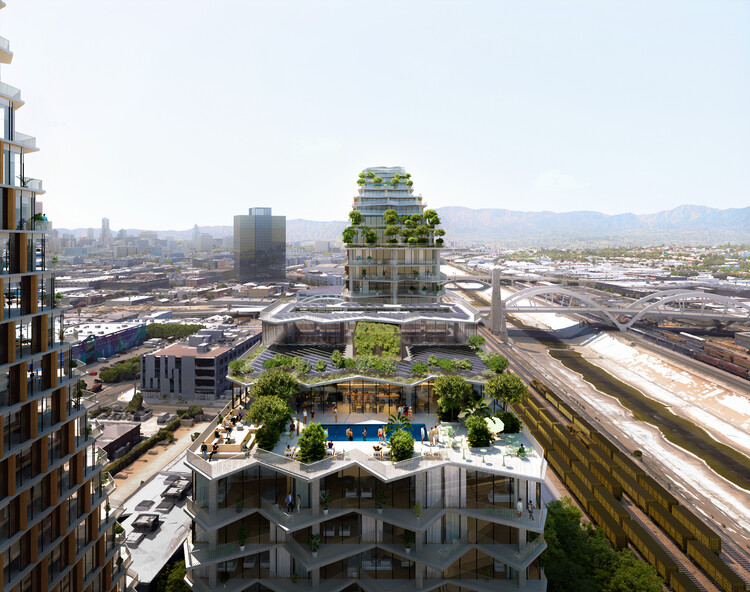
In December 2016, BIG unveiled the first images of a concrete superstructure for Los Angeles' Arts District. The project, a mixed-use complex called 670 Mesquit, was originally projected to cover 2.6 million square feet (242,000 square meters) and include office space, residential units, and two hotels, marking BIG's first project in Los Angeles. In July 2025, nearly nine years after the original proposal, the Los Angeles City Council approved the project to be eventually built in multiple phases.