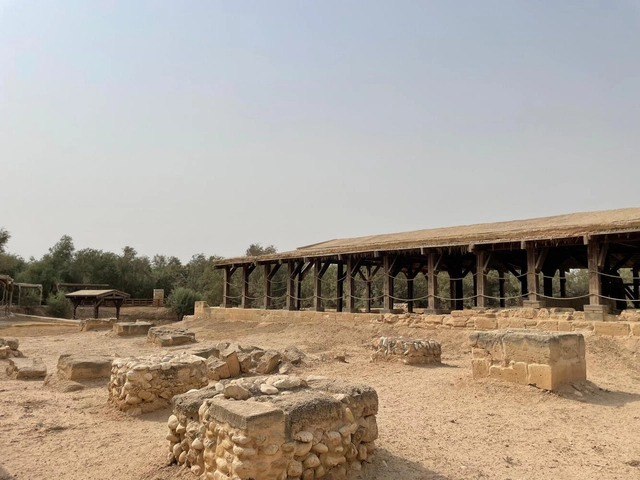
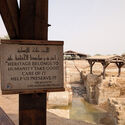
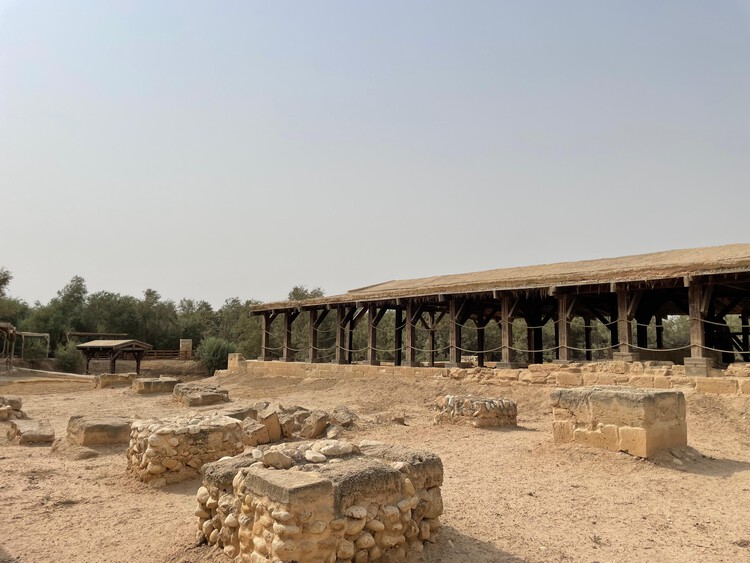
Baptism Site. Image Courtesy of Malcolm Reading Consultants
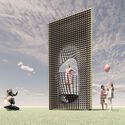
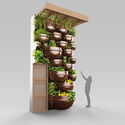
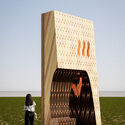
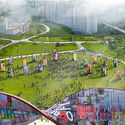
Seven international design teams have been shortlisted for the "Museum of Jesus' Baptism" at Bethany, Jordan, a cultural and spirituallandmark scheduled to open in 2030 to mark the bimillennial of Christ's baptism. Endorsed by His Majesty King Abdullah II bin Al-Hussein and led by the Foundation for the Development of the Lands Adjacent to the Baptism Site, the project is managed by London-based Malcolm Reading Consultants (MRC). The museum will be situated adjacent to the UNESCOWorld Heritage Site of "Bethany Beyond the Jordan" on the east bank of the JordanRiver, a place of Christian pilgrimage for centuries.
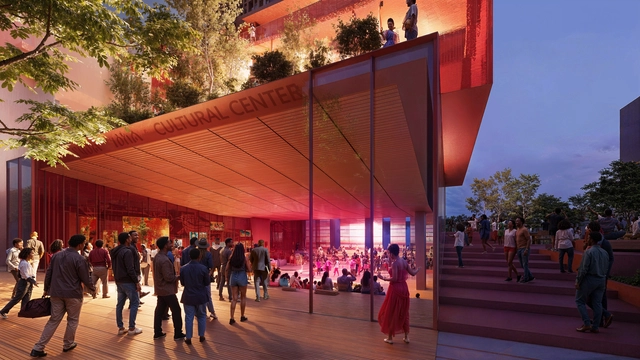
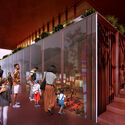
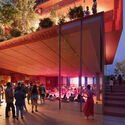
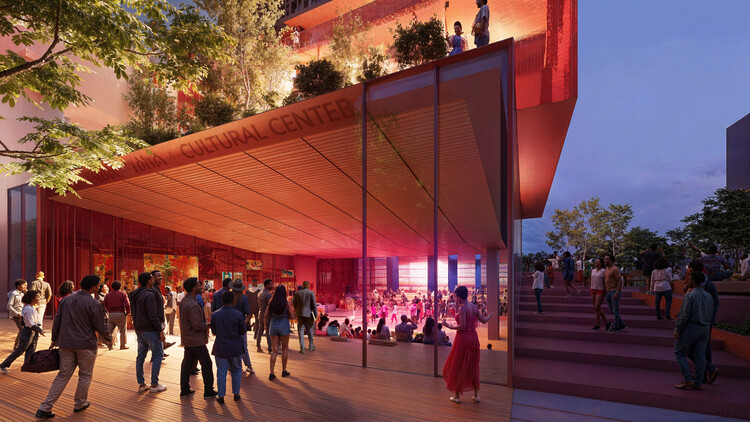
CRA-Carlo Ratti Associati has unveiled images of its design for a new cultural center in Addis Ababa, the capital of Ethiopia. The project is located in Kazanchis, a cultural, musical, and historic neighborhood currently undergoing transformation as part of a government-led urban renewal program focused on corridor development. This neighborhood was home to the traditional compound of the Fendika Cultural Center, a hub for Ethiopia's traditional and experimental arts, which was demolished on October 23, 2024, after the site was designated for redevelopment as part of the systematic clearing of the area. In recognition of Fendika's cultural significance, the Addis Ababa Municipality offered the institution the opportunity to remain on-site and rebuild in a way that aligned with the city's plans for the neighborhood. CRA's project responds to this context with an open stage and a four-story civic space.
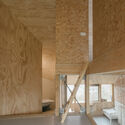
Wood, one of the oldest building materials, has been continuously reinvented throughout history. As contemporary architecture becomes more and more concerned with sustainability and environmental responsibility, the popularity of the material has also increased. As trees absorb carbon dioxide during their growth, their wood stores that carbon, keeping it out of the atmosphere. The materials derived from wood are thus associated with less greenhouse gas emissions on the condition of trees being harvested from sustainably managed forests. But in order to capture the full potential of this material, a plethora of techniques and modifications have evolved with the purpose of adapting and customizing wood's characteristics to the demands of modern design and construction. From thermal modification to engineered wood or versatile particle boards, these methods not only enhance wood's suitability for the rigors of contemporary architecture but also expand the usability of this sustainable material to an unprecedented scale.
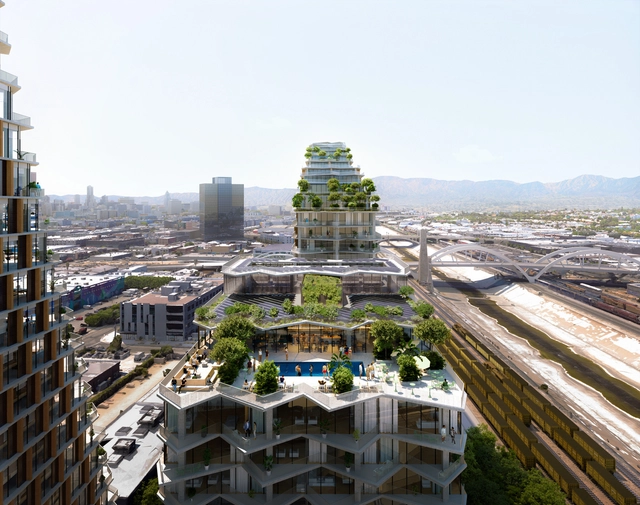
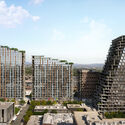
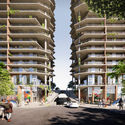
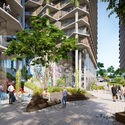
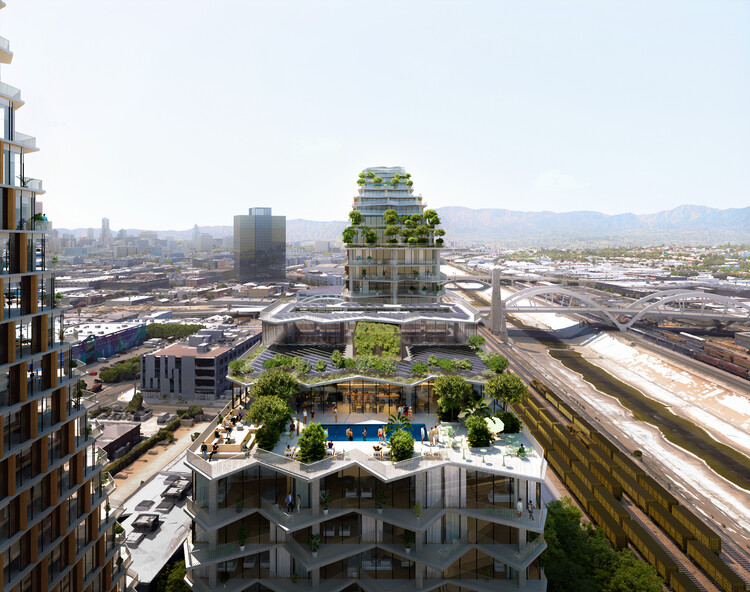
In December 2016, BIG unveiled the first images of a concrete superstructure for Los Angeles' Arts District. The project, a mixed-use complex called 670 Mesquit, was originally projected to cover 2.6 million square feet (242,000 square meters) and include office space, residential units, and two hotels, marking BIG's first project in Los Angeles. In July 2025, nearly nine years after the original proposal, the Los Angeles City Council approved the project to be eventually built in multiple phases.
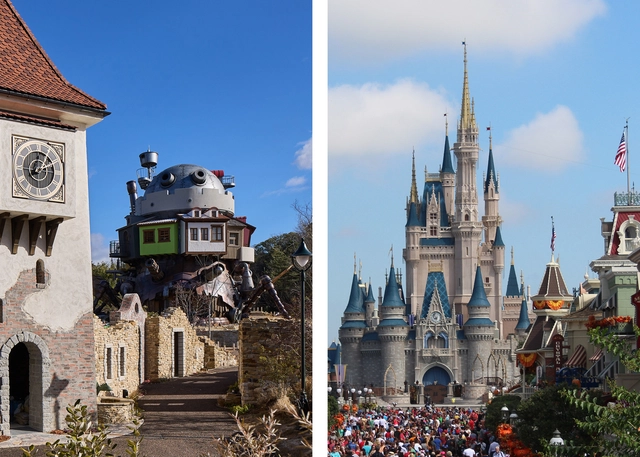
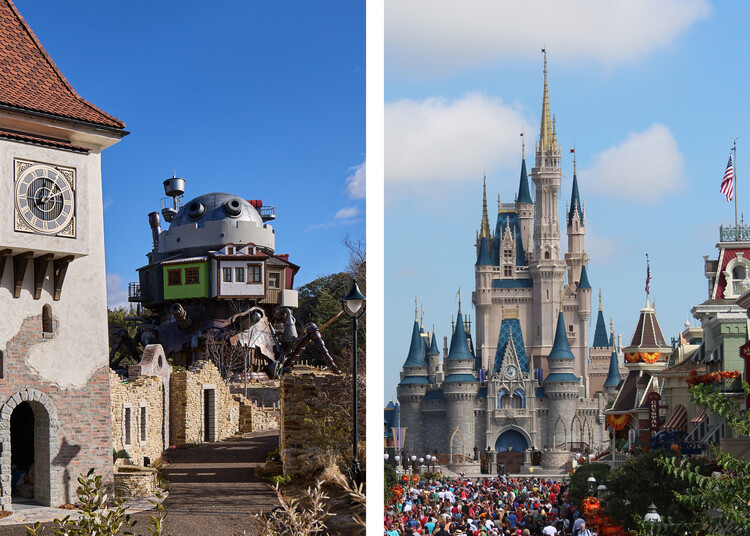
Ghibli and Disneyworld comparison. Image via J-LIGHTS / Koichiro Itamura and Theme Park Tourist on wikipedia with license CC BY 2.0
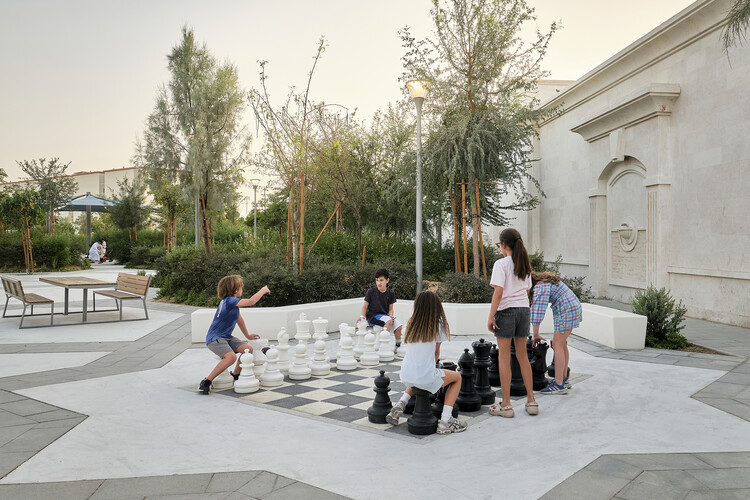
When it comes to designing for a child's imagination, the architectural landscape presents two different philosophies. Disneyland and Studio Ghibli, both masters of imaginative storytelling, represent this core division. Their approaches, far from being accidental, reflect different views on how children experience and engage with space. One provides a spectacle of constructed fantasy, while the other offers a landscape for potential magic. These two models present architects with a fundamental choice for tackling these sorts of projects: to design spaces that cater to children's innate need for sensory and personal discovery, or to create a fantasy that appeals to their growing ability to understand narratives and more complex spaces.
Historically, the concept of childhood as we know it today simply didn't exist and, until the Middle Ages, children were viewed as miniature adults. According to historian Philippe Ariès, it was only from the 17th century onward that childhood began to be understood as a distinct stage of development, requiring specific care, education, and protection. However, this evolving recognition has not been consistently reflected in the design and organization of urban space.
August 12, designated by the United Nations as International Youth Day since 1998, was conceived as an occasion to bring youth issues to the forefront of the international agenda and to celebrate the contributions of young people to today's global society. Each year, the observance focuses on a specific theme. In 2025, it is "Local Youth Actions for the SDGs and Beyond," emphasizing the role of youth in transforming global ambitions into community-driven realities. The aim is to highlight how young people help implement the Sustainable Development Goals (SDGs) within local contexts and bridge the gap between policy and practice. In this spirit, we present three educational programs, in Romania, the United Kingdom, and the United States, that empower youth to deepen their understanding of the built environment and envision a more sustainable, people-friendly urban future.
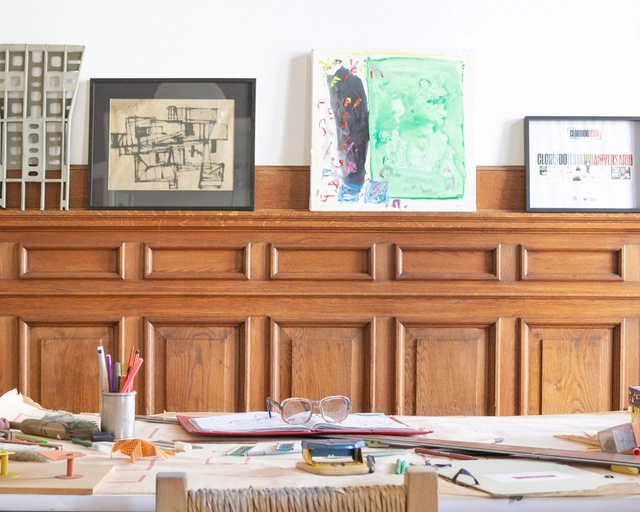
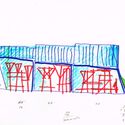
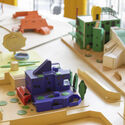
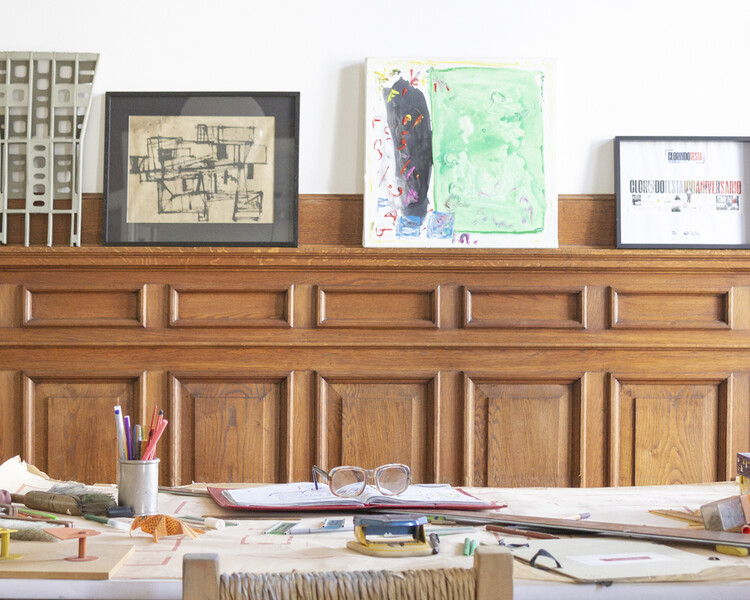
Amid questions, reflections, and debates, the work of Clorindo Testa embodies an innate connection between artistic and architectural experimentation, reflected in many of his built projects, sketches, models, and plans. From the Mariano Moreno National Library to the former Bank of London building in Buenos Aires, his production is of such scope, diversity, and complexity that it constitutes a major source of study, one that also includes unbuilt projects that deserve visibility and recognition on a global scale. In his final years of professional activity, two unbuilt projects of religious architecture highlight Testa’s work not only as an architect but also as a visual artist.
The use of primary colors, pure forms, and concrete represent some of the most distinctive characteristics of Clorindo Testa’s architecture, which is inseparable from his visual art. Reflecting on themes such as living in large cities or the conditions of life in urban spaces, the powerful expressiveness and plasticity of his works, together with the character of the line, his typical color palette, and the frequent presence of the human figure, reveal the importance and meaning he attributed to scales, uses, and perceptions as an architect who never settled for the first idea.
Harvard University Graduate School of Design (GSD) has announced Maura Marinelli, co-founder of franzosomarinelli, as the winner of the 2025 Wheelwright Prize. The annual $100,000 grant supports emerging architects in pursuing investigative research that addresses contemporary architectural challenges with a global perspective. Marinelli's winning proposal, "Topographies of Resistance: Architecture and the Survival of Cultures," explores how architecture can sustain and revitalizerural, mountainous regions that confront climate change, infrastructure limitations, and cultural erosion. His research aims to develop design strategies that promote autonomy, sustainability, and local identity by comparing contexts in the Alps, Andes, and Himalayas. Through fieldwork and analysis, the project seeks to propose architectural approaches that empower communities and challenge urban-centric perspectives.
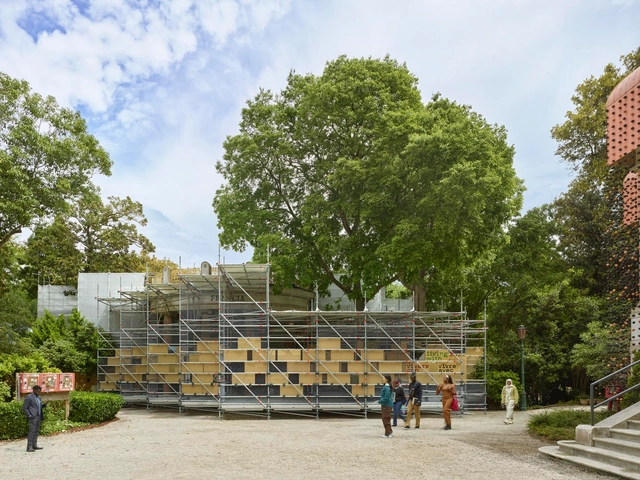
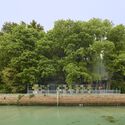
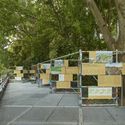
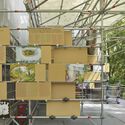
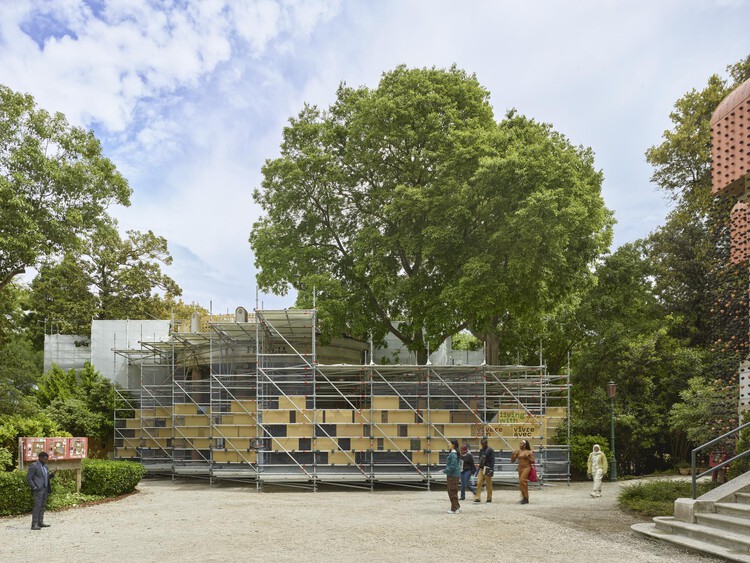
The French pavilion exhibition, entitled "Vivre avec / Living with," was developed by the agency Jakob+Macfarlane, formed by architects Dominique Jakob and Brendan MacFarlane, in collaboration with Martin Duplantier Architects and Eric Daniel Lacombe EDL. France's project for the 2025 Venice Biennale was selected through a two-phase competition, involving an initial pre-selection of five teams from forty-five applicants, followed by a detailed project presentation. The winning proposal focuses on architecture's capacity to address global challenges such as climate change, conflict, and instability, utilizing a combination of natural, human, and artificial intelligence.
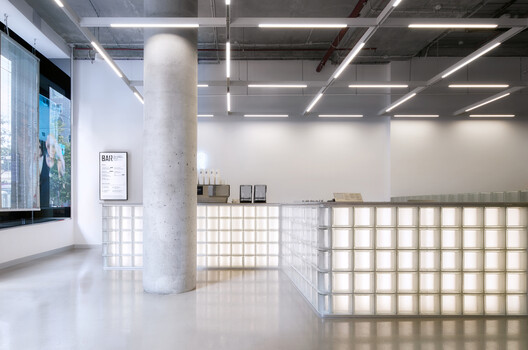
From the interior design of sports facilities to wellness spaces, contemporary architecture continues to experiment with incorporating different uses, installations, and materialities that make it possible to reach broader audiences, generate new spatial experiences, and enhance the simultaneous development of various activities. While each sport requires its own type of architecture, such as climbing training, for example, architecture and design professionals are striving to create atmospheres where exercise becomes more than just a physical experience, but also a psychological one, connecting mind and body through a state of physical renewal, relaxation, and sociability.
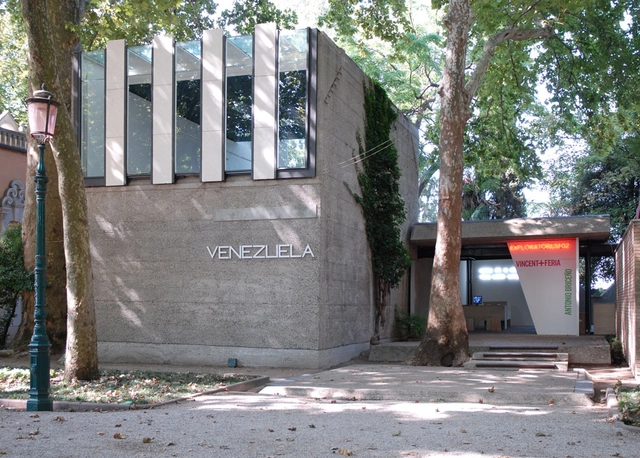
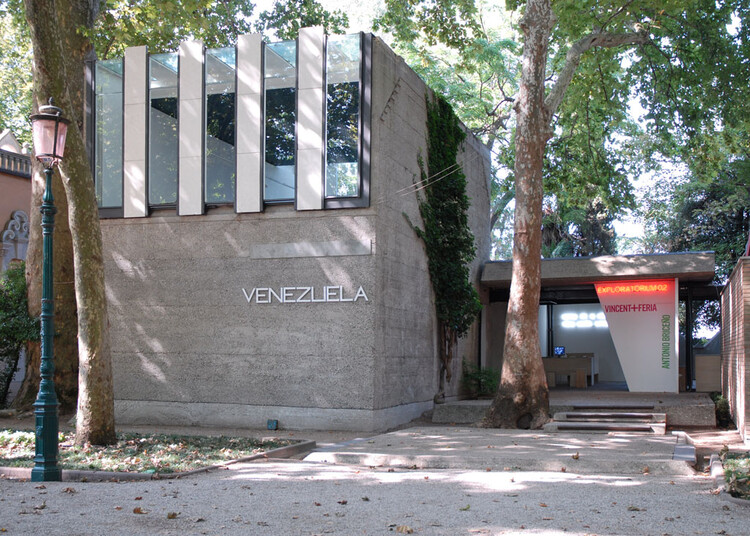
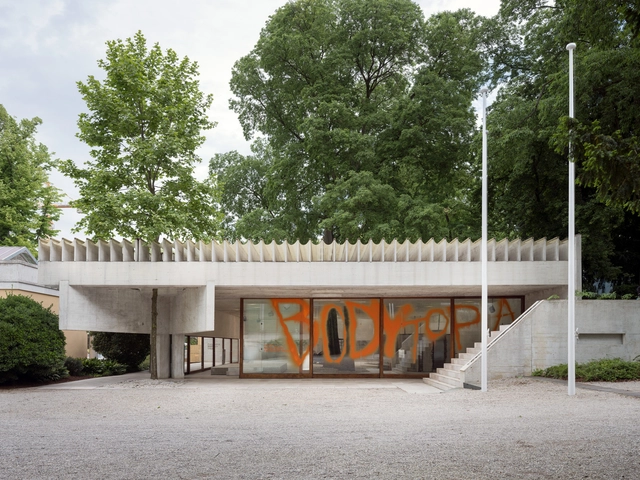
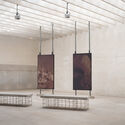
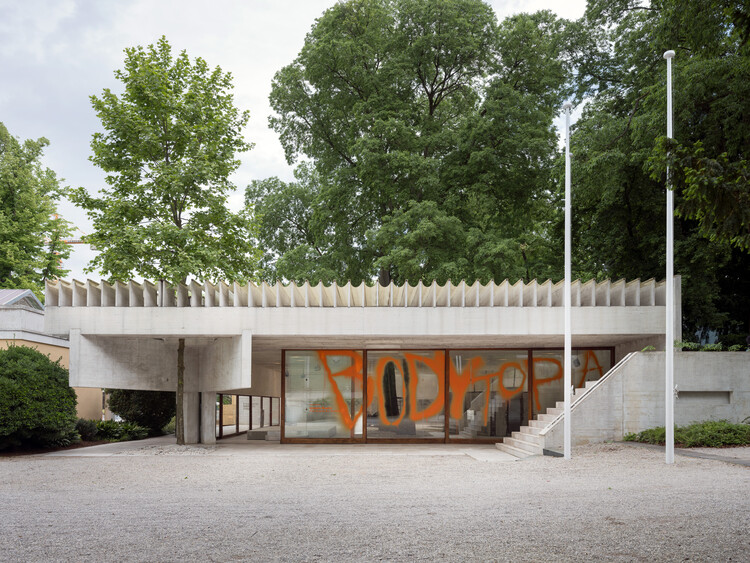
Nestled amongst the plethora of grandiose and carefully crafted national pavilions in the Giardini della Biennale in the Italian city of Venice is one pavilion by the city's perhaps most well-known modern architect. Sited between the pavilions of Russia and Switzerland is the VenezuelaPavilion, by architect Carlo Scarpa. In many ways, the structure typifies the design approach of its architect but has its idiosyncrasies. Built for Europe's most important biennial art exhibition, it is a member of a cohort of Modernist pavilions that came after the earlier, more classicist pavilions. This is its story.
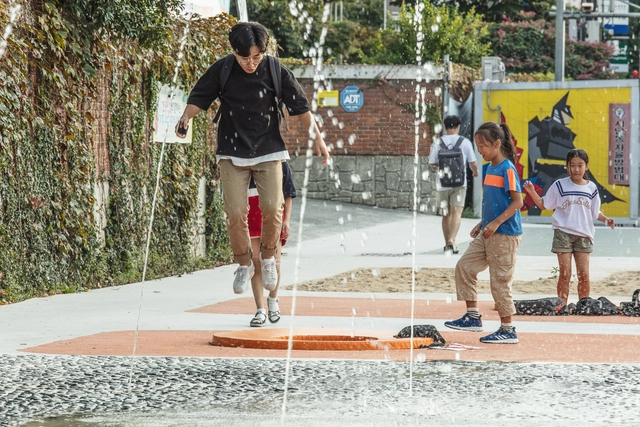
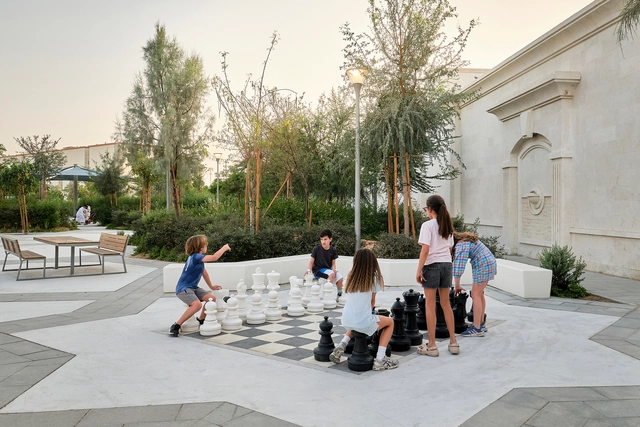
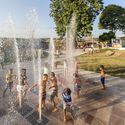
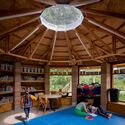
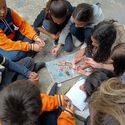
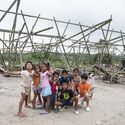
A good design should be adapted to the user's needs, and participatory design aims to reduce the distance between architects and those for whom the project is made. In this sense, projects for children that welcome them as central actors in the design process demonstrate how the potential of active listening and co-designing is reflected in spaces adapted to a smaller scale and to an audience in a phase of intense learning.
Whether they are kindergartens, schools, community centers, or public spaces, participatory projects with children show how the design process can be an enriching exchange for both sides. On the one hand, children can learn about materials, scales, decision-making, and develop spatial awareness. On the other hand, the architects responsible for making the desires and needs of the young users concrete can learn to exercise sensitivity and imagination and recognize a different worldview focused on discovery. All of this is possible through listening and open dialogue between different age groups.
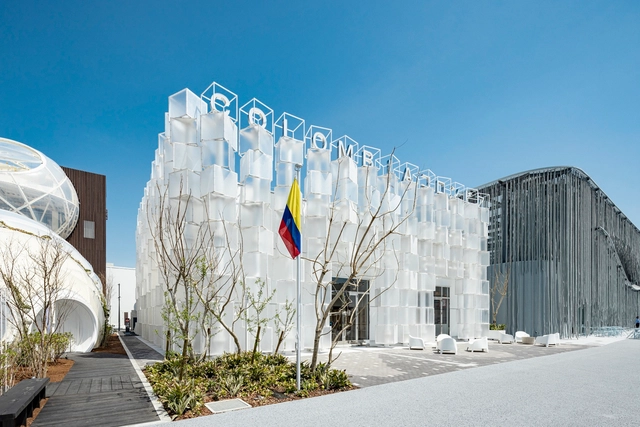
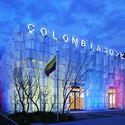
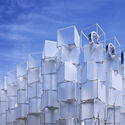
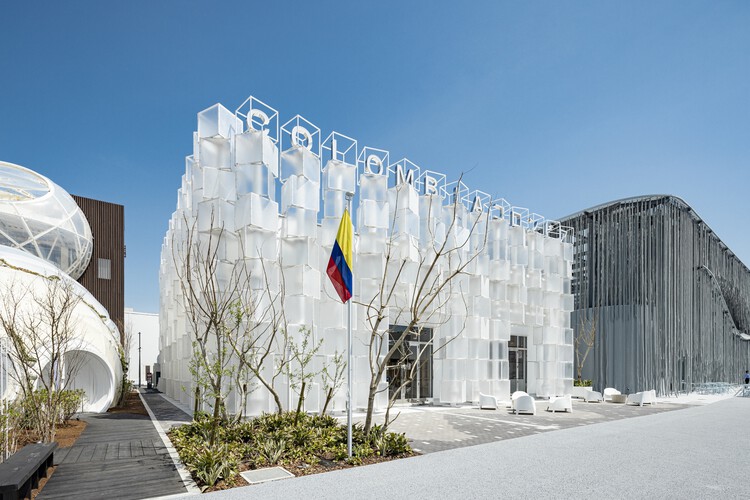
The Colombia Pavilion at the Expo Osaka 2025 adopts the theme "ICE CUBE," inspired by the scene in Gabriel García Márquez's One Hundred Years of Solitude where a young boy encounters ice for the first time. Translating this literary reference into built form, the pavilion presents a facade of translucent cubes set at varying angles, creating a sense of movement and articulation. Designed by MORF Inc., with Karim Chahal as Project Director and Ko Oono as Principal Architect, the exterior is composed of semi-transparent polycarbonate panels integrated with color-controlled lighting, allowing the facade to transform in appearance throughout the day and night.
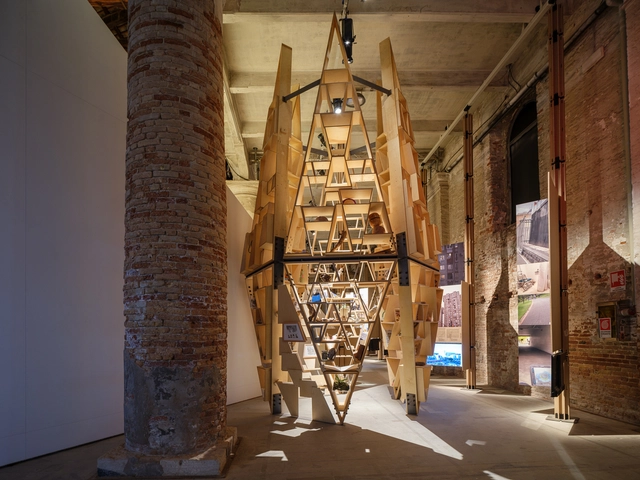
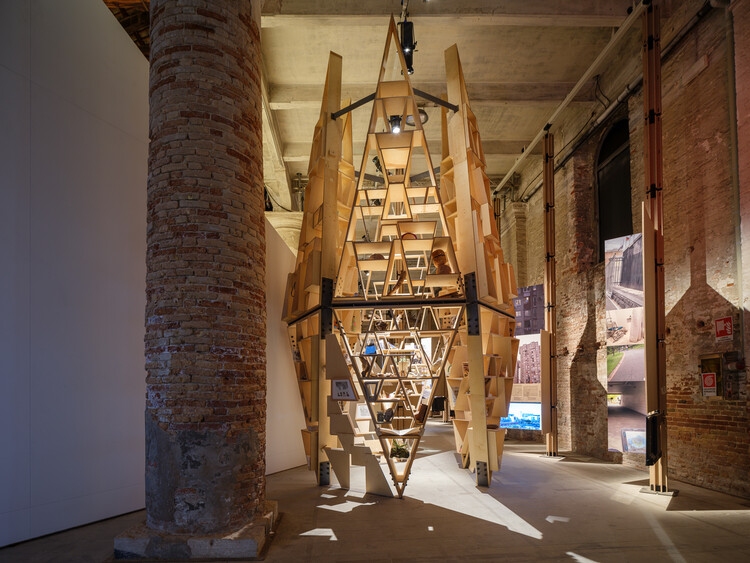
The Belgian Pavilion at the Venice Architecture Biennale 2025 presents a prototype that integrates landscape architecture into architectural interiors. Designed by Bas Smets in collaboration with Stefano Mancuso, the exhibition transforms the pavilion into a microclimate modeled after the understory of a subtropical forest, creating an indoor jungle that actively regulates temperature and humidity. The curatorial concept, supported by the Flanders Architecture Institute and its director, Dennis Pohl, promotes landscape thinking as an active design force rather than exterior decoration. In this video interview from Venice, Bas Smets and Dennis Pohl explain to ArchDaily editors how the project positions architecture as a platform for climate resilience and proposes a shift in design paradigms, from static images to evolving, living processes.
This curated selection of projects from the 2025 Venice Architecture Biennale explores regeneration as a deliberate, intelligent process rooted in the specific conditions of a place. For decades, the Biennale has been a testing ground for architecture's most urgent ideas, allowing designers, researchers, and institutions to present visions that address evolving environmental, cultural, and social challenges. This year's projects reveal how regeneration, whether of an entire coastal city, a disused industrial site, or a neglected public space, requires more than replacing the old with the new. It calls for a precise reading of existing contexts, the preservation of embedded knowledge, and the careful integration of contemporary needs.
The eight selected works show that regeneration can emerge from multiple starting points: reactivating heritage through adaptive reuse, restoring ecological systems as part of urban planning, developing open and modular strategies for social housing renewal, or layering technological innovation onto historically rooted practices. While the scale of intervention varies, each project demonstrates a sensitivity to what is already there and existing, be it material resources, urban patterns, or cultural memory, and a willingness to work with these assets as catalysts for transformation. Together, they suggest that regeneration must start somewhere, and that its success lies in balancing innovation with the intelligence of what already exists.
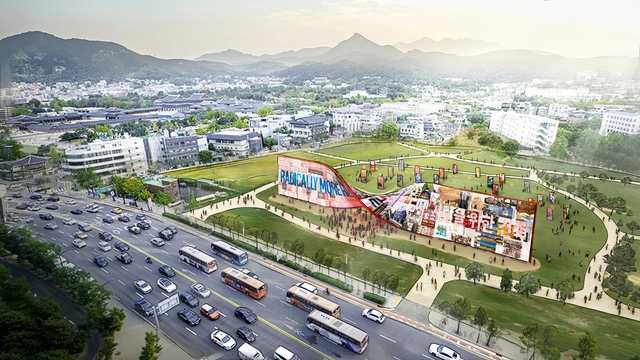
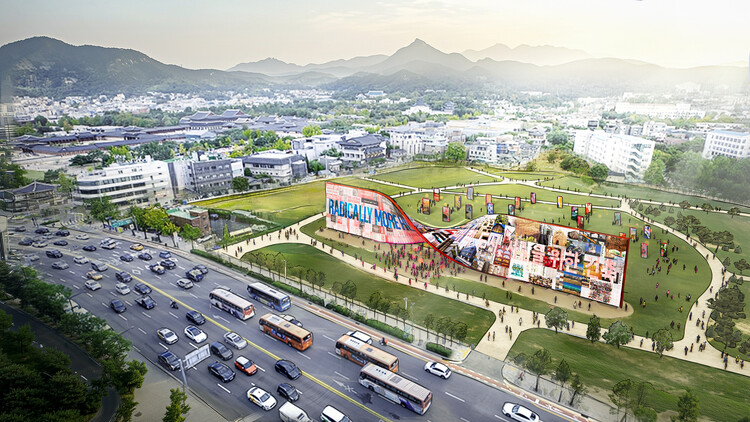
The 2025 edition of the Seoul Biennale of Architecture and Urbanism has announced the 24 designers commissioned to create the Walls of Public Life, a collective installation that explores how the exteriors of buildings can become more expressive, engaging, and emotionally resonant. Each contributor will produce a 2.4 by 4.8-meter building fragment, offering a reimagining of the architectural wall not as a backdrop, but as an active participant in public life. Installed along the north side of Songhyeon Green Plaza in central Seoul, the walls will form part of a larger urban intervention that includes the Humanise Wall, a four-storey, 90-meter-long installation to the south of the park.